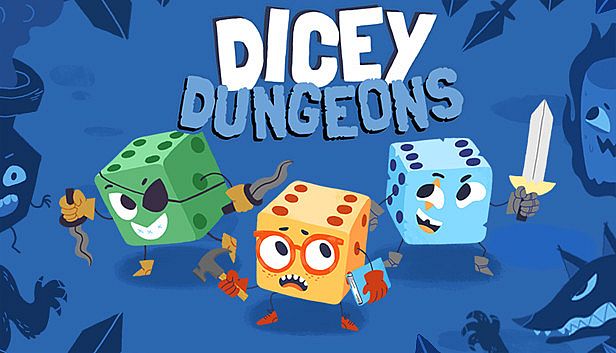















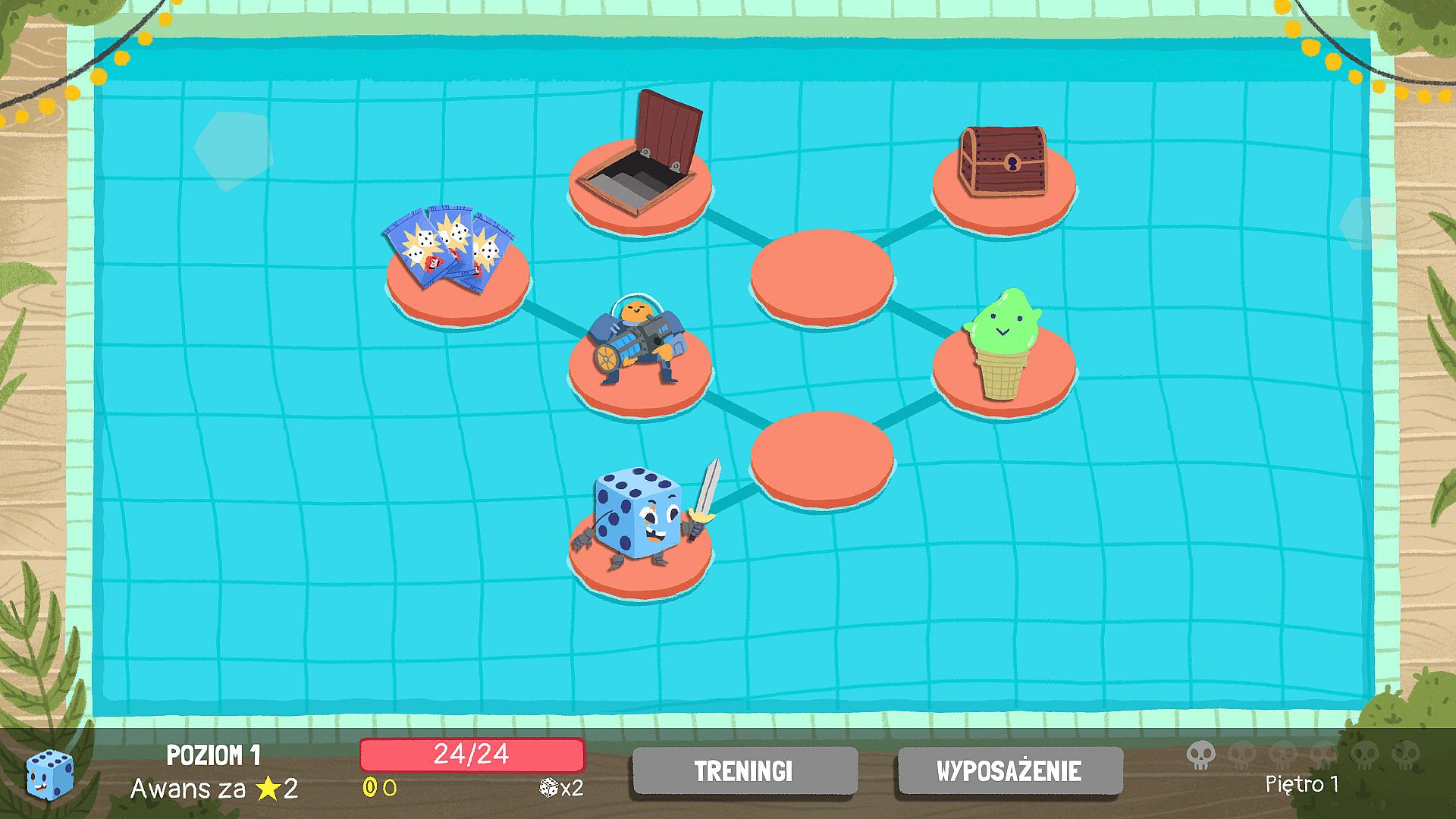



Dicey Dungeons is a singleplayer strategy indie game that blends deckbuilding roguelike elements with dice-driven combat. Players control one of six distinct characters as they navigate procedurally generated dungeons, assigning rolled dice to equipment to defeat enemies and progress toward a confrontation with Lady Luck.
Gameplay
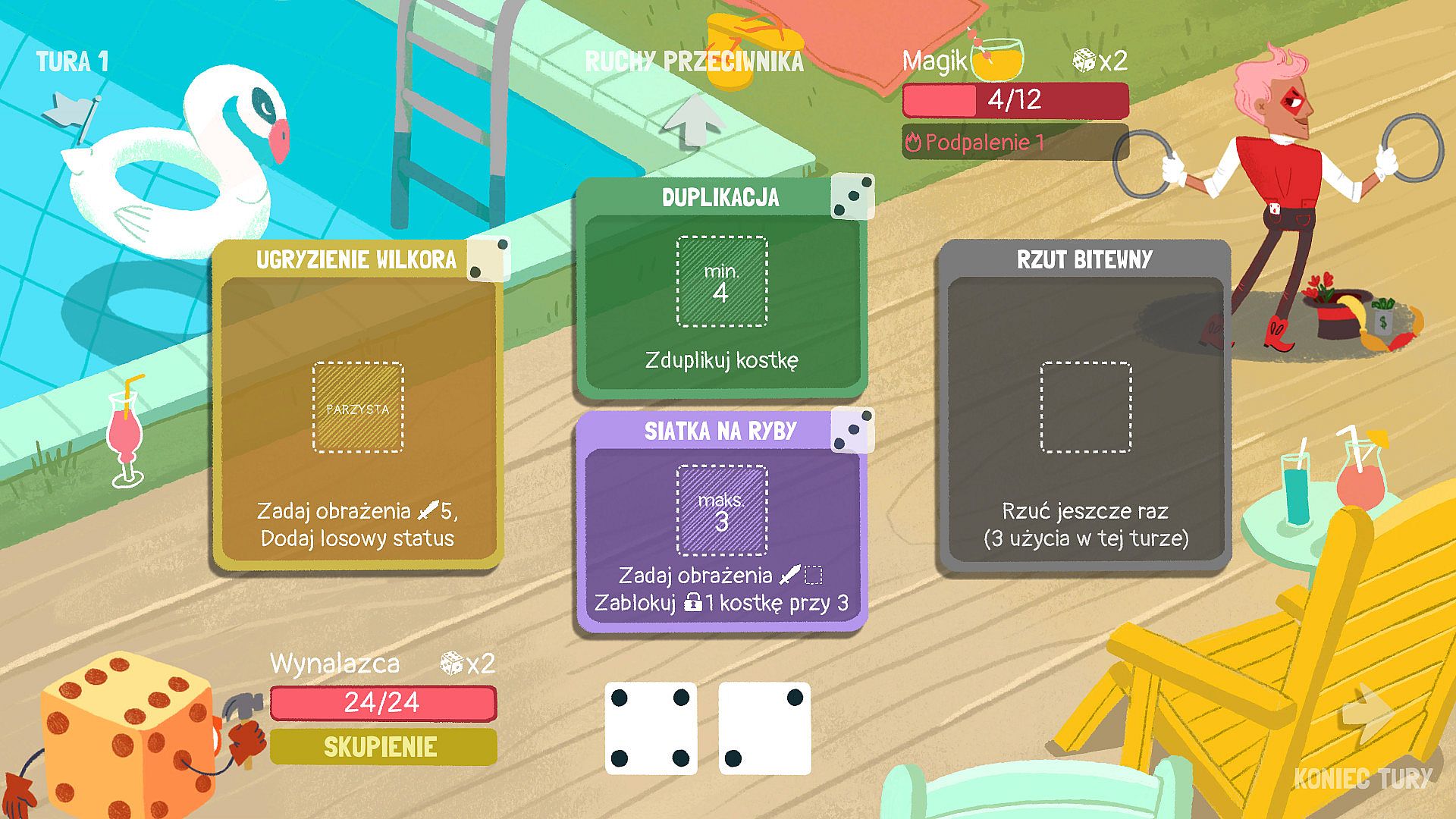
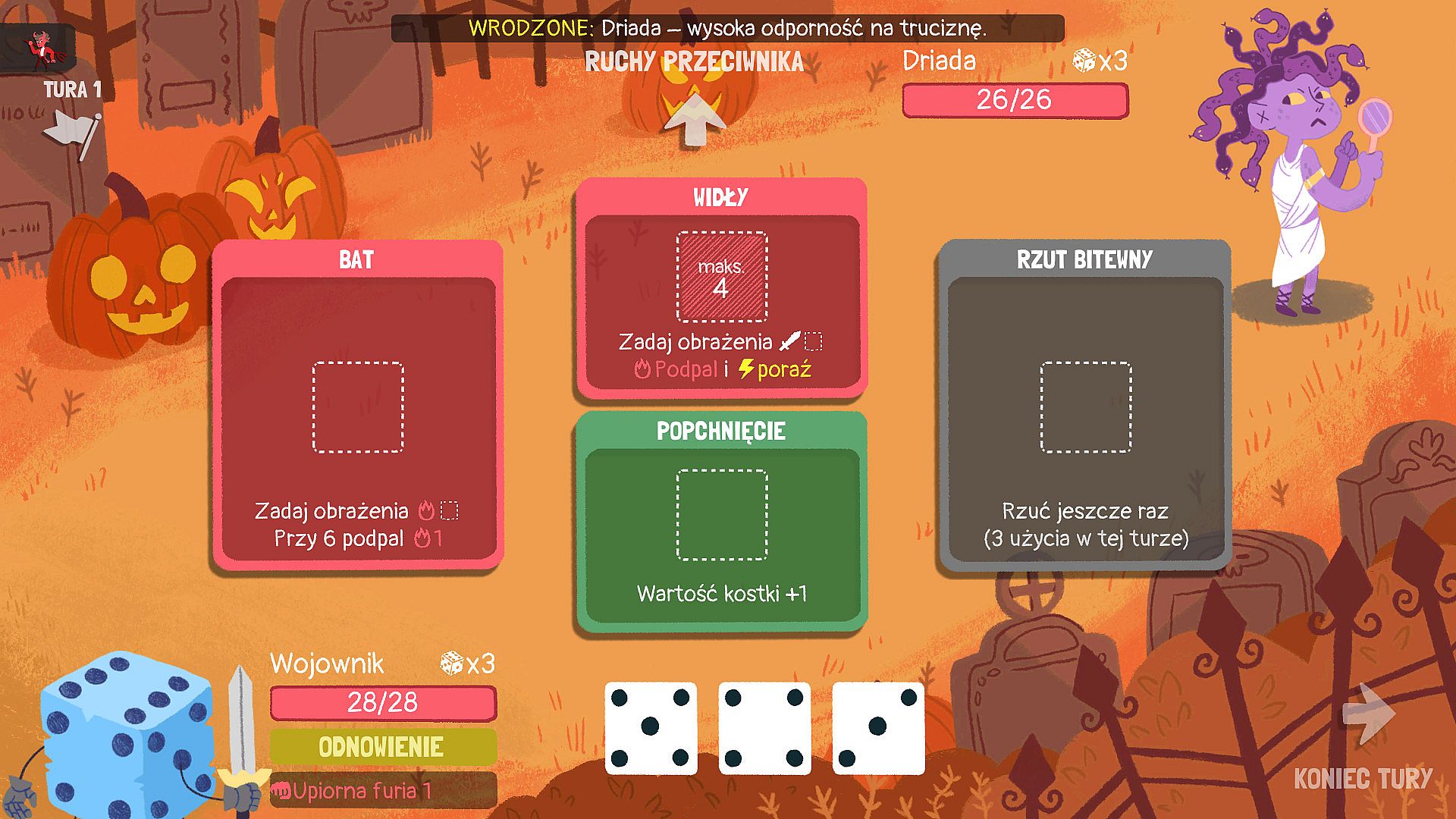
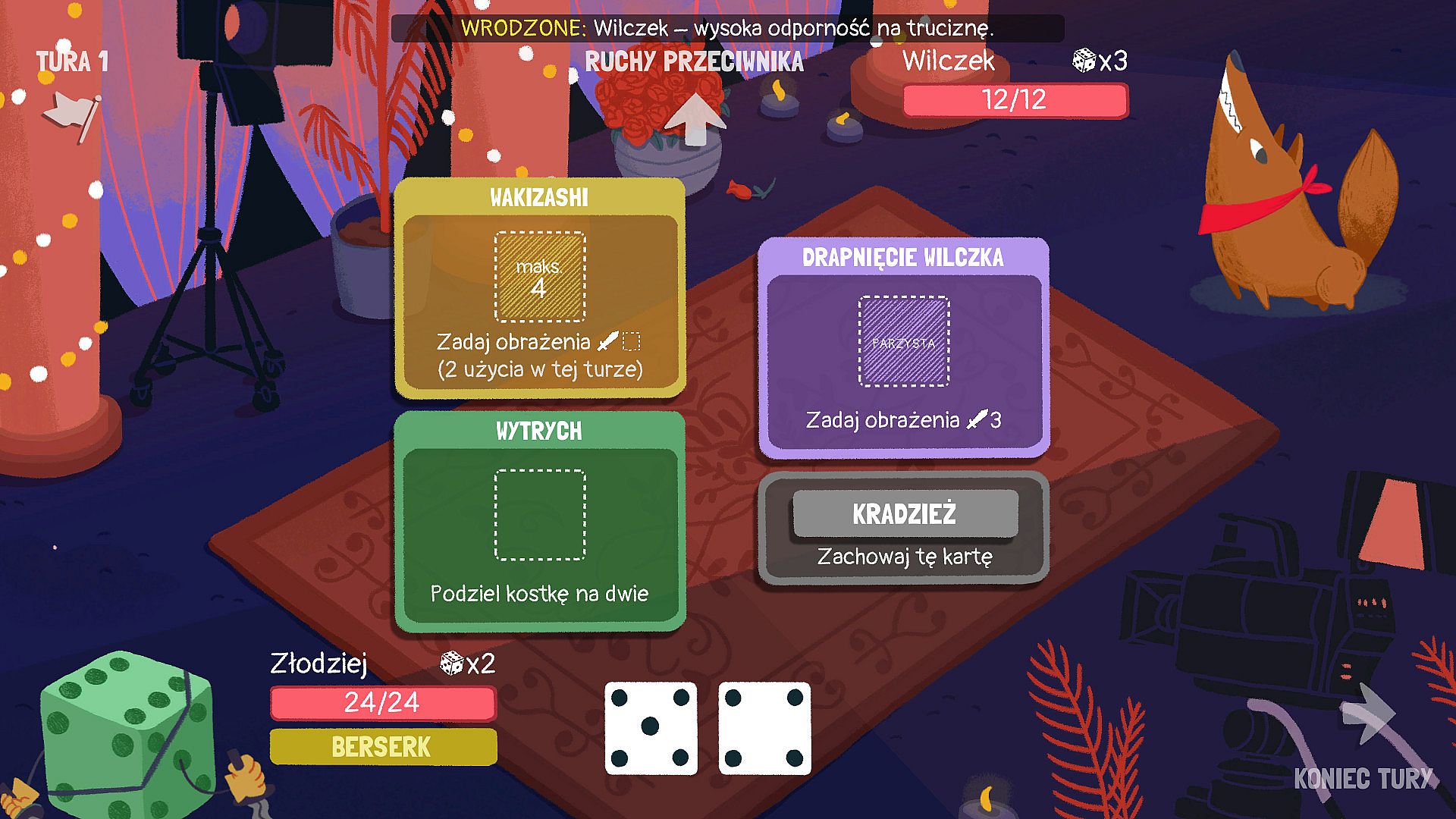
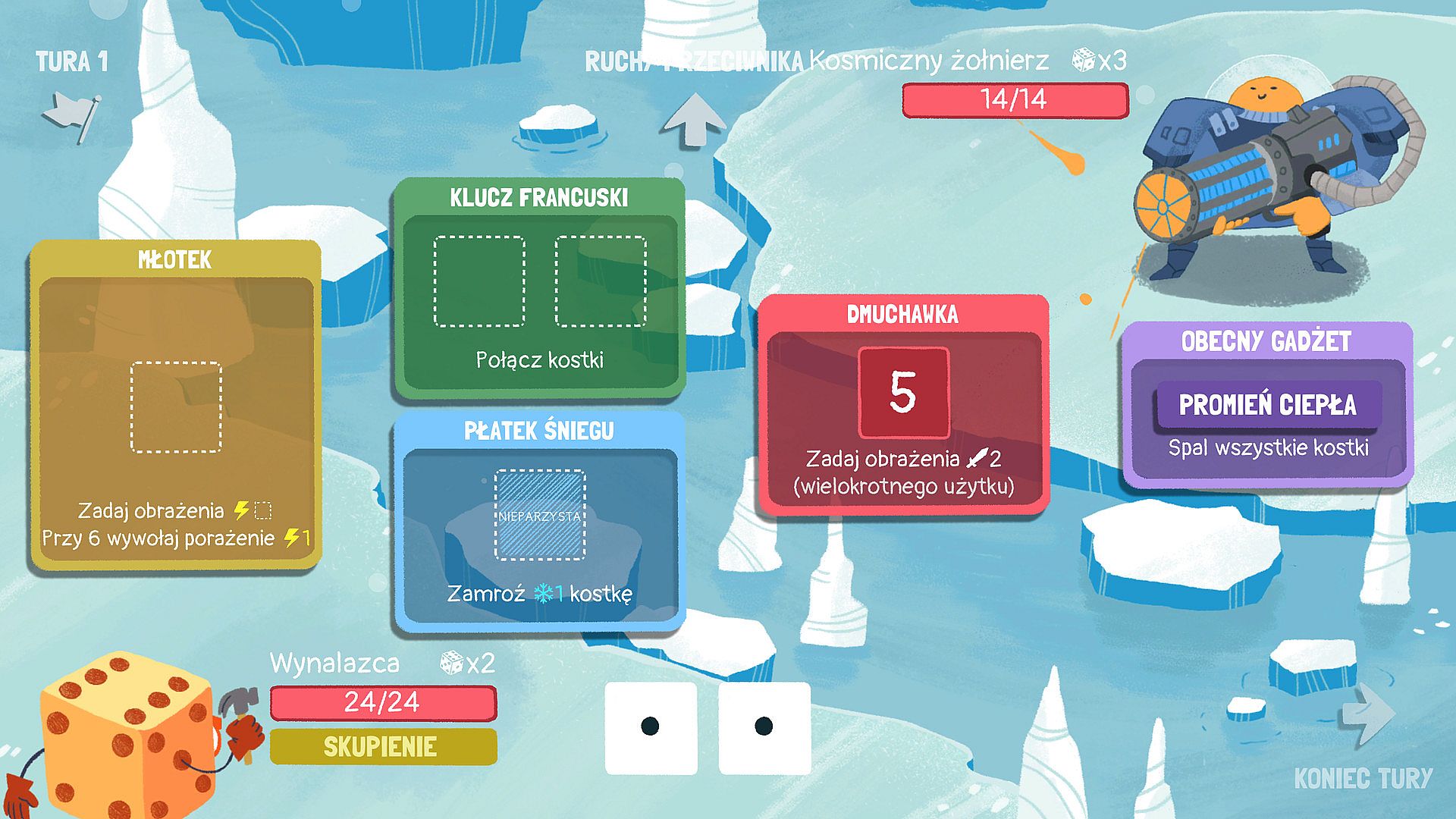
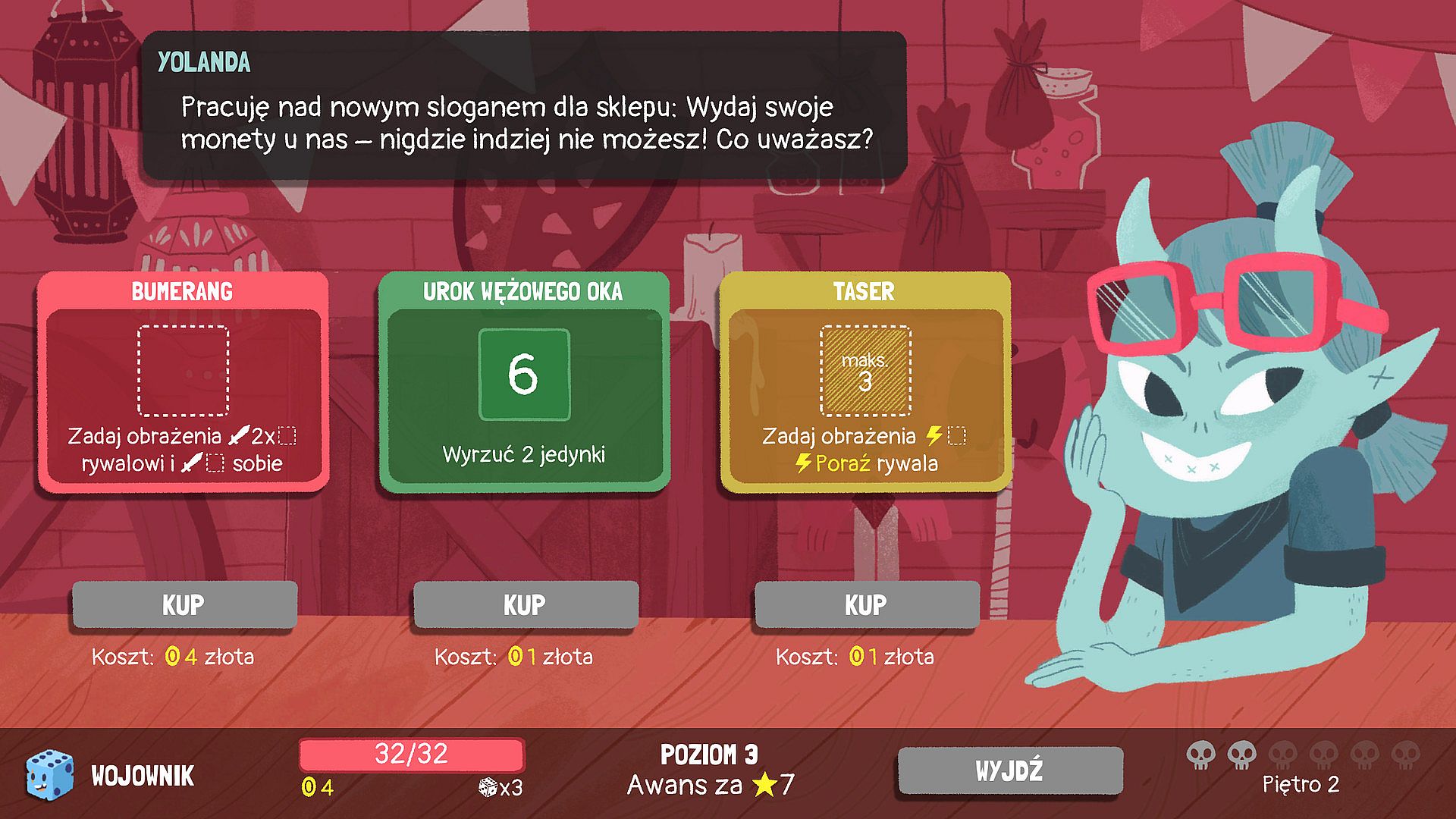
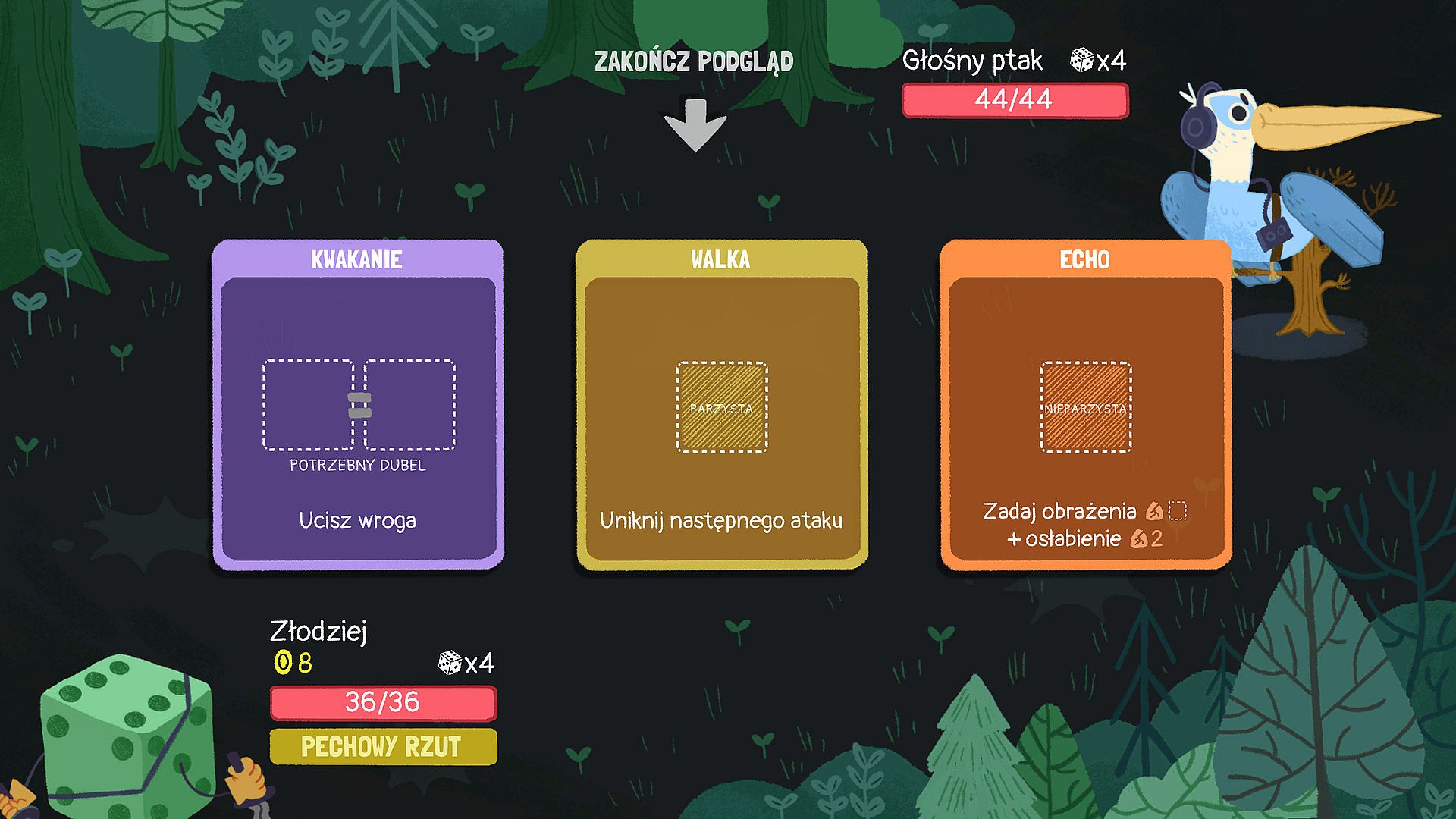
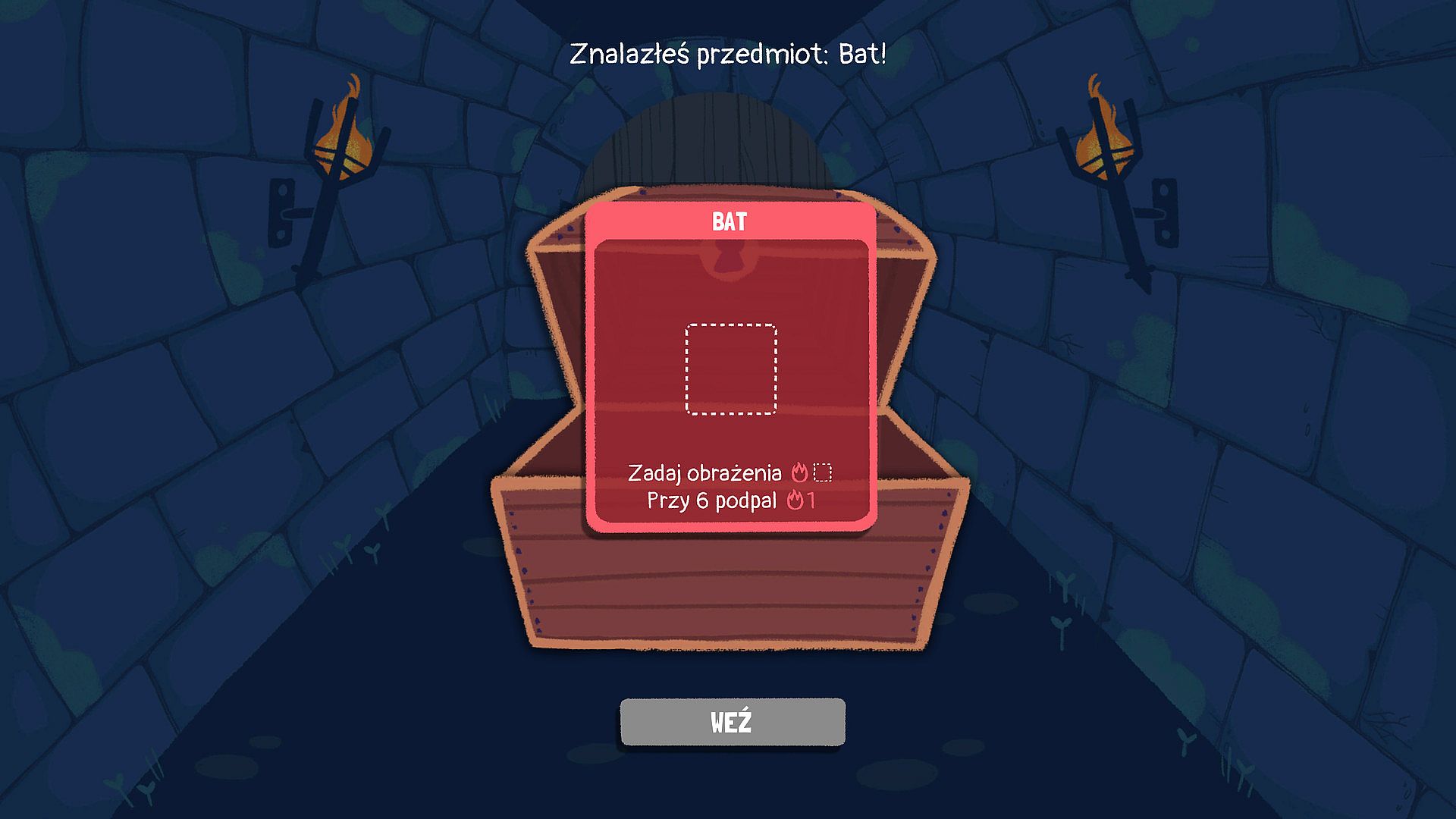
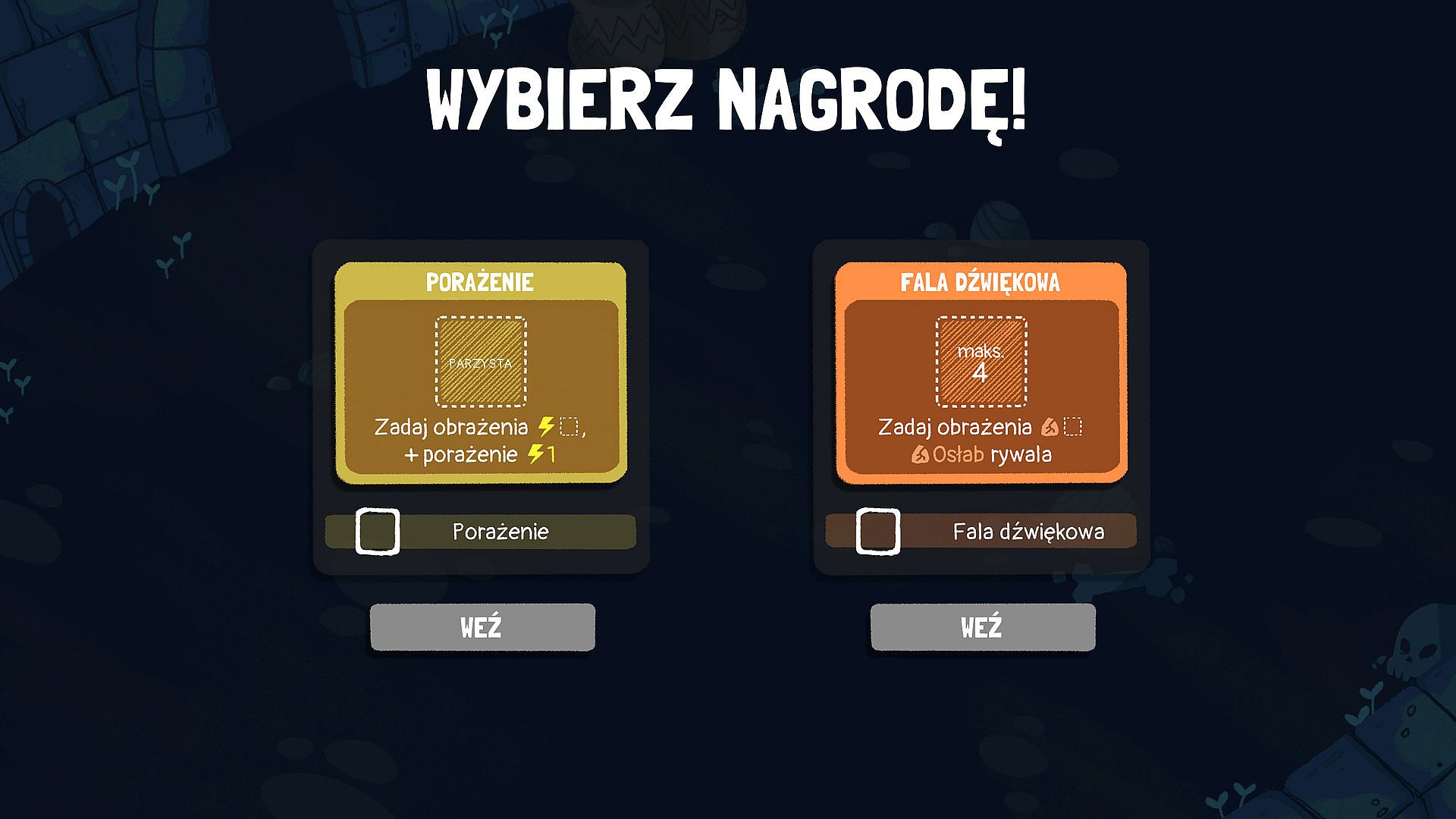
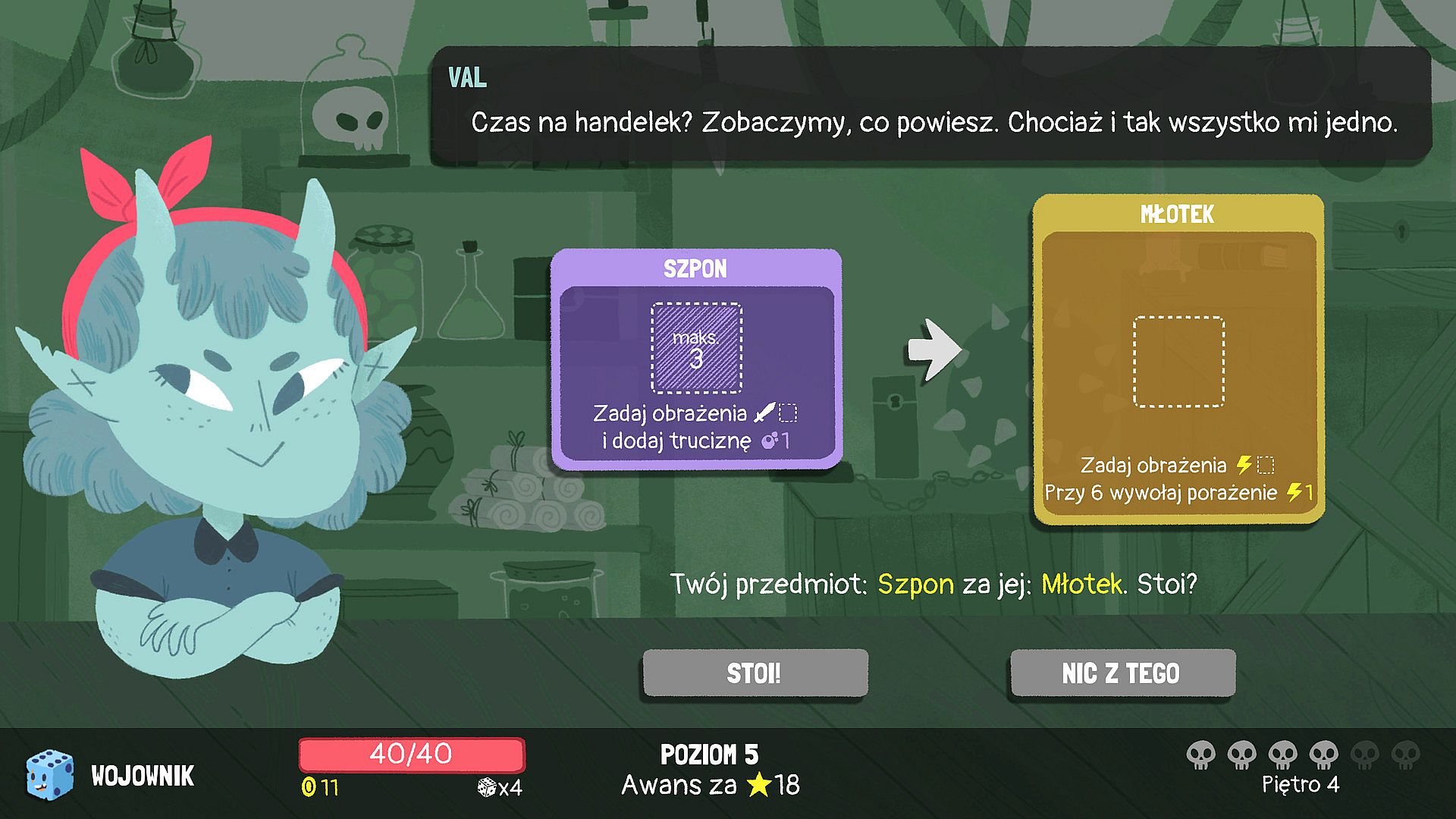
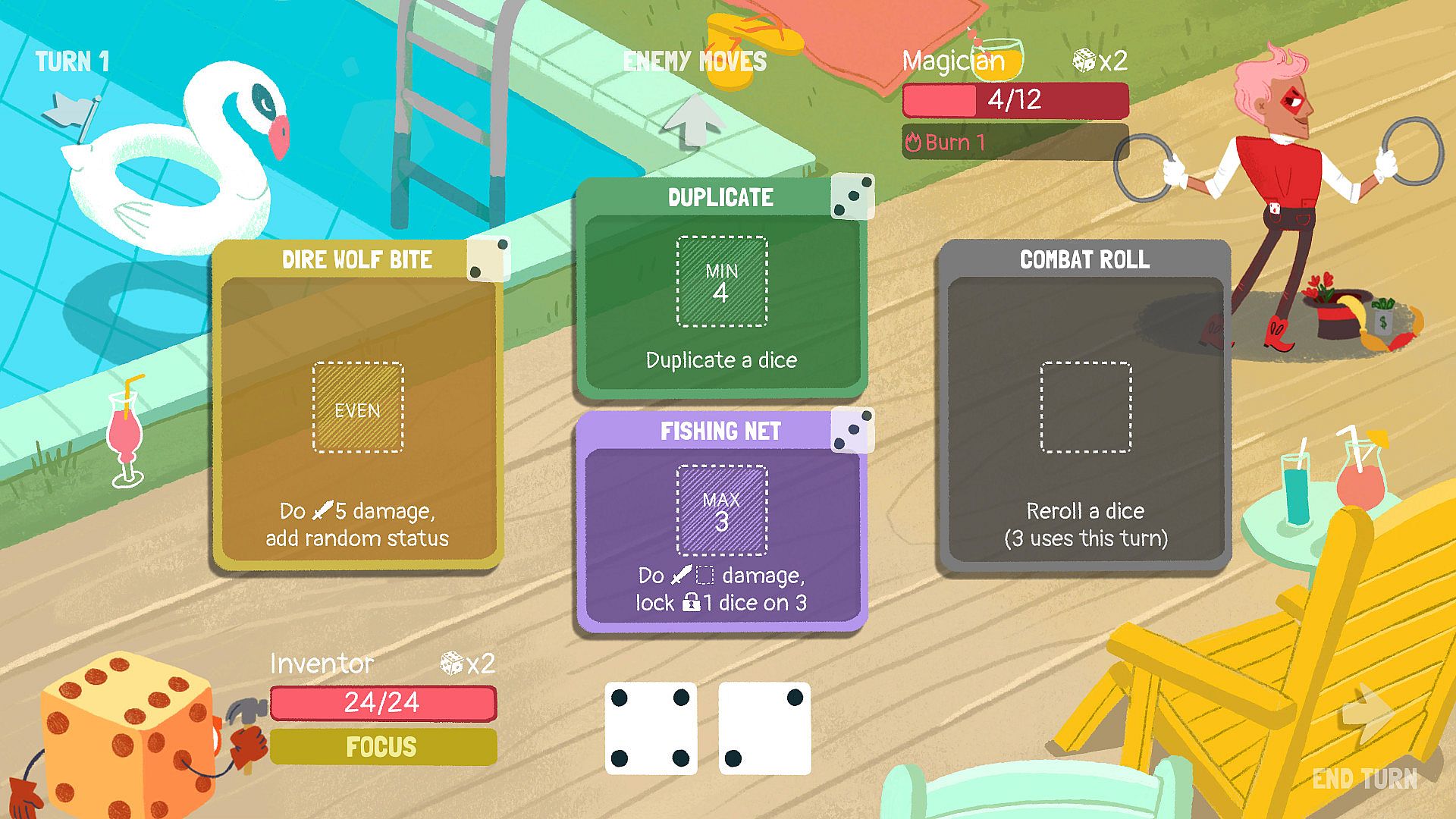
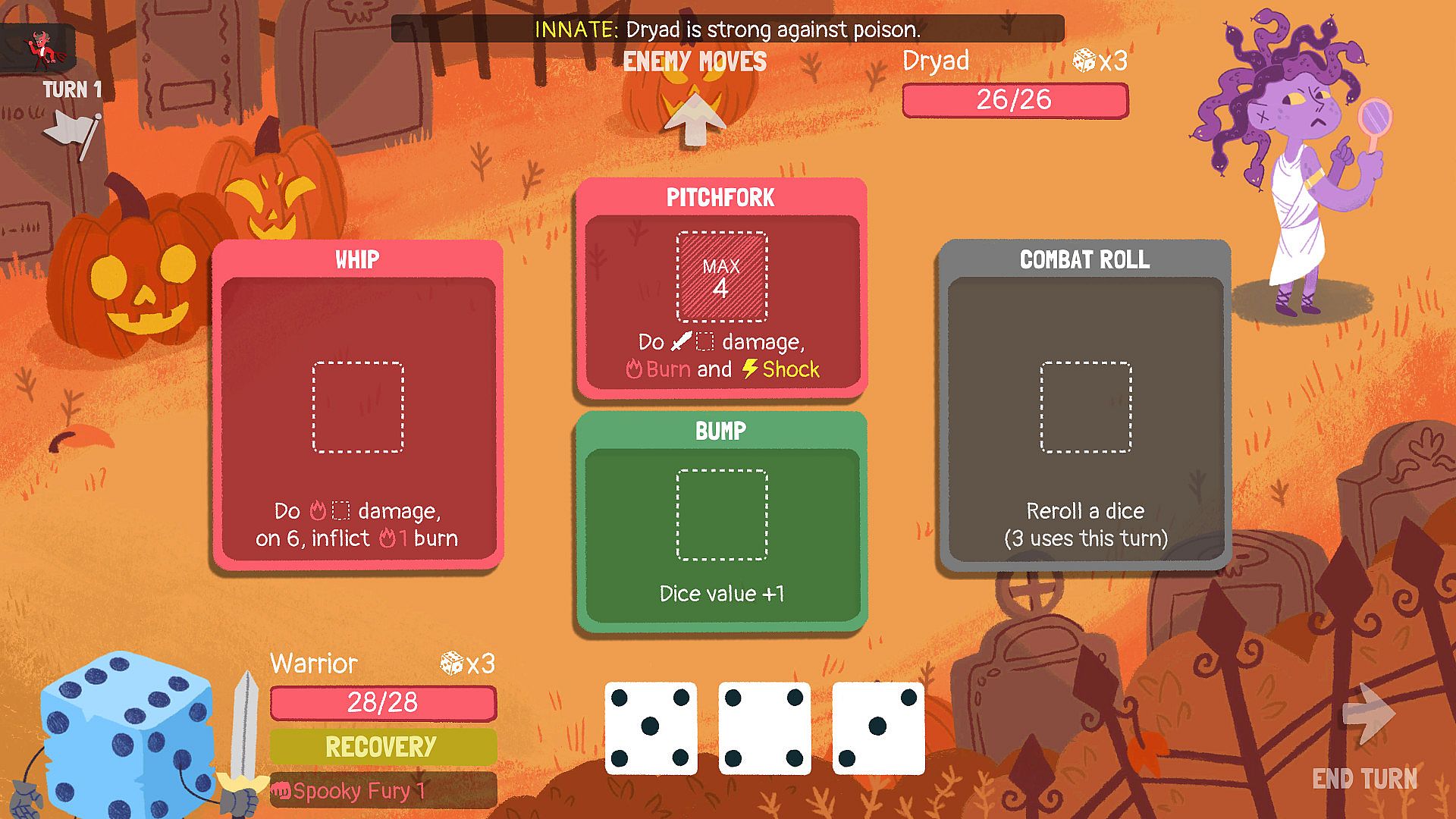
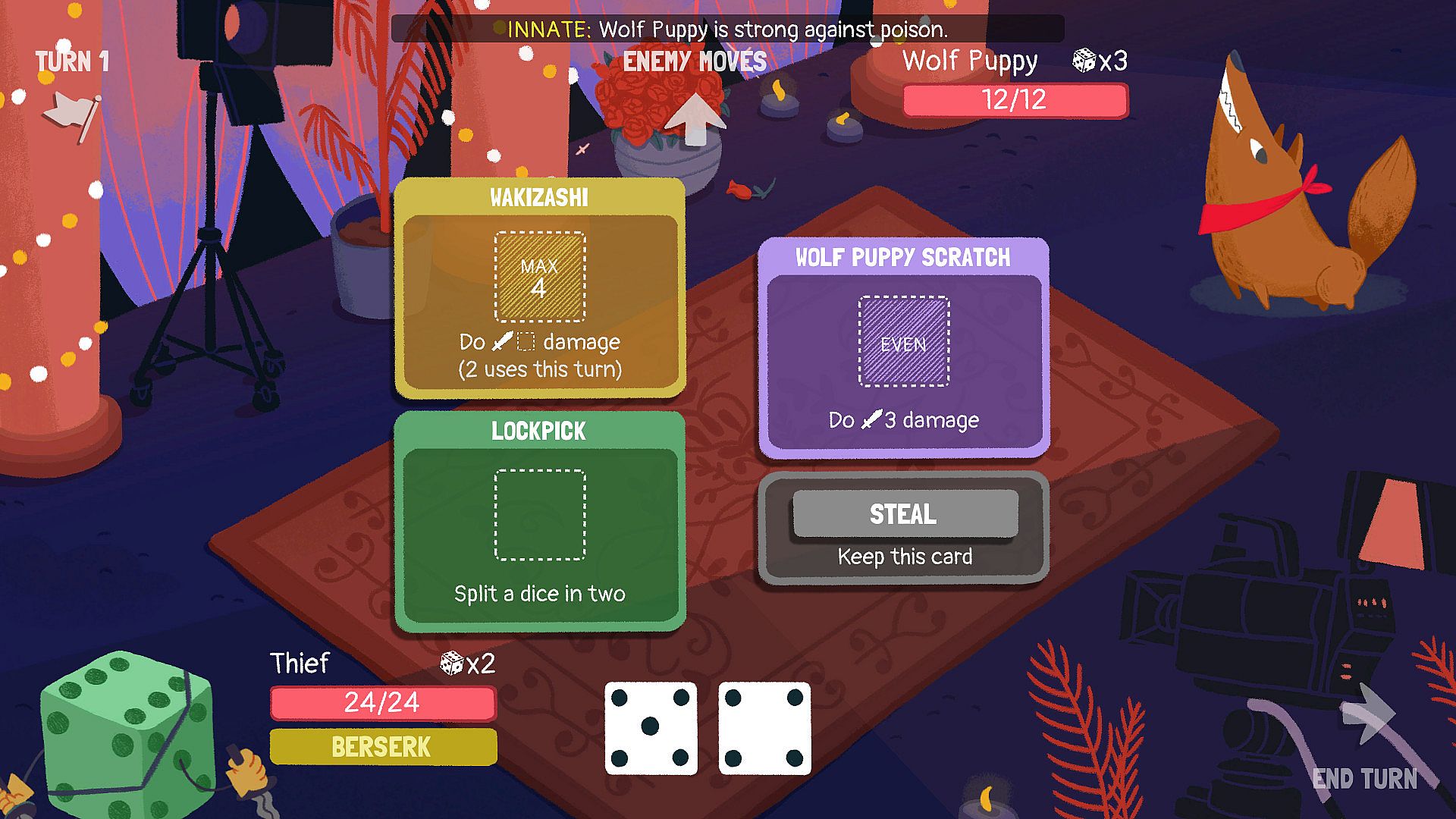
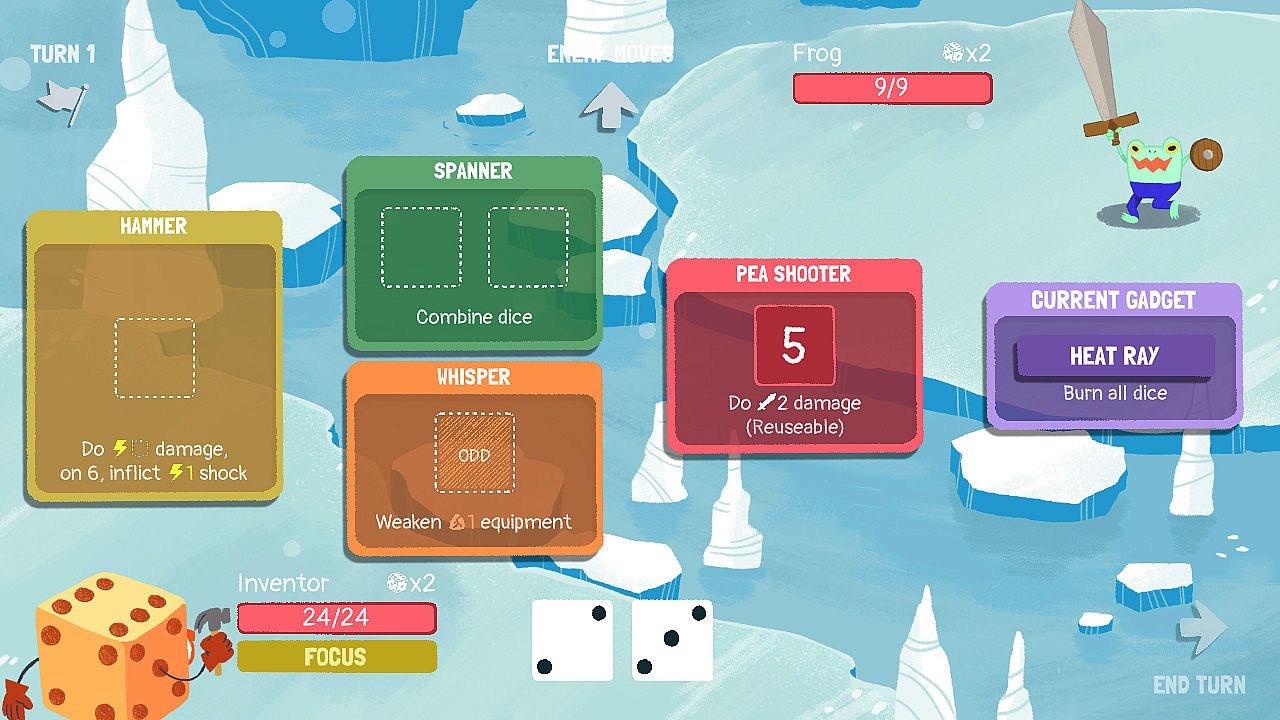
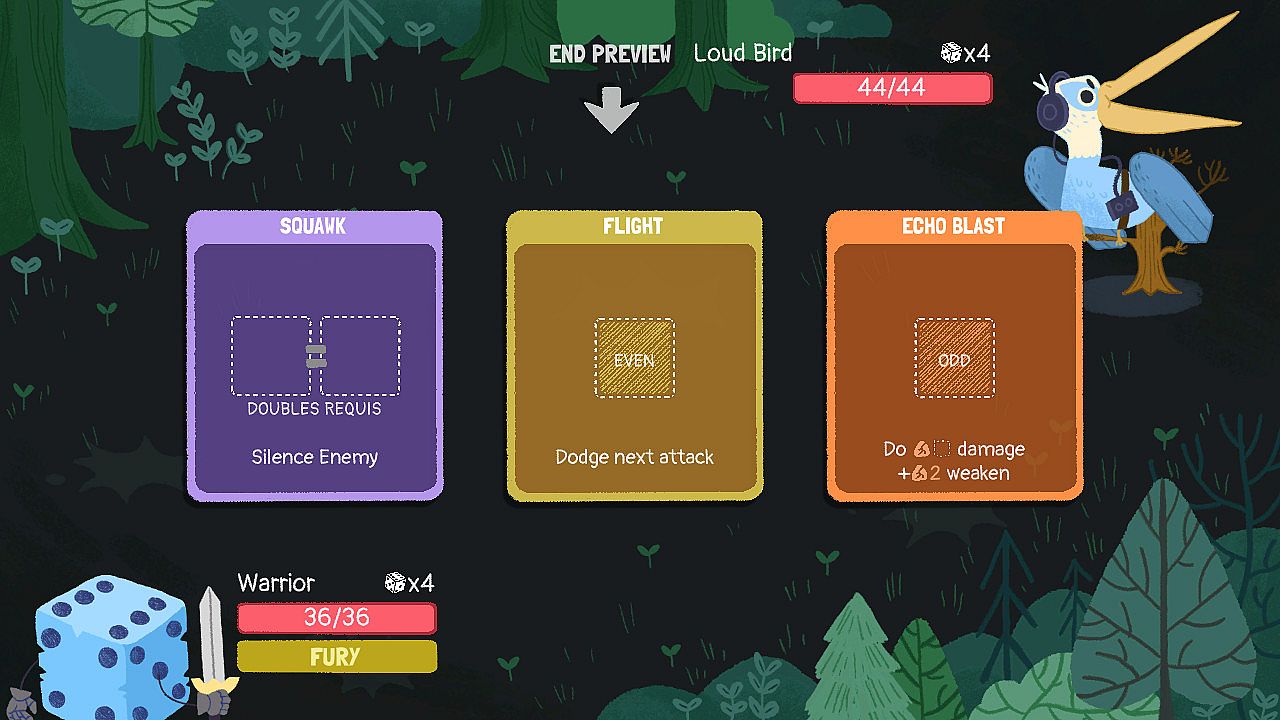
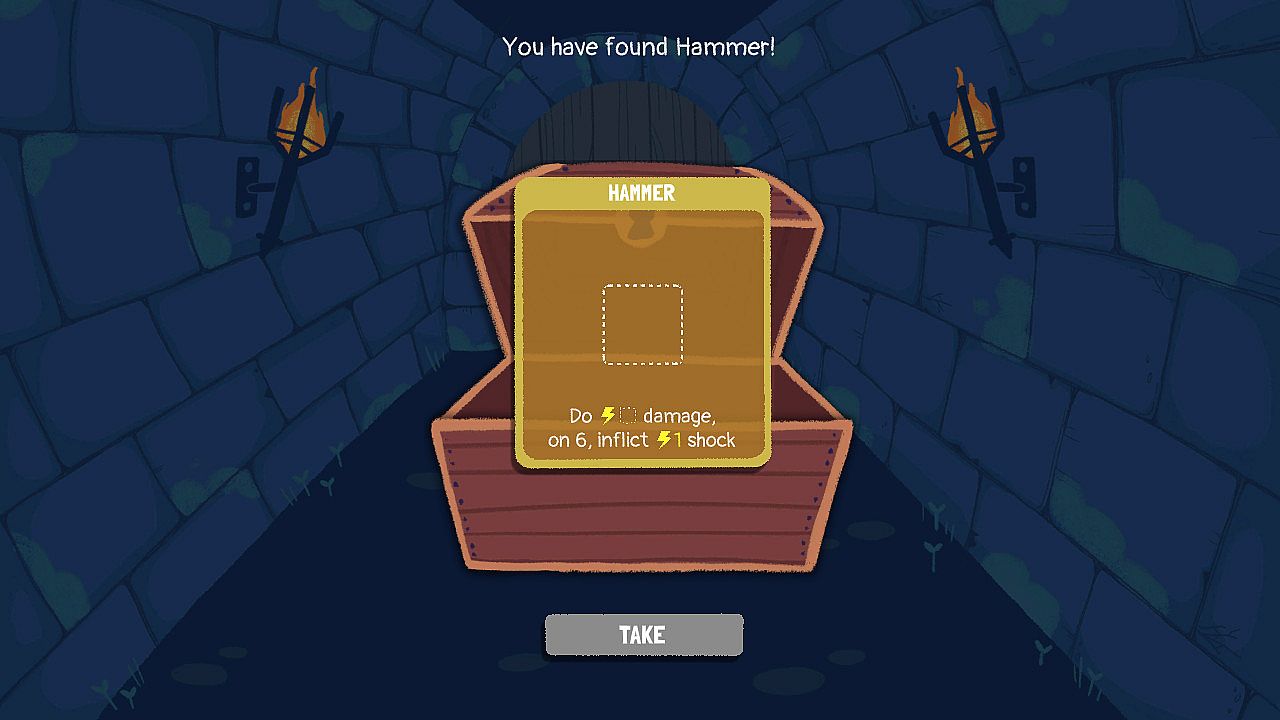
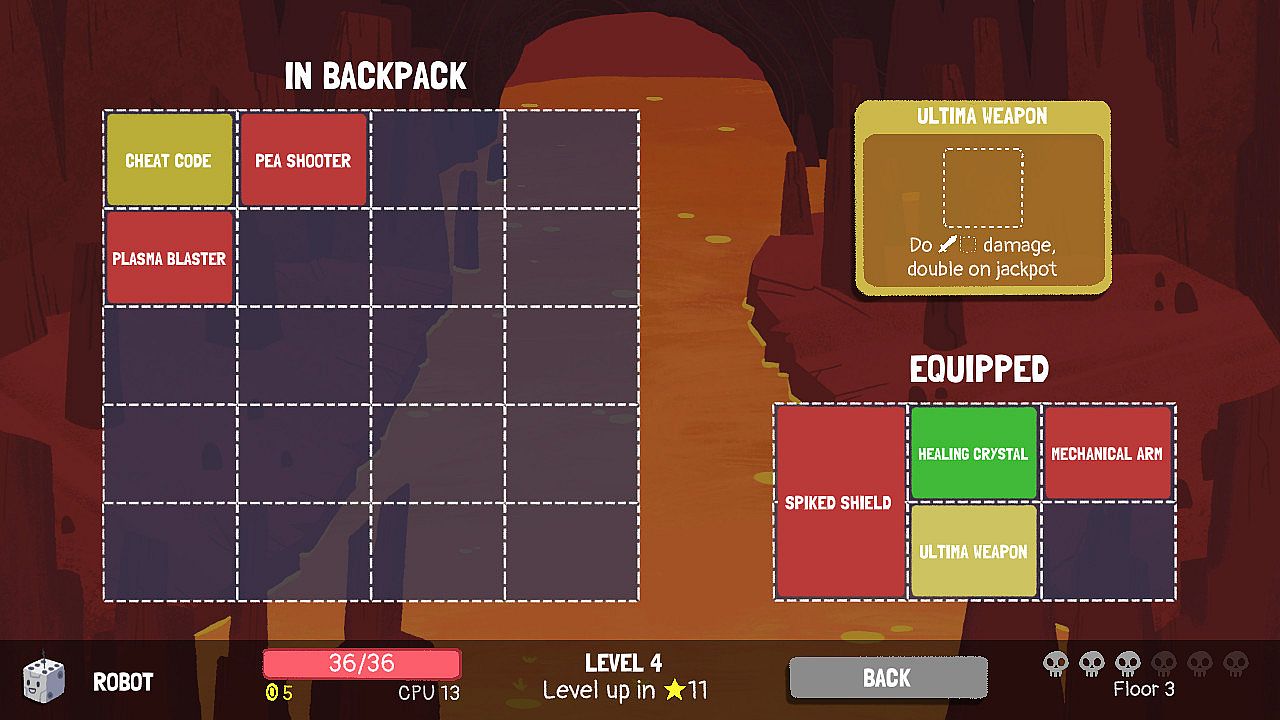
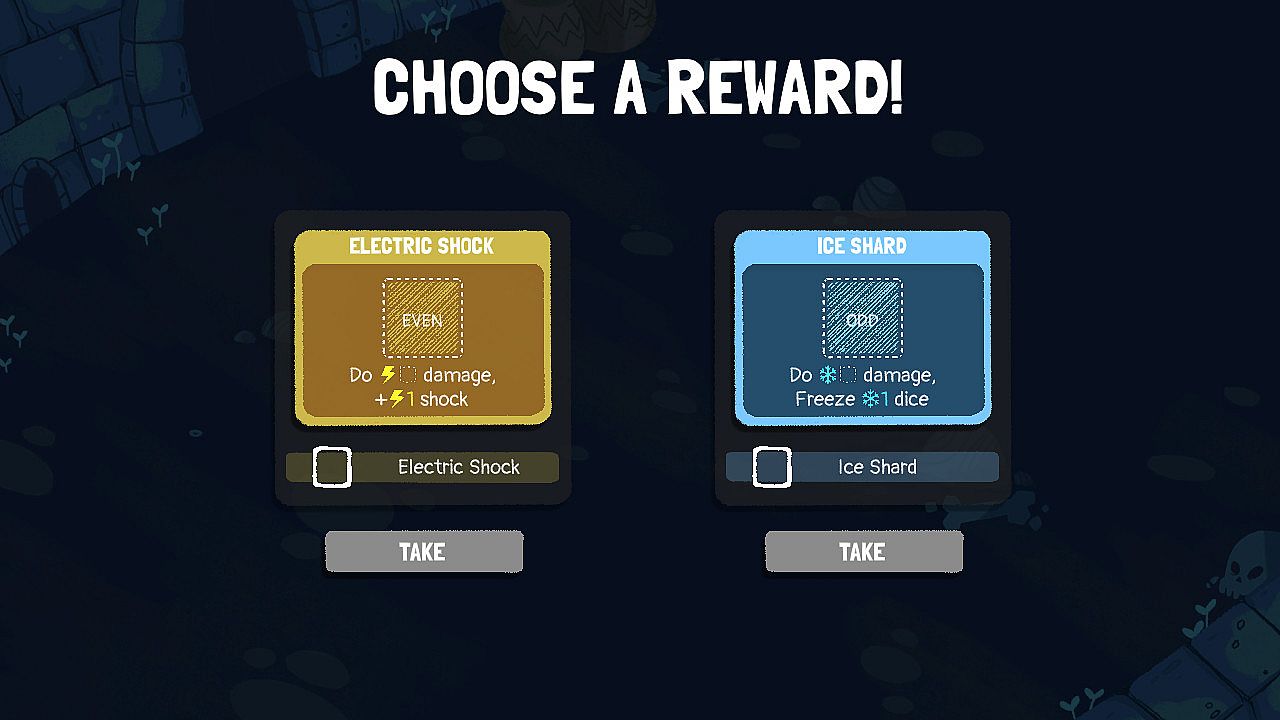
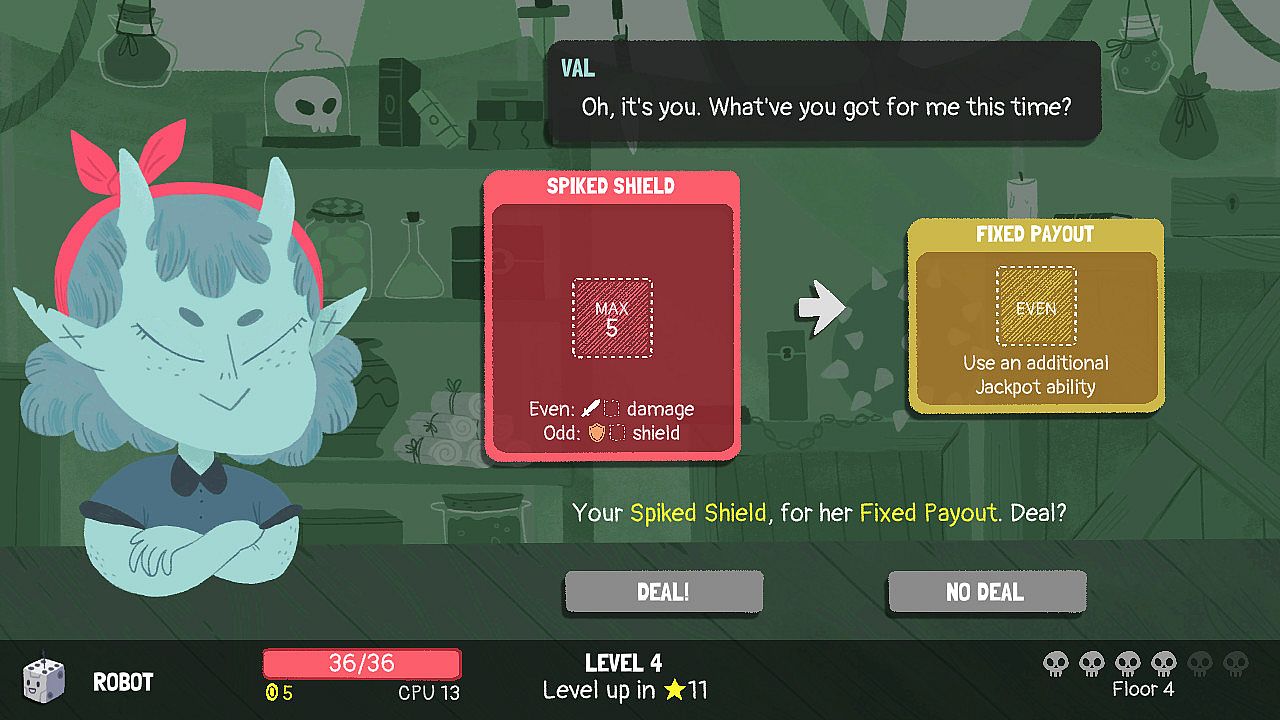
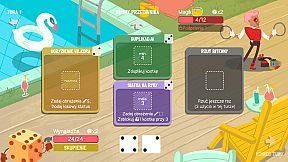
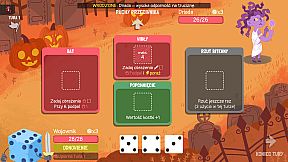
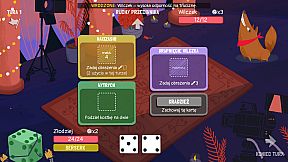
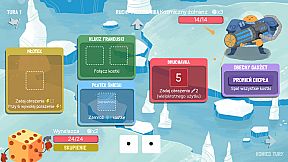
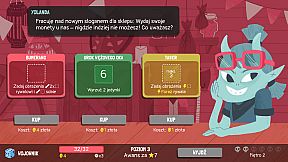
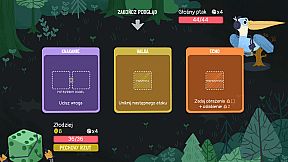
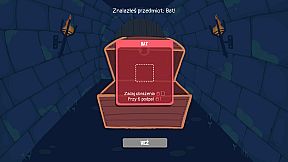
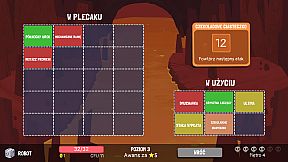
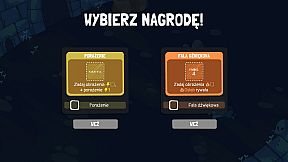
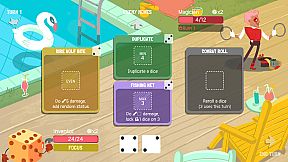
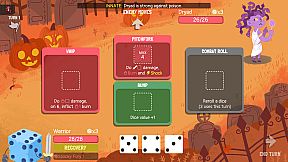
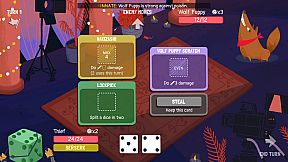
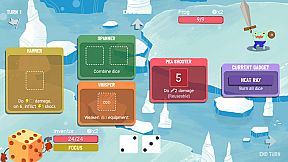
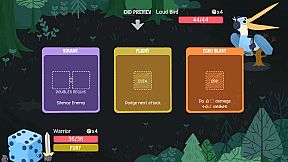
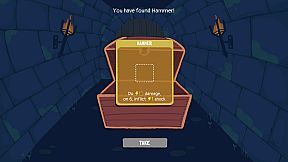
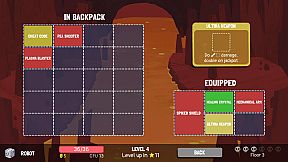
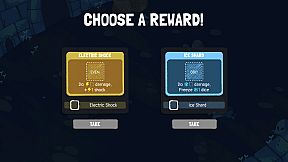
The core loop centers on turn-based battles where dice rolls determine available actions each round. Players begin runs with a small number of dice that increase through leveling, then assign those values to pieces of equipment for effects like damage, healing, or status changes. Equipment can be upgraded or replaced with loot found between fights, creating opportunities to refine strategies around specific dice outcomes.
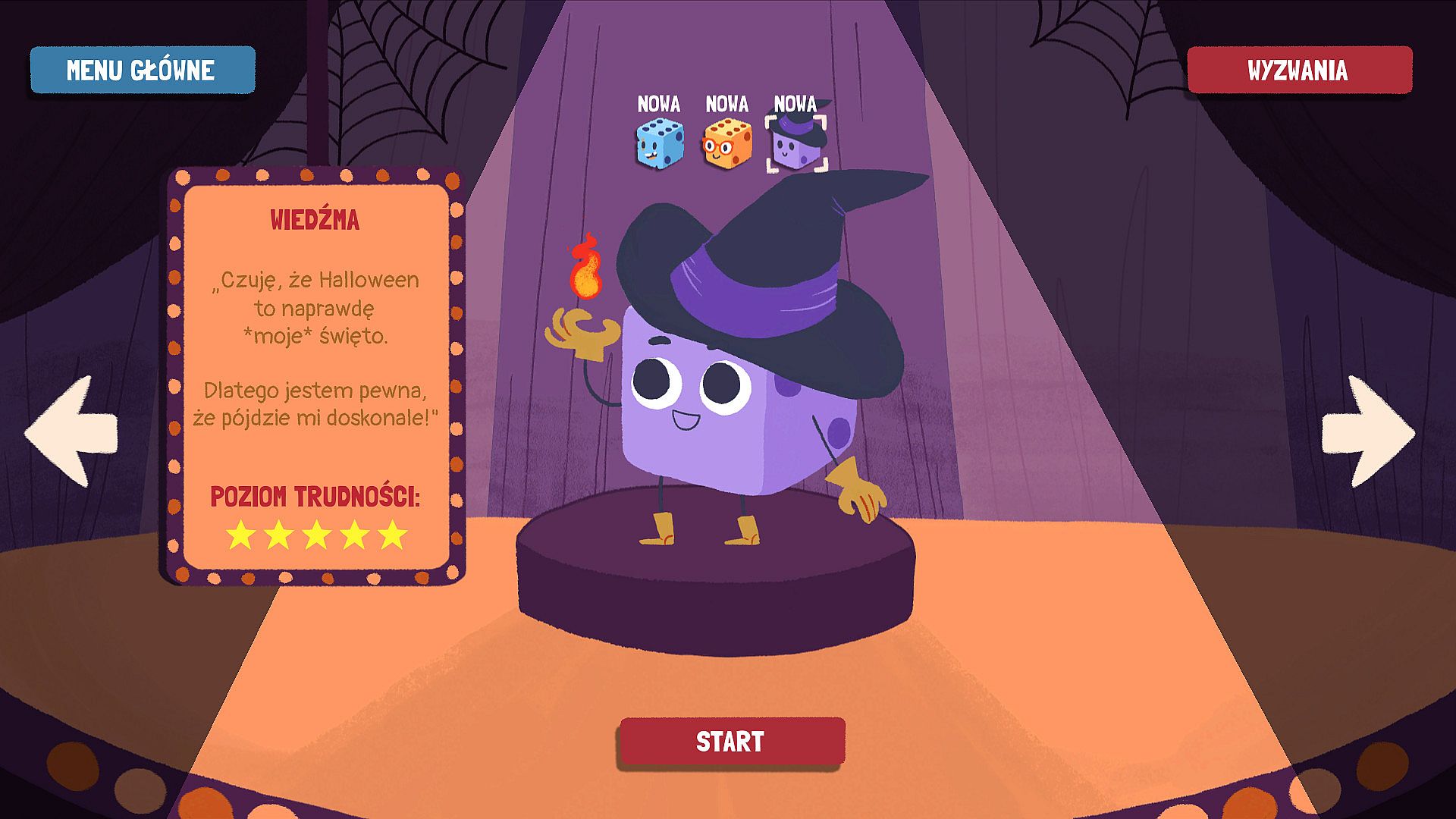
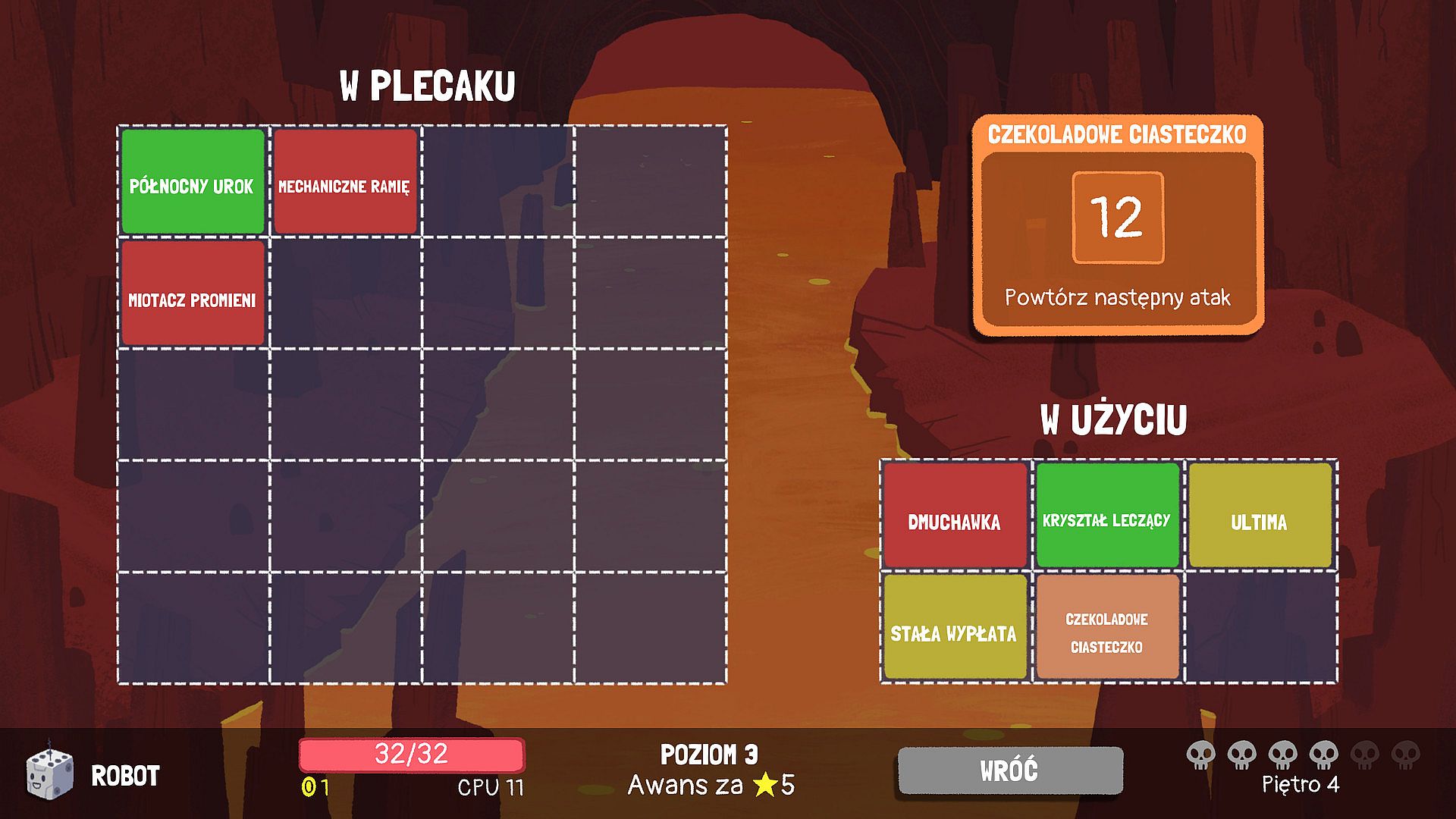
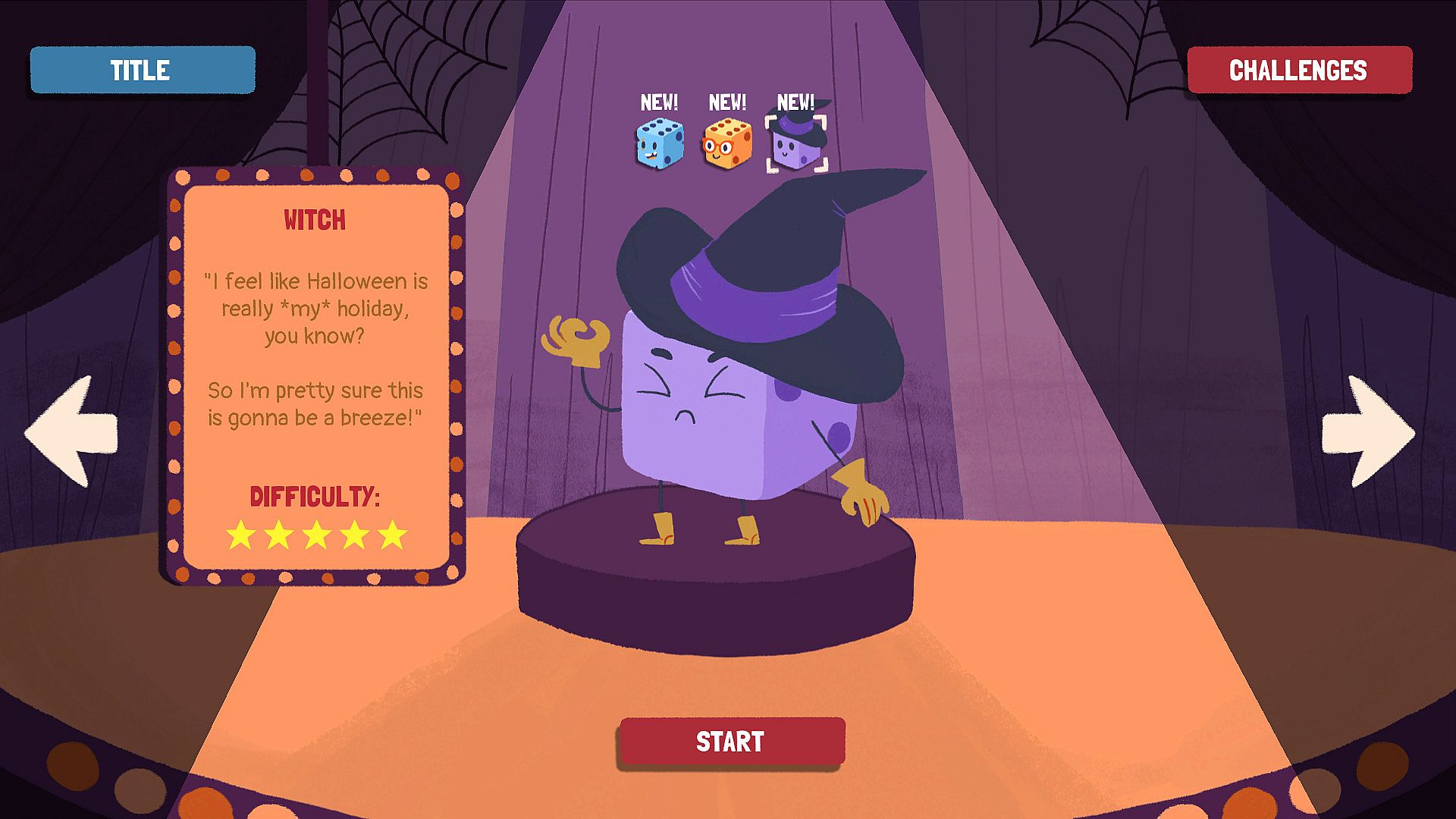
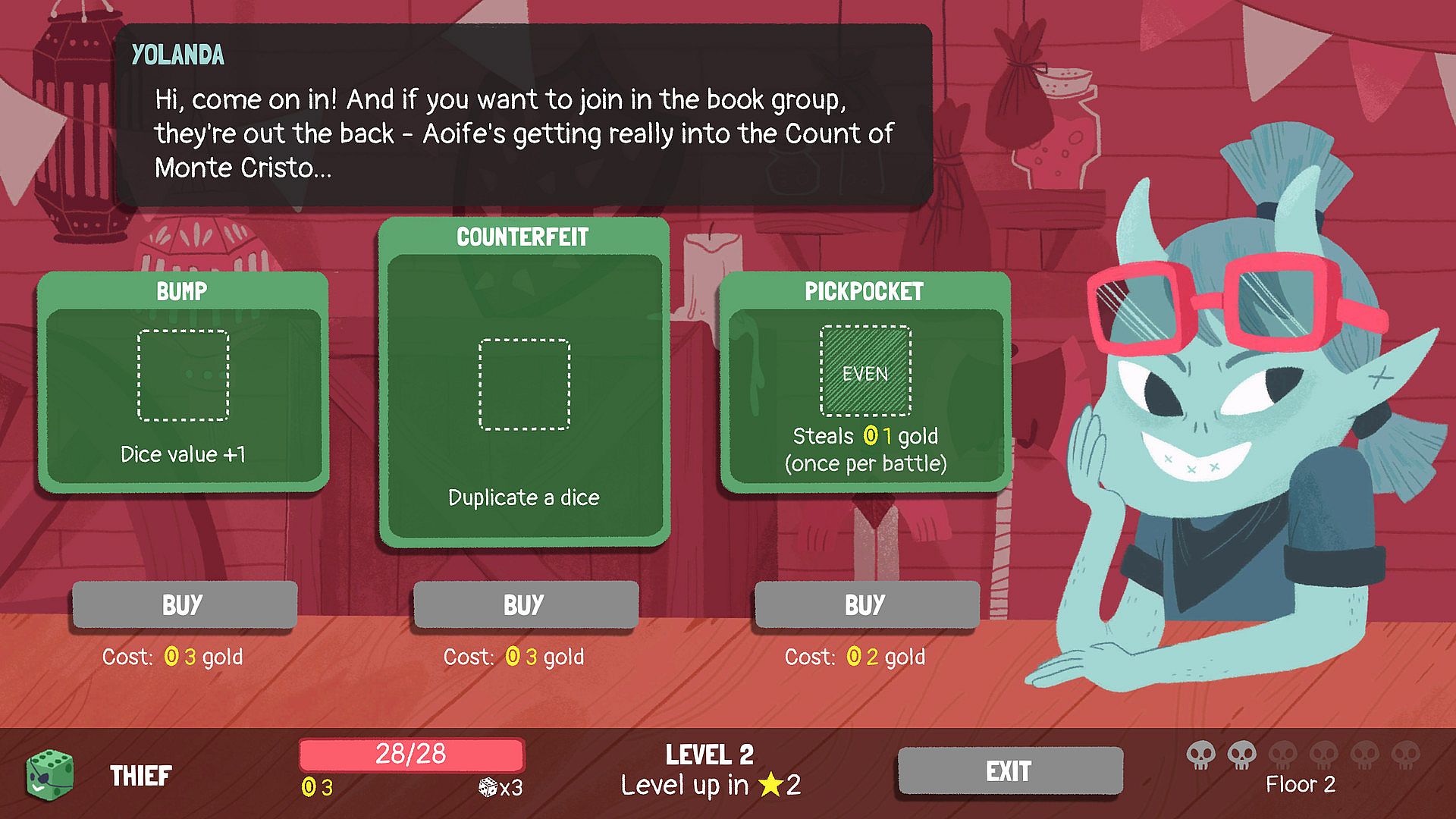
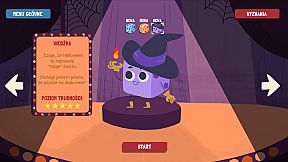
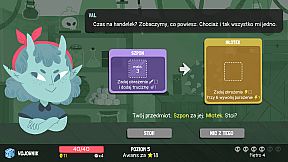
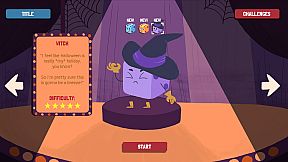
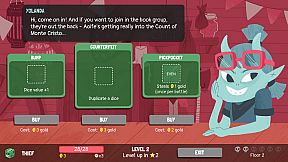
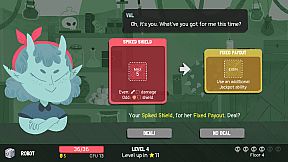
Each of the six characters brings a distinct approach to this system. The Warrior relies on straightforward damage tools like swords and axes alongside reroll options. The Thief disrupts opponents by stealing their gear mid-fight. The Robot builds dice through a push-your-luck blackjack mechanic. The Inventor sacrifices existing items after battles to craft stronger replacements. The Jester and Witch add further variety through their own equipment and ability sets. Combat also incorporates status effects, limited damage caps, and experience progression that unlocks new options across runs.
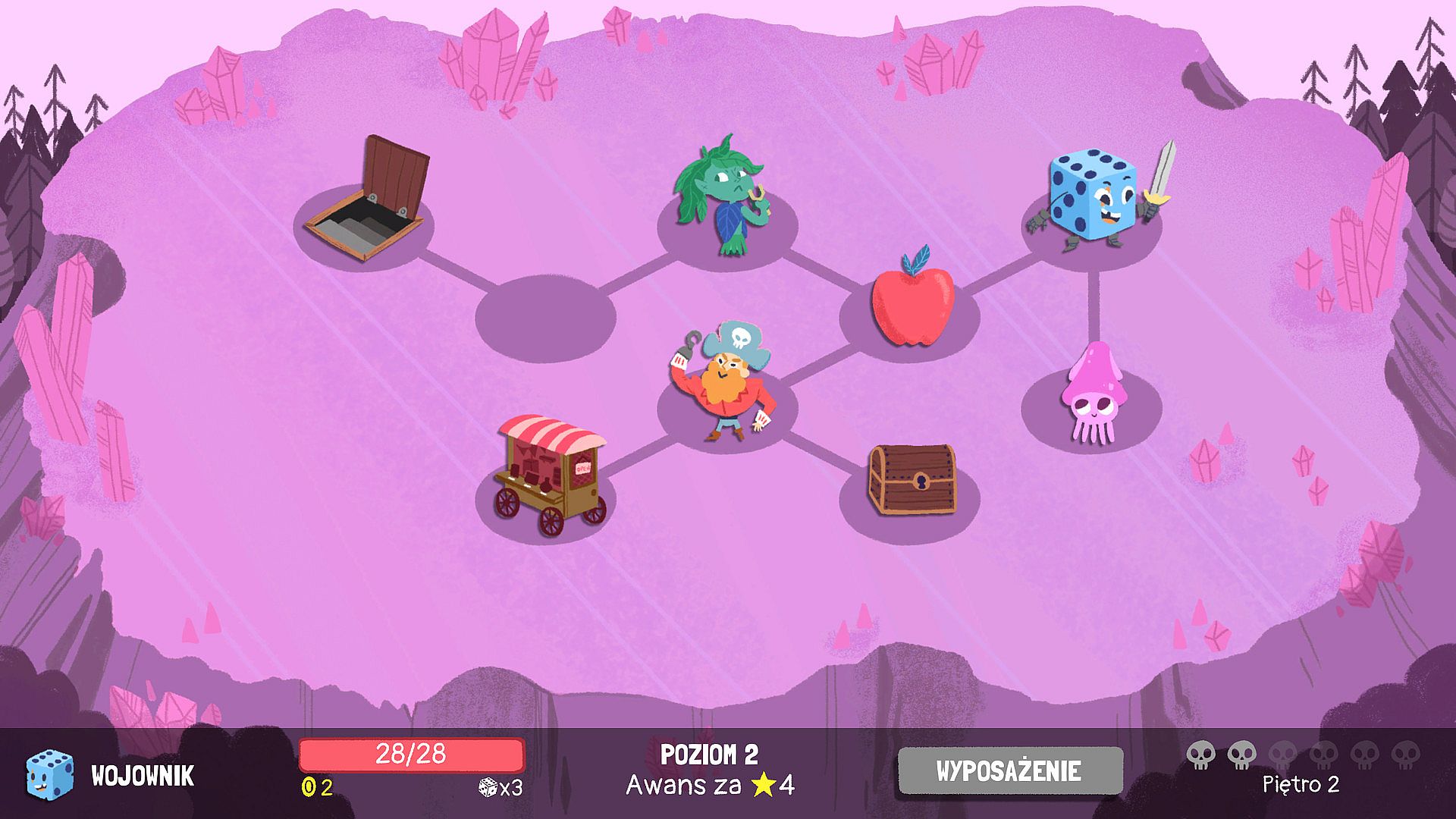
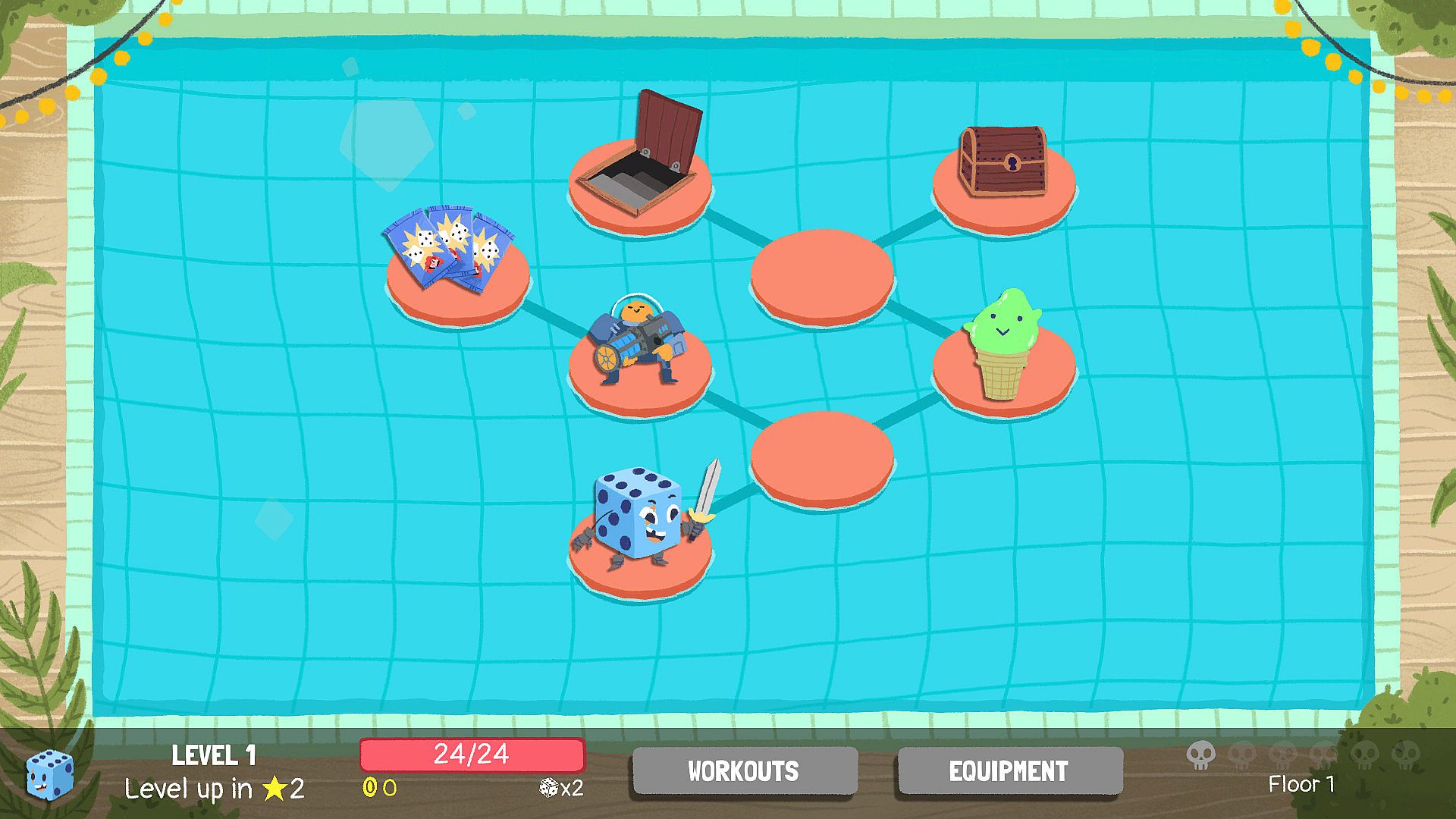
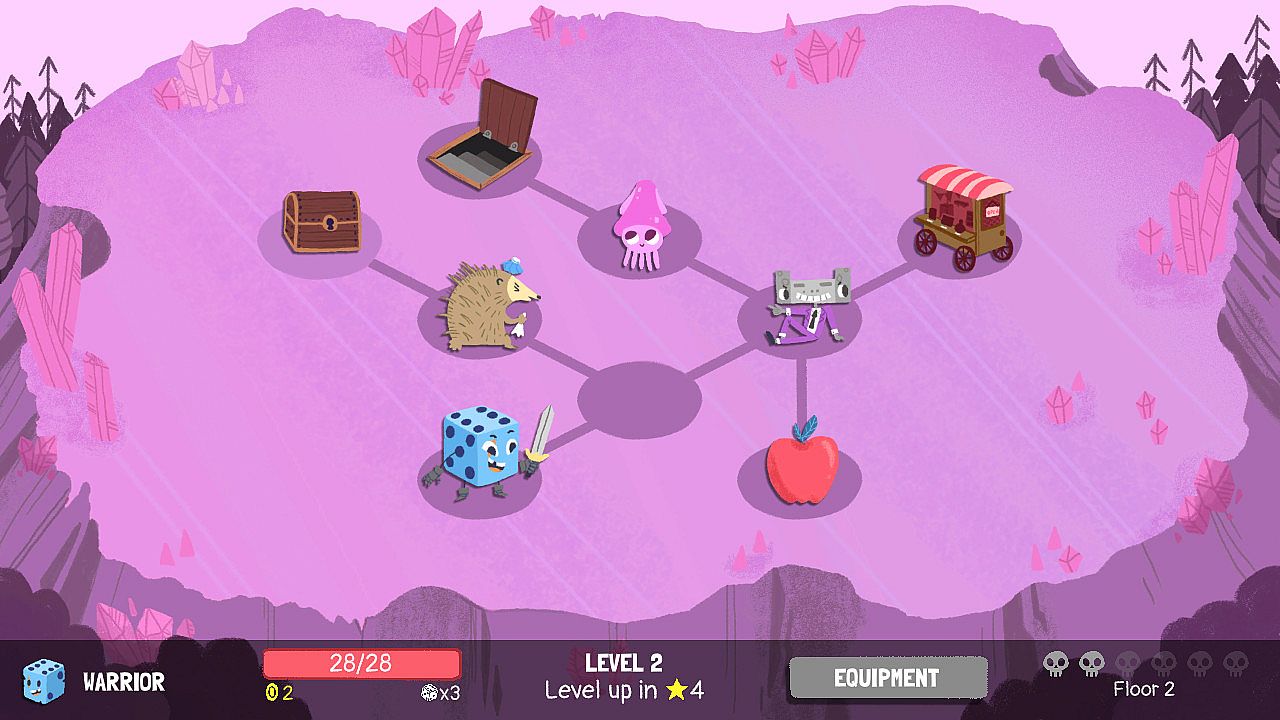
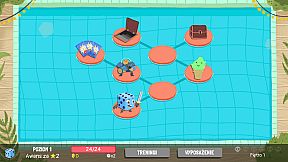
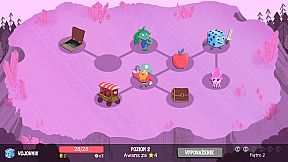
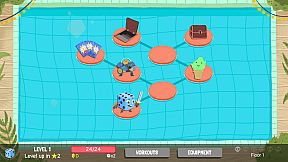
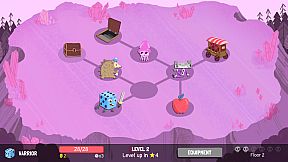
Exploration occurs across multiple floors filled with varied enemies, from mechanical threats to creatures drawn from folklore. Procedural generation ensures different layouts and encounters on each attempt, while permanent death resets progress and encourages experimentation with different character builds.
Game Modes
Progression revolves around episodes, which serve as structured runs for each character. The initial episode for a class introduces its baseline mechanics, while subsequent episodes introduce rule changes and increased difficulty to test mastery. Completing episodes unlocks further content and reveals additional twists that alter resource management, enemy behavior, or equipment availability.
The free Reunion update expands this structure with six new episodes that introduce fresh challenges across the cast. These additions maintain the roguelike format but layer new constraints or opportunities onto the dice-assignment system, extending replay value without altering the fundamental singleplayer focus.
Characters and Progression
Mastery comes from learning how each class interacts with the shared dice mechanics while adapting to episode-specific modifiers. Runs reward careful planning around expected rolls balanced against the inherent randomness, with loot and upgrades providing paths to stronger combinations. Boss encounters at the end of each set of floors test accumulated power before the ultimate goal of reaching Lady Luck.
Visuals feature charming artwork that keeps the tone light even during tough fights, and the soundtrack delivers upbeat tracks that match the energetic pace of combat. Dozens of enemy types appear throughout, each with behaviors that force adjustments to dice allocation and equipment choices.
Is It Worth Playing?
The game suits players who enjoy roguelike strategy with a heavy emphasis on resource management and adaptation rather than pure luck. Its positive reception stems from the satisfying loop of refining builds across short, replayable runs and the distinct feel of each character. Recent player feedback highlights the depth in puzzle-like encounters and the charm of the presentation.
Those drawn to deckbuilders or dice-based systems will find substantial content through the base episodes and Reunion additions. The singleplayer design keeps the focus on personal skill and experimentation without multiplayer elements. Overall, it delivers consistent value for fans of the genre who appreciate procedural variety and character-specific twists.