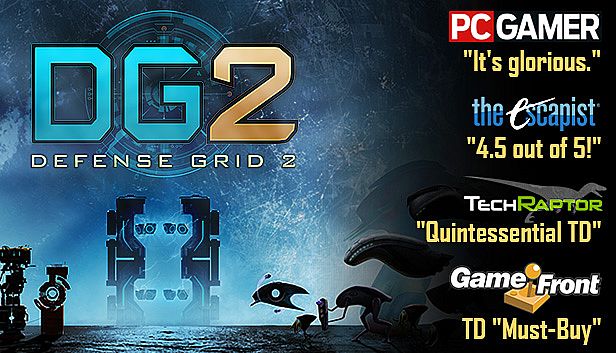















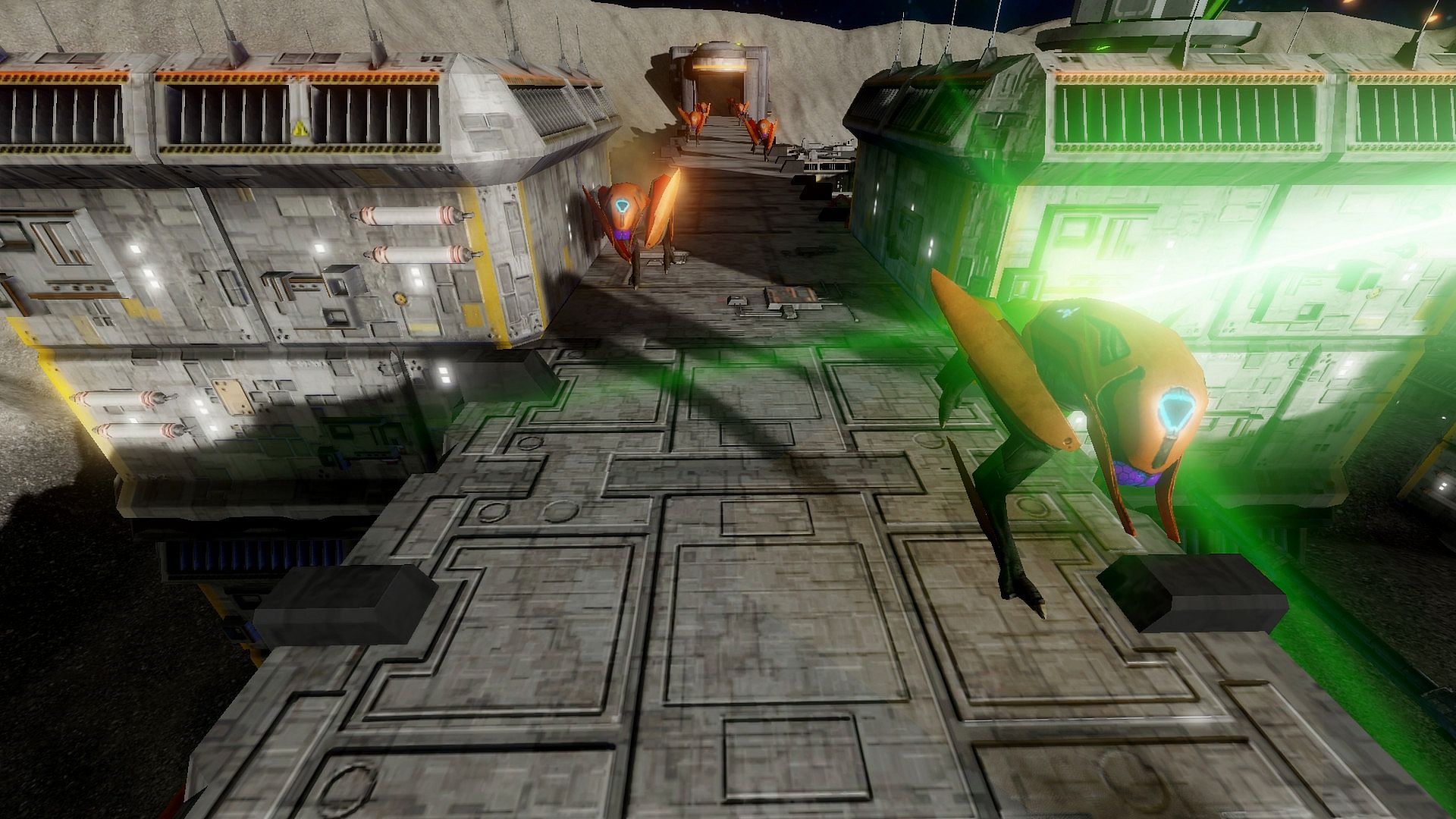
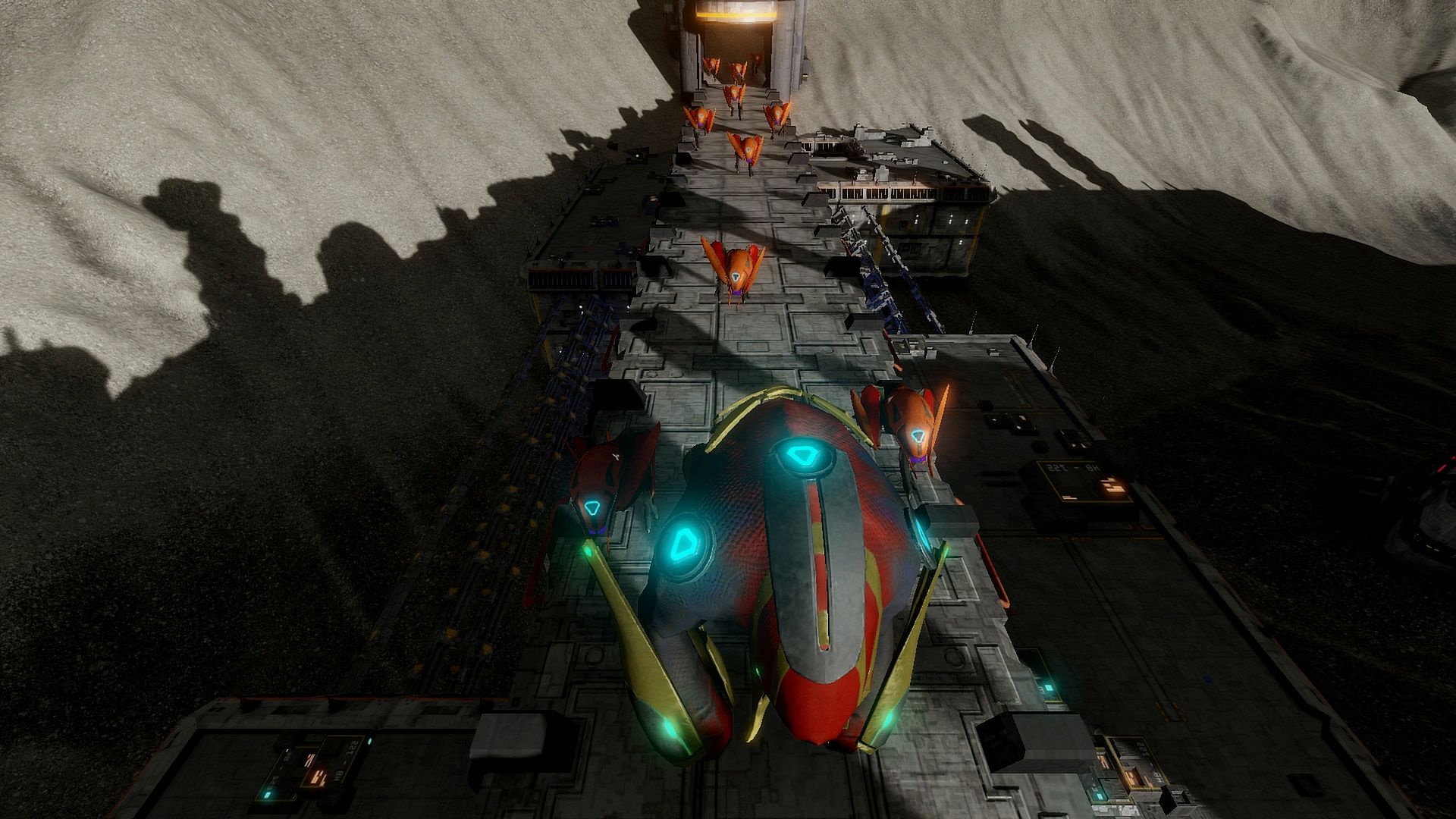
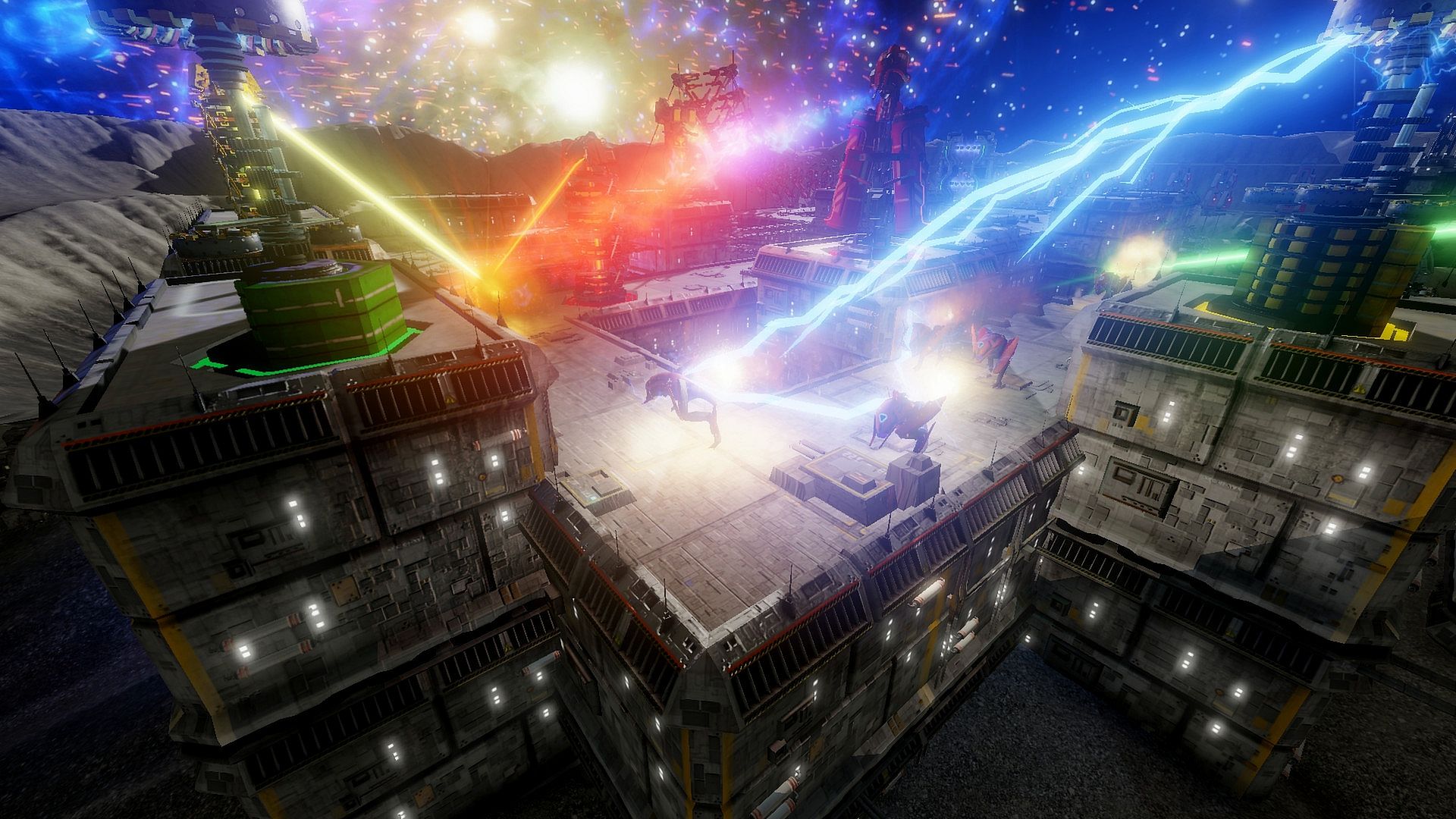
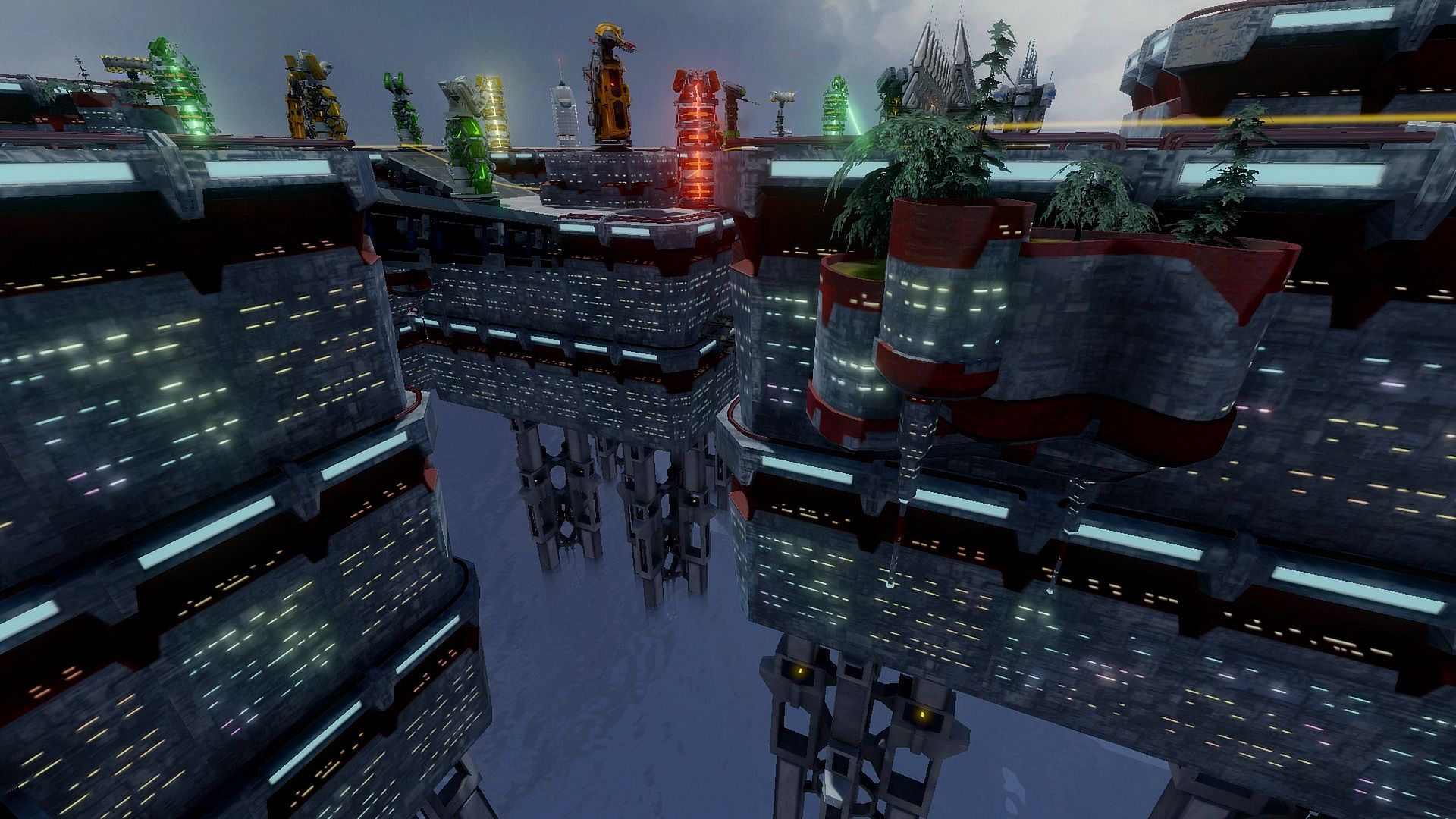
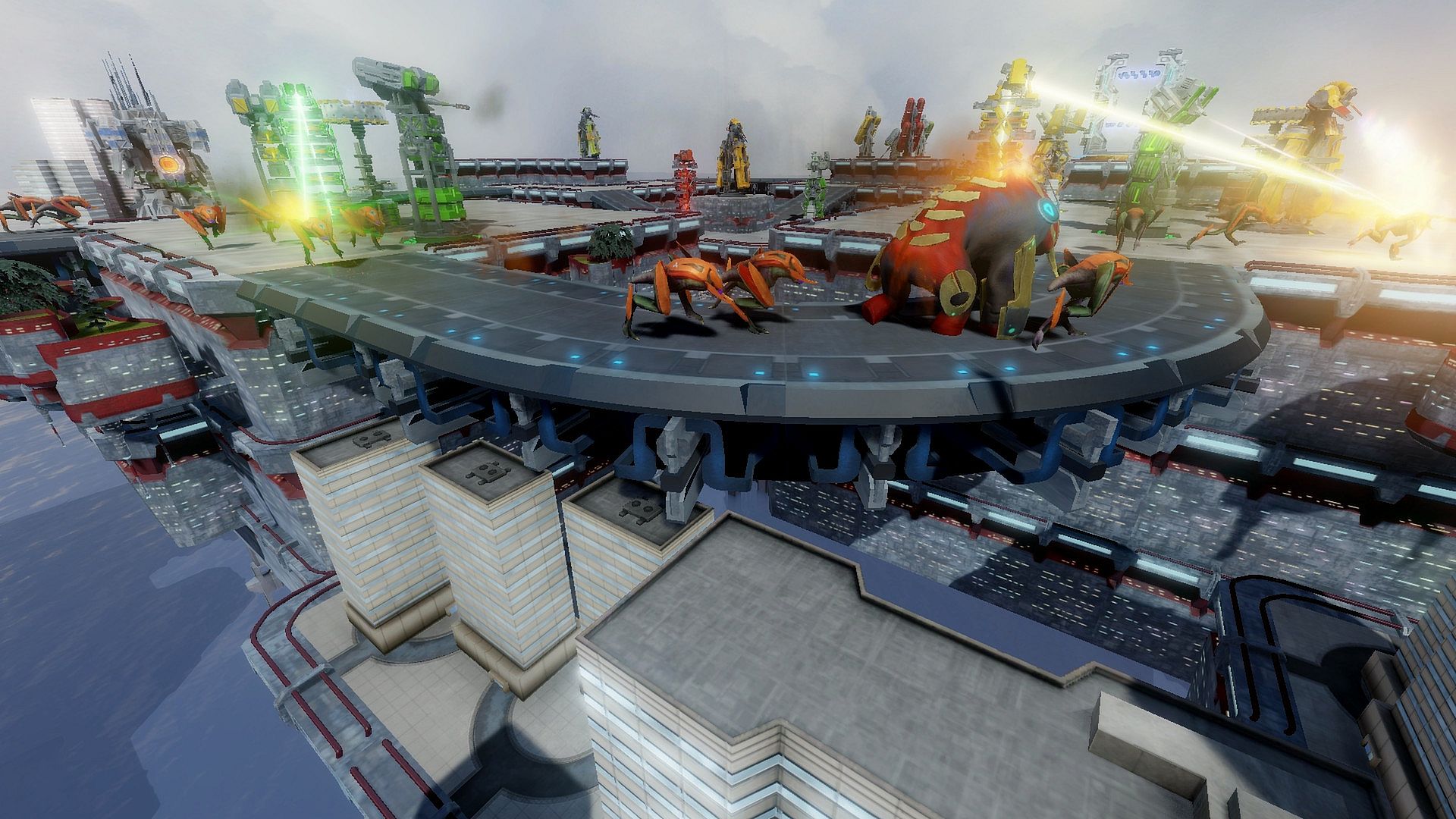
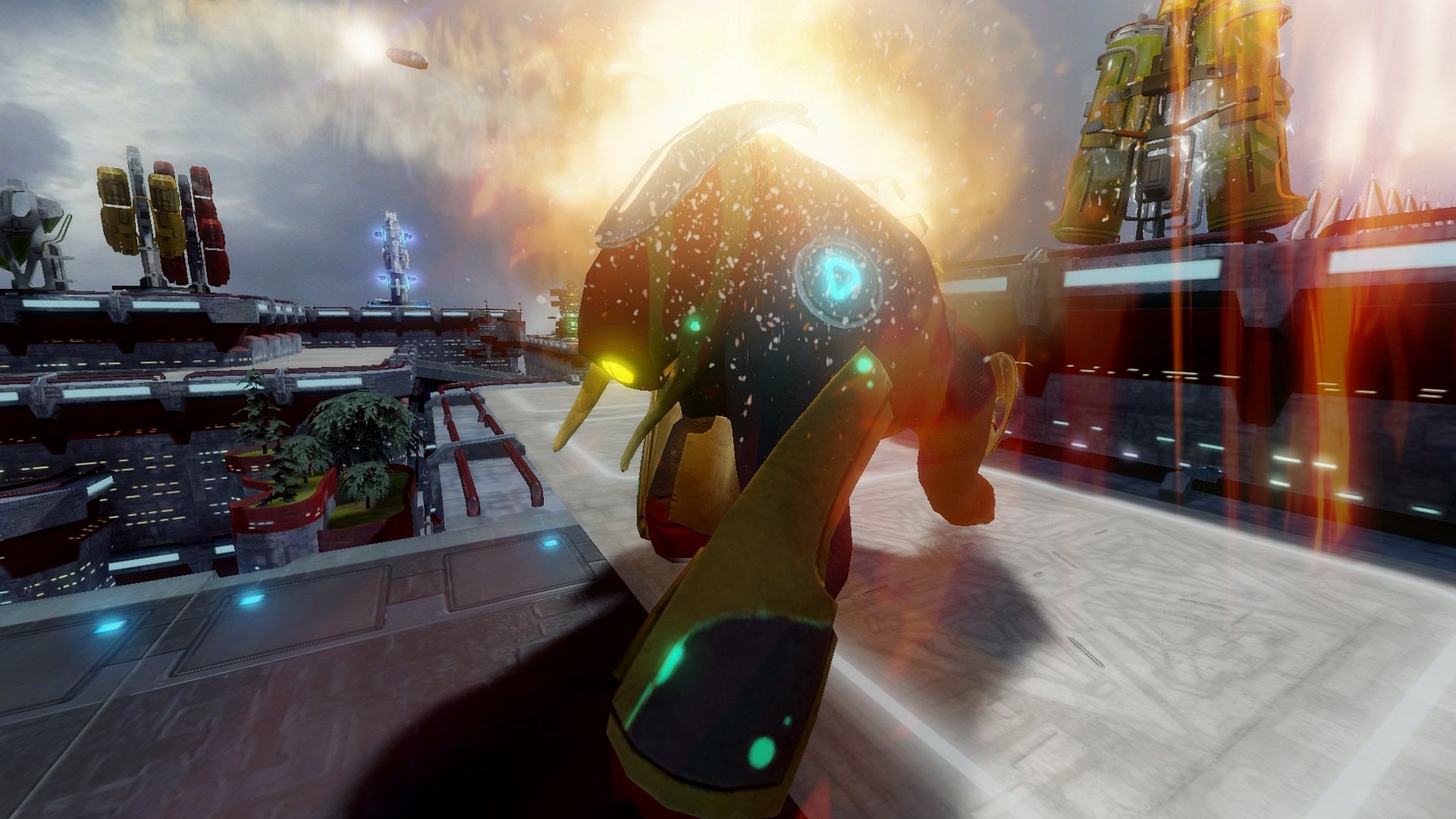
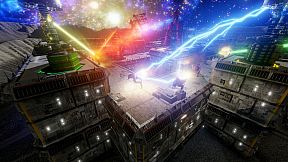
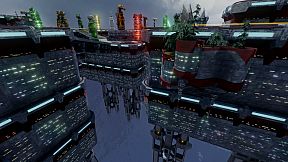
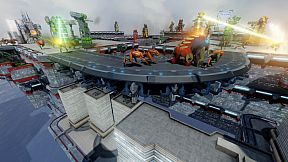
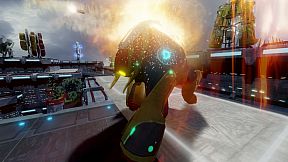
DG2: Defense Grid 2 is a tower defense strategy game developed for PC that emphasizes careful planning and adaptation across varied maps. Players construct defensive structures to protect power cores from waves of alien enemies in a setting that blends singleplayer narrative progression with competitive and cooperative options.
Gameplay
The core loop centers on placing towers with distinct effects such as projectile fire, area burns, electrical zaps, and freezing capabilities. These towers form pathways that channel and eliminate advancing enemies before they reach protected cores. Maps feature dynamic elements that alter terrain or enemy paths during play, requiring ongoing adjustments to initial layouts rather than static setups.
Tower placement rewards foresight because each decision influences resource efficiency and coverage. Enemies arrive in escalating waves with different speeds and resistances, pushing players to experiment with combinations that balance offense, crowd control, and economy management. Persistent upgrades on individual towers add another layer in extended sessions, allowing specialized builds to evolve over time.
Large levels offer multiple viable routes for defense construction, encouraging repeated attempts to optimize score or survival under shifting conditions. The system avoids rigid linear paths in favor of open-ended configurations that adapt to player creativity and enemy behavior.
Game Modes
The campaign consists of a full story-driven sequence spanning 21 maps. These maps incorporate dynamic changes that force constant reevaluation of strategies as play progresses through the narrative.
Online co-op allows two players to coordinate defenses on the same maps, sharing resources and responsibilities. Competitive multiplayer introduces head-to-head elements, including Fighter mode where each participant controls opposing sides of a shared map and enemies defeated on one side transfer to the other.
Challenge modes provide hundreds of variants through mutators that alter rules such as restricted tower types, limited resources, or conditional firing mechanics. These options generate distinct experiences across the same maps without relying on procedural generation.
Steam Workshop integration supports community-created levels and custom scenarios that expand the available content beyond official maps. Players can access and contribute to these additions directly through the built-in tools.
Story and Recent Updates
The narrative follows a commander working alongside AI companion Fletcher against threats led by figures such as Governor Tydell. The Aftermath expansion adds five new story missions set on a distant world where enemies possess mind-control abilities. These missions feature larger, more flexible layouts and begin with a voiced cinematic sequence that advances the ongoing conflict.
Localization covers full voice acting in Simplified Chinese, Korean, Spanish, English, French, and German, with updated text support for the new content. Performance improvements include better widescreen compatibility and overall stability enhancements.
Is It Worth Playing?
Defense Grid 2 delivers refined tower defense mechanics that reward methodical placement and adaptive thinking. Its combination of a complete campaign, co-op sessions, competitive matches, and extensive challenge variants provides substantial replay value for those who enjoy strategic depth over fast-paced action.
The recent Aftermath expansion demonstrates continued development with new story missions and mechanics that integrate seamlessly into existing systems. Players seeking a tower defense experience with strong singleplayer progression alongside multiplayer flexibility will find consistent engagement across multiple sessions.
Those who prefer games that emphasize planning, experimentation with tower synergies, and varied rule sets across reusable maps will appreciate the structure and longevity here. The title suits both newcomers to the genre and returning players looking for updated content without altering the established core loop.