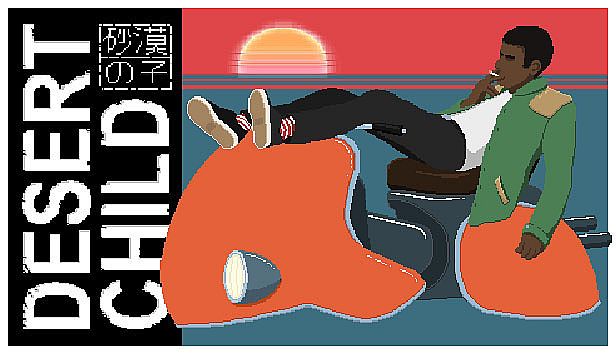


























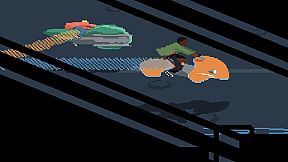

Desert Child is a single player action indie RPG simulation racing game set in a near future where Earth is becoming less habitable and many have relocated to Mars. Players take on the role of a young hoverbike racer struggling to earn enough money for a one way ticket to the Red Planet before prices rise. The story centers on scraping by through races and side activities while upgrading a vintage hoverbike and navigating a gritty world filled with odd jobs and confrontations.
Gameplay
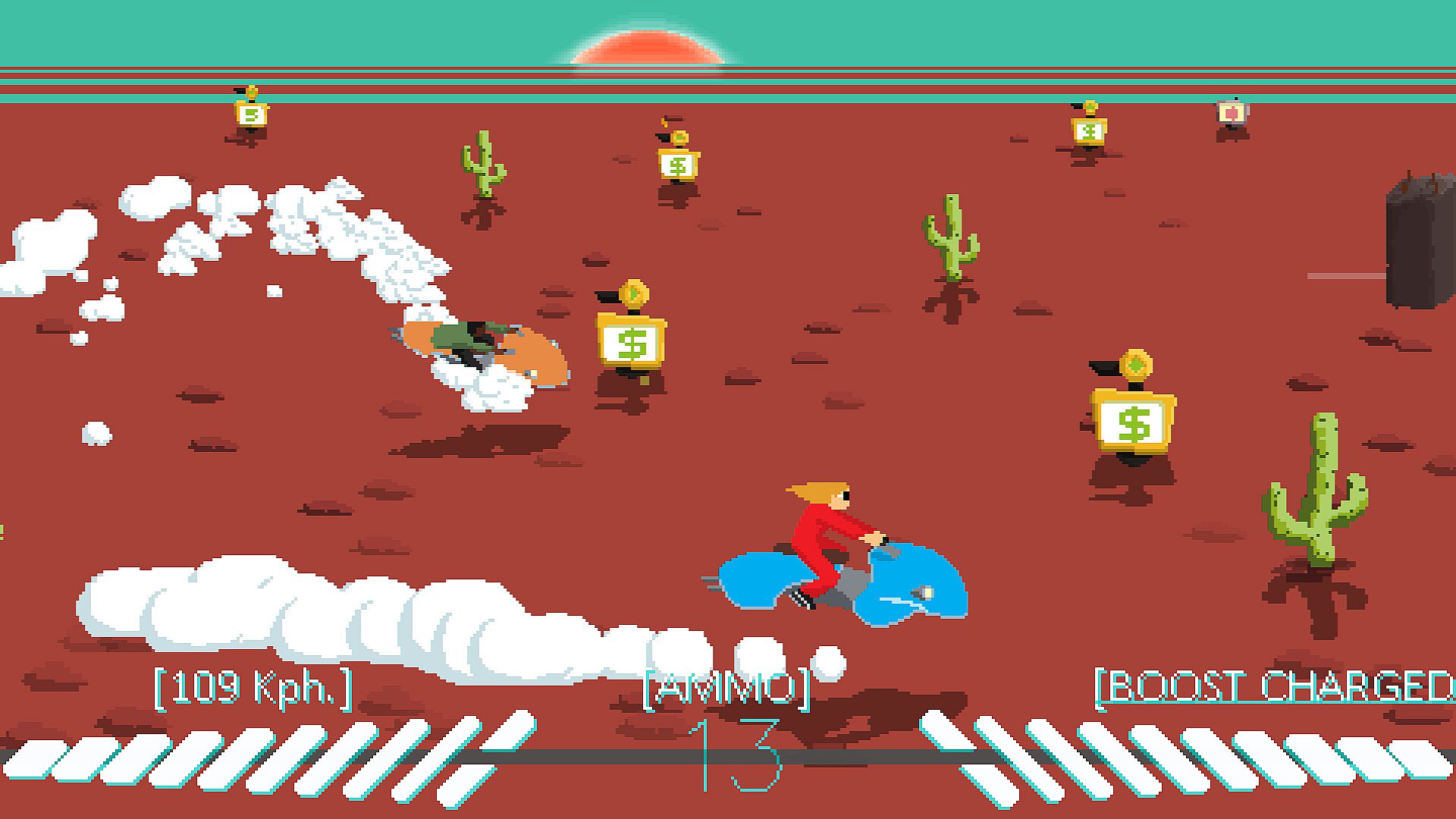
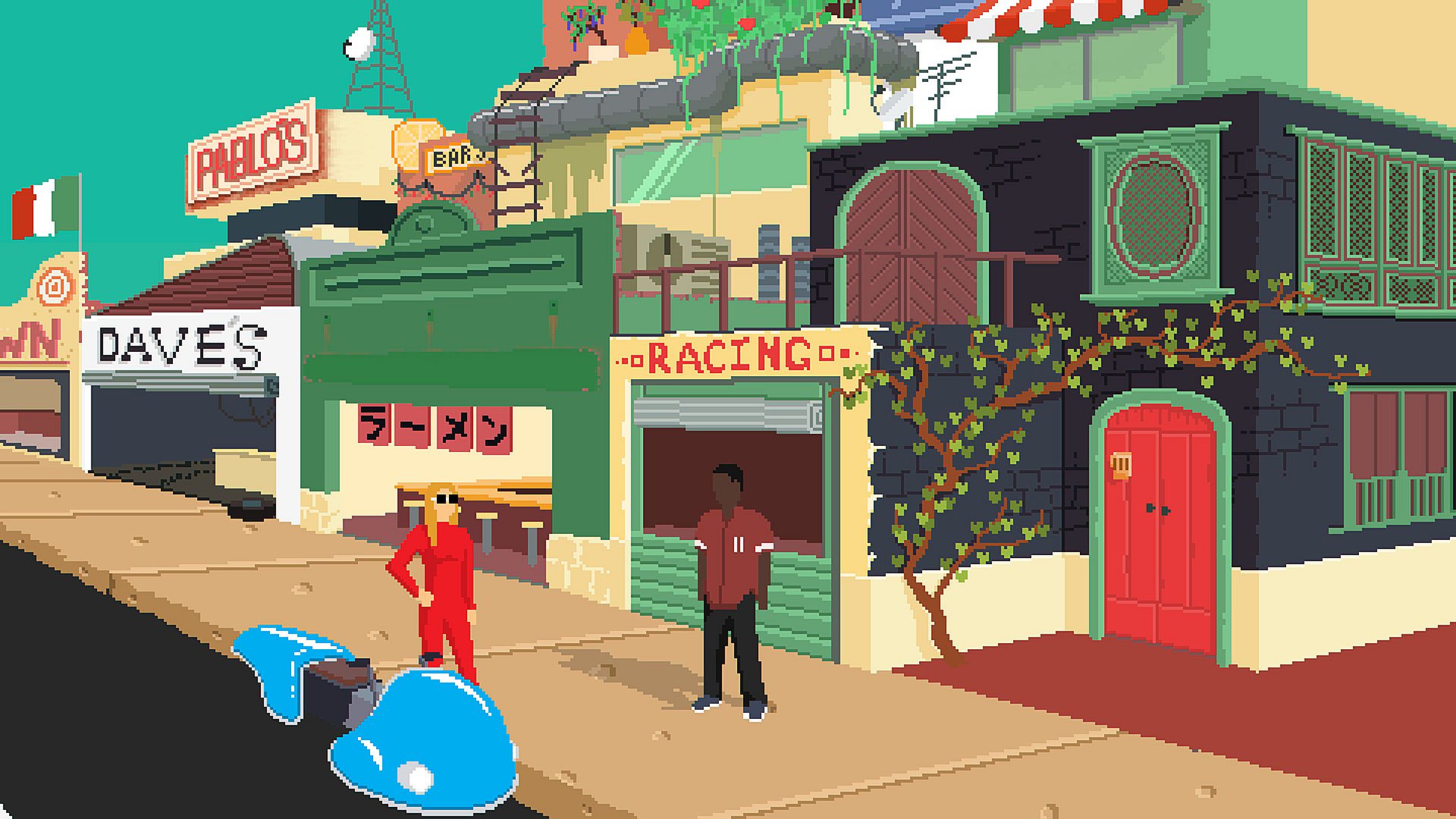
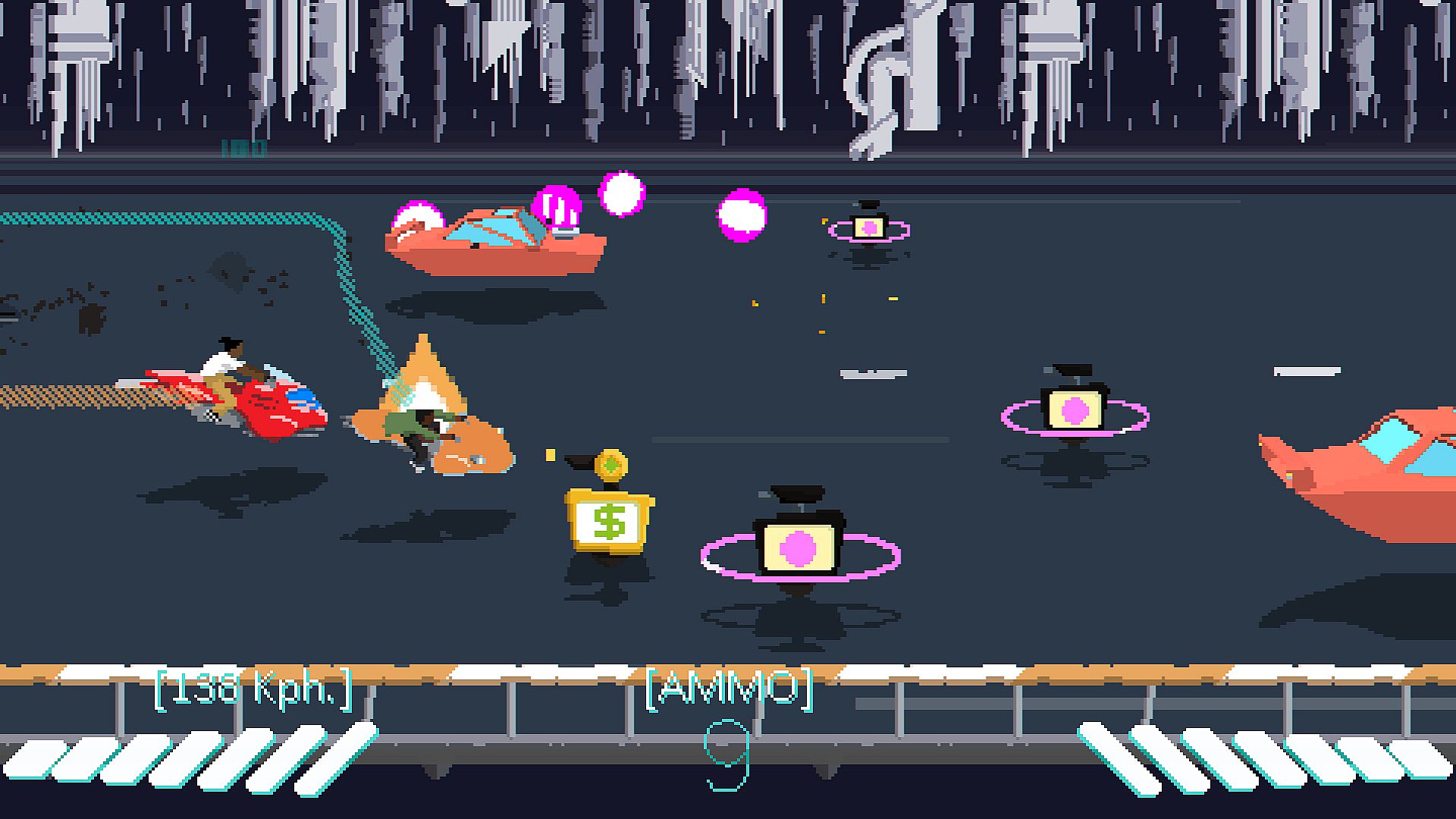
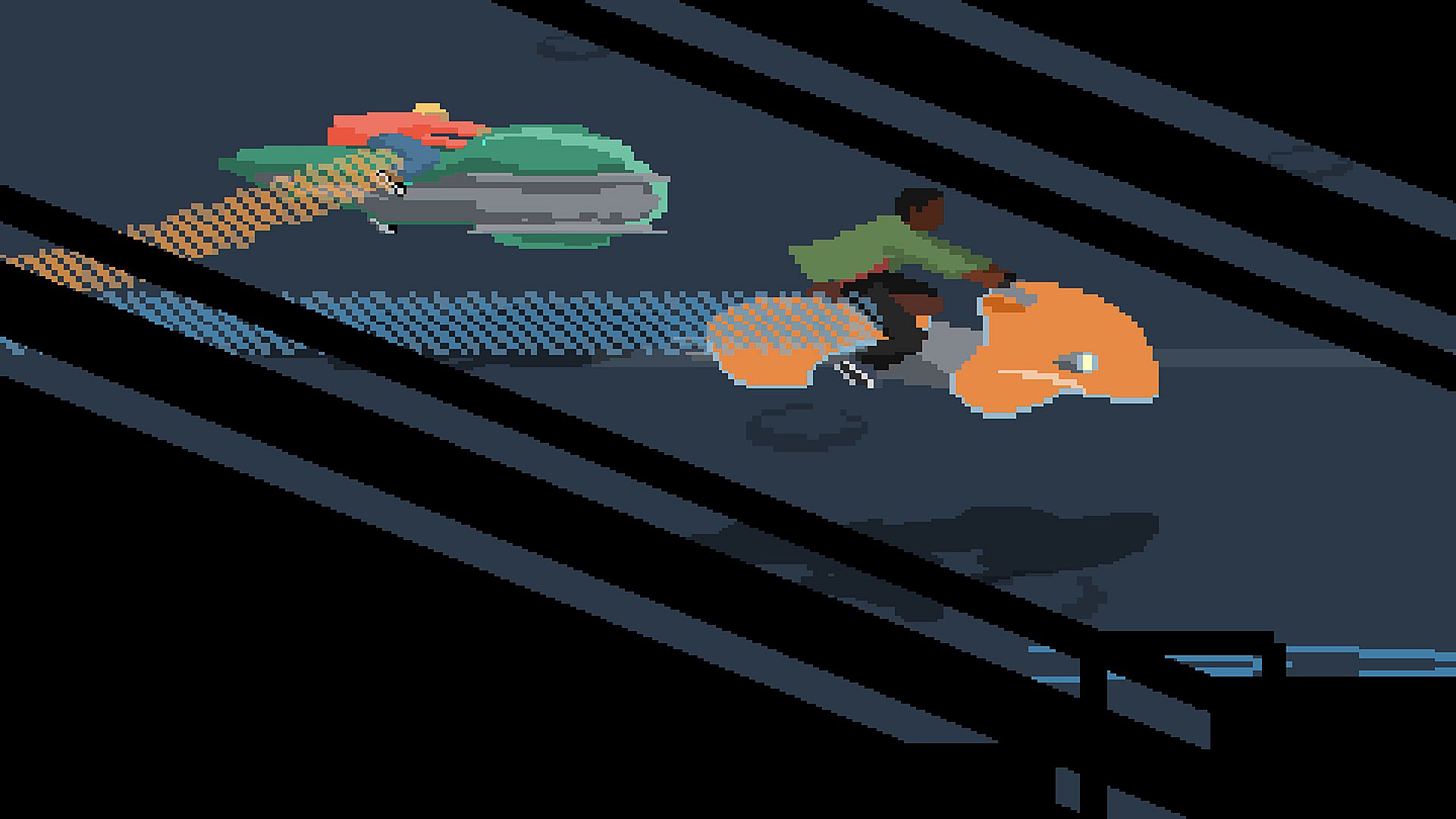
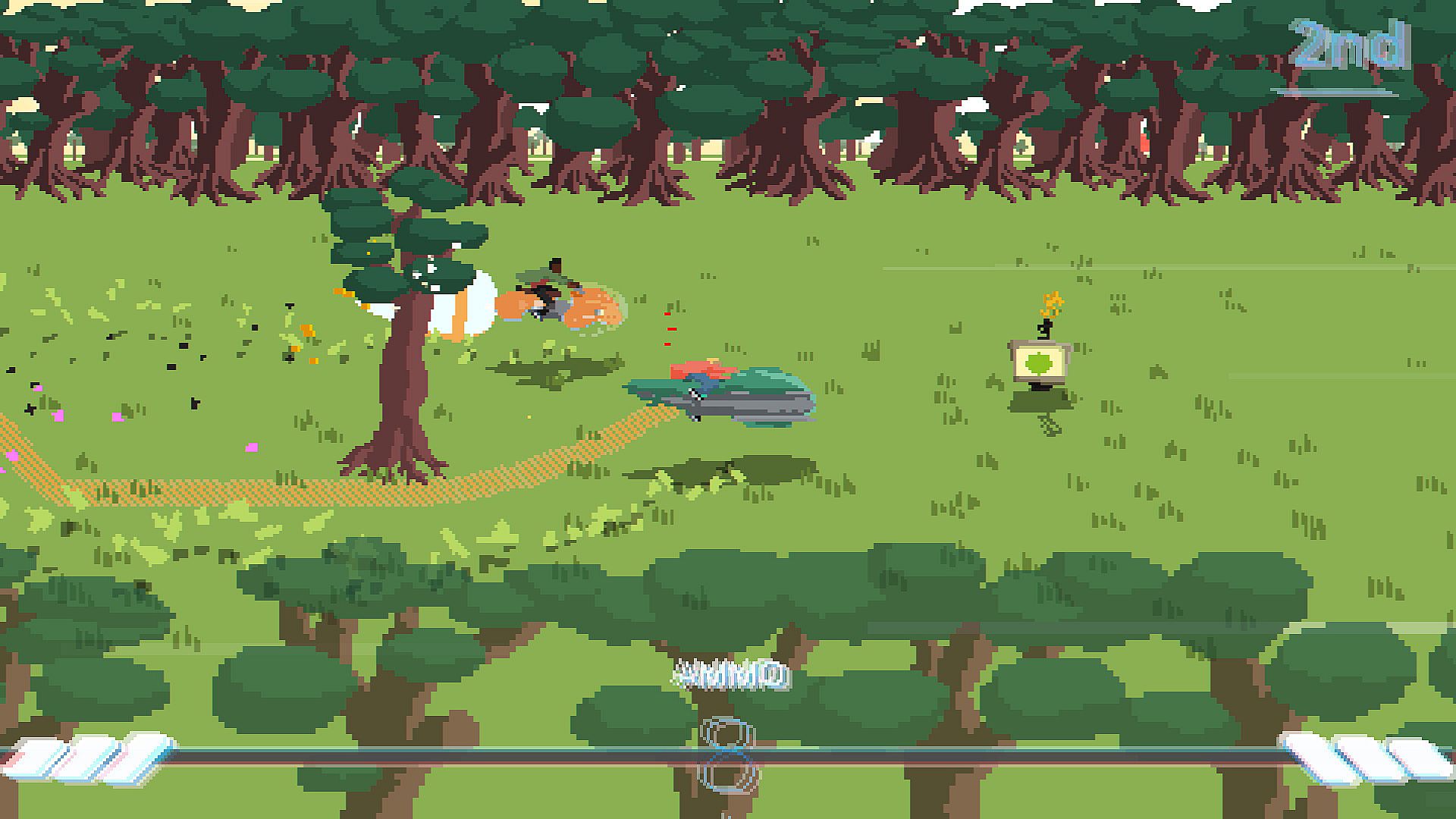
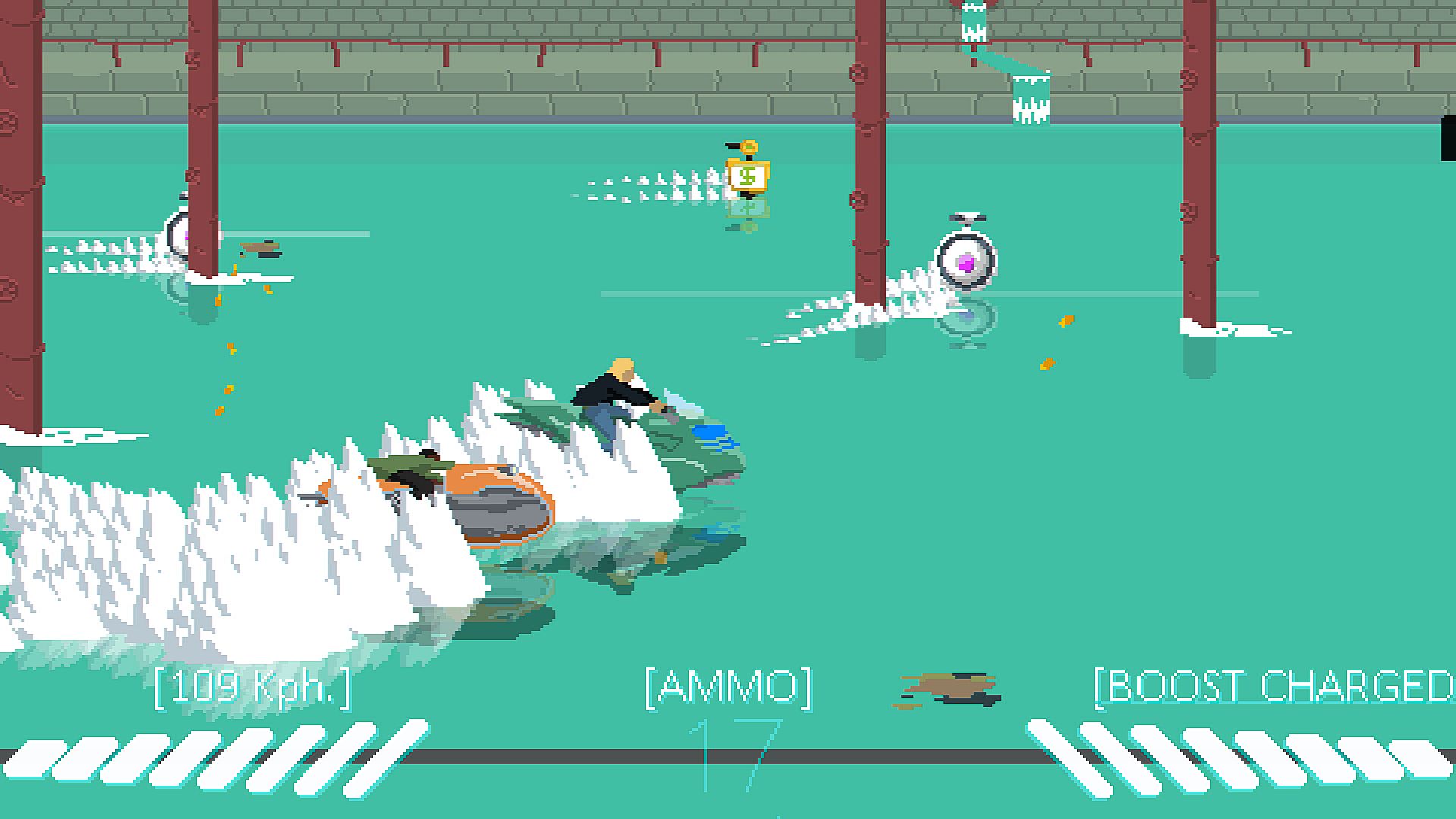
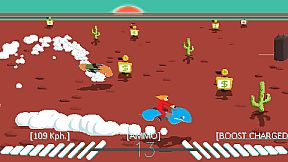
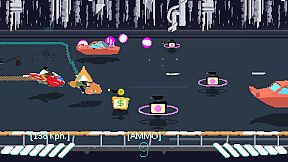
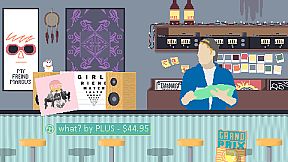
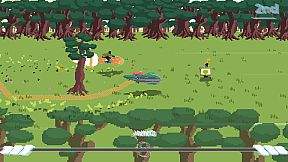
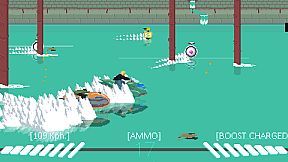
The core loop combines hoverbike racing with light RPG progression and survival elements. Races require managing speed, handling, and obstacles on varied tracks while avoiding crashes that can damage the bike. Between events, players explore city areas to complete tasks such as pizza deliveries, bounty hunting, and collecting parts for weapons or upgrades. These activities generate the cash needed to repair and customize the hoverbike, purchase food, and advance toward the goal of reaching Mars.
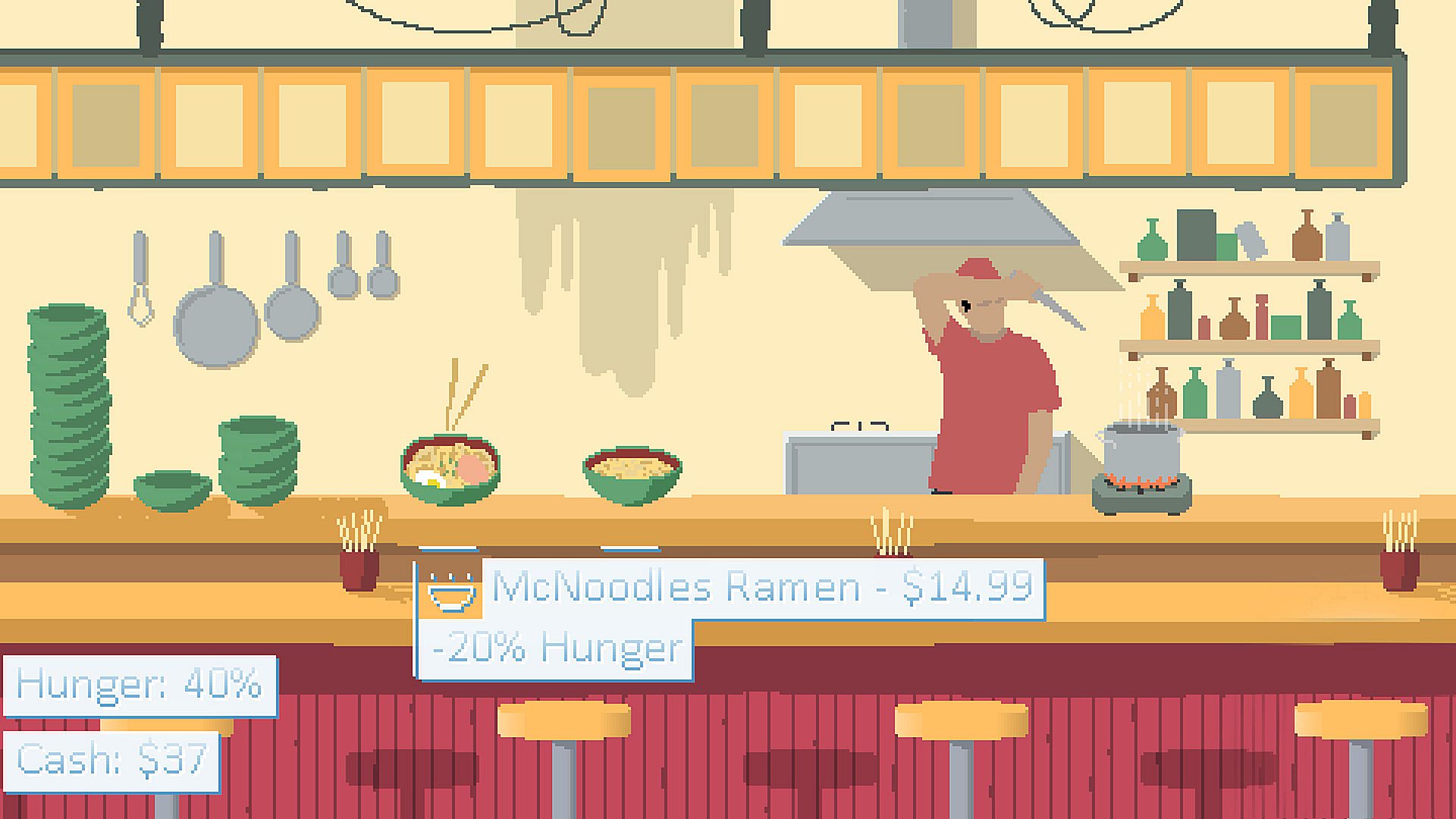
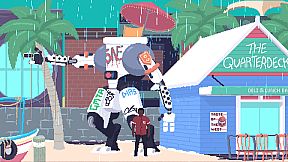
Combat occurs during exploration segments where players fight gangsters, bounty hunters, and other hostile characters using collected gun parts. Bike maintenance forms another key system, as poor condition affects performance in races and requires regular investment. The game emphasizes resource management, with hunger and finances adding pressure to balance racing winnings against daily expenses like meals.
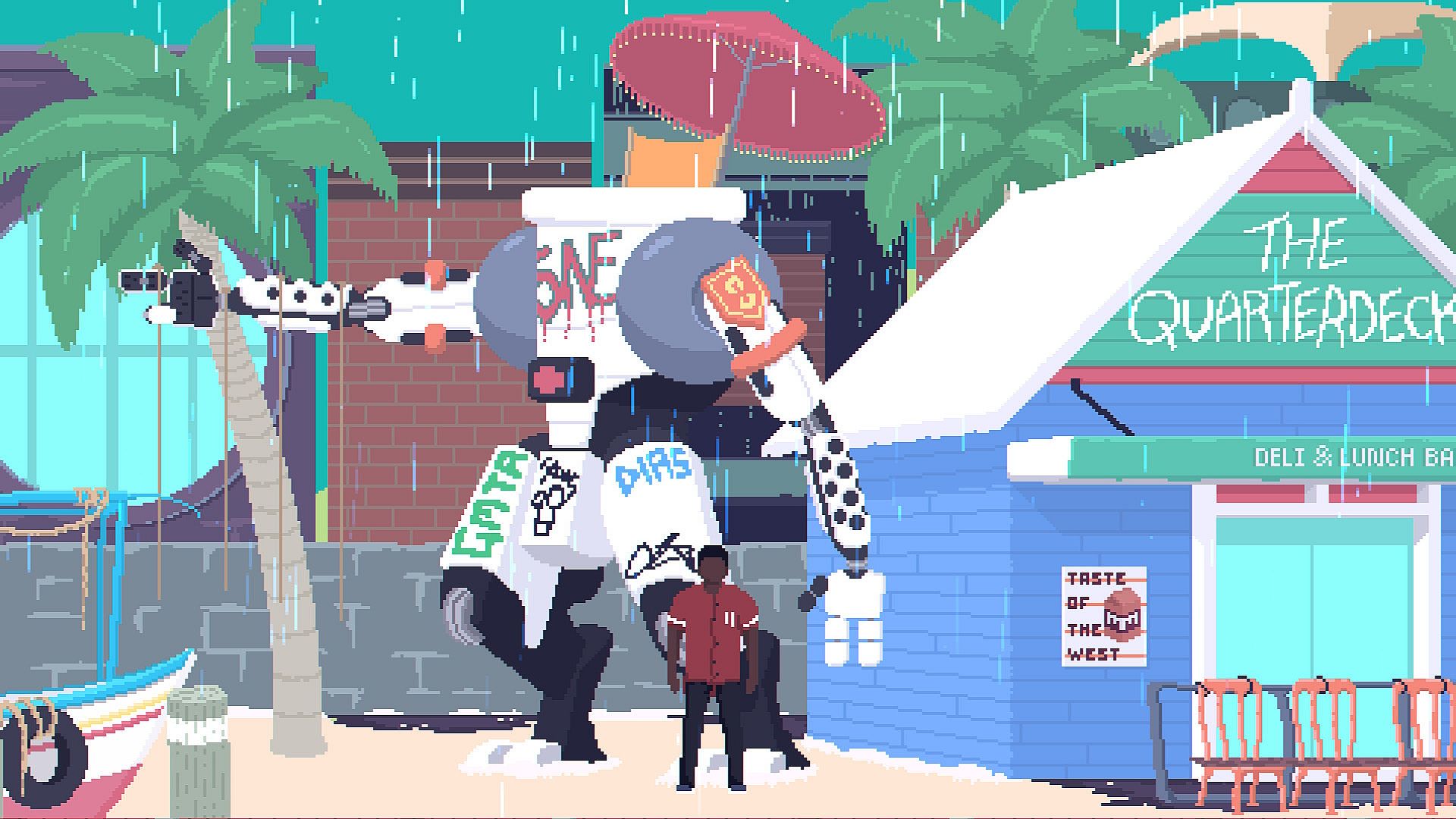
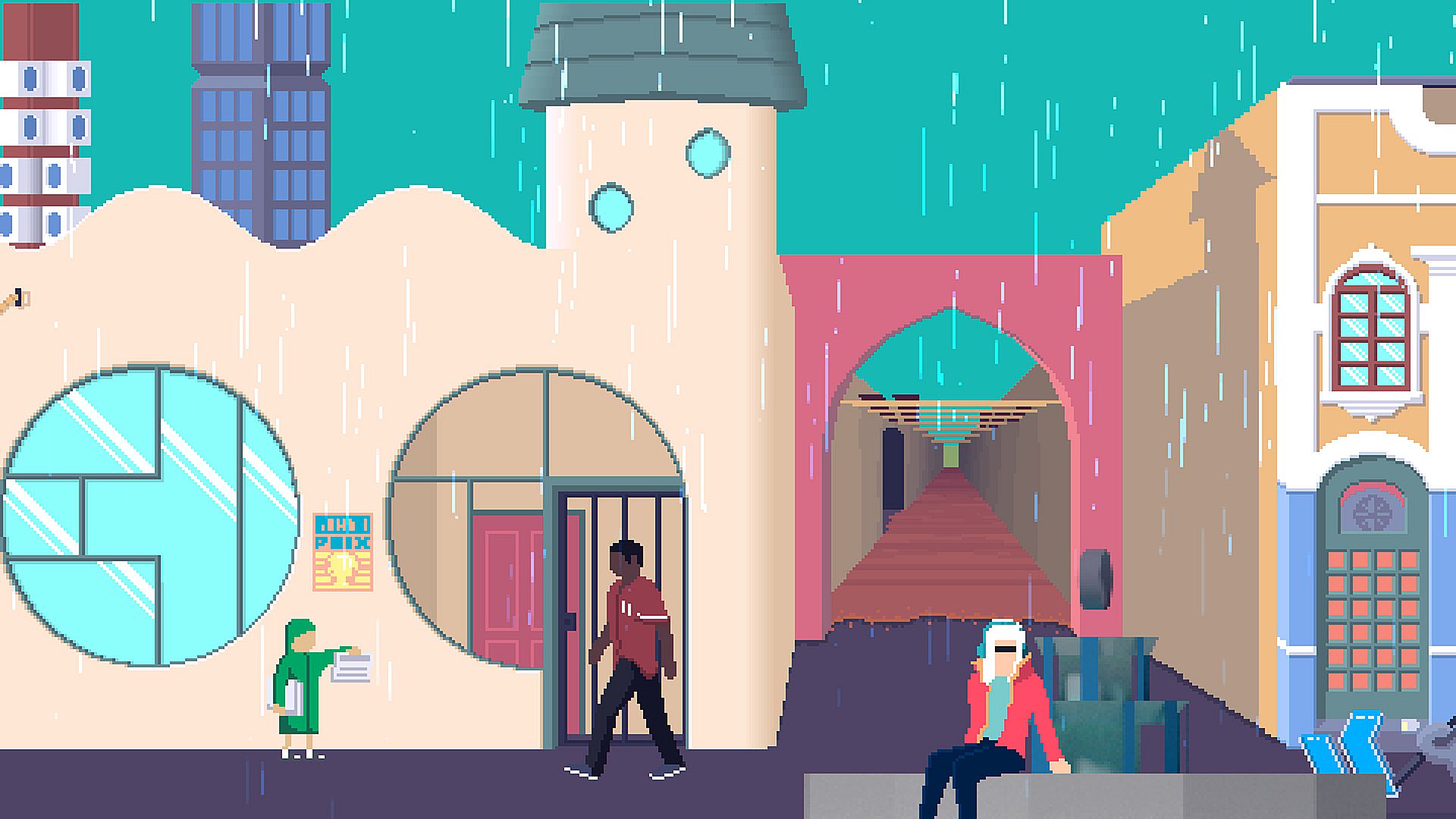
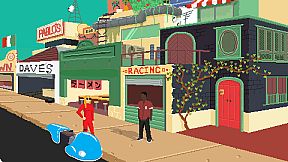
Visuals feature colorful pixel art cityscapes and a distinctive retro aesthetic paired with a strong soundtrack that enhances the chilled yet tense atmosphere. Controls focus on precise hoverbike handling that feels floaty yet responsive during high speed segments.
Game Modes
Desert Child operates as a linear single player experience without separate multiplayer or competitive modes. The primary activity revolves around participating in hoverbike races that serve as the main source of income and progression. These races take place across different tracks and increase in difficulty as the story advances.
Side activities function as integrated gameplay systems rather than distinct modes. Players engage in delivery jobs, part collection, and bounty pursuits while roaming explorable city zones. These tasks provide variety and additional revenue streams outside of racing events.
Exploration and combat segments allow players to interact with the environment and characters, uncovering opportunities to upgrade equipment or gather resources. The overall structure ties everything to the central objective of funding passage to Mars within a limited time frame.
Story and Setting
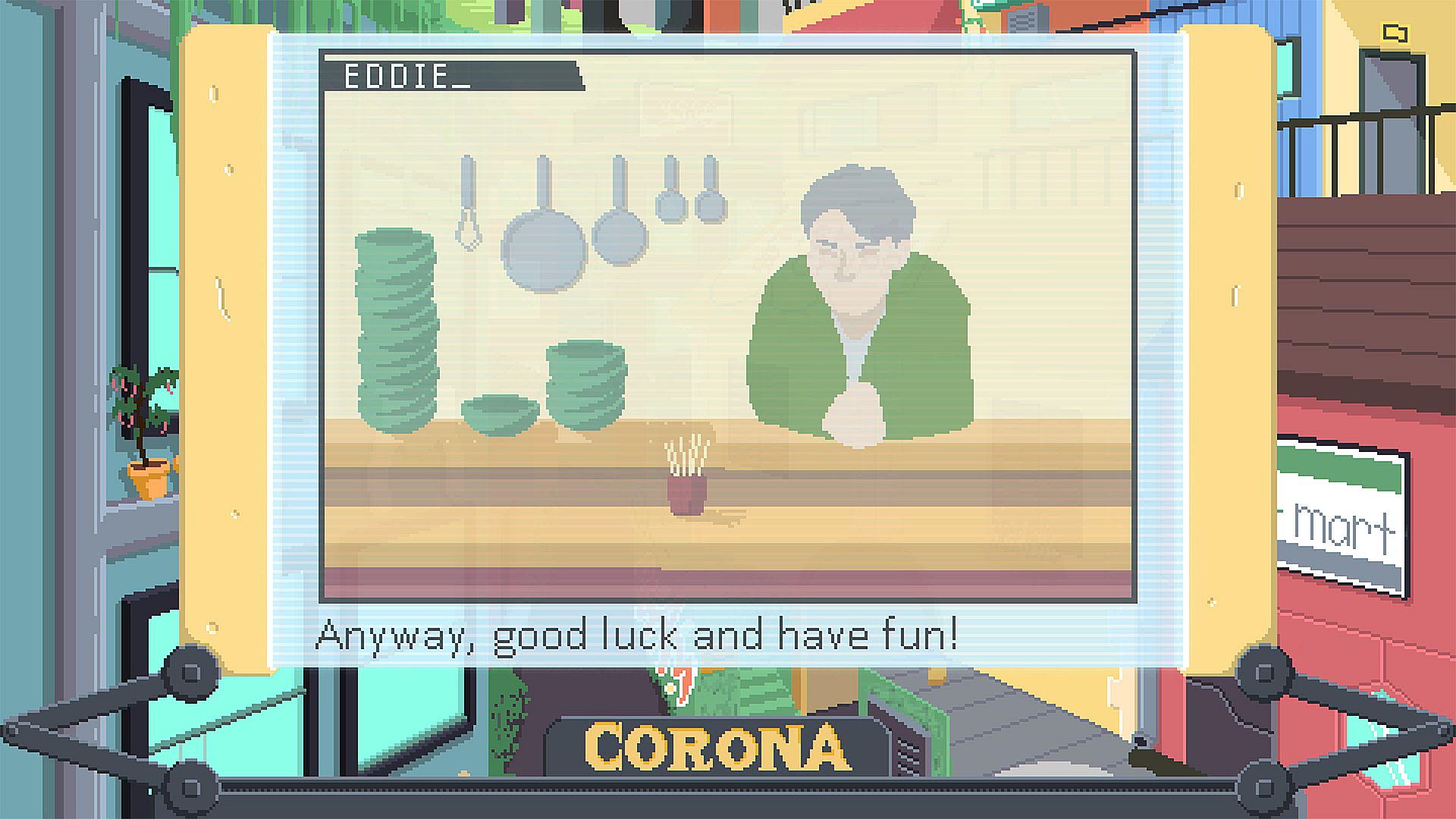
The narrative unfolds in a dystopian version of Earth where government subsidies once made Mars accessible but are now ending, forcing ordinary citizens to find alternative ways off the planet. The protagonist starts with minimal resources, relying on a beat up hoverbike and basic survival needs like ramen to stay in the race for a better life.
World building highlights the contrast between those who have already left for Mars and those left behind, creating a backdrop of economic struggle and opportunity. Interactions with various characters during jobs and fights add layers to the experience without extensive dialogue trees or branching paths.
The setting supports the gameplay loop by placing race venues and job locations within vibrant yet rundown urban environments that encourage repeated visits for upgrades and tasks.
Is It Worth Playing?
Desert Child suits players who enjoy short single player experiences blending racing with light RPG and simulation mechanics. The game typically takes six to ten hours to complete, making it accessible for those seeking a focused story driven title rather than long term engagement.
Reception highlights the unique visual style and soundtrack as standout features, while noting that the racing and side activities can feel repetitive after the initial hours. Technical issues appear in some versions, and the thin story leaves room for players who prioritize atmosphere over deep narrative.
Those interested in hoverbike racing combined with odd job progression and resource management will find the core loop engaging for its length. The game remains available on PC as a complete experience without ongoing seasonal content or major updates since its original release.