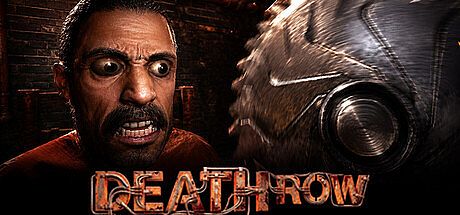


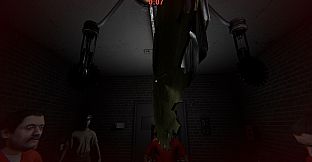
Death Row is an indie puzzle game set in a high-stakes prison environment where players work as inmates racing against a deadly advancing saw. The core experience centers on electrical circuit puzzles that must be solved under pressure to cut power to the execution machine. Available on PC in early access, the title blends casual accessibility with tense cooperative and competitive elements that reward clear communication and precise timing.
Gameplay
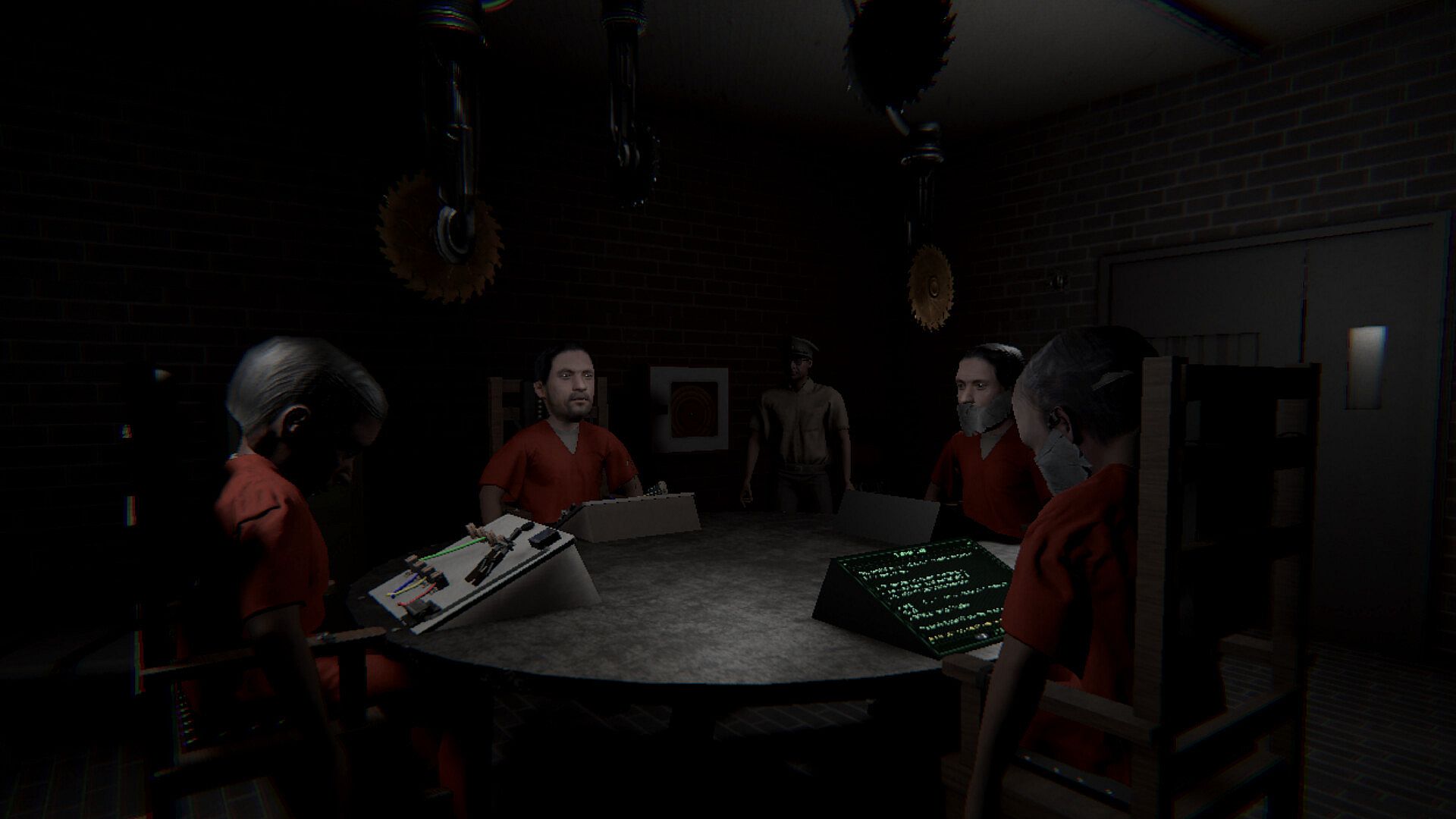
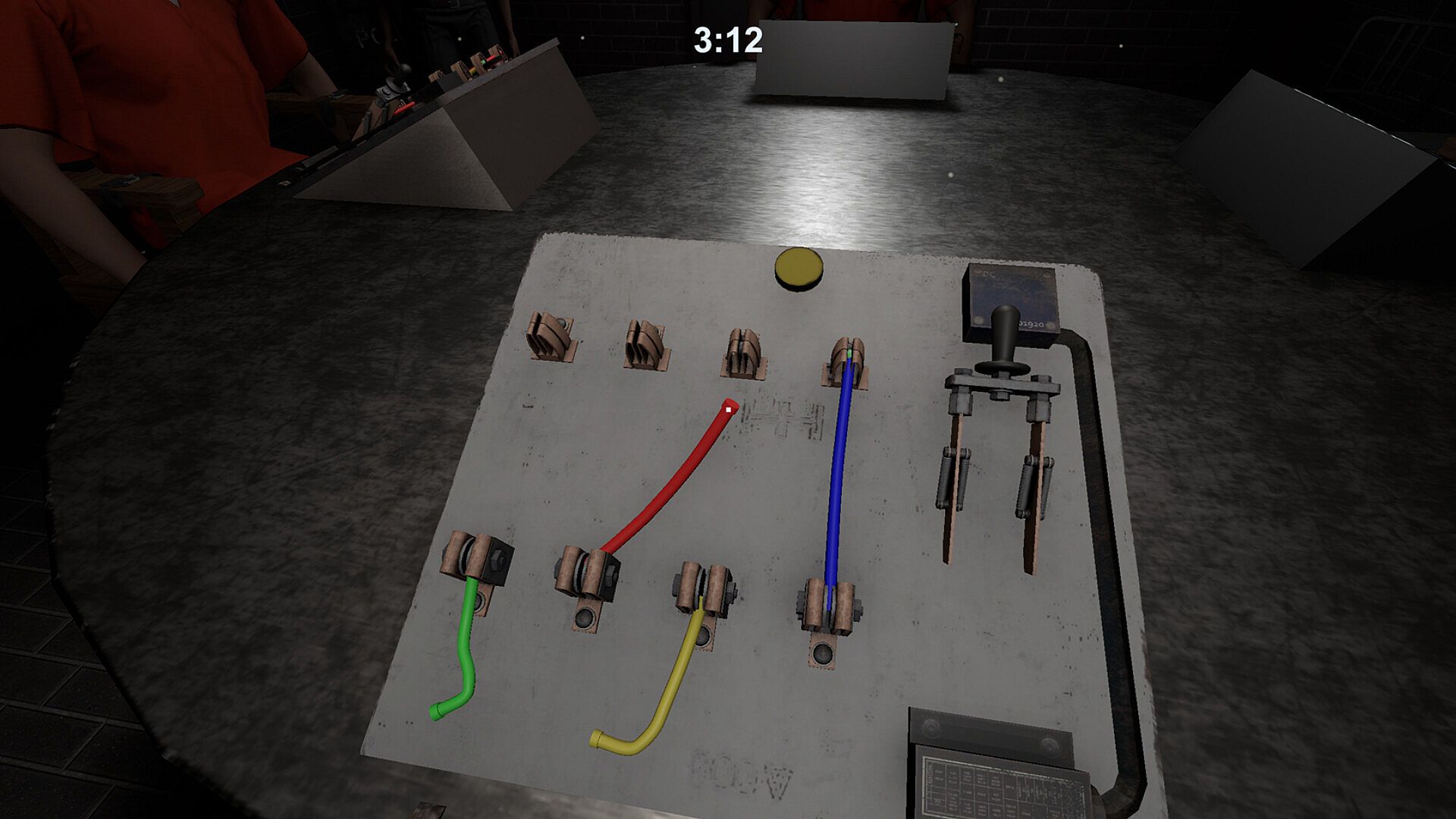
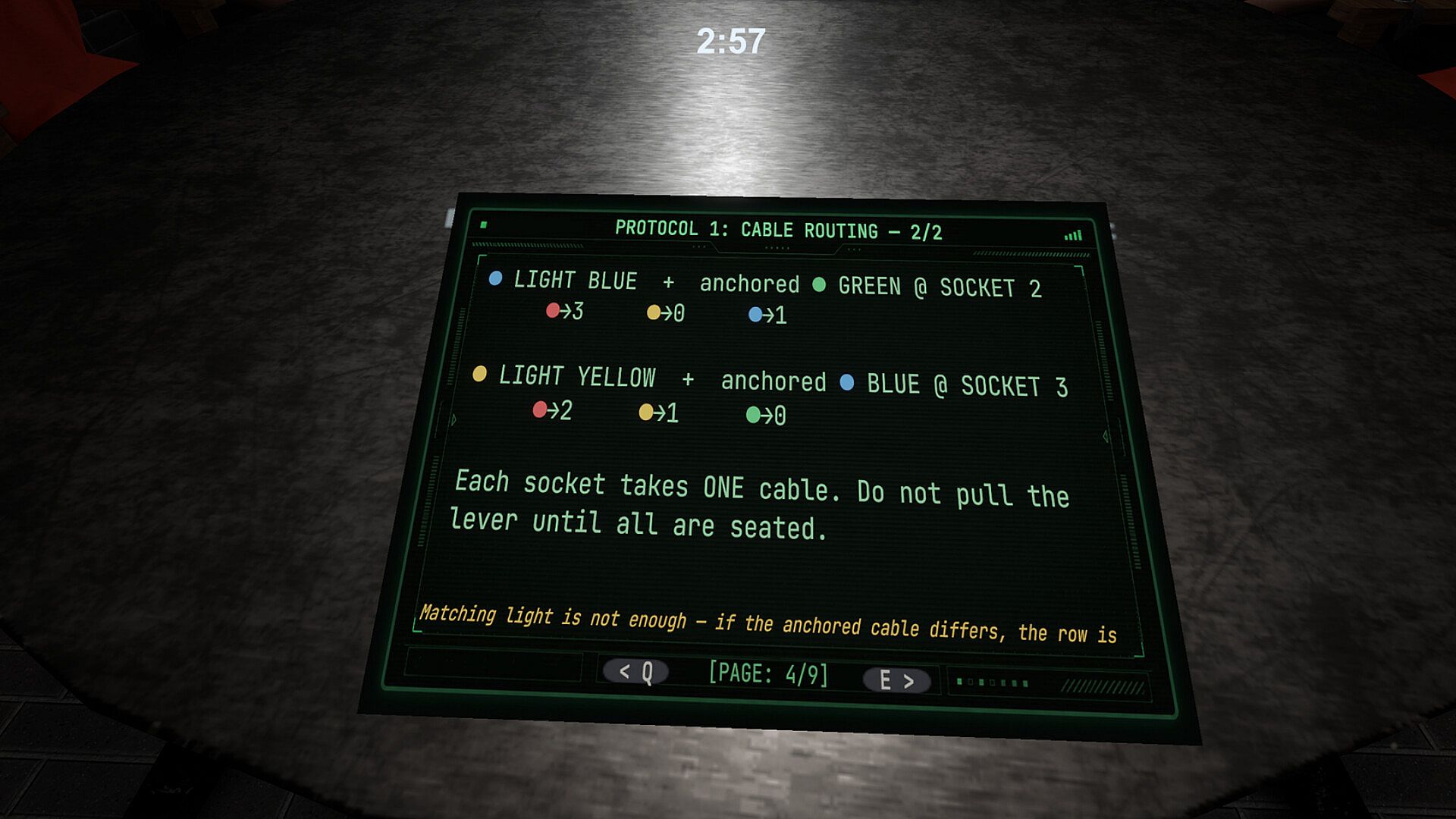
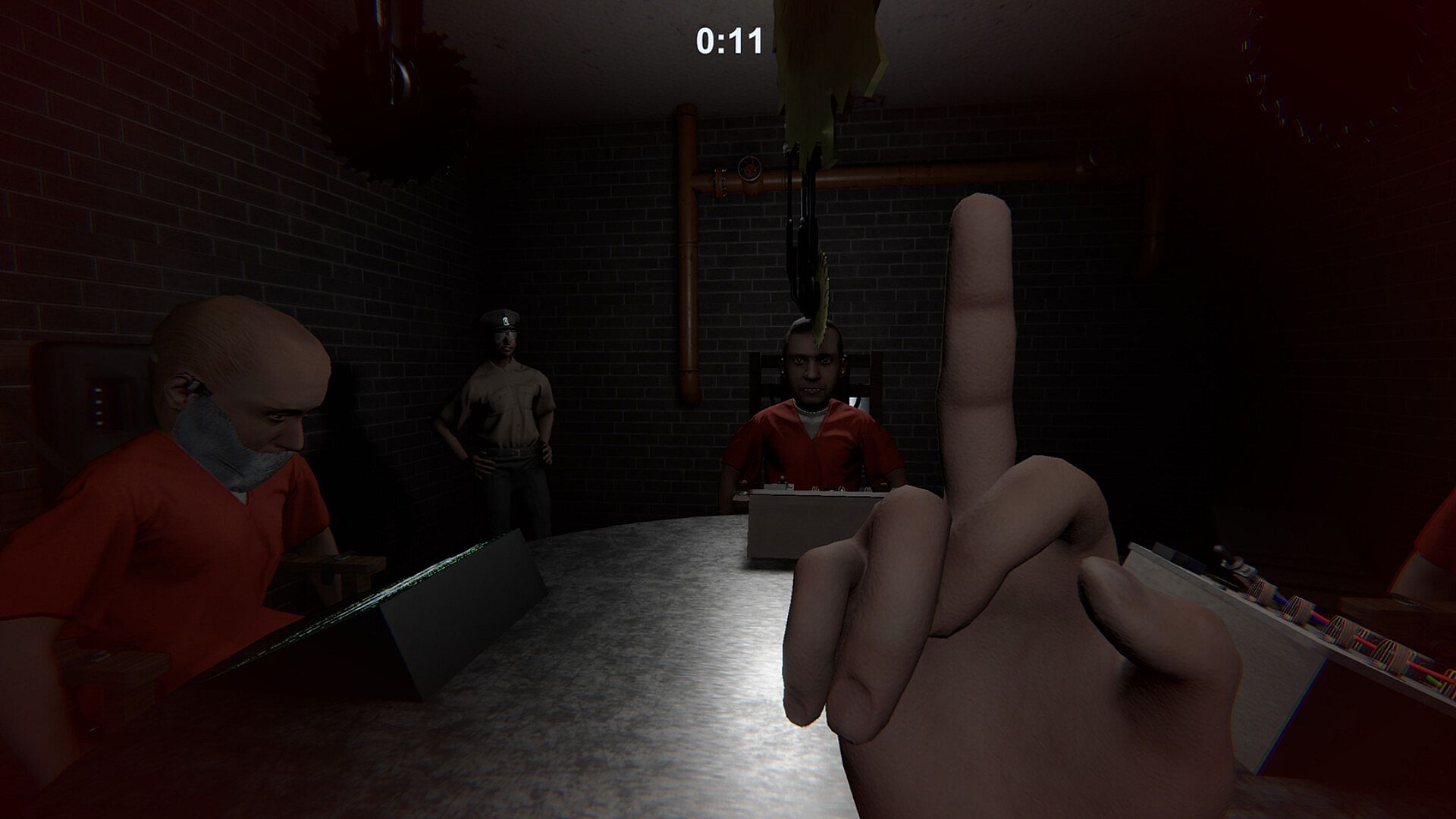
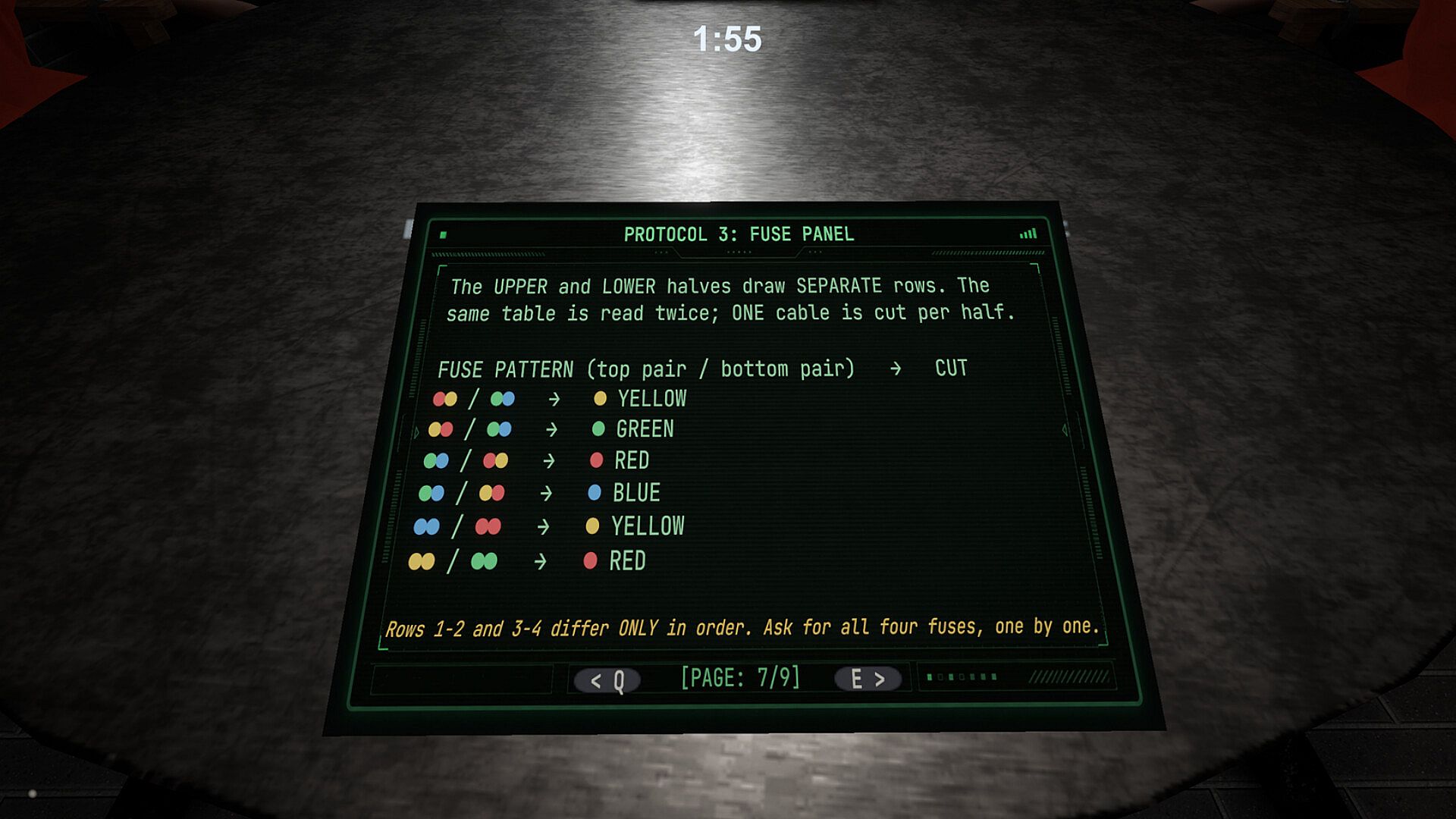
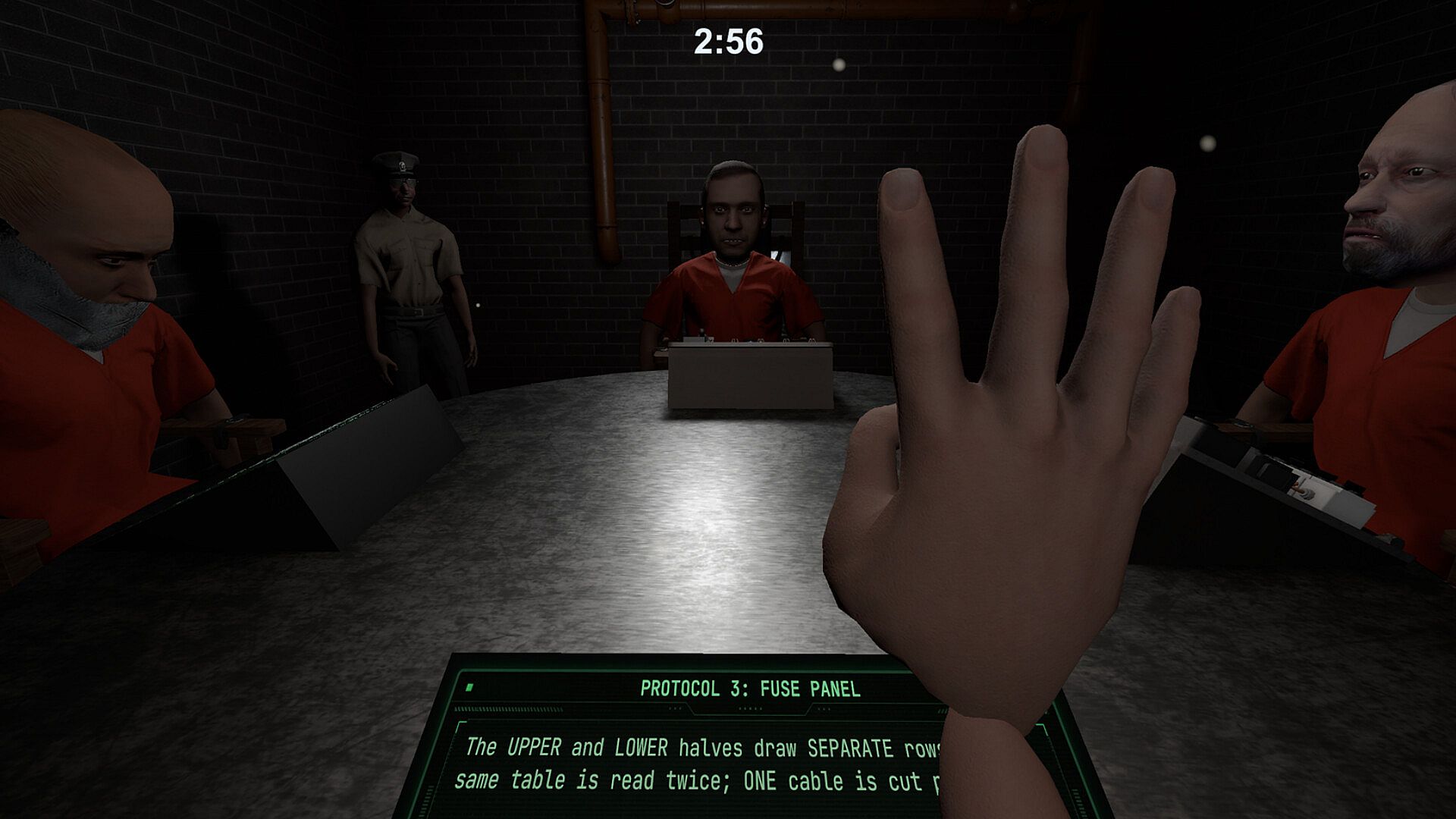
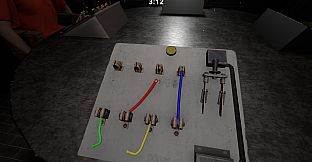
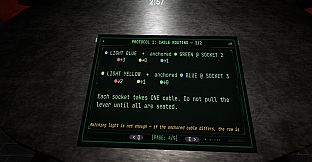
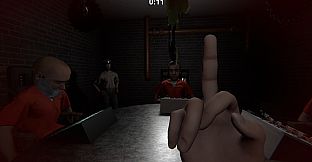
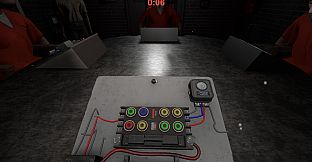
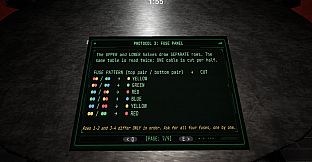
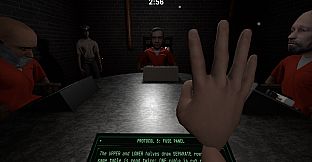
The central loop requires two distinct roles that depend on each other for success. One player acts as the silent guide who can see the required circuit layout but cannot speak or type. This player communicates only through limited head movements and hand gestures to direct actions. The second player serves as the circuit solver who interacts directly with the control panel but has no visual clues about the correct configuration. Success demands that the solver interpret the guide's signals accurately while managing the noise and stress of the approaching saw blade.
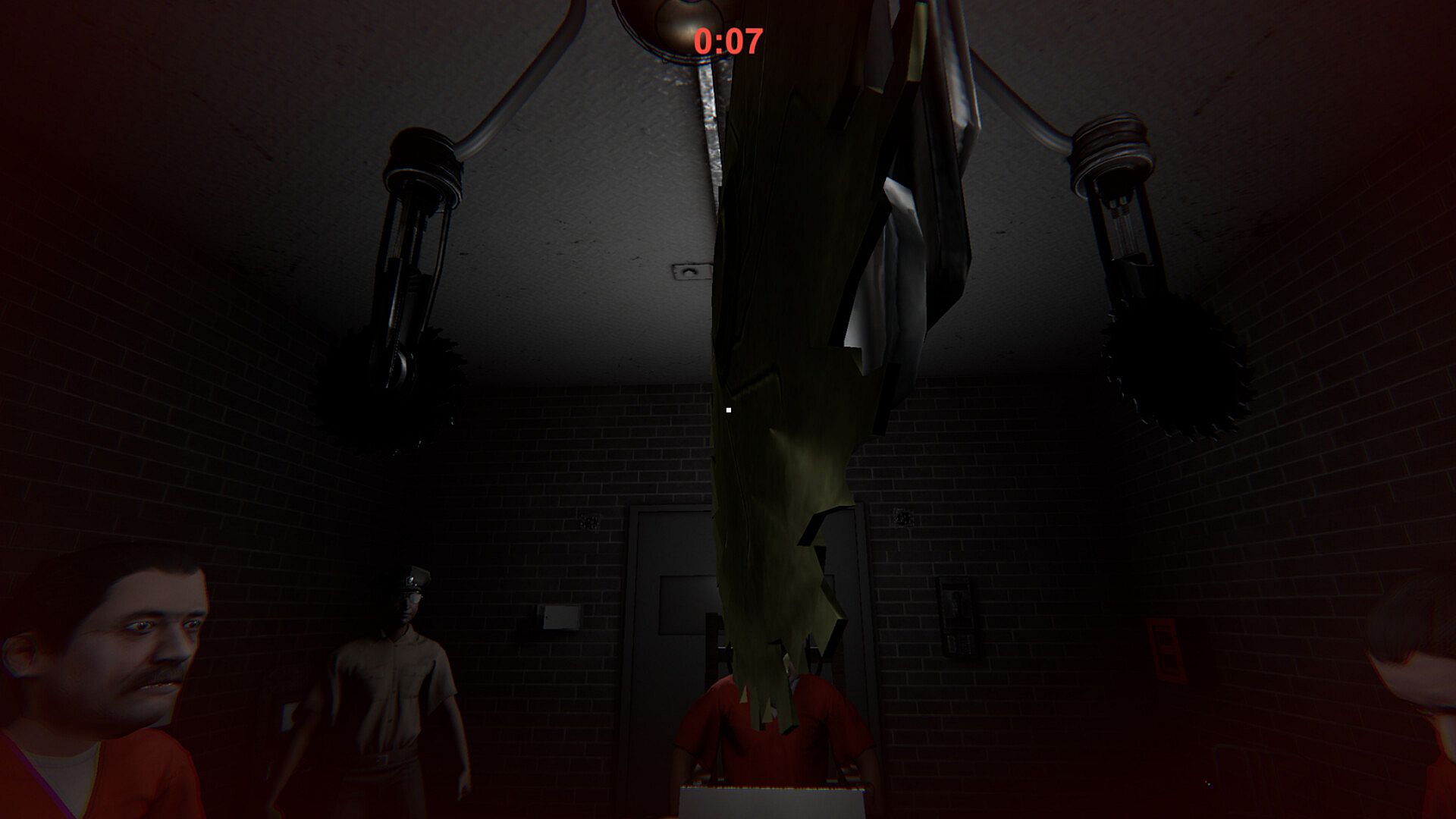
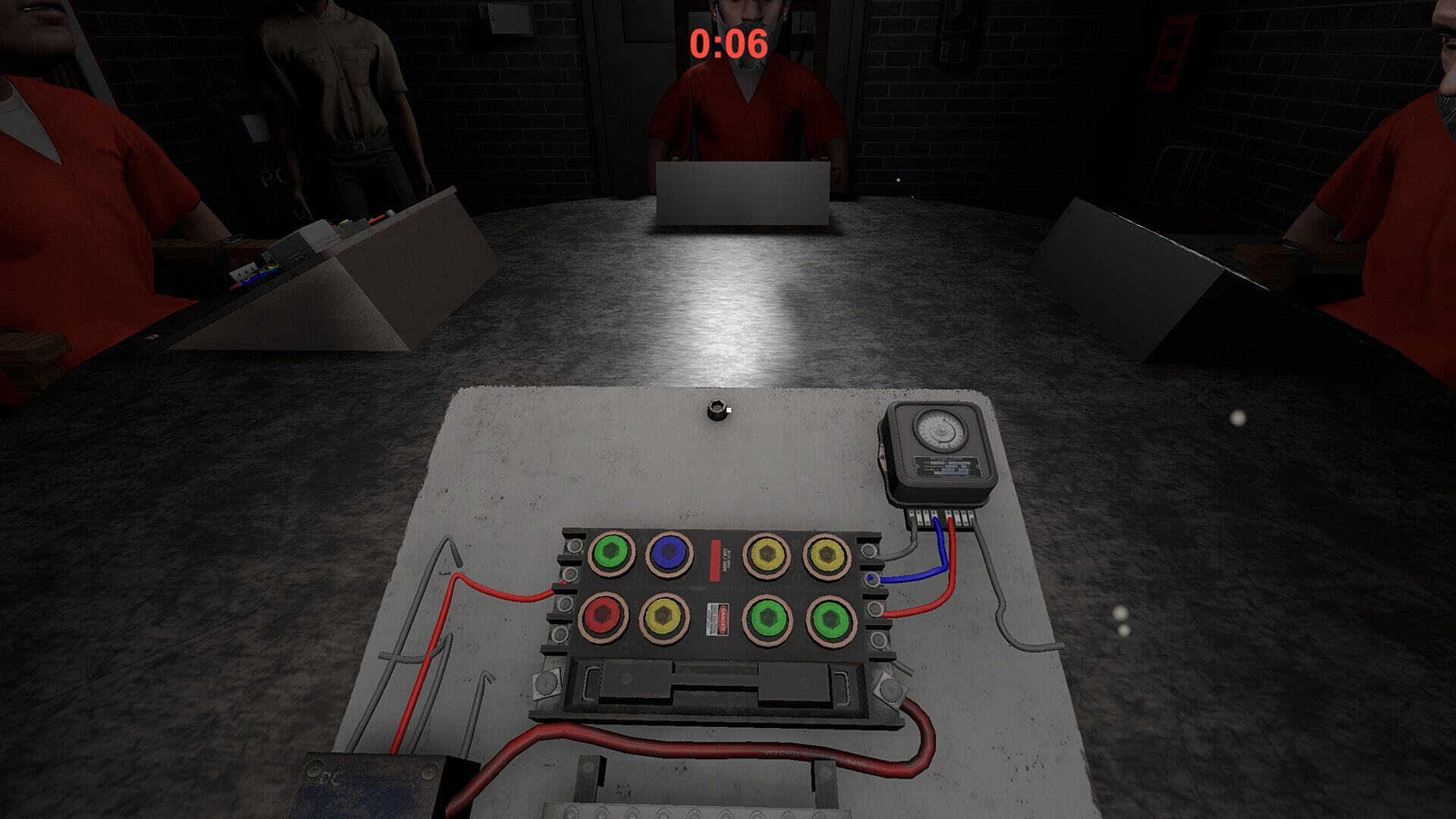
Puzzles begin with straightforward cable connections and voltage balancing before advancing to more complex asymmetrical designs such as high-voltage mazes. Each incorrect connection accelerates the saw, tightening the time limit and increasing psychological pressure. The mechanics emphasize quick decision-making combined with logical deduction, all while the environment grows louder and more urgent with every passing second.
Game Modes
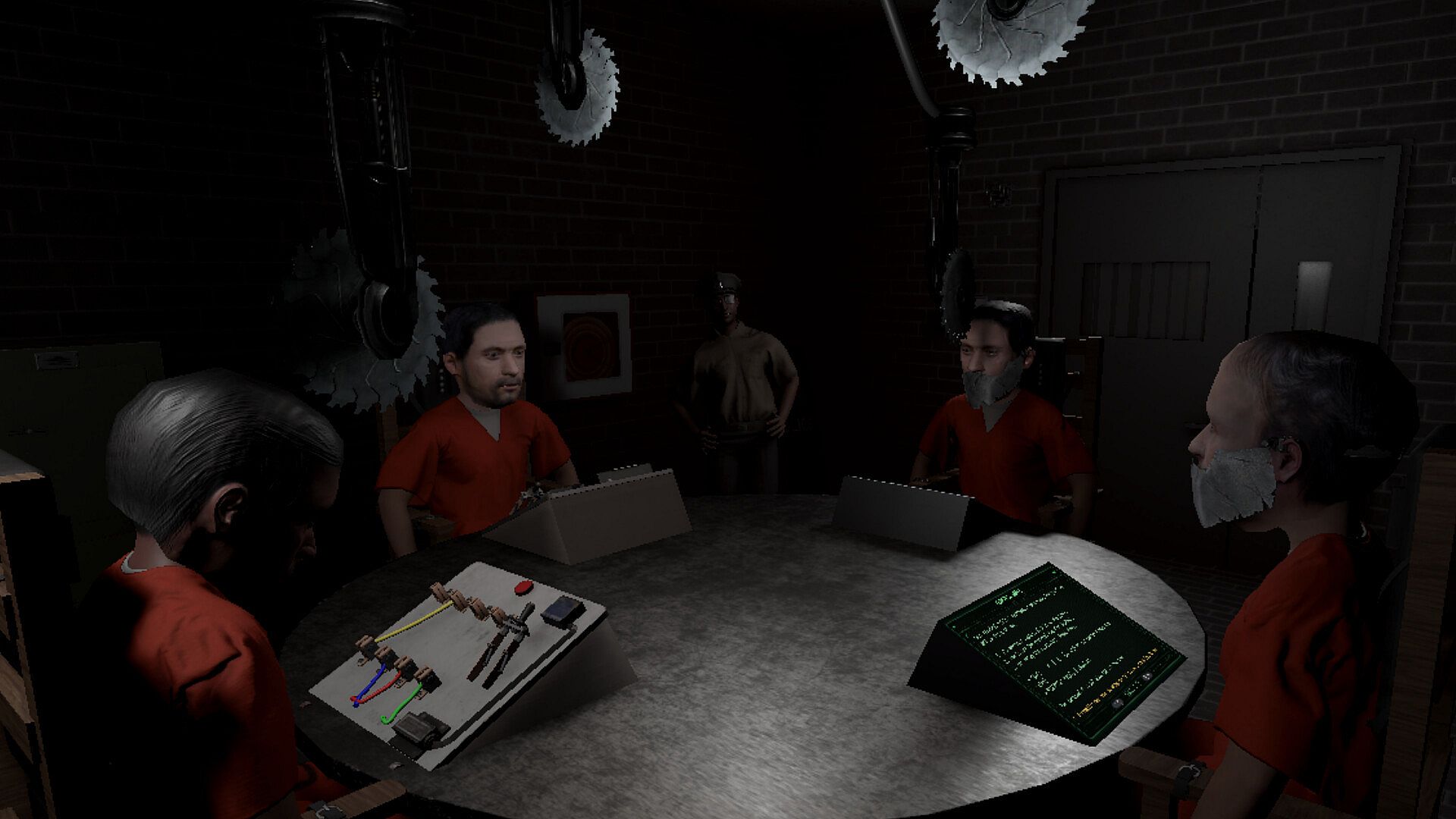
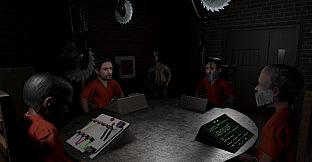
Two primary modes support different group sizes and play styles. In 2-player co-op, teammates share the same goal of survival and must coordinate perfectly to disrupt the power supply before the saw reaches them. The 4-player 2v2 competitive mode pits one pair against another, with each team attempting to complete the circuit solution faster than its rivals while still facing the shared threat of the execution device.
Both modes rely on the same interdependent roles, ensuring that communication remains the decisive factor regardless of whether players cooperate or compete. The structure keeps sessions focused on short, intense rounds where every gesture and response carries weight.
Core Mechanics and Progression
Progression occurs through escalating puzzle difficulty across multiple stages. Early challenges focus on matching currents correctly, while later sections introduce layered mazes that require balancing multiple voltage paths simultaneously. The saw's speed increase on errors creates a feedback loop that punishes hesitation without removing the possibility of recovery through rapid correction.
Players must maintain composure amid the audio cues of the approaching blade and the visual tension of the prison cell. The design keeps the focus narrow on the control panel interactions and the guide-solver dynamic, avoiding extraneous systems that could dilute the core tension.
Is It Worth Playing?
Death Row suits players who enjoy cooperative puzzle experiences that rely on nonverbal cues and split information. The 2-player co-op mode offers tight teamwork opportunities, while the 2v2 format adds a competitive edge for groups seeking direct rivalry. Because the game remains in early access, the current build centers on the verified circuit-solving loop and role-based communication without additional layers.
Those drawn to high-pressure logic challenges and clear role division will find the mechanics rewarding, particularly when sessions emphasize precise gesturing and attentive reading of signals. The title delivers a focused survival puzzle experience that stands on its interdependent player roles and escalating schematics.