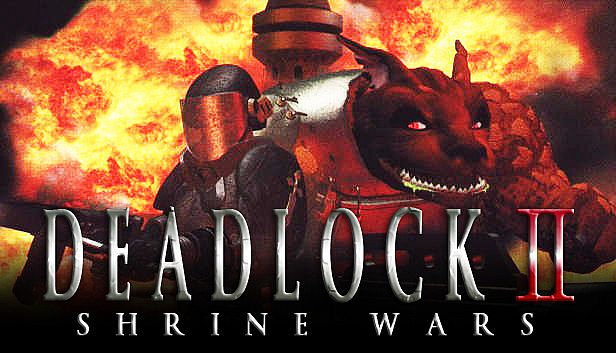












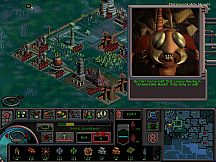
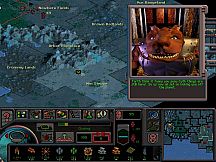
Deadlock II: Shrine Wars is a turn-based strategy game focused on empire building, resource management, and military conquest on a contested planet. Players lead one of seven alien races in a science fiction setting, expanding colonies while competing for control and ancient secrets left by a long-vanished civilization.
Gameplay
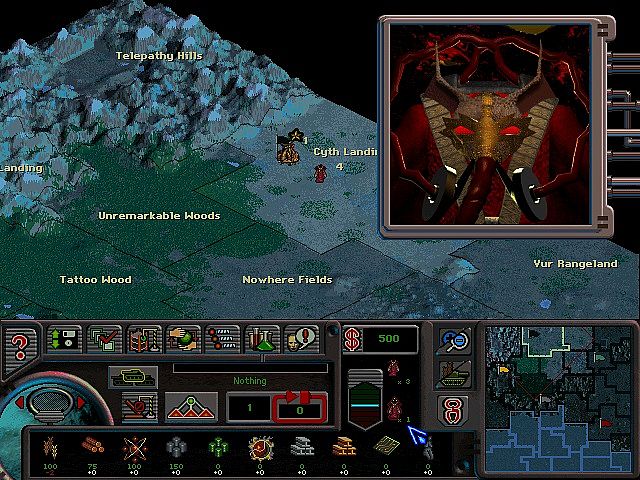
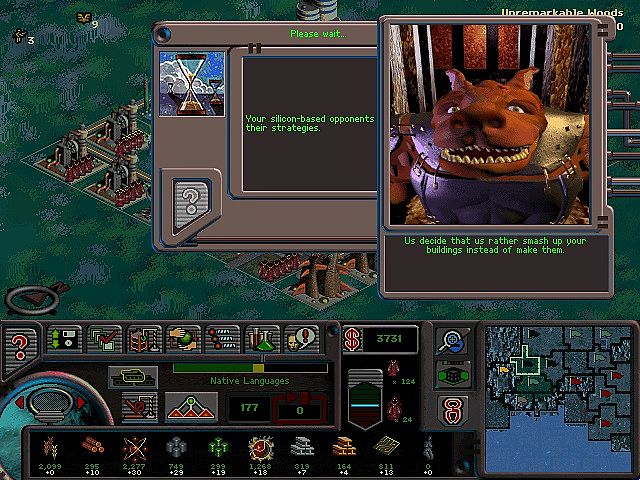
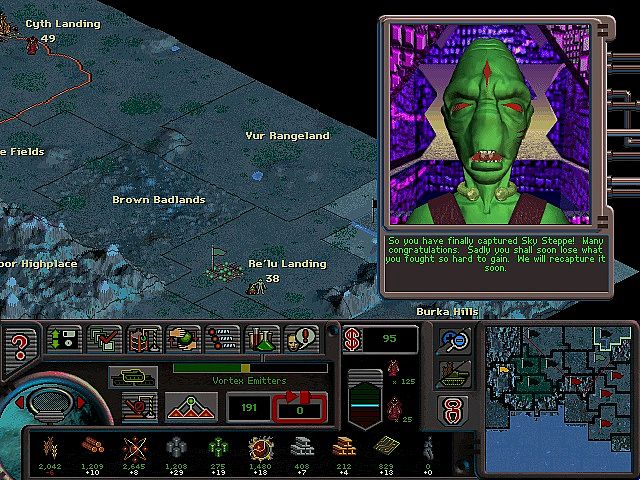
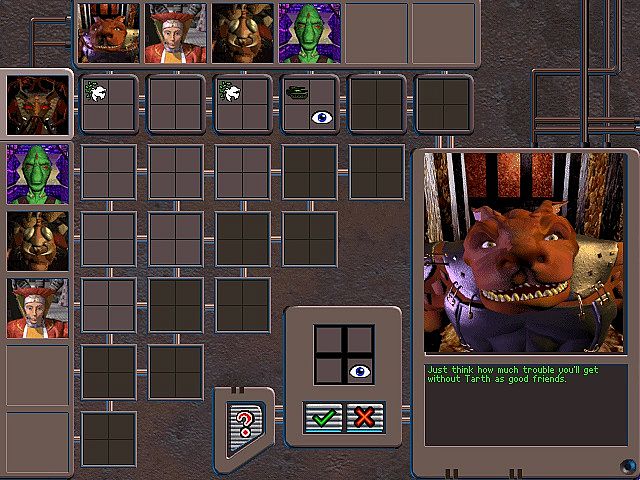
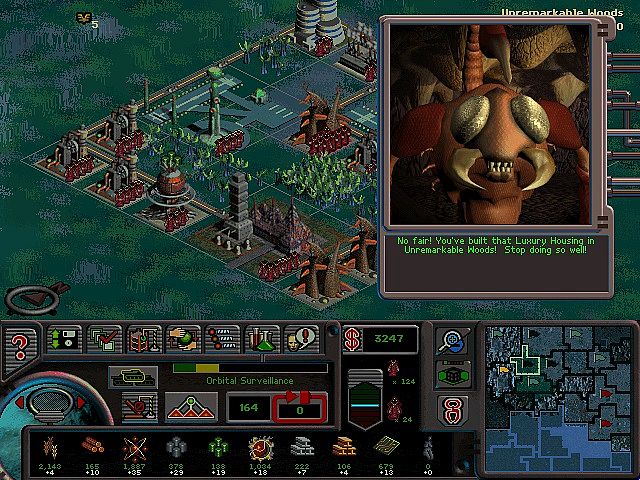
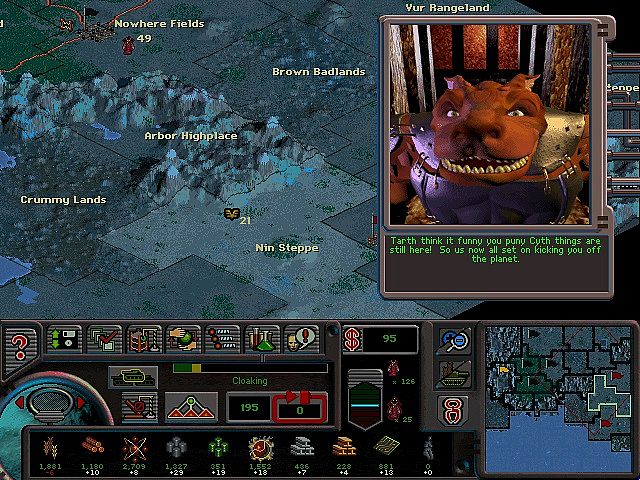
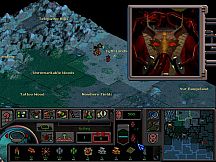
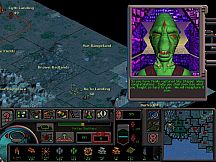
The core loop centers on colony development and territorial expansion. In settlement view, players plan buildings, allocate resources, and advance technologies through research. The world view handles army movement, trade between colonies, and attacks on rivals. Combat occurs through stacked units without direct player control during battles, emphasizing preparation and positioning instead. A colony assistant automates production of units and resources to reduce repetitive tasks. New elements include expanded sea and air combat options, unlimited unit stacking, and two additional world types beyond standard terrain. Alliances allow cooperation with other players or AI factions, while a redesigned interface streamlines navigation across these systems. Each race brings distinct strengths and weaknesses that influence optimal strategies for growth and conflict.
Game Modes
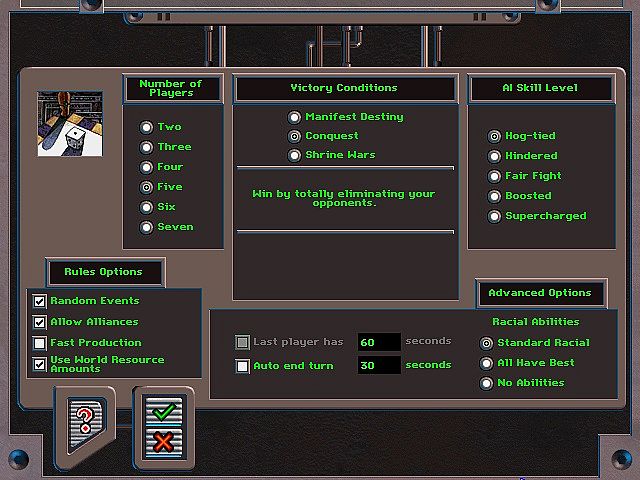
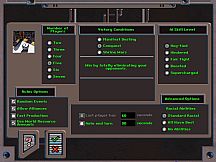
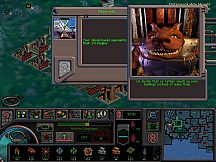
Single-player campaign mode provides a structured narrative experience with objectives tied to planetary domination and discovery. Multiplayer supports competitive or cooperative sessions, including customized victory conditions for both solo and group play. The game tracks progress through an event log that records key outcomes like successful trades, research breakthroughs, and battles won or lost. Sophisticated AI opponents challenge players in solo scenarios, adapting to different difficulty levels and race selections.
Races and Strategic Depth
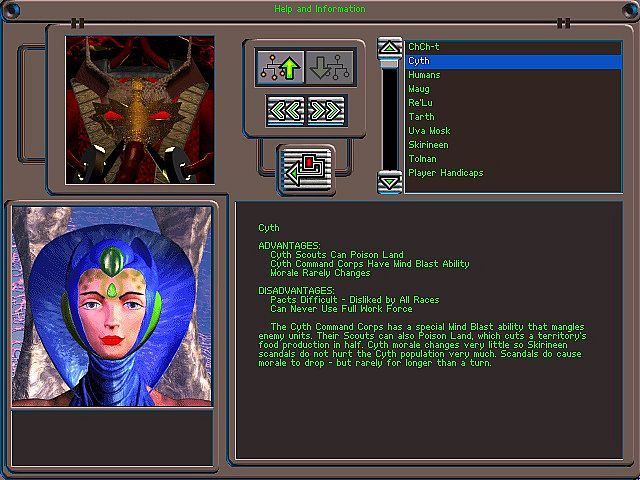
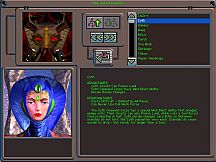
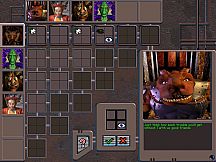
Seven playable races each feature unique traits that reward experimentation and adaptation. Resource gathering, building construction, and technological advancement form interconnected systems where choices in one area affect long-term military and economic power. New classifications of victory conditions encourage varied approaches, from rapid conquest to sustained development. Fourteen additional buildings and thirteen new technologies expand options for specialization, while nine new combat units and two new world types add variety to engagements and map layouts.
Is It Worth Playing?
This title suits players who prefer methodical, turn-based strategy with strong emphasis on planning and asymmetric faction design. The automation tools and interface improvements address common pain points in older strategy games, making colony management more accessible. Availability on PC platforms keeps it accessible for those exploring classic 4X experiences. Retro gaming communities note its solid continuation of the series formula, with added depth in units, structures, and AI behavior providing meaningful replay value for fans of resource-driven conquest games. Those seeking fast-paced action or modern graphics may find the deliberate pace and 1998 presentation less engaging, but the mechanics deliver consistent strategic challenge without requiring ongoing updates or seasonal content.