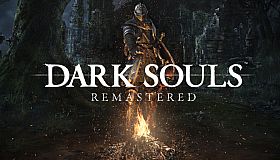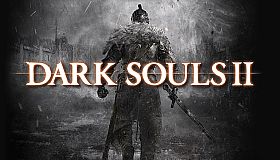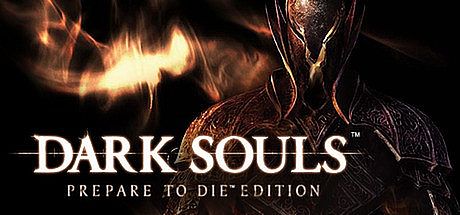






Dark Souls: Prepare to Die Edition is an action role-playing game developed by FromSoftware for PC. It places players in the unforgiving dark fantasy world of Lordran, where survival depends on precise combat, careful exploration, and learning from repeated failures. The title combines the base game with the Artorias of the Abyss expansion, expanding the original experience with new areas, bosses, and equipment while preserving the core loop of tense encounters and interconnected environments.
Gameplay
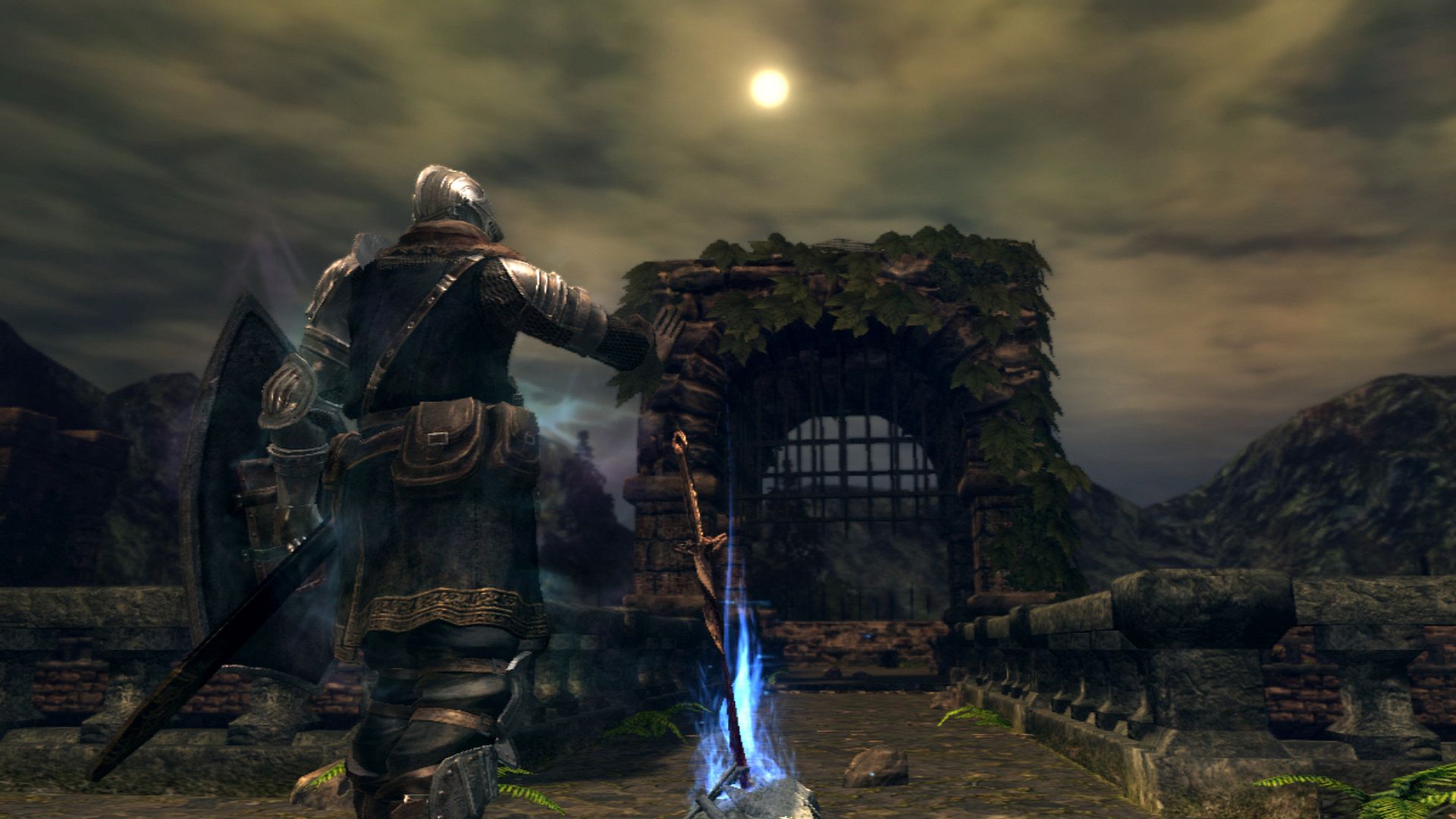
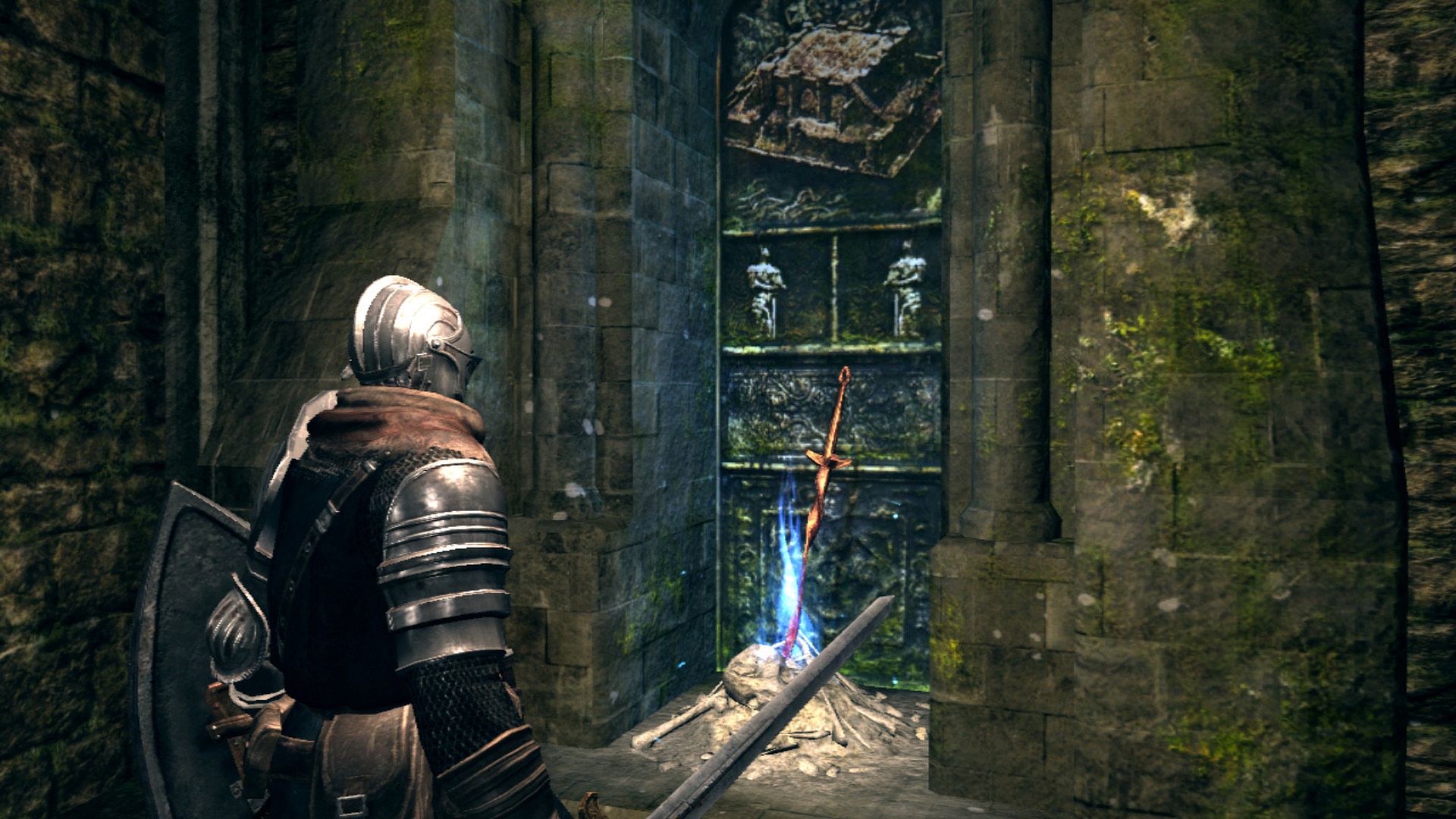
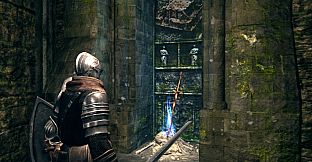
Players create a customizable character and navigate a seamless, vertically layered world filled with traps, grotesque enemies, and powerful bosses. Combat emphasizes timing, positioning, and weapon choice over button mashing, with a focus on stamina management and attack patterns. Death sends the player back to the last bonfire, which acts as a checkpoint that restores health and magic but causes all defeated enemies to respawn. This system encourages deliberate progress and repeated attempts to master sections.
Character progression involves allocating points to attributes that influence strength, dexterity, intelligence, and faith, among others. Equipment includes a wide array of weapons and armor sets, each with unique move sets and upgrade paths. Magic and miracles add ranged options and support abilities that complement melee builds. The game rewards experimentation with different playstyles while punishing over-reliance on any single approach.
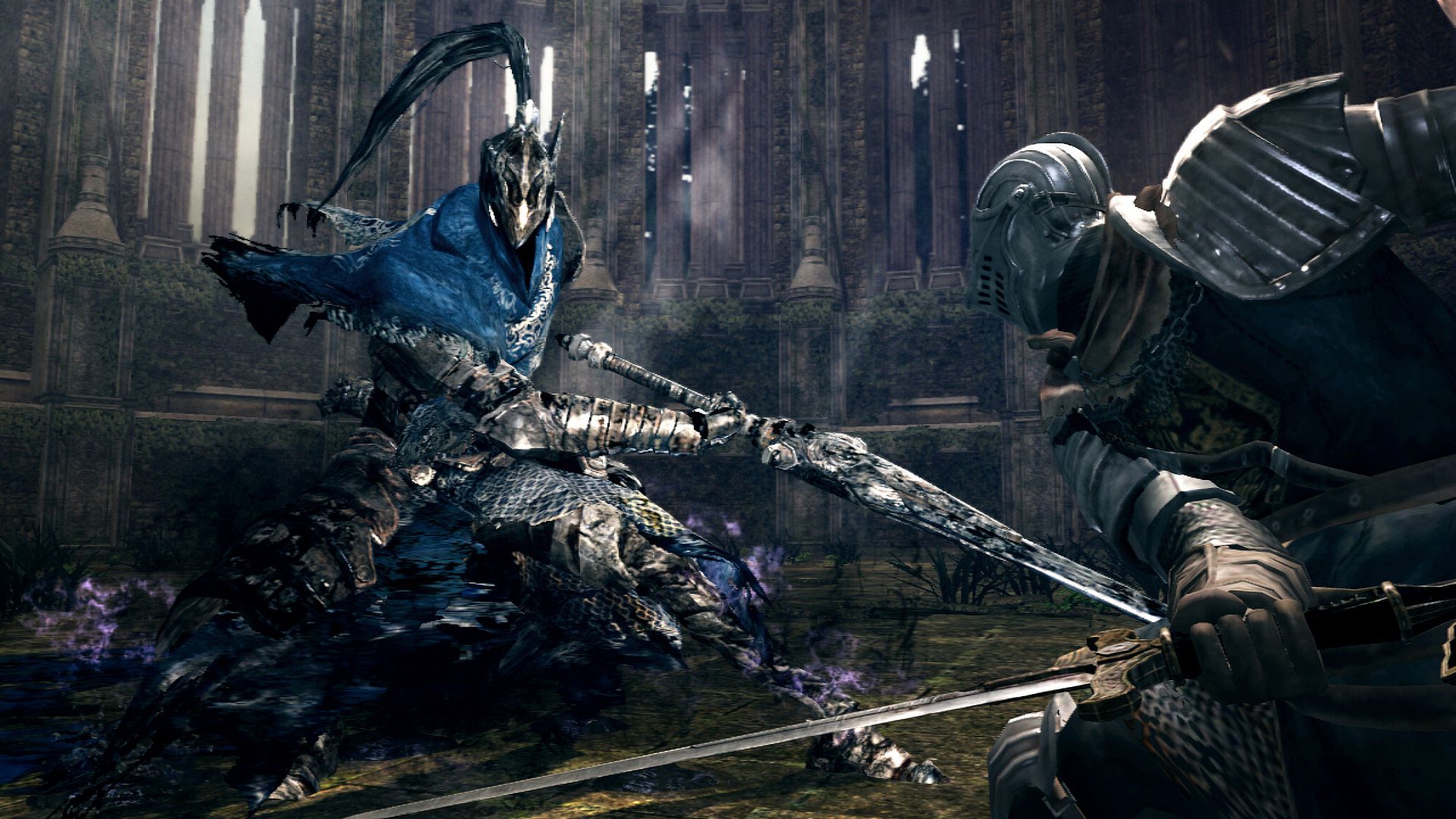
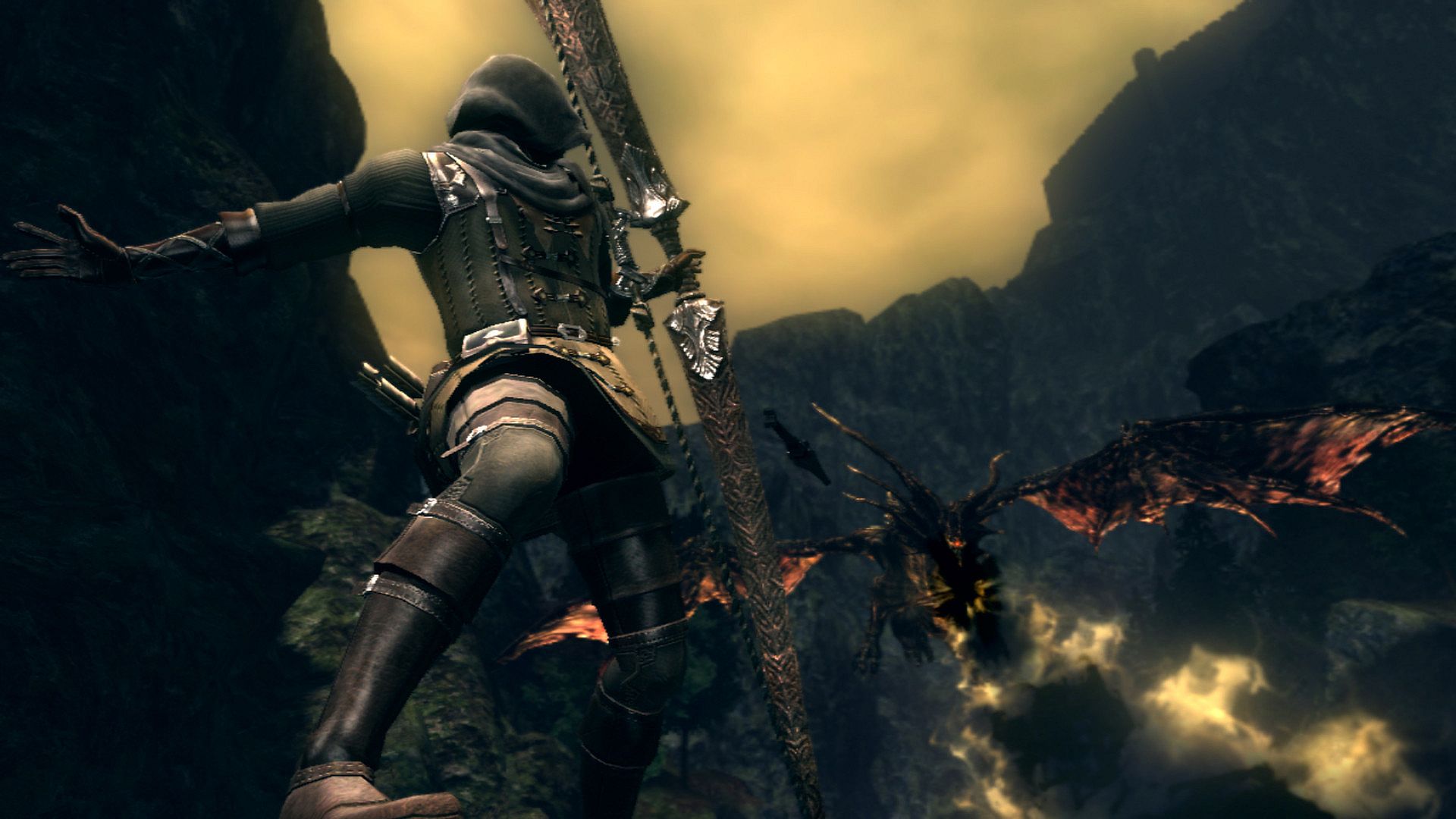
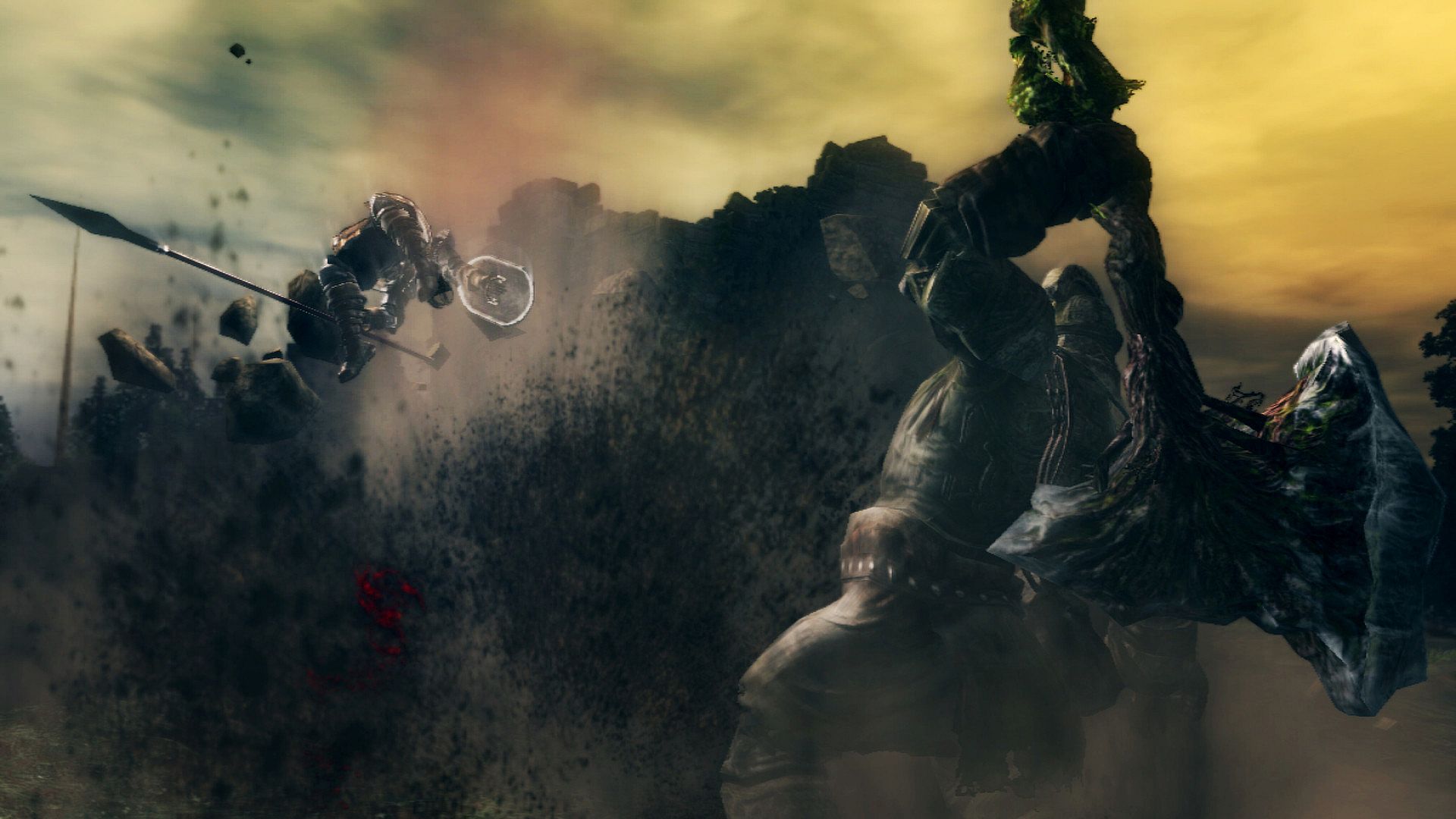
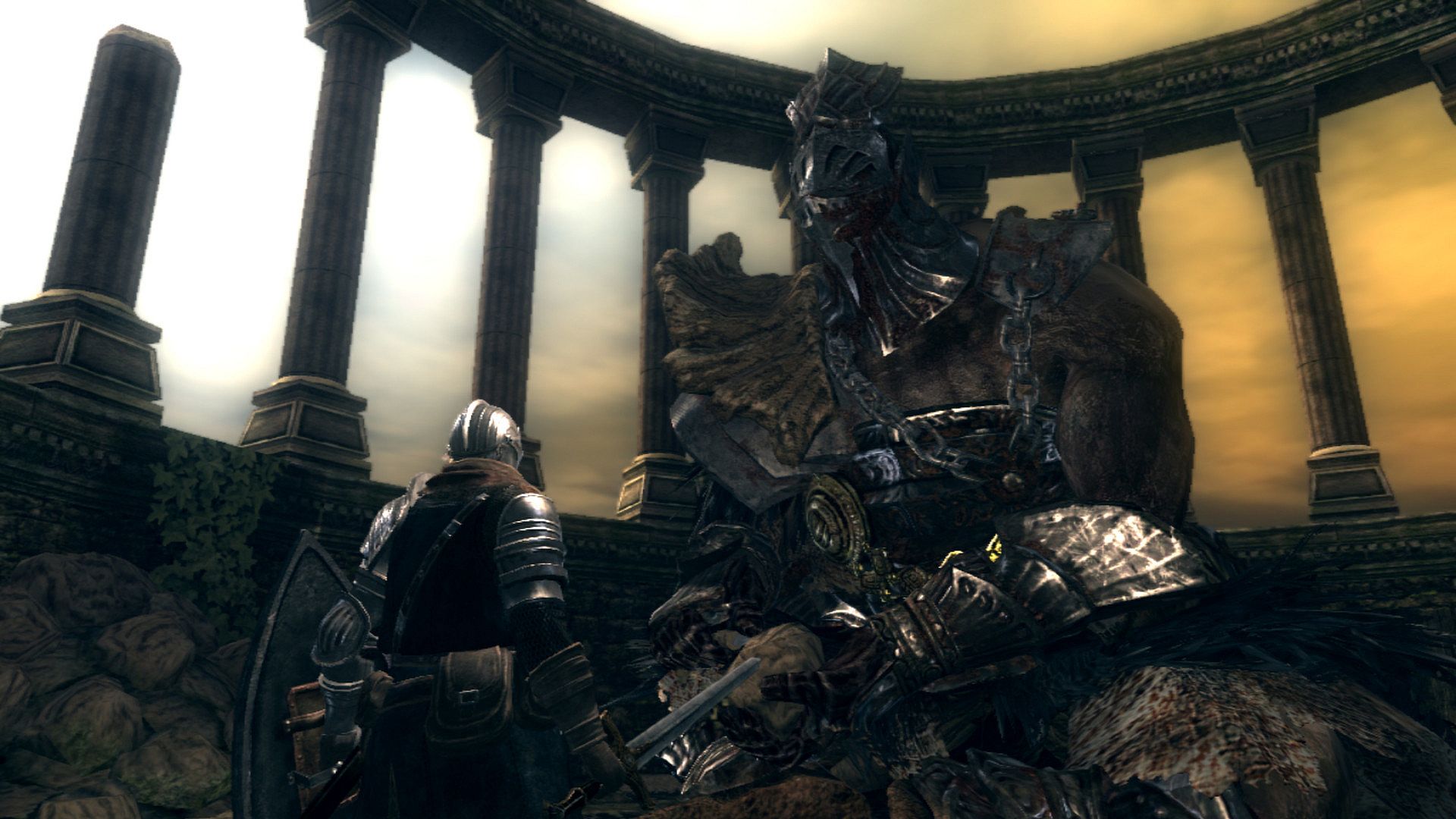
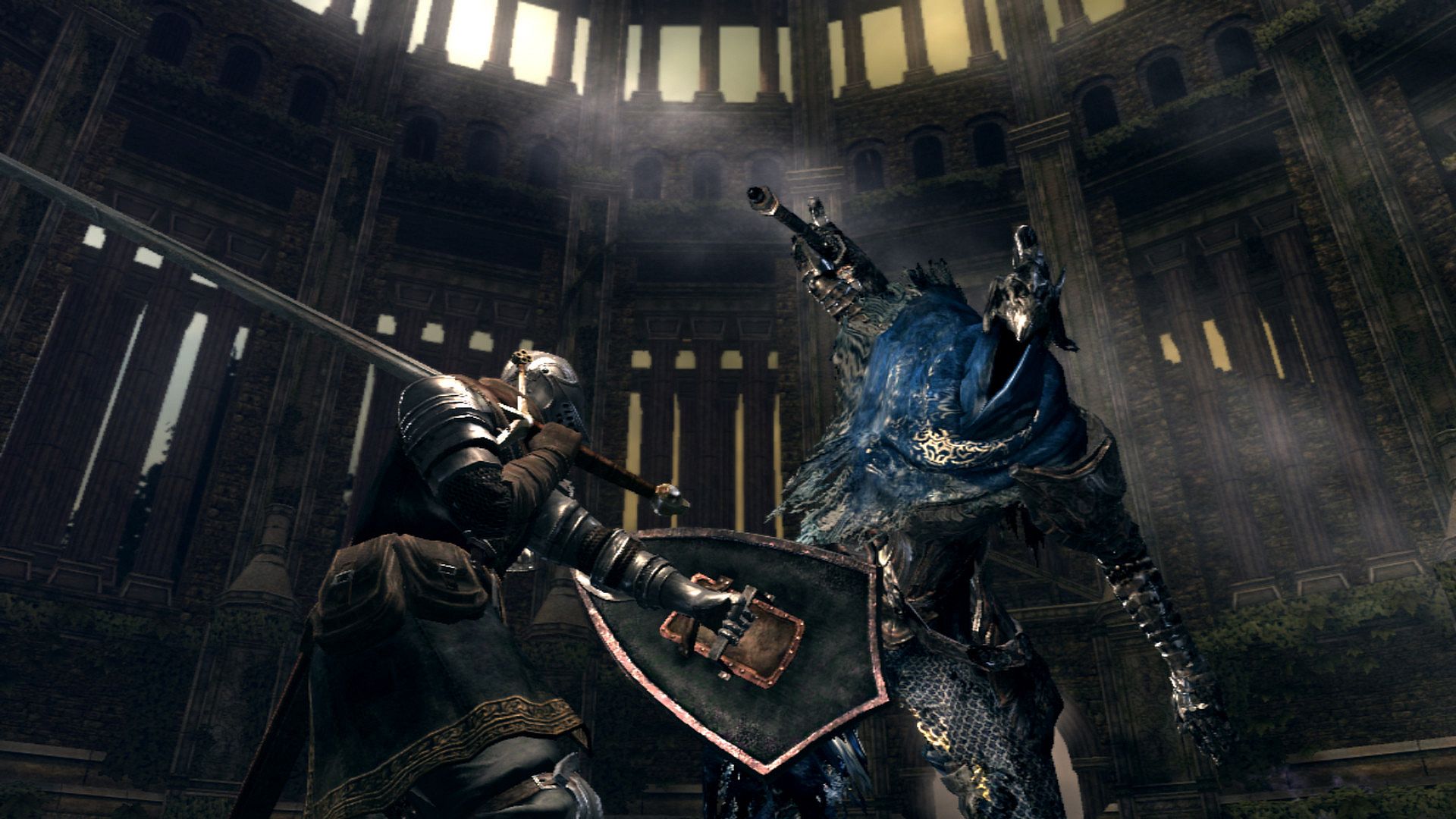
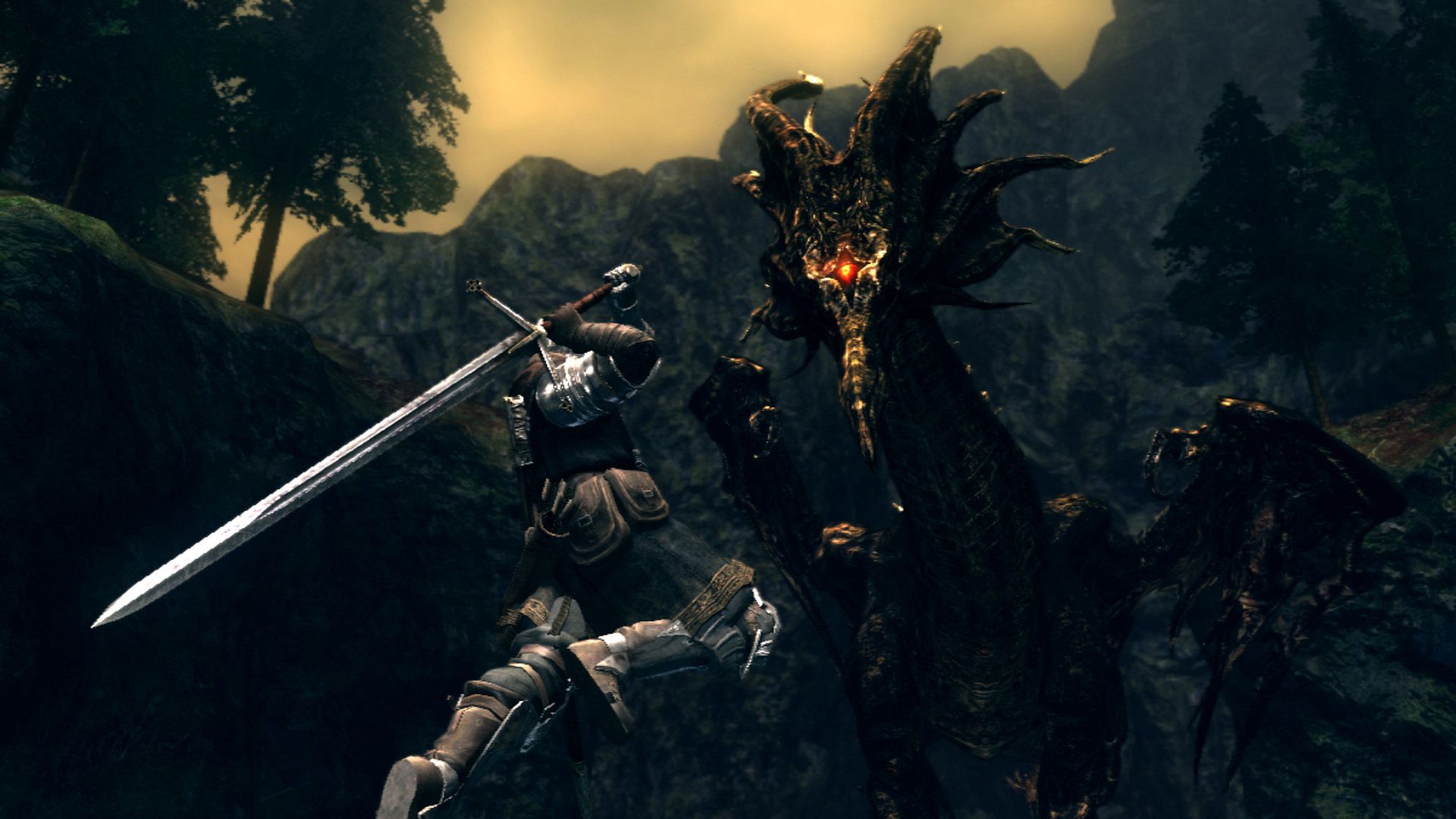
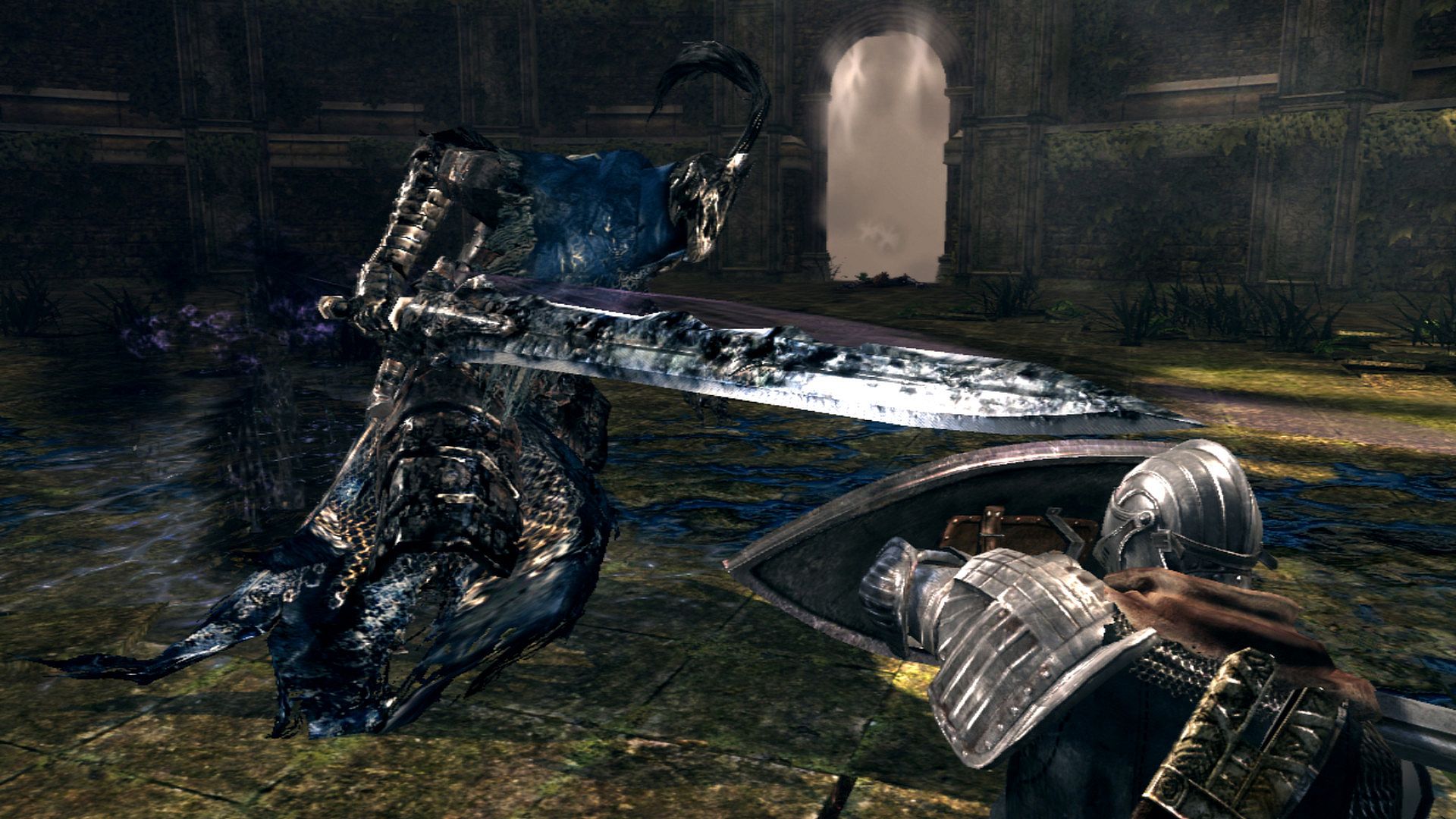
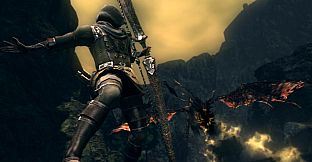
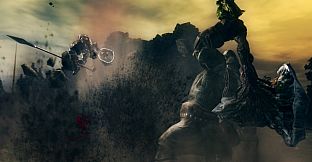
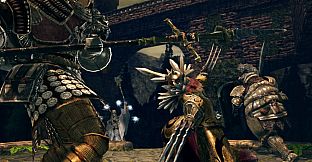
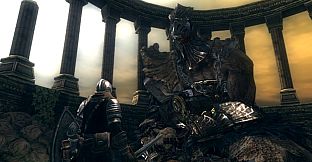
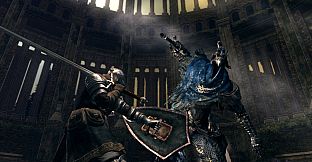
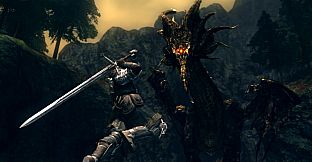
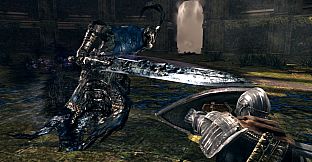
Exploration reveals shortcuts and hidden paths that connect distant regions, creating a sense of a living, dangerous landscape. New content from the included expansion introduces areas such as Oolacile Township and Royal Wood, along with enemies like wooden scarecrows and stone knights. Boss encounters include Artorias of the Abyss, the Sanctuary Guardian, Black Dragon Kalameet, and Manus, Father of the Abyss, each requiring specific strategies and often new weapons or armor obtained from prior victories.
Game Modes
The primary experience centers on a single-player campaign through Lordran and its expanded regions. Online features integrate directly into this campaign without requiring separate matchmaking queues for most activities. Players can leave messages for others, observe the deaths of fellow adventurers, and summon or invade other worlds for cooperative or competitive encounters.
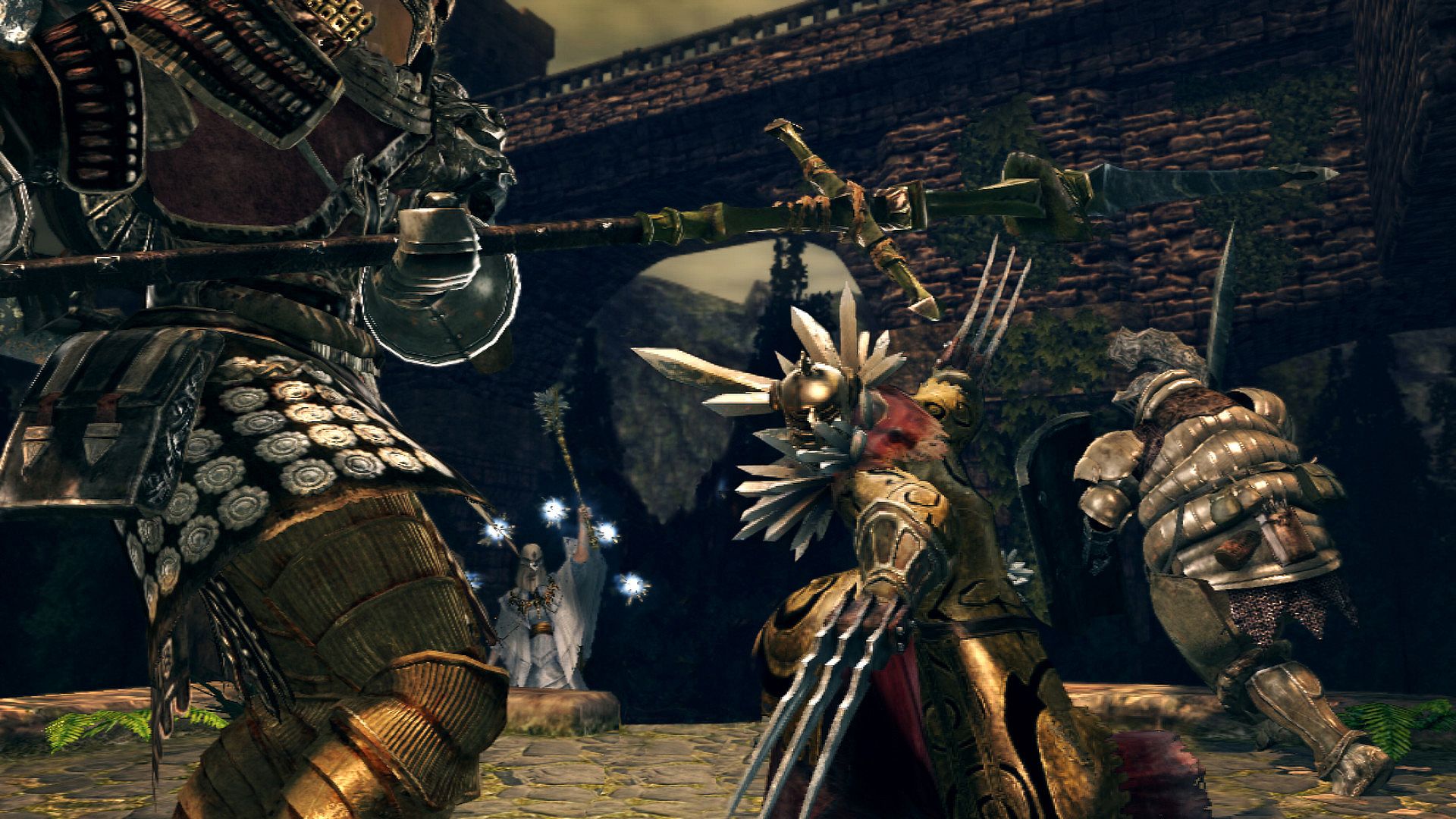
A dedicated PvP arena provides structured battles with quick matching for one-versus-one, two-versus-two, and four-player formats. This arena serves as a training ground separate from the main world and includes leaderboards for competitive play. The system builds on the base game's invasion and summoning mechanics while offering more controlled sessions for those focused on player-versus-player combat.
World and Progression
Lordran features a fully explorable horizon with no loading screens between major areas. Vertical design allows players to descend into depths or climb toward distant landmarks, often discovering new routes after acquiring key items. The Artorias of the Abyss content adds a side narrative involving time travel to an earlier era, complete with new non-player characters such as Hawkeye Gough and Elizabeth.
Progression feels earned through mastery rather than level grinding alone. Nearly one hundred distinct enemy types populate the world, each with distinct behaviors that demand adaptation. Bonfires remain central to the loop, providing brief respite in an otherwise hostile environment while symbolizing the thin line between persistence and despair.
Is It Worth Playing?
This edition delivers a complete, self-contained action RPG experience suited to players who value challenging combat and deliberate exploration. The included expansion significantly extends playtime with additional bosses, areas, and equipment that integrate seamlessly into existing builds. Online elements enhance the single-player journey without dominating it, offering optional cooperation or competition for those interested.
Reception has consistently highlighted the precise combat system and atmospheric world design as standout elements. Technical issues present at the original PC launch have been addressed over time through patches, leaving a stable version available today. Those drawn to punishing difficulty curves and interconnected level design will find substantial depth here, while players seeking frequent updates or lighter mechanics may prefer more recent titles in the series.