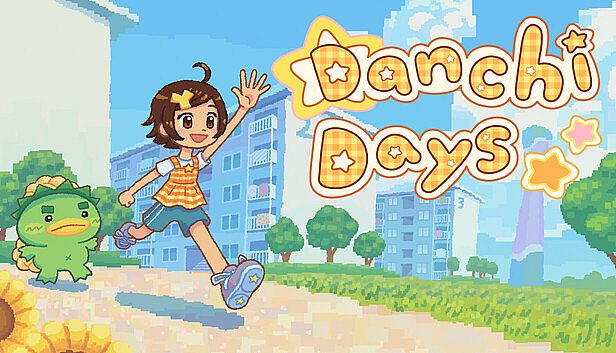




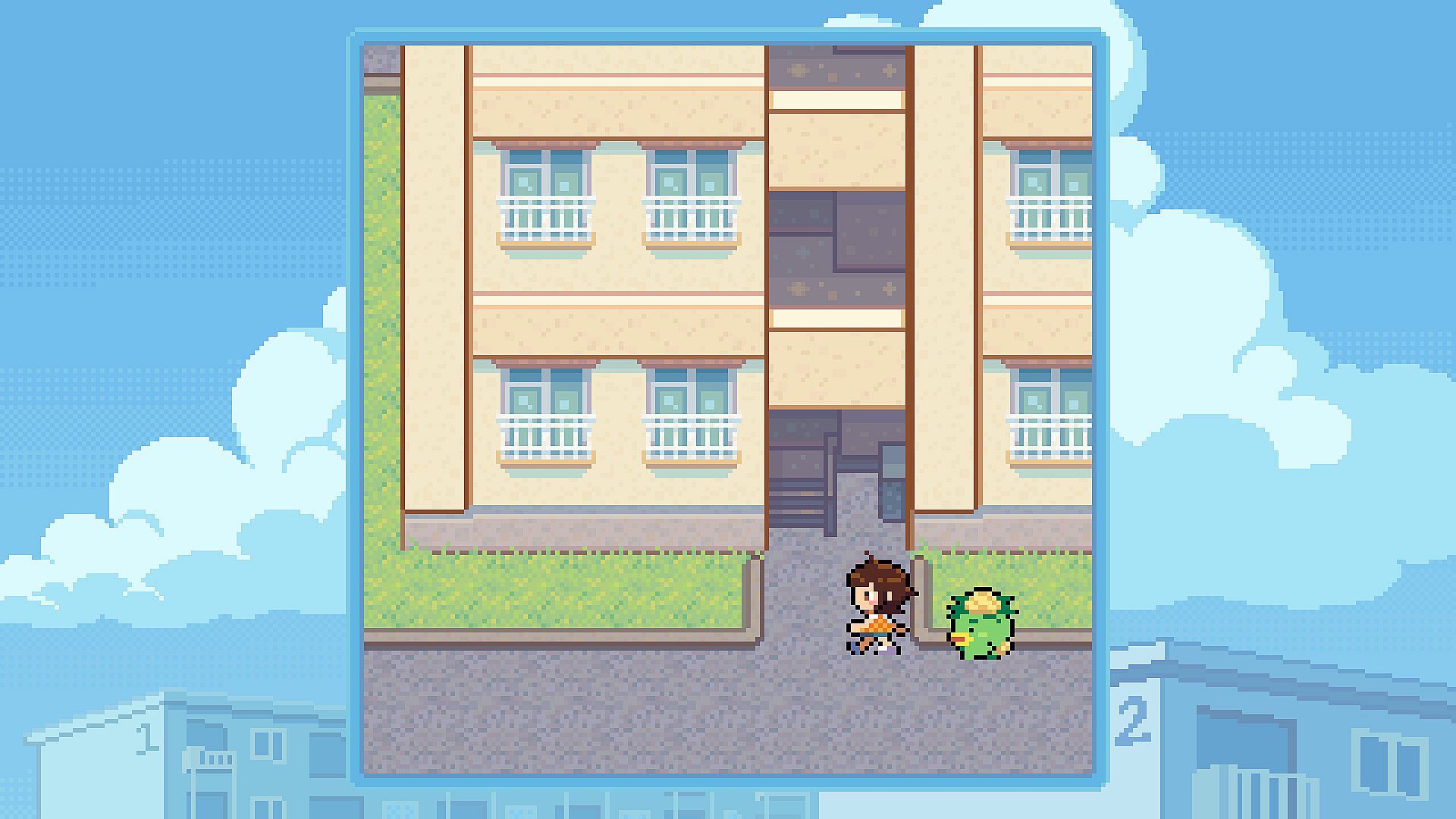
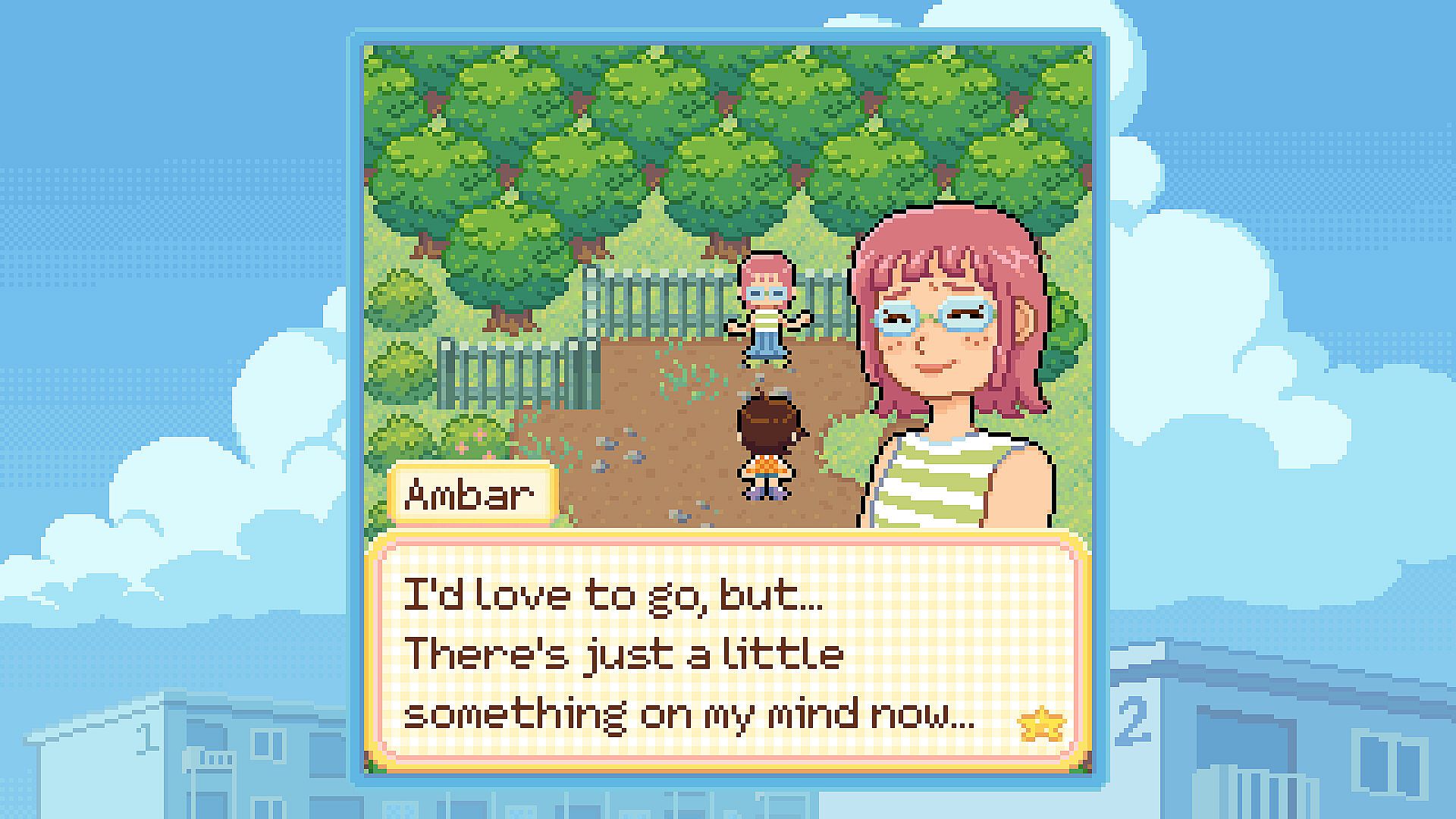


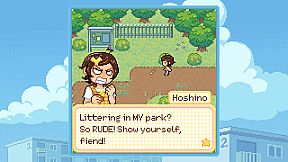


Danchi Days is an indie adventure game that blends slice-of-life exploration with heartfelt storytelling, set in a Japanese housing complex. Players step into the shoes of Hoshino, a young girl returning to her hometown to live with her grandmother who has Alzheimer's. The game unfolds over five chapters, focusing on rebuilding community ties and preparing for a summer festival amid real-world challenges like aging and loneliness.
Gameplay
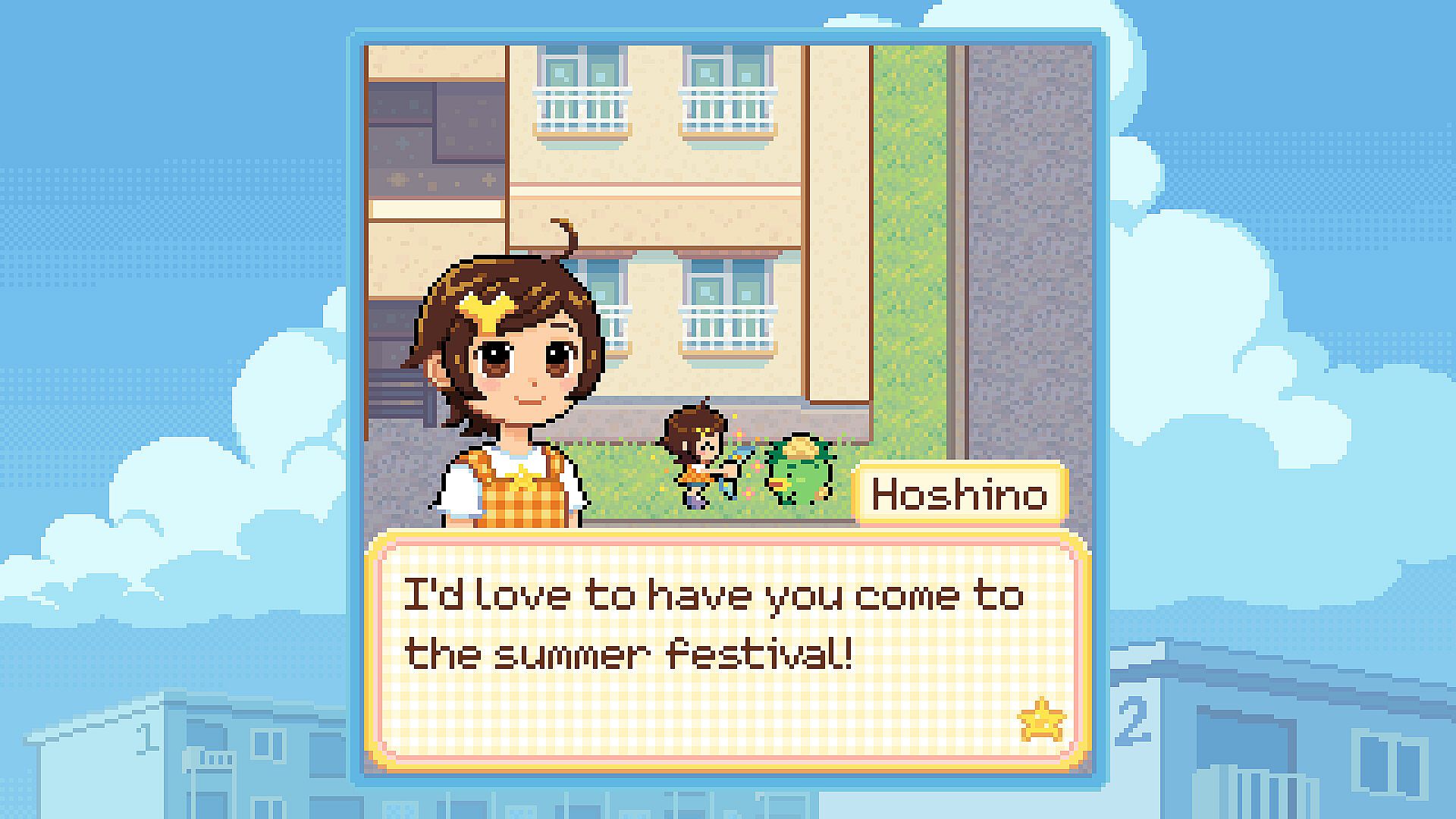
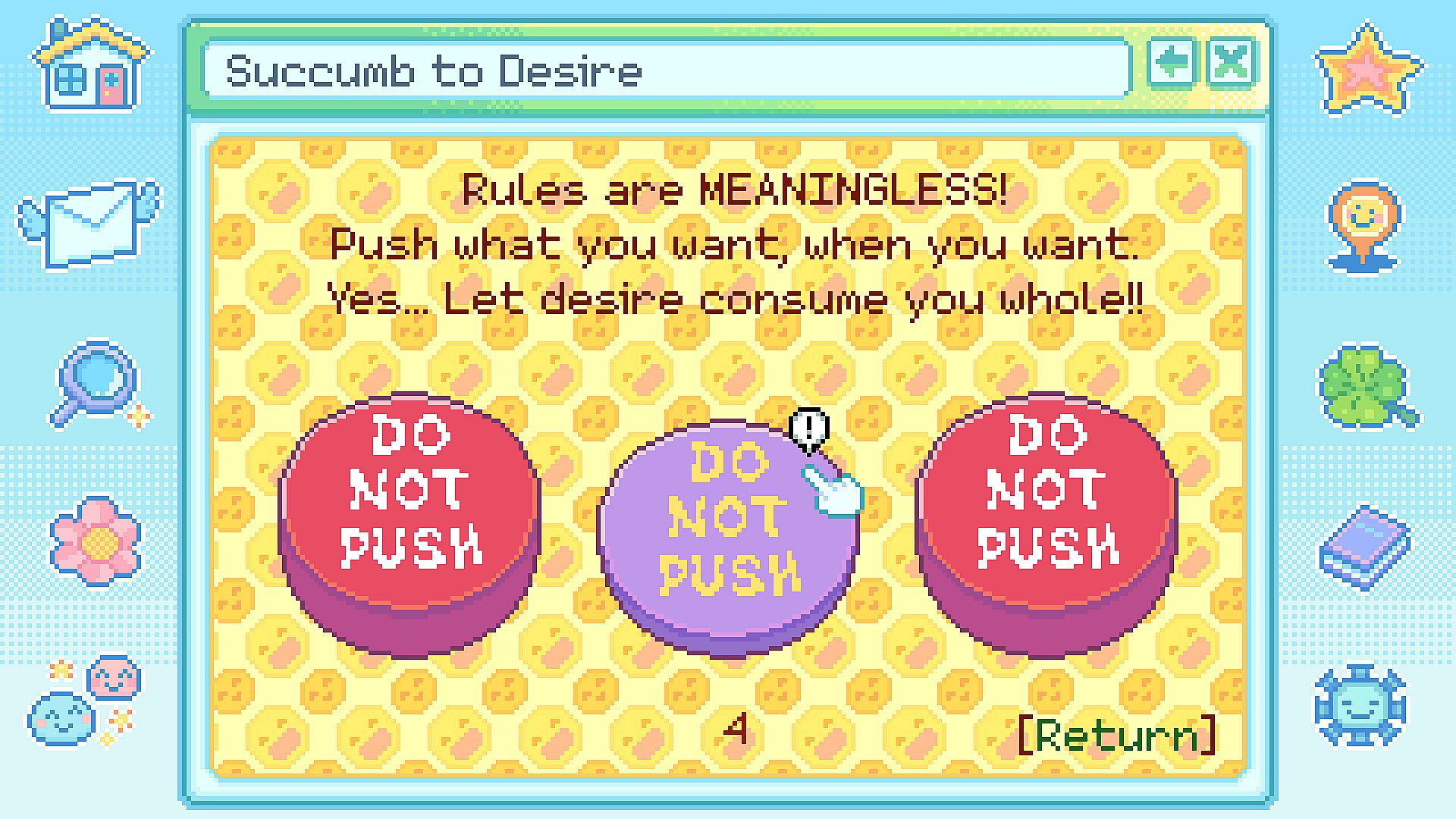
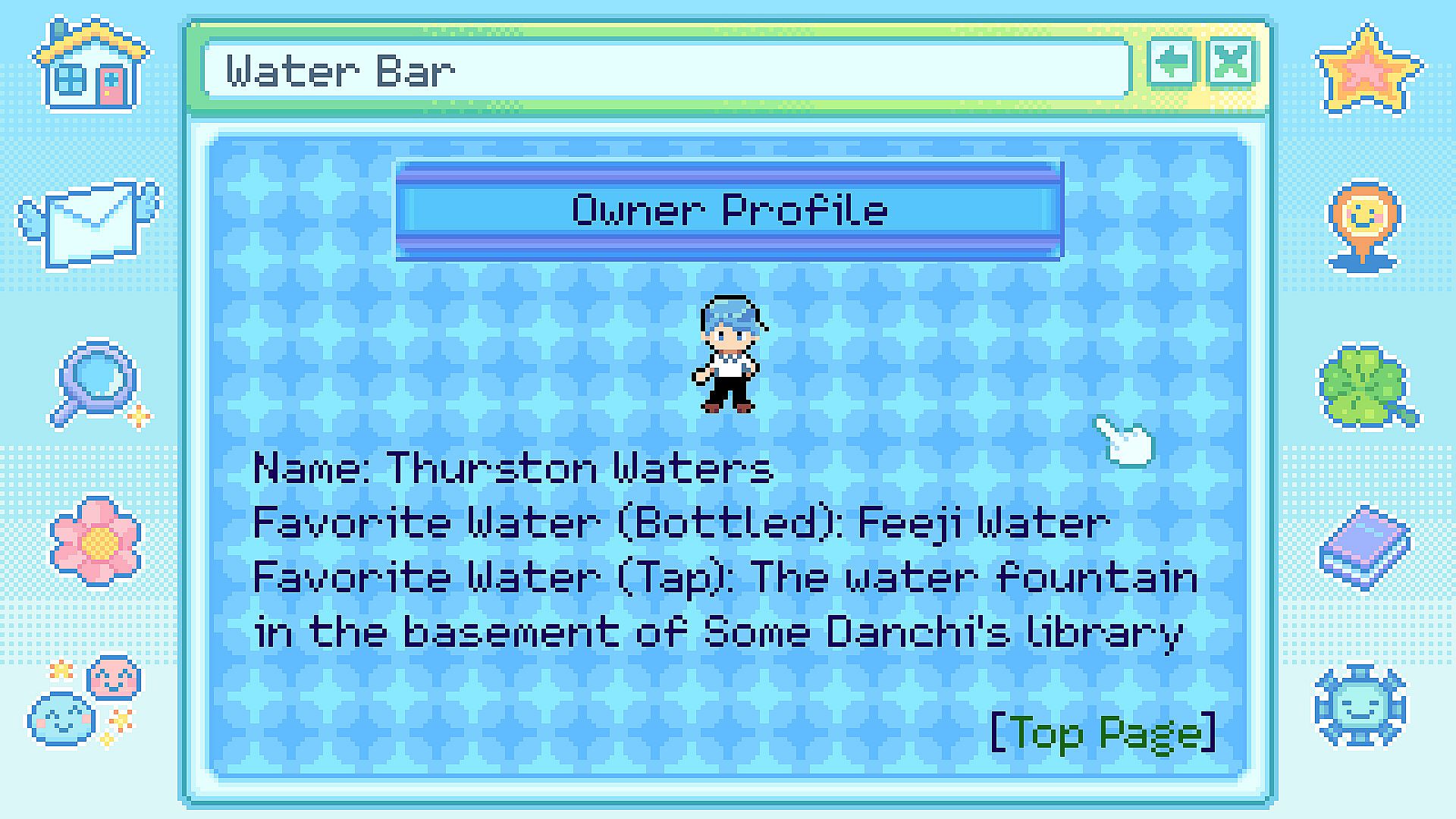
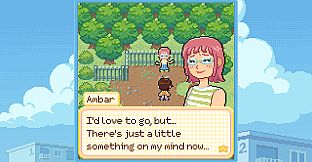
In Danchi Days, the core experience revolves around exploring the danchi, a mass housing complex filled with eccentric neighbors. You interact with characters through conversations and tasks to convince them to attend the summer festival. For instance, some neighbors require completing quirky challenges, like eating an egg fried on a hot slide or playing in the mud. Surfing the NeighborNet, a custom internet network, lets you search keywords, visit personal homepages, and uncover backstories, sometimes revealing darker perspectives on the community.
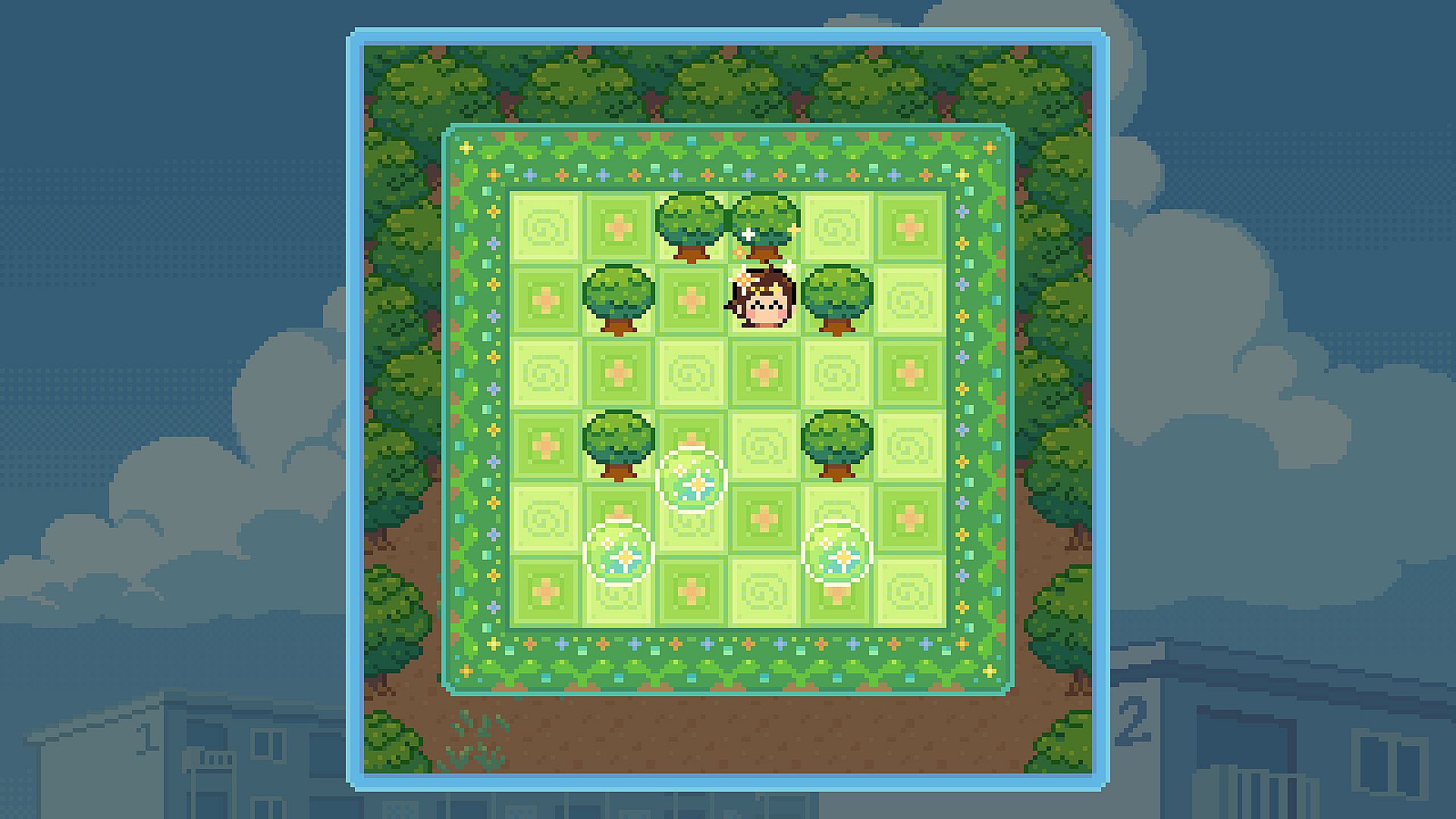
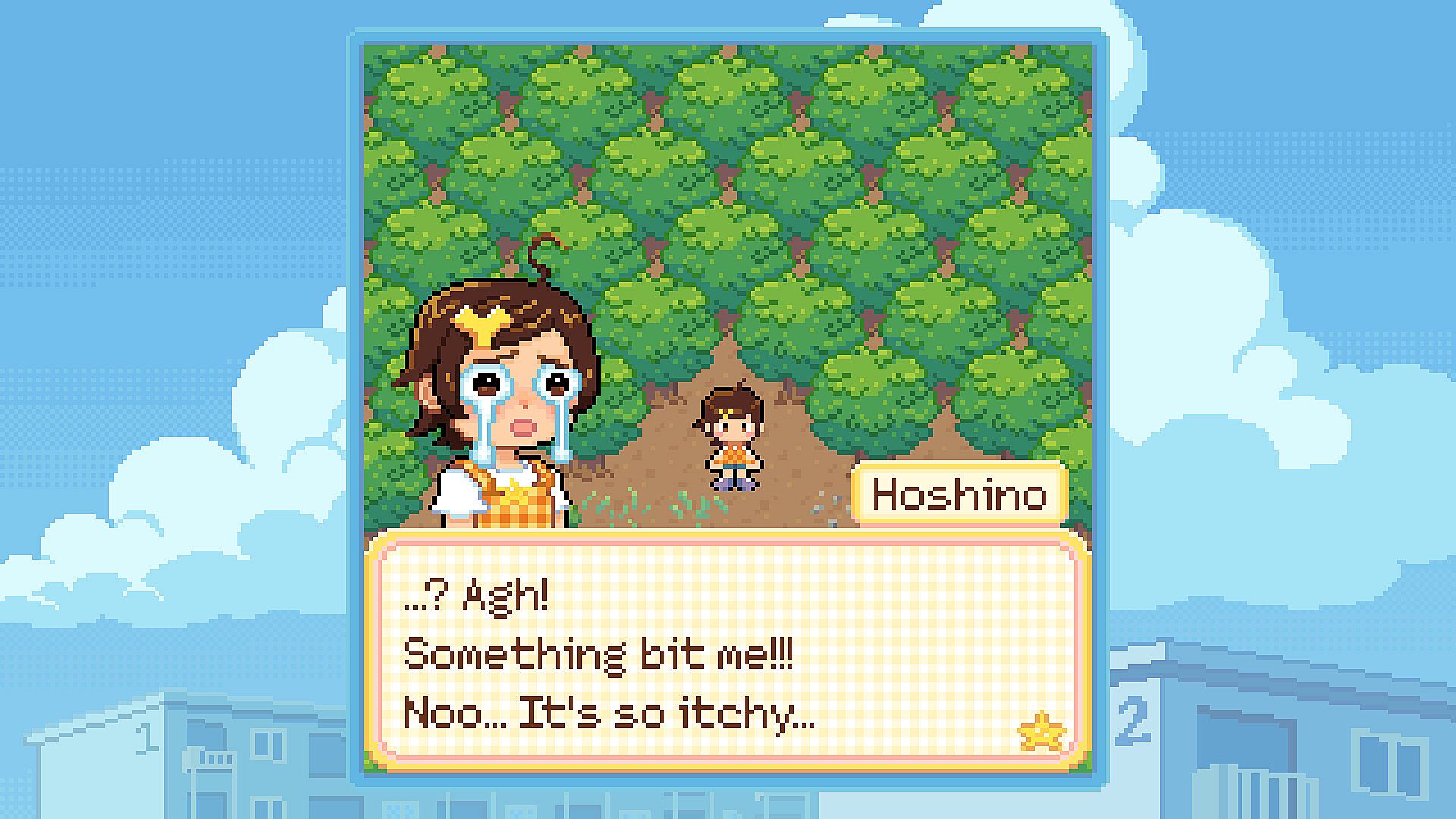
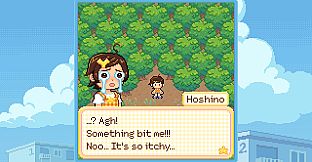
Minigames add sensory depth, where you collect sensations using all five senses to fill a progress bar. Activities include bumping into trees to smell them, gathering condensation from iced tea, or listening to everyday sounds like flushing toilets. These elements tie into appreciating small moments, influenced by lessons from Hoshino's grandmother. The gameplay emphasizes curiosity and childlike wonder, balancing comedy with bittersweet themes.
Game Modes
Danchi Days features a single-player story mode structured across five chapters. Each chapter advances the narrative of Hoshino's summer, incorporating exploration, neighbor interactions, and minigames without separate competitive or multiplayer options. The progression is linear but allows for free roaming within the danchi to build relationships and discover secrets.
Story and Themes
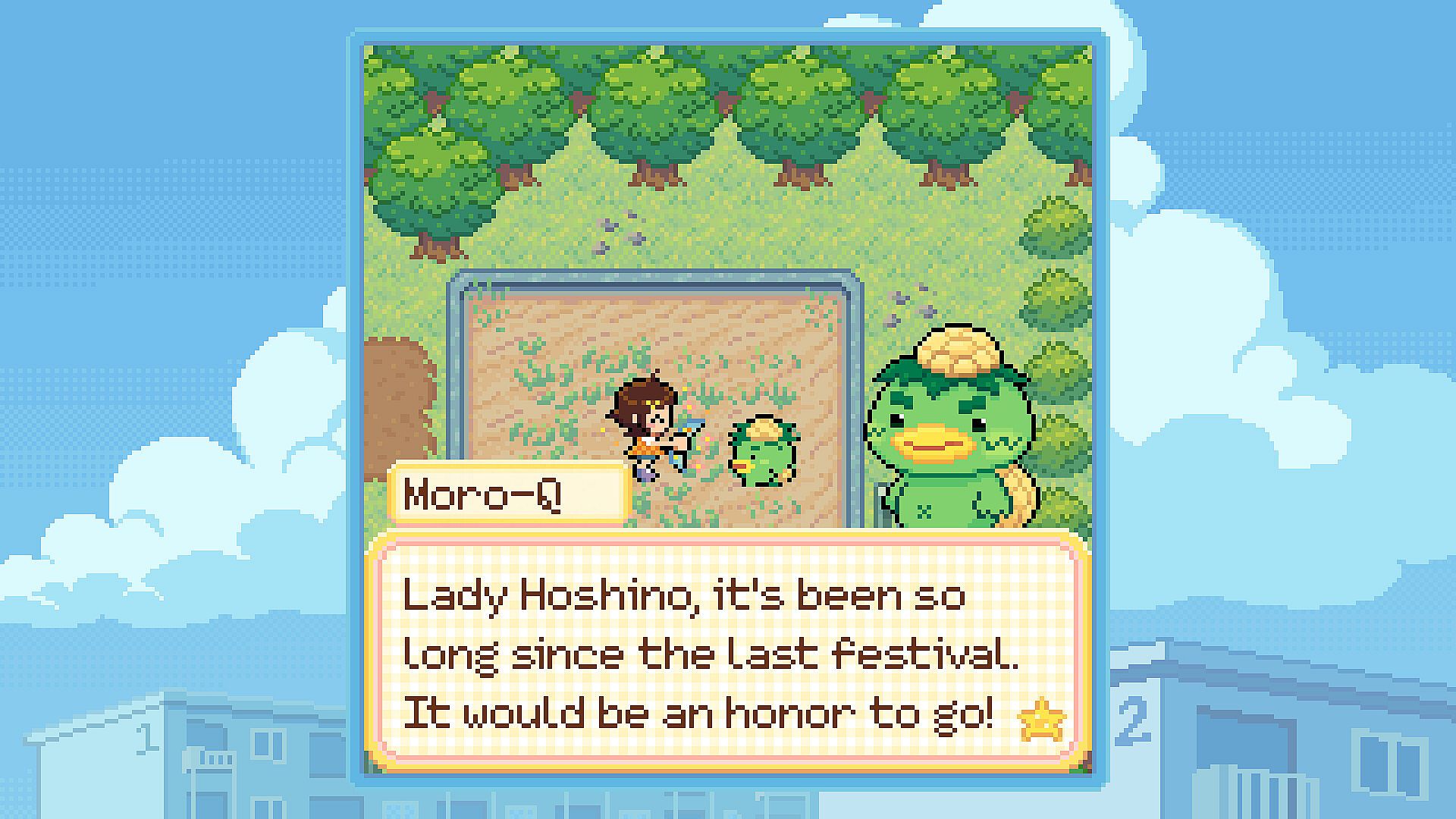
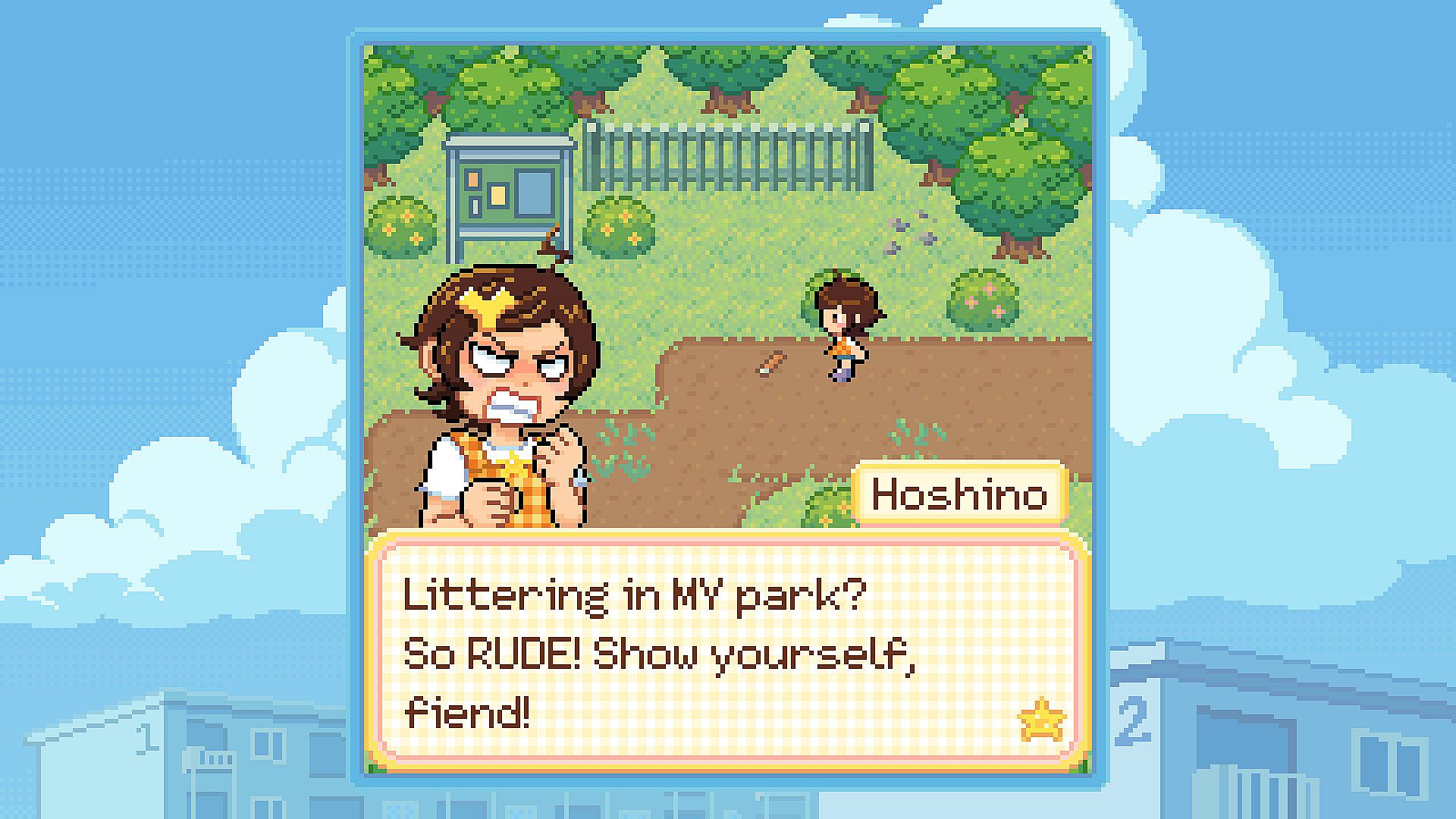
The narrative centers on Hoshino's return to Another Danchi after years abroad, navigating her grandmother's dementia and reconnecting with old friends like Rio, who acts distant. A mysterious character, Moro-Q, assists in festival preparations but holds forgotten memories. Themes explore societal issues in Japanese housing complexes, such as isolation among the elderly, presented through a mix of humor and poignancy.
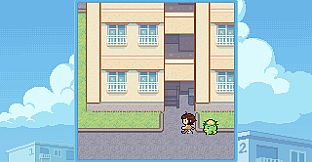
Visuals draw from Game Boy Advance style, with pixel art that contrasts cheery aesthetics against heavier topics. The story encourages empathy, showing how Hoshino's innocence helps address these challenges.
Is It Worth Playing?
Based on the demo's reception, Danchi Days holds strong appeal for those who enjoy cozy adventures with emotional depth. It has earned 96% positive reviews from 116 players, with an average playtime of about 1.8 hours for the demo, praised for its charming visuals and unique blend of lighthearted minigames with serious themes. If you prefer narrative-driven games that tackle real-life issues without overwhelming intensity, this one stands out. However, it might not suit players seeking fast-paced action or complex mechanics. With the full game building on this foundation, it offers a thoughtful experience for indie adventure fans.