







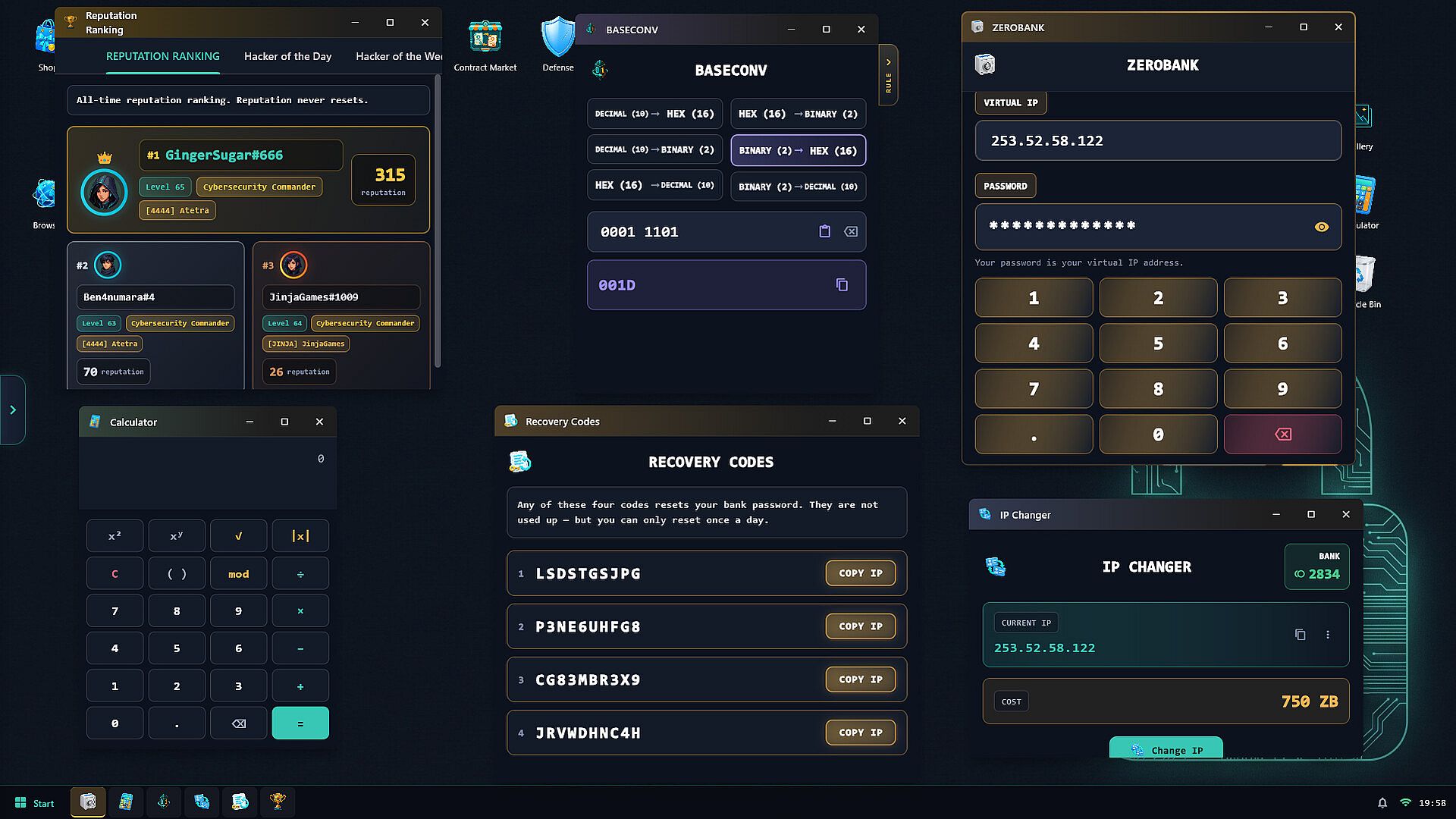

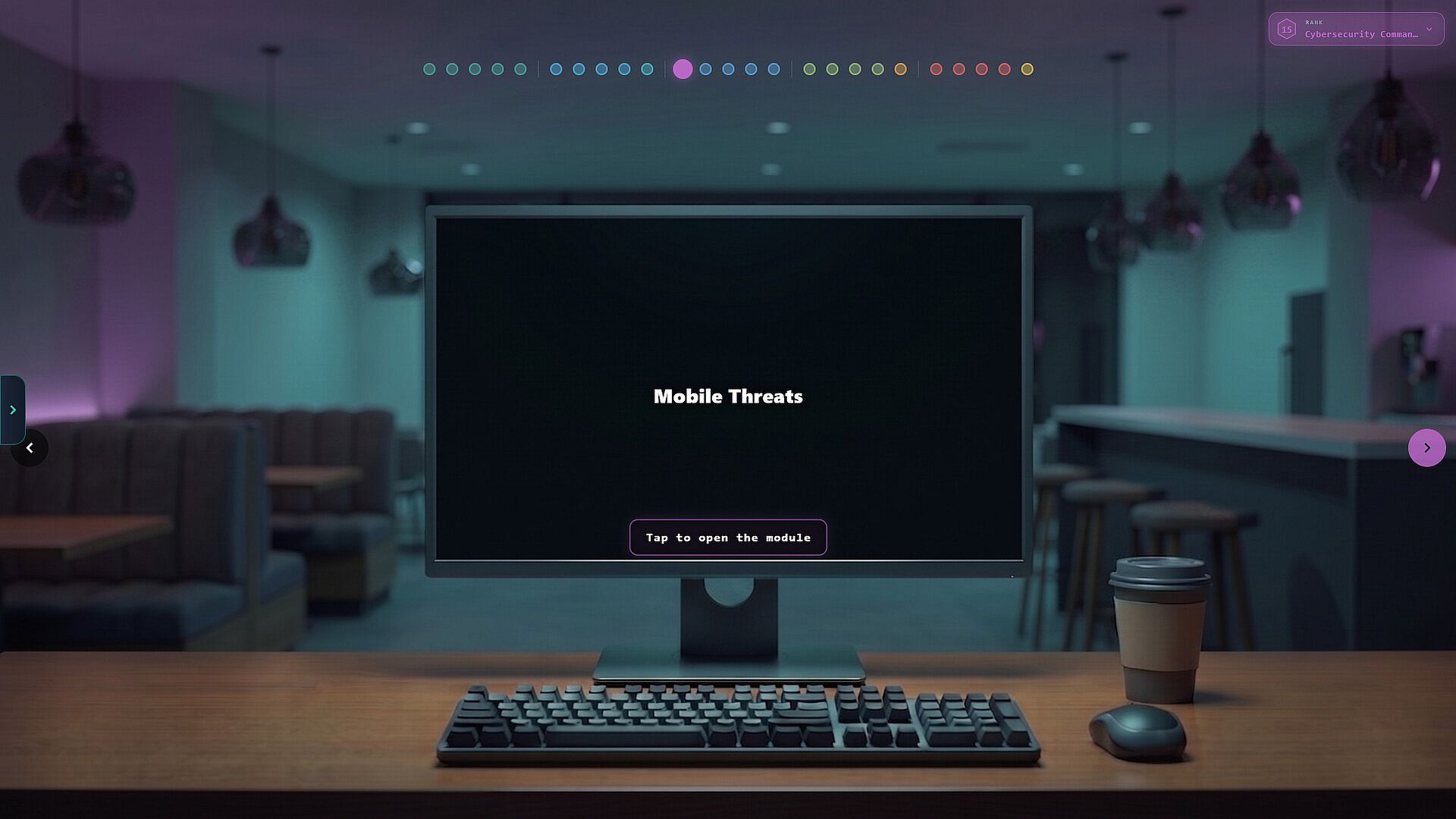
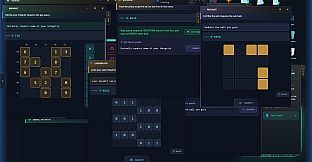
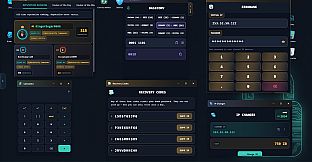


Cyber Academy is a strategy, indie, and simulation game set on PC that teaches cybersecurity through direct interaction inside a virtual operating system. Players handle real-world security concepts by executing attacks, building defenses, and tracing intrusions across dozens of modules rather than reading static lessons.
Gameplay
The core loop centers on a living virtual environment where every action teaches a practical skill. Twenty-five or more hands-on modules cover topics such as phishing, passwords, malware, networks, cryptography, digital forensics, web and API security, and red teaming. Each module turns the topic into a clickable sequence of tasks that require breaking systems and then repairing them.
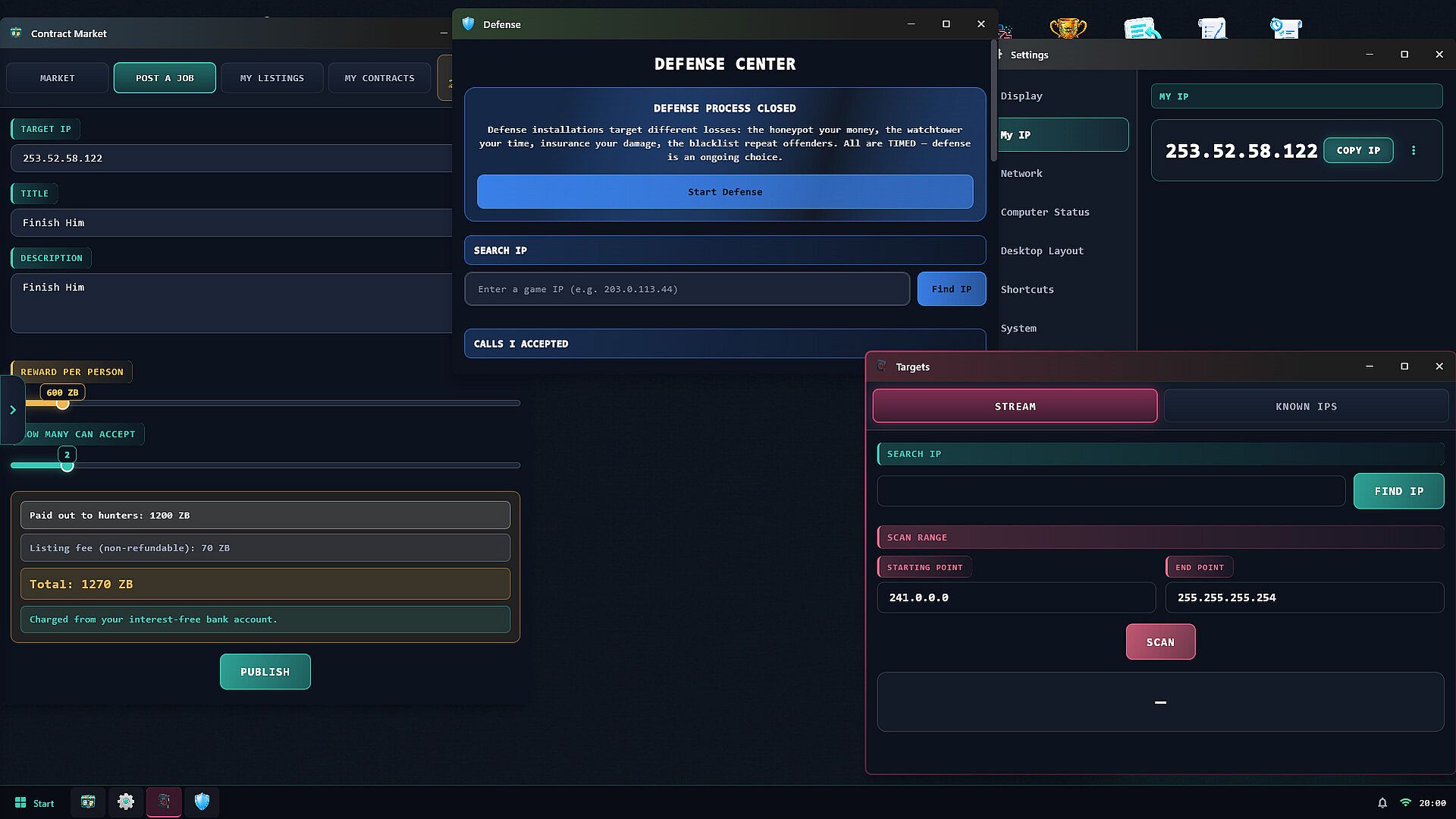
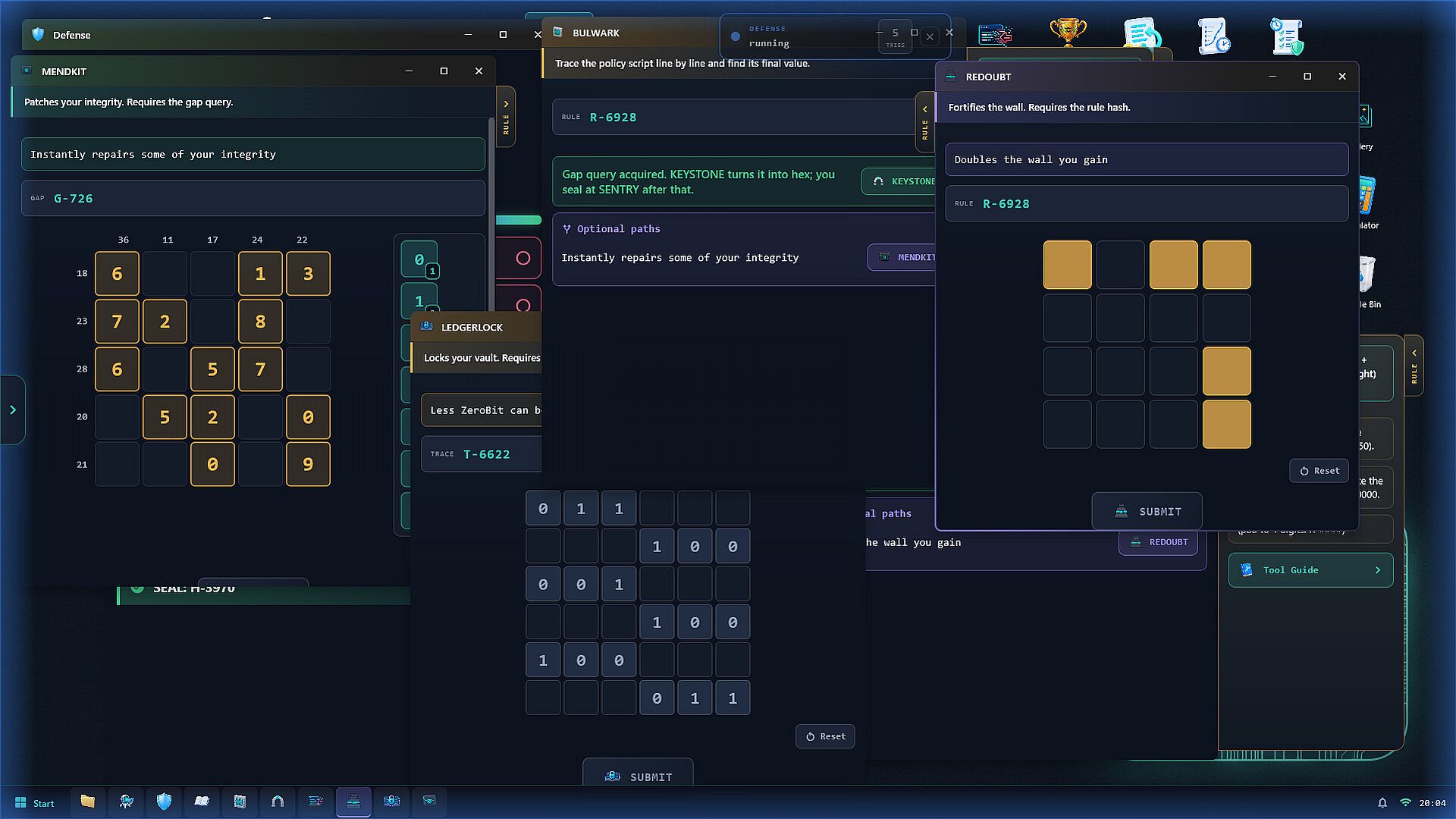
Attack sequences require chaining tools to scan targets, identify vulnerabilities, breach systems, and escalate privileges. Success depends on solving individual tool puzzles that mirror documented real-world techniques. Defense mechanics place the player's own machine under threat, requiring deployment of firewalls, a SIEM, process guards, and honeypots. Each defensive element functions as a separate mini-puzzle that helps detect and limit intrusions.
When an attack succeeds, tracing mechanics activate. Players piece together logs and proxy hops to attribute the source and restore system integrity. A built-in editor called CyberCode allows progression from point-and-click actions to writing scripts with live syntax highlighting, automating workflows and encouraging operator-level thinking.
Game Modes
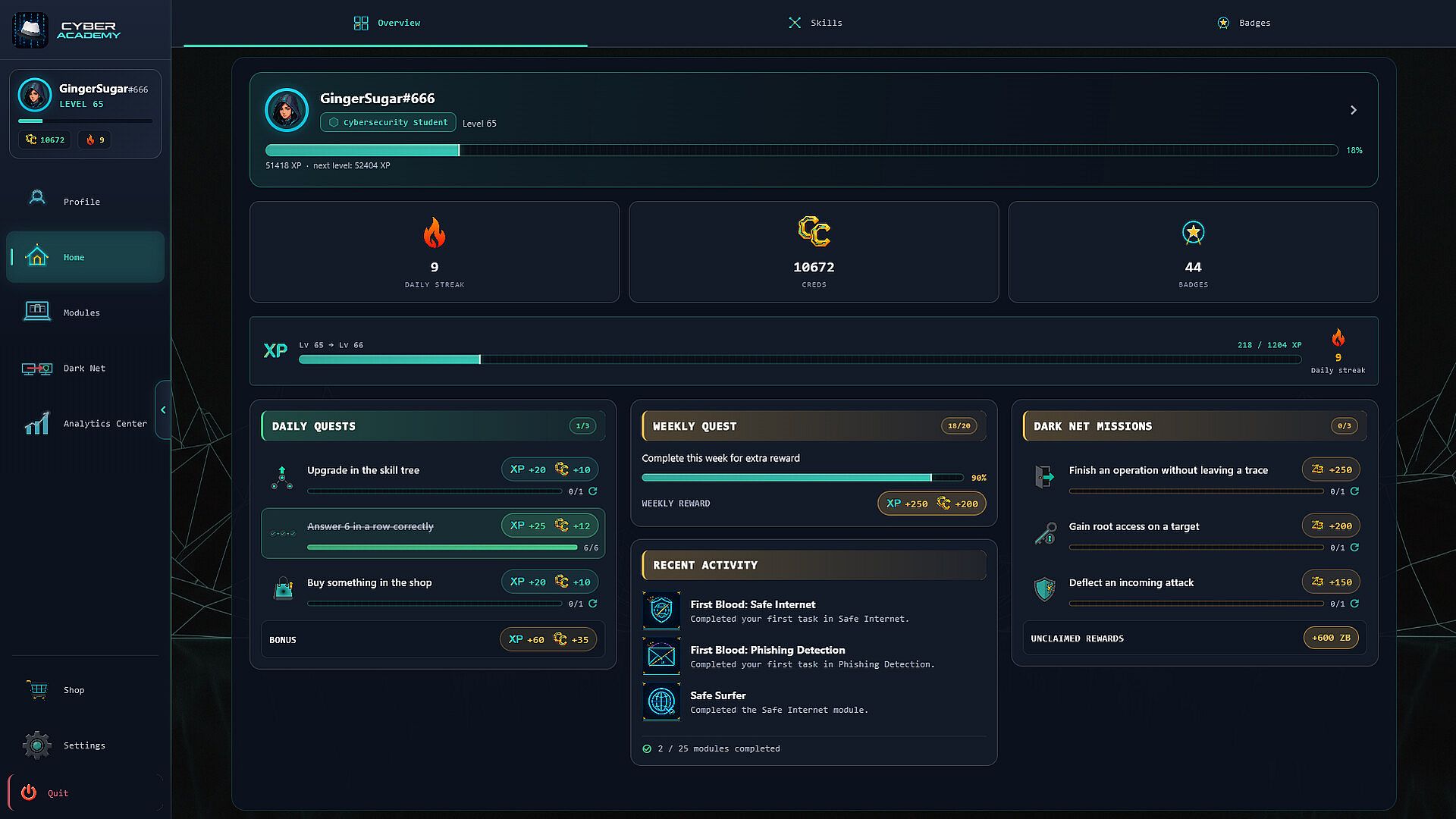
Single-player content forms the primary experience through the module-based missions and the integrated attack, defense, and tracing loop. Players complete daily and weekly challenges while advancing through a branching skill tree that rewards XP and unlocks new capabilities.
Online PvP elements allow direct competition or interaction with other players inside the shared virtual environment. These features expand the core loop by introducing live threats and collaborative or adversarial scenarios that test the same tools and defenses used in single-player sessions.
Operator Progression
Players begin as basic operators and advance by mastering domains. The skill tree branches across different security specialties, granting new tools, identities, and cosmetics as milestones are reached. Persistent internet connectivity supports the online components while the single-player modules remain accessible for focused practice.
The game is currently planned for Early Access release with an initial set of twenty-five or more modules, the complete attack-defense-tracing cycle, the CyberCode editor, the skill tree, and daily or weekly missions already implemented. Developers intend to expand module count and deepen online operations based on community input during the three-to-six-month Early Access window.
Is It Worth Playing?
Cyber Academy suits players who want a hands-on strategy simulation that blends education with puzzle-solving mechanics. The emphasis on executing real techniques rather than passive study makes it appropriate for anyone interested in cybersecurity fundamentals or red teaming concepts. Because the title remains in development with no completed user reviews available, prospective players should evaluate their interest in the described systems before purchase.
Those seeking an interactive way to practice attack chains, defensive setups, and forensic tracing will find the verified mechanics align closely with professional topics. The single-player focus combined with optional online PvP provides flexibility for both solo study and competitive play. Early Access participants can influence future content through feedback on modules and balance.












