




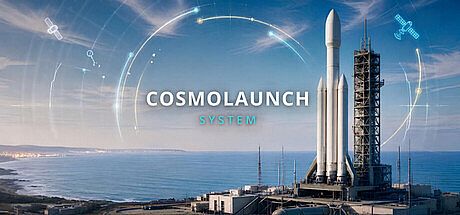


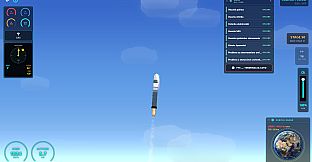
CosmoLaunch System is an indie simulation game that puts players in charge of a space agency on PC. The experience blends budget management, contract fulfillment, rocket construction, and physics-driven 2D flight into a cohesive package for those interested in space operations and engineering decisions.
Gameplay
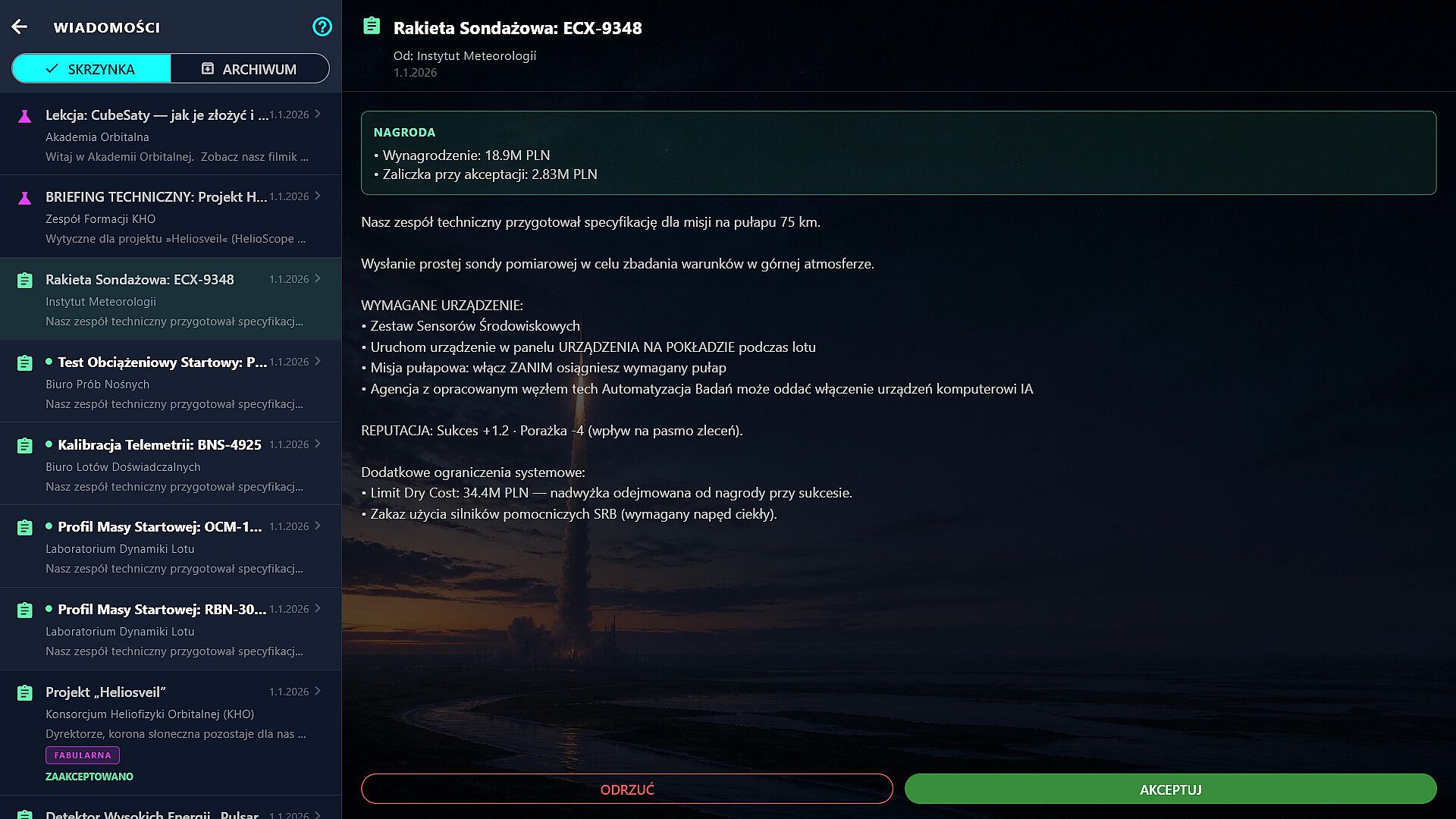
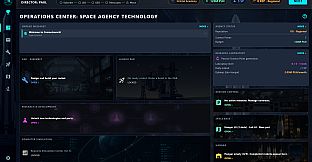
Players act as the agency director, handling every aspect of operations from accepting client contracts to overseeing payload deliveries. The core loop involves balancing limited budgets against research investments and launch risks. Contracts range from basic suborbital hops to more demanding orbital insertions, including missions that involve scientific instruments mounted on rockets or placed inside protective fairings.
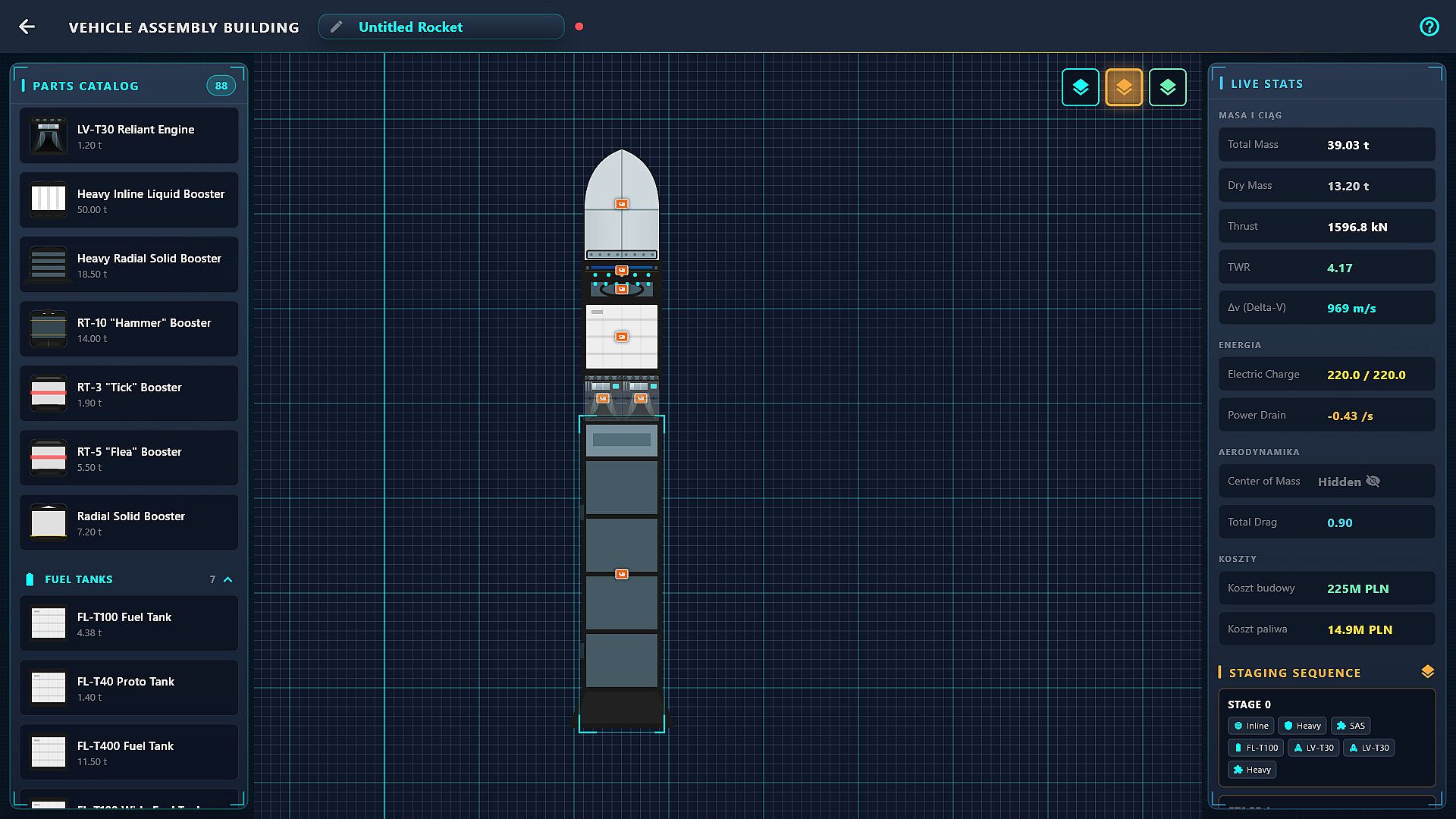
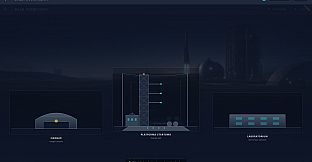
Rocket assembly takes place in a modular vehicle assembly building where parts such as liquid engines, solid rocket boosters, command pods, fins, and RCS thrusters combine into complete vehicles. Live calculations display mass, thrust-to-weight ratio, delta-v, and center of mass so builders can iterate designs before committing resources. Proven configurations can be saved and reused, while hangar upgrades expand available options over time.
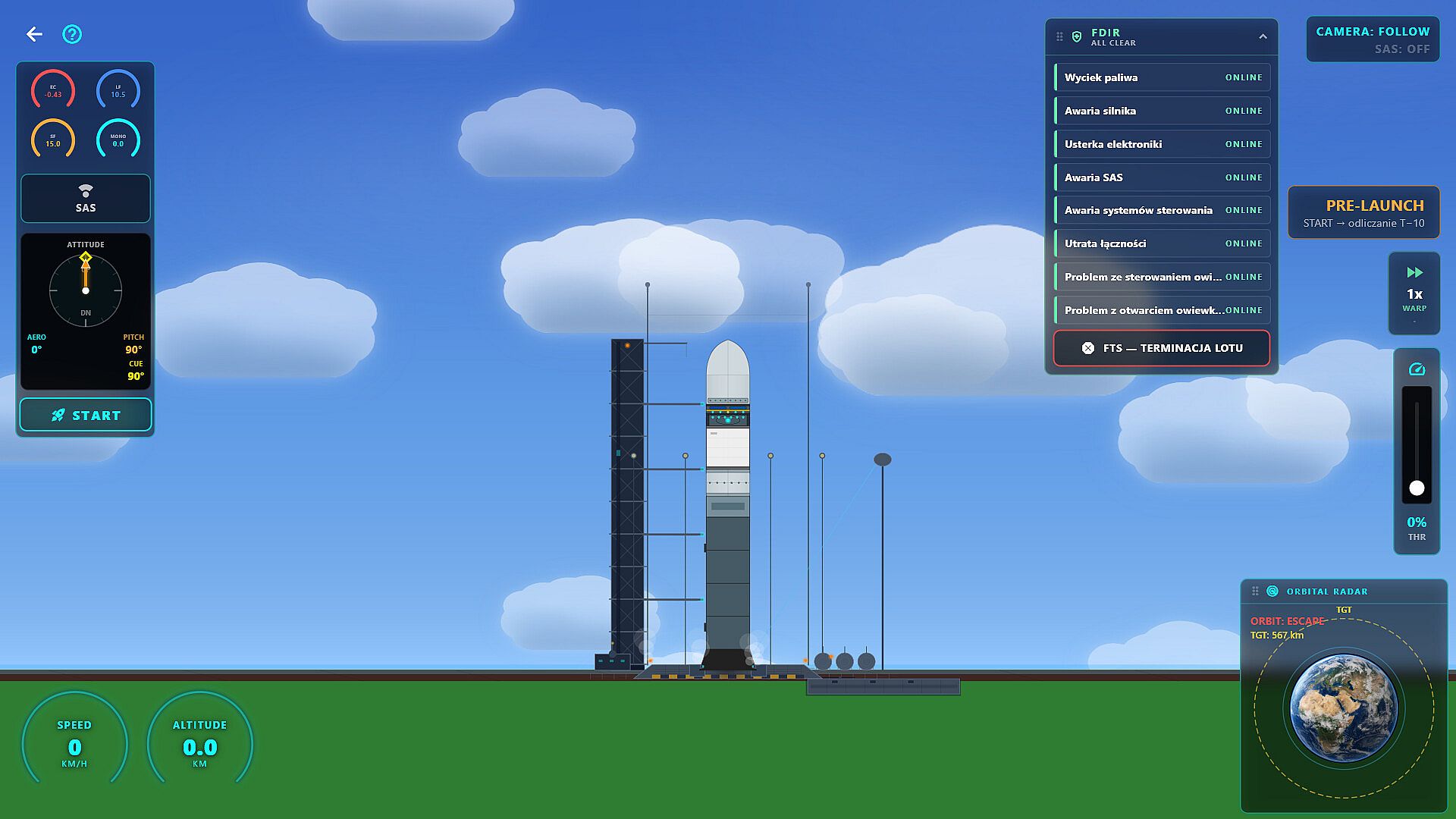
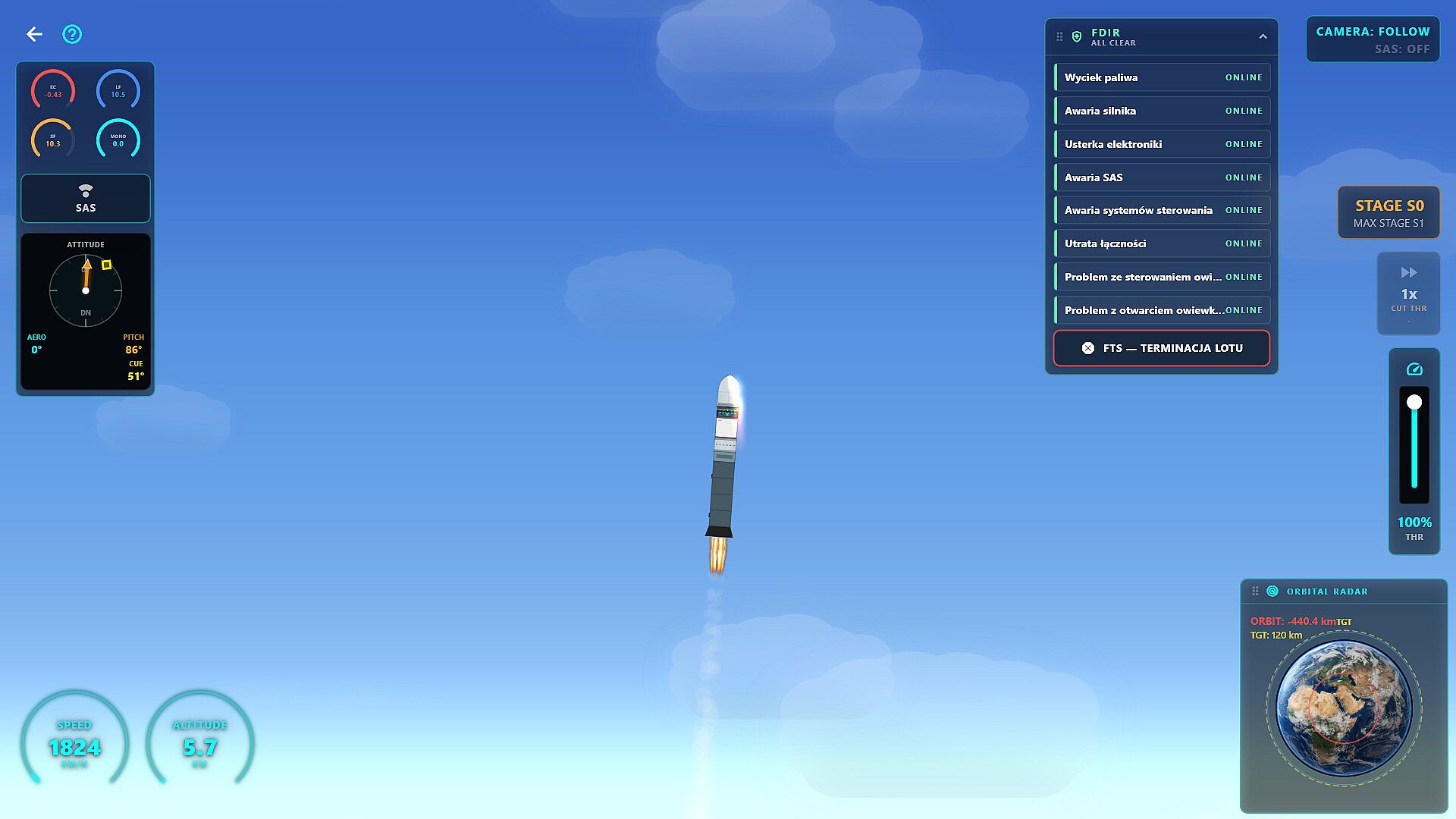
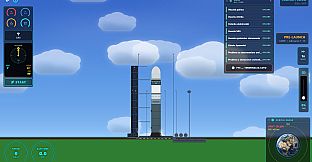
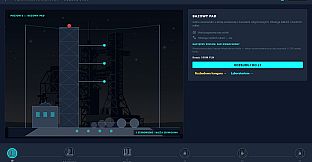
Once rolled out to the pad, launches require manual throttle and pitch control through a realistic atmosphere that includes drag, maximum dynamic pressure, and potential structural failures. A pitch guidance system offers suggested ascent profiles for reaching target orbits, though player input determines the final trajectory and any resulting bonuses. The underlying physics model accounts for altitude-dependent gravity, varying atmospheric density, solid rocket booster vibrations, and visual effects like plasma at peak heating.
Game Modes
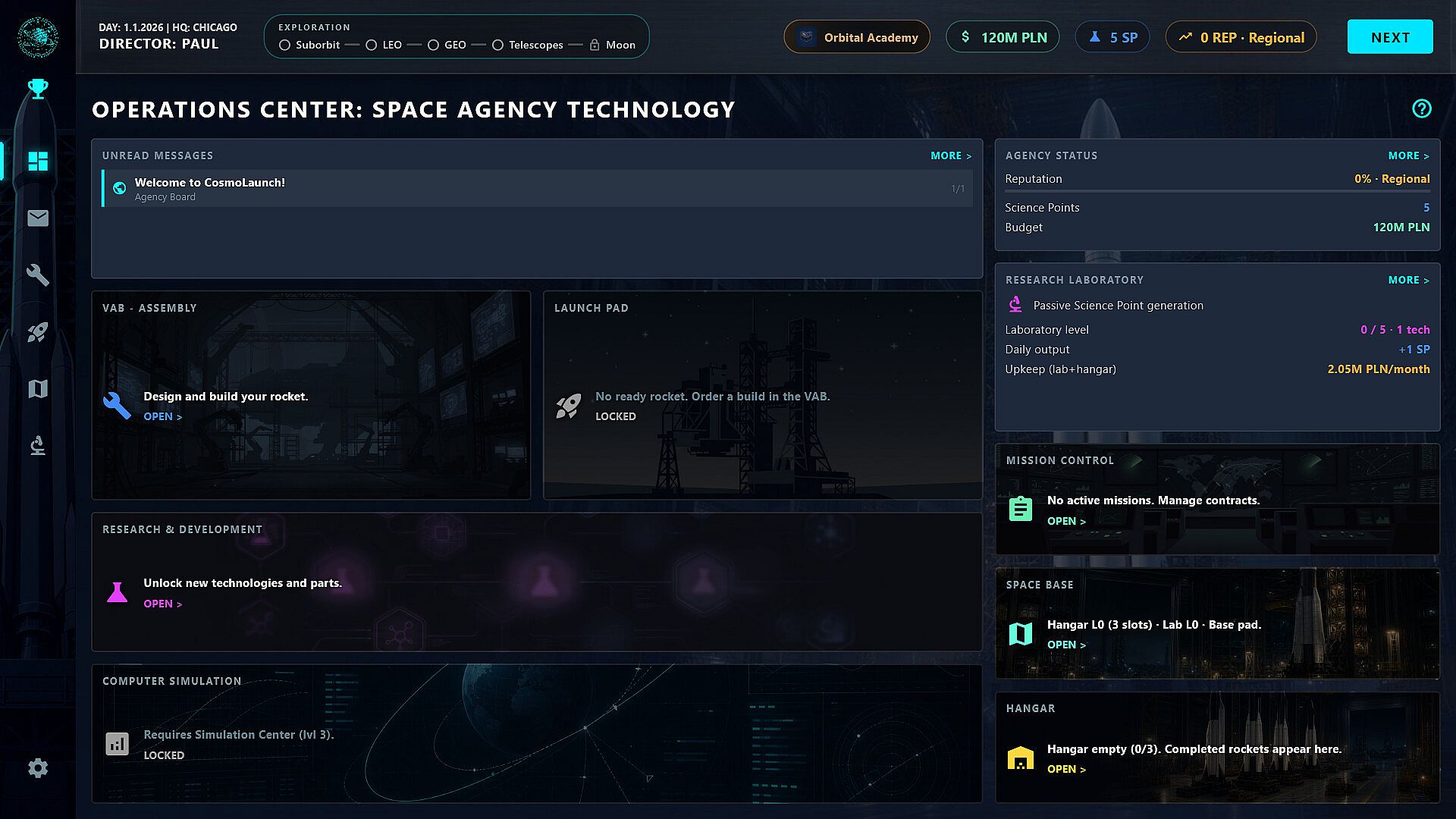
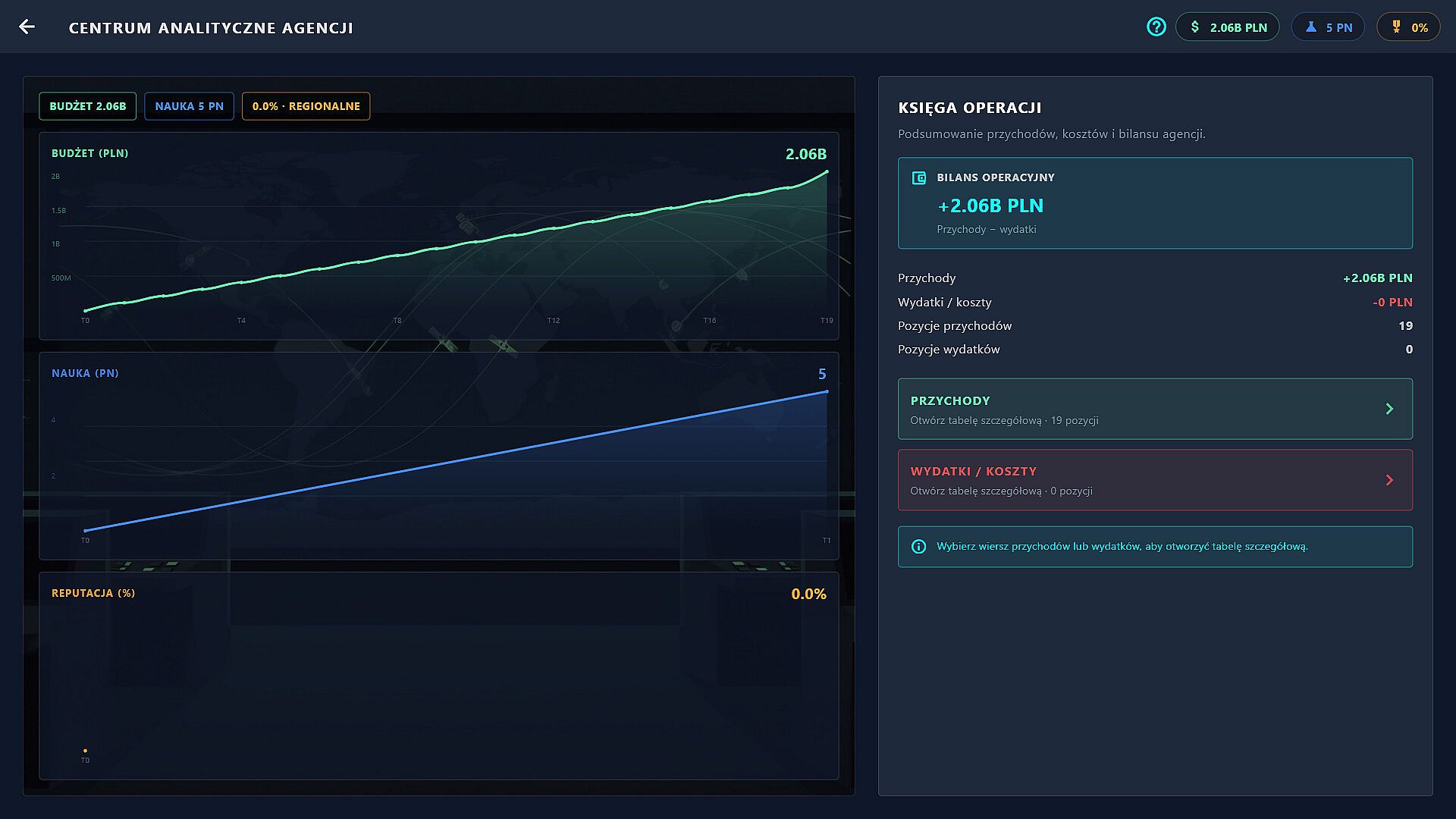
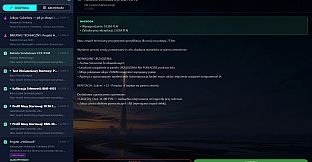
The game operates as a single-player campaign focused on progressive agency development. Time advances in a turn-based structure that manages incoming contracts, weather reports, mission briefings, and resource allocation. Success with payloads improves reputation and unlocks higher-value work, while failures carry financial and public relations consequences.
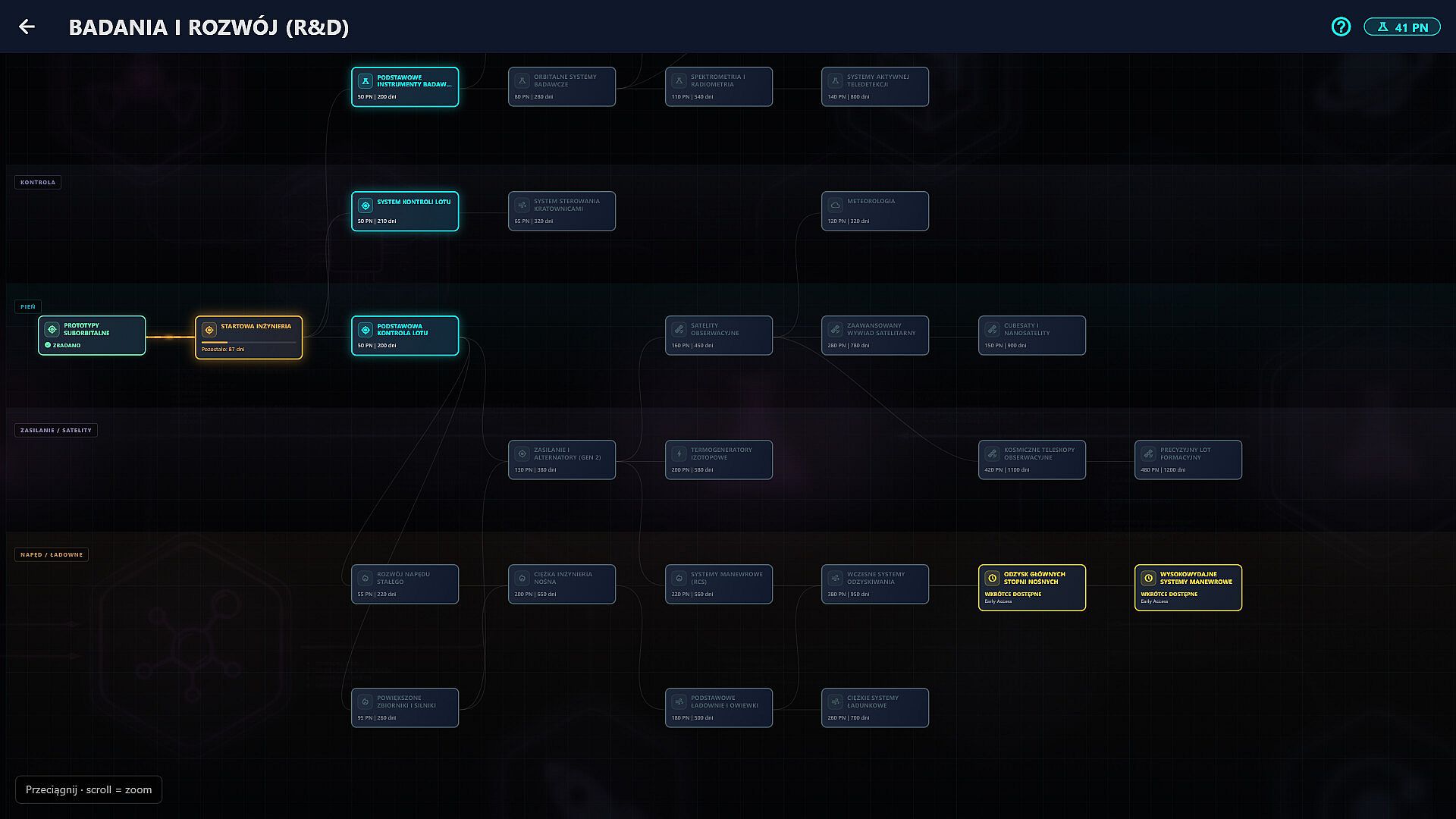
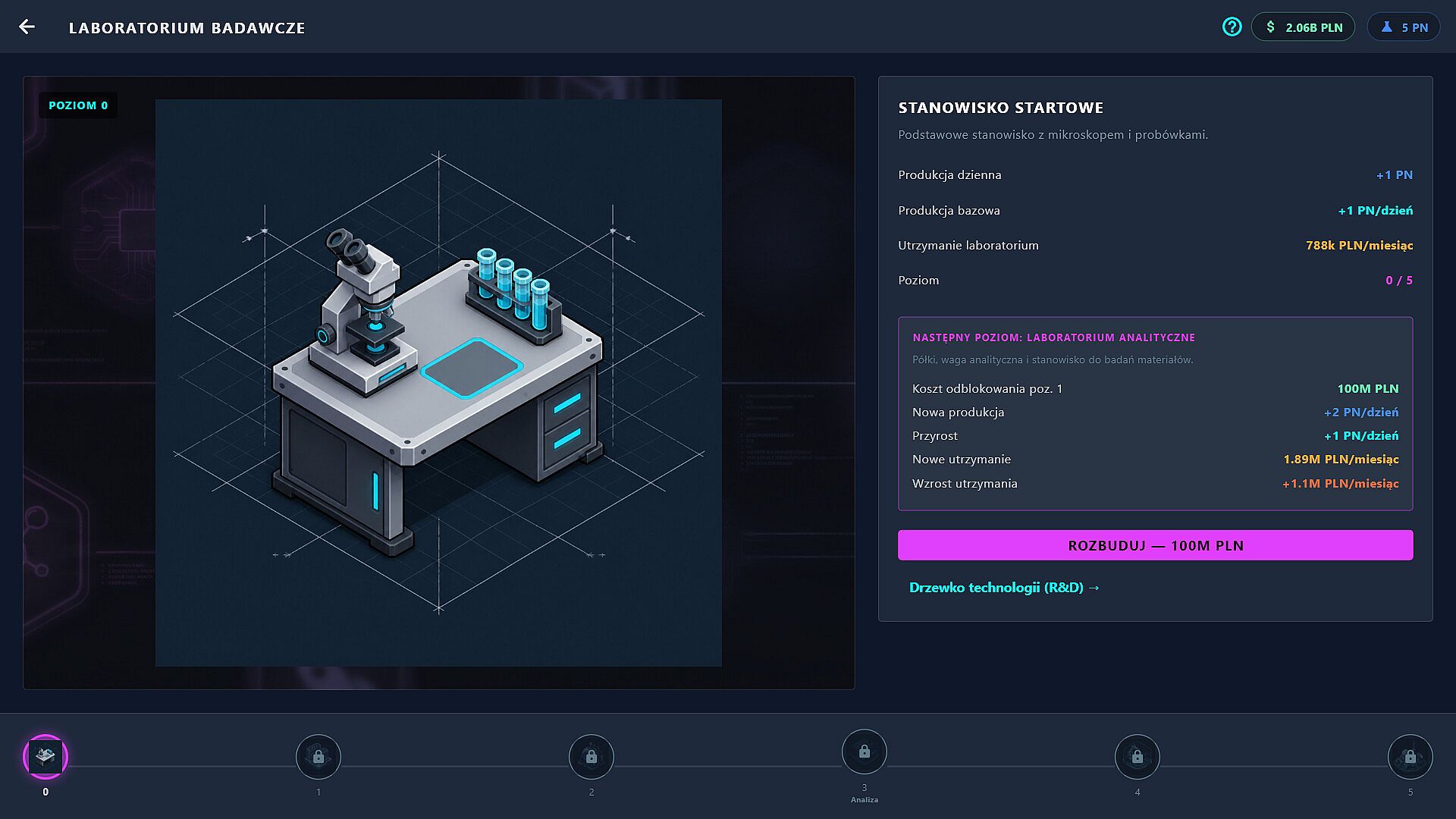
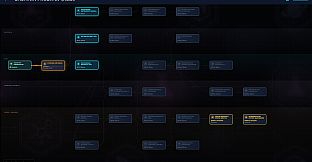
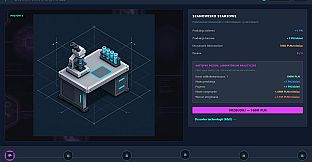
Within this framework, players advance through a tech tree by directing science points from laboratory work into new components and capabilities. Reliability testing occurs through trajectory simulations and mass-dummy flights before risking actual client hardware. Mid-flight anomalies can appear, addressed via a diagnostic console or an optional flight termination system when needed.
Building and Testing Rockets
Design work emphasizes engineering trade-offs. Delicate instruments require careful placement inside aerodynamic fairings, while other payloads mount directly to the rocket body. Real-time statistics help identify issues such as insufficient thrust or unstable centers of mass before rollout. The process encourages repeated refinement, with saved blueprints serving as starting points for future vehicles.
Testing forms a deliberate step before contract launches. Simulations allow evaluation of ascent paths and structural integrity, reducing the chance of losing expensive payloads to untested designs or pilot error. This layer adds depth to the simulation without shifting focus away from the agency management side.
Agency Management and Progression
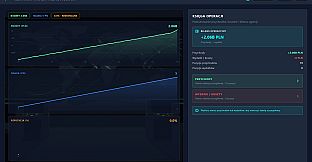
Resource systems tie together budget, reputation, and research. Lucrative contracts become available as milestones are met, moving from early suborbital flights toward low Earth orbit, geostationary orbit, and specialized telescope missions. CubeSat-style deployments provide additional variety for delivering client instruments into orbit.
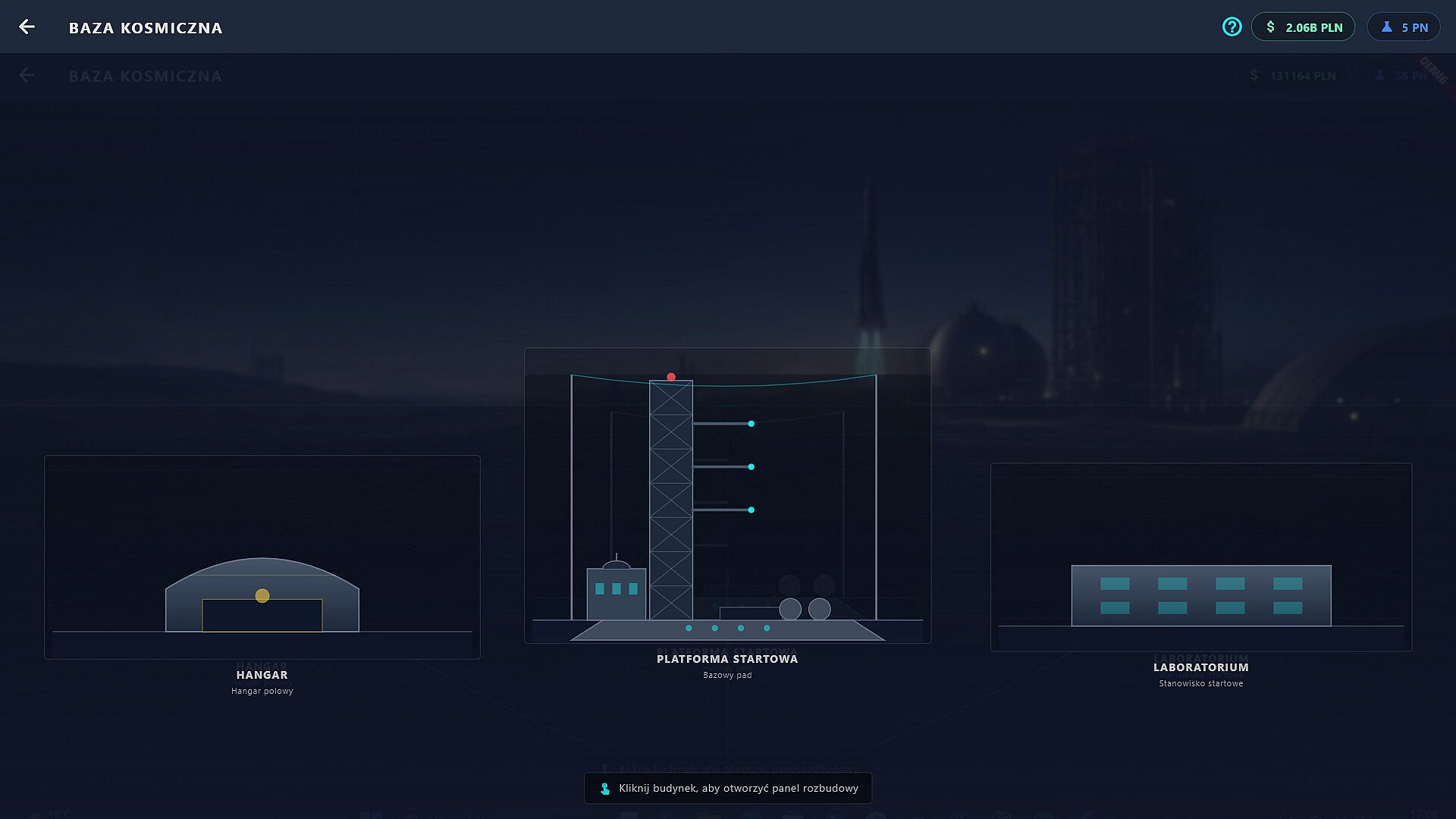
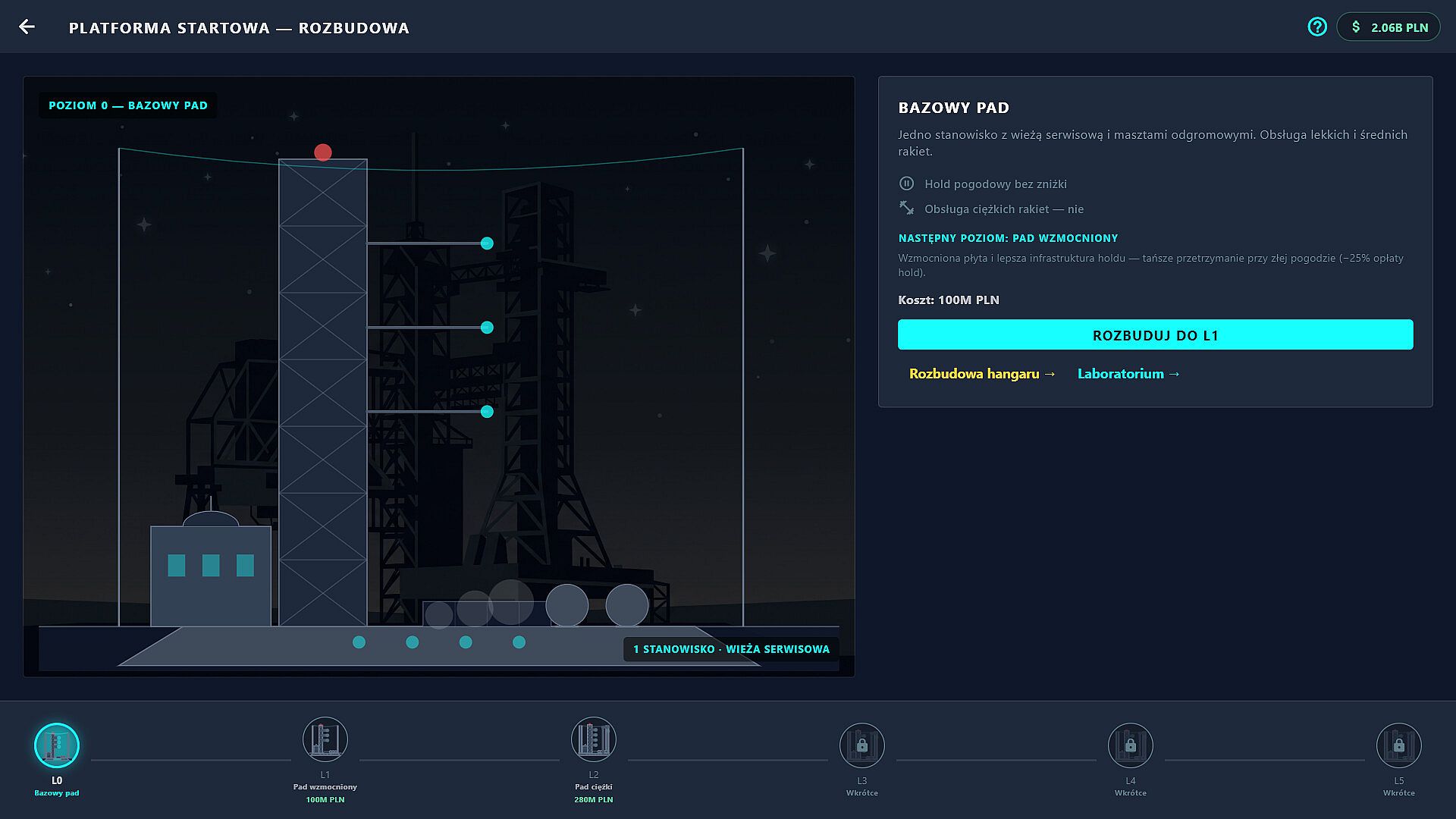
Turn-based pacing keeps the focus on strategic choices rather than real-time multitasking. Laboratory upgrades feed new parts into the assembly options, while hangar improvements support larger or more complex vehicles. Reputation gains from reliable deliveries open better opportunities, creating a clear sense of progression tied to operational performance.
Is It Worth Playing?
CosmoLaunch System suits players who enjoy combining tycoon-style management with light physics simulation. The hybrid structure appeals to those who want to design rockets brick by brick while also handling contracts, research priorities, and budget constraints. Early access status means the experience continues to evolve, with the current build already delivering the core systems of vehicle construction, realistic flight, and agency oversight.
Anyone drawn to space agency themes, modular building, and orbital mechanics will find a focused single-player experience here. The emphasis on engineering decisions and consequence-driven launches provides replay value through different contract paths and design experiments. Those seeking a blend of business simulation and hands-on flight control will likely appreciate the depth available in its current form.











