


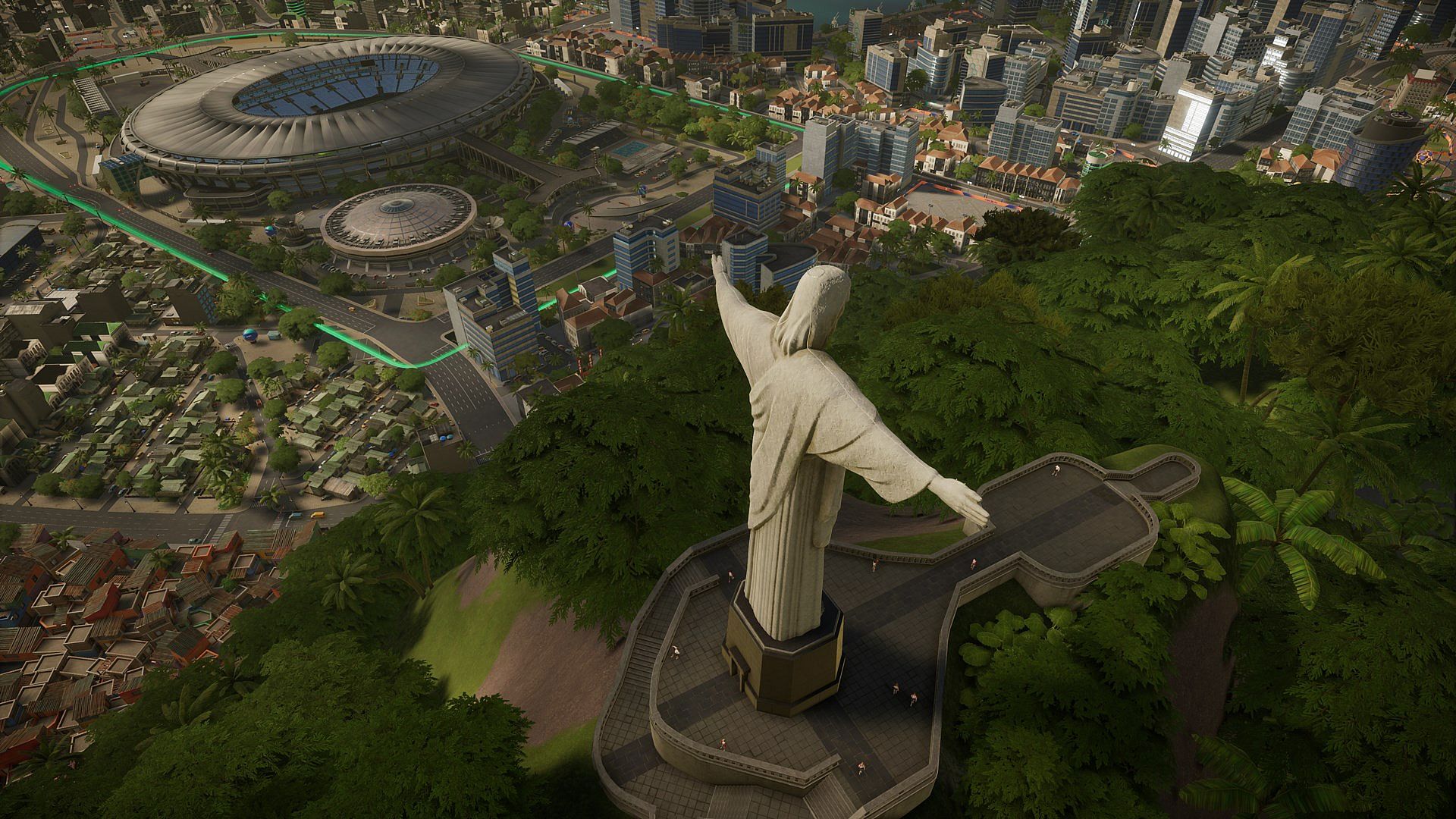
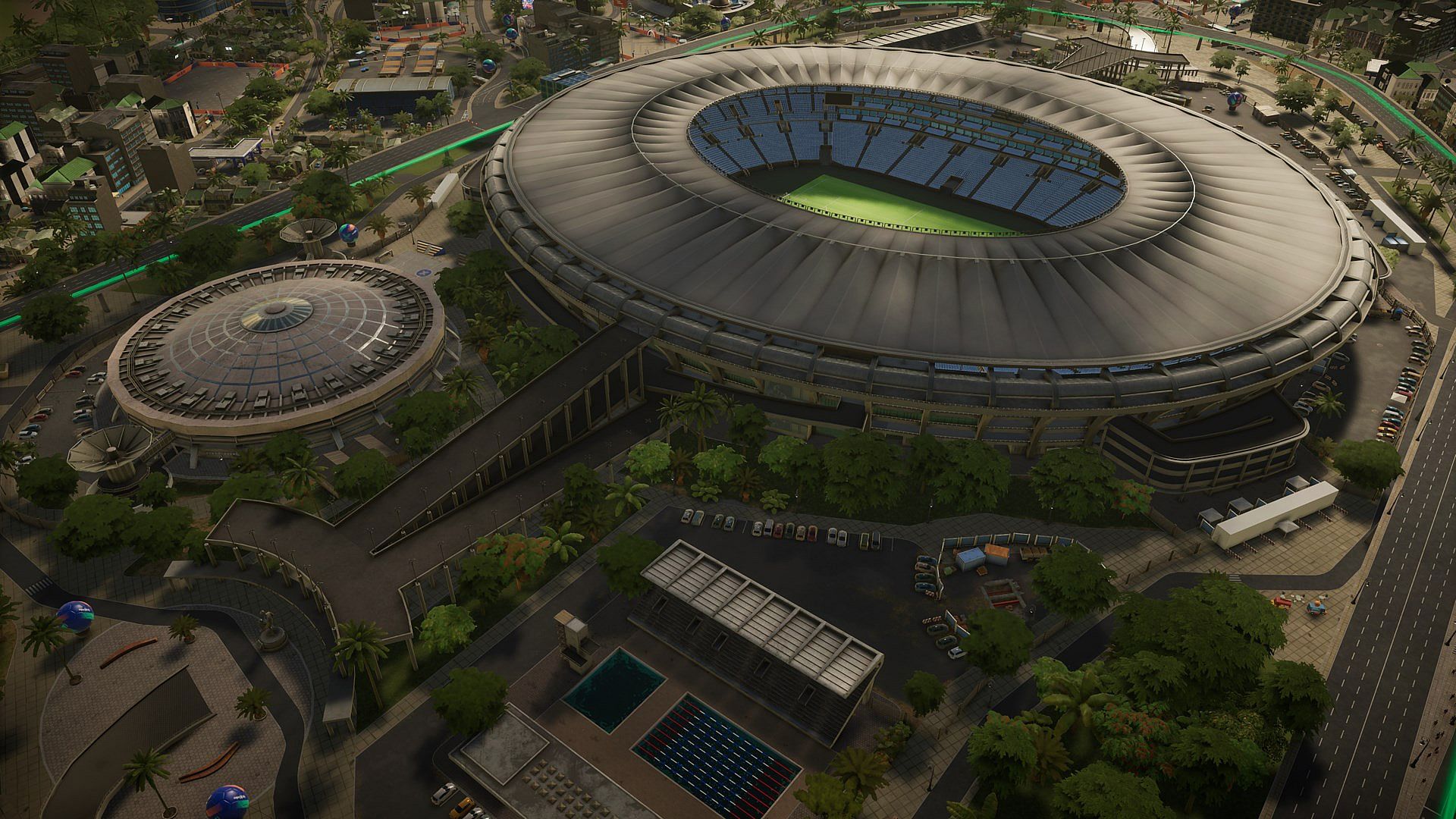
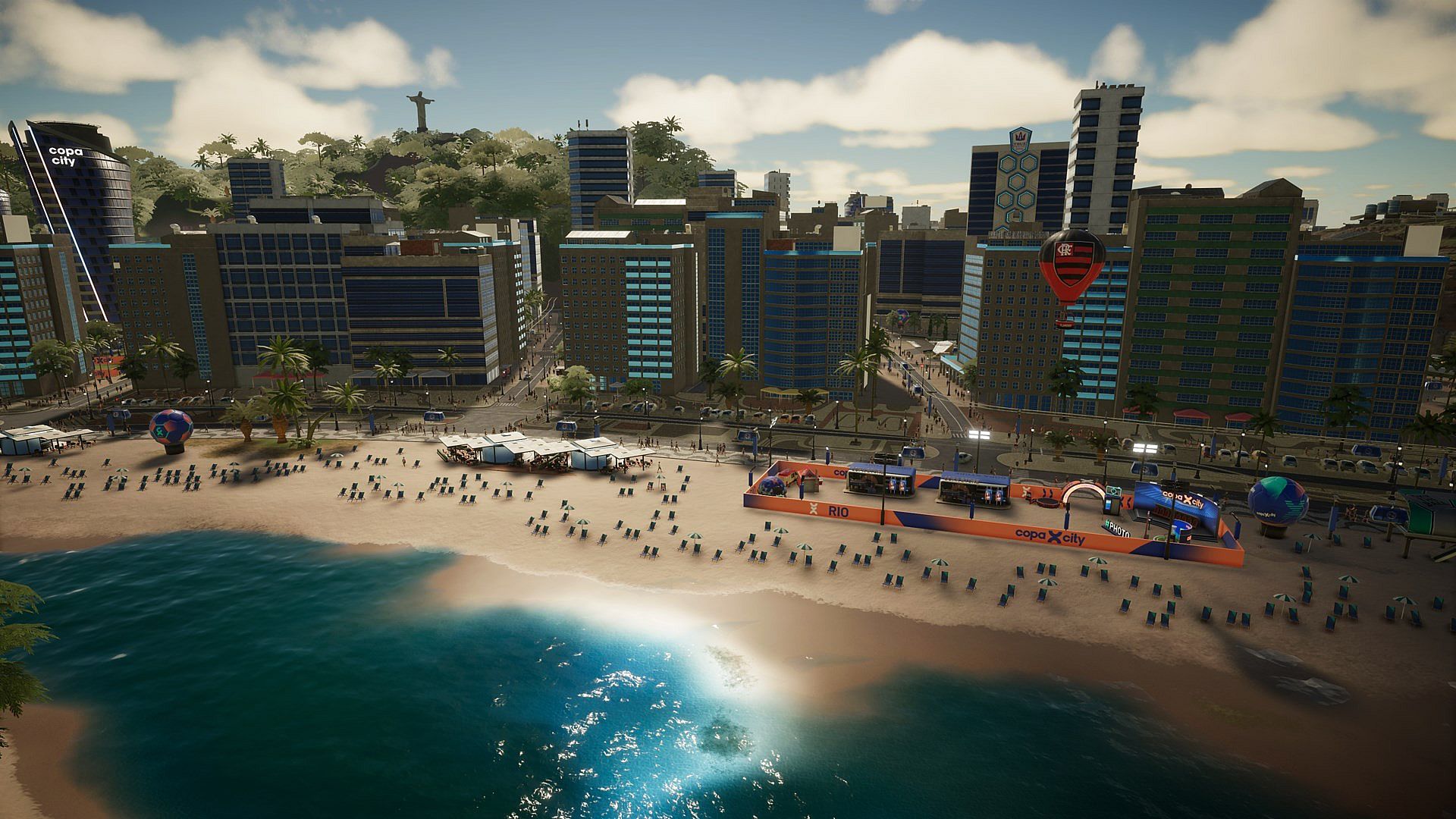
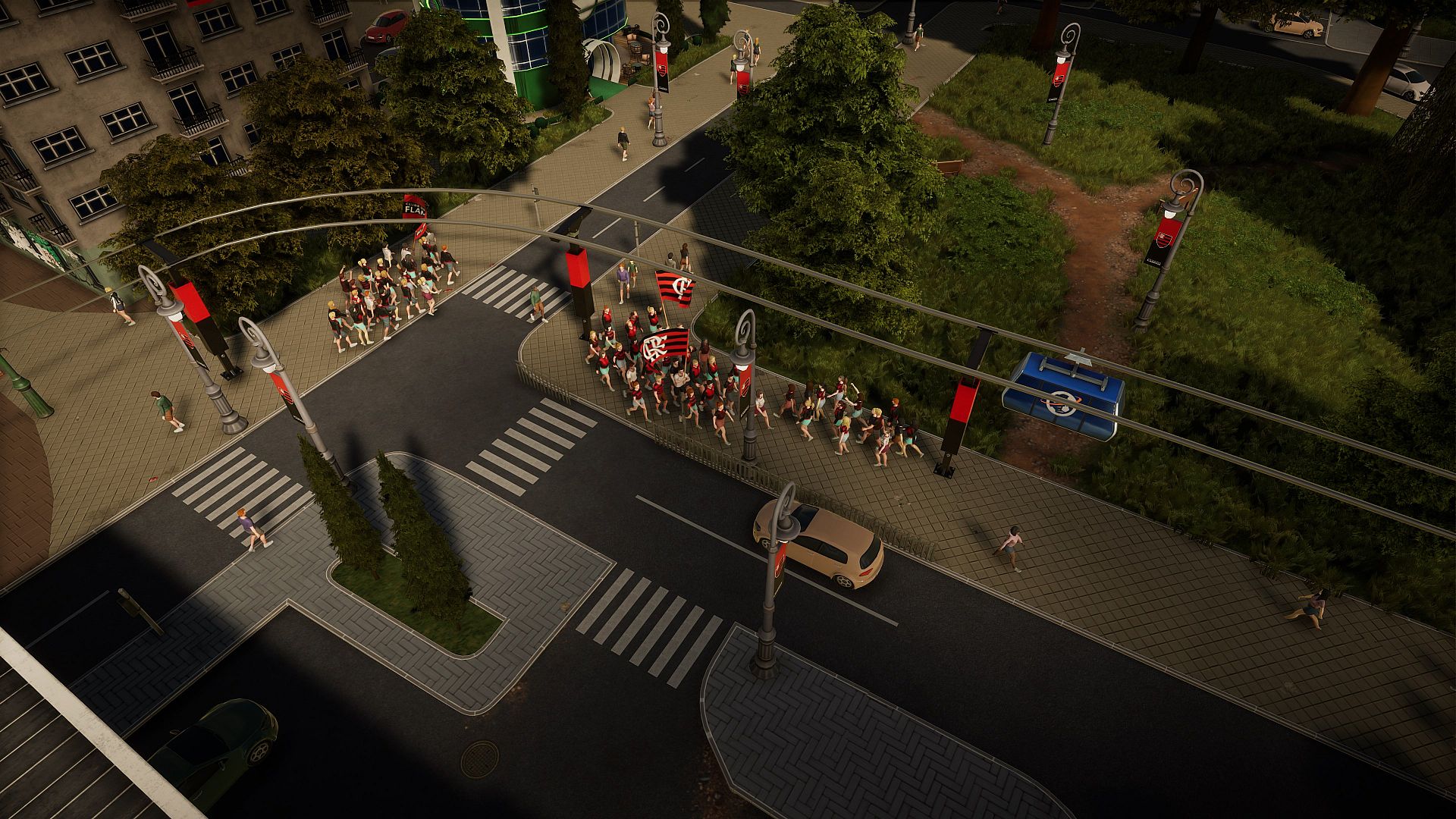
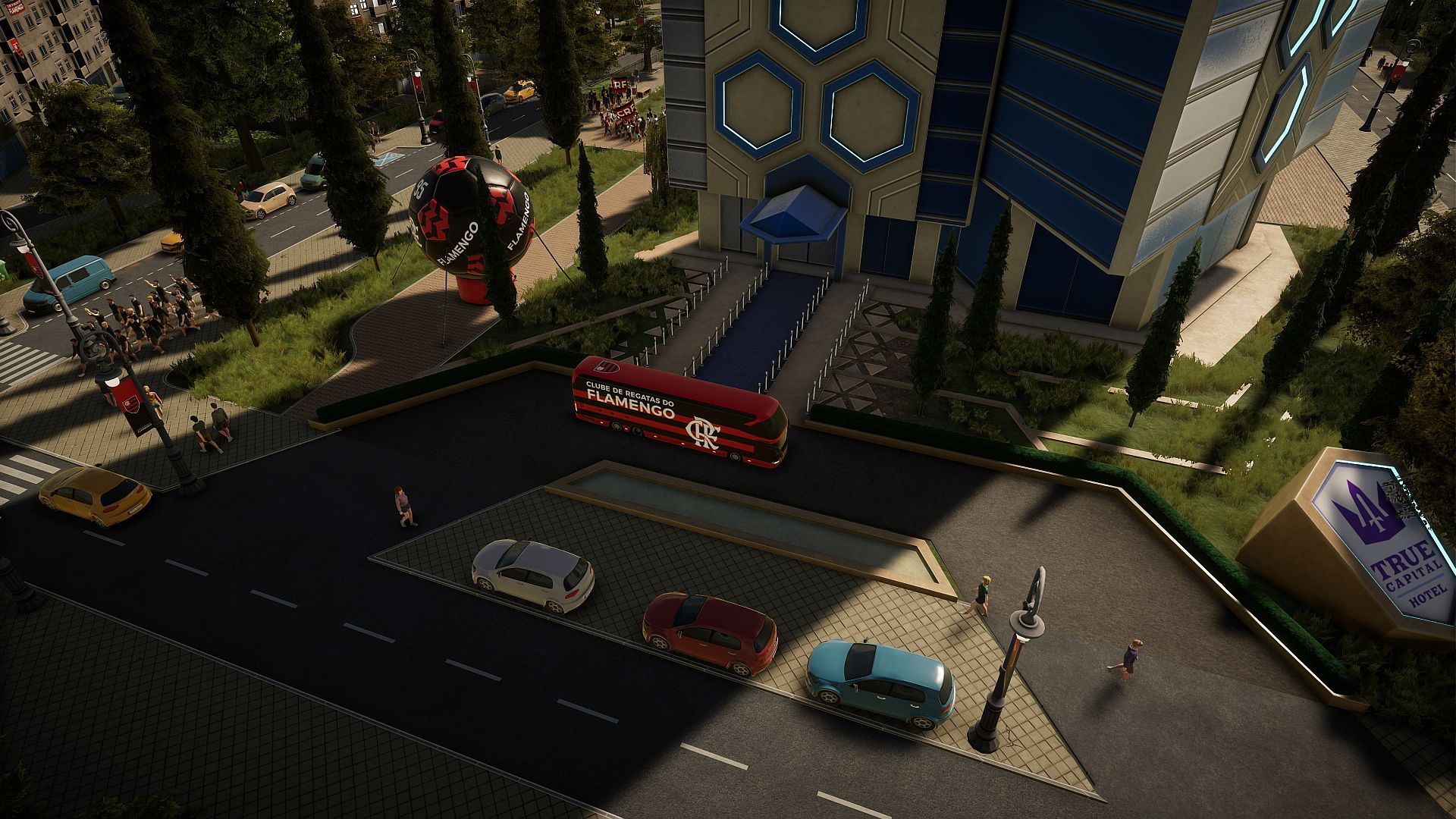
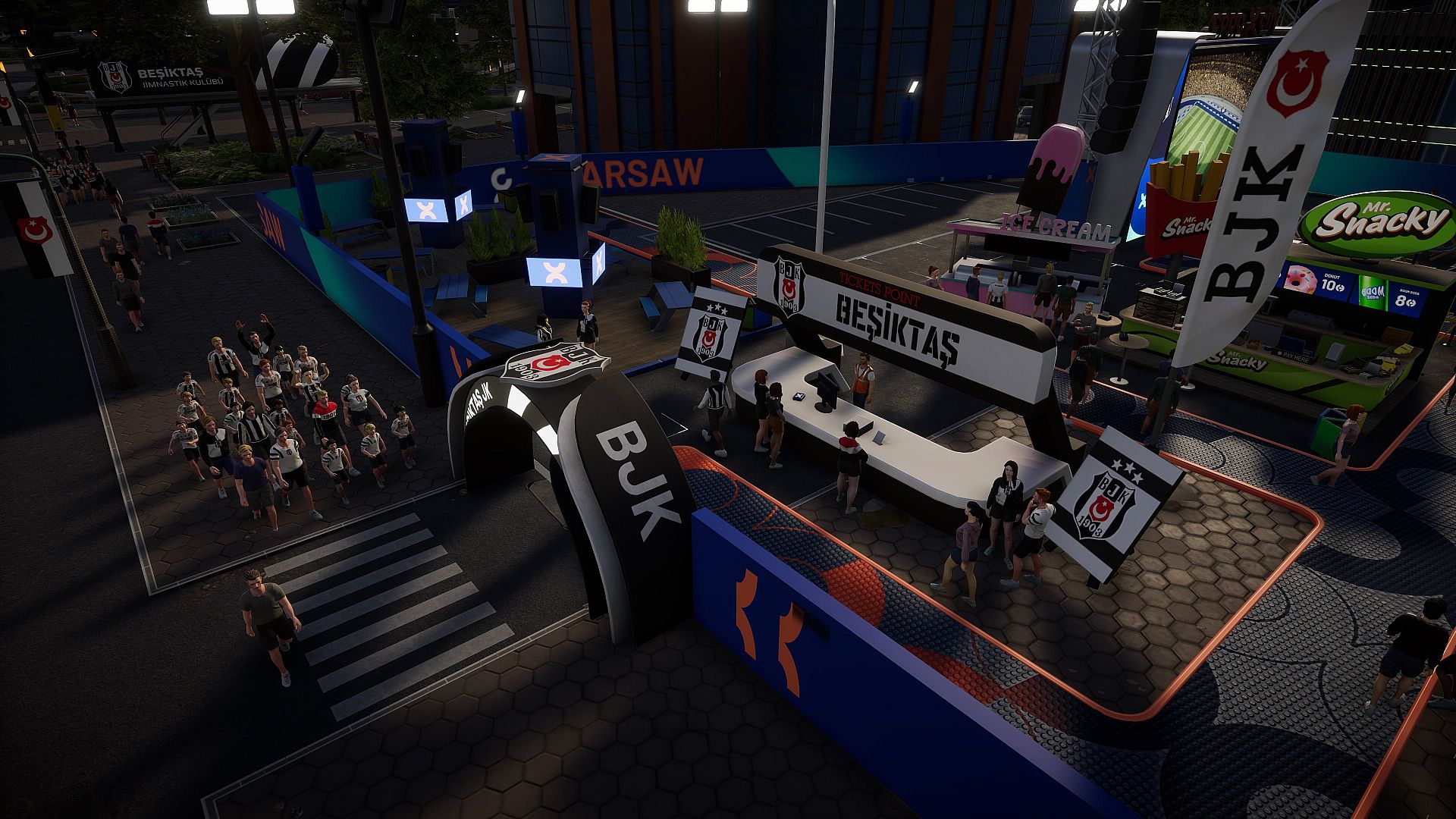

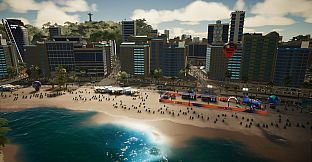
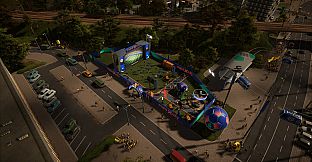
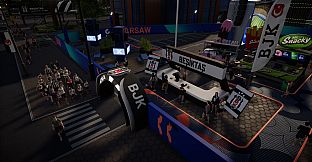
Copa City is a strategy simulation sports game focused on organizing major football events rather than managing teams or players on the pitch. Players step into the role of city organizer, handling the complex logistics of hosting matches for licensed clubs in real urban environments across multiple days leading up to kickoff.
Gameplay
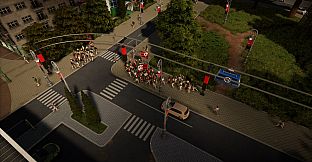
The core loop revolves around preparing cities for matchdays through infrastructure development and resource allocation. Three main resources drive decisions: funds for construction and services, specialists for targeted expertise in areas like security or logistics, and volunteers for on-the-ground support. These must balance against the needs of three distinct fan groups, each with their own behaviors and demands that influence crowd flow and atmosphere.
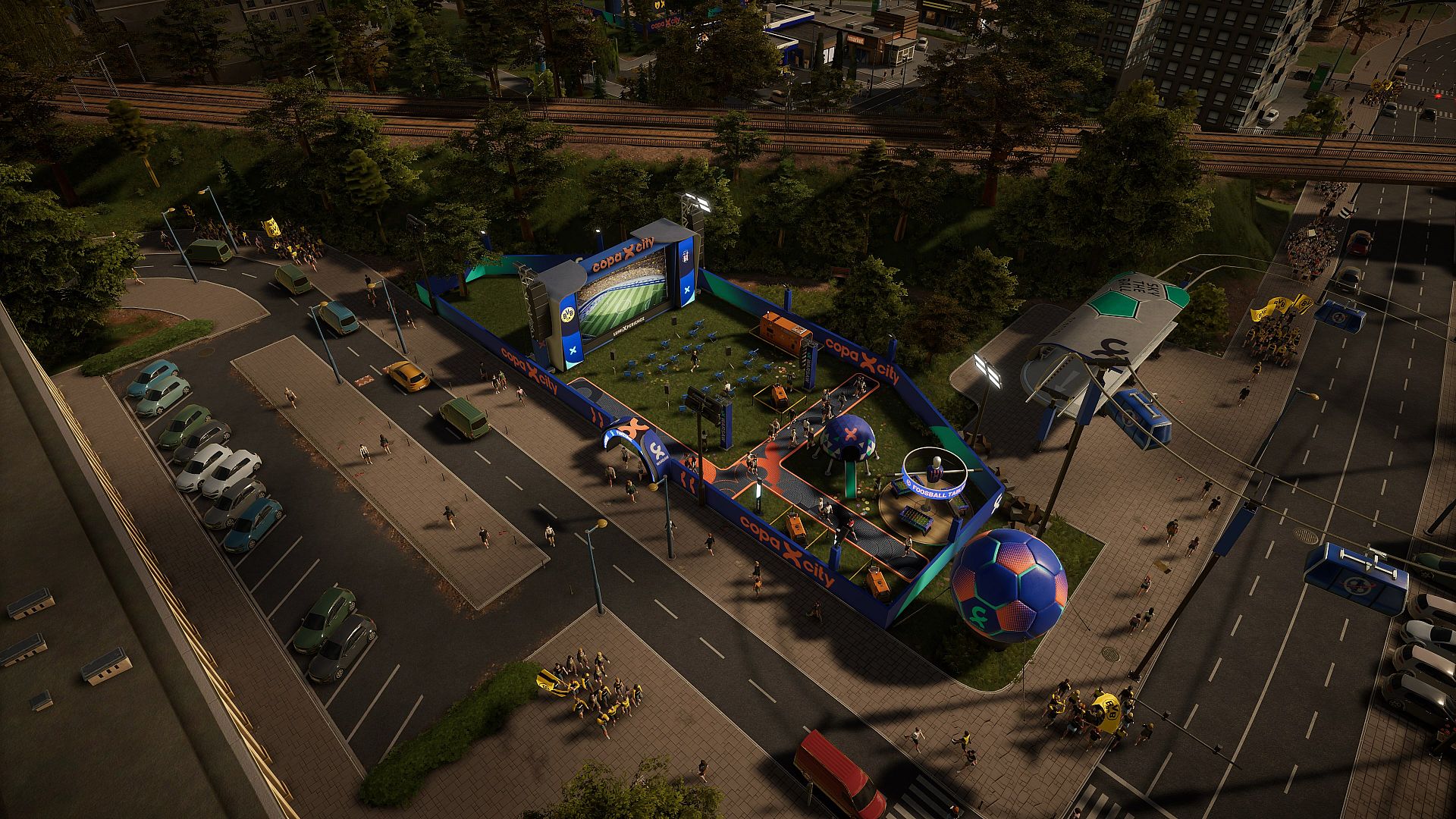
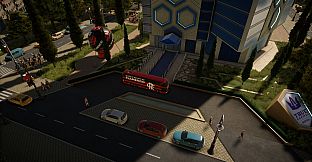
Cities serve as dynamic hubs where districts, transport networks, and cultural elements shape challenges. Building fan zones, expanding roads or public transit, and coordinating with local residents form key tasks. The process spans roughly 14 days of preparation, culminating in stadium inspections that check safety protocols, logistics readiness, and overall event viability. Success depends on optimization, as poor planning can lead to bottlenecks or financial shortfalls while effective management boosts match readiness scores.
Matchday sequences bring the city to life with fan zones activating, chants echoing, and different supporter types contributing to the energy. Licensed clubs bring authentic philosophies and cultures that affect how fans interact with the environment, adding layers to planning without involving on-field tactics or transfers.
Game Modes
Campaign mode structures the experience as a series of scenarios that introduce mechanics progressively, often functioning as extended tutorials before transitioning into full match preparation challenges. Single Match mode allows direct access to standalone event organization tasks once players have a grasp of the systems.
Progression unlocks additional options, though some advanced modes remain gated behind completing earlier content. The focus stays on single-player management across these formats, with no multiplayer elements confirmed in the core experience.
Key Features and Systems
Stadium preparation requires oversight of every stage, from initial setup to final safety checks. Resource management ties directly into fan group dynamics, where ultras might demand high-energy setups, core supporters focus on steady support, and families prioritize accessible amenities. City-specific elements in locations like Berlin, Warsaw, and Rio de Janeiro introduce unique transport and district layouts that influence strategy.
The mix of city-building elements with economic simulation creates a low-micromanagement approach centered on high-level decisions rather than constant unit control. Official licenses ensure clubs and their supporter cultures feel grounded in reality.
Is It Worth Playing?
Player reception on Steam stands at mostly positive based on hundreds of reviews, highlighting the novel focus on event logistics and authentic club integrations. Console versions show more varied feedback, with some noting technical issues or steep learning curves from the tutorial-heavy start.
This title suits fans of management simulations and tycoon-style strategy who enjoy planning complex systems without direct sports action. Those seeking traditional football management or on-pitch gameplay will find the emphasis on off-field organization a deliberate shift. The game launched in mid-2026 with ongoing patches supporting its systems, making it a solid choice for players interested in the behind-the-scenes side of major matches.