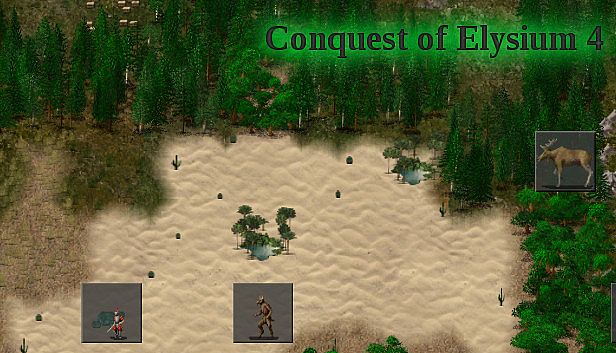













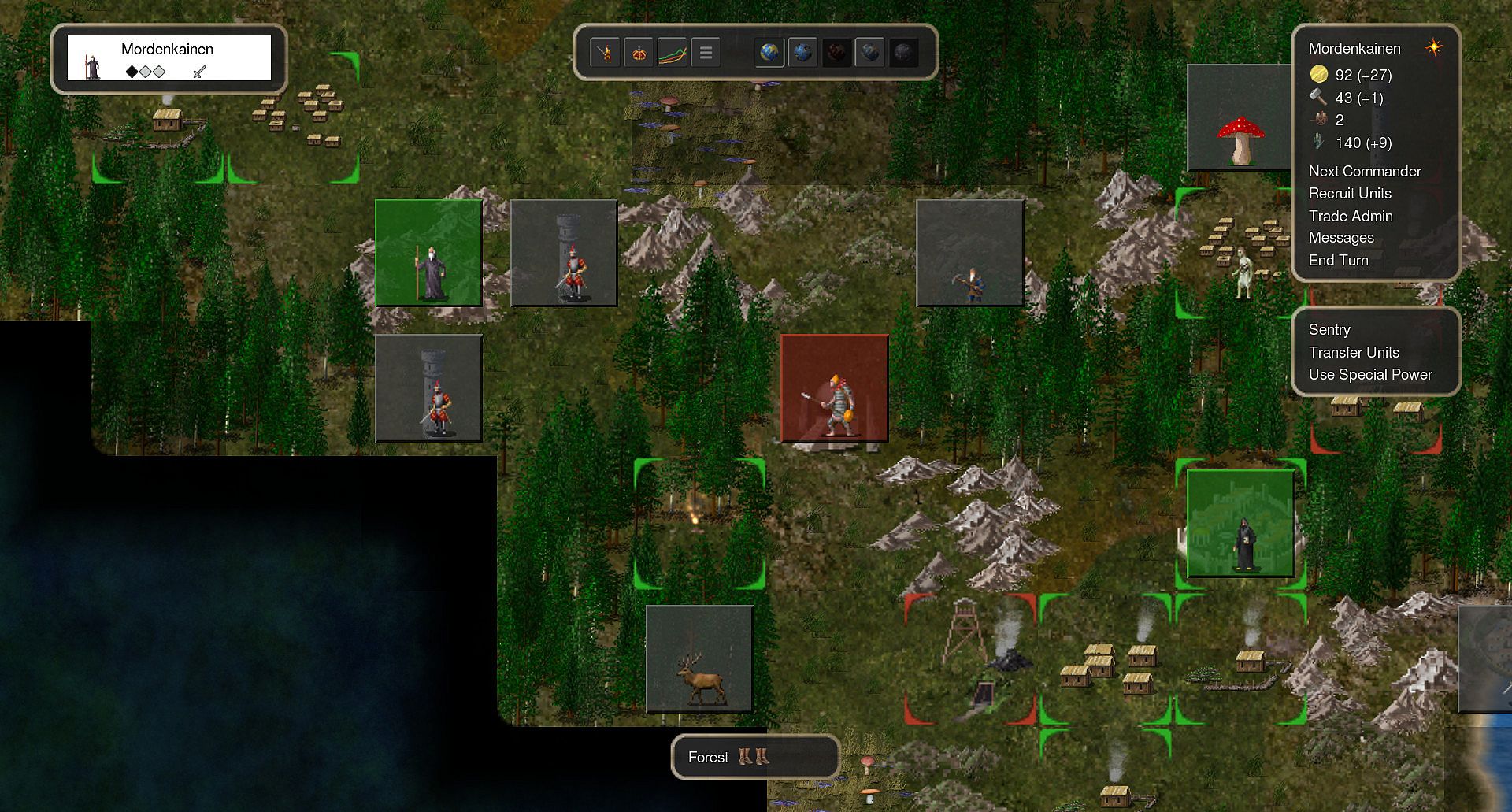
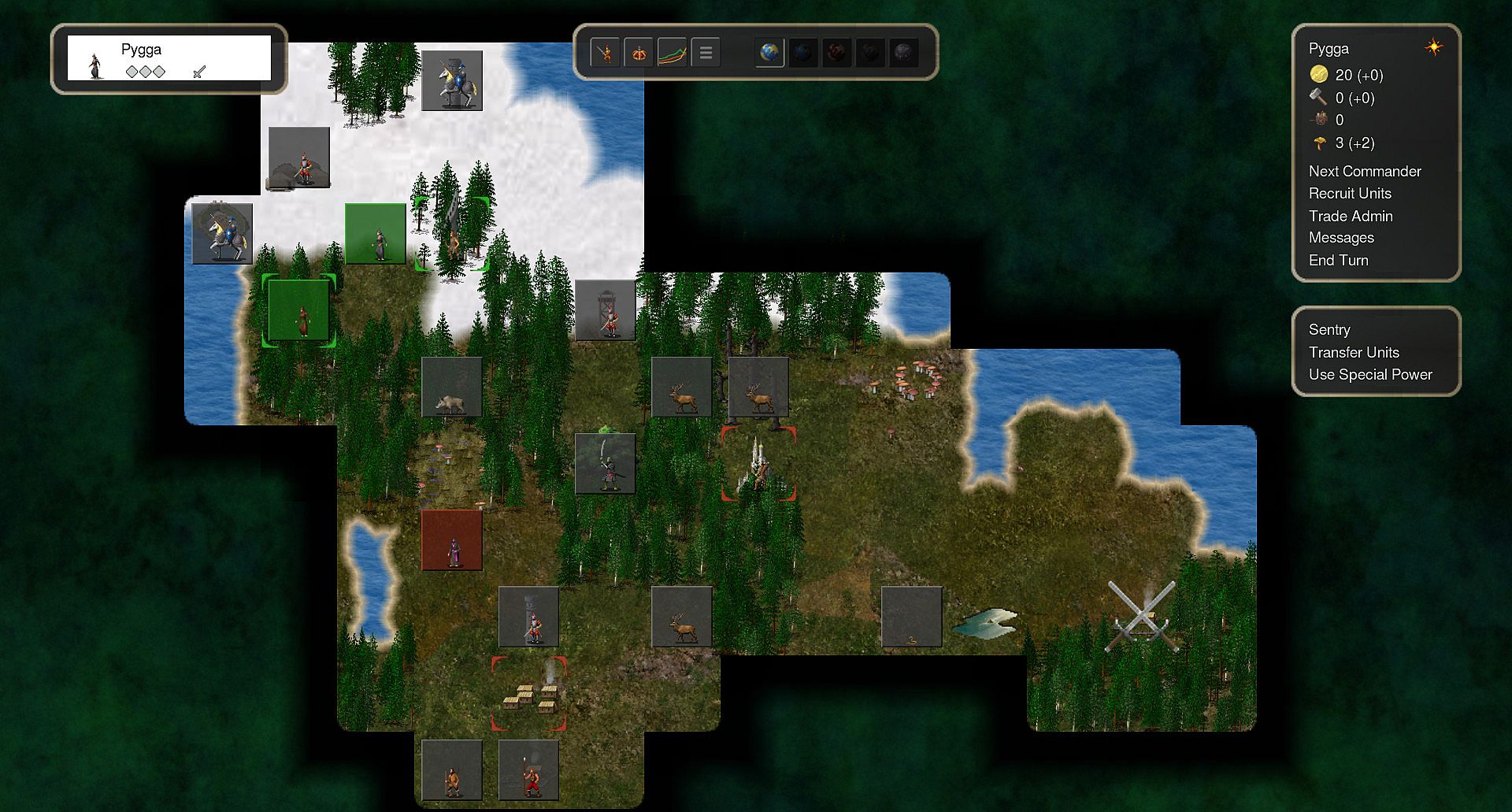
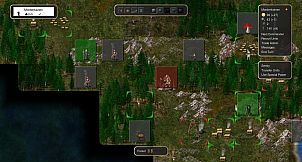
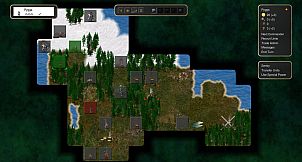
Conquest of Elysium 4 is a turn-based fantasy strategy game that blends roguelike elements with deep faction-specific mechanics on randomly generated maps. Players command one of many distinct groups in a contest for control of Elysium, where success depends on adapting to unique resources, summoning methods, and long-term objectives rather than standard unit production lines.
Gameplay
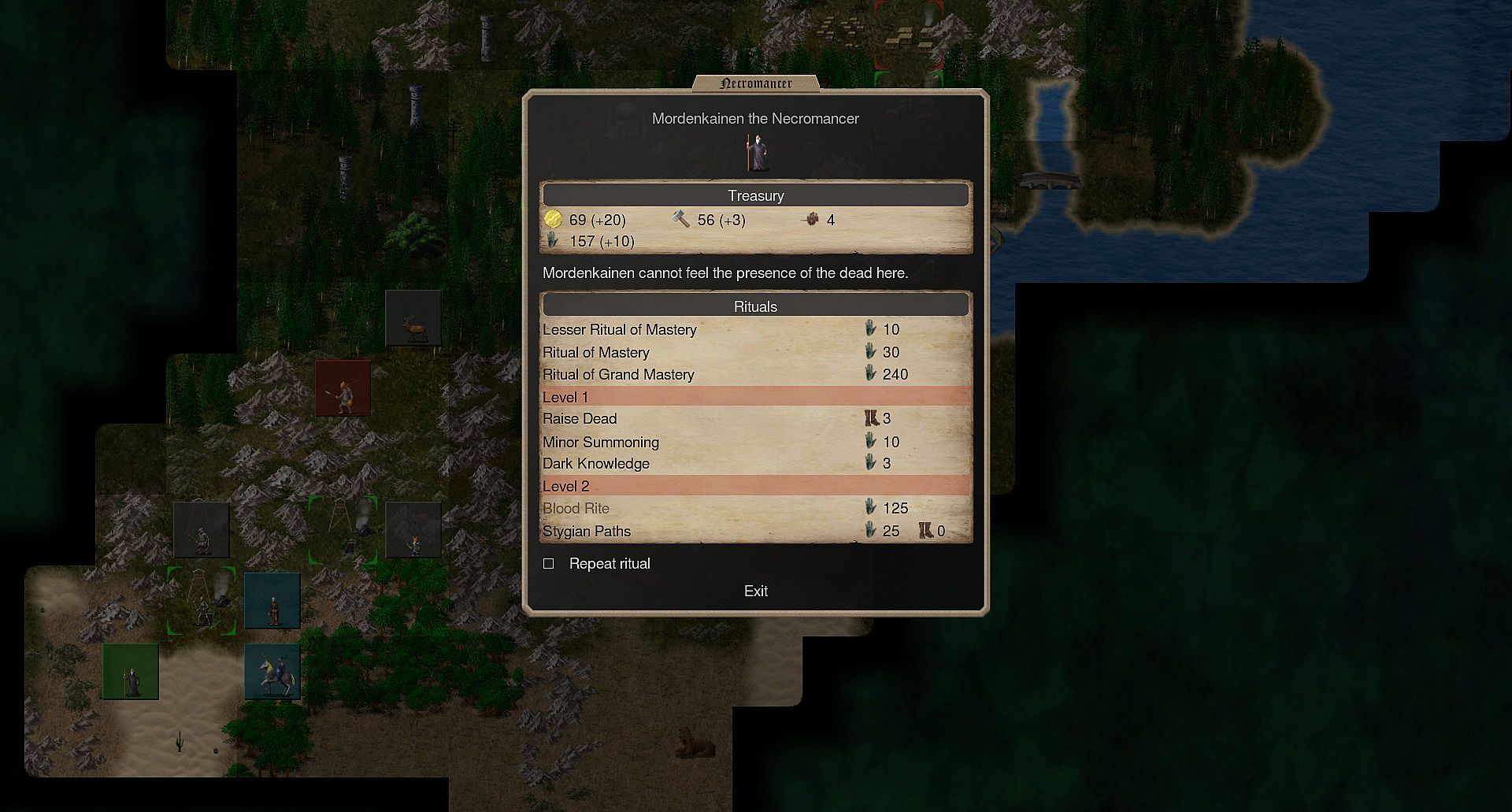
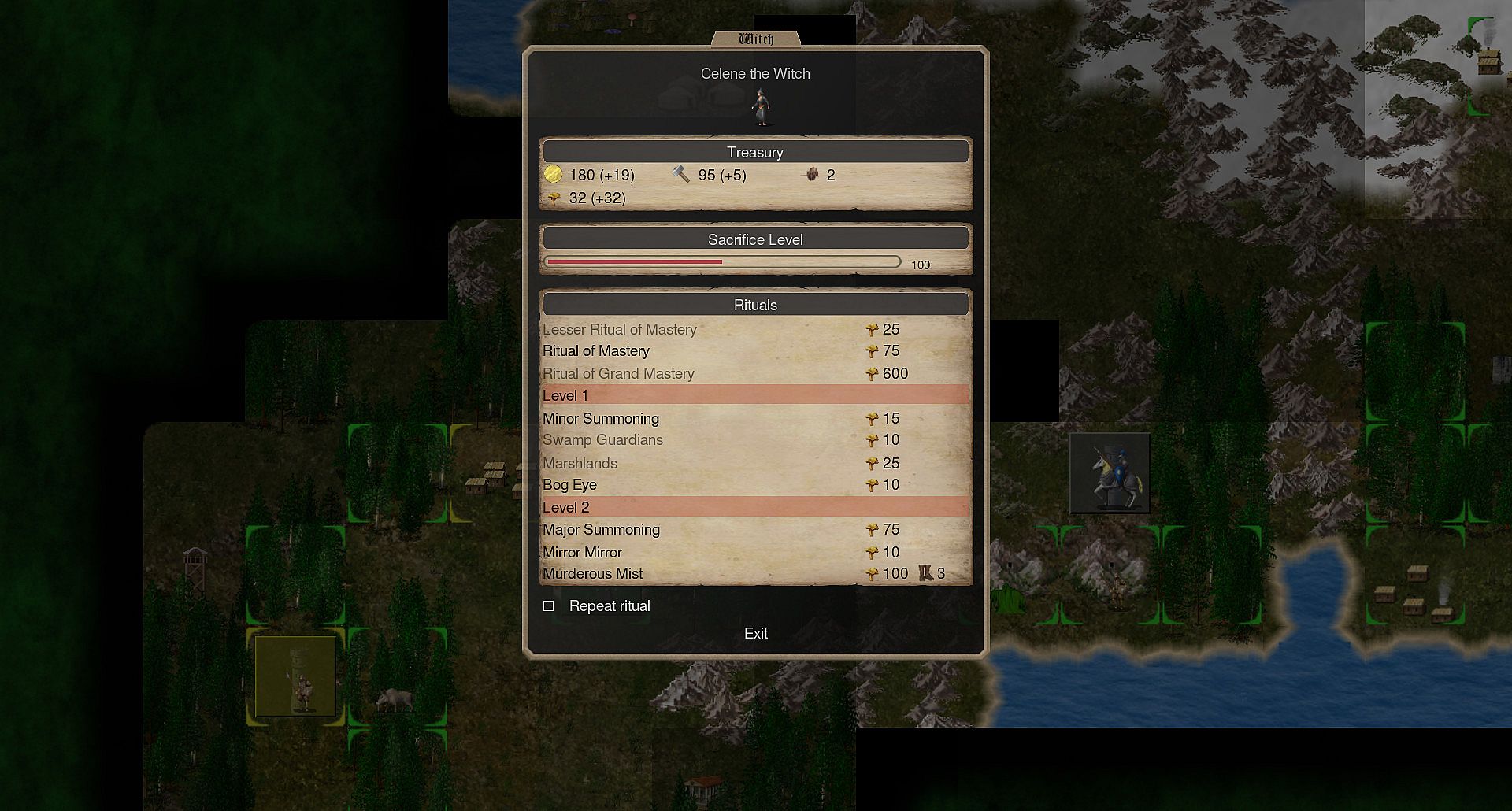
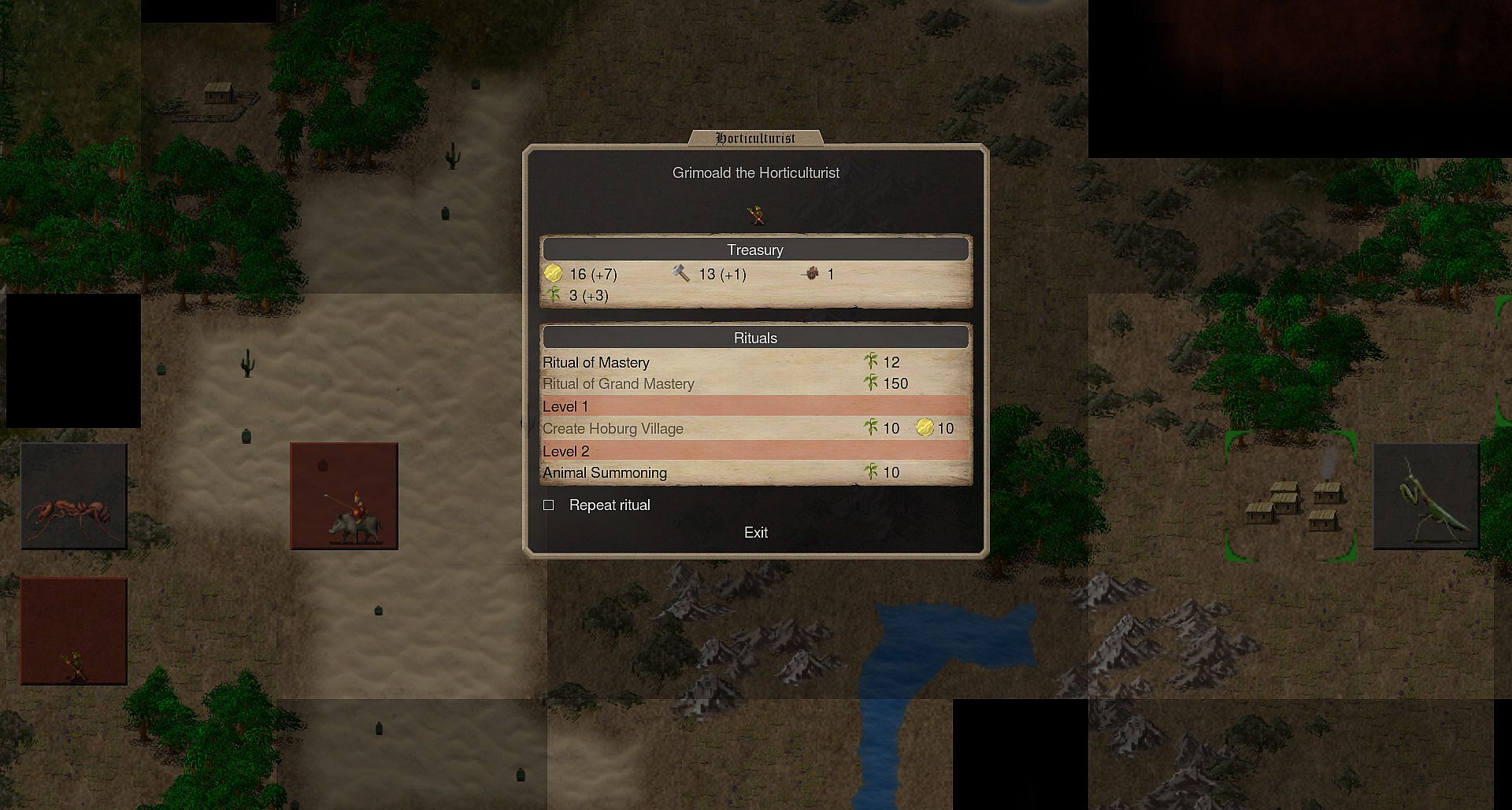
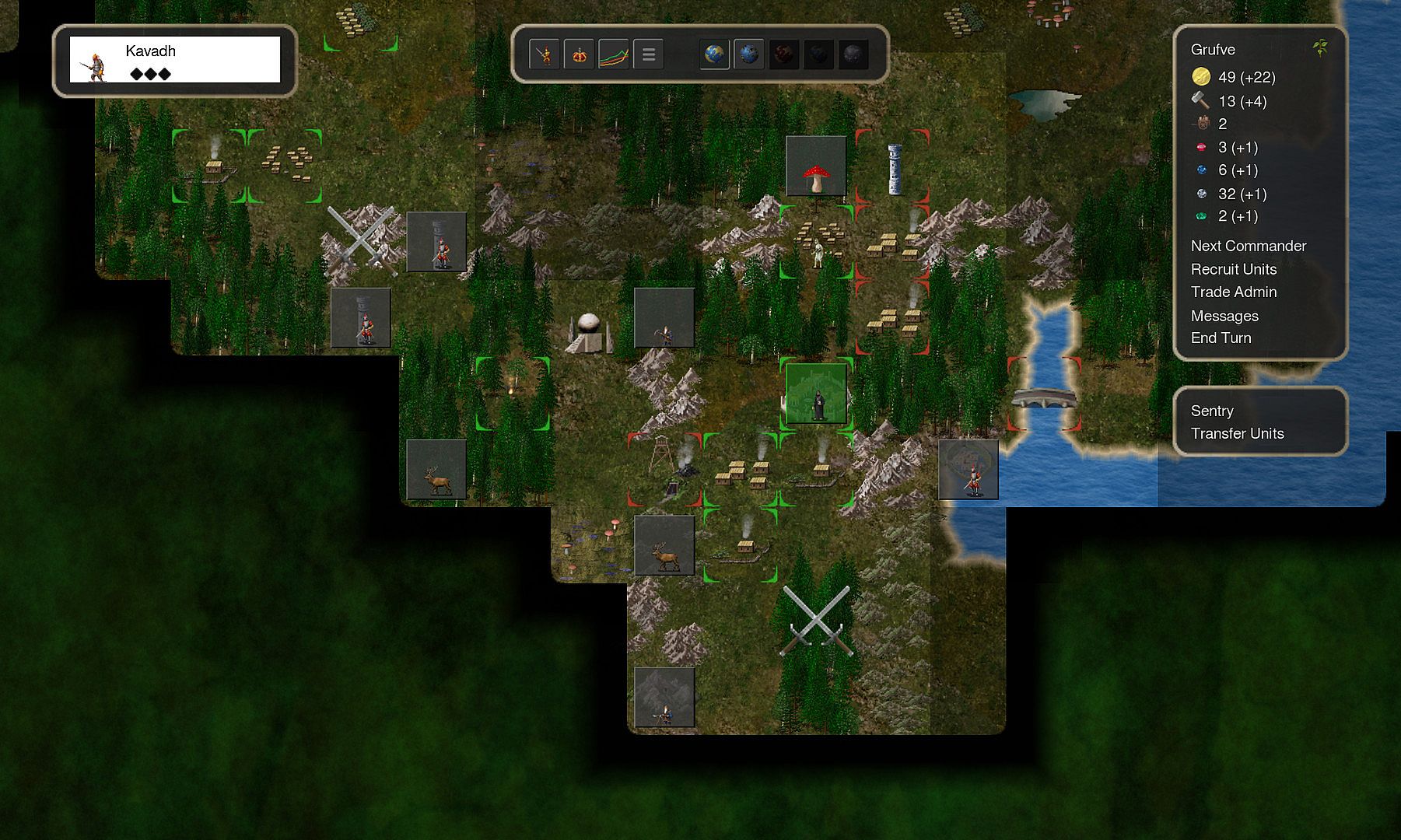
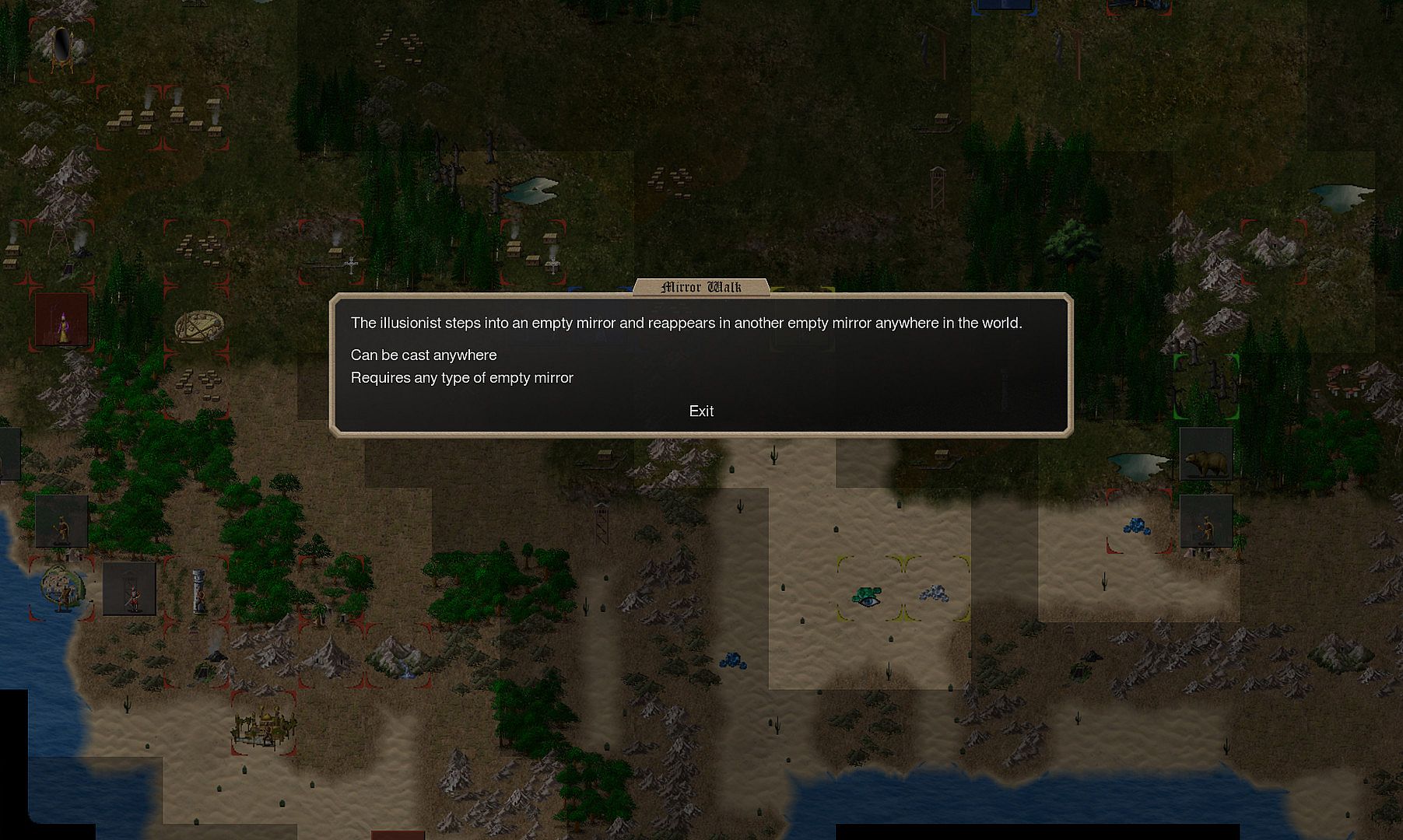
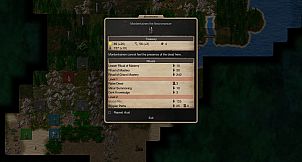
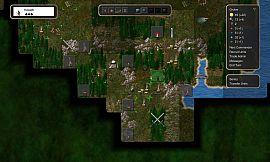
Each of the twenty factions operates under entirely separate rulesets. A druid player expands forests and jungles to gather ingredients for woodland summons without focusing on mineral extraction. A dwarf player instead secures mines that automatically generate units each turn and invests heavily in permanent upgrades because replacements remain scarce. These differences extend to magic rituals, which factions receive in random starting sets alongside combat spells. Additional rituals and spells become available through resource expenditure and map exploration.
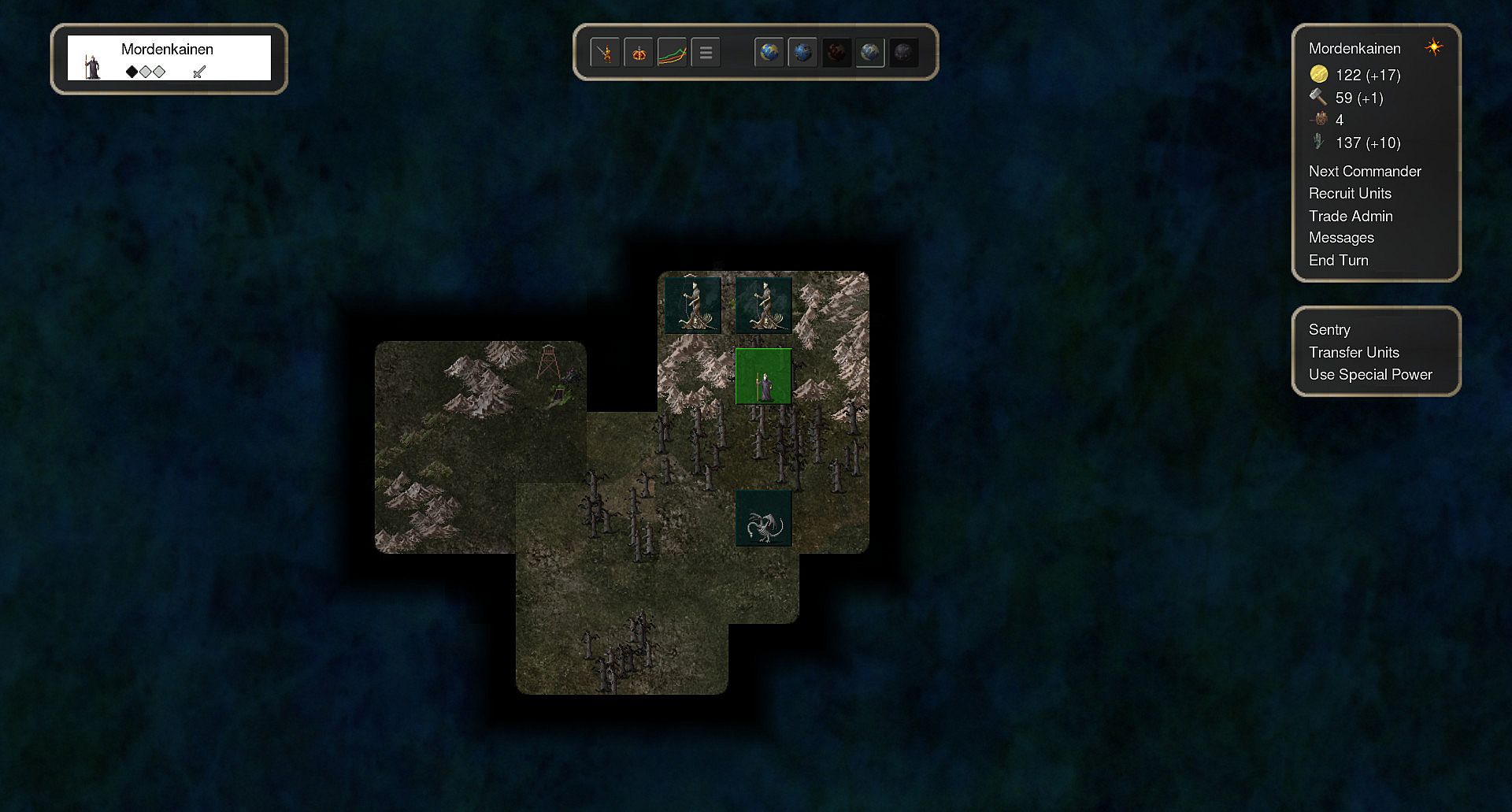
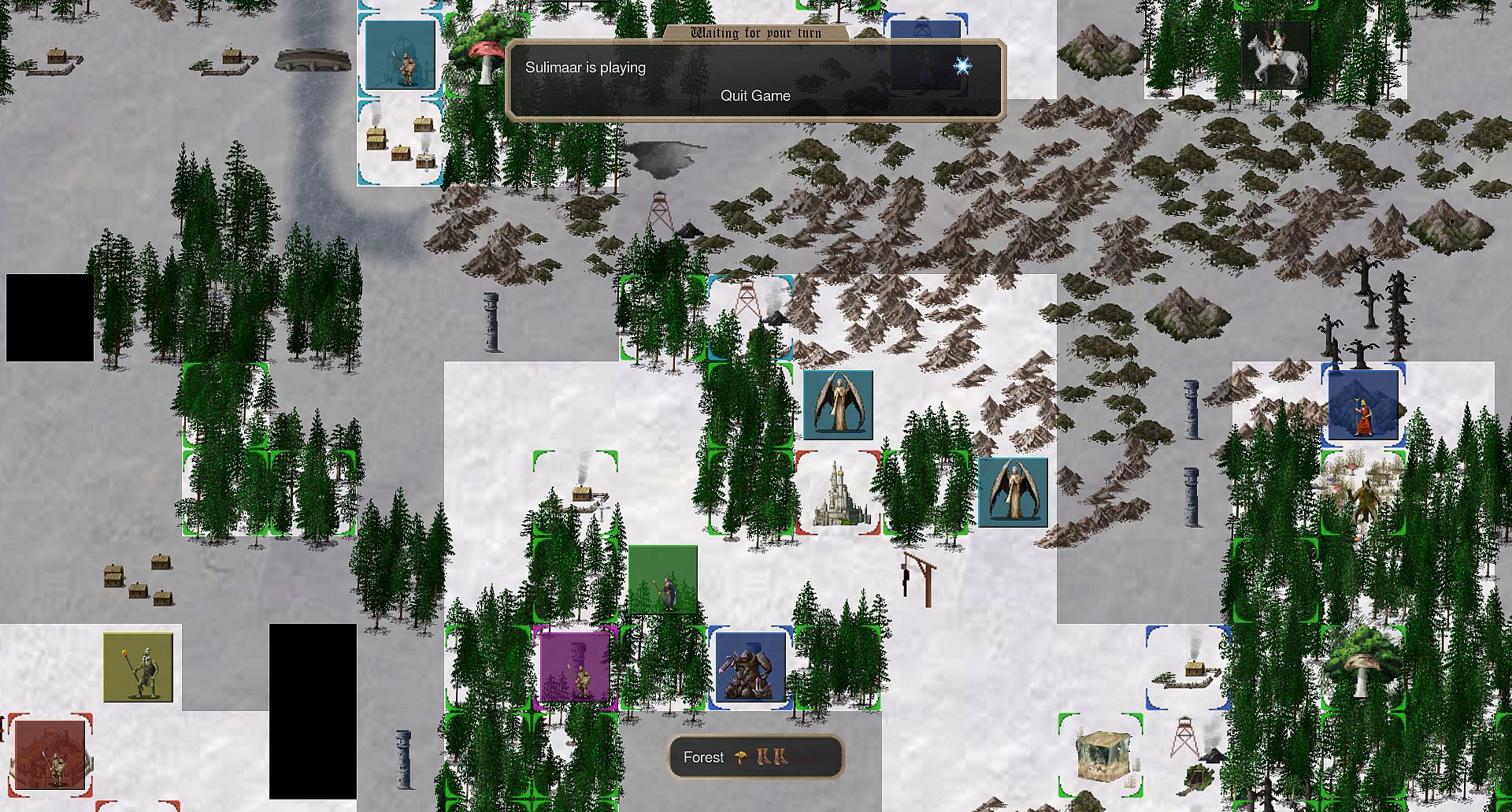
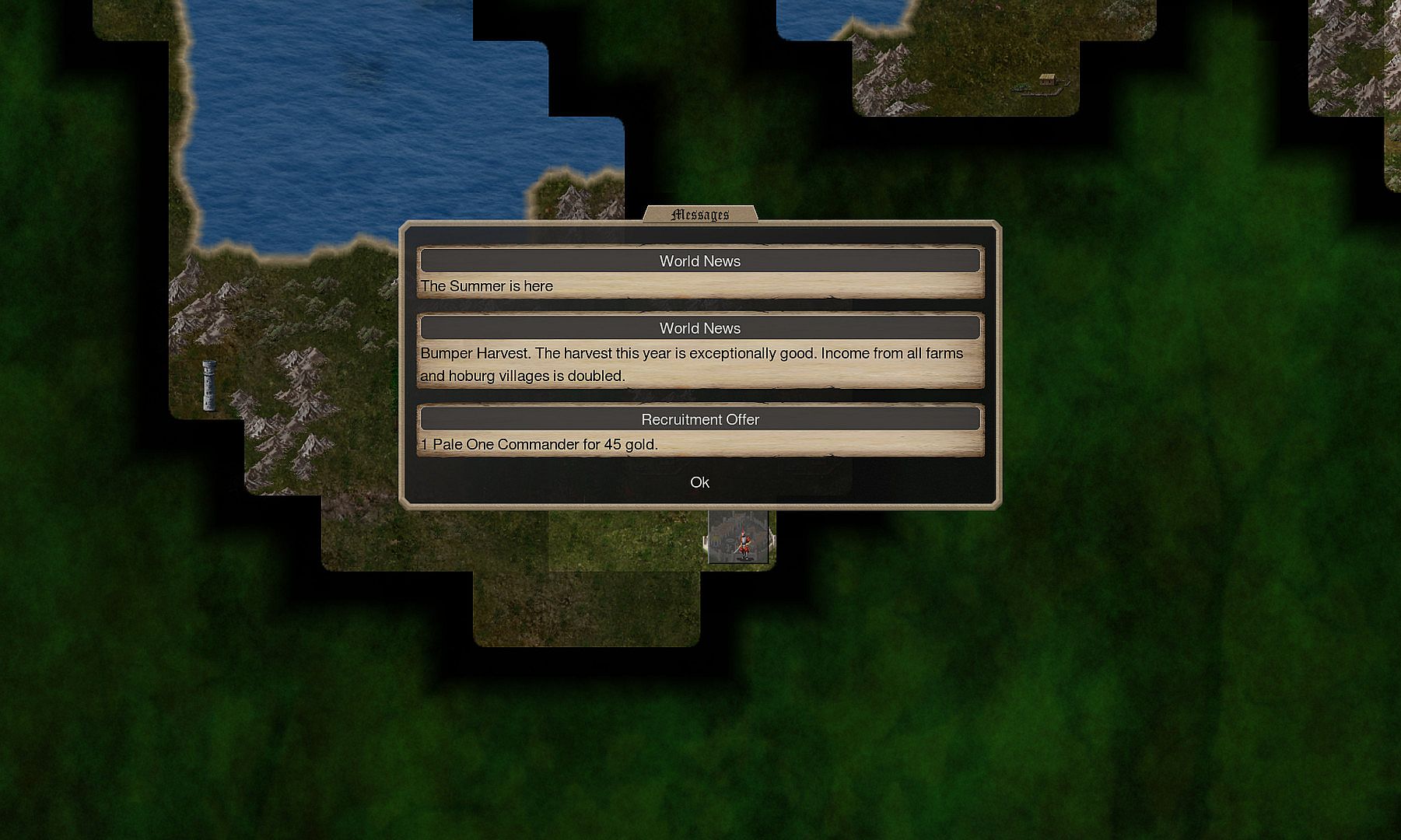
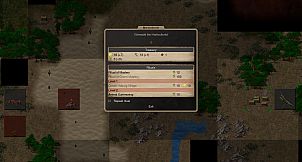
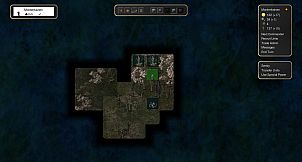
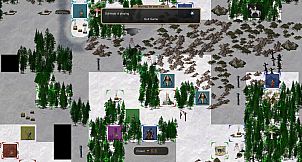
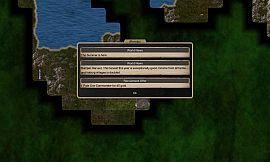
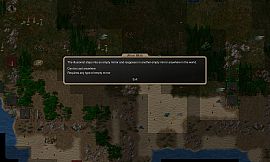
Six planes exist alongside the main world, including an Infernal realm that houses devils and demons. Summoning a demon lord creates a citadel on that plane, and banishment returns the creature there instead of destroying it outright. Permanent elimination requires an expedition to the Infernal plane itself. Most players rarely travel between planes, yet the background activity influences random events and certain summoning outcomes. Maps incorporate temperature variations that affect terrain and available resources, while aggressive wildlife and events such as bandit raids or harvest boons add pressure before enemy contact occurs.
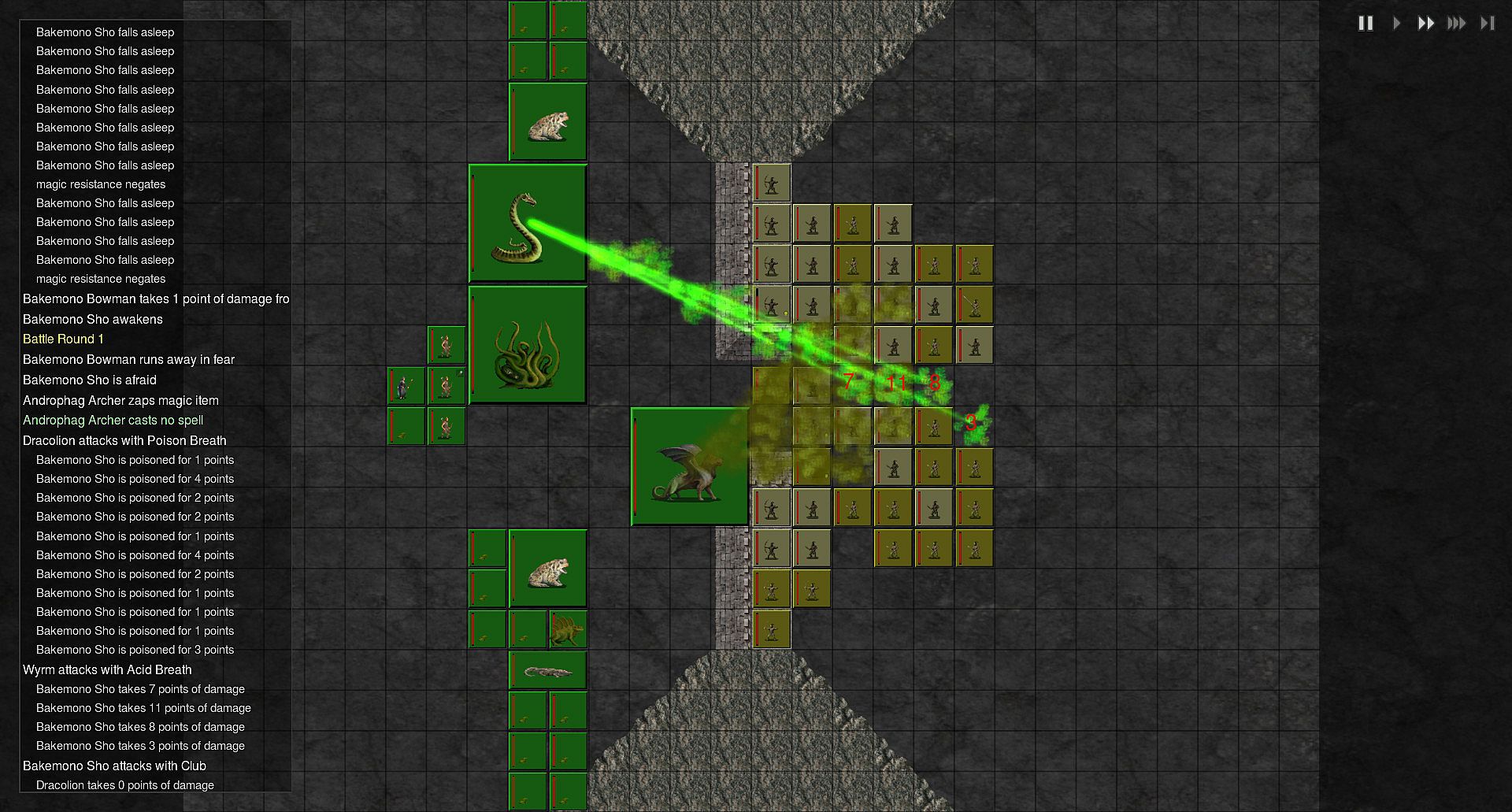
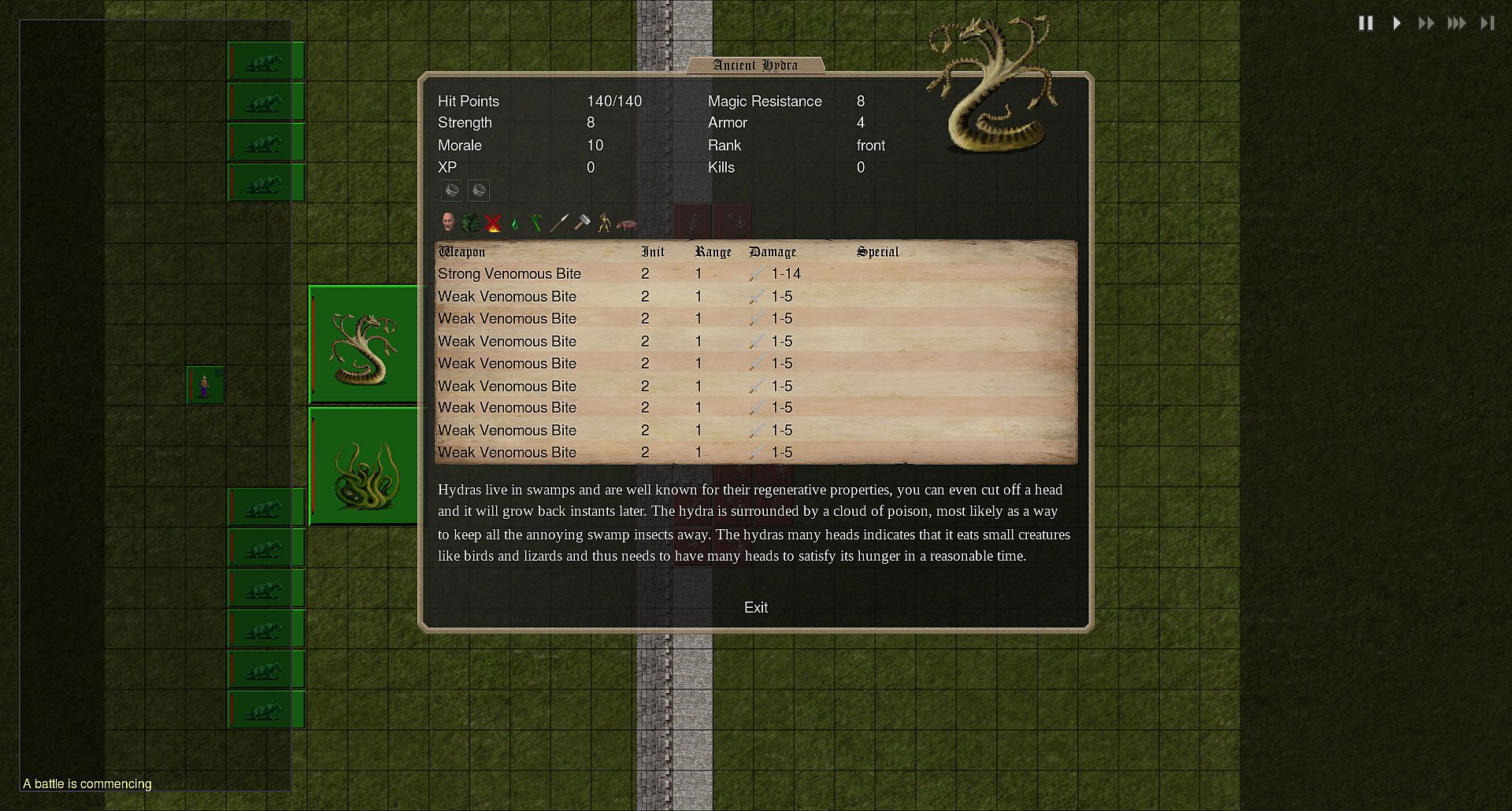
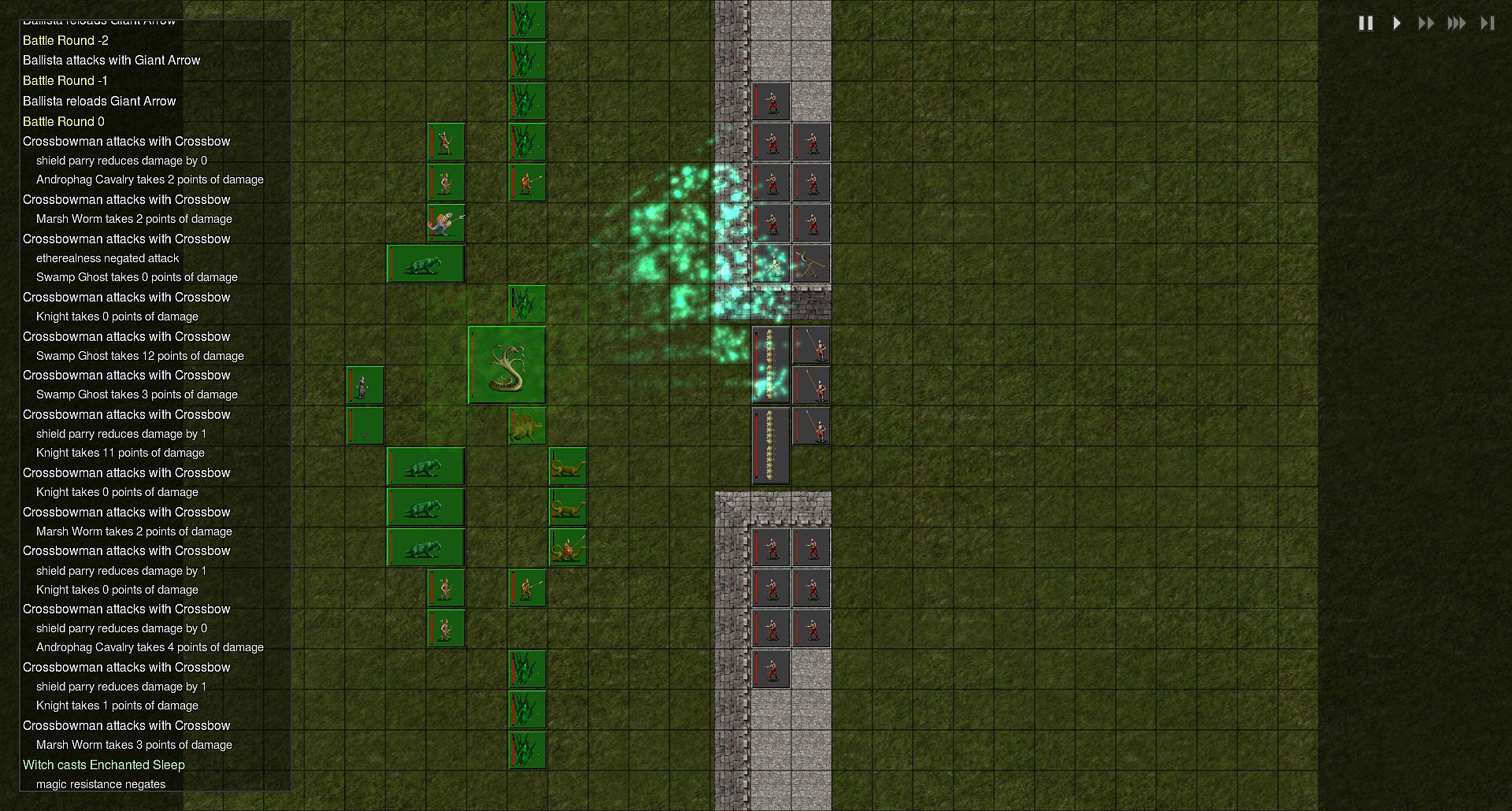
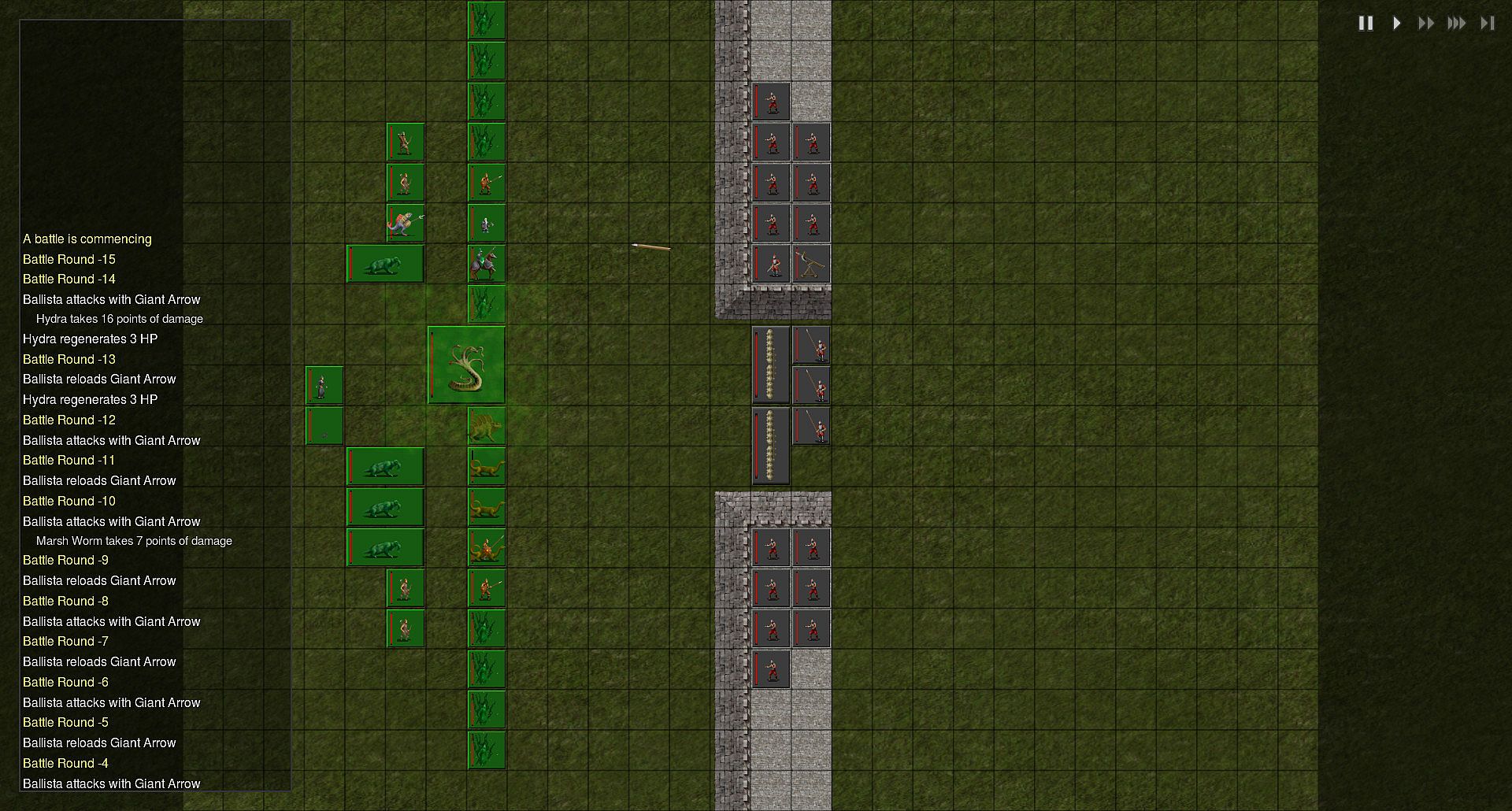
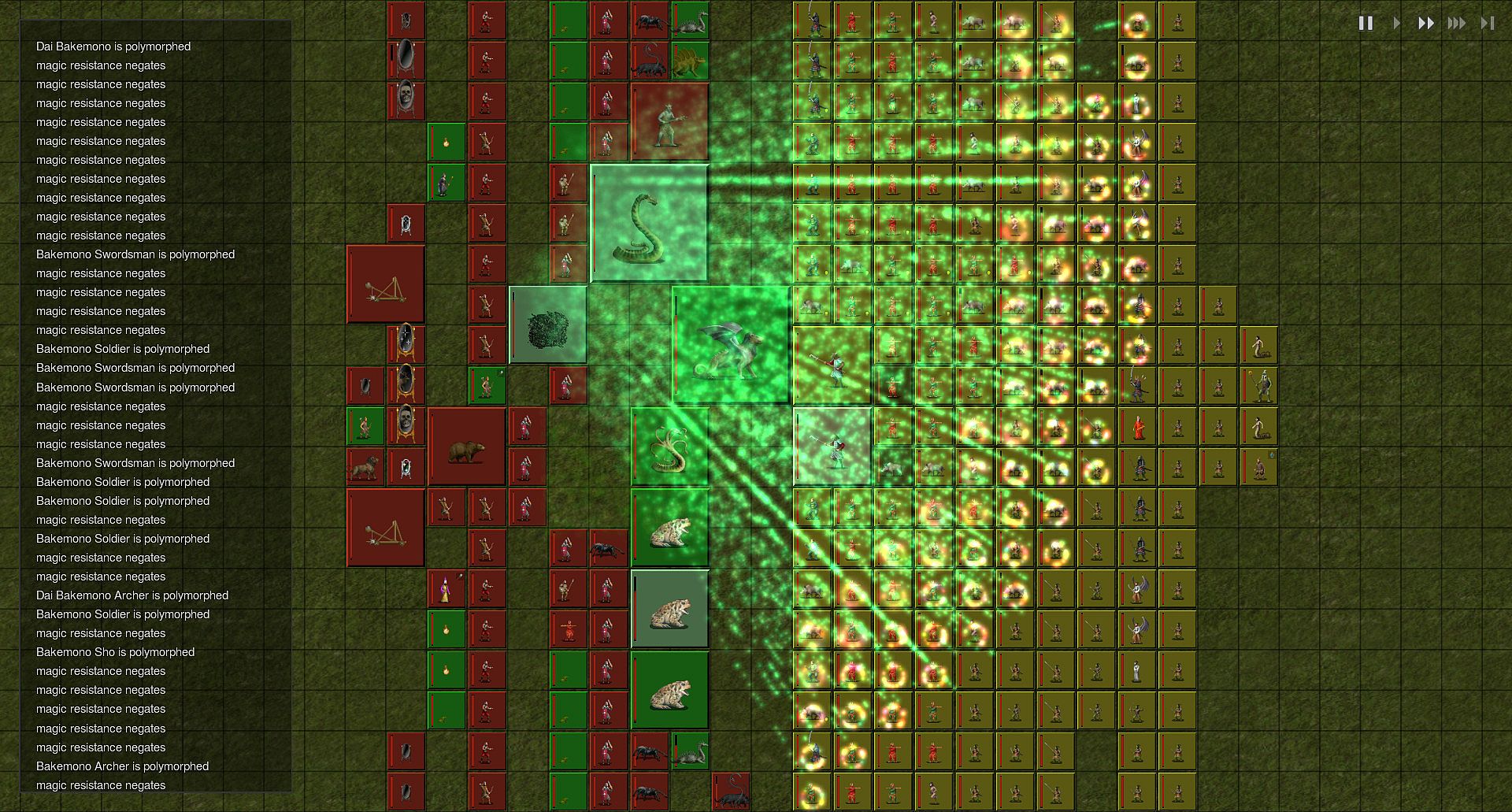
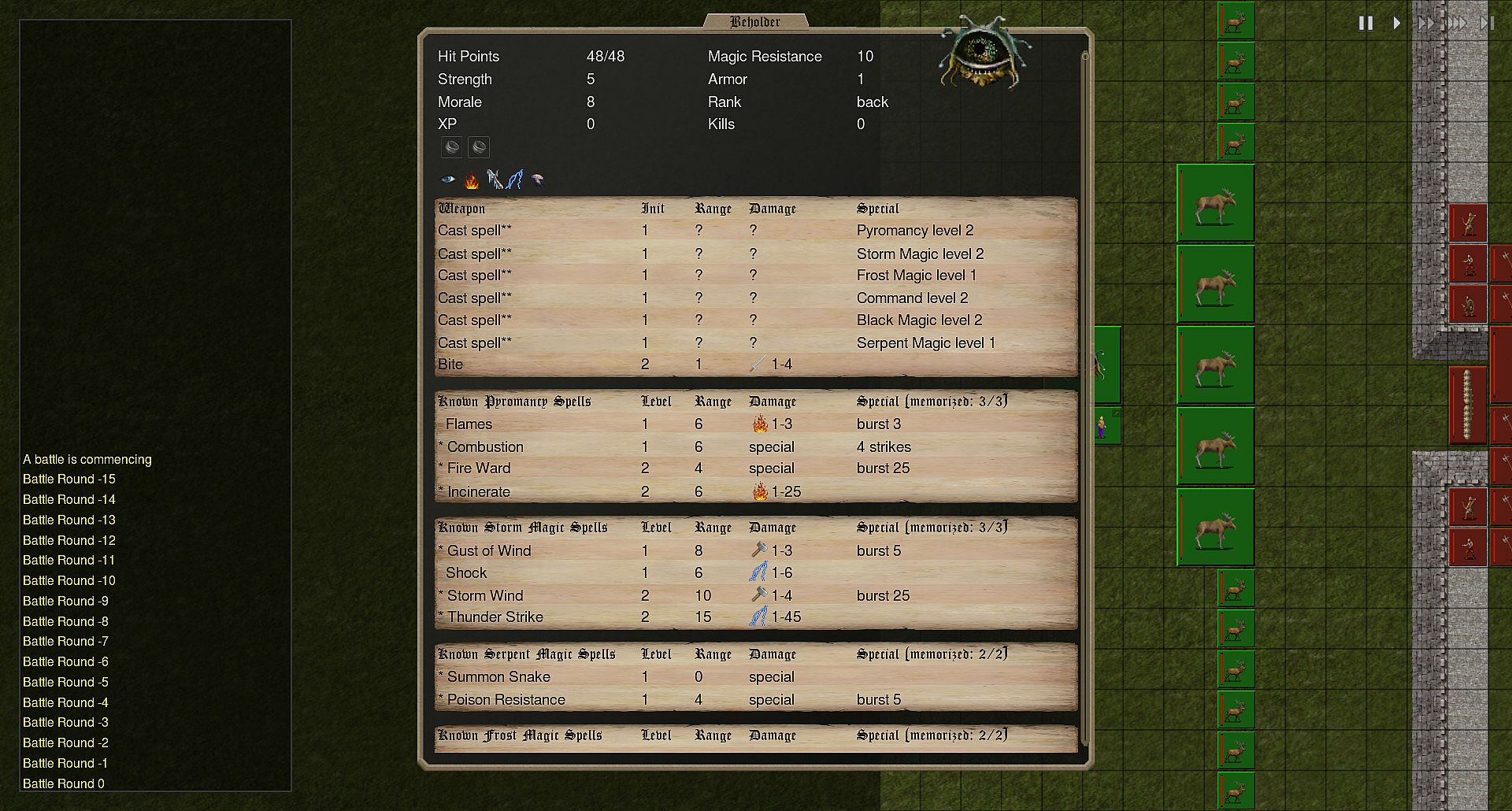
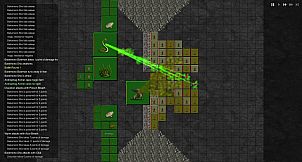
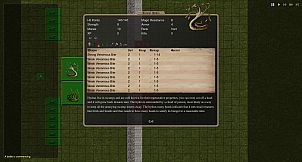
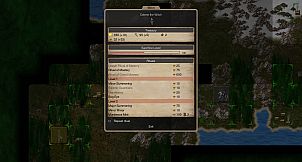
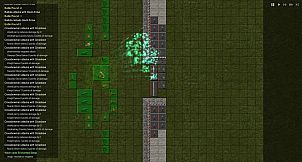
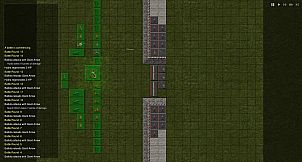
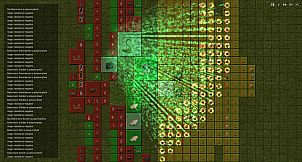
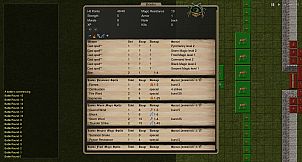
Combat uses a revised system introduced in this version, emphasizing tactical positioning and unit capabilities over direct player control during fights. Monster descriptions provide additional context for threats encountered across the map.
Game Modes
The core experience centers on single-player matches played on procedurally generated maps where the objective is territorial conquest. Random starting rituals, spells, and map conditions ensure each session differs. Local multiplayer support includes LAN player-versus-player and cooperative sessions, along with shared or split-screen options for co-op and versus play. A level editor allows creation of custom scenarios for repeated use or sharing.
Factions and Progression
Progression revolves around locating sites that grant new rituals or spells and managing faction-specific economies. Druidic groups prioritize natural expansion, while mining factions emphasize defensive upgrades and steady unit output. Random events and wildlife encounters force constant adaptation even in the early turns. The combination of twenty factions, variable starting conditions, and plane interactions creates sustained variety without relying on identical unit rosters across playthroughs.
Is It Worth Playing?
Steam user reviews rate the game Very Positive, with 89 percent approval from over five hundred submissions. The high replay value stems from the distinct faction mechanics and procedural elements that prevent repetition. The experience suits players comfortable with steep learning curves and punishing difficulty, where early mistakes carry lasting consequences. Those seeking accessible entry points or frequent developer updates may find the older title less ideal, especially with a sequel available. The level editor and local multiplayer features extend longevity for groups interested in custom content or shared sessions. Overall, the title delivers consistent depth for strategy enthusiasts who value mechanical variety over polished presentation.