

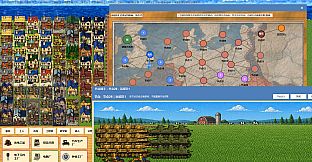
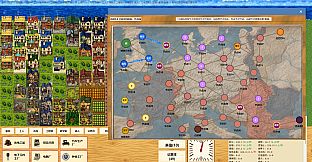
City and War is a single-player simulation strategy game that blends city building with economic management and real-time warfare on PC. Players develop an urban center while directing military operations, where every production decision influences battlefield outcomes and every engagement shapes long-term city growth.
Gameplay
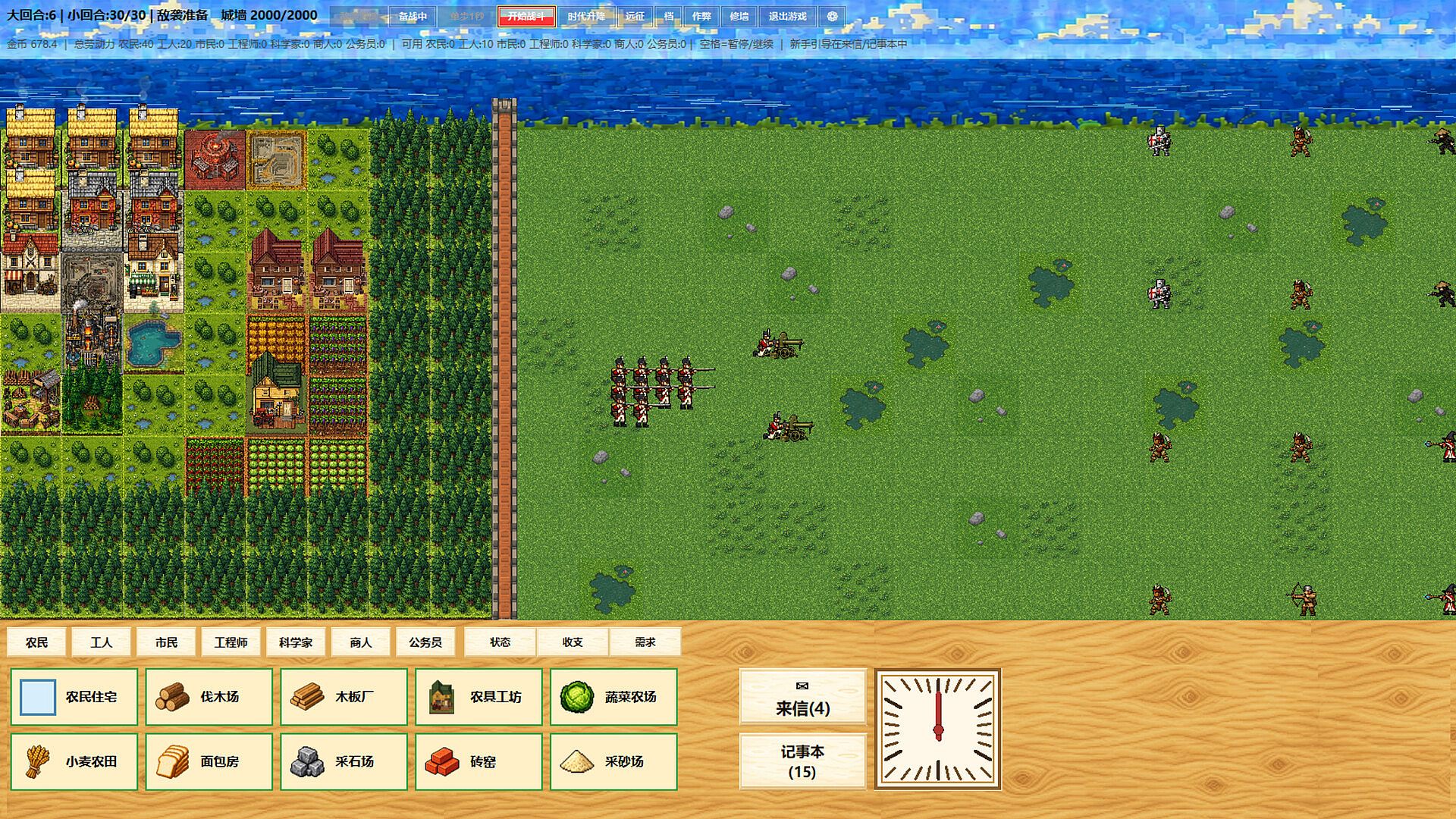
The core loop centers on constructing and expanding a city from basic farms and homes into a layered system of workshops, factories, and specialized facilities. Limited space requires careful planning to balance agriculture, industry, commerce, and military output. Production chains connect raw materials such as food, timber, and minerals through processing steps that yield consumer goods, construction supplies, vehicles, and armaments. Inventory, labor allocation, and consumption rates must stay aligned to avoid shortages or idle capacity.
Population management adds another layer. Different social classes including farmers, workers, citizens, engineers, scientists, merchants, and civil servants each fill distinct roles and generate unique demands. Farms need manual labor, factories rely on workers, and advanced structures require engineers and scientists. Imbalances quickly create bottlenecks, such as unused machinery or strained finances, so steady oversight of employment and needs keeps the economy stable.
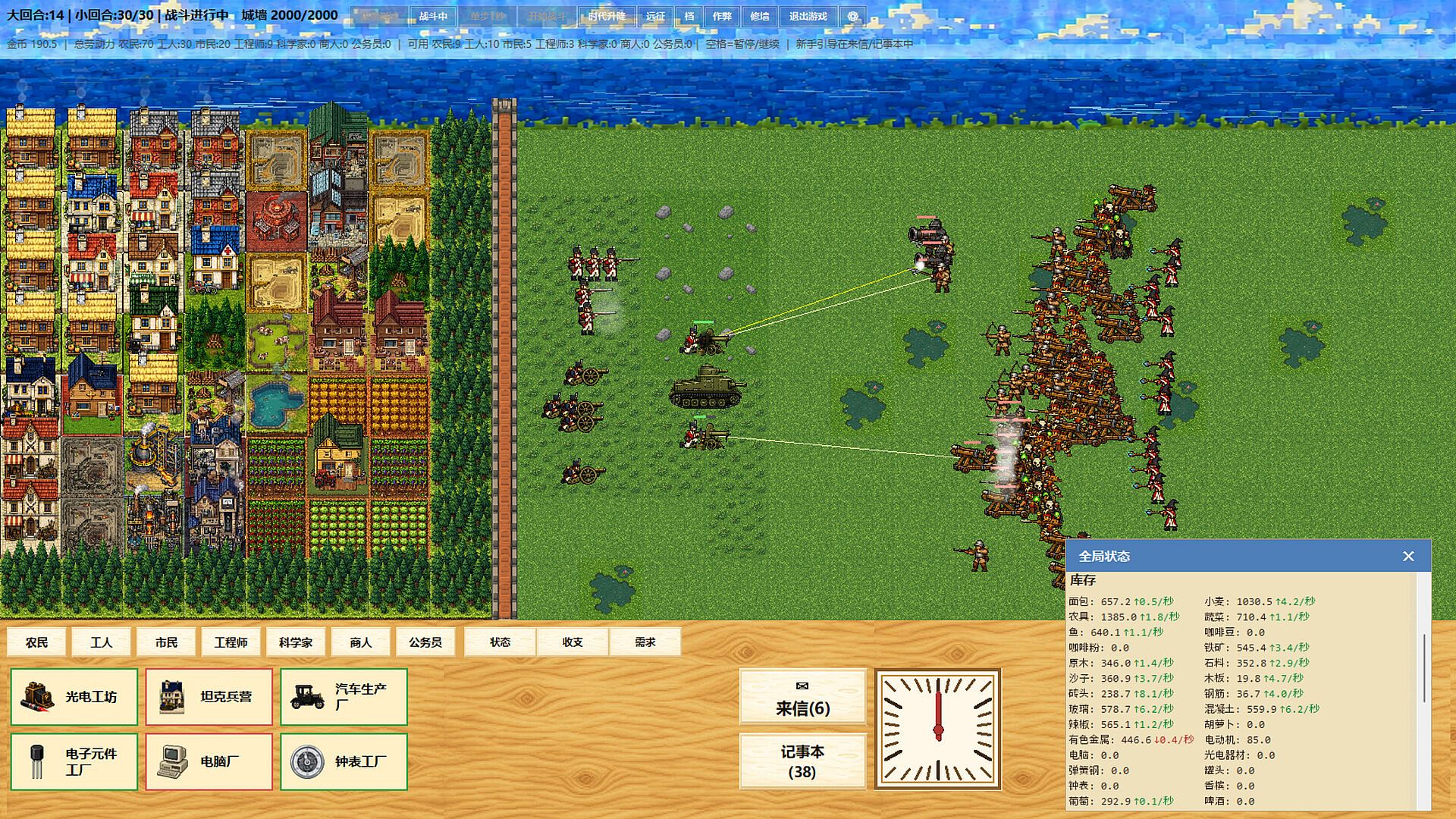
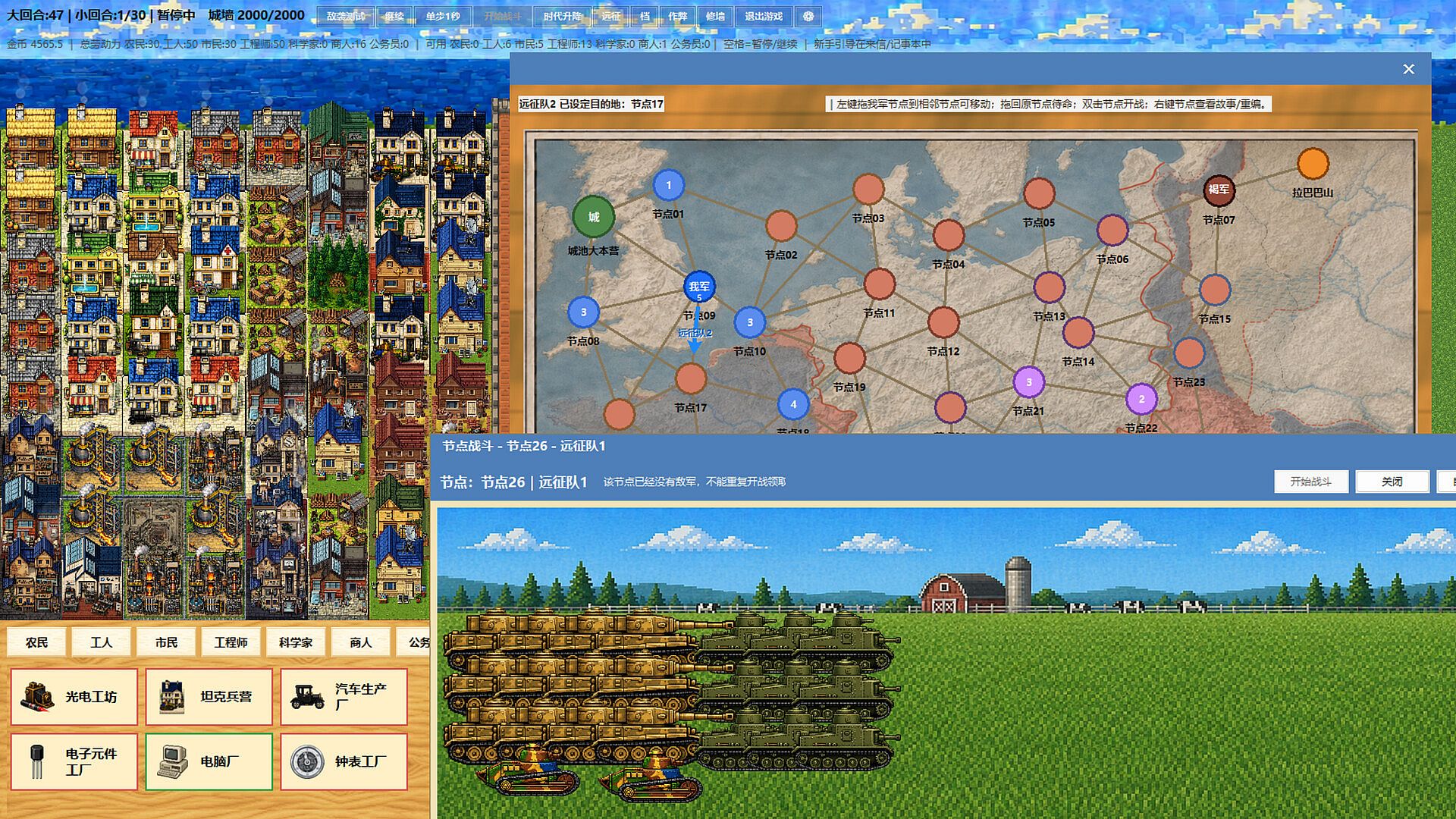
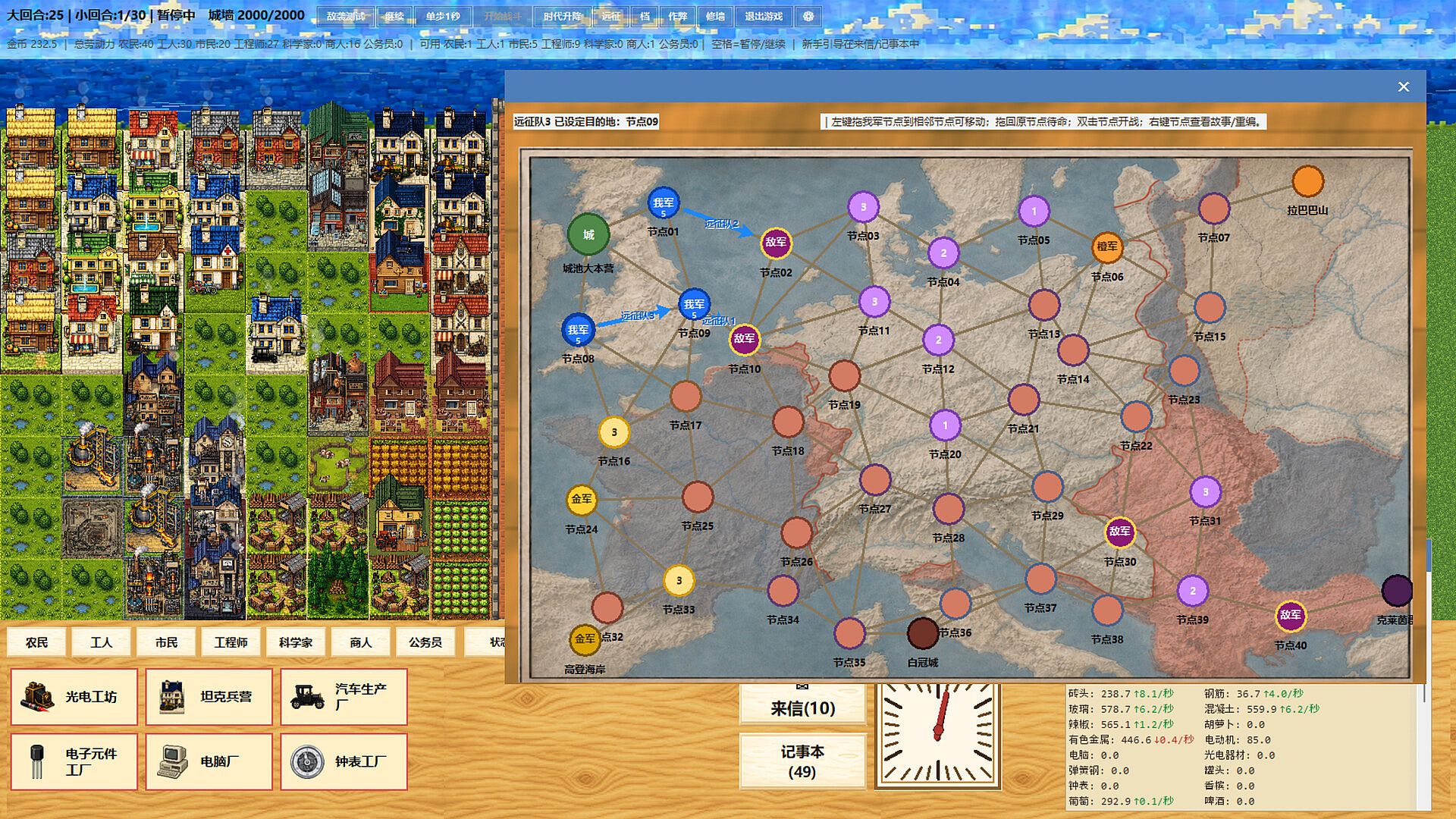
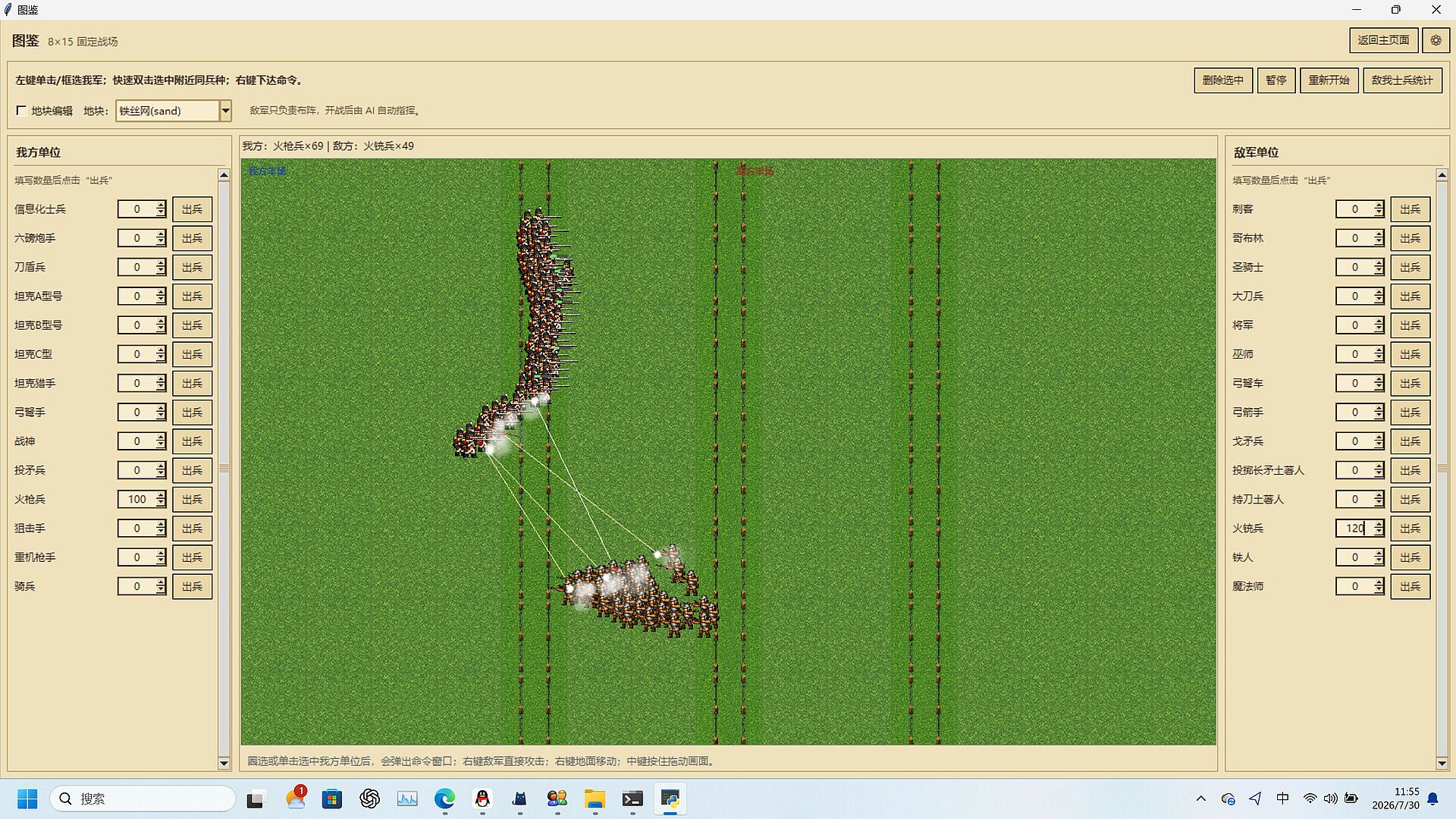
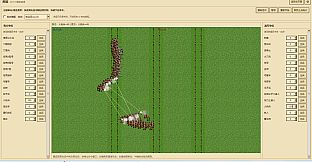
Real-time battles place infantry, artillery, vehicles, and tanks under direct control. Movement and attack orders adapt to enemy formations and weapon types, with ranged units providing suppression, armored forces leading assaults, and coordinated positioning determining whether a larger force holds or breaks. Expeditions extend operations beyond the city onto an interconnected map of locations, where forces secure additional resources or confront opposing armies. Each outing draws on city-produced supplies, so timing and objective selection matter for sustained progress.
Game Modes
City management forms the foundational experience, focused on spatial planning, resource cycles, and population balance to sustain long-term expansion. Real-time combat serves as the active engagement layer, emphasizing unit deployment, tactical adjustments, and formation effectiveness during direct confrontations. Expedition play introduces an exploratory dimension across linked map sites, where resource competition and enemy encounters test supply lines and force readiness. These elements interconnect without separate selectable modes, creating a continuous loop in which city output funds military actions and battlefield results unlock new growth opportunities.
City and Economy Systems
Early buildings establish basic production, but success hinges on maintaining closed loops of gathering, processing, and consumption. Additional factories alone do not solve problems; raw material flow, workforce distribution, and income tracking determine whether the city scales effectively. Military equipment and vehicles emerge only after these chains operate smoothly, linking industrial output directly to combat capability.
Social class interactions further refine the simulation. Each group contributes specific labor or expertise while consuming particular goods, so expanding one segment without supporting infrastructure leads to inefficiencies. Merchants and civil servants, for instance, support trade and administration that indirectly bolster both civilian and military sectors.
Warfare and Expedition Integration
Battles reward preparation through city-driven logistics. Unit variety allows different approaches, from firepower dominance to armored breakthroughs, yet poor supply or mismatched tactics can undo numerical advantages. Expeditions consume the same resources produced at home, turning every advance into a calculated risk that either expands available territory and materials or strains the urban base.
The feedback between systems remains central. Economic choices determine available forces and equipment, while victories or losses alter resource access and city development paths. This interdependence keeps management decisions tied to battlefield performance throughout a playthrough.
Is It Worth Playing?
City and War targets players who enjoy detailed single-player simulations that combine production chains and population dynamics with tactical real-time combat. The emphasis on interconnected systems offers depth for those who appreciate managing labor classes, resource flows, and supply-dependent expeditions alongside unit control in battles. As an upcoming release scheduled for October 2026 with no reviews available yet, its appeal will depend on how well the planned mechanics deliver on the described integration of city and warfare elements. Fans of economic strategy games that extend into direct command of forces may find it a strong fit once it launches.