









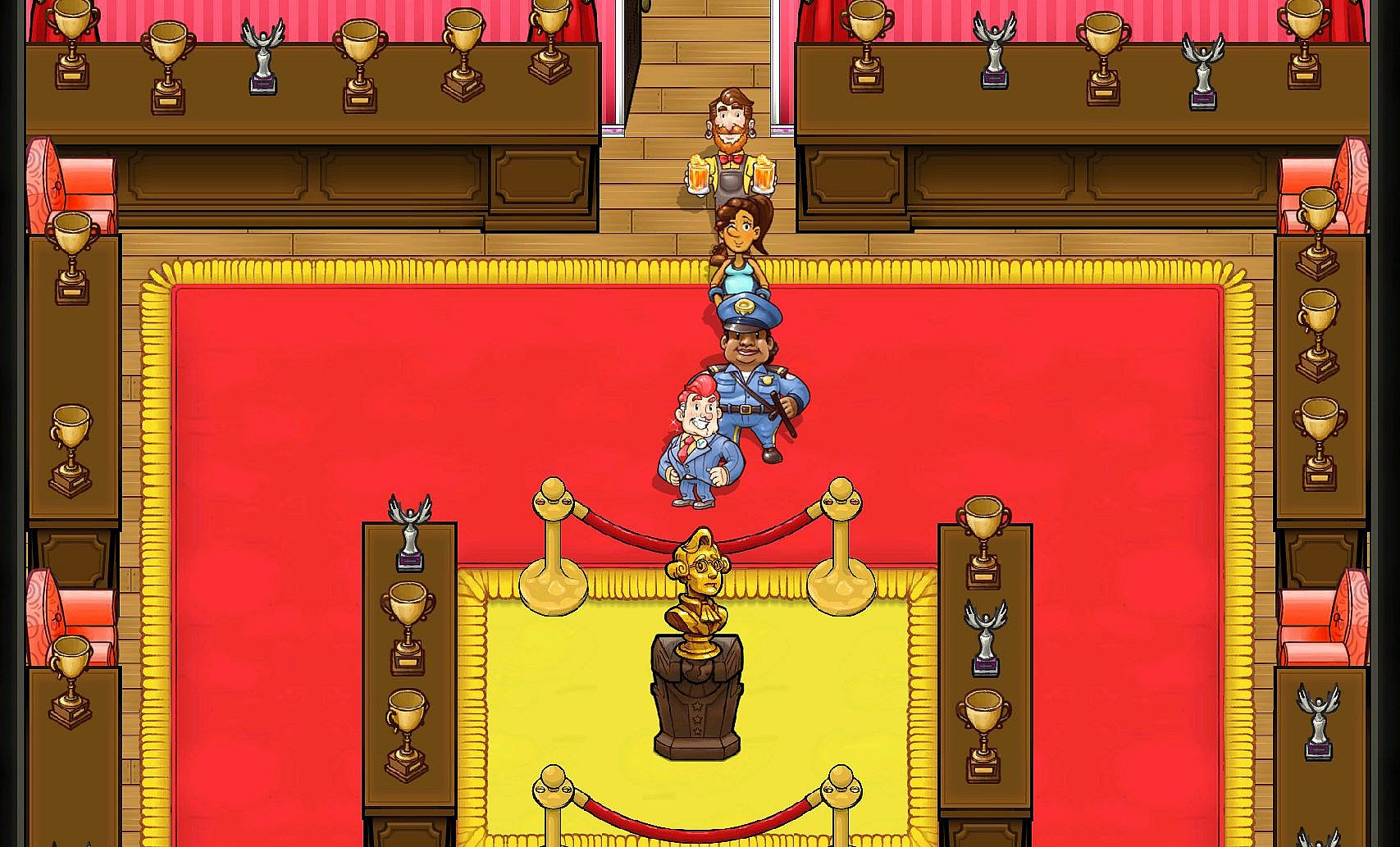
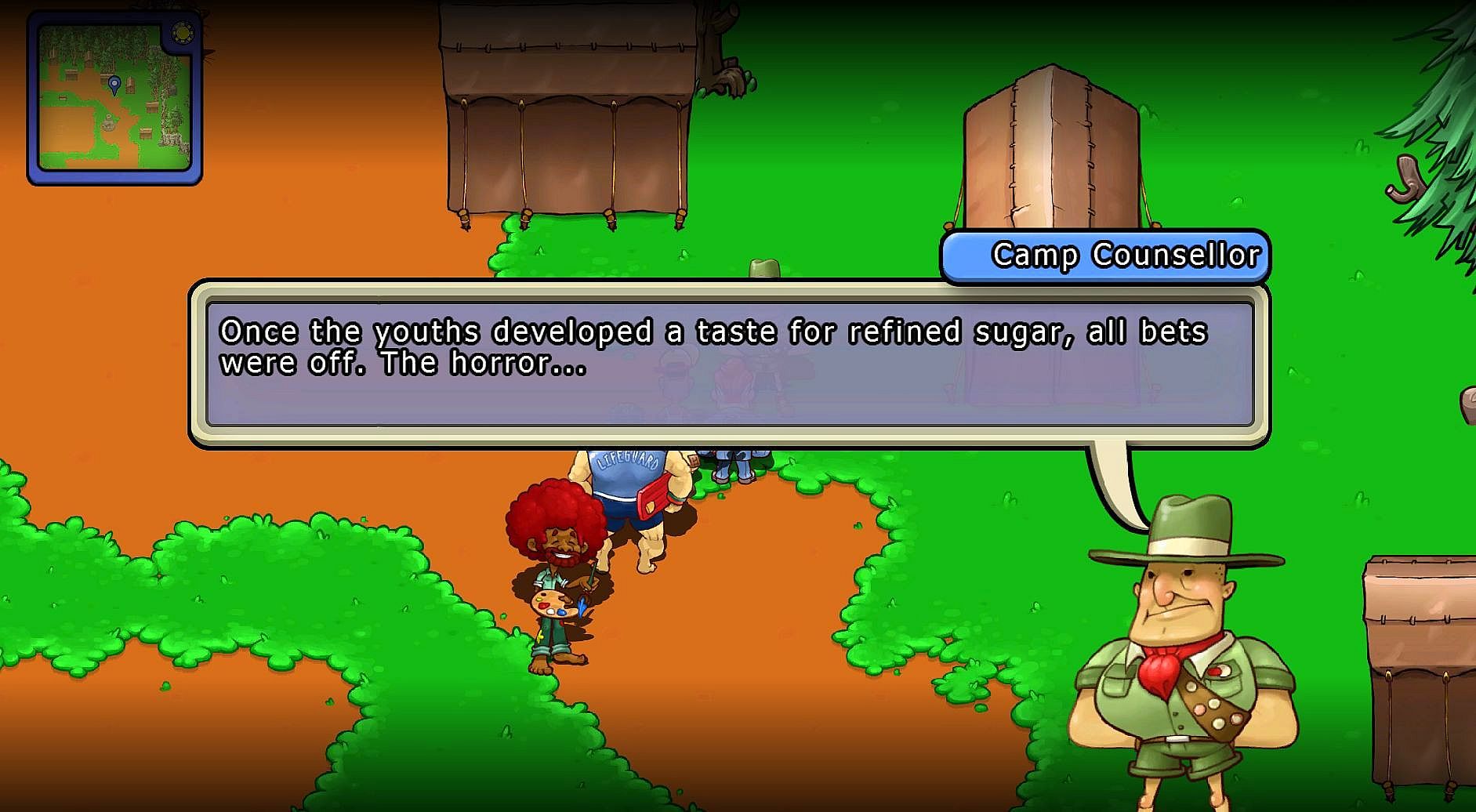
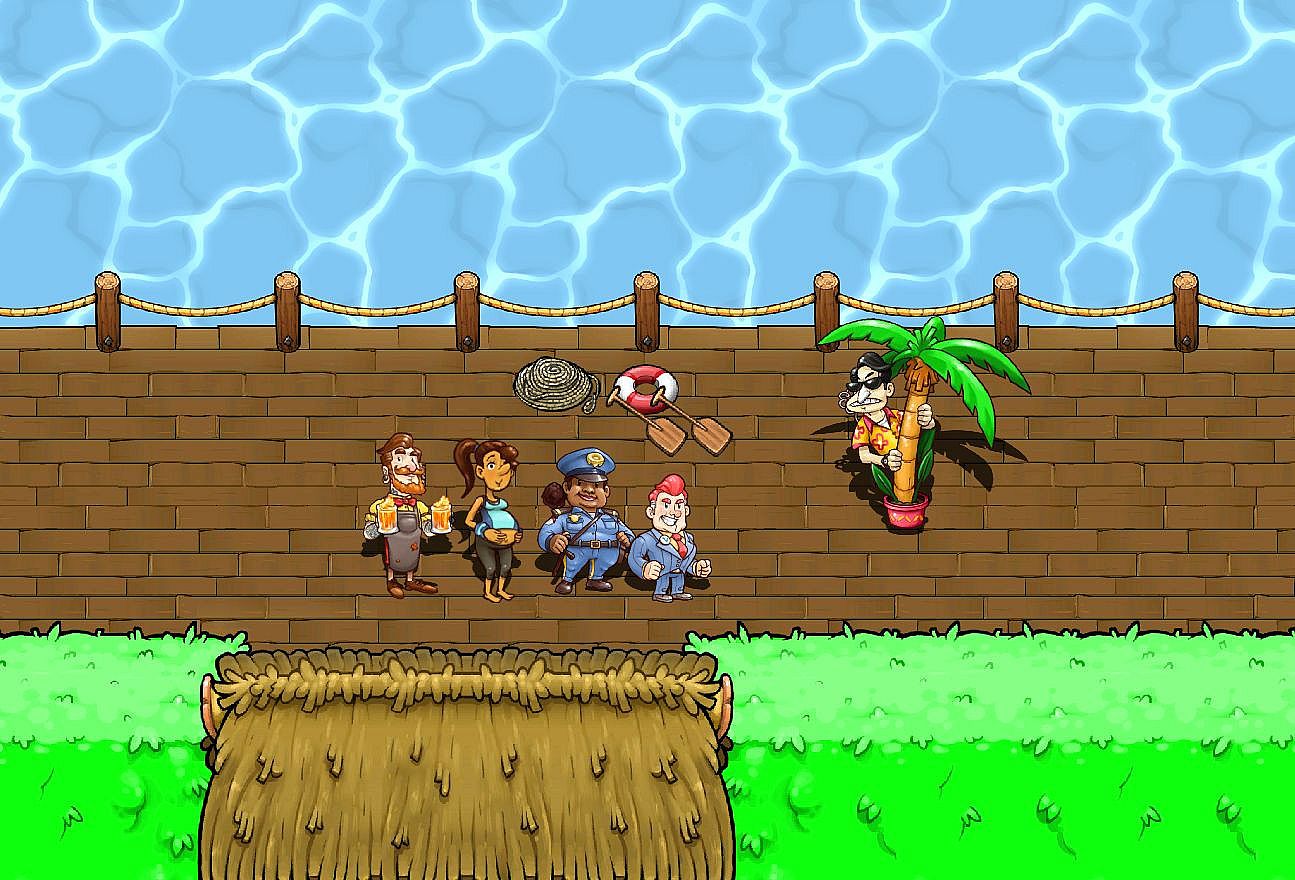
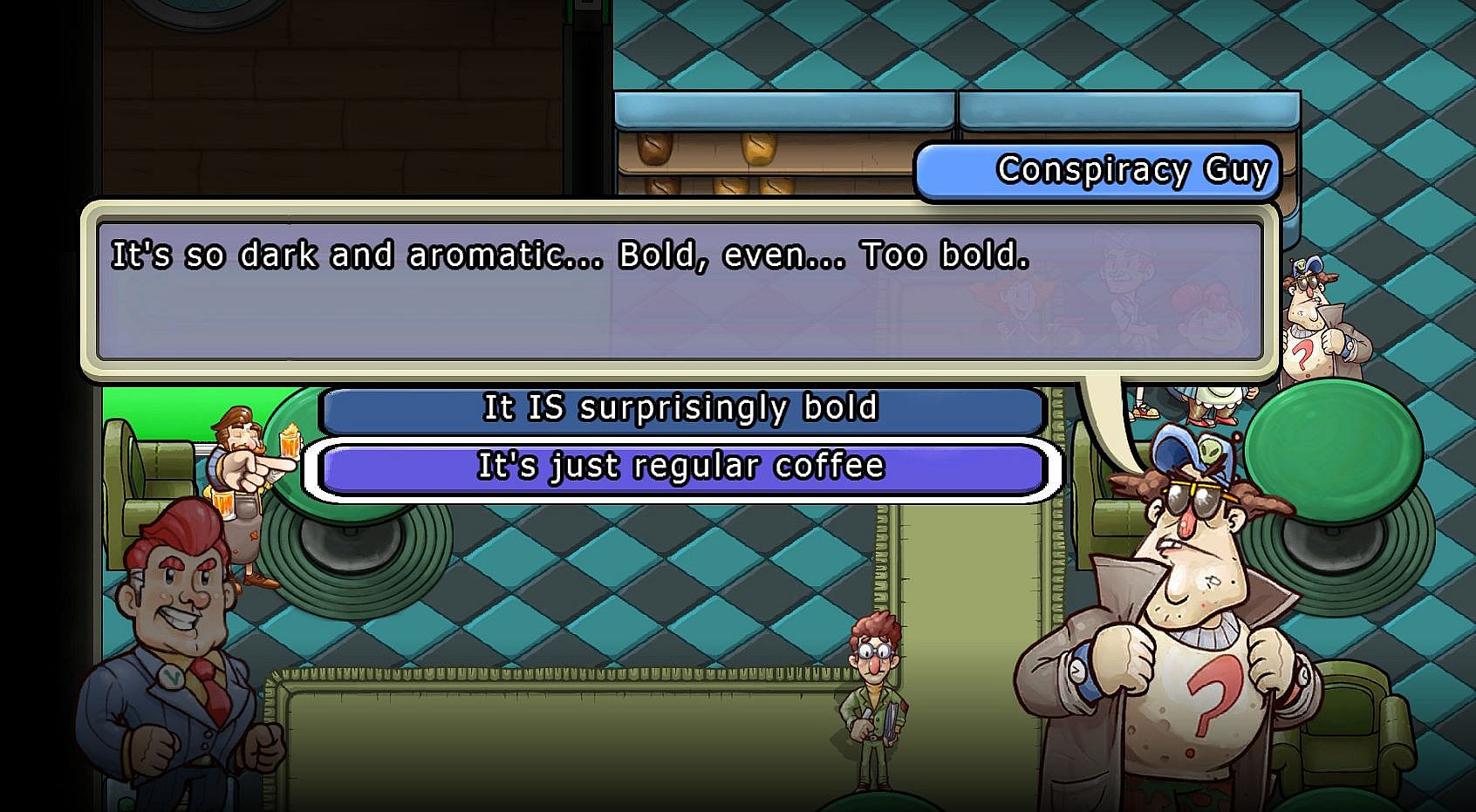
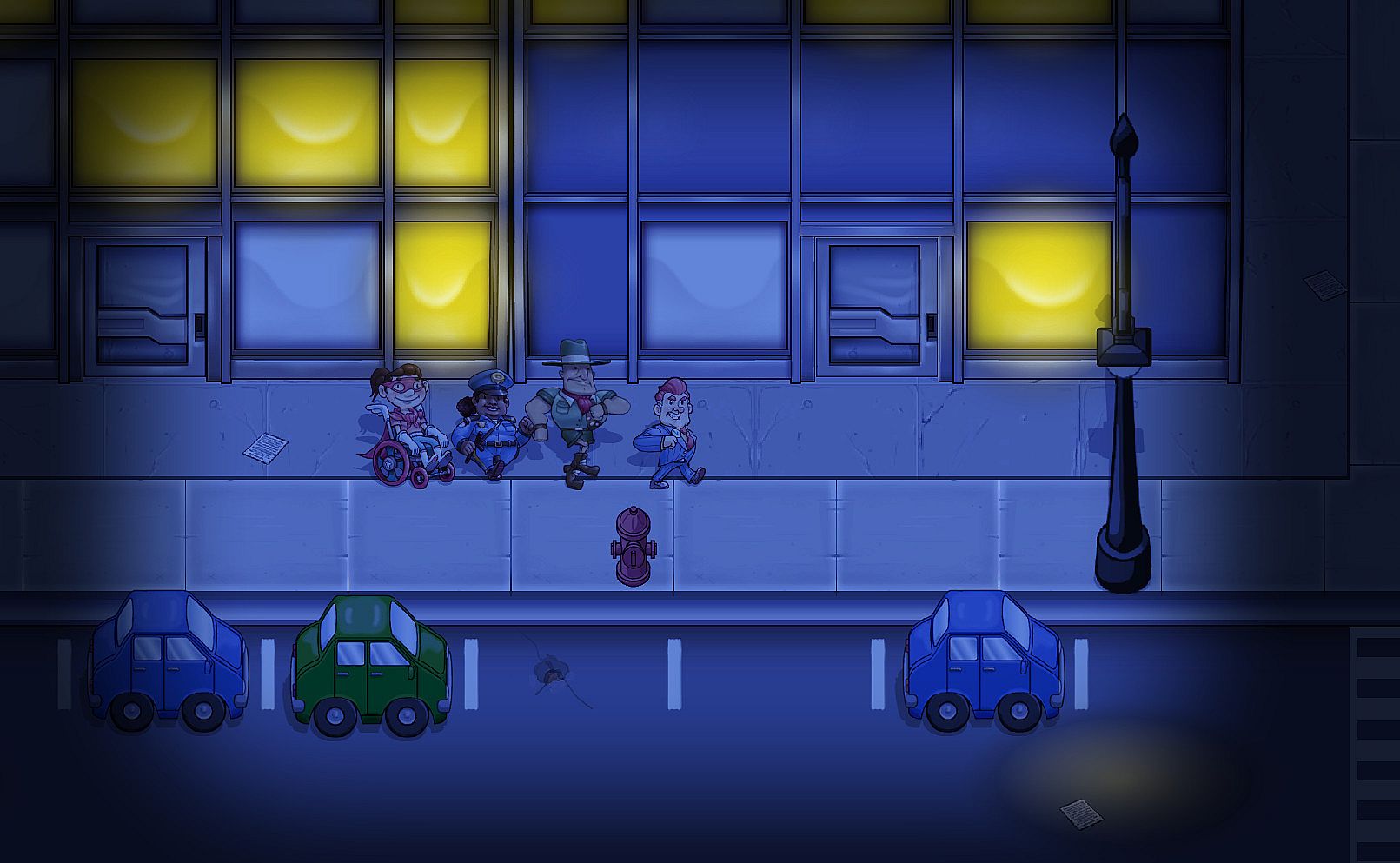
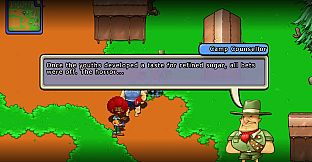
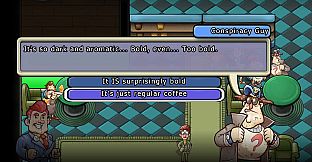
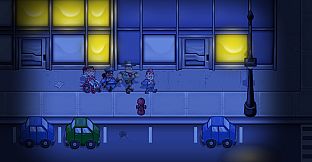
Citizens of Earth is a retro RPG for PC in which players take on the role of the newly elected Vice President of the World. The central task involves saving the planet by recruiting ordinary citizens to handle the fighting while the leader stays out of direct combat. The premise sets up a humorous take on political delegation, with the vice president using charisma to assemble a team of up to forty recruits drawn from everyday life in a quirky town setting.
Gameplay
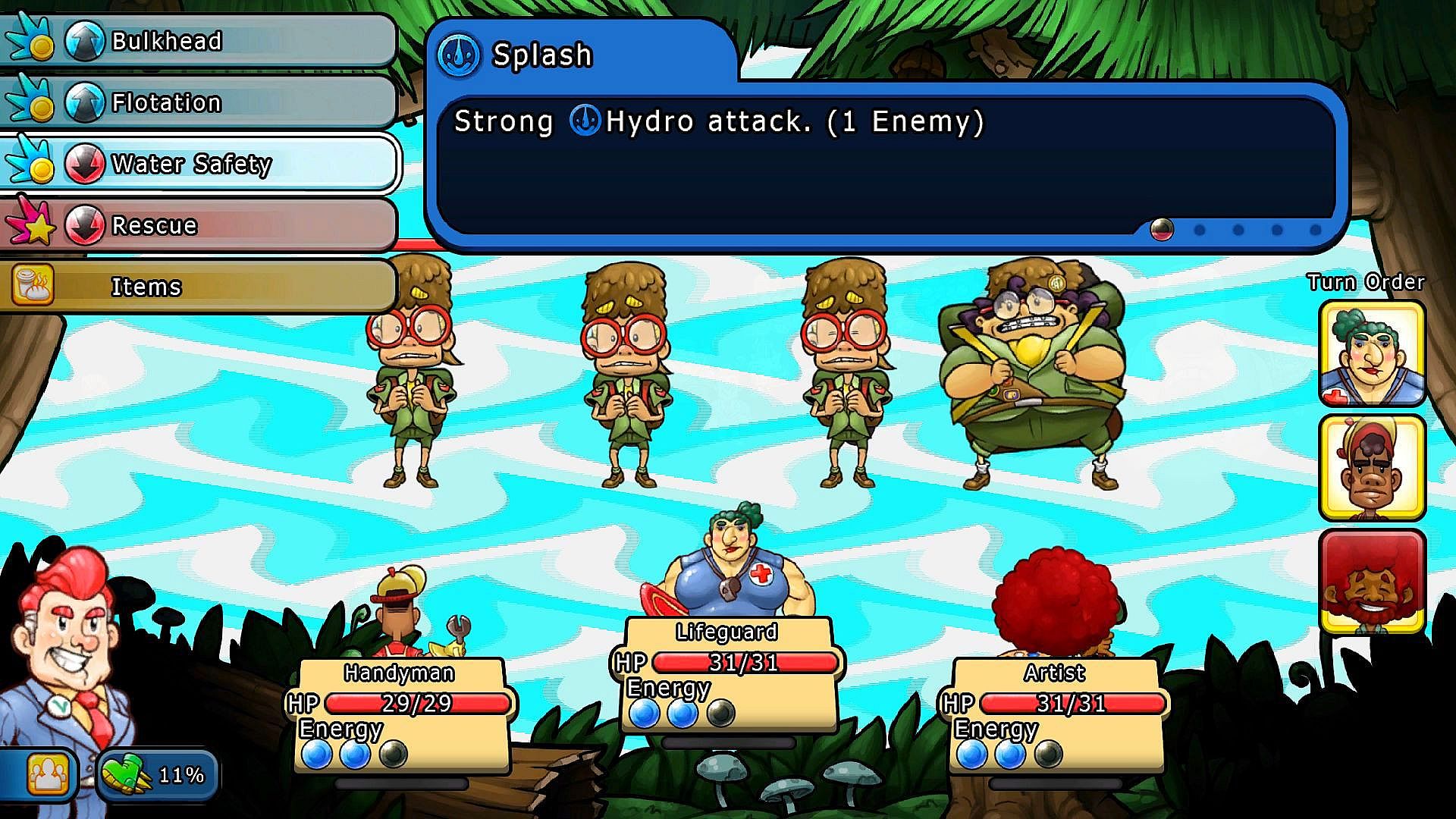
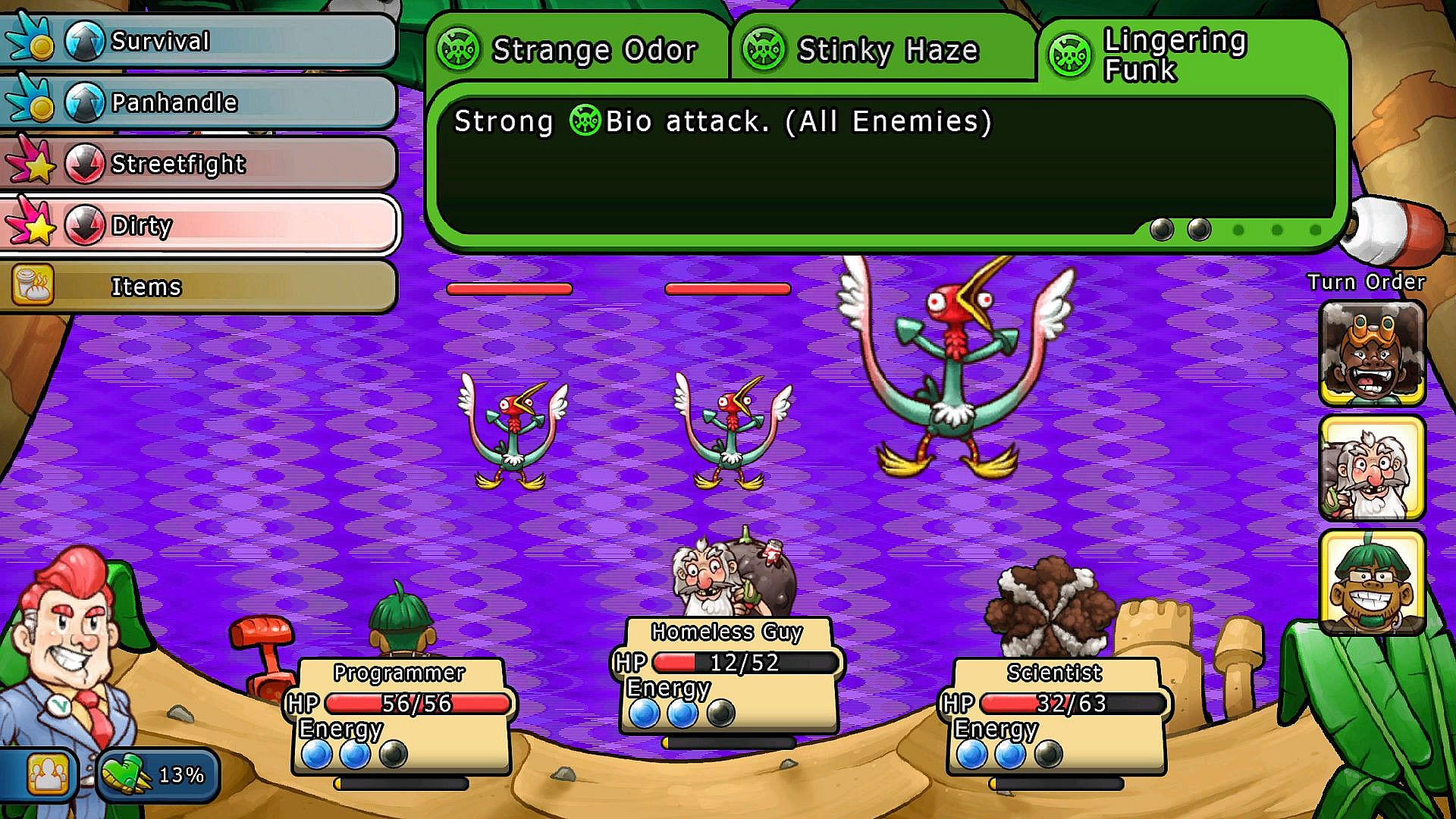
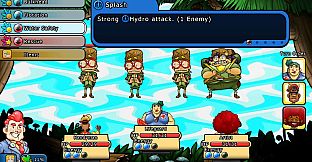
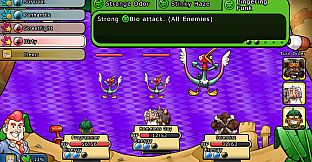
The core loop centers on exploration through town areas and surrounding locations where players search for potential recruits. Each citizen brings unique abilities that develop as they gain experience in battles. Combat occurs in a turn-based system limited to parties of three active fighters at once. The vice president issues commands but never participates directly in fights, leaving all action to the recruited members.
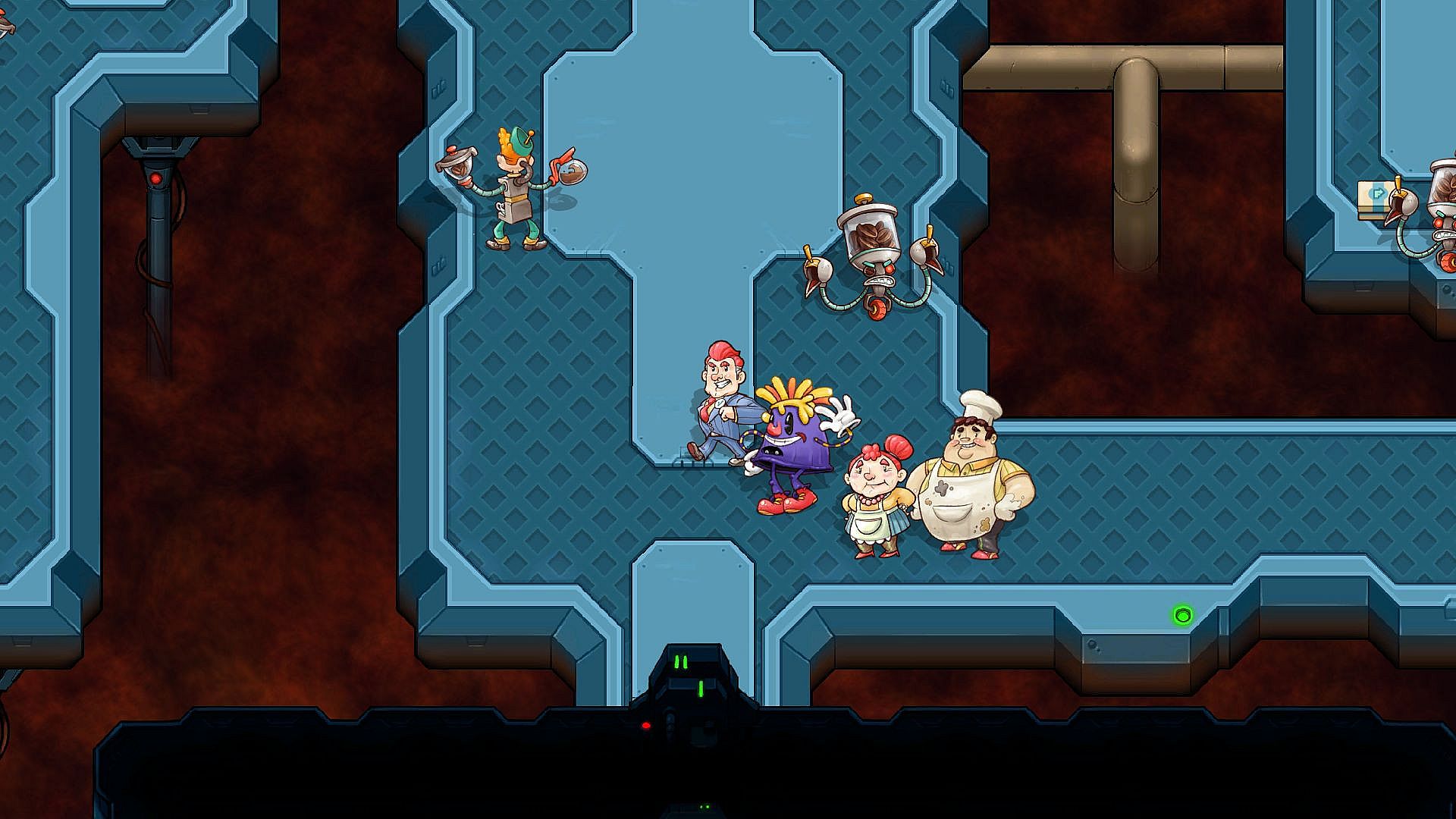
Enemies appear frequently during travel and include unusual types such as bees, hippies, fat pharmacists, and angry toasters. Battles emphasize strategy through ability selection and item use rather than complex timing mechanics. Recruits level individually, unlocking stronger skills and passive bonuses that encourage experimentation with different party combinations. The system rewards thorough exploration because many citizens hide in specific spots or require small side tasks to join.
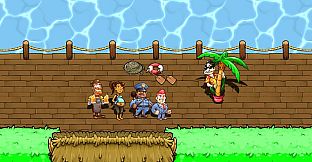
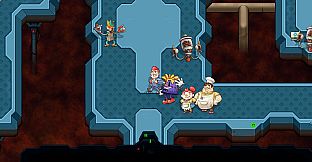
Progression feels steady as new recruits expand tactical options without overwhelming the player with management depth. Visual style draws from classic pixel art RPGs, pairing bright colors with exaggerated character designs that reinforce the comedic tone throughout encounters and dialogue.
Game Modes
The experience consists entirely of a single-player story campaign. Players advance by recruiting citizens, completing objectives tied to the world-saving plot, and engaging in random and scripted battles. There are no separate multiplayer components or alternate competitive formats. The structure blends open exploration in the main town hub with linear progression through story segments that unlock new areas and recruit opportunities.
Side activities revolve around locating every available citizen and experimenting with party setups during the main journey. Achievement hunting ties directly into full recruitment and combat milestones, providing additional goals within the same campaign framework. No free-roam sandbox or post-game modes exist beyond finishing the primary narrative.
Recruitment and Combat Depth
Recruitment serves as the standout mechanic. Citizens range from family members to local eccentrics, each with distinct backstories and skill sets that influence battle roles. Some specialize in physical attacks, others in support effects or status ailments. Building an effective team requires balancing these strengths against enemy patterns encountered in later areas.
Combat remains accessible yet gains layers through equipment and ability upgrades. Items can temporarily boost stats or provide healing, while repeated use of skills improves their effectiveness over time. The high encounter rate means players spend significant time refining tactics, though some find the repetition noticeable after extended sessions.
Is It Worth Playing?
Player feedback highlights the game's charm and humor as its strongest assets, with many appreciating the EarthBound-inspired style and the satisfaction of assembling a full roster of forty citizens. The 75 percent positive rating from hundreds of reviews on its original platform reflects consistent praise for the lighthearted tone and creative recruit system alongside criticism of repetitive combat pacing.
This title suits fans of classic turn-based RPGs who enjoy humor and party customization over intense difficulty or lengthy campaigns. Those seeking modern production values or ongoing content updates may find the 2015 release dated in presentation and balance. Availability remains limited to older PC copies or related compilations that bundle it with its sequel, making it a niche recommendation for retro RPG enthusiasts rather than a broad audience draw.