

Cipher Monk: Cassette Equation is a strategy and casual puzzle game developed for Xbox Series X|S. Players engage with an ancient numeric system created by Cistercian monks in the 13th century through a series of logic challenges that emphasize observation and precise arrangement rather than speed or reflexes.
Gameplay
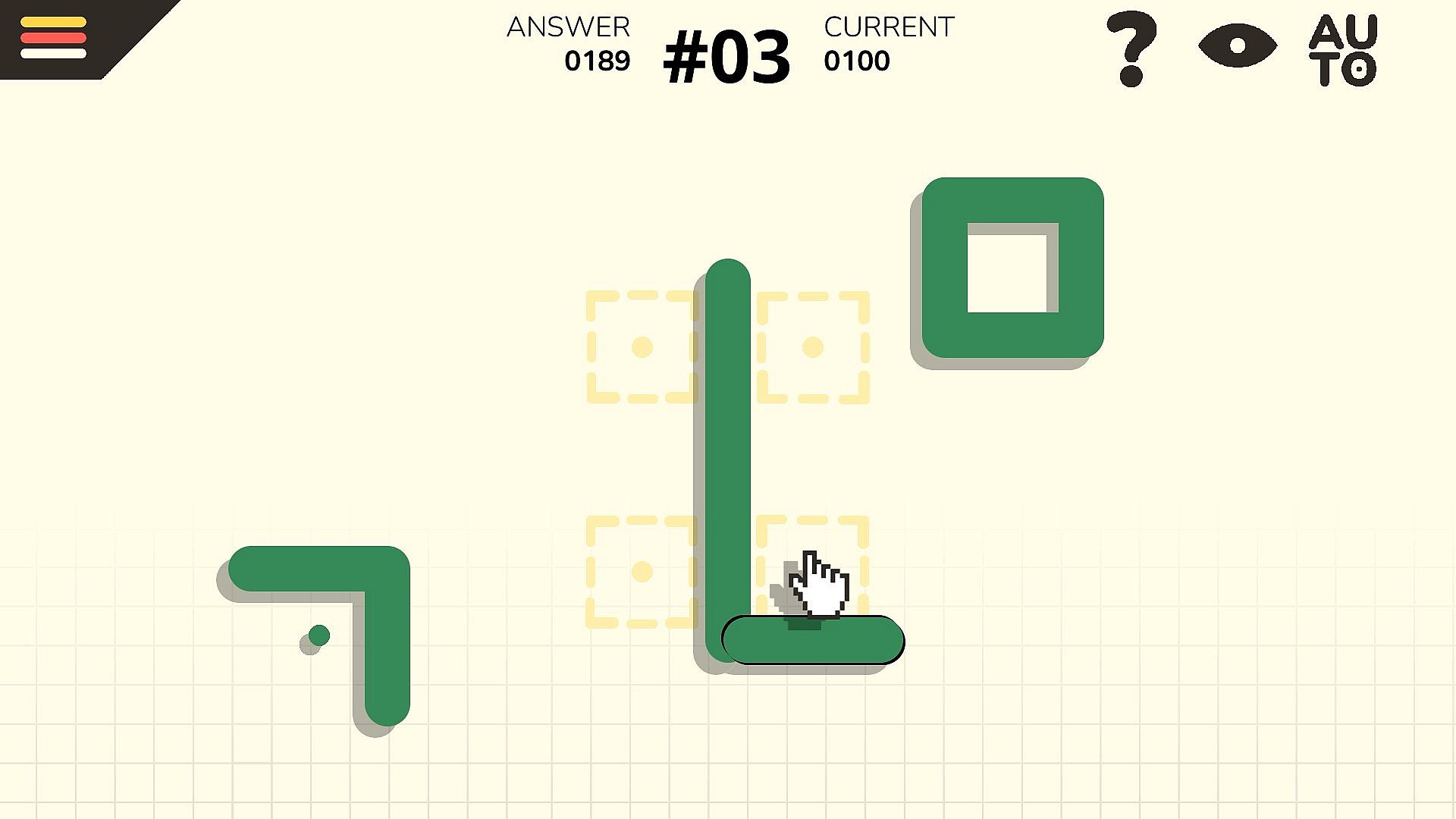
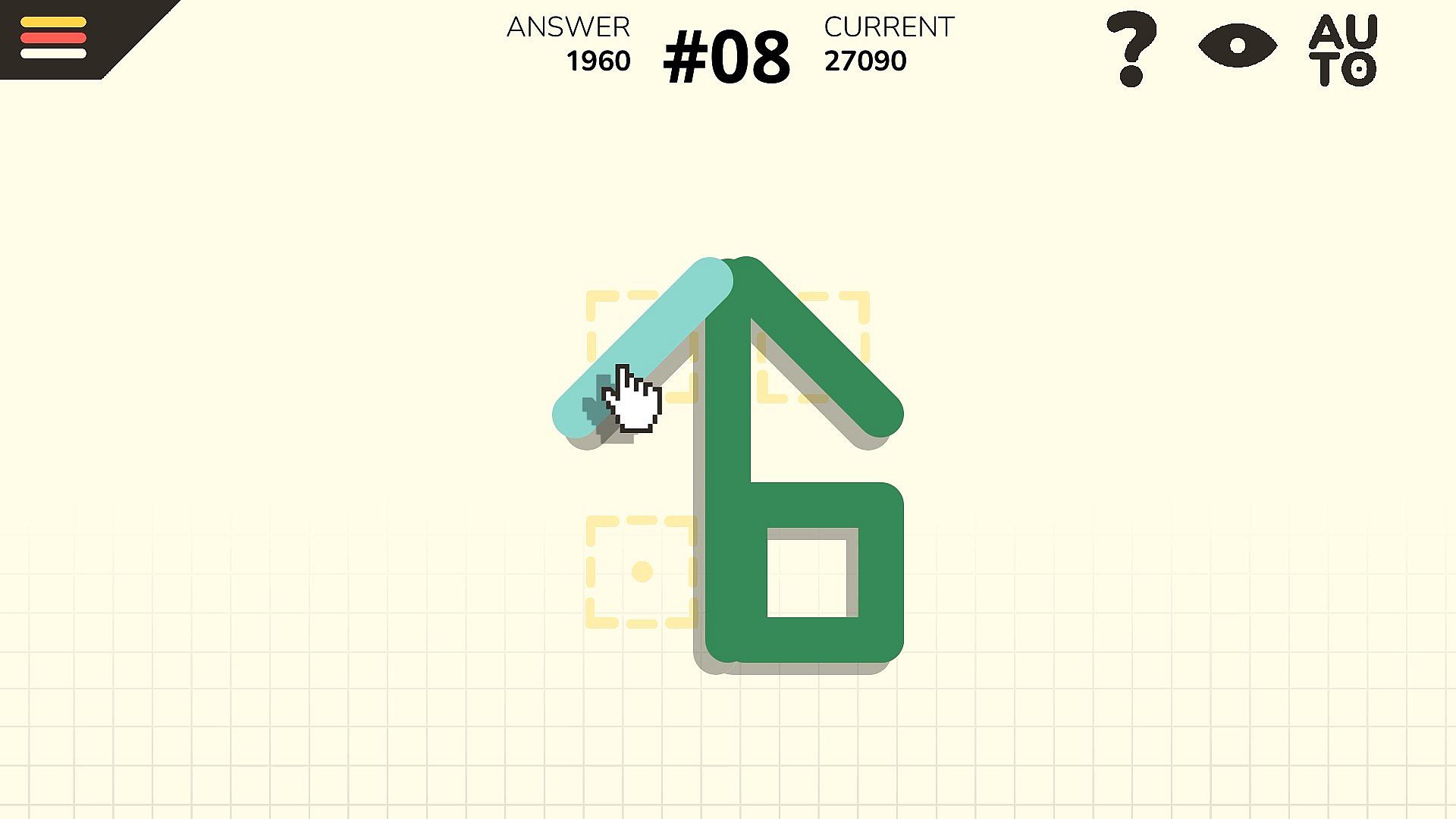
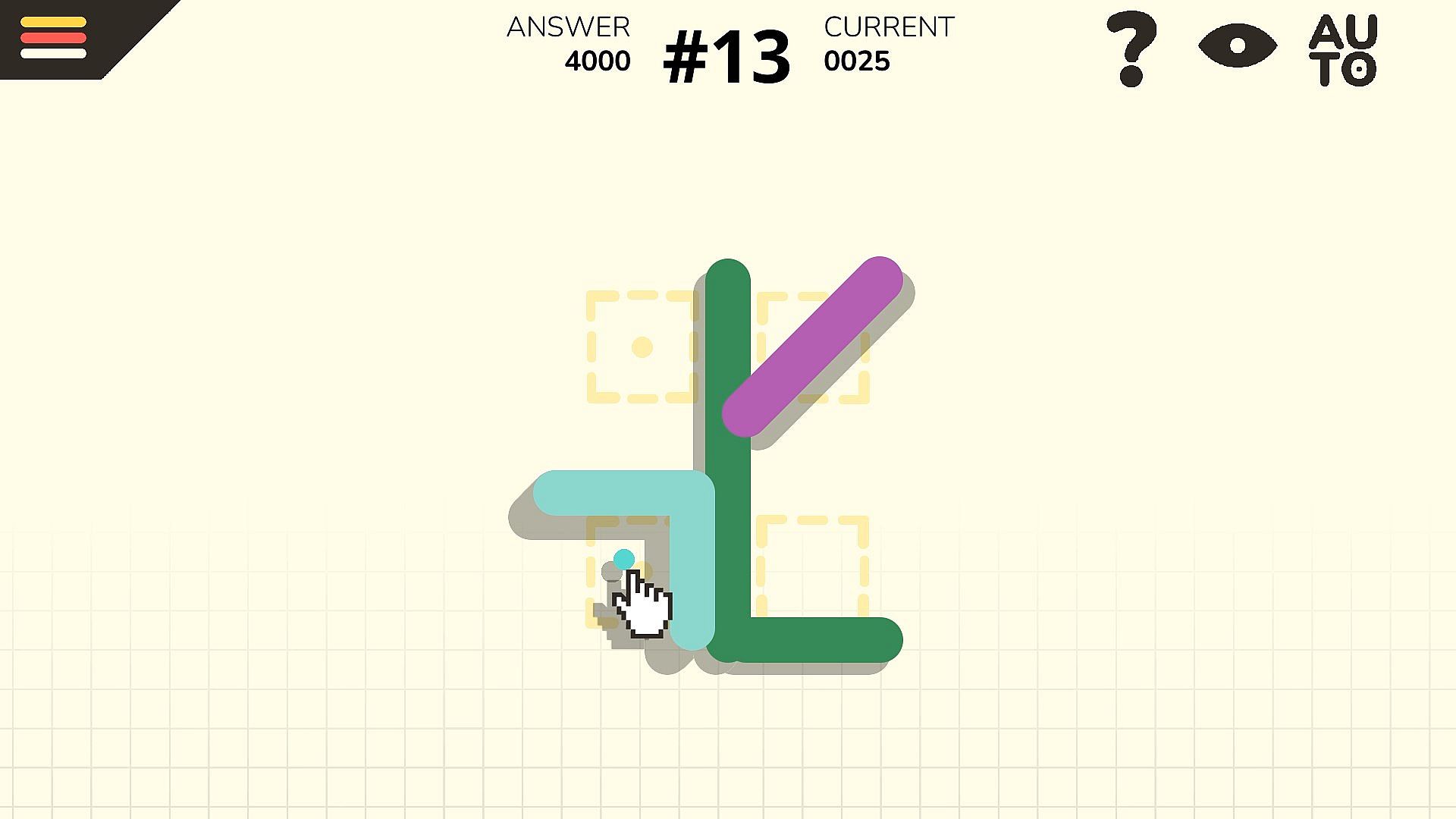
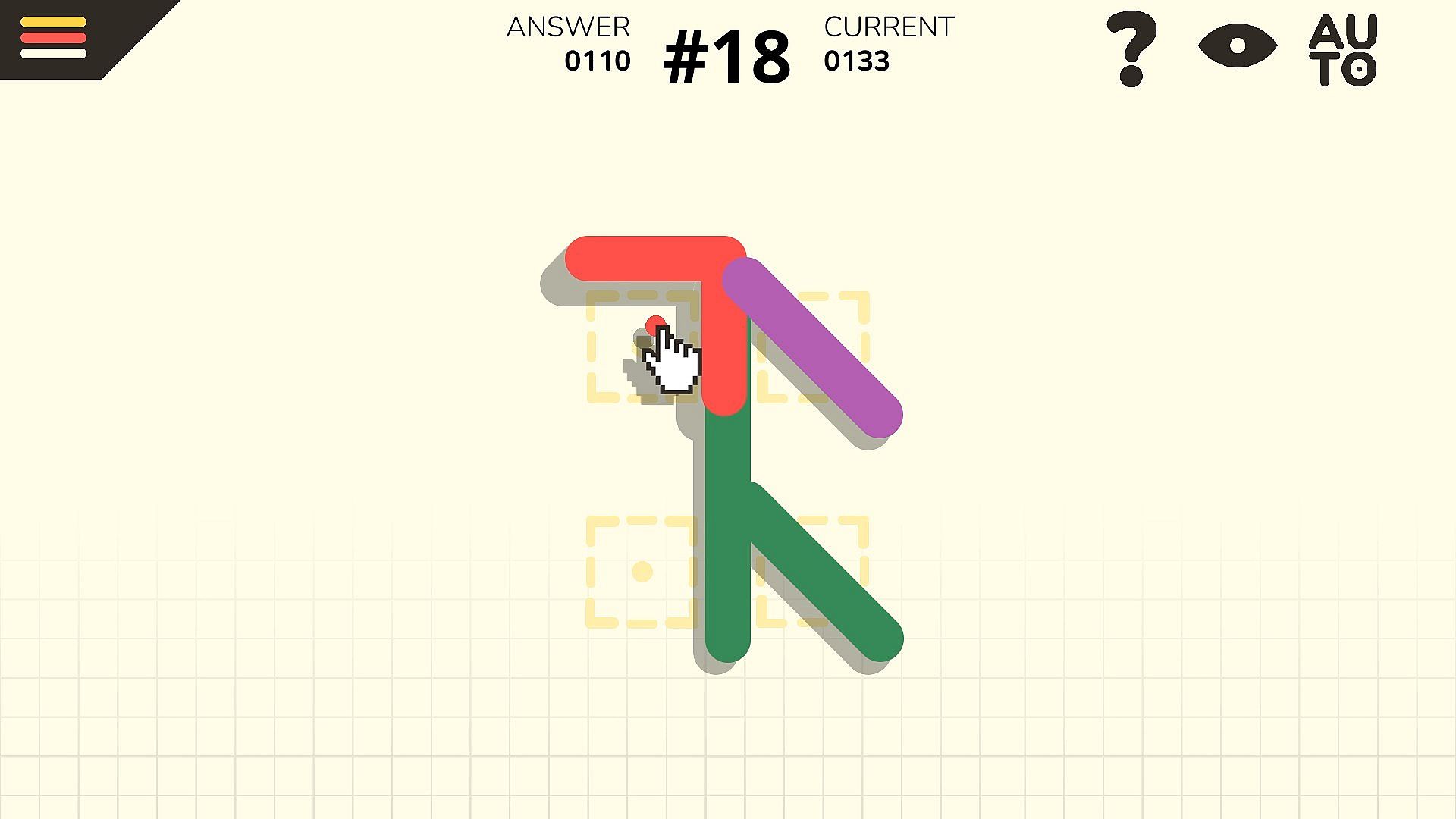
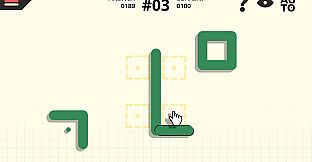
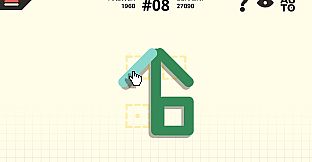
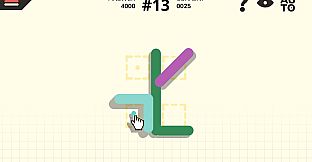
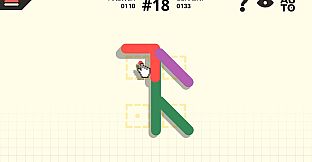
The core loop centers on manipulating physical pieces that represent elements of the Cistercian numeral system. Each puzzle requires dragging pieces into position, rotating them to align correctly, and combining them until the target number forms. The system allows numbers from 1 to 9999 to appear through compact symbols, and players gradually recognize patterns as levels advance. Auto mode provides assistance when enabled, while turning it off demands full manual control and introduces separate achievement tracking for those attempts. A built-in guide, referred to as the archives, offers reference material that players can consult multiple times across sessions. With exactly 35 handcrafted levels, progression moves at a deliberate pace that rewards experimentation without external pressure such as timers.
Game Modes
The game operates entirely as a single-player experience. There are no competitive, cooperative, or online multiplayer options. Instead, the structure relies on sequential level completion that builds familiarity with the numeral system. Players advance by solving each puzzle in order, with achievements marking milestones such as finishing the first level, reaching level 5, level 10, and level 20. Additional challenges appear through optional restrictions like completing levels with auto mode disabled or performing a set number of rotations and placements. This focused single-player format keeps the emphasis on personal discovery and repeated practice with the same core mechanics.
The Cistercian Number System
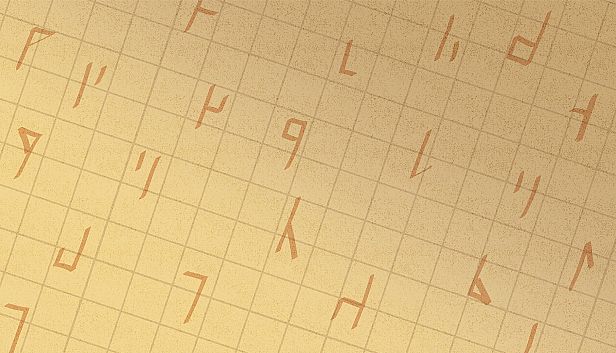
Central to every challenge is the historical numeral system itself. Rather than standard Arabic digits, the game presents compact symbols that encode values through orientation and combination. Early levels introduce basic forms, while later ones require players to interpret more complex arrangements. The process of decoding these symbols turns each puzzle into both a spatial task and a learning exercise. Over time, repeated exposure allows quicker recognition of how individual pieces contribute to larger totals, turning initial unfamiliarity into intuitive understanding without any external instruction beyond the in-game guide.
Visuals and Atmosphere
Simple, clean visuals support the relaxed tone. Pieces appear as clear geometric shapes against minimal backgrounds, and the interface avoids clutter so attention stays on the arrangement task. The presentation remains consistent across all 35 levels, creating a steady environment suited to extended sessions of quiet focus. Sound design stays understated, allowing players to concentrate on the logic without distraction.
Is It Worth Playing?
Players who enjoy short, self-paced logic puzzles will find a complete package here. The 35 levels provide enough content for several focused play sessions, and the quick completion times reported by many users indicate the game respects limited playtime. Those interested in historical number systems gain an accessible introduction through direct interaction rather than reading alone. The single-player structure and absence of ongoing updates or seasonal content mean the experience stays exactly as presented at launch. For fans of casual strategy titles that combine learning with satisfying mechanical feedback, the game delivers a straightforward and contained puzzle set without unnecessary extras.