













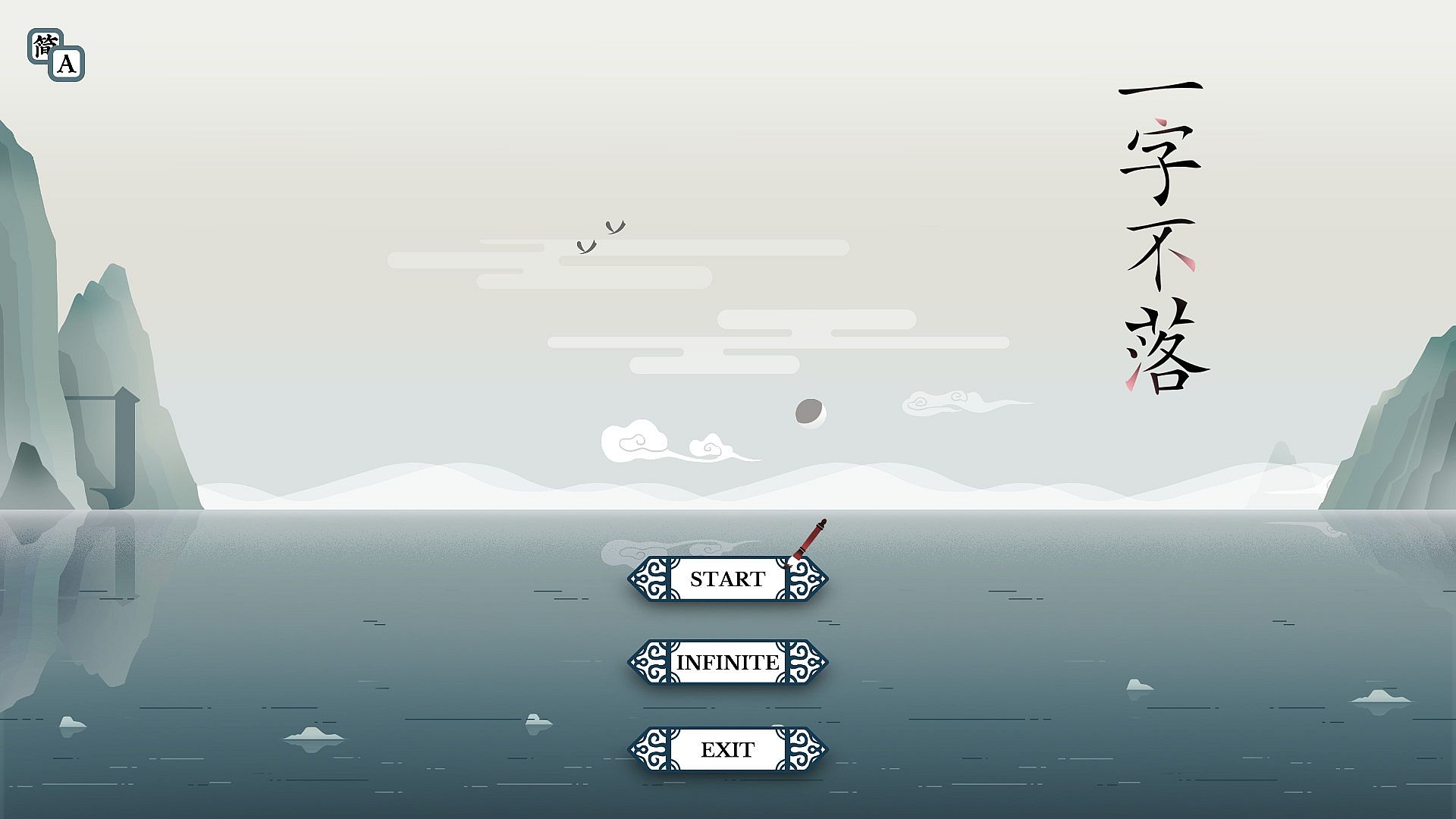
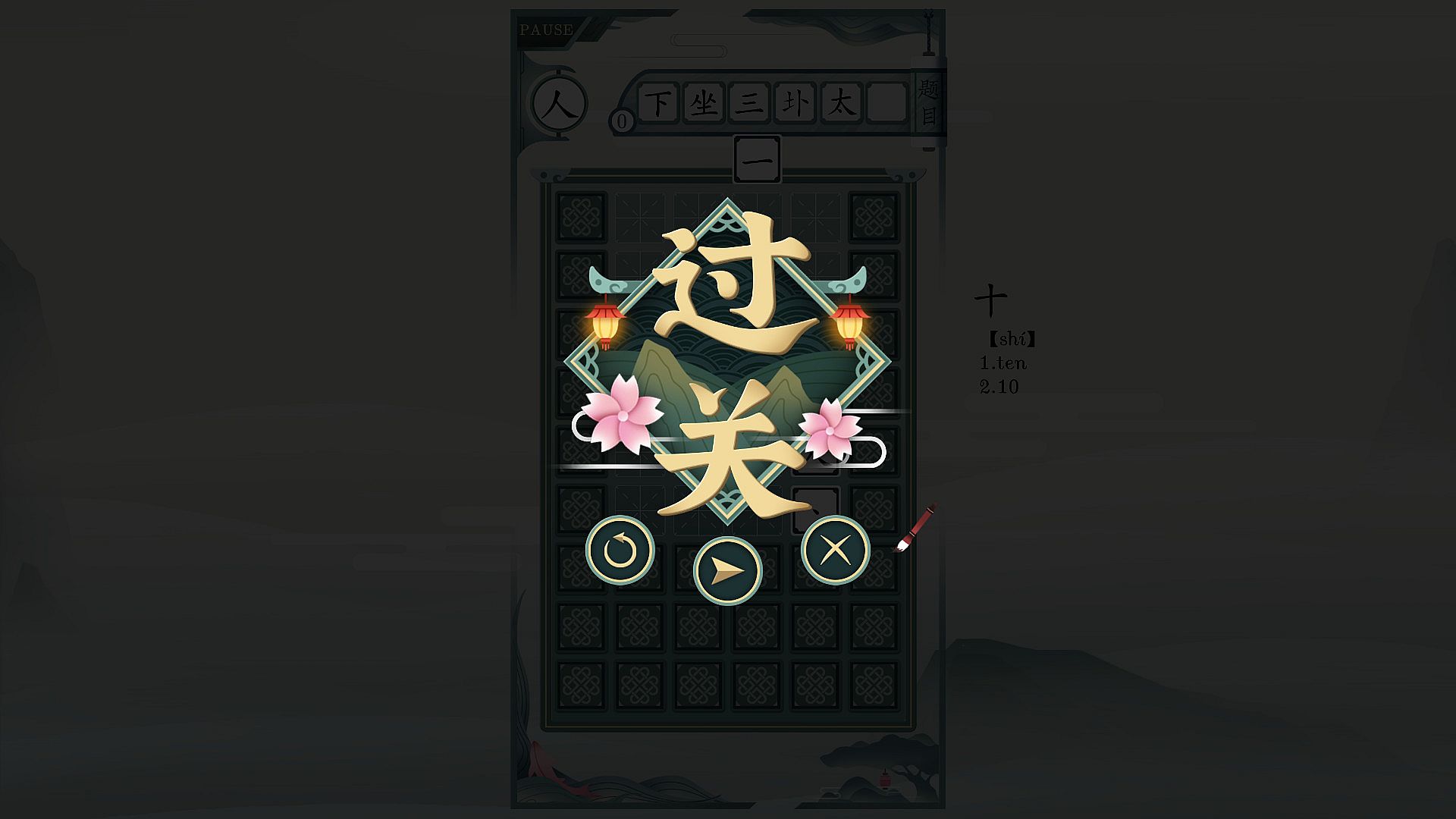


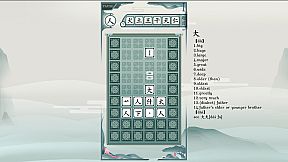
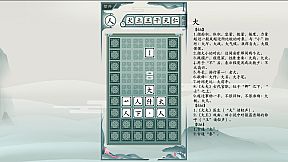
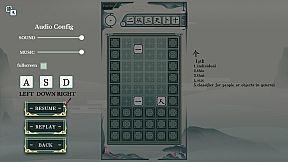
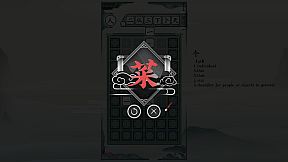


Chinatris is a casual indie puzzle game for PC that reimagines the falling-block format of Tetris around the building blocks of Chinese characters. Players manipulate components that descend into a playfield and fit them together to form complete hanzi, with each successful combination advancing progress toward stage goals. The experience blends familiar spatial puzzle solving with language elements, as formed characters reveal their pronunciations automatically and introduce players to unexpected cultural references through the designs themselves.
Gameplay
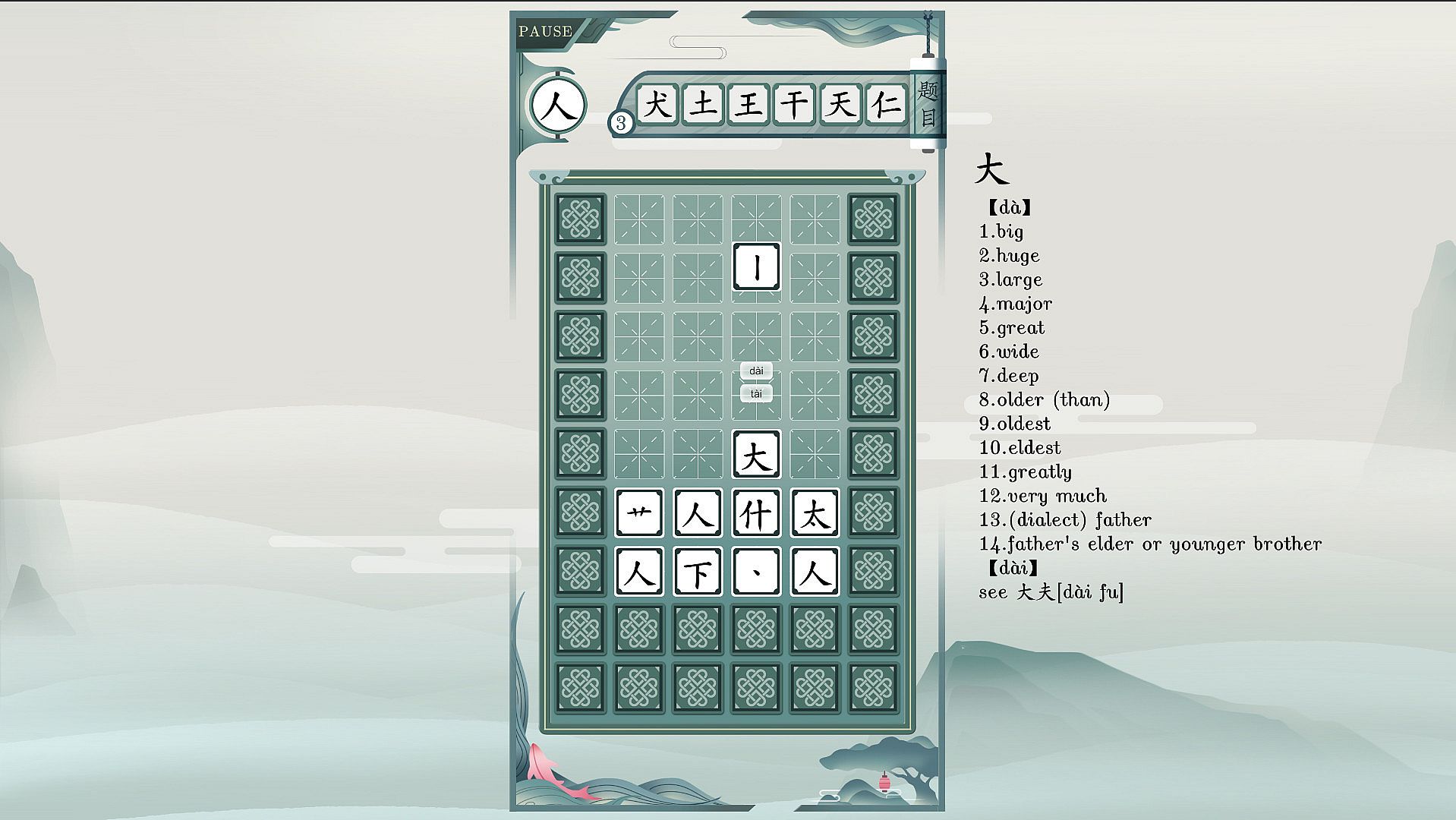
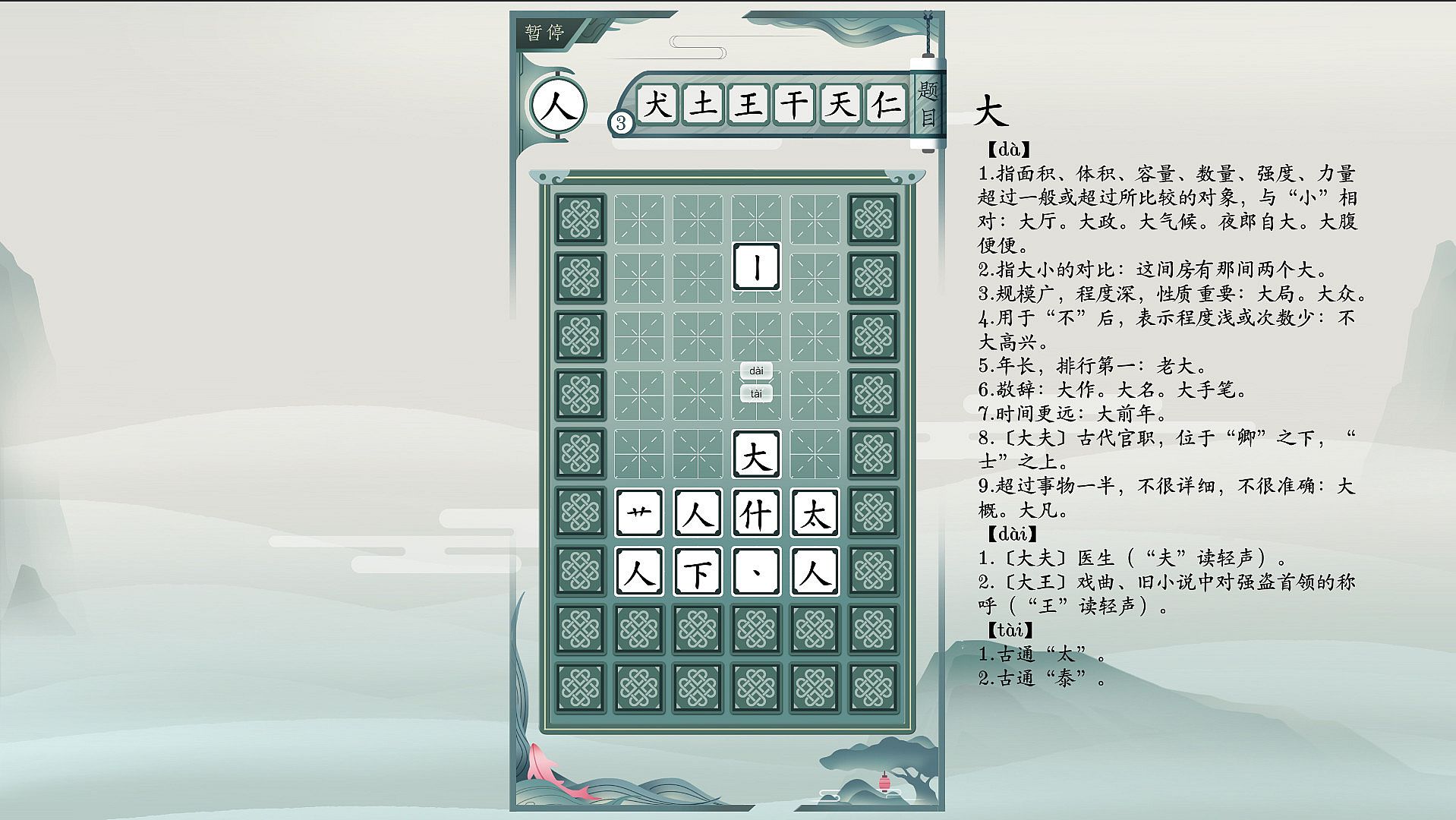
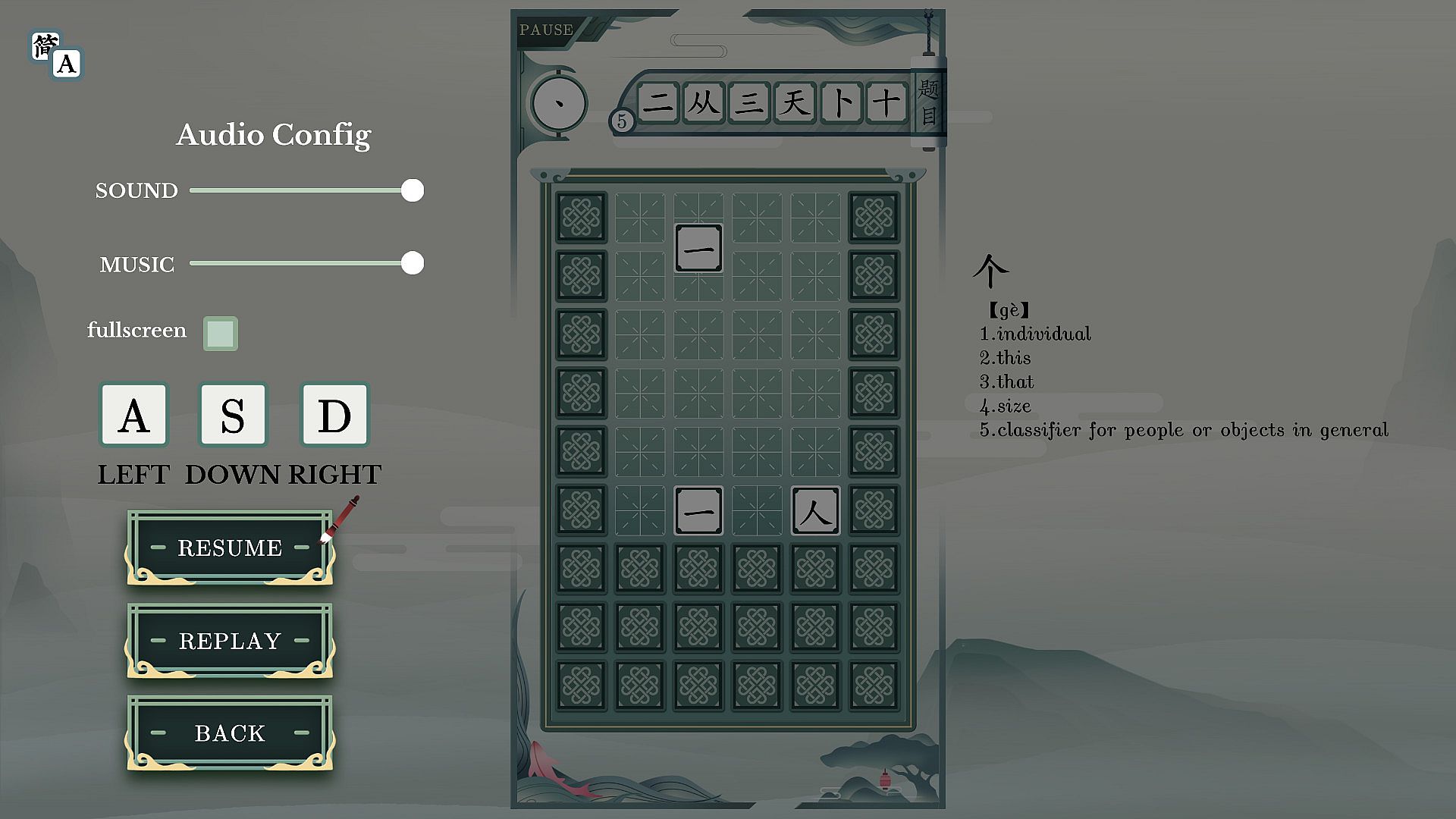
The core loop centers on positioning and rotating incoming character components so they align into valid hanzi. Each piece represents a radical or structural element, and precise placement creates new characters that clear space in the grid much like completed lines in traditional block-stacking games. Stages present specific target characters that must be constructed, requiring players to plan ahead as the field fills and new pieces continue to arrive.
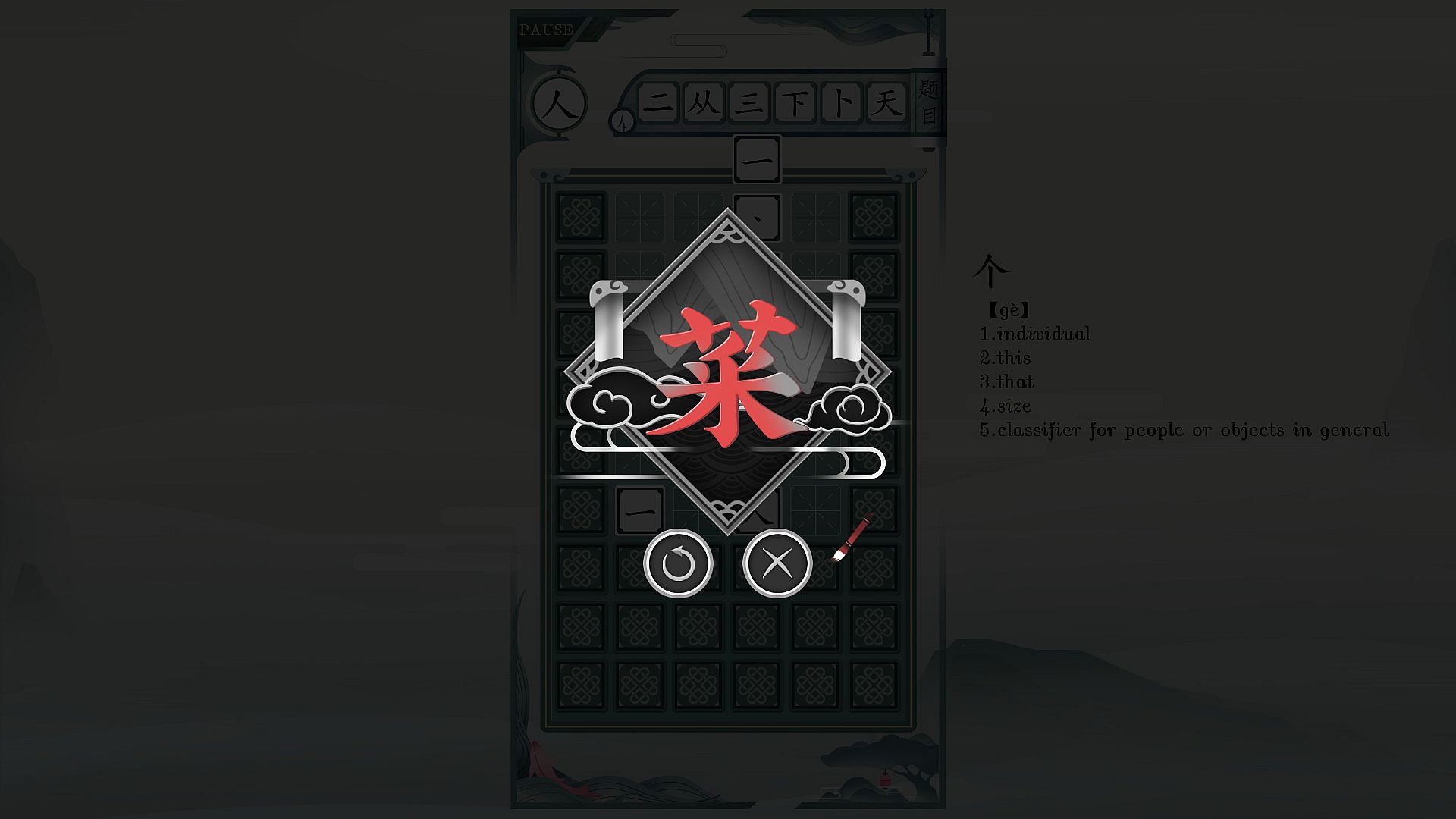
Pronunciation support appears directly on screen once a character is successfully formed, providing immediate feedback without interrupting the flow. This mechanic turns each match into a brief language encounter, helping reinforce recognition of both the visual form and the spoken sound. The puzzle demands attention to component shapes and how they interlock, rewarding careful observation over rapid reflexes alone.
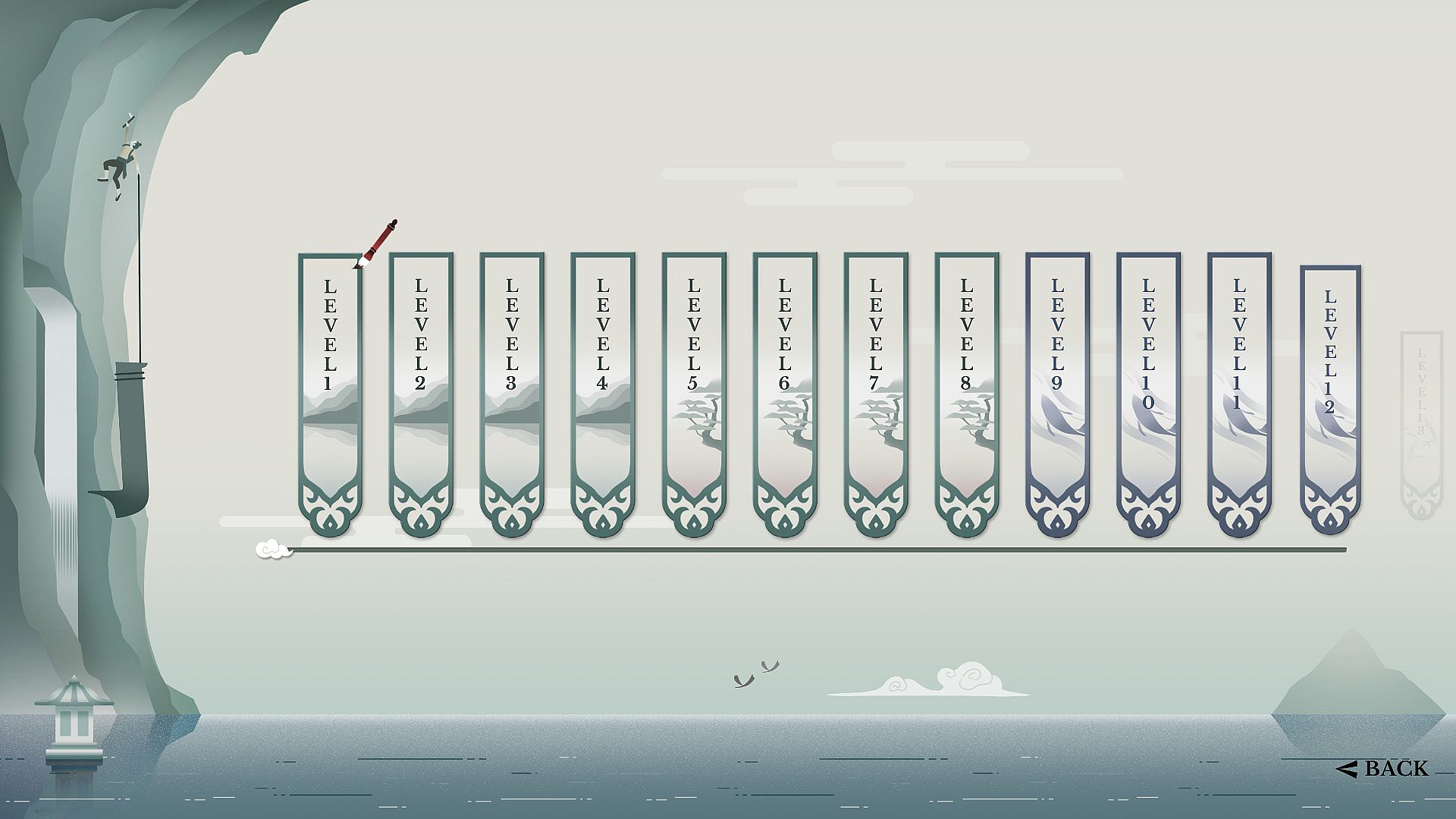
Progression moves through a sequence of stages that gradually introduce more complex targets. Players encounter a wide variety of hanzi during play, some familiar and others surprising, which expands exposure to the writing system in a hands-on way. The system stays focused on single-player puzzle solving, with no additional layers such as timers or competitive elements altering the steady pace.
Game Modes
Chinatris structures its content around a progression of stages, each centered on forming designated target characters from falling components. This stage-based format serves as the primary way to advance, with each level building on the previous ones by presenting new combinations and requiring greater precision in assembly.
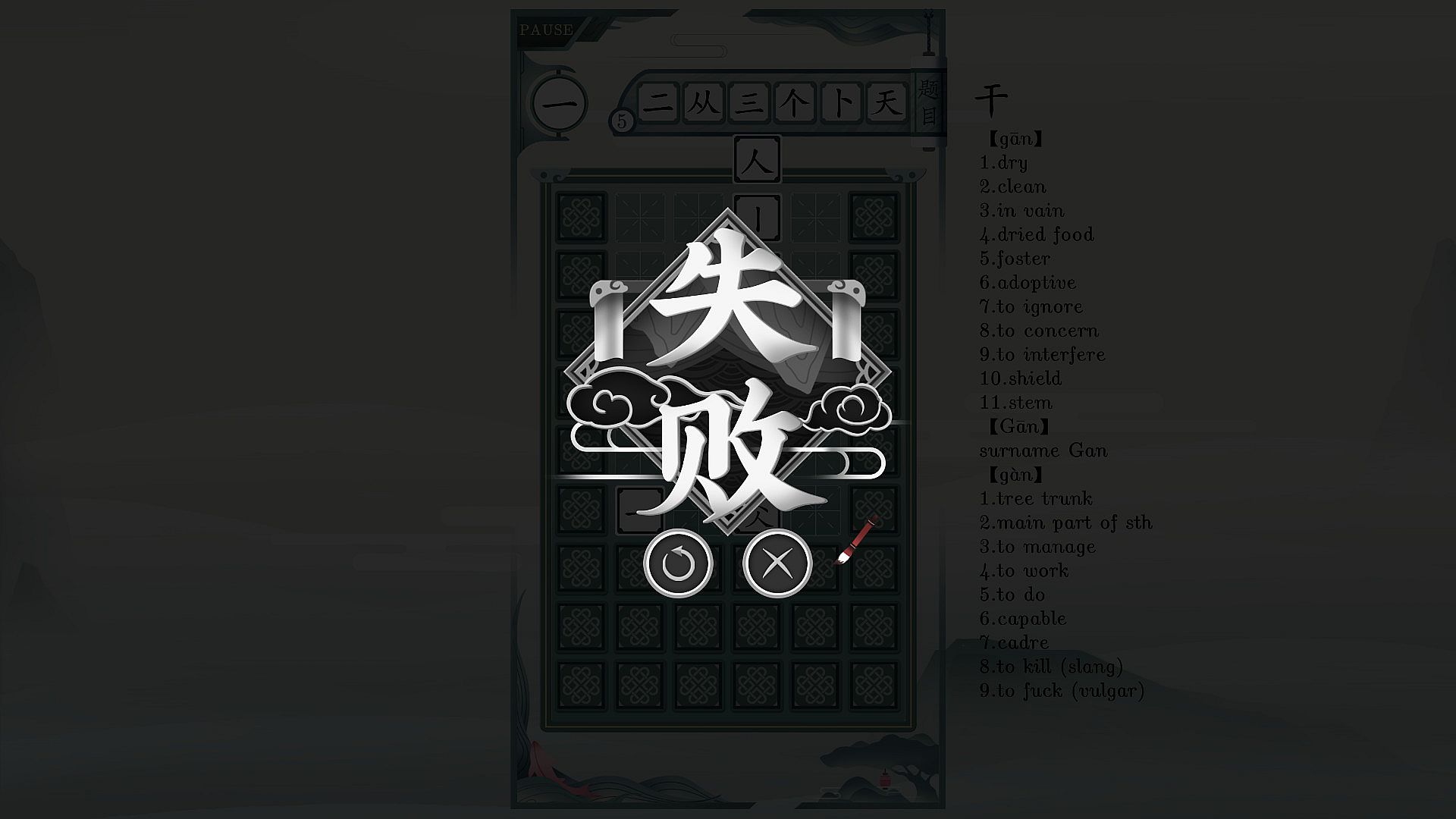
Within the stages, the emphasis remains on completing the required characters to clear the level and move forward. There are no separate named modes such as endless play or versus options; the experience stays consistent as a single-player journey through increasingly intricate character-building challenges. The design keeps the focus narrow, allowing players to concentrate on the spatial and linguistic aspects without switching between different rule sets.
Visuals and Achievements
The presentation highlights the artistic potential of Chinese characters through varied designs that appear as players form them. These visuals draw from cultural elements and offer fresh interpretations of hanzi that go beyond standard textbook examples. The art style remains clean and readable, ensuring the components stay distinct even as the grid becomes crowded.
Steam achievements tie directly into discovering these unique character designs, encouraging players to experiment and complete additional formations beyond the main stage requirements. With 171 achievements available, the system provides ongoing motivation to explore different combinations and uncover hidden variations. This layer adds replay value for those who enjoy collection-style goals within a puzzle framework.
Is It Worth Playing?
Chinatris holds a Very Positive rating from 1,001 user reviews, with 85 percent positive feedback. This reception reflects appreciation for its blend of puzzle mechanics and language exposure, particularly among players interested in Chinese characters or casual brain-teaser experiences. The game launched in January 2020 and continues to receive attention for its focused approach.
The title suits individuals who enjoy Tetris-style spatial puzzles and want an added educational dimension without heavy study requirements. Its low price point and short session-friendly stages make it accessible for short play periods, while the achievement system supports longer engagement for completionists. Those seeking fast-paced action or multiplayer features may find the deliberate pace less appealing, but the core loop delivers consistent satisfaction for the intended audience.
Overall, the game stands as a distinctive entry in the casual indie space, offering a fresh twist on established mechanics through its cultural lens. Players who value thoughtful placement and incremental discovery will likely find repeated value in its stages and hidden designs.