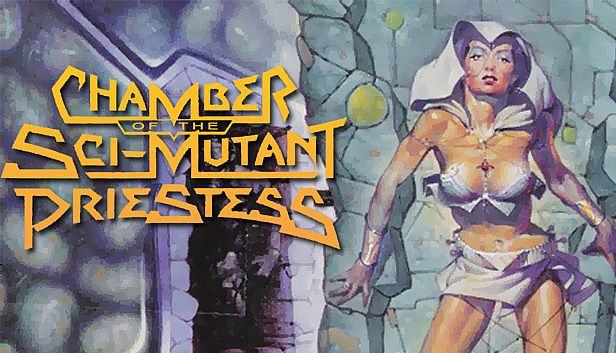













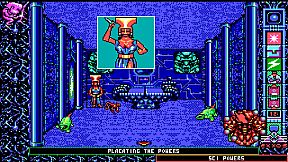
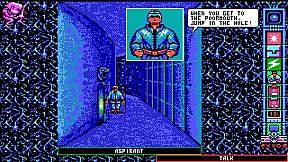
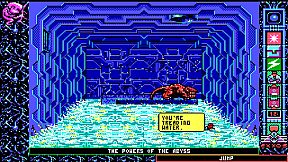
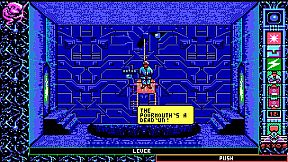
Chamber of the Sci-Mutant Priestess is a point-and-click adventure game released in 1989 for PC that blends action, strategy, and adventure elements in a single-player experience set on a distant planet.
Gameplay
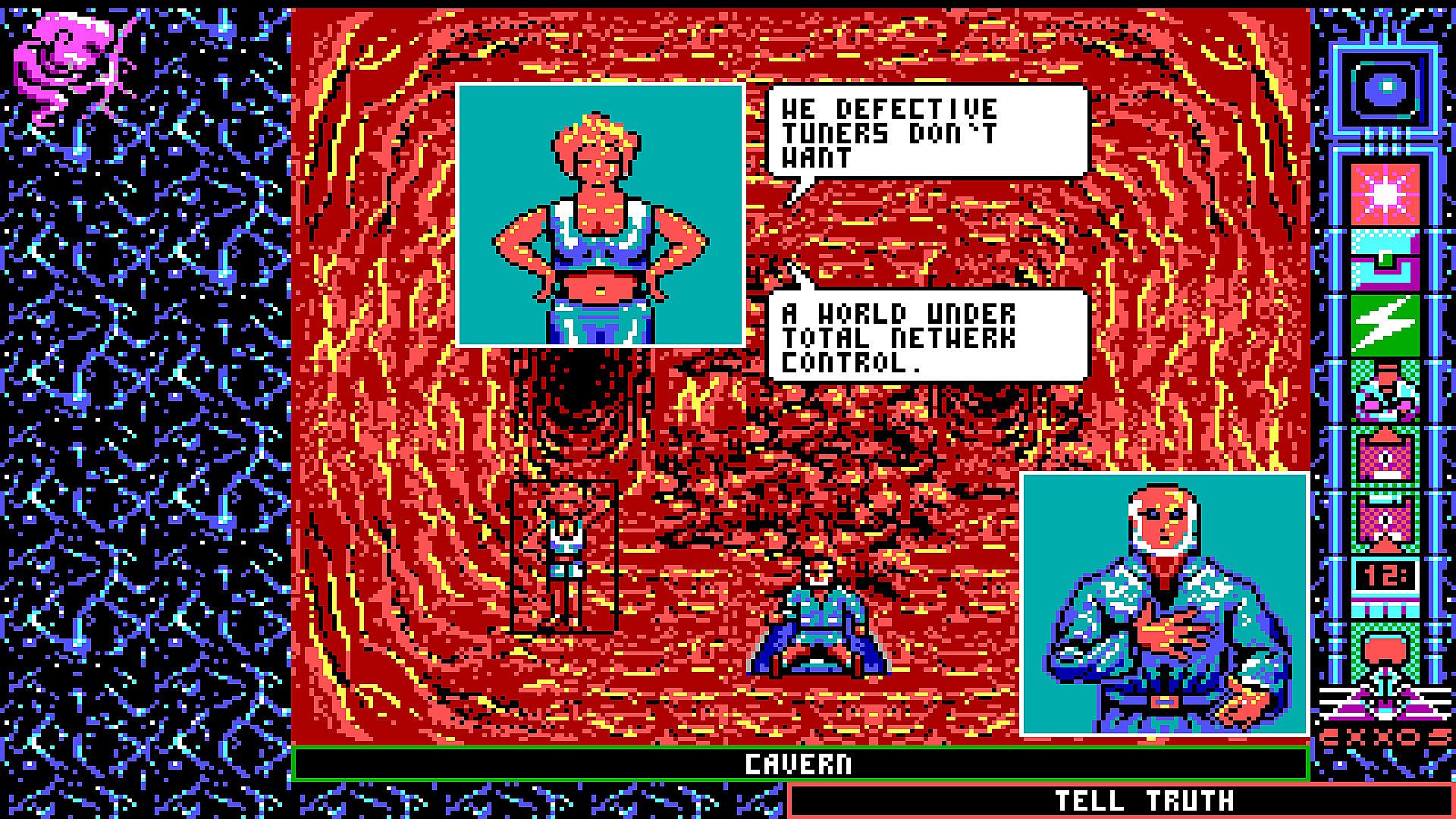
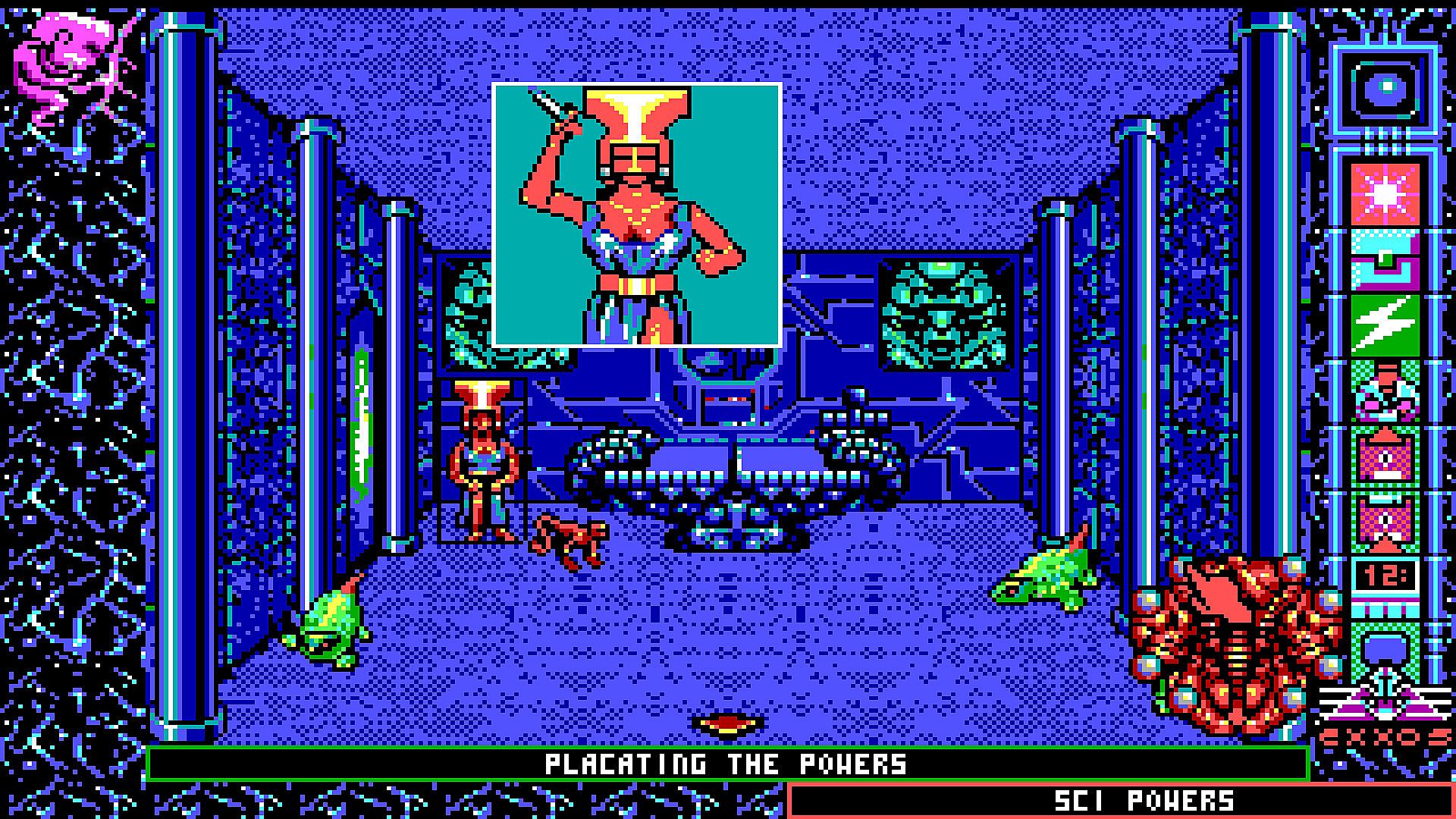
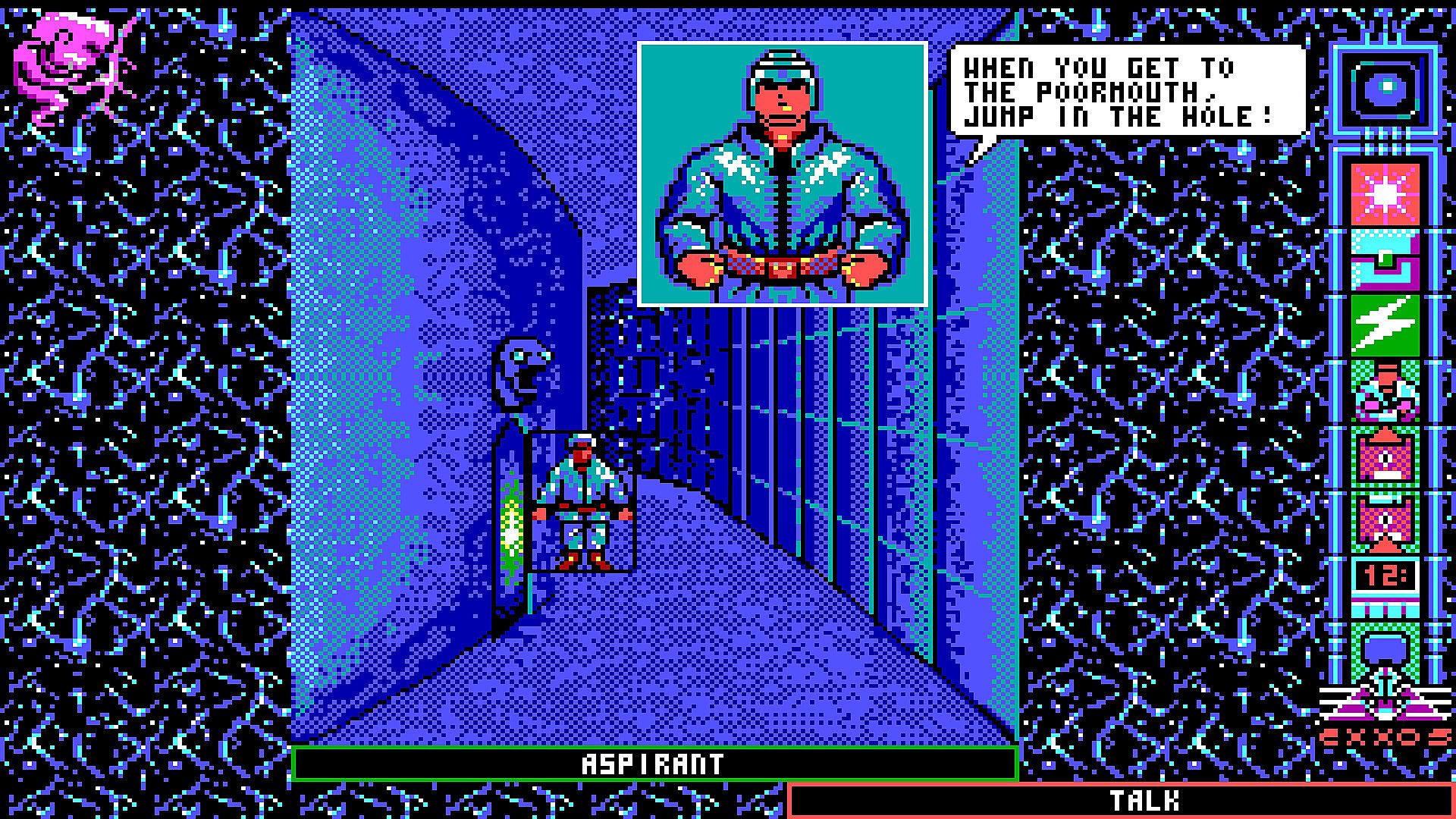
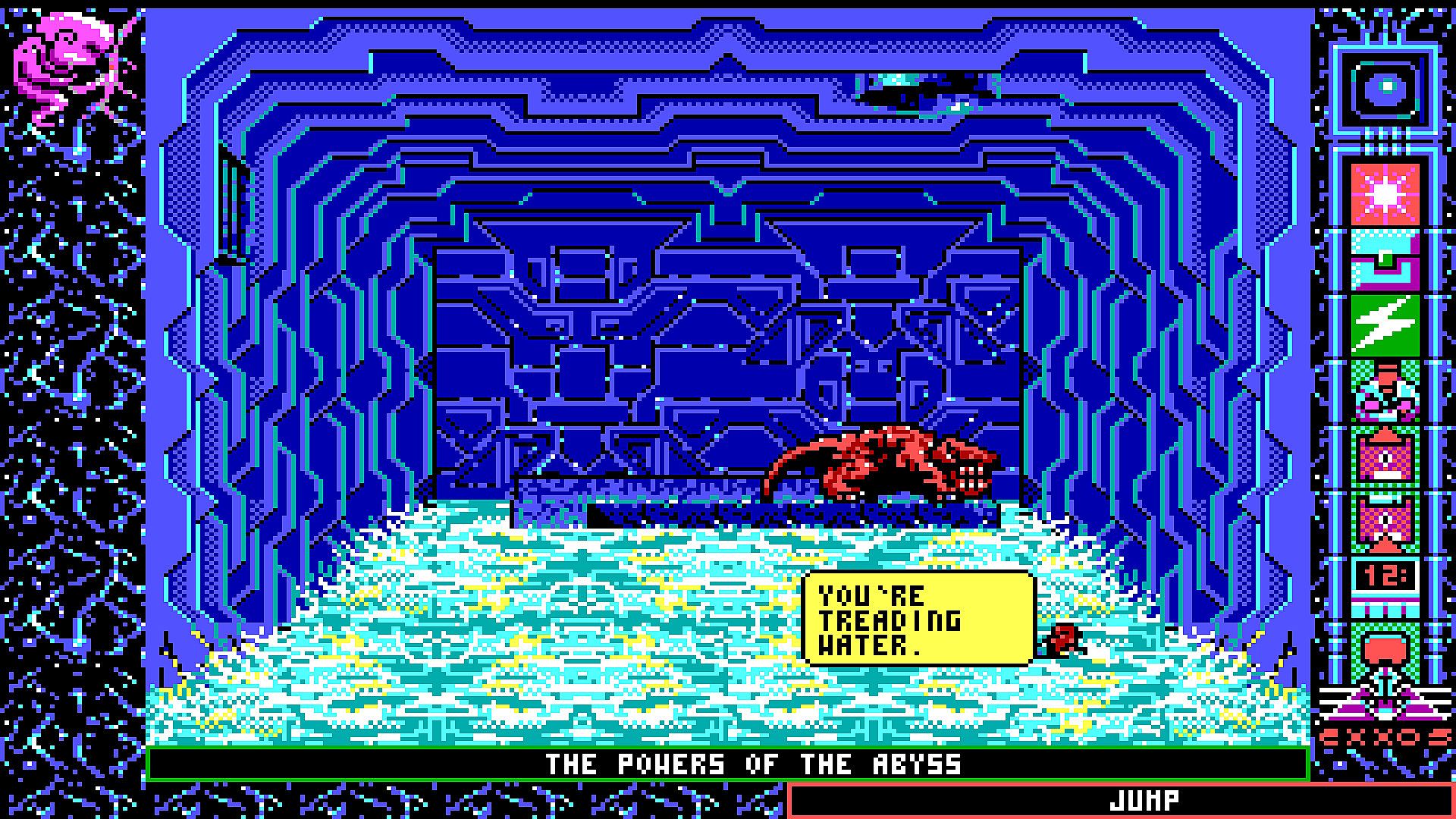
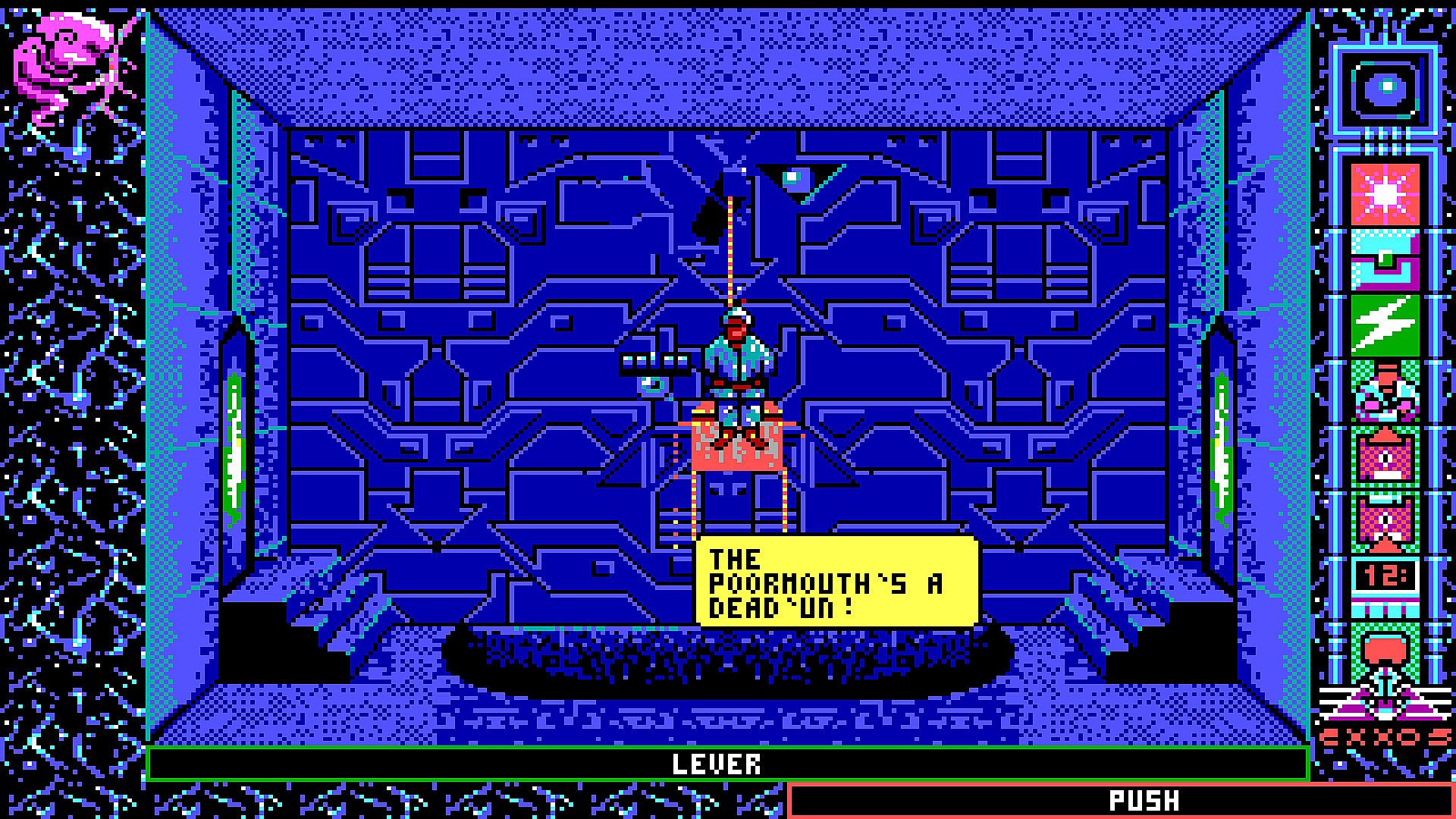
Players take control of Raven, a Tuner equipped with telepathic abilities that offer an edge against the Protozorqs, a race of mutants. The core loop revolves around navigating the chambers of a mutants' temple using a sophisticated icon interface that simplifies command inputs and power activation. Eight sci-powers become available through this system, allowing players to interact with the environment, solve puzzles, and engage enemies during the search for an abducted companion. The interface emphasizes visual selection over text commands, which streamlines movement through the plot while maintaining a focus on strategic decision-making in combat and exploration sequences. Animation and color contribute to the visual presentation, supporting the mix of mystic drama and humor that defines the narrative progression.
Game Modes
The game operates entirely in a single-player format structured around a sequence of five ordeals. These ordeals form the central framework, requiring players to complete a series of brain-draining challenges inside the temple while managing resources and abilities. No separate multiplayer options or additional modes exist beyond this linear adventure path. Progression ties directly to probing different chambers, using the icon-based controls to apply sci-powers at key moments, and advancing the story through puzzle resolution and encounters with Protozorqs. The structure rewards careful planning with the available powers rather than reflex-based action.
Story and Setting
The narrative unfolds on a distant planet where players confront the Protozorqs in their temple domain. Raven's role as a Tuner drives the central conflict, combining personal stakes with the broader threat posed by the mutant race. Humor surfaces alongside dramatic elements through character interactions and environmental details, all accessed via the icon interface that keeps the focus on plot advancement. The setting emphasizes the temple's chambers as interconnected spaces filled with challenges that test both telepathic capabilities and strategic thinking.
Technical Aspects and Accessibility
Developed originally in 1989, the title features an icon-driven control scheme that remains functional on modern Windows systems through its re-release. System requirements stay minimal, supporting play on older hardware configurations. The colorful animations and interface design aim to accommodate both new players unfamiliar with classic adventure titles and those experienced with similar mechanics from the era. Telepathic powers integrate into the strategy layer, encouraging experimentation with the eight available options across different scenarios.
Is It Worth Playing?
With only a small number of user reviews available on its current distribution platform, reception remains limited and reflects the game's age as a 1989 release. It appeals primarily to those interested in classic point-and-click adventures that combine puzzle-solving, light combat strategy, and narrative exploration. The five ordeals provide a contained experience suited to players who enjoy methodical progress through icon-based interactions rather than fast-paced action. Availability on PC makes it accessible for anyone seeking this specific style of early adventure game, though expectations should align with the technical standards of its original release period. Those drawn to telepathic ability systems and temple-based challenges may find value in its focused single-player structure.