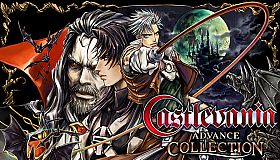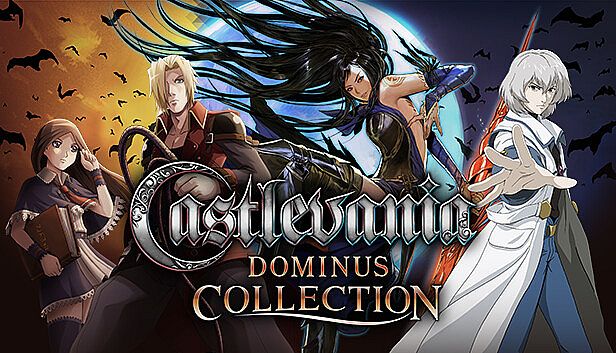

















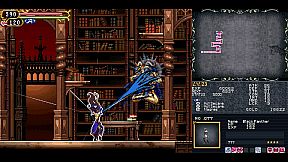
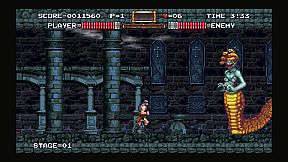
Castlevania Dominus Collection is a single-player action RPG compilation for PC that packages three classic Nintendo DS titles from the Castlevania series with a pair of versions of the original arcade entry. The package centers on exploration-driven combat and ability progression across interconnected castle environments, where players collect and apply powers to overcome enemies and navigate obstacles. It emphasizes deliberate platforming, enemy patterns, and resource management rather than fast-paced action alone.
Gameplay
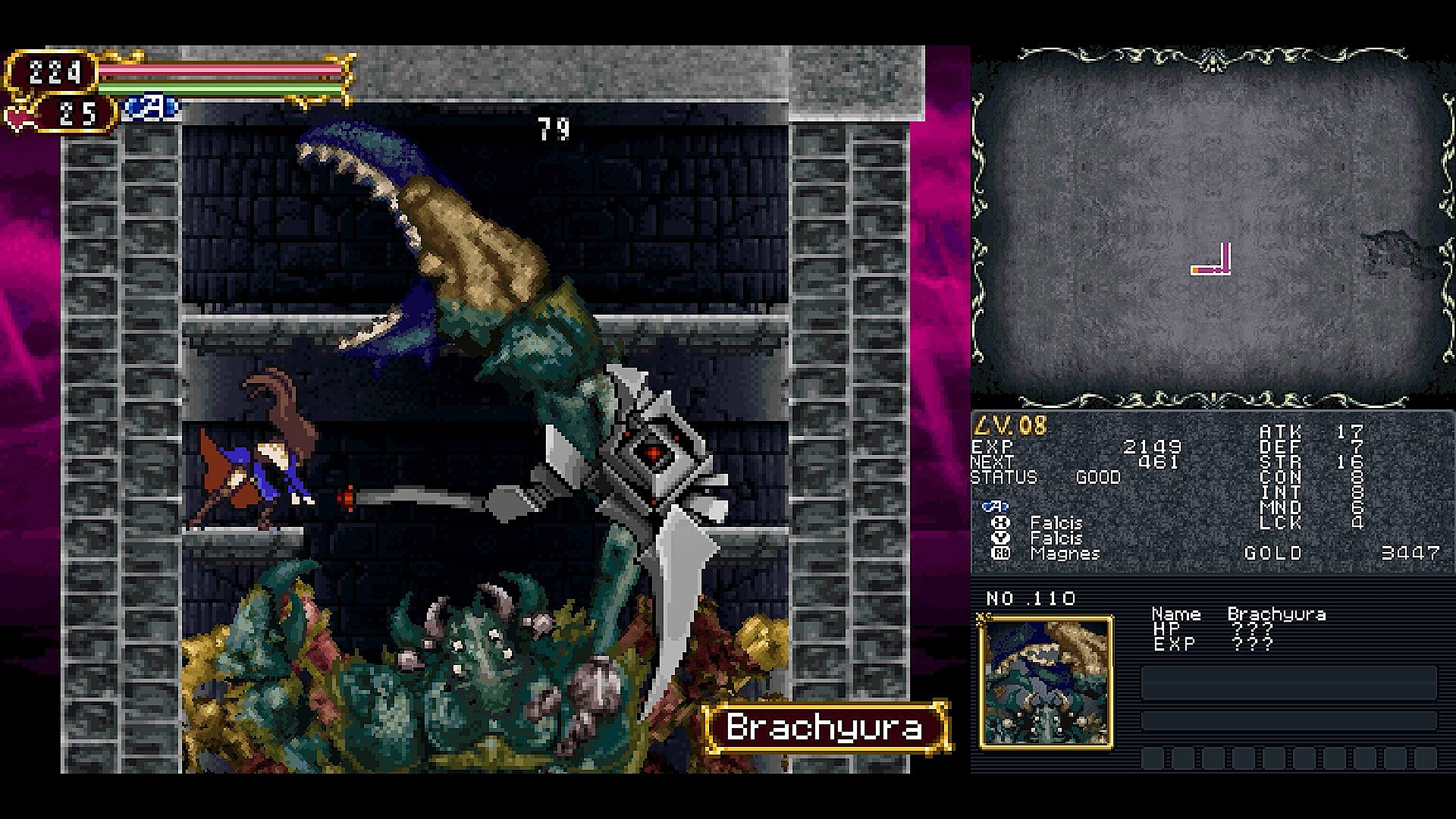
The core loop revolves around traversing large, multi-layered castles filled with hidden paths, breakable walls, and enemy encounters. Progress often requires acquiring new abilities that open previously inaccessible areas, creating a cycle of exploration, combat, and backtracking. Each title within the collection refines this formula with distinct progression systems that tie directly into combat and puzzle-solving.
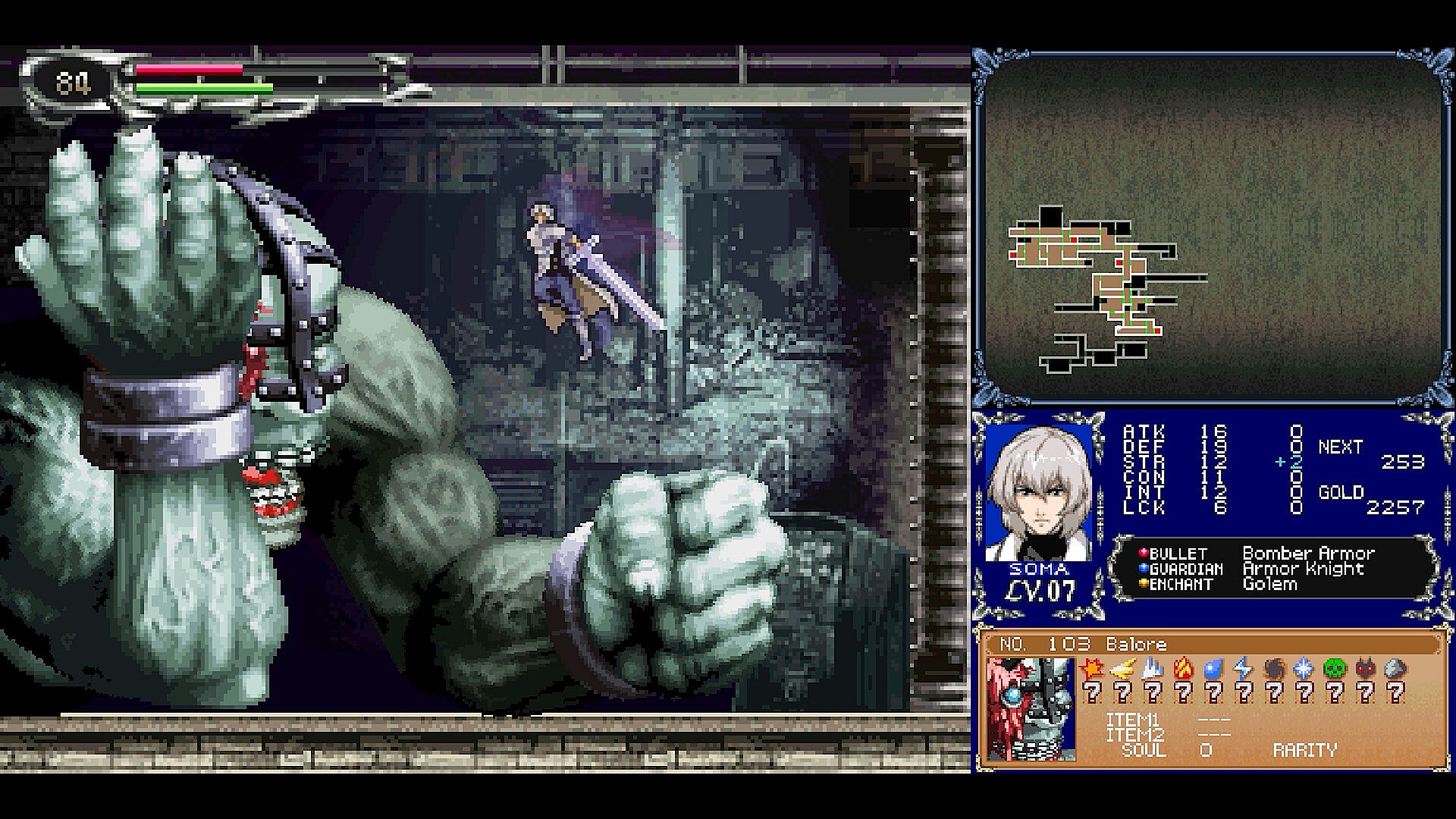
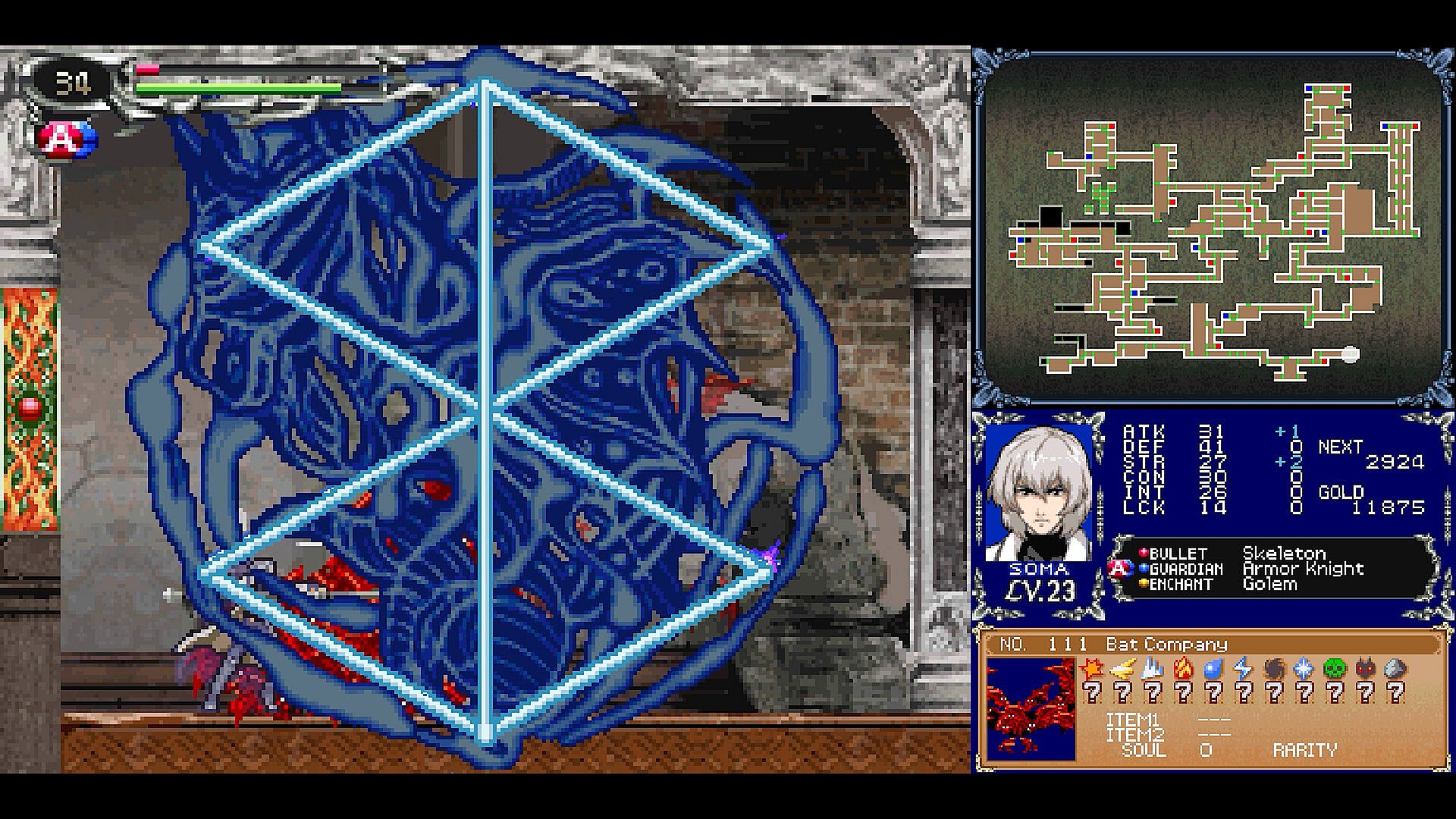
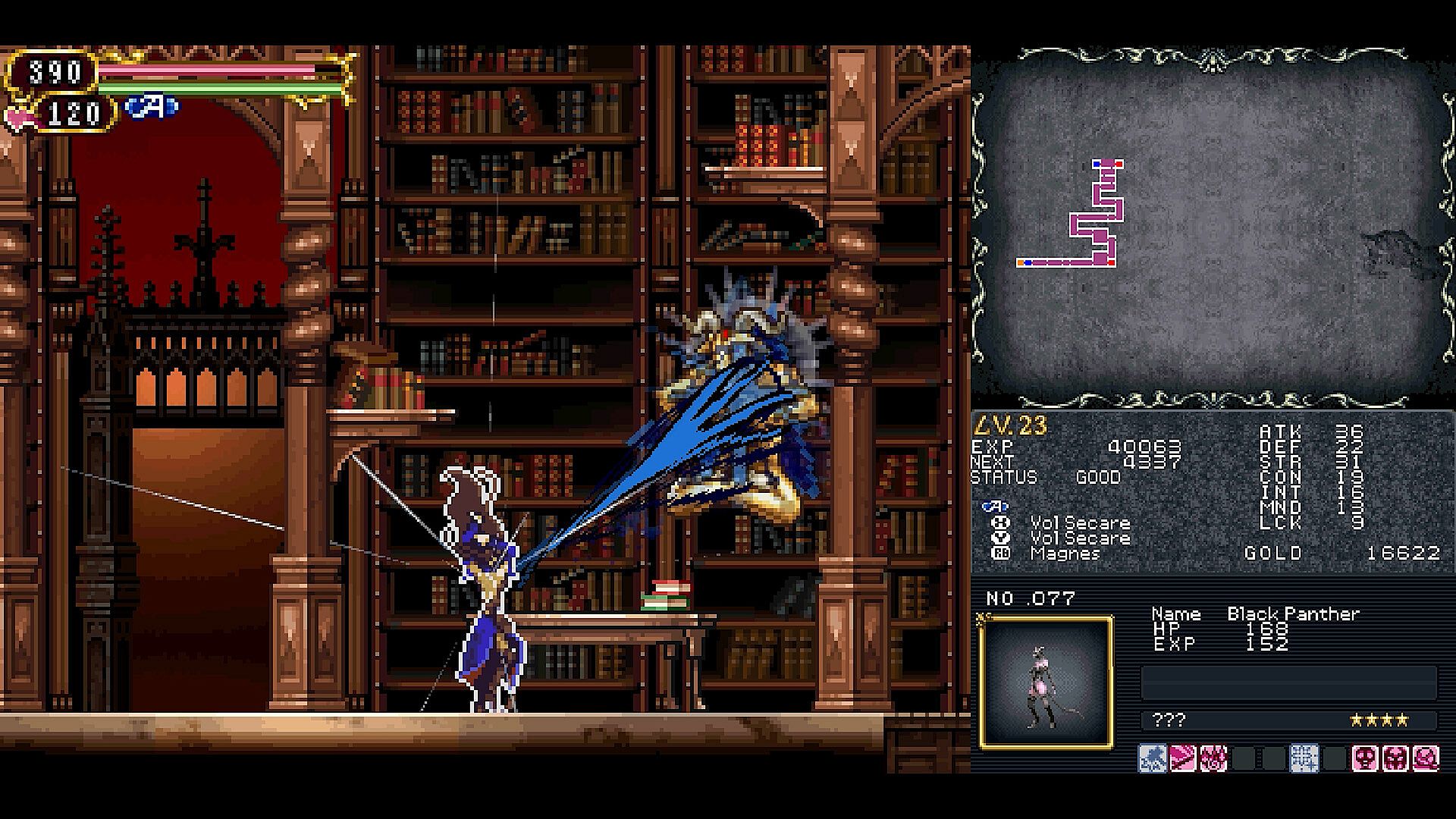
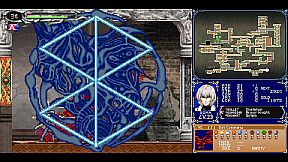
In Dawn of Sorrow, players control Soma Cruz and gather souls from defeated foes. These souls combine in specific recipes to form weapons, armor, and abilities, encouraging experimentation with hundreds of possible outcomes. Combat mixes melee strikes with soul-activated specials, while the environment demands careful timing to avoid traps and reach new sections of the map.
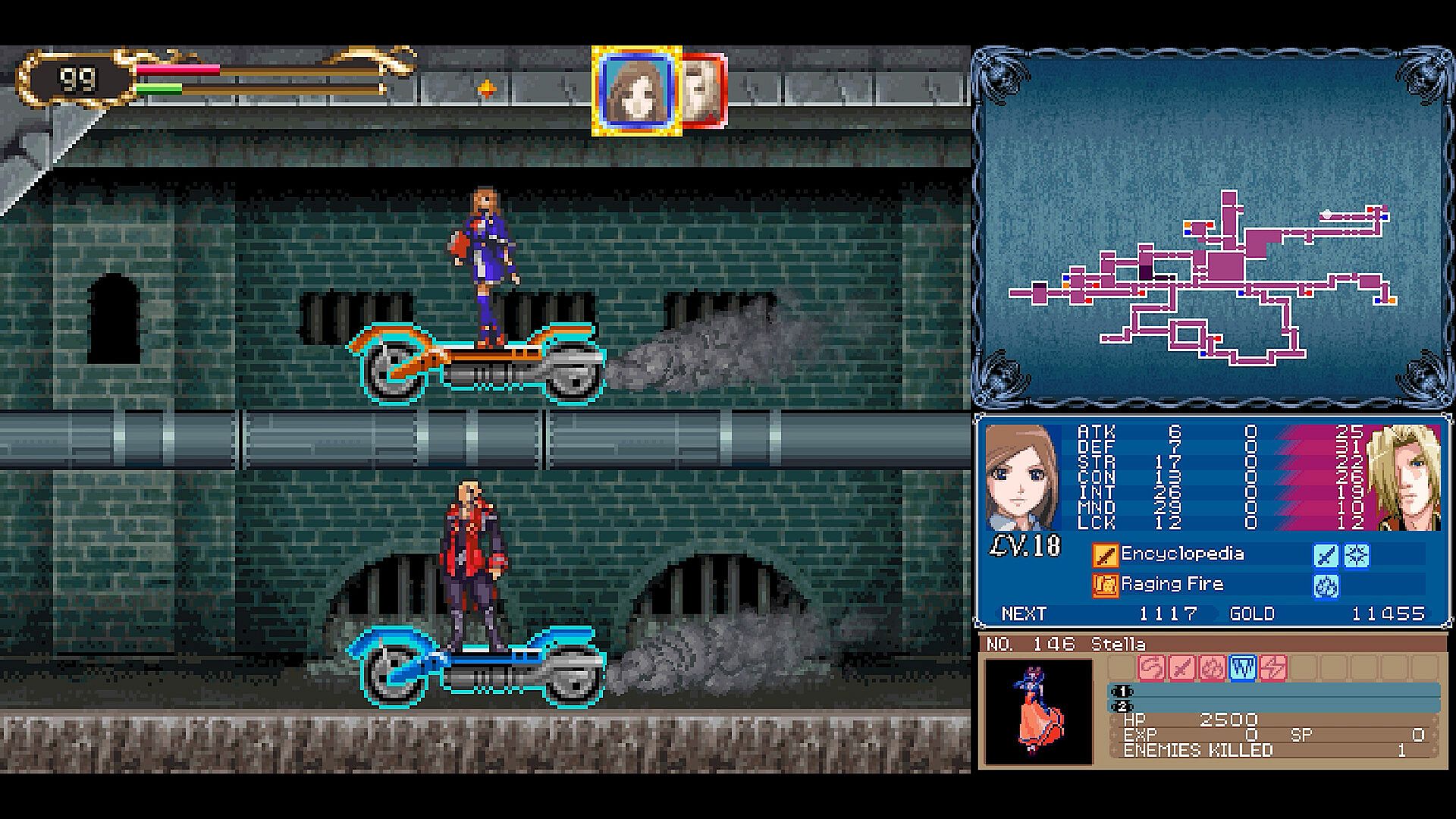
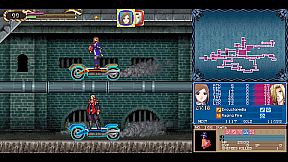
Portrait of Ruin introduces dual protagonists, Jonathan Morris and Charlotte Aulin. Players switch between them instantly to leverage Jonathan's physical attacks alongside Charlotte's magic spells. This system supports both aggressive rushes and ranged support tactics, with puzzles often requiring coordinated use of both characters' skills to advance.
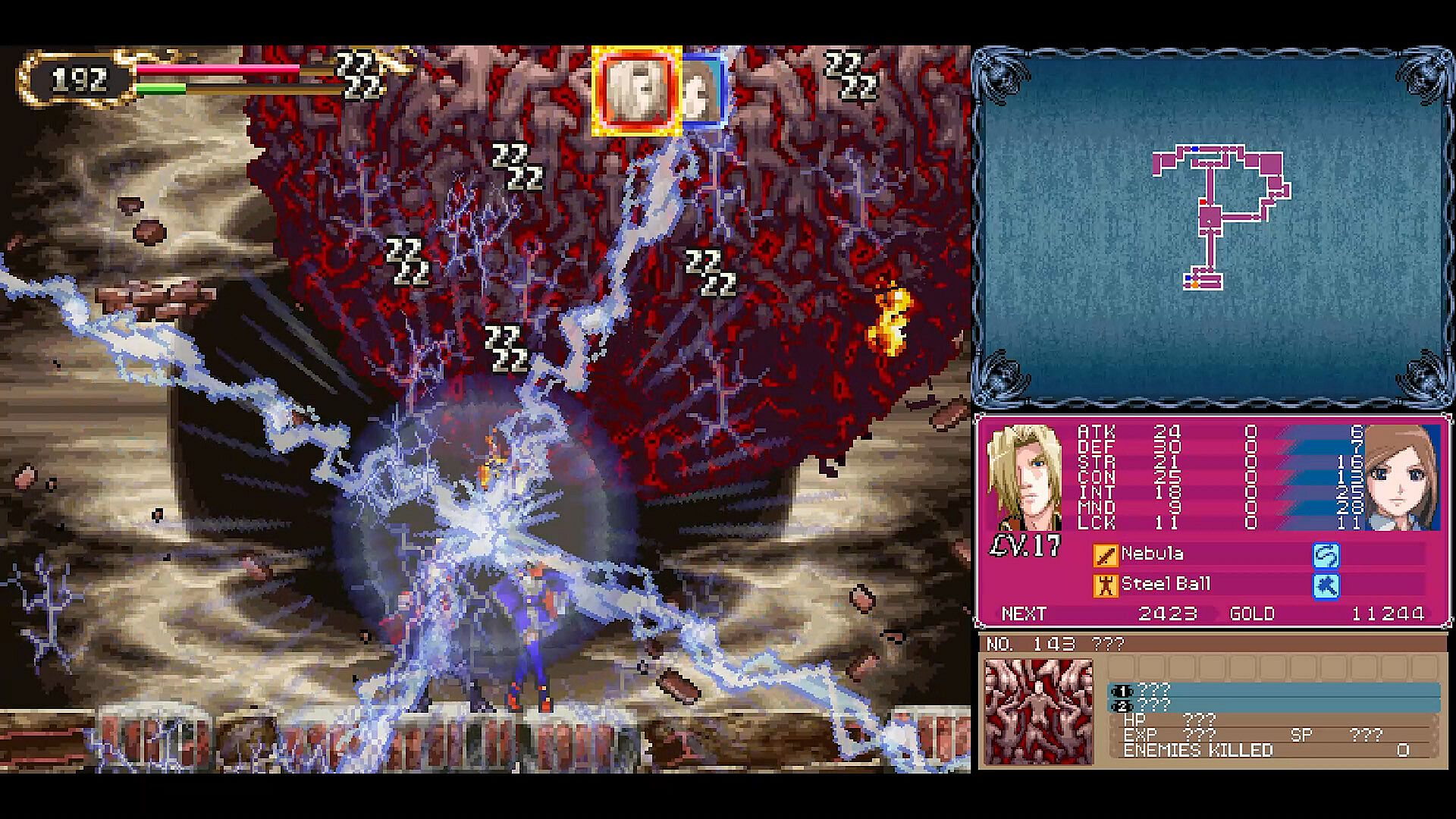
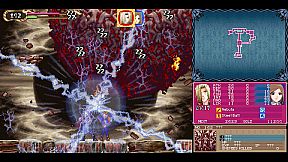
Order of Ecclesia shifts focus to glyph collection. Shanoa absorbs symbols from the environment and fallen enemies, equipping them to gain elemental attacks, mobility options, and defensive tools. The glyph mechanics reward thorough searching of side areas, as powerful combinations emerge from mixing offensive and utility symbols during fights and traversal.
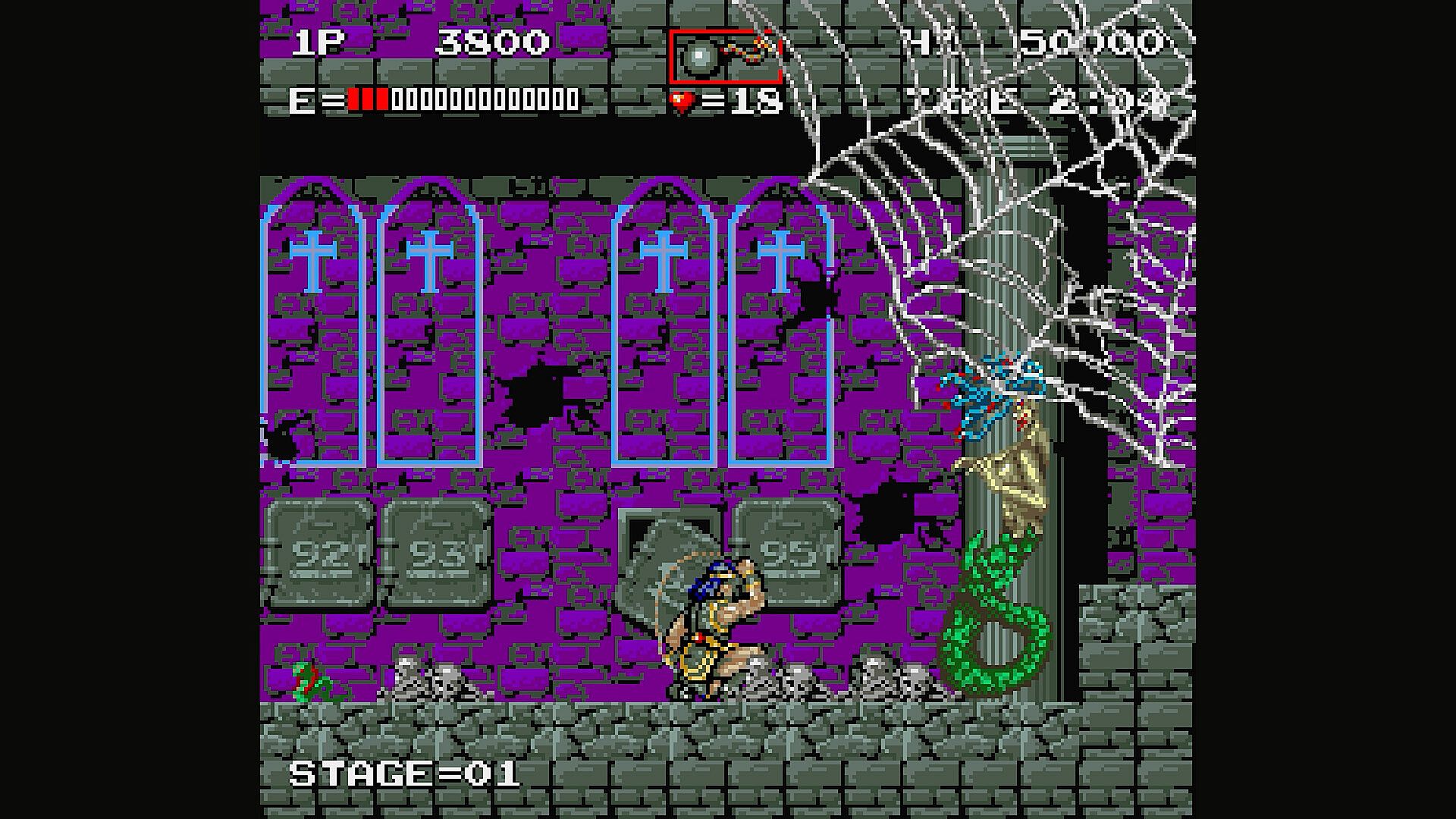
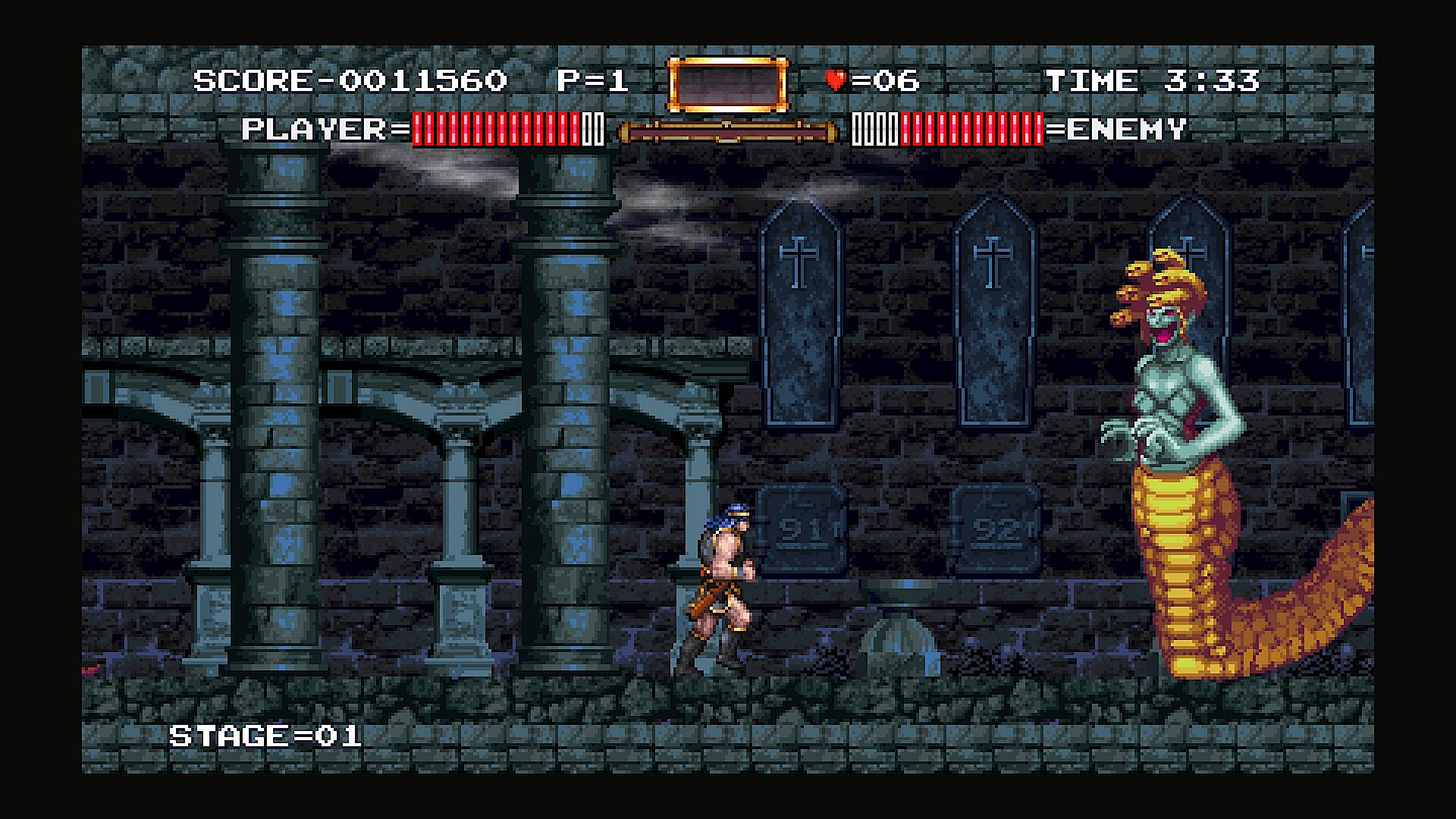
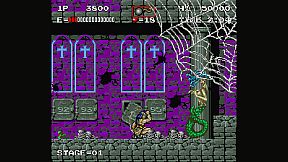
Haunted Castle Revisited rebuilds the 1986 arcade original with updated visuals and controls while preserving its linear stage structure and whip-based combat. The original format remains playable alongside the revised version, offering a direct comparison of classic difficulty spikes and enemy placements.
Game Modes
The collection structures its content around the complete campaigns of its four main titles. Each campaign functions as a self-contained experience with its own story progression, boss encounters, and ability unlocks. Additional character-specific modes appear in certain entries, such as Albus Mode in Dawn of Sorrow, which alters gameplay with a different protagonist and adjusted mechanics.
Julius Mode, unlocked in Dawn of Sorrow, provides a separate playthrough centered on a different character with unique weapon and ability sets. These modes extend replay value without altering the fundamental castle exploration loop.
Haunted Castle offers two distinct presentations of the same core stages: the redesigned Revisited edition with modern quality-of-life adjustments and the unaltered original arcade version. Players can select either format at any time.
Additional Features
Modern conveniences integrate throughout all titles. Rewind functionality lets players step back moments to correct mistakes during combat or platforming sections. Quick-save options allow frequent checkpoints without interrupting flow. A music player collects every track from the included games, supporting custom playlists for extended sessions.
Art galleries display newly created and archival illustrations tied to each title. Screen mode preferences and controller mappings receive dedicated menu support on PC, ensuring consistent presentation across sessions.
Is It Worth Playing?
Reception highlights the collection's faithful preservation of the original experiences alongside practical improvements that reduce frustration from older design choices. Reviewers note strong combat feel, memorable soundtracks, and the value of having multiple interconnected campaigns in one package. The single-player focus suits players who enjoy methodical Metroidvania-style progression with RPG layering through souls, glyphs, and character abilities.
Those drawn to 2D action adventures that reward map mastery and ability experimentation will find the included titles deliver consistent depth across their campaigns. The addition of rewind and quick saves makes the higher difficulty sections more approachable without changing core challenge. The package stands as a complete entry point for the Dominus-era games, with extras like unlockable modes and music options extending playtime for completionists.