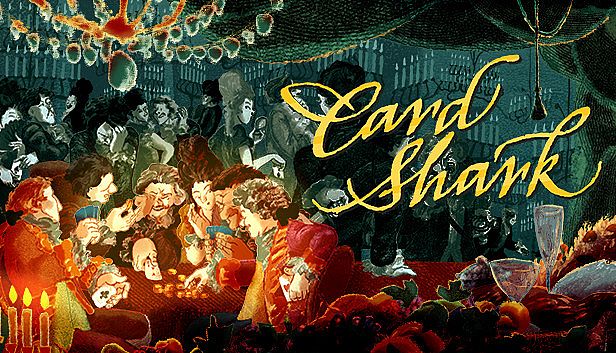
























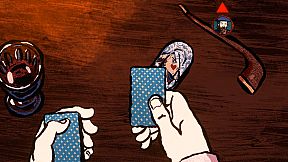





Card Shark is an indie simulation adventure game set in 18th-century France. Players take on the role of a mute peasant who learns to cheat at cards under the guidance of the Comte de Saint-Germain. The experience centers on deception and social climbing rather than traditional card play or combat.
Gameplay
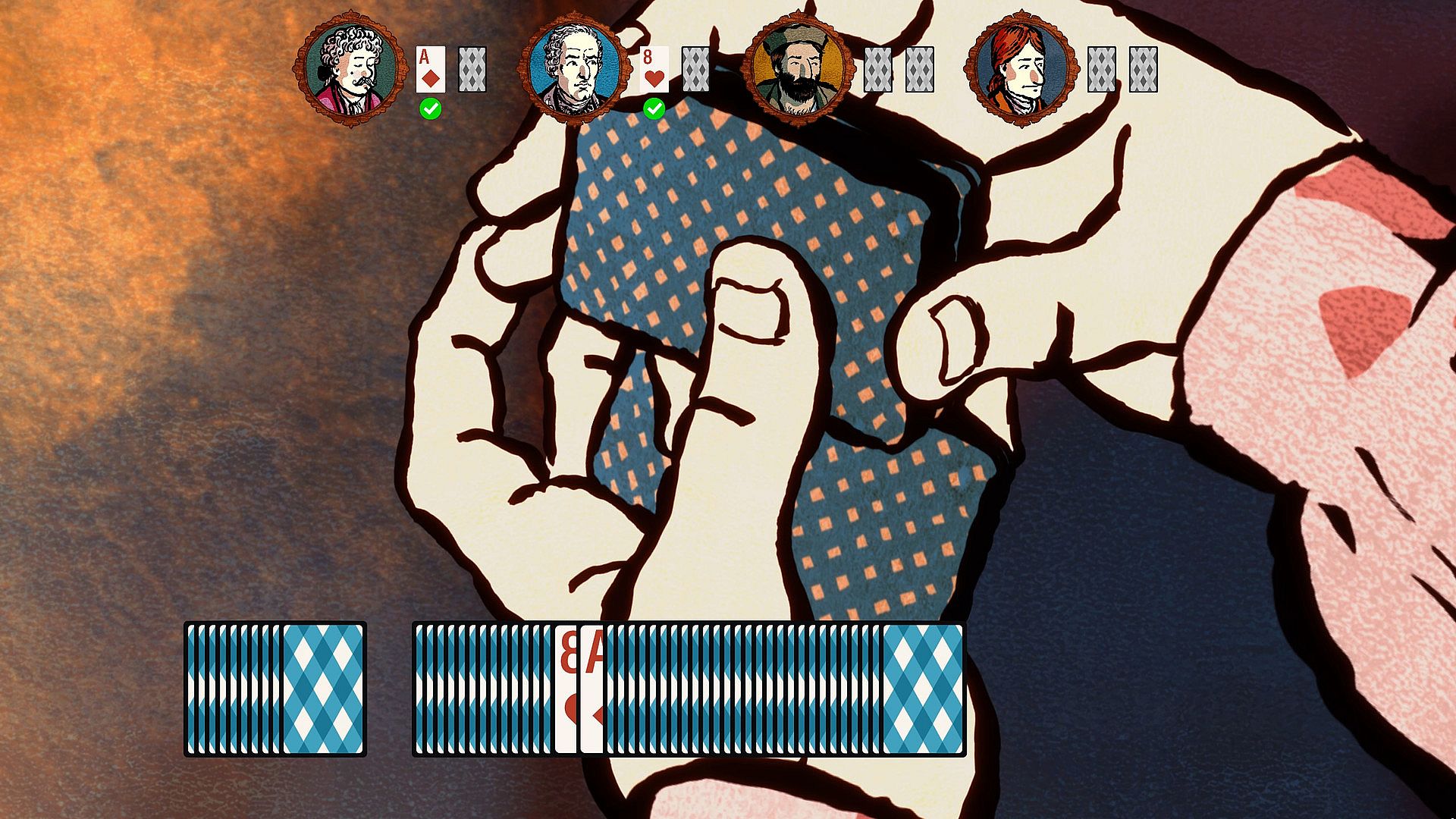
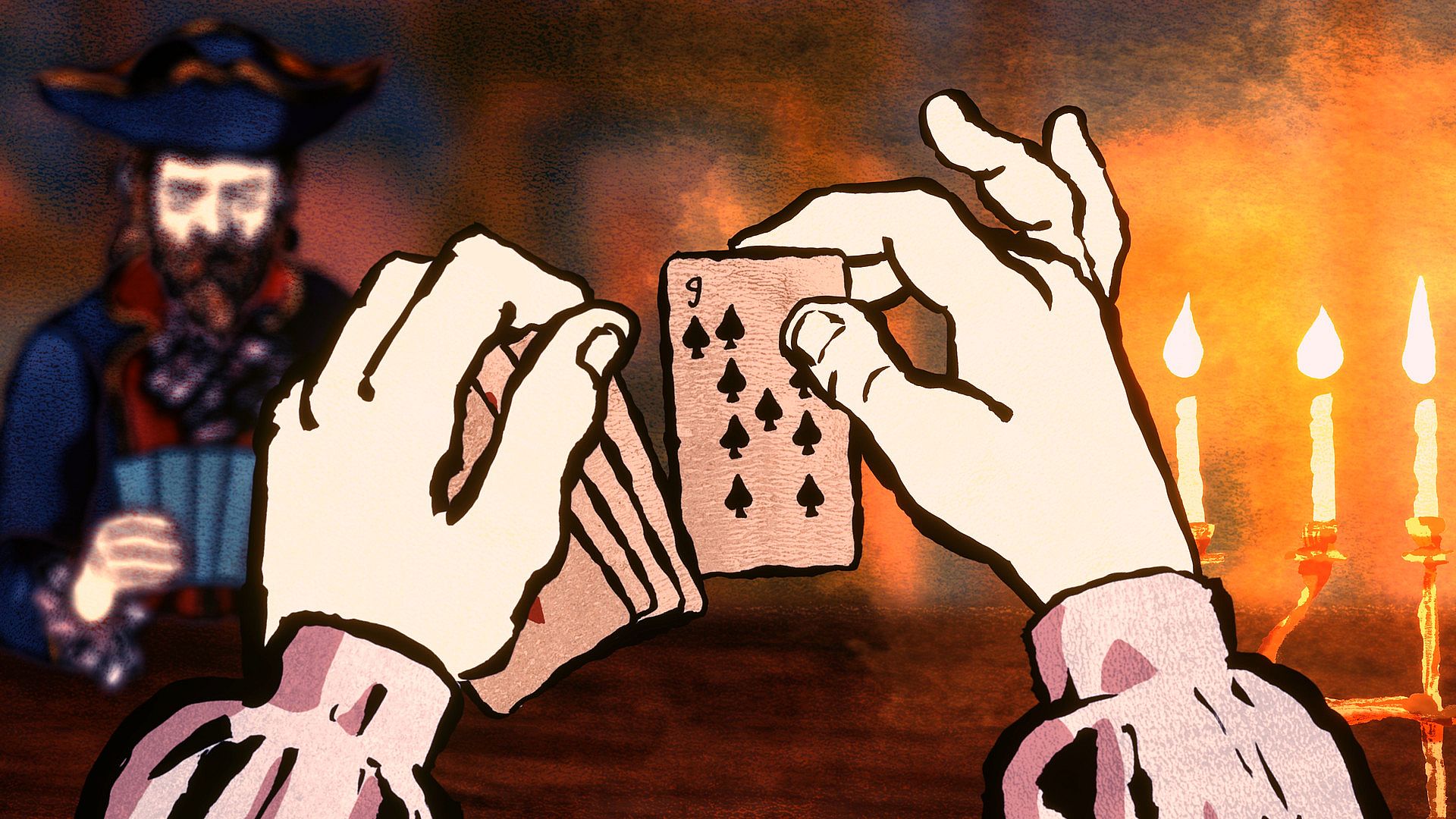
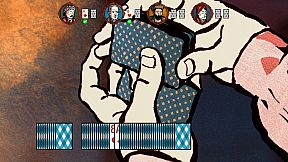
The core loop revolves around mastering a series of card tricks that allow the player to manipulate outcomes at high-stakes tables. Each trick requires precise inputs on the controller, including thumbstick movements, button presses, and timing sequences that simulate sleight of hand. Early techniques involve simple actions like pouring wine while noting an opponent's cards and signaling information through table wipes. Later challenges layer multiple steps together, such as tracking removed cards during shuffles, marking decks, or using reflections to assess hands.
Success depends on memorization and execution under pressure. Mistakes can lead to detection by opponents, ending the current table. An optional hint system provides step-by-step guidance during practice and actual performances. The game builds tension through these sequences without requiring knowledge of actual card games like poker or whist. Progression involves traveling between locations, learning new techniques at each stop, and applying them to advance the narrative.
Game Modes
Card Shark offers a single-player experience structured around a linear story campaign. There are no separate multiplayer options or competitive modes. The main progression takes players through a series of distinct locations and tables, each introducing new cheating techniques that build on previous ones. Challenges escalate in complexity as the player moves from local parlors to more exclusive settings, with the focus remaining on completing the central narrative arc.
Optional practice rounds allow refinement of individual tricks before attempting them in story contexts. The entire game unfolds as one cohesive campaign without branching paths or post-completion content like endless modes.
Setting and Presentation
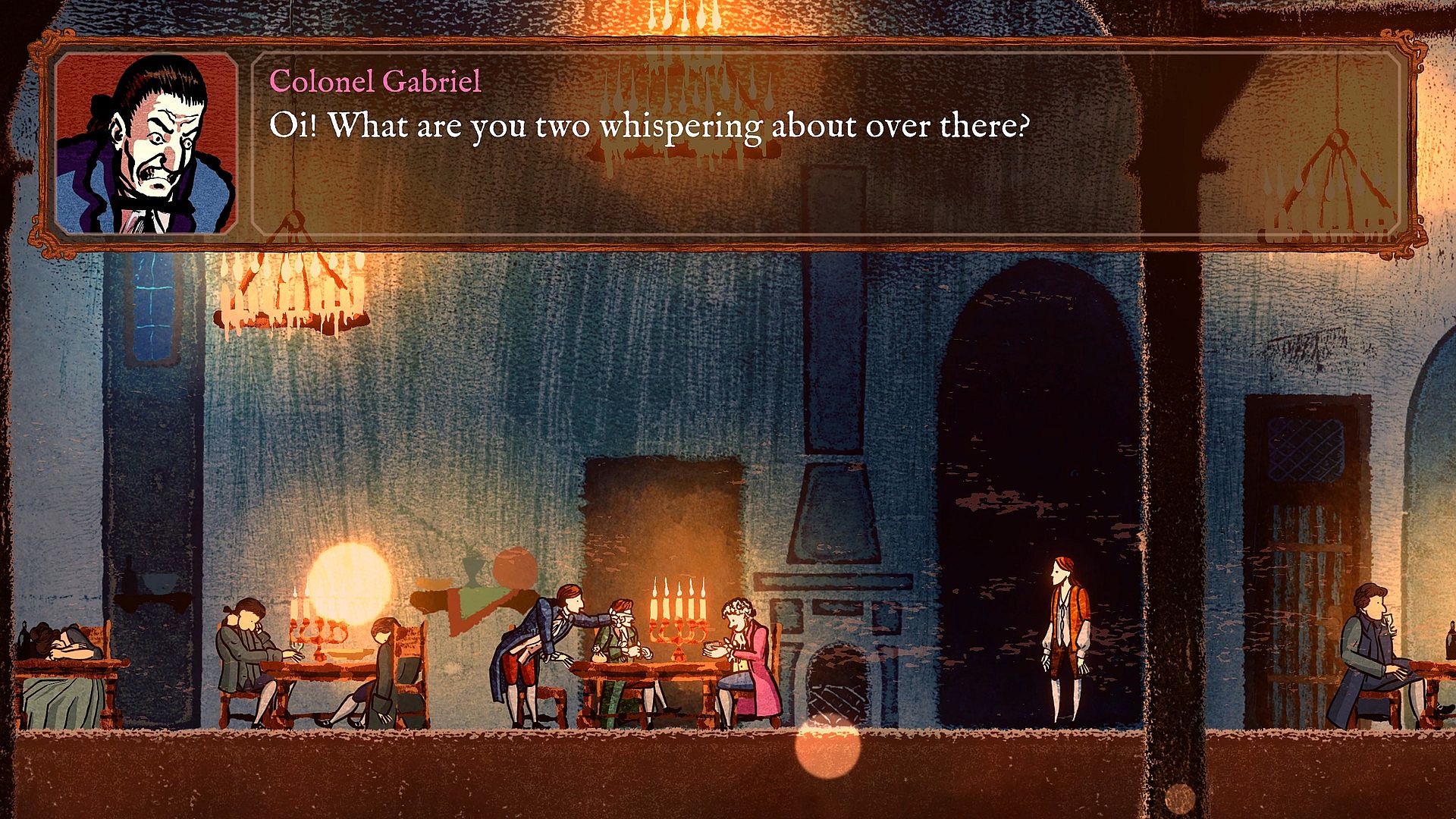
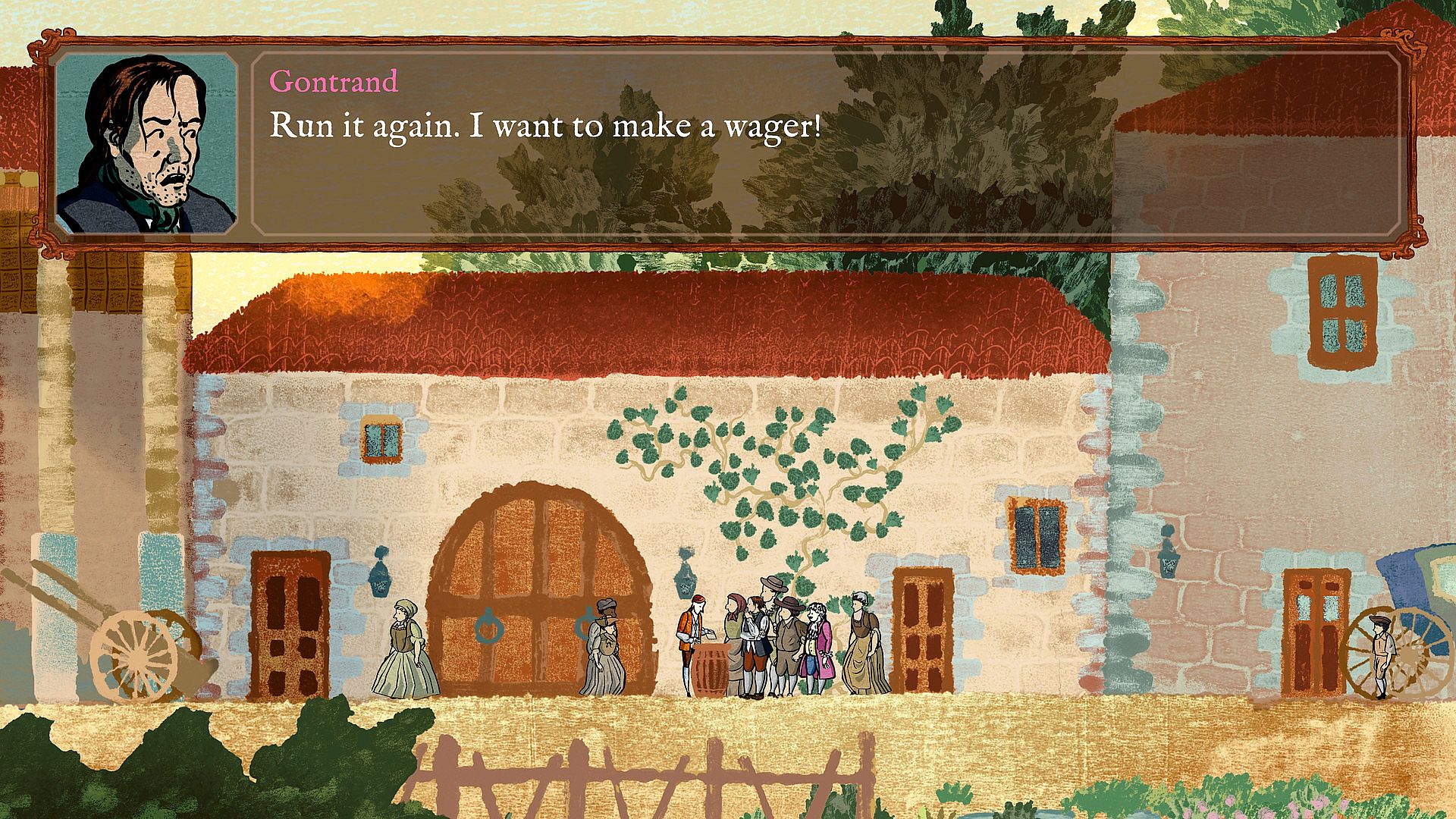
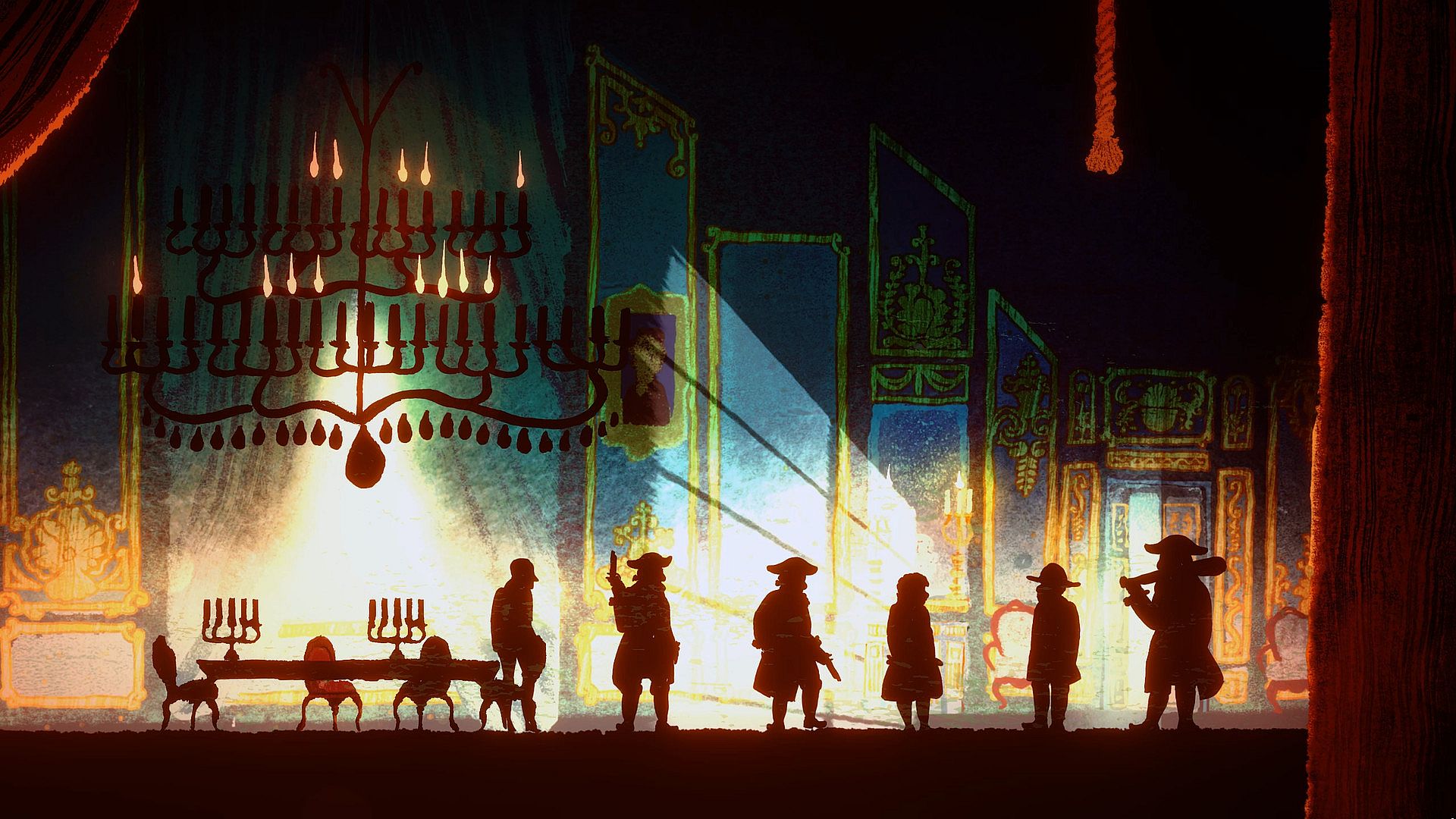
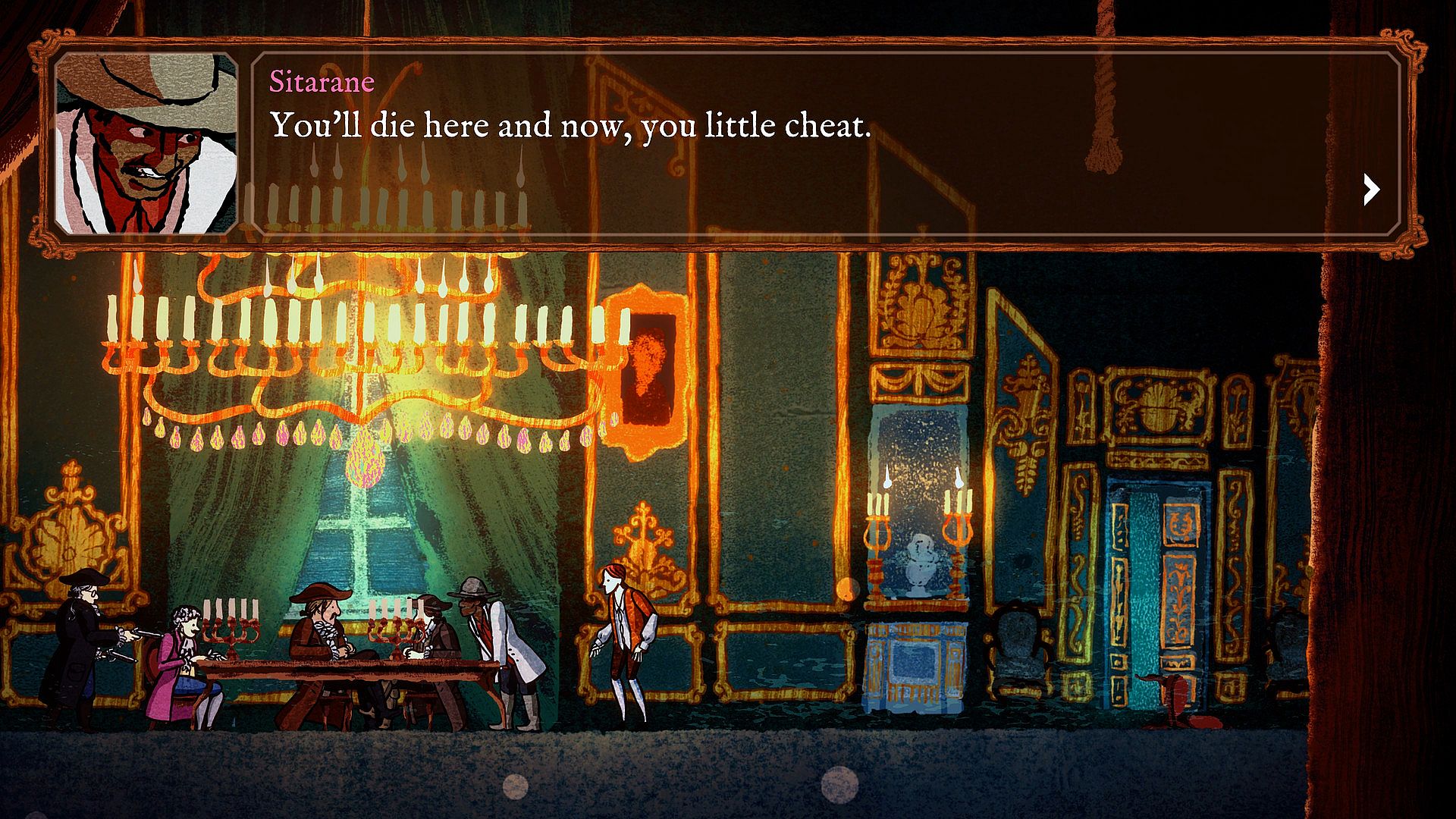
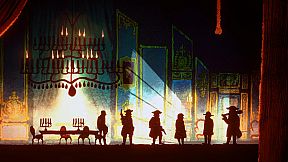
The game depicts ornate 18th-century French environments, from modest card parlors in small towns to lavish mansions and royal-adjacent lounges. Visuals feature detailed, hand-crafted artwork that emphasizes period clothing, furniture, and lighting. An original orchestral score accompanies movement and trick sequences, heightening the atmosphere of intrigue and risk. The narrative follows the player's rise through aristocratic circles while uncovering a larger conspiracy, delivered through dialogue and environmental storytelling.
Controls emphasize subtlety, with each new deception adding layers of coordination that mirror real-world sleight of hand. The experience lasts roughly eight to nine hours for most players, providing a focused session without unnecessary padding.
Is It Worth Playing?
Card Shark suits players who enjoy narrative-driven adventures with puzzle-like mechanics centered on timing and memory. Its unique focus on cheating systems delivers satisfying progression as techniques grow more intricate. Reviews highlight the charm of the writing, the elegance of the presentation, and the tension of high-stakes performances. Some note that the control demands can feel demanding at first, though practice mitigates this.
The game stands as a complete, self-contained title with no ongoing seasons or major updates required. Those drawn to indie experiences that prioritize clever mechanics and historical atmosphere over action or multiplayer will find it rewarding. It rewards patience and attention to detail in a compact package.