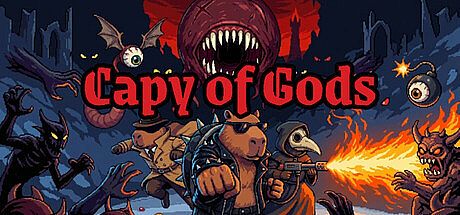


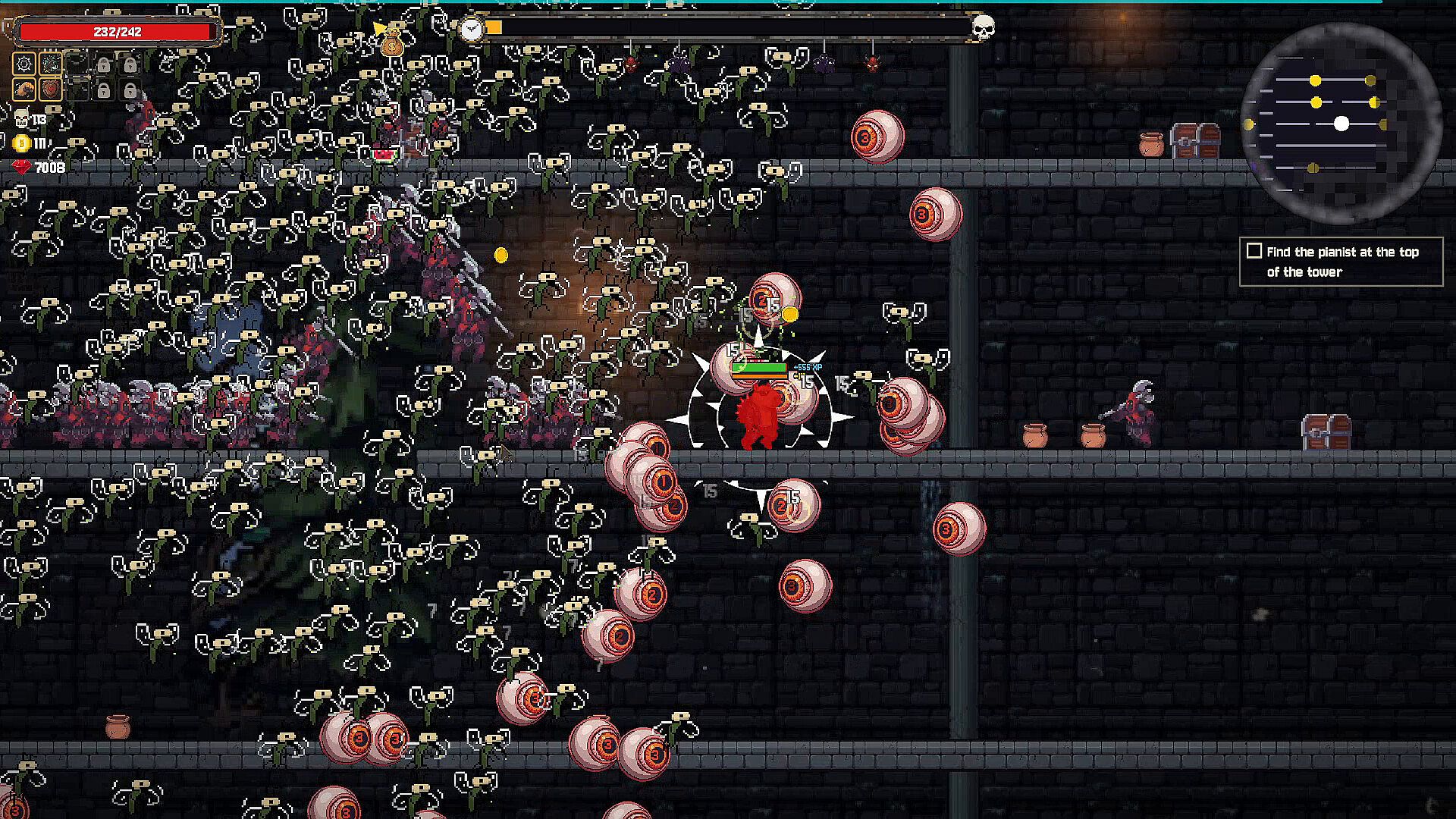
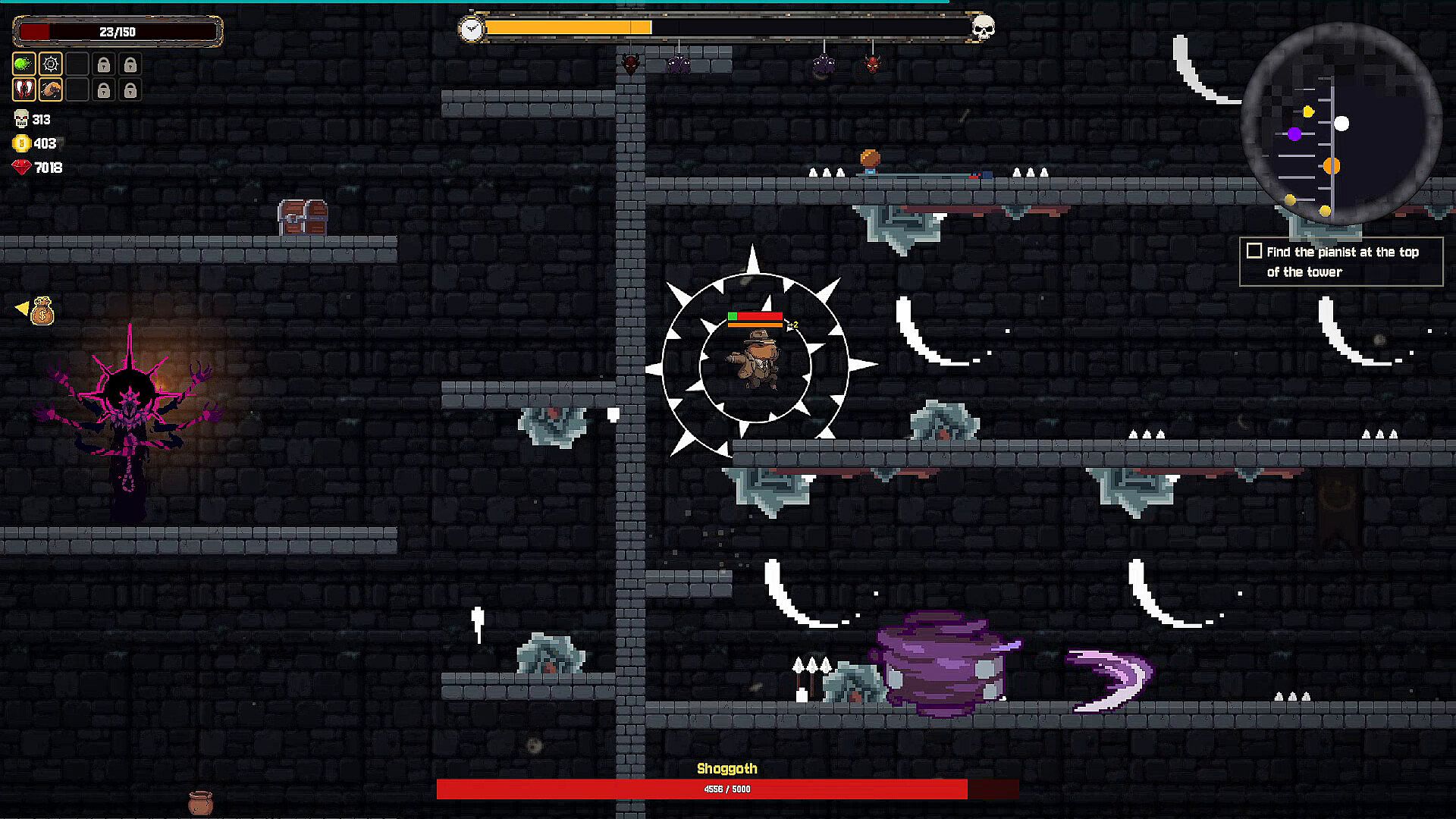
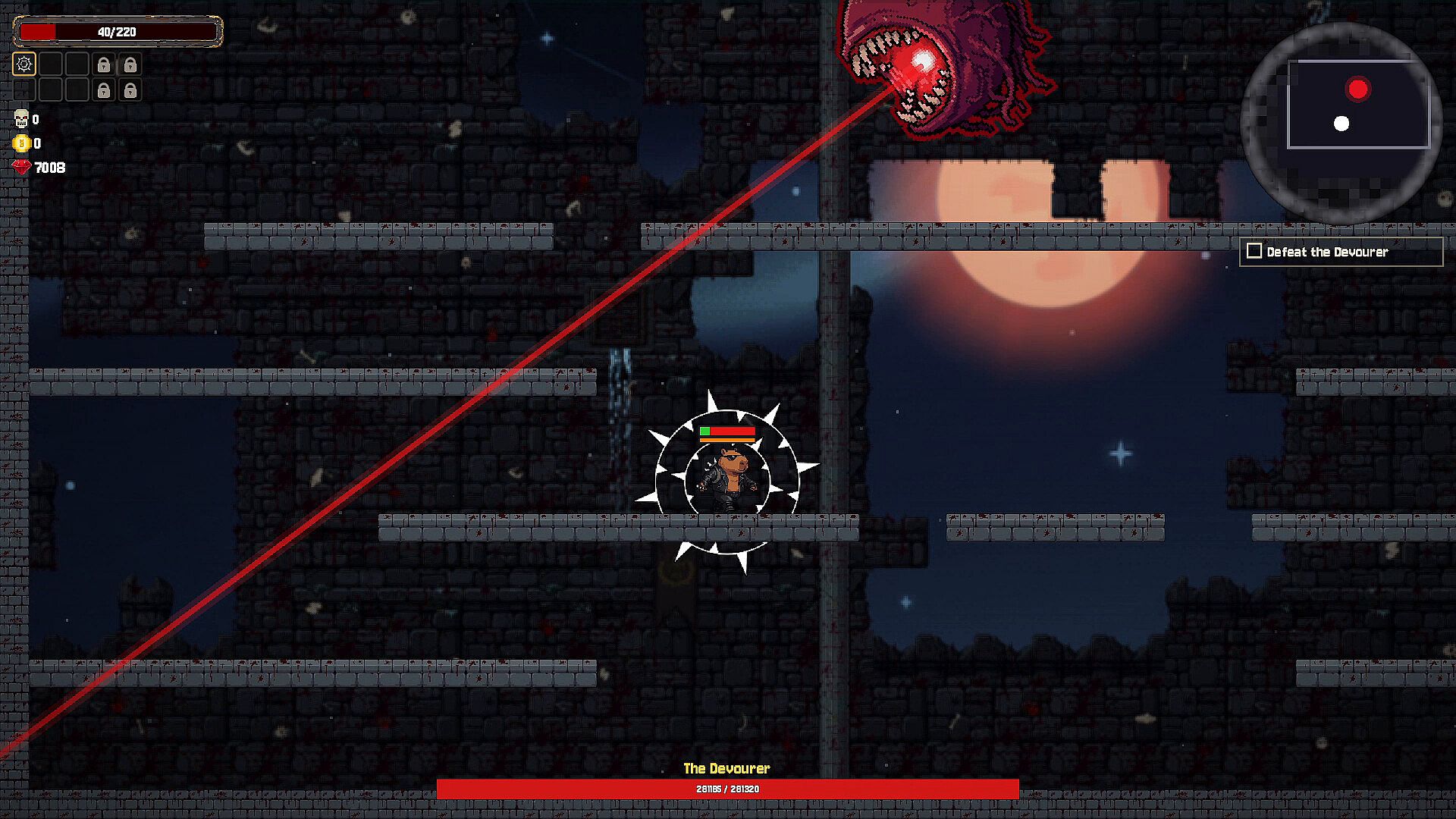
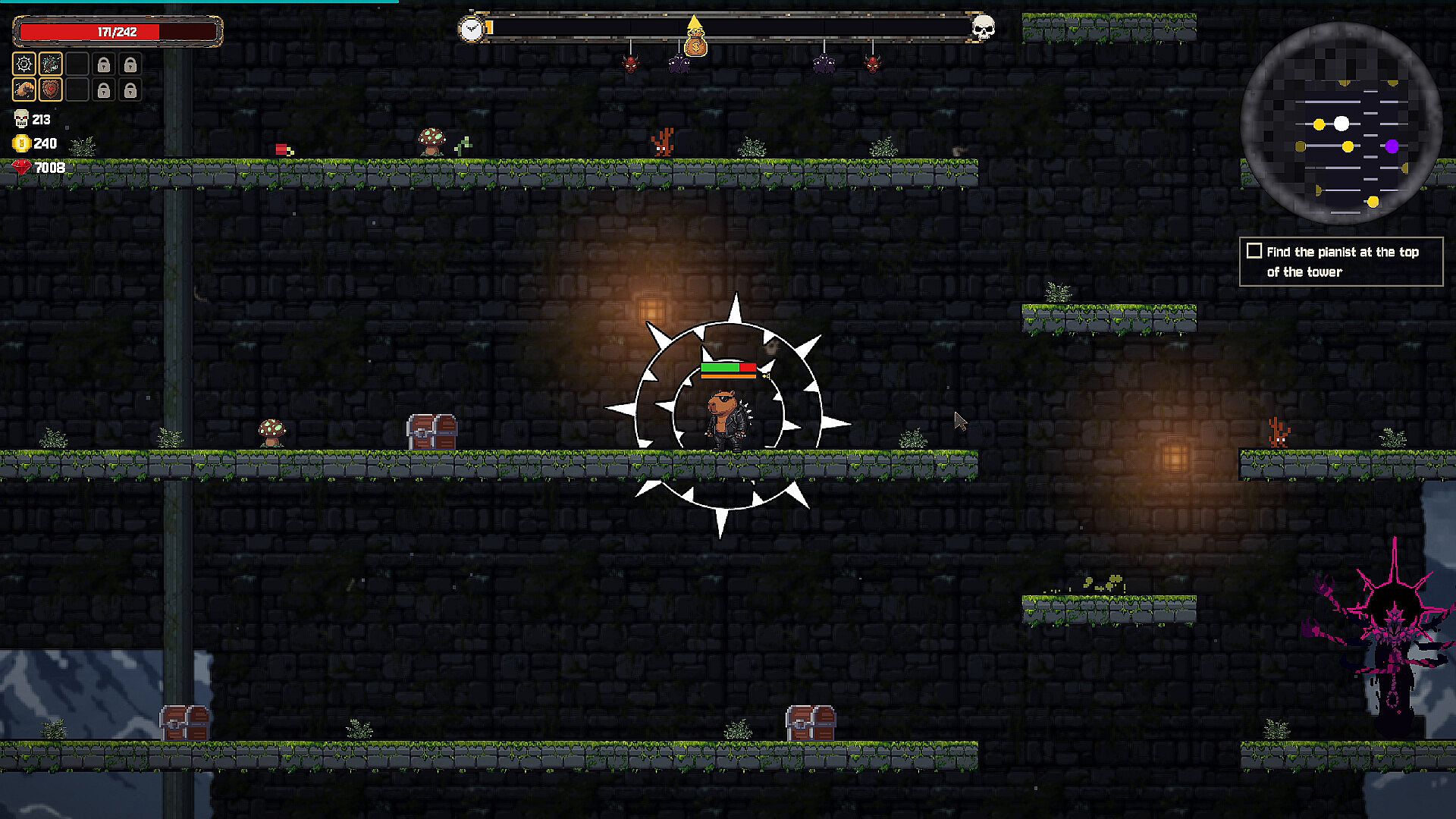
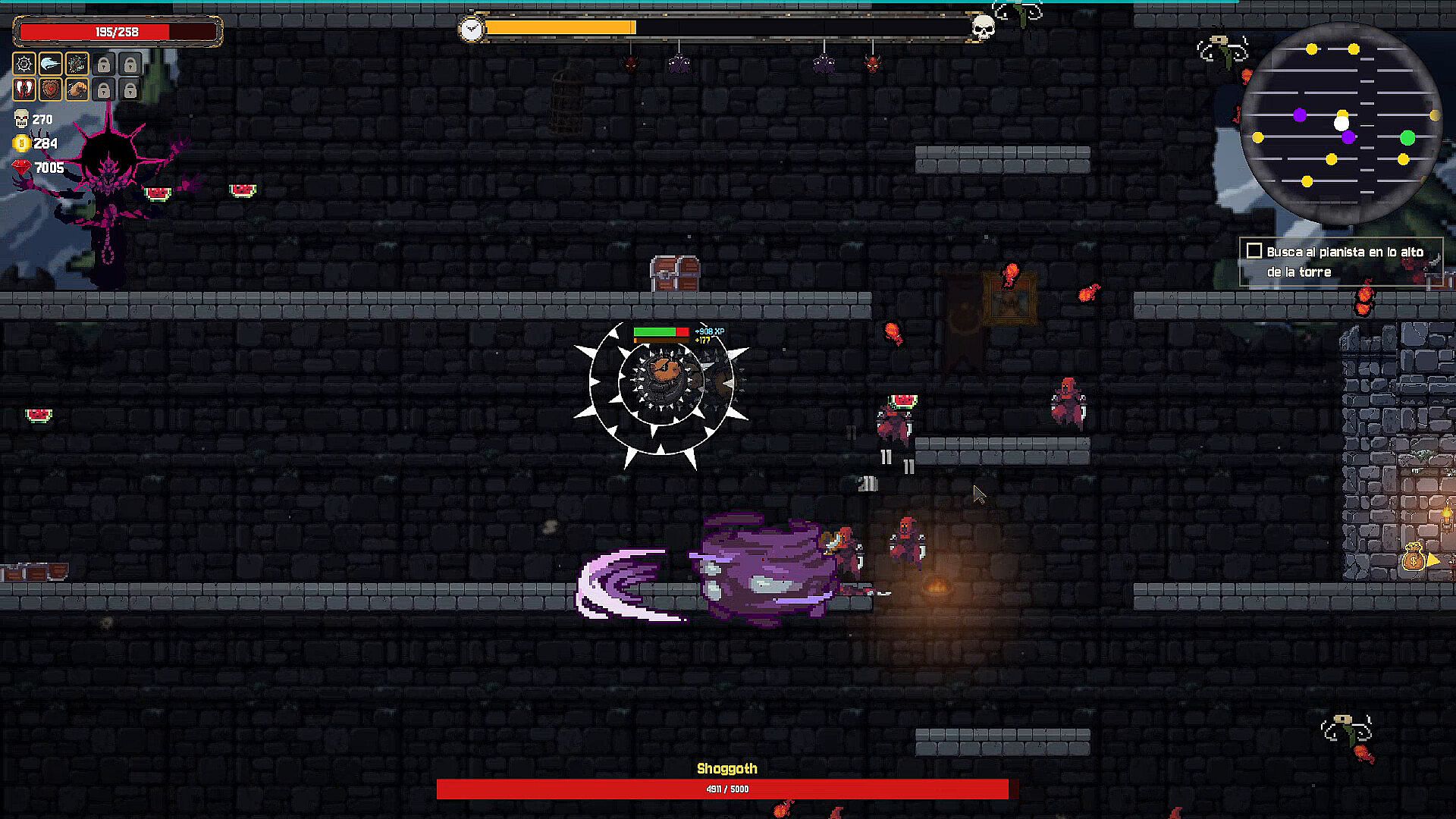
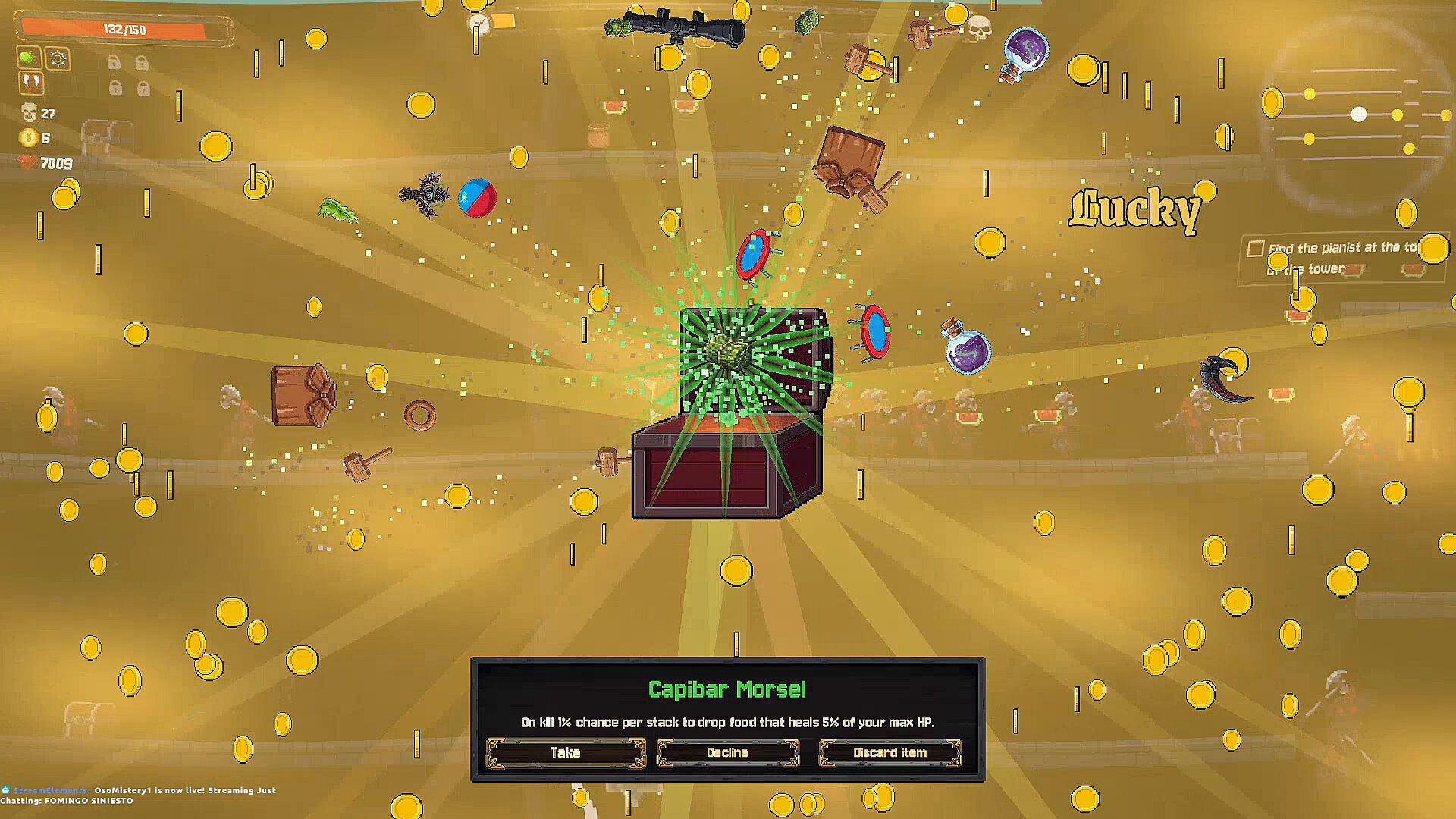
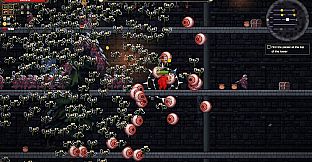
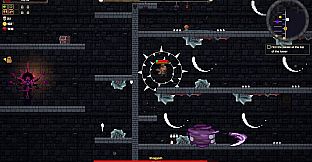
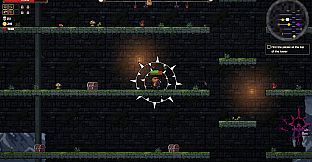
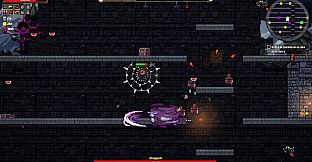
Capy of Gods is an action roguelike that places players in control of a capybara scaling a procedurally generated tower filled with enemies and hazards. The core experience combines vertical platforming with automatic combat, where weapons fire independently while the player focuses on movement, jumps, and dashes to avoid threats. Runs emphasize survival and progression through floors that change with each attempt, supported by upgrades chosen during play and permanent unlocks earned across sessions.
Gameplay
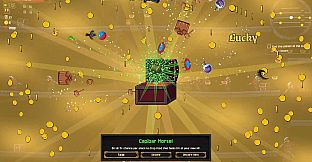
The central loop requires climbing upward while enemies attempt to pull the capybara downward. Weapons activate automatically, allowing attention to remain on positioning and evasion rather than aiming. Experience points accumulate from defeated foes, leading to level-ups that offer selections among new weapons, animal instincts, and build-altering synergies. Procedural generation creates varied platforms, traps, chests, and biomes such as stone, moss, or blood on every ascent.
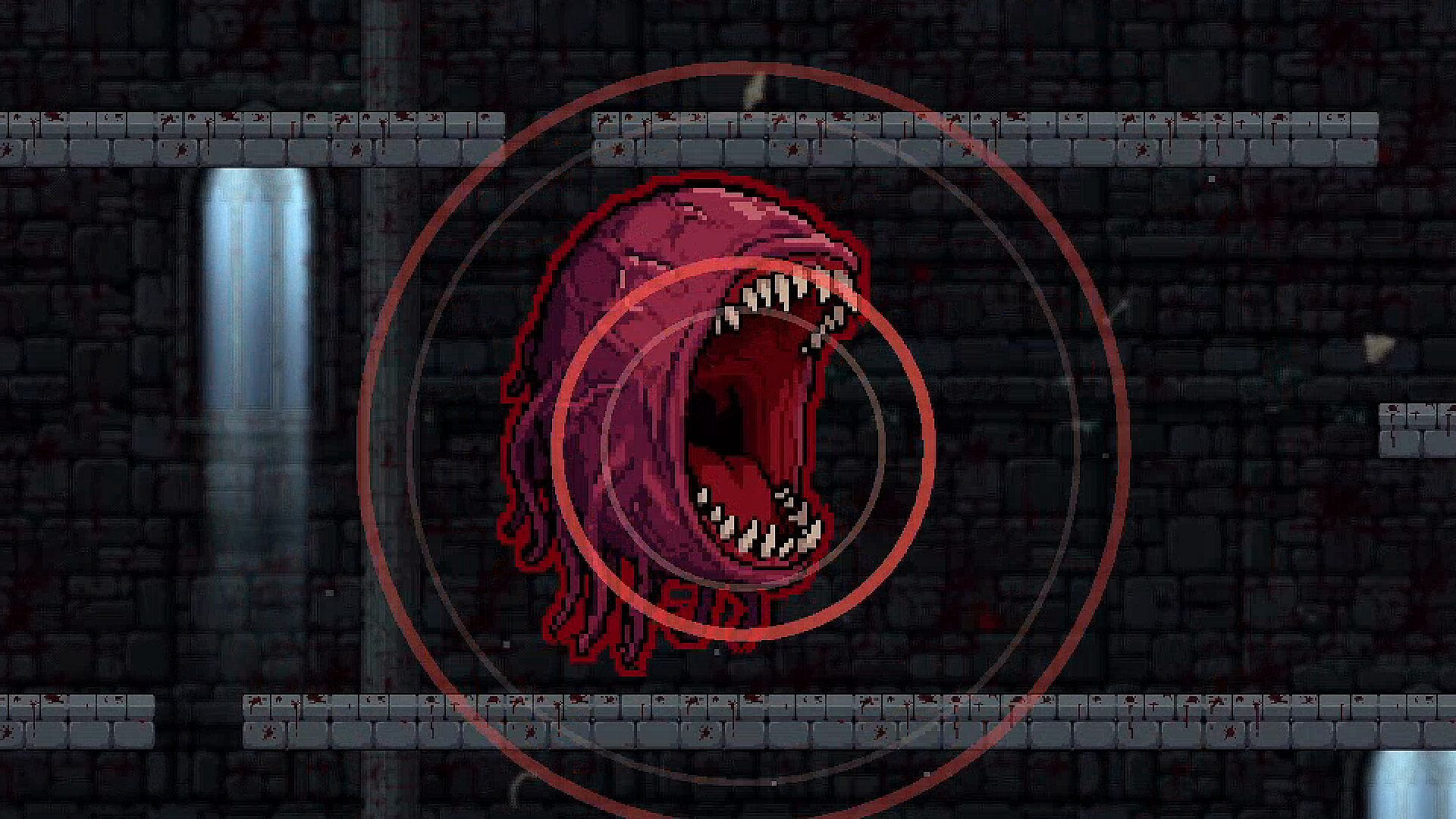
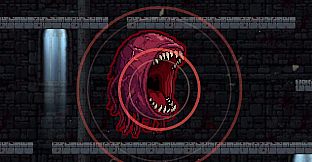
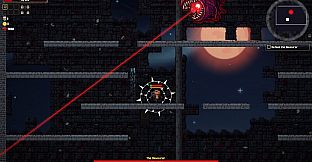
Encounters include flying semi-bosses with distinct attack patterns and floor bosses that appear when summoned. Persistent elements track rubies collected per run, which fund permanent upgrades to attributes, weapons, instincts, items, and additional capybara characters that introduce different playstyles. Controls remain straightforward with support for keyboard and controller inputs, enabling quick sessions that still demand strategic choices in upgrade paths.
Game Modes
The game centers on repeated runs through the tower, each one self-contained yet contributing to overall progression via rubies and unlocks. No separate named modes exist beyond this core structure, where every attempt generates fresh layouts and enemy placements. Players advance by surviving waves, collecting experience, and managing resources until reaching higher floors or succumbing to the horde.
Single-player focus defines the experience, with no multiplayer elements indicated. The emphasis stays on individual runs that test climbing precision and build optimization against procedurally shifting challenges.
Progression and Unlocks
Rubies serve as the currency for permanent improvements outside individual runs. These purchases expand available weapons, instincts, and characters, each capybara variant carrying unique traits that influence movement or combat effectiveness. The system rewards consistent play by gradually broadening options and deepening build variety without altering the fundamental tower-climbing loop.
Biomes and secret rooms add layers of discovery within the generated environments, while traps and chests provide immediate tactical decisions during ascent. This setup keeps each attempt distinct while building long-term familiarity with the upgrade pool.
Is It Worth Playing?
The described mechanics suit players who enjoy roguelikes that prioritize movement and positioning over manual targeting. Automatic combat reduces input complexity, making the title accessible for shorter sessions while the upgrade choices and procedural towers provide depth for repeated attempts. Persistent unlocks encourage ongoing engagement as new characters and synergies become available.
With the game listed as coming soon and no reviews available yet, any assessment rests on the confirmed systems of vertical platforming, auto-firing weapons, and run-based progression. Fans of similar action roguelikes may find the capybara theme and tower-climbing focus appealing once released on PC. The straightforward controls and emphasis on dodging align with casual playstyles that still reward strategic decisions in build crafting.