




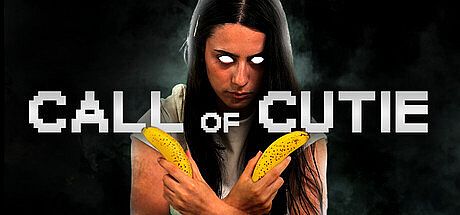



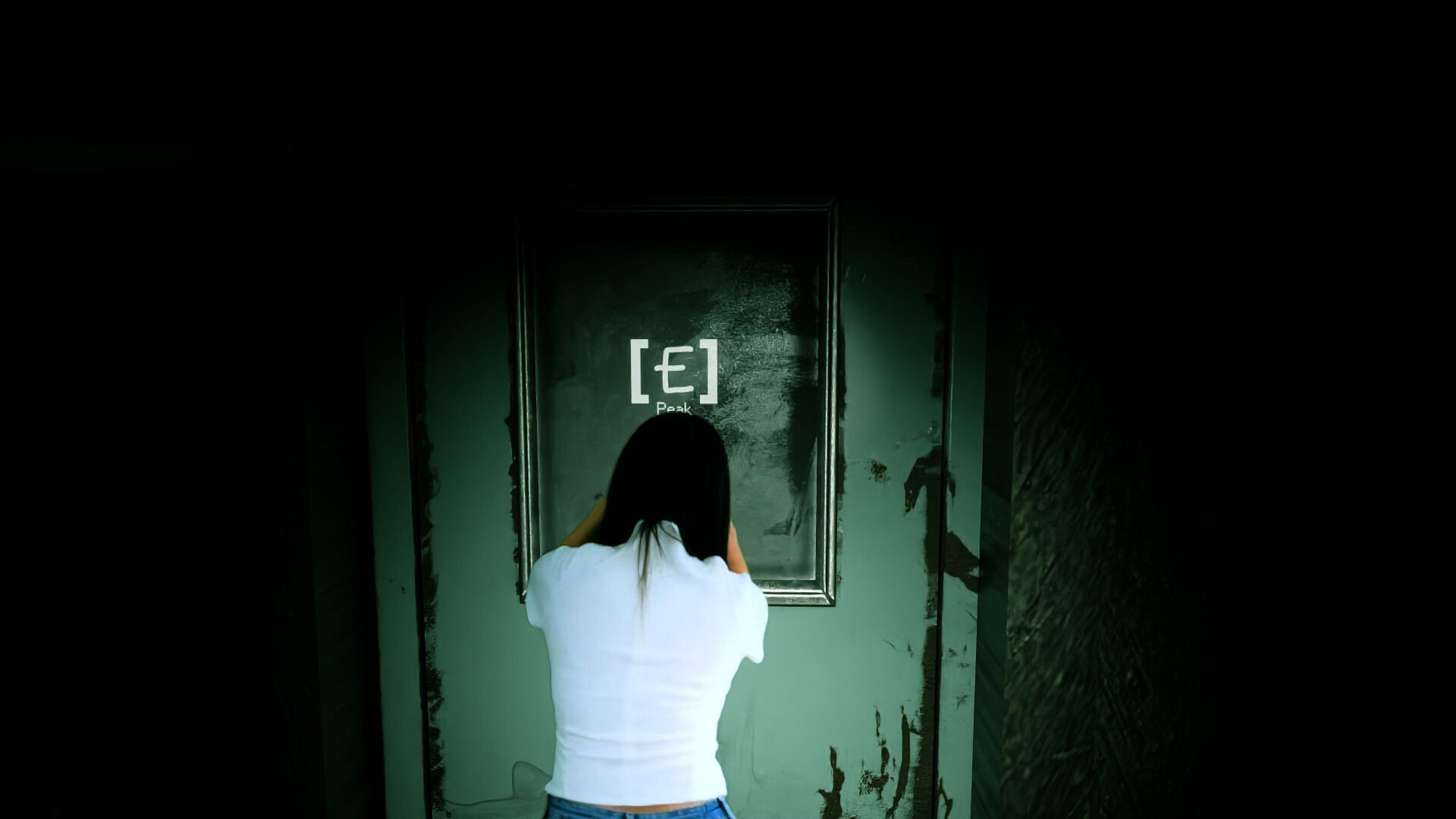
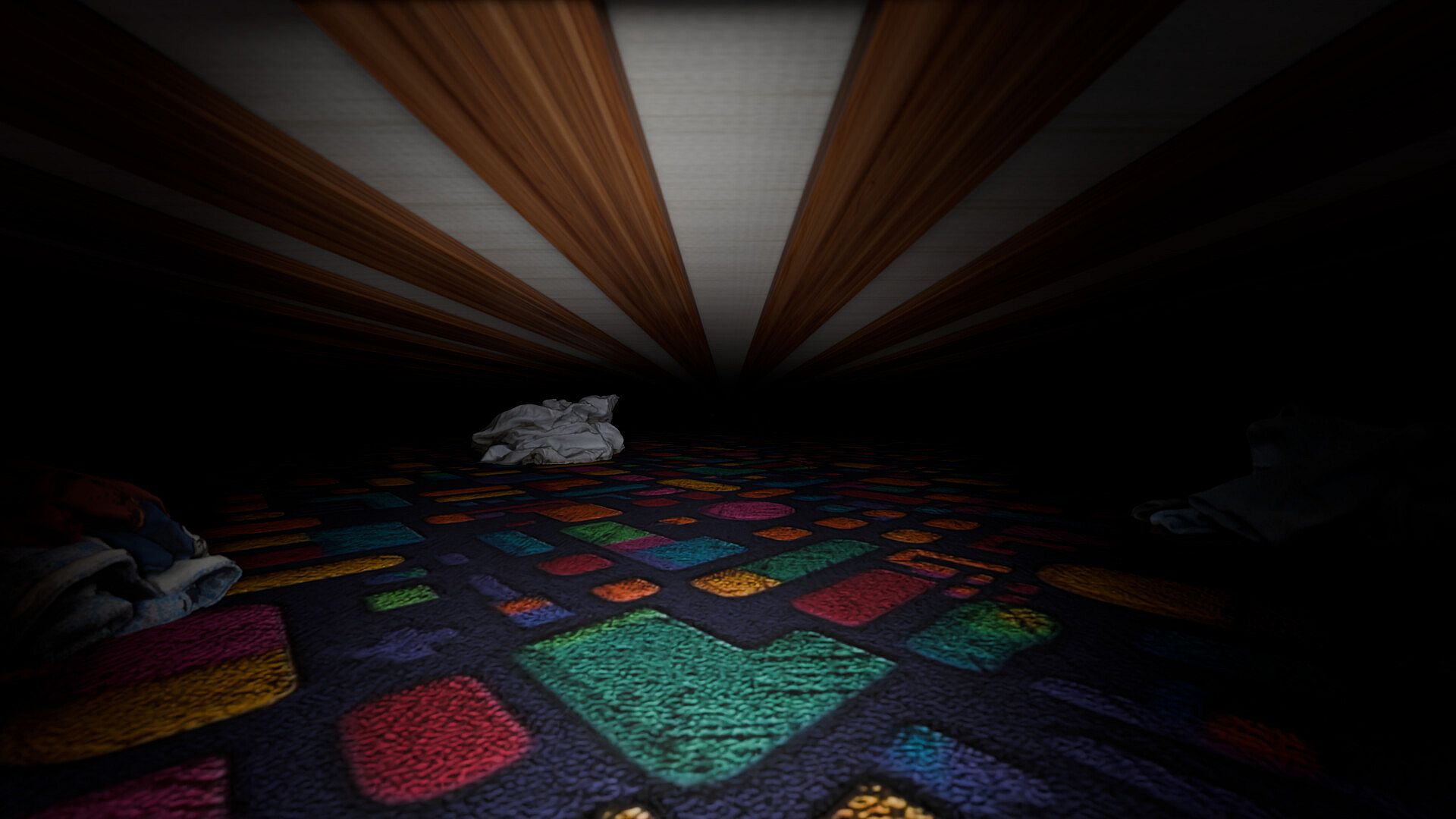






Call of Cutie is a single-player horror adventure game that blends action, exploration, and puzzle-solving in a dark underground setting. Players navigate a vast laboratory hidden beneath an ordinary water ride, uncovering secrets while rescuing victims from the facility. The experience mixes free movement with point-and-click interactions, allowing investigation of environments, resolution of challenges, and occasional confrontations with threats. Multiple routes lead to the central objective, encouraging different approaches on repeat playthroughs.
Gameplay
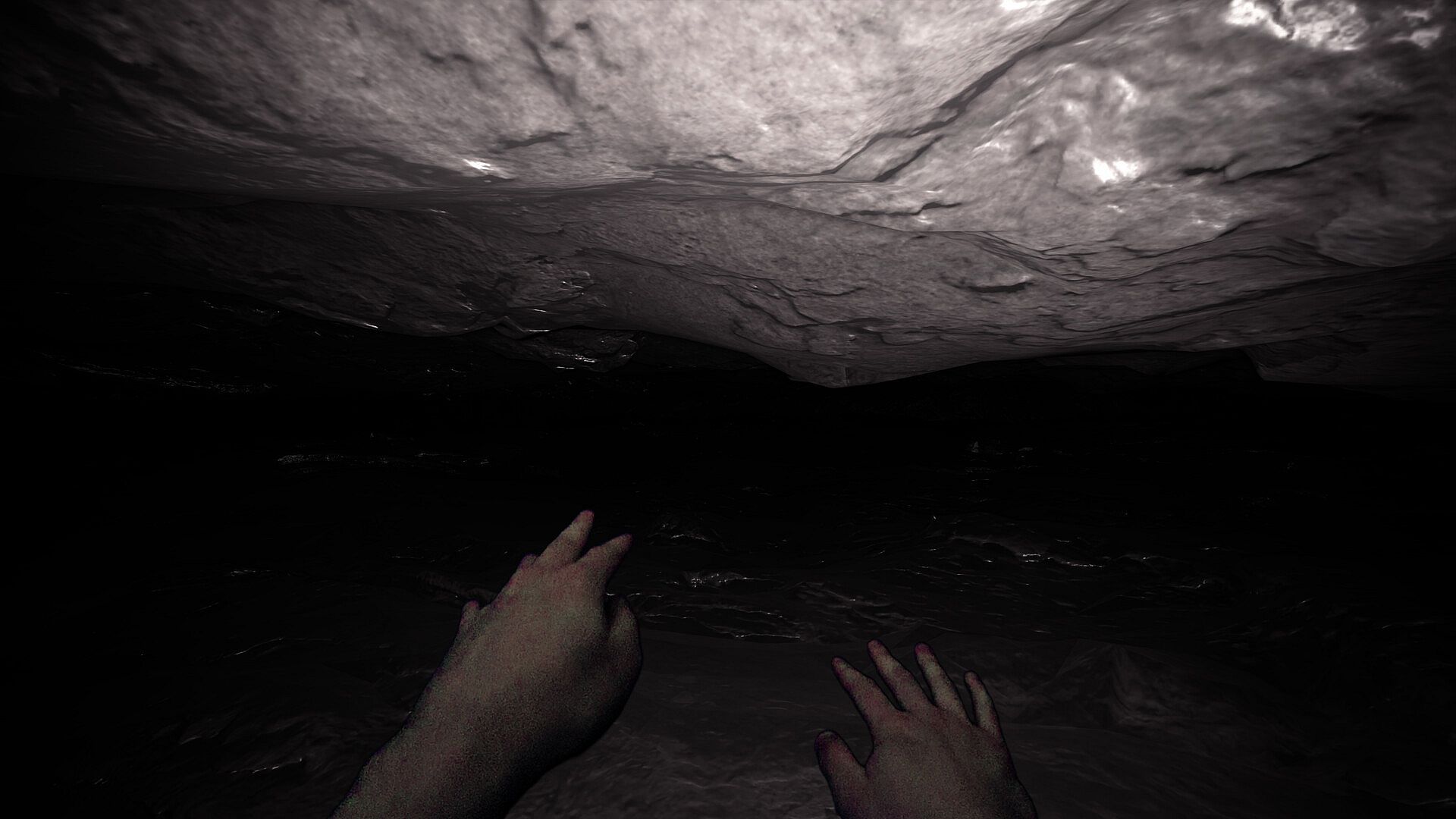
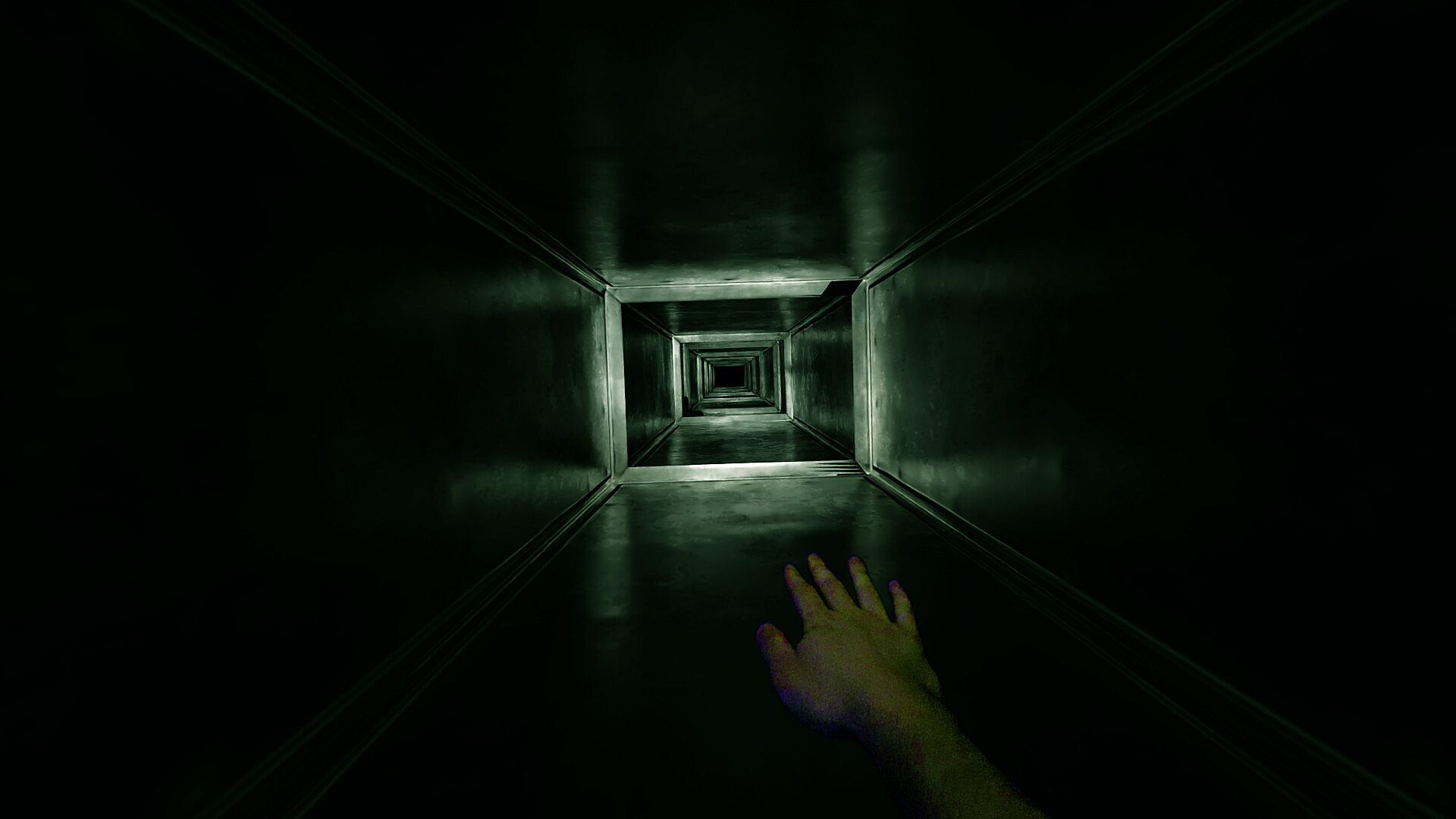
The core loop centers on traversing dimly lit corridors and rooms within the laboratory complex. Movement feels fluid in three dimensions, letting players examine objects up close or scan distant details for clues. Point-and-click elements activate when interacting with specific items or terminals, revealing information or triggering events. Puzzles require careful observation and logical connections between found elements, often with unexpected twists that alter the immediate surroundings.
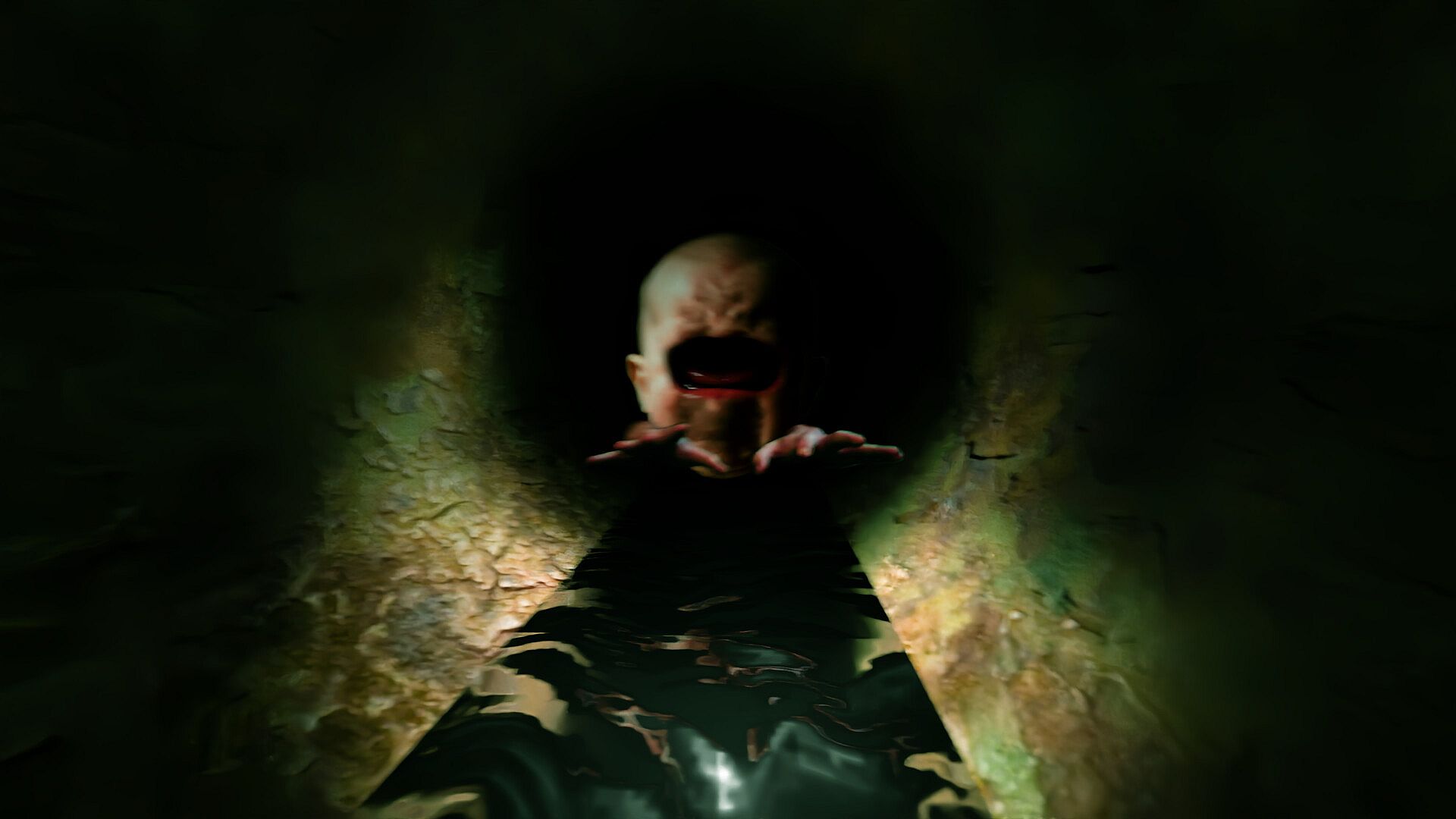
Combat appears sporadically and demands quick decisions amid the tension. Fights integrate into the adventure without dominating every sequence, leaving room for stealthier or evasive options where paths branch. Unpredictable occurrences can shift the atmosphere suddenly, introducing comedic notes that contrast the oppressive environment. This balance keeps sessions varied, as players alternate between careful searching, problem-solving, and direct action.
Exploration rewards thoroughness with additional story fragments and alternative routes. The design supports replayability through these choices, where selecting one path may close off others until a later attempt. Deep lore unfolds gradually through environmental storytelling and discovered documents, building a unique narrative without relying on lengthy cutscenes.
Game Modes
The game operates entirely as a single-player experience focused on one continuous adventure. No separate competitive or cooperative modes exist. Instead, the structure emphasizes personal progression through the laboratory, with branching paths that alter how objectives are met. Players can experiment with different strategies across play sessions to uncover all available outcomes and hidden details.
Progression follows the main storyline while allowing side investigations that enrich the overall tale. Events unfold in a linear sequence within each chosen route, yet the freedom to backtrack or select alternatives adds layers to the single campaign. This setup suits those who prefer self-paced discovery over multiplayer interactions.
Story and Setting
The narrative begins with the discovery of the hidden laboratory beneath the water ride. Players assume the role of an investigator piecing together the operations of the cruel facility and the fate of those trapped inside. Horror elements arise from the eerie atmosphere and grotesque revelations, while comedic beats emerge from absurd or ironic situations encountered along the way.
Lore expands through scattered records and observations, painting a picture of the laboratory's purpose without direct exposition. Unique storytelling methods tie personal discoveries to broader implications, encouraging players to connect details across multiple paths. The combination creates an unpredictable tone that shifts between dread and dark humor.
Is It Worth Playing?
Call of Cutie appeals to players who enjoy single-player horror adventures that combine exploration, puzzles, and light combat. The mix of point-and-click mechanics with three-dimensional movement offers a distinctive approach to investigation and progression. Multiple paths and unpredictable events provide reasons to revisit the laboratory for different results.
Those drawn to indie titles with deep lore and a blend of serious and comedic tones will find the concept engaging. As an upcoming release, the game remains in development, with interest building around its distinctive premise drawn from earlier video content. Availability on PC supports accessibility for the target audience once it launches.
Recommendation depends on preference for atmospheric single-player experiences over fast-paced action or online features. The verified elements of puzzle variety, path branching, and tonal shifts position it as a focused adventure for dedicated explorers of horror narratives.











