


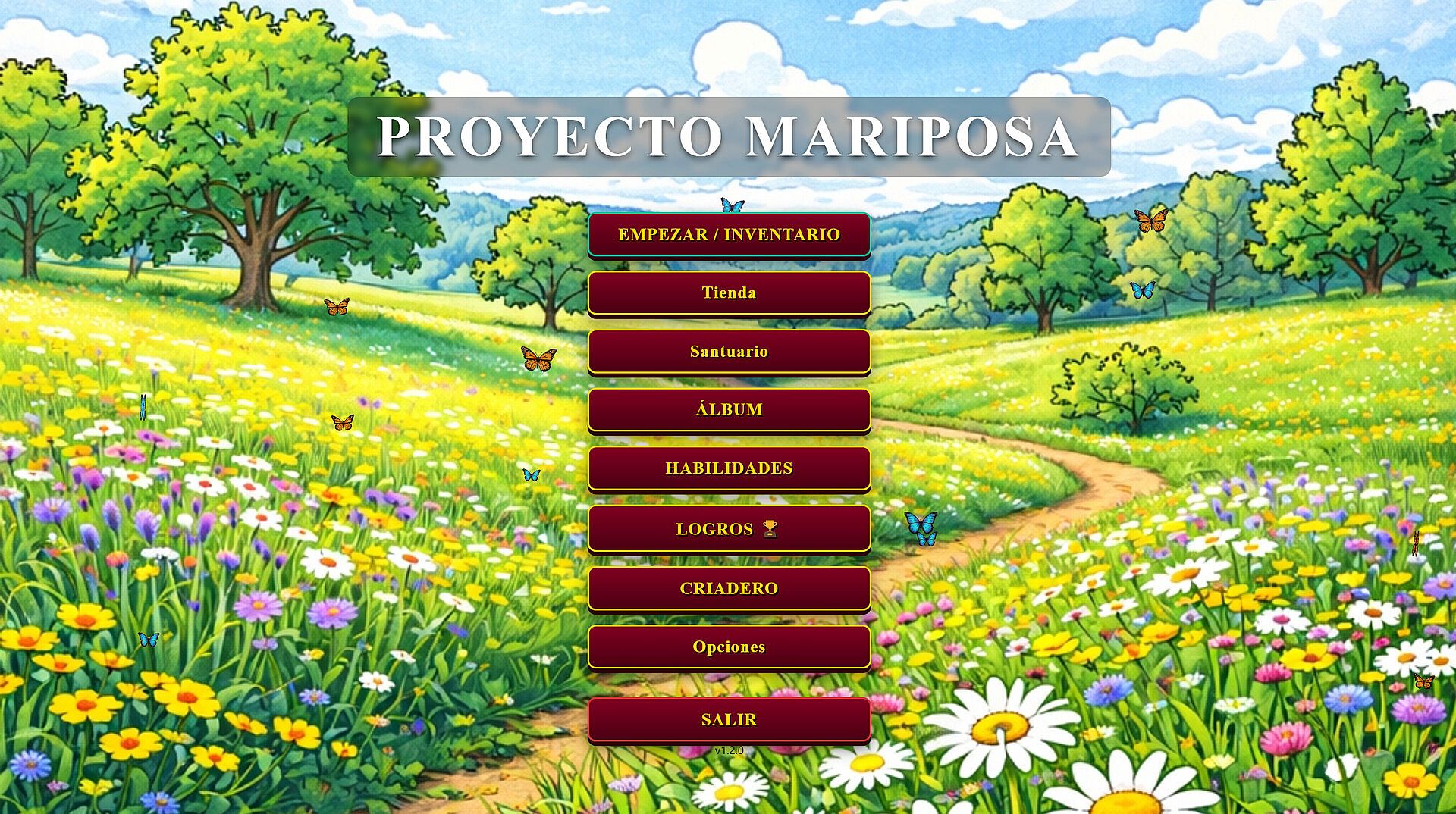
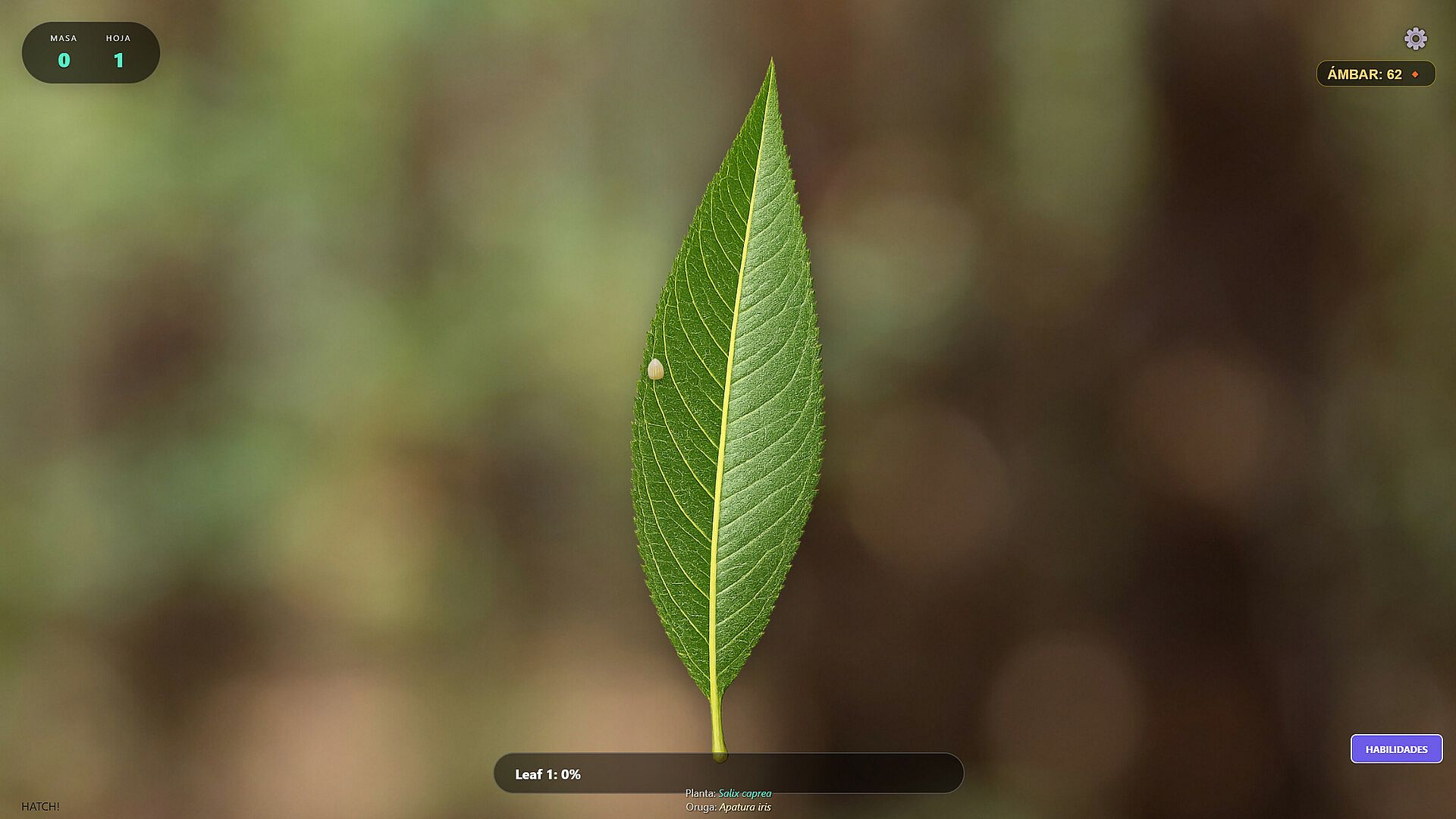
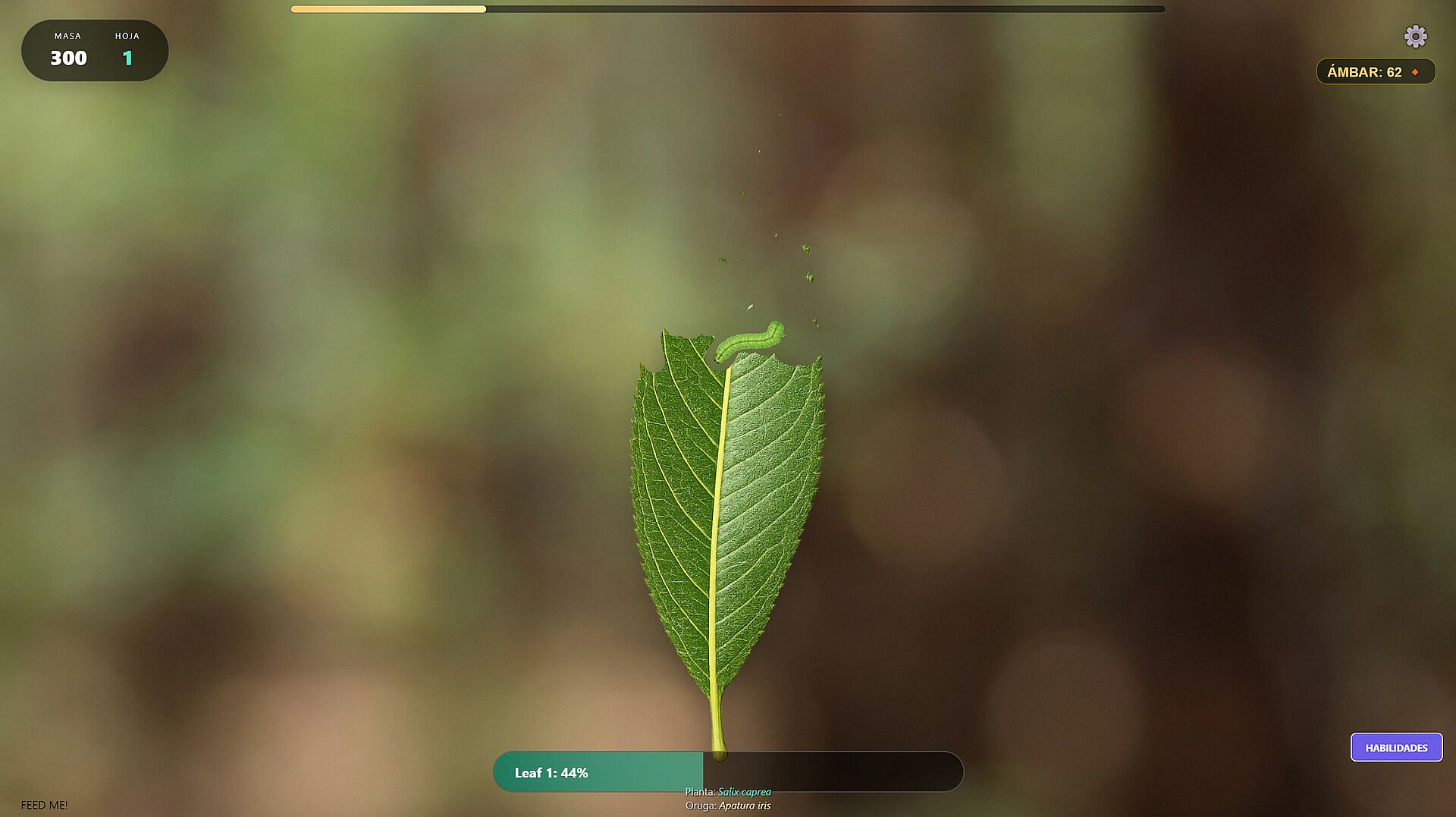
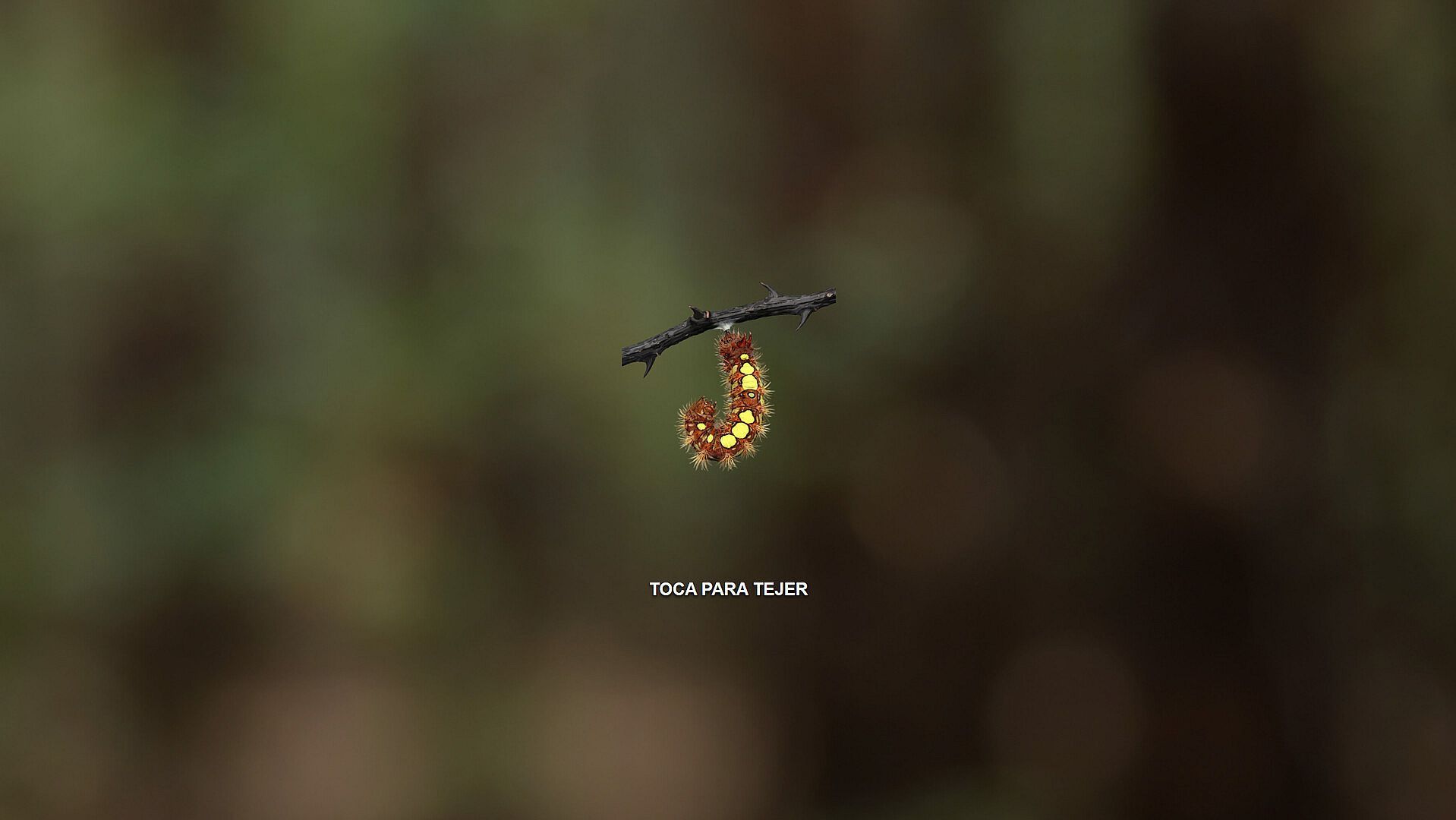
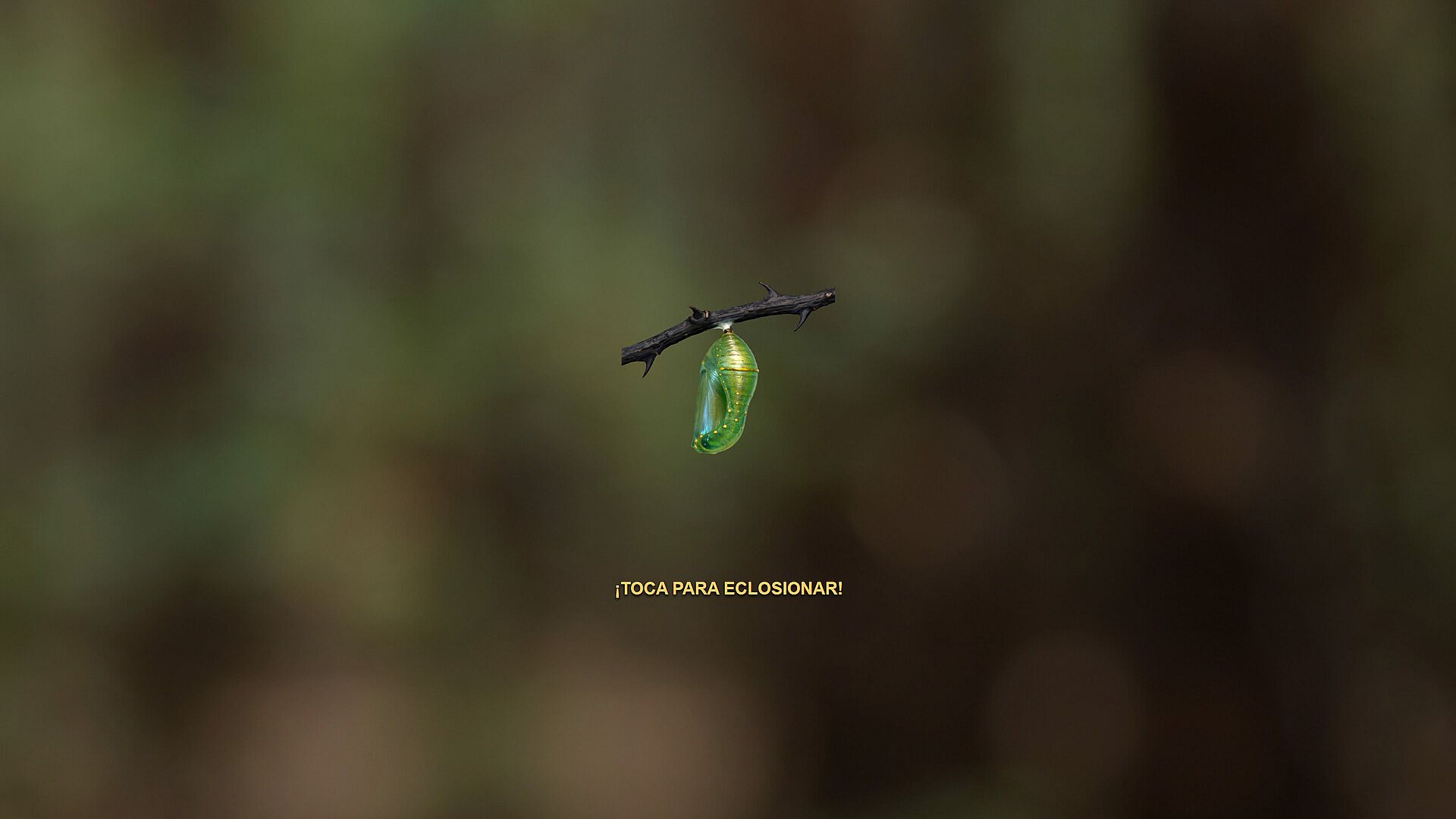

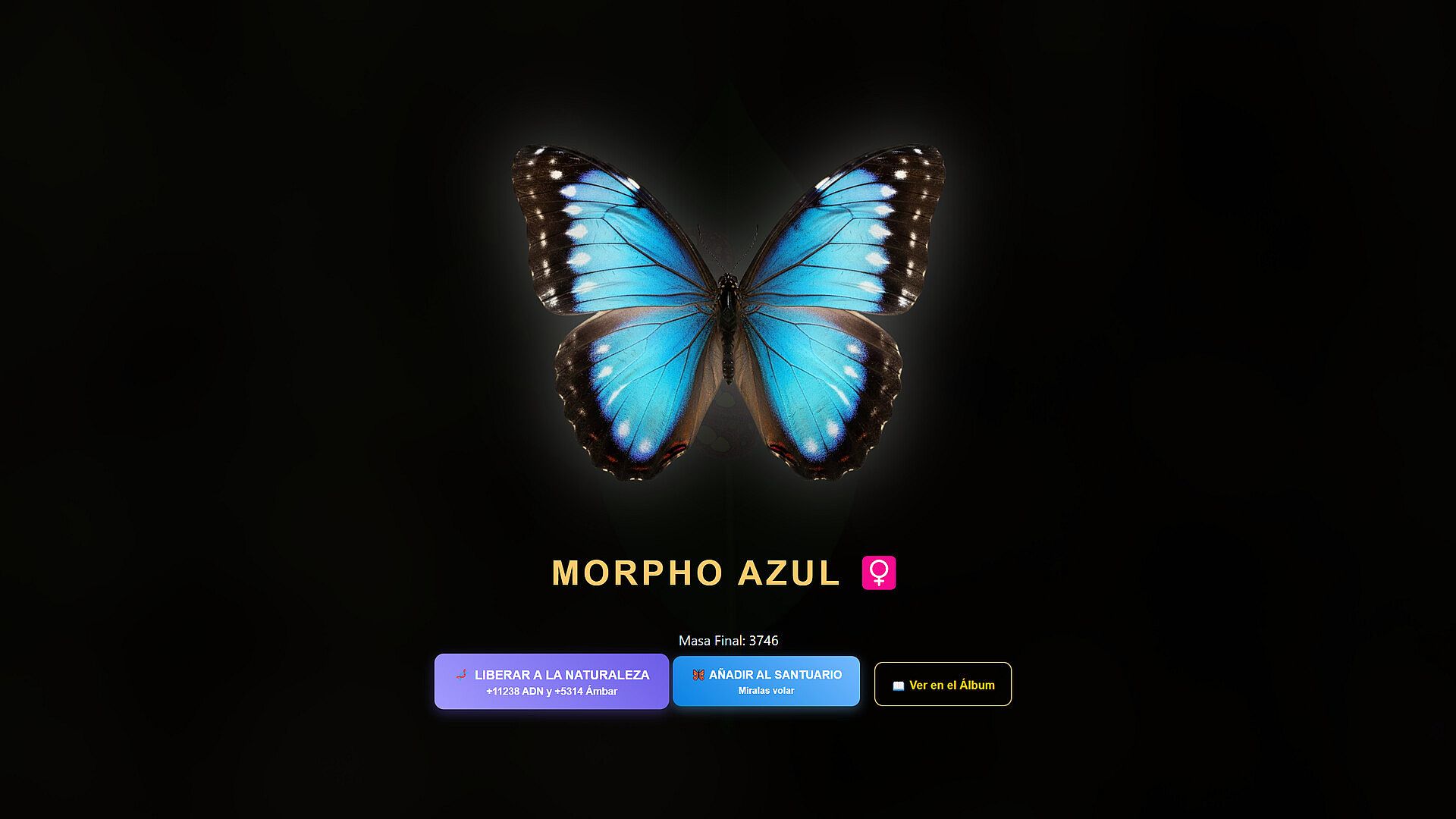


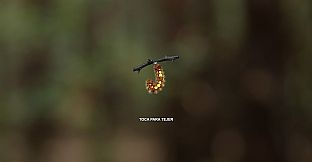
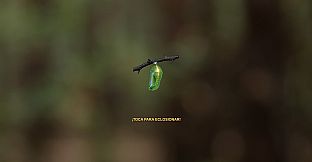

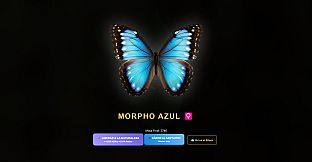

Butterfly Project is a relaxing indie simulation game focused on raising caterpillars, guiding them through metamorphosis, and building a personal collection of butterflies. Developed for PC as a single-player experience, it emphasizes gentle progression and observation over competition or high-stakes challenges. Players manage the full life cycle of various species in a calm sanctuary setting, deciding at each stage whether to release the butterflies into the wild or retain them for further growth and study.
Gameplay
The core loop centers on feeding caterpillars, monitoring their development, and supporting the transformation into adult butterflies. Each cycle involves basic care routines that lead to metamorphosis, after which players choose to release the butterfly or integrate it into their sanctuary collection. This process repeats across multiple species, encouraging steady accumulation of different types through repeated cycles.
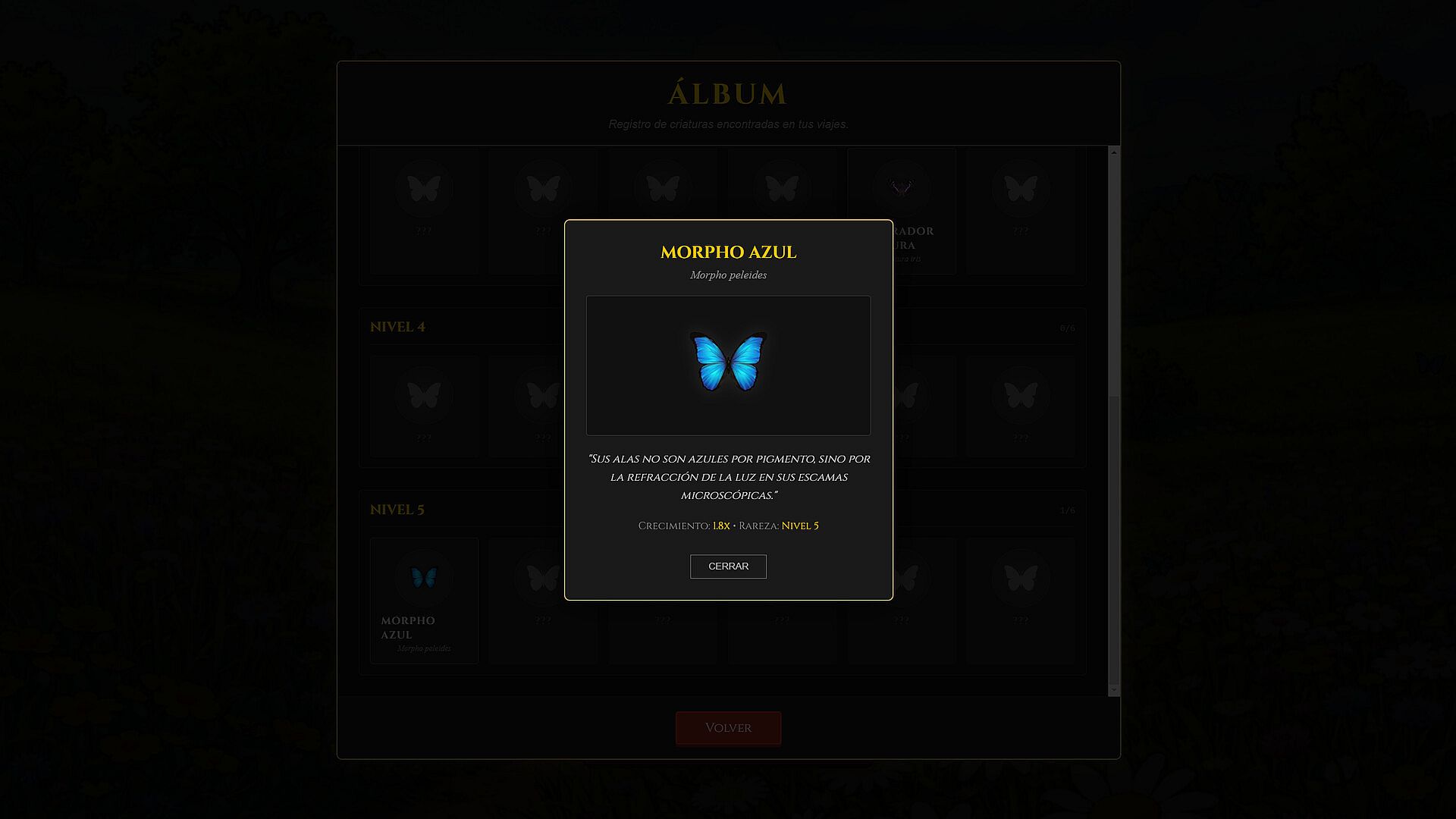
Progression includes filling a field journal to document discoveries and unlocking skills that support more efficient care and breeding. The nursery serves as the dedicated space for breeding activities, allowing players to expand their holdings by combining compatible specimens. All activities unfold at a deliberate, unhurried pace with no timers, failure states, or external pressures, aligning with the cozy simulation genre.
Visual and mechanical elements highlight the natural stages of insect development, from larval feeding to winged emergence. Collection grows organically through these repeated cycles, rewarding consistent participation without requiring complex strategies or resource management beyond the basic loop.
Game Modes
Butterfly Project operates entirely as a single-player simulation with no separate competitive or multiplayer modes. The experience revolves around the sanctuary management loop, where the primary activities are raising caterpillars, documenting progress in the field journal, and breeding in the nursery. Players advance their collection through these integrated systems rather than through distinct game modes or branching scenarios.
Skill unlocks and species variety provide natural variety within the single continuous play session. The design keeps all mechanics accessible within one cohesive framework, supporting relaxed sessions that can be picked up and set down without tracking separate progress tracks or objectives beyond personal collection goals.
Collection and Progression Systems
Species diversity forms the main draw, with multiple caterpillar and butterfly types available to raise and observe. The field journal tracks these encounters, serving as both a record and a source of incremental rewards. Breeding mechanics in the nursery allow targeted expansion of the collection, creating opportunities for players to focus on specific combinations or aim for broader coverage.
Skill progression ties directly into these systems, offering improvements that streamline care routines and support larger-scale collection efforts. The overall structure favors steady, incremental advancement that suits players who enjoy methodical building over rapid unlocks or high-volume grinding.
Is It Worth Playing?
Butterfly Project targets fans of cozy, collection-focused simulation games who prefer low-pressure environments and nature-themed progression. Its mechanics center on the satisfying cycle of care, metamorphosis, and collection, delivered through simple yet engaging systems like the field journal and nursery breeding.
As an upcoming title with no released version or player reviews available yet, its appeal rests on the described features of calm pacing and species variety. Those drawn to gentle single-player experiences centered on observation and incremental growth will find the core loop matches that preference closely. The absence of pressure or complex systems makes it suitable for short or extended sessions alike, provided the theme of butterfly raising resonates.