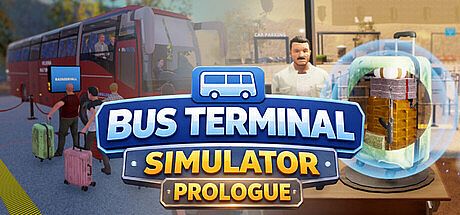


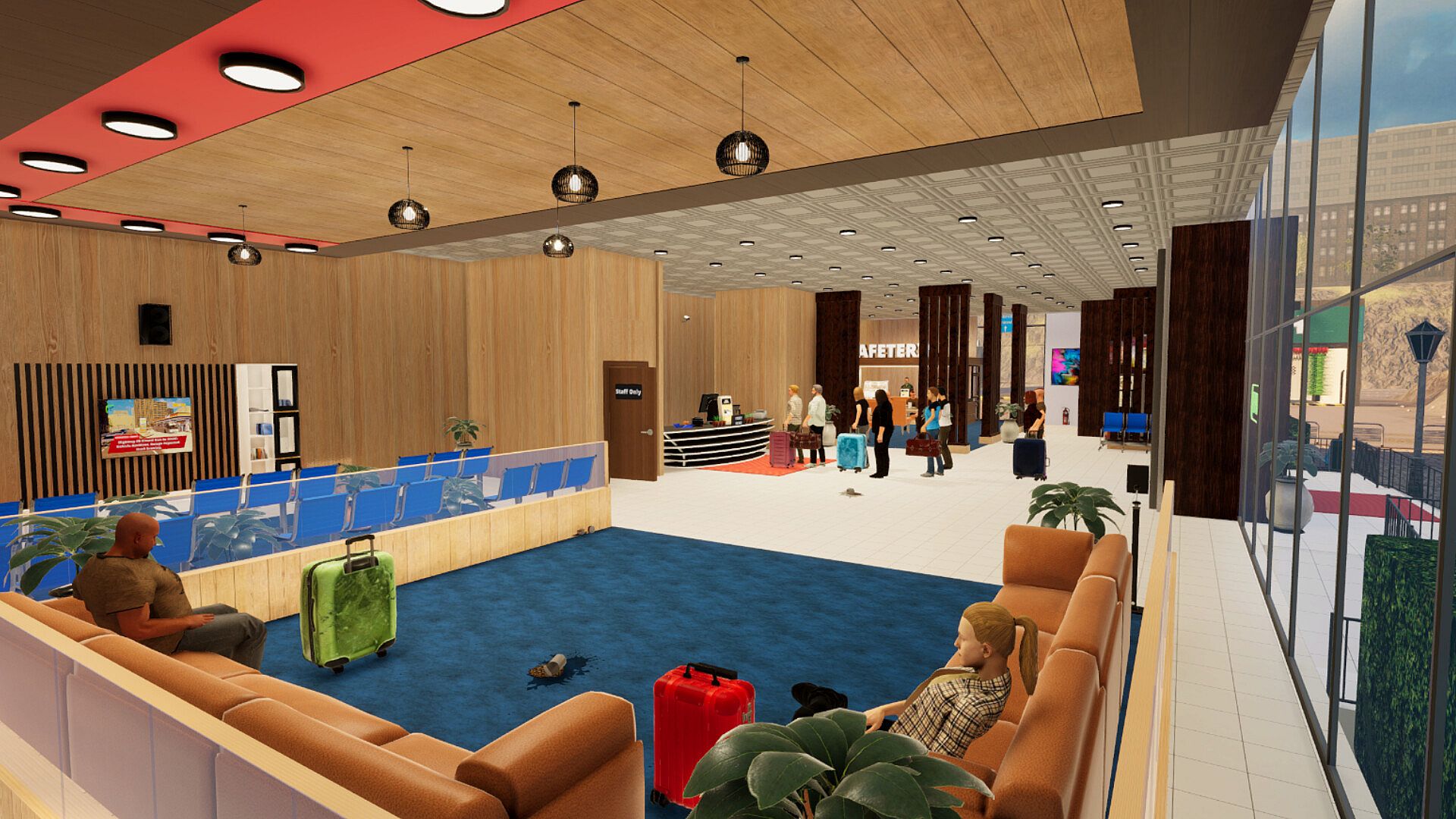
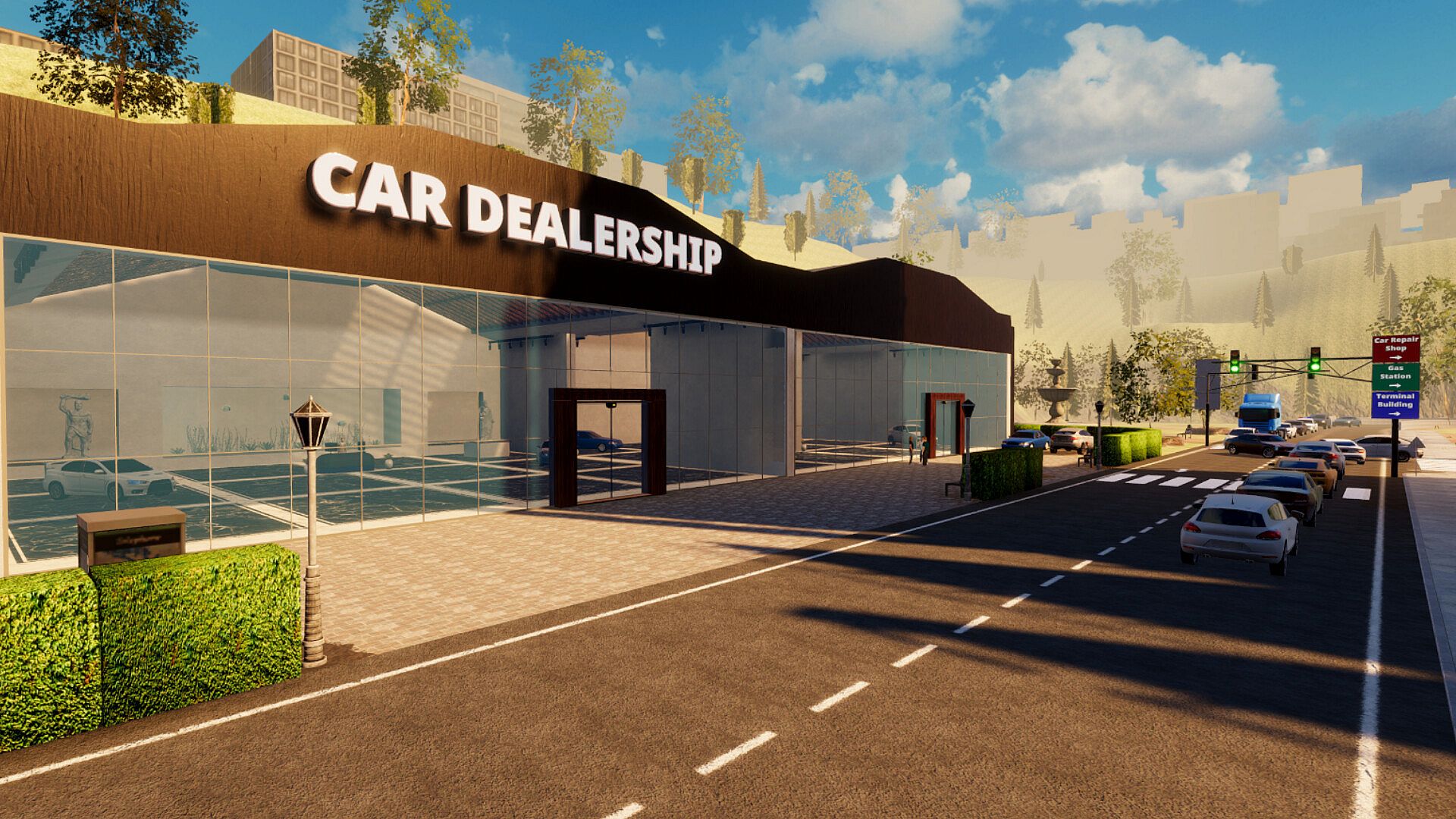
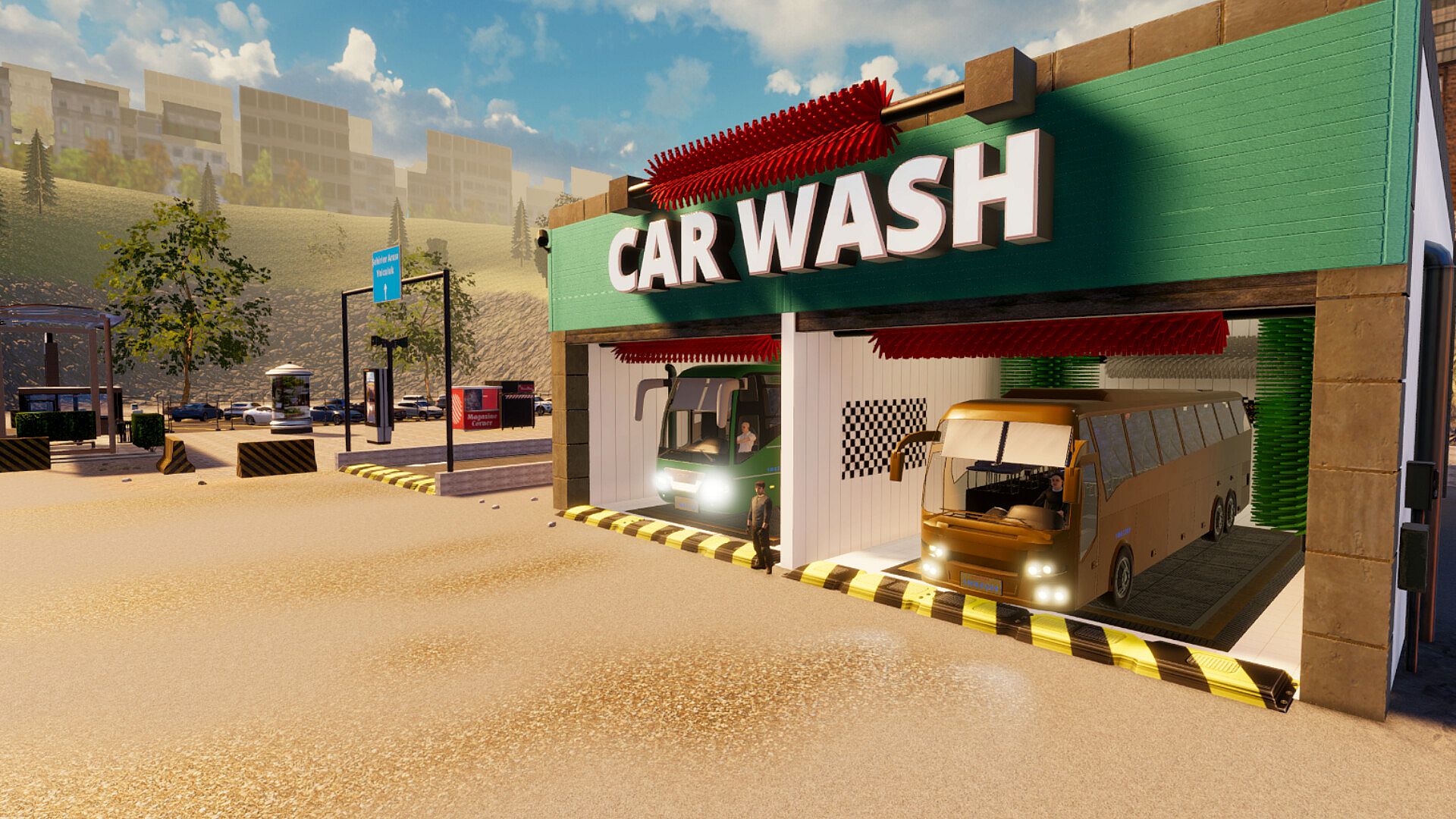
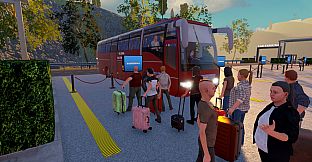
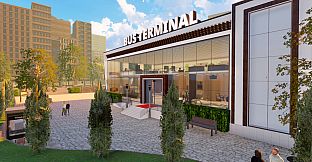

Bus Terminal Simulator: Prologue is a free-to-play management simulation game built around running a busy transportation hub. Players handle arrivals, departures, passenger queues, and revenue streams while watching for attempts to smuggle contraband or provide false documents. The experience centers on steady oversight of daily operations rather than action or combat, with decisions about scheduling and facility upgrades directly affecting how many travelers pass through and how much income the terminal generates.
Gameplay
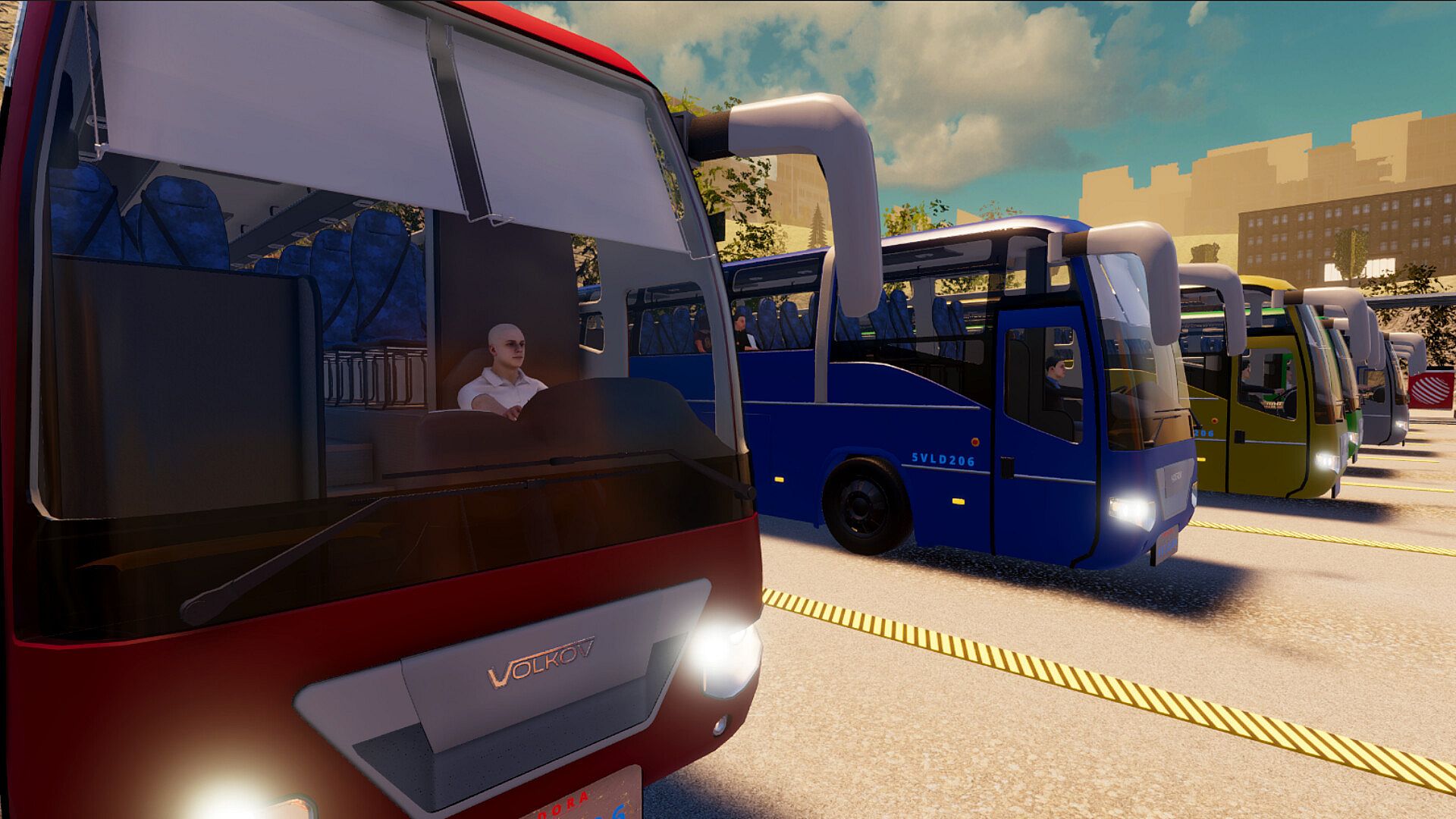
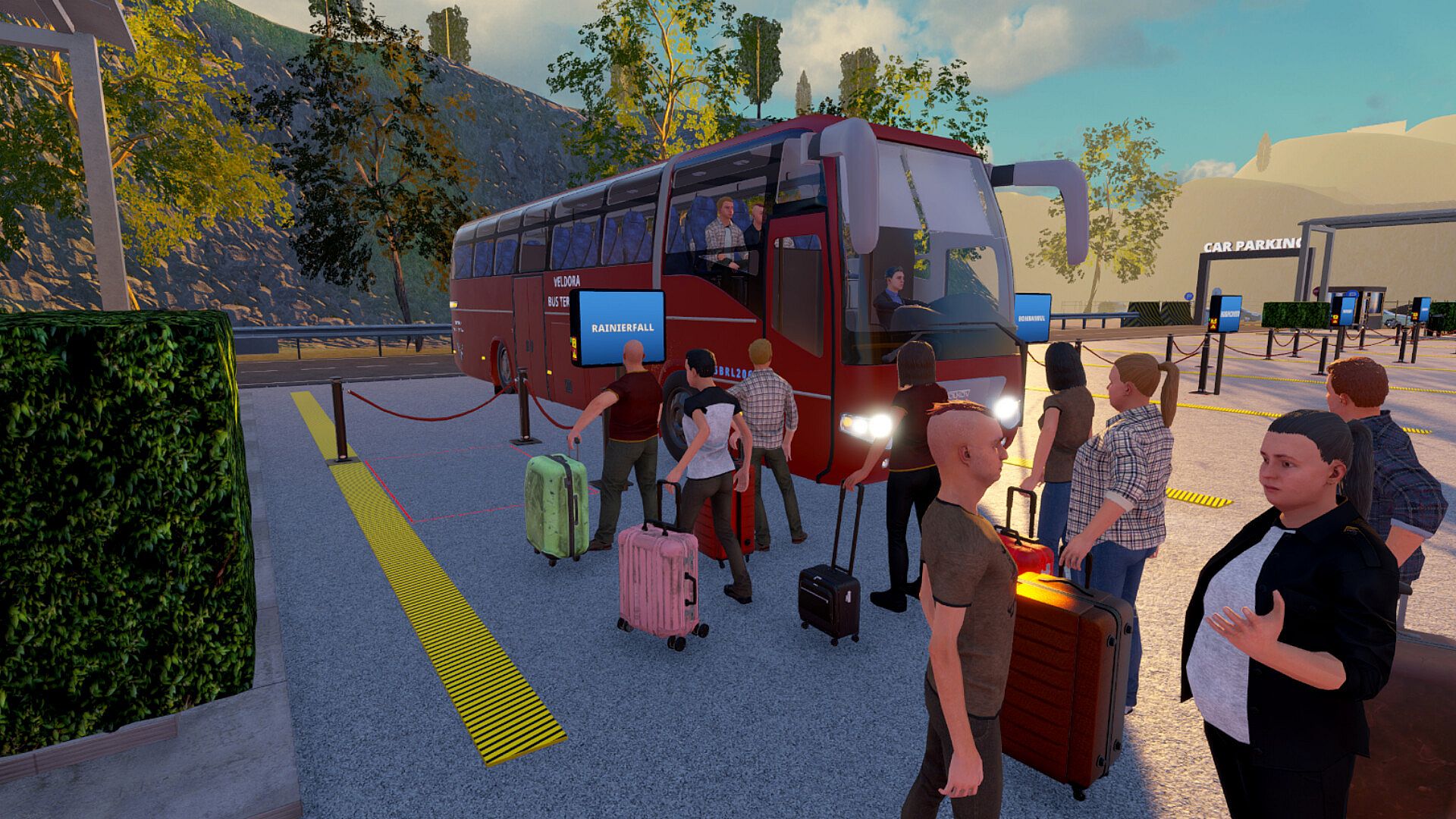
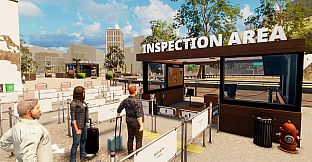
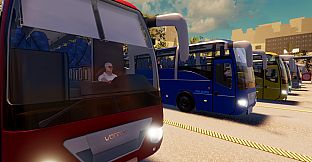
The core loop involves planning bus timetables to minimize delays and maximize throughput. Players assign gates, adjust departure times, and monitor flow to keep lines moving. Ticket counters require pricing decisions that balance affordability with profit, while facility expansions unlock additional space for more counters or inspection areas. Satisfaction stays high when queues stay short and services remain reliable, but any lapse in organization quickly leads to complaints and lost revenue.
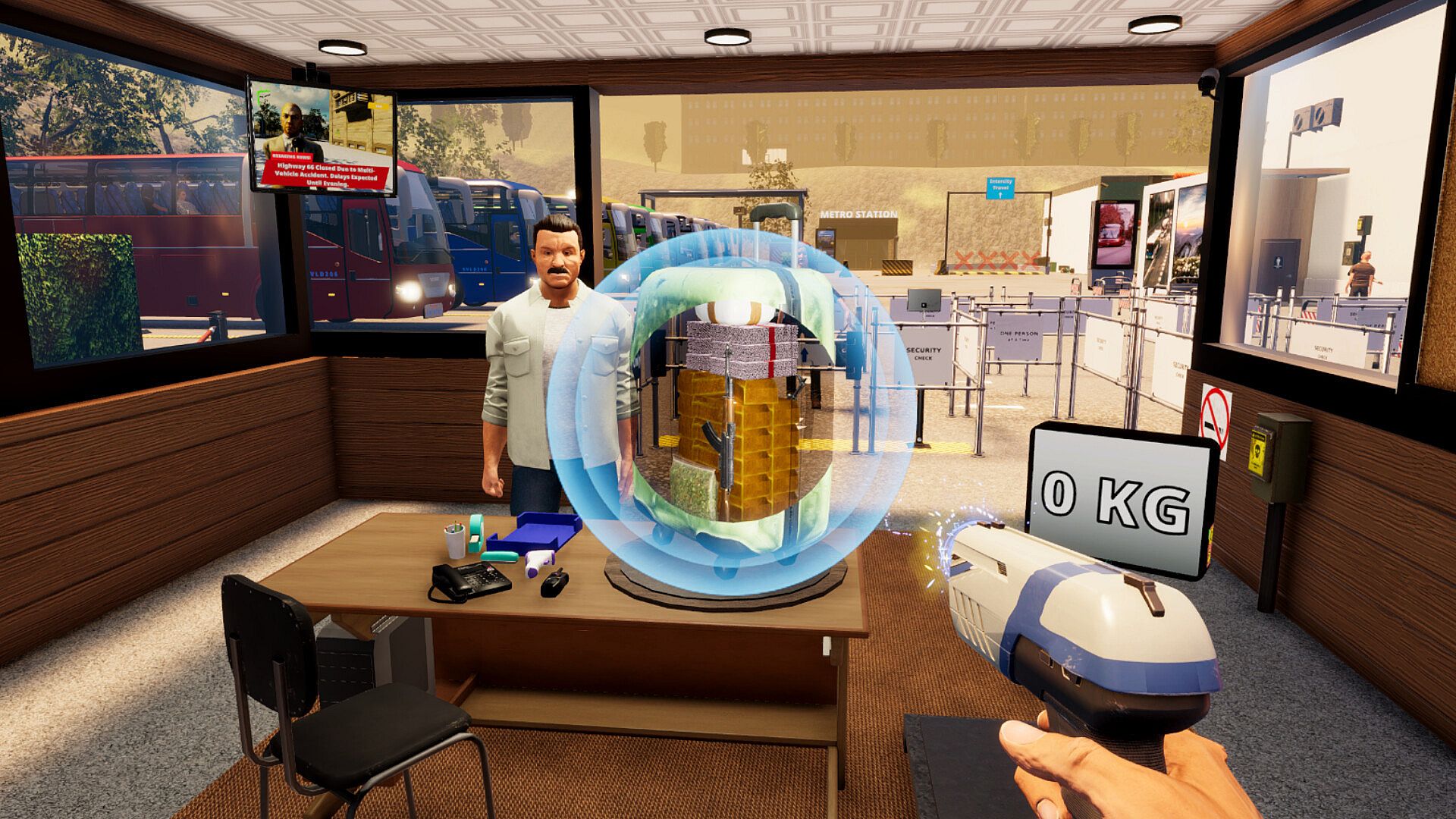
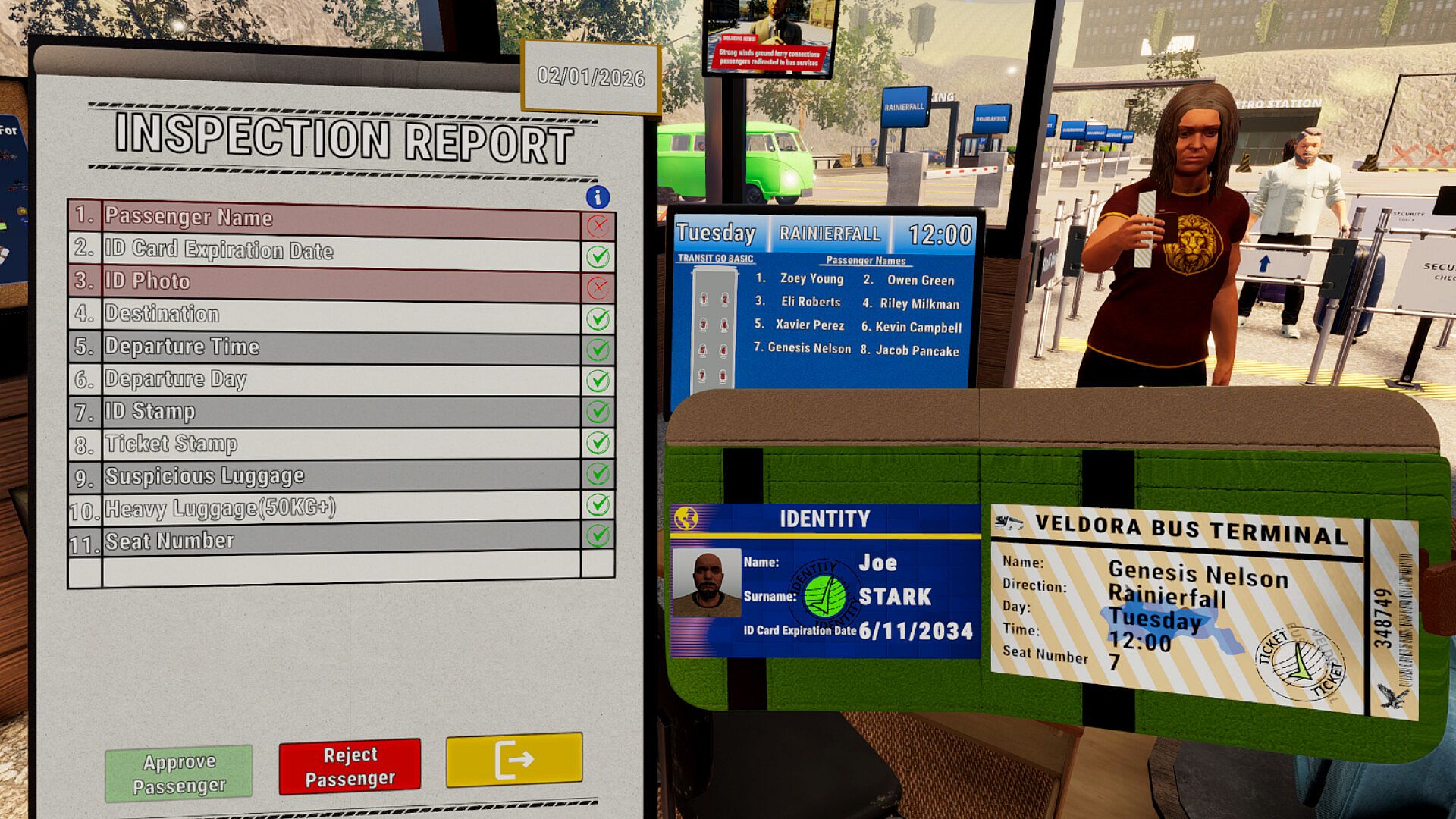
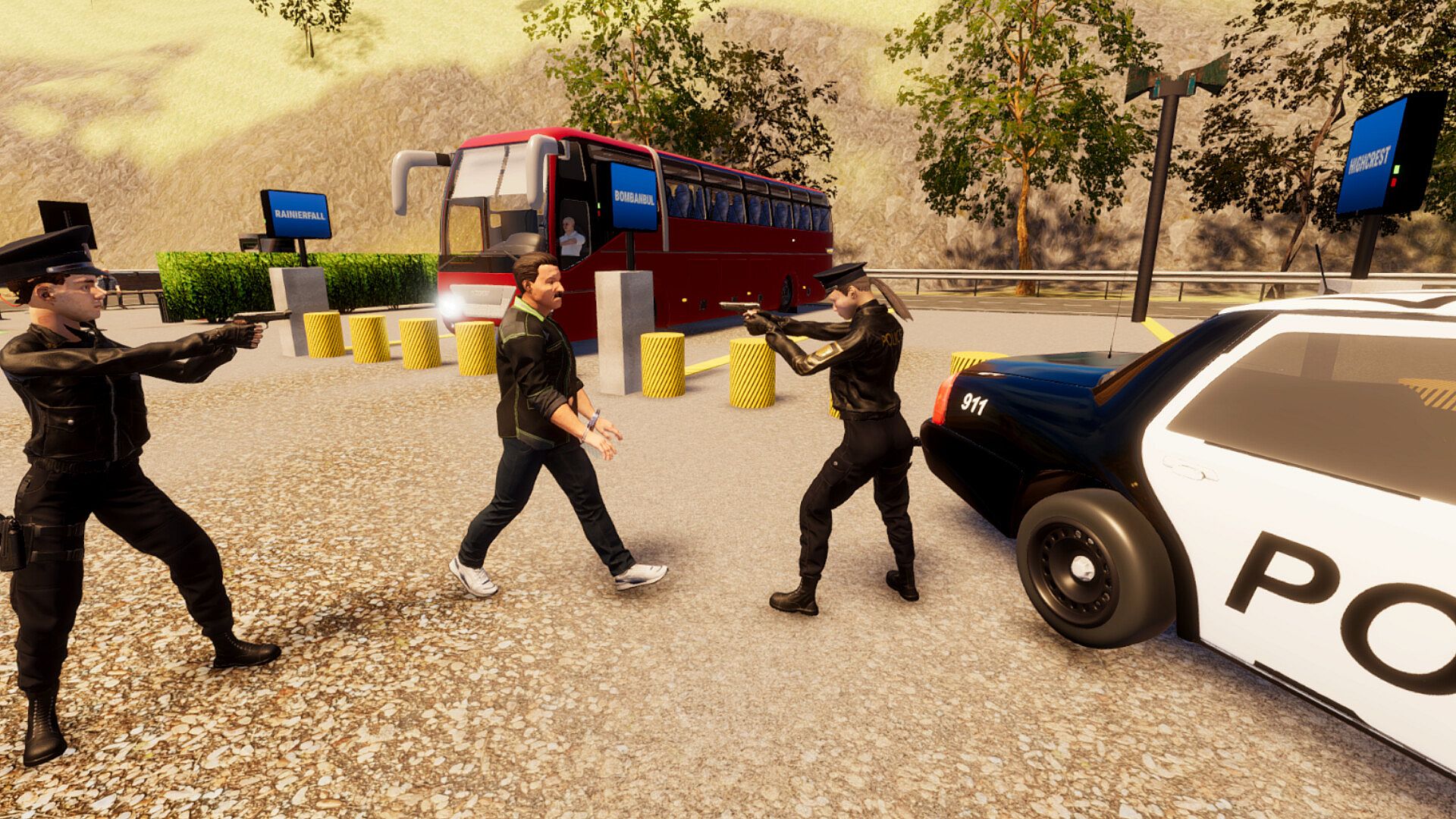
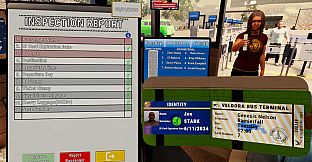
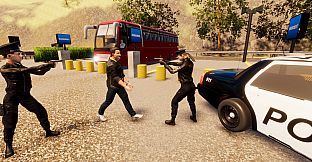
Security forms a constant layer of attention. Every passenger carries luggage that can be inspected on the spot, and some individuals present fake identification or attempt to conceal restricted items. Spotting these cases demands close observation of behavior and paperwork, with successful catches preventing problems from reaching the buses. Staff and vehicles move according to the schedules set by the player, creating a connected system where one change in timing ripples through the entire operation.
Game Modes
The prologue focuses on a single continuous management scenario that unfolds over successive in-game days. Each day introduces new passenger volumes and occasional security incidents, requiring the player to adapt schedules and inspection routines on the fly. There are no separate competitive or cooperative modes confirmed at this stage; the emphasis remains on building and refining one terminal from a modest starting point into a larger hub through incremental improvements.
Progression and Management Systems
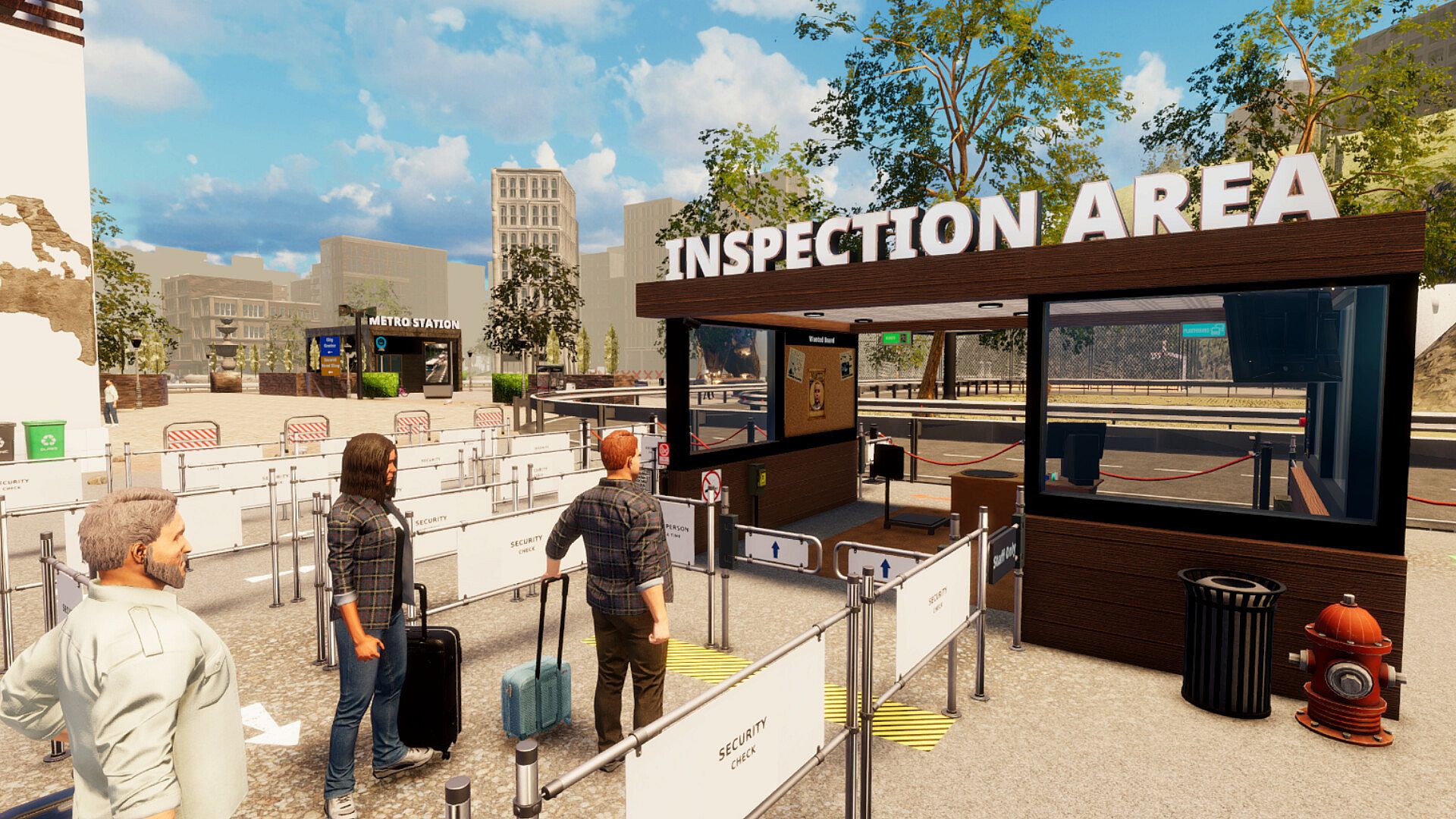
Revenue earned from tickets funds upgrades that add new inspection stations, expand waiting areas, or improve staff efficiency. These changes increase capacity and reduce bottlenecks, allowing the terminal to handle greater numbers of buses and travelers without compromising security checks. The living environment means passengers react to conditions in real time, so consistent attention to both logistics and enforcement keeps operations stable.
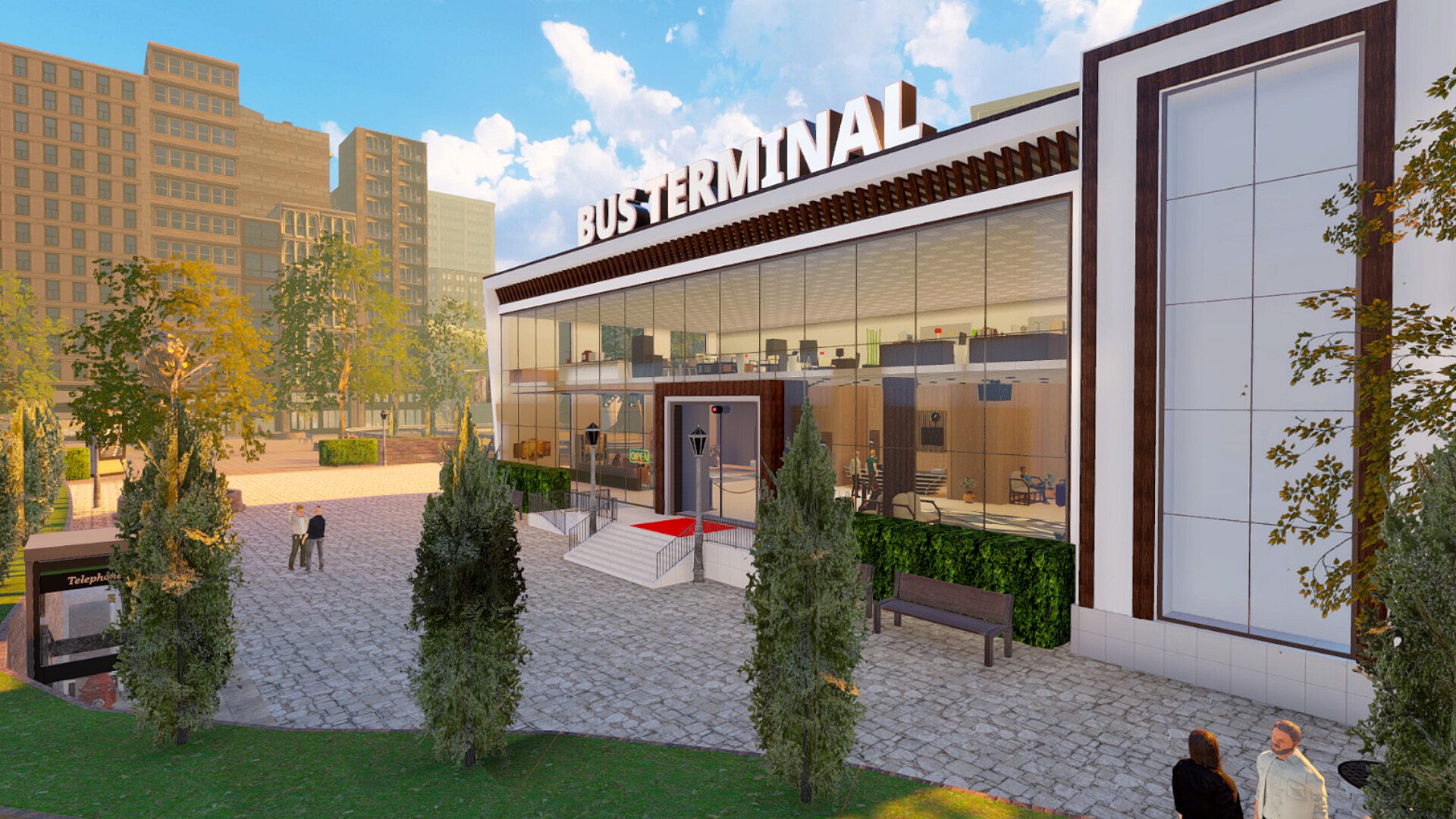
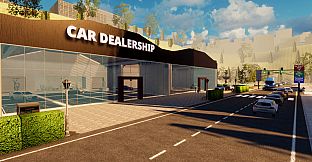
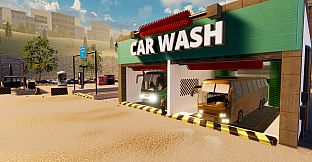
Expansion follows a straightforward path of unlocking sections of the terminal and adding services. Early focus stays on basic scheduling and basic security, while later stages involve coordinating multiple simultaneous arrivals and maintaining high satisfaction across a much larger facility. Every choice about pricing or staffing directly influences the daily profit and the rate at which new areas become available.
Is It Worth Playing?
Bus Terminal Simulator: Prologue suits players who enjoy deliberate, detail-oriented management simulations with an added layer of security oversight. The free prologue provides a complete slice of the core systems, letting anyone test the scheduling, queue management, and inspection mechanics before committing further. Because the full release remains listed as coming soon and carries no user reviews yet, the prologue serves as the primary way to experience the gameplay loop. Those drawn to steady operational challenges and incremental facility growth will find a focused experience here, while players seeking fast-paced action or multiplayer elements should look elsewhere. The current build demonstrates a coherent single-player simulation that rewards careful planning and consistent attention to both efficiency and security.