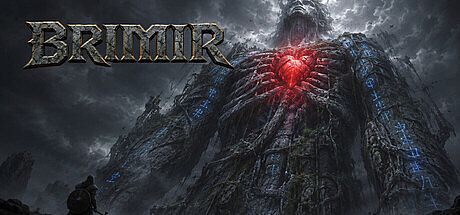



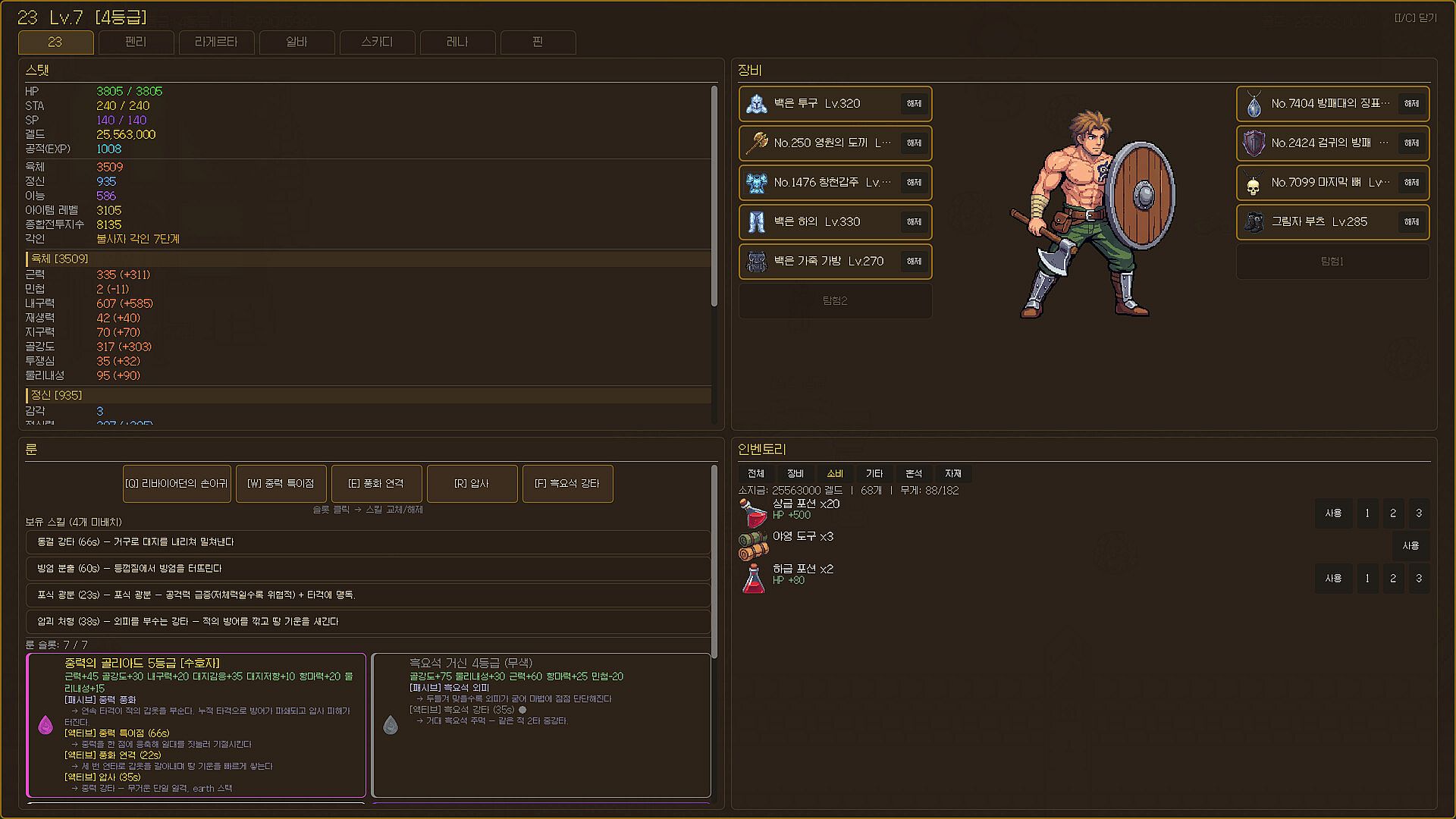
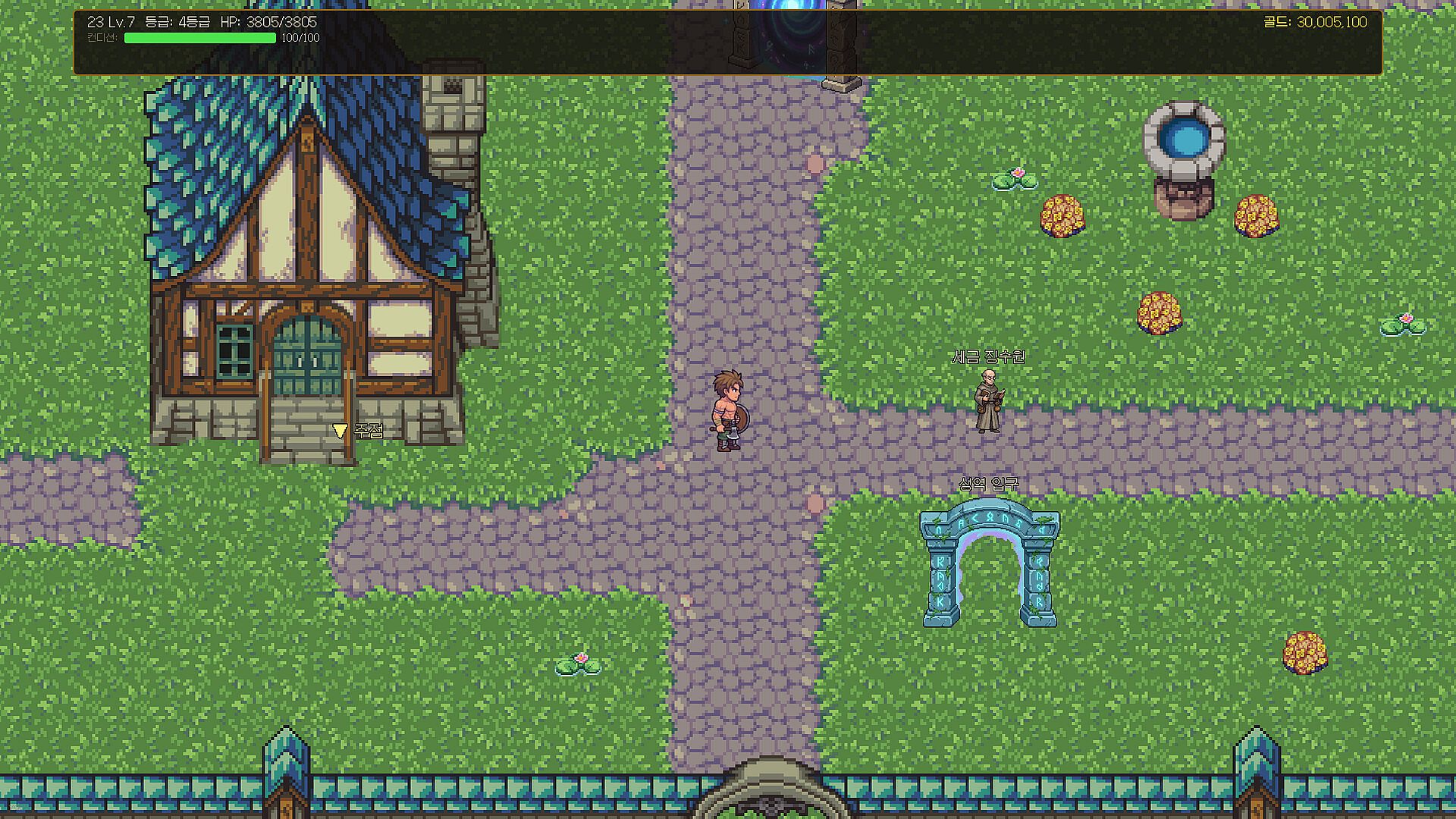
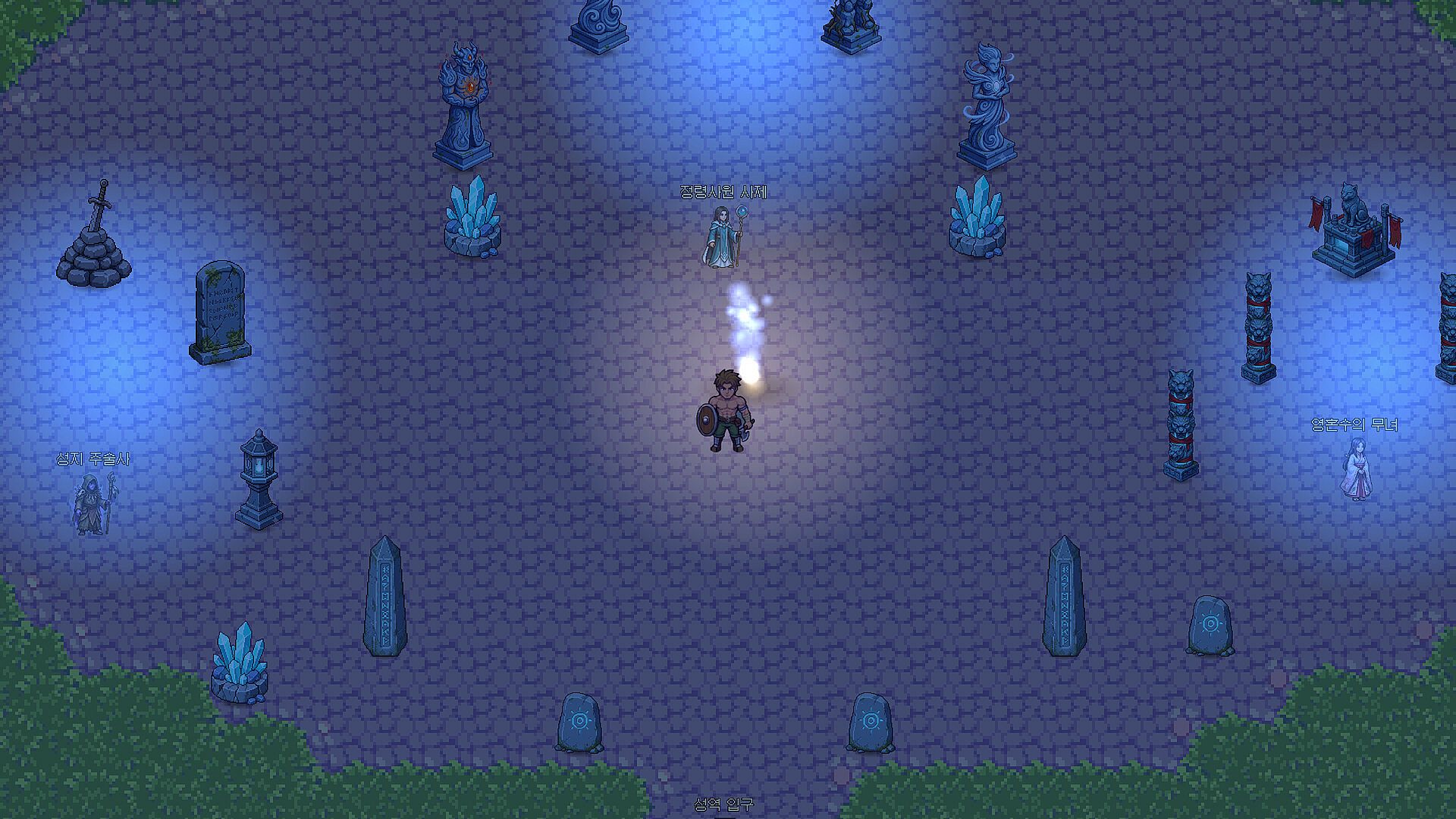
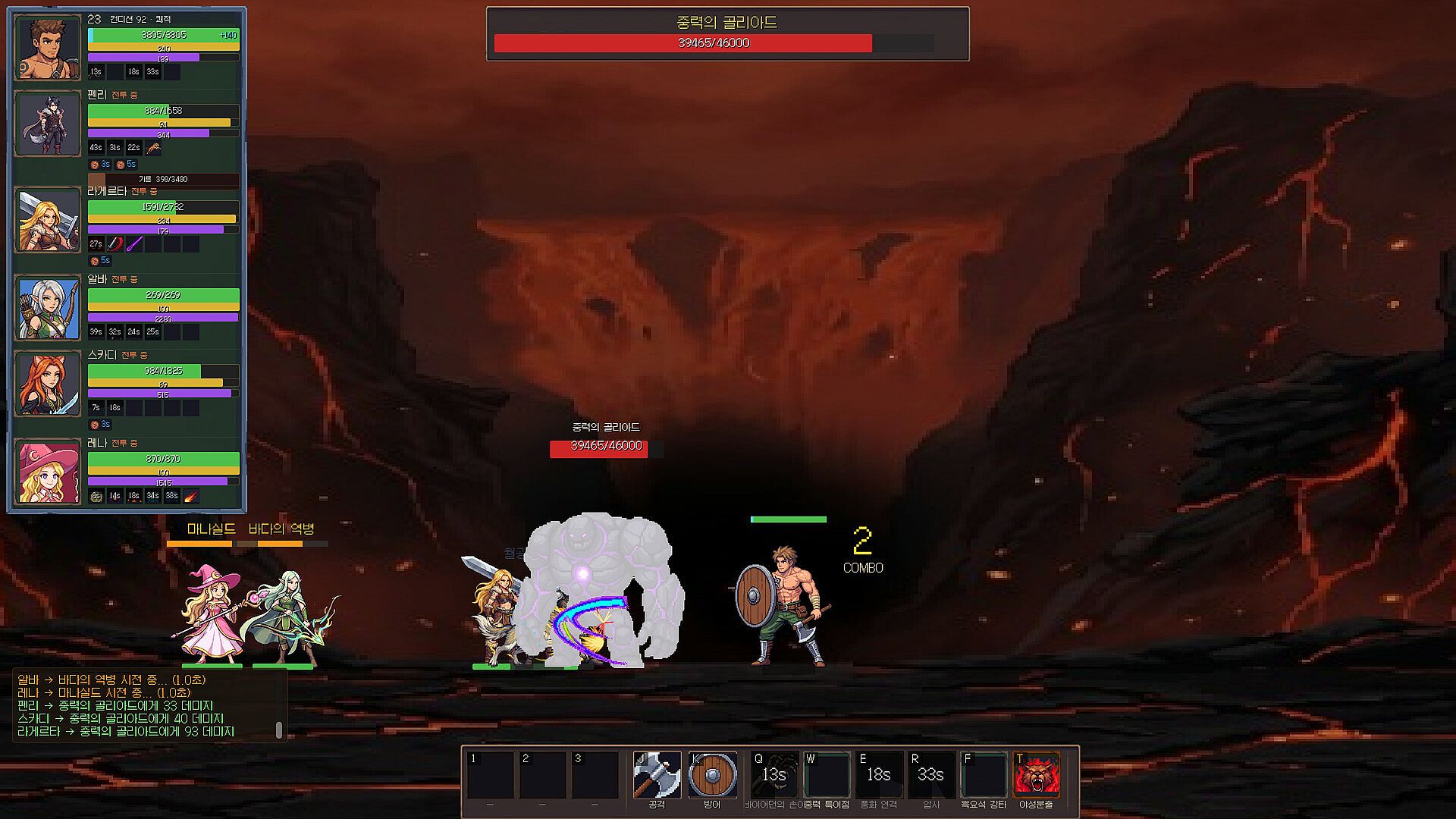
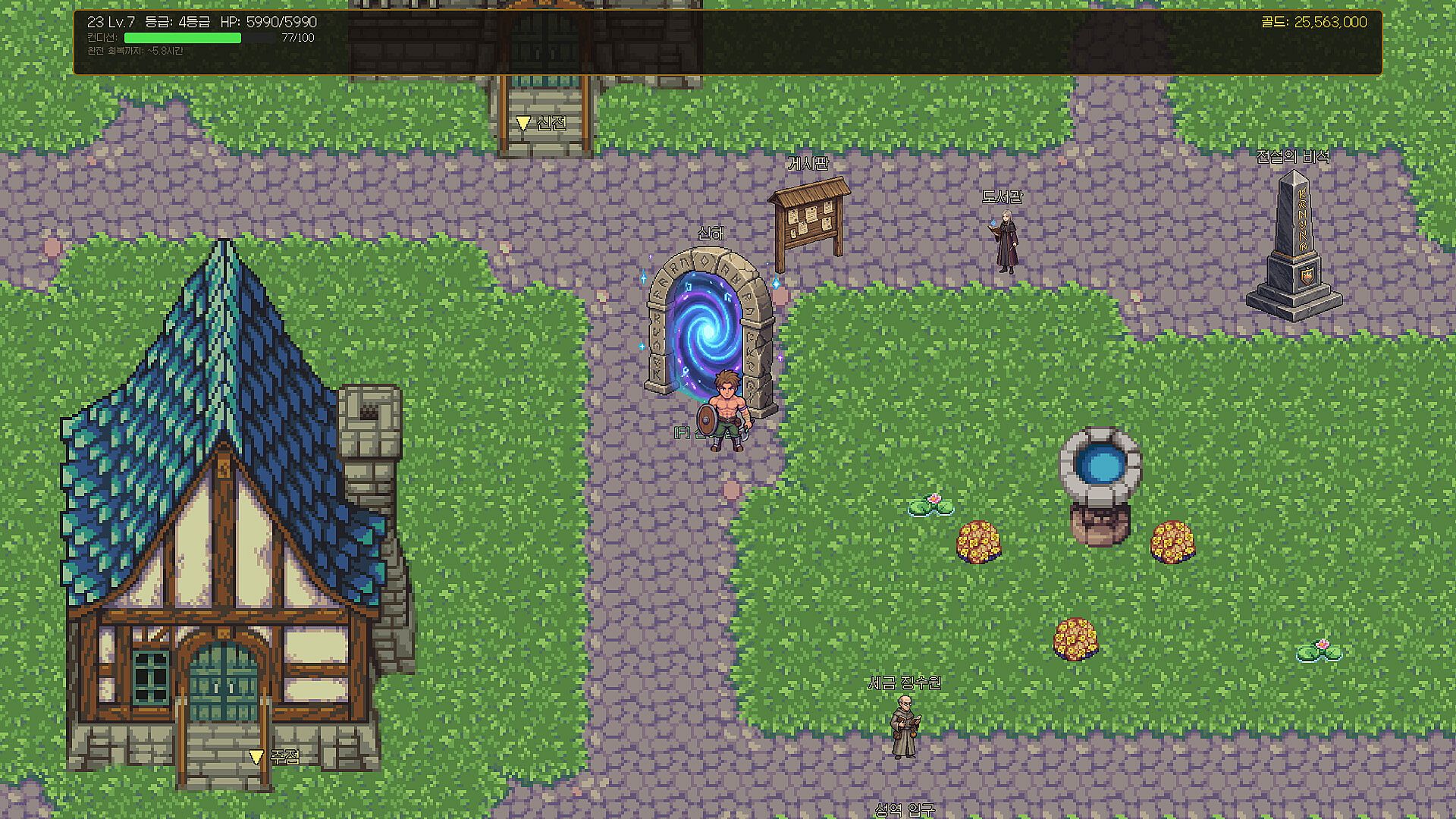
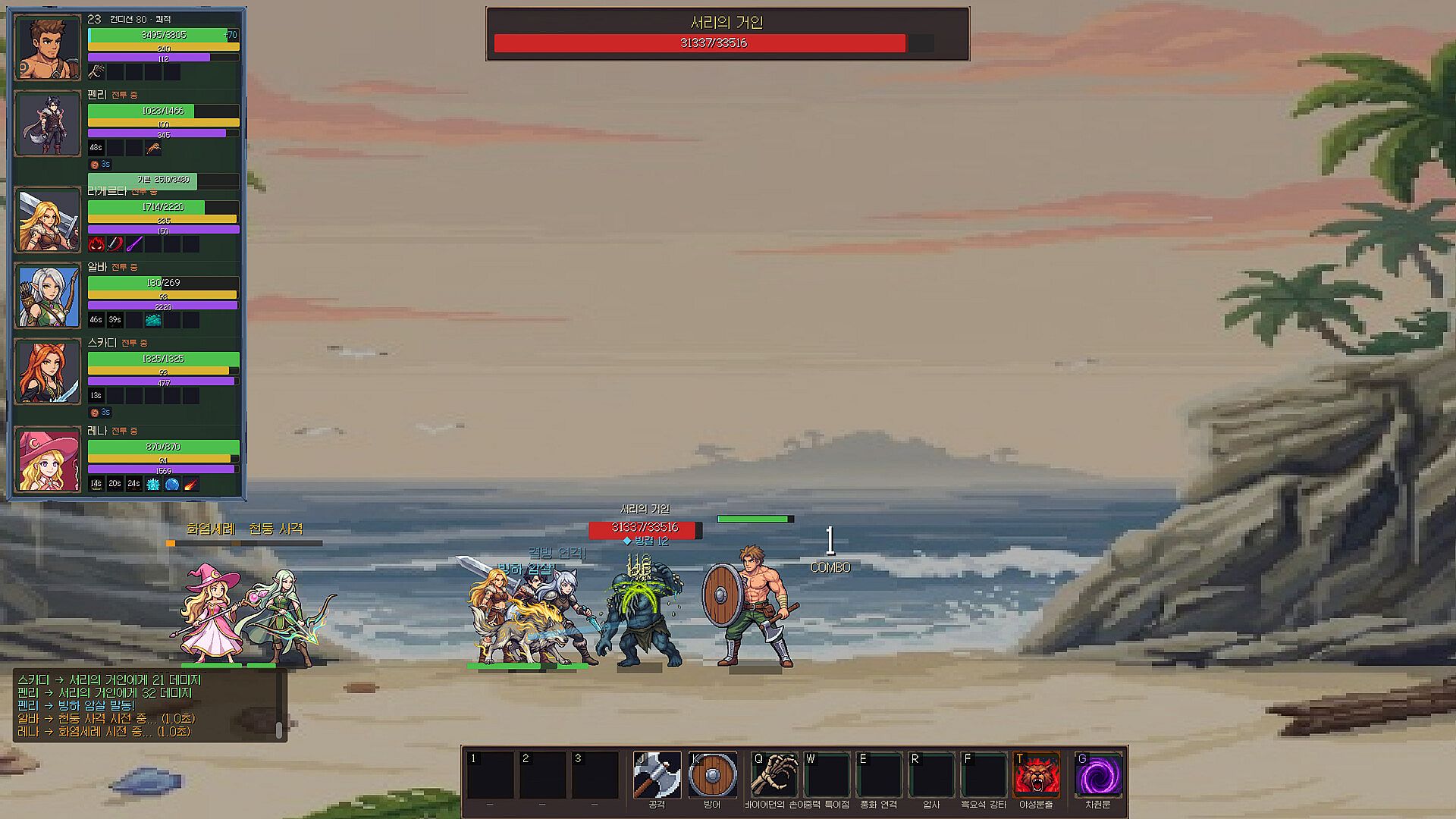
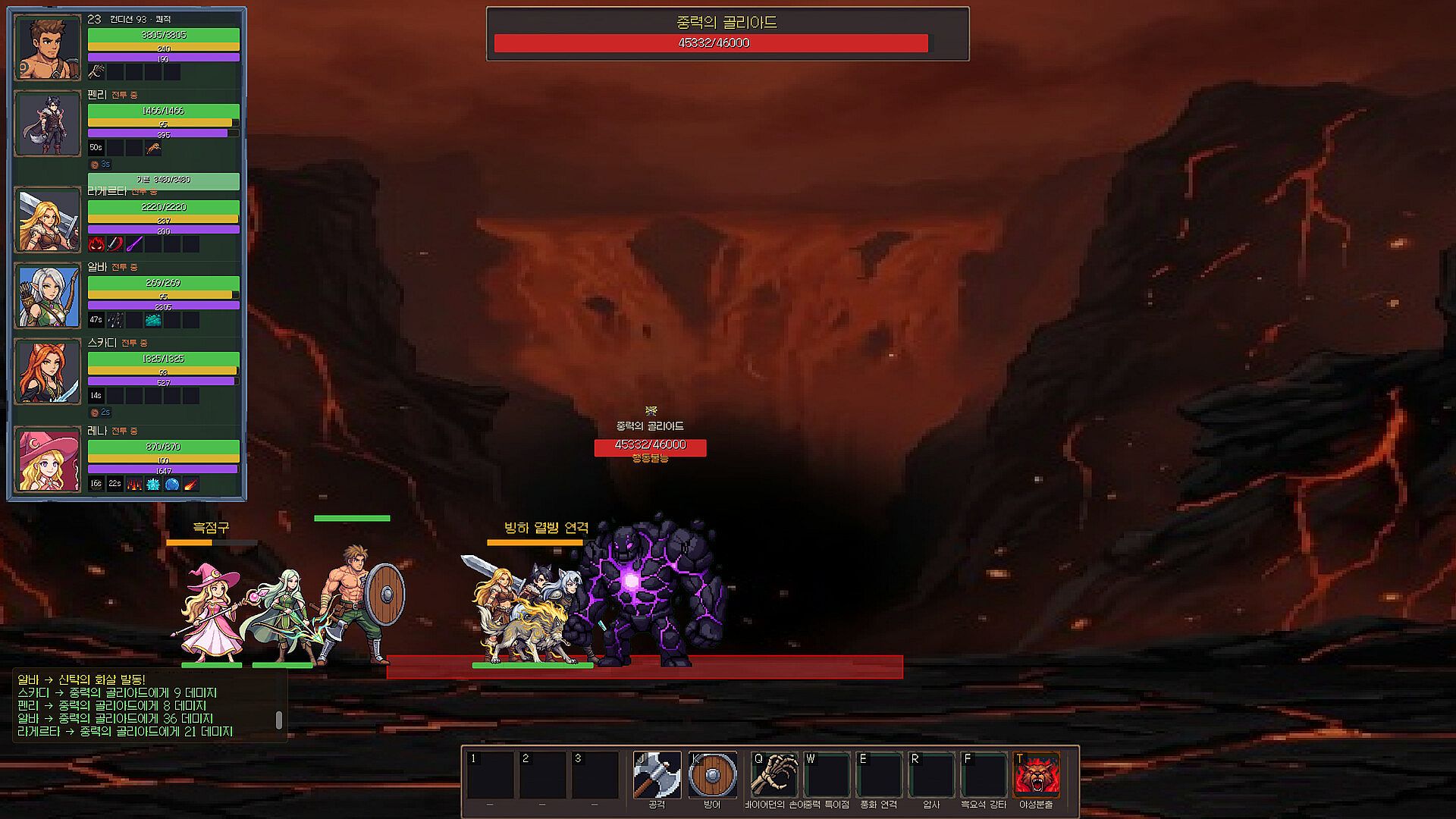
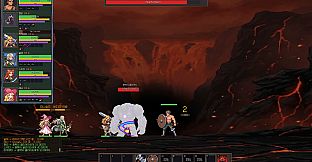
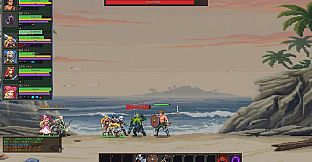
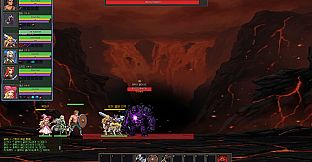
Brimir: Pilgrimage to the Heart is a side-view action roguelike RPG set in a world formed from the corpse of a primordial giant. Players take on the role of a pilgrim armed with an axe who begins at the giant's feet and ascends through layers of terrain created by the body itself. The goal is to reach the still-beating heart high in the chest cavity, a location no previous pilgrim has reached. The game combines precise platforming and combat with deep customization through rune combinations and permanent progression across runs.
Gameplay
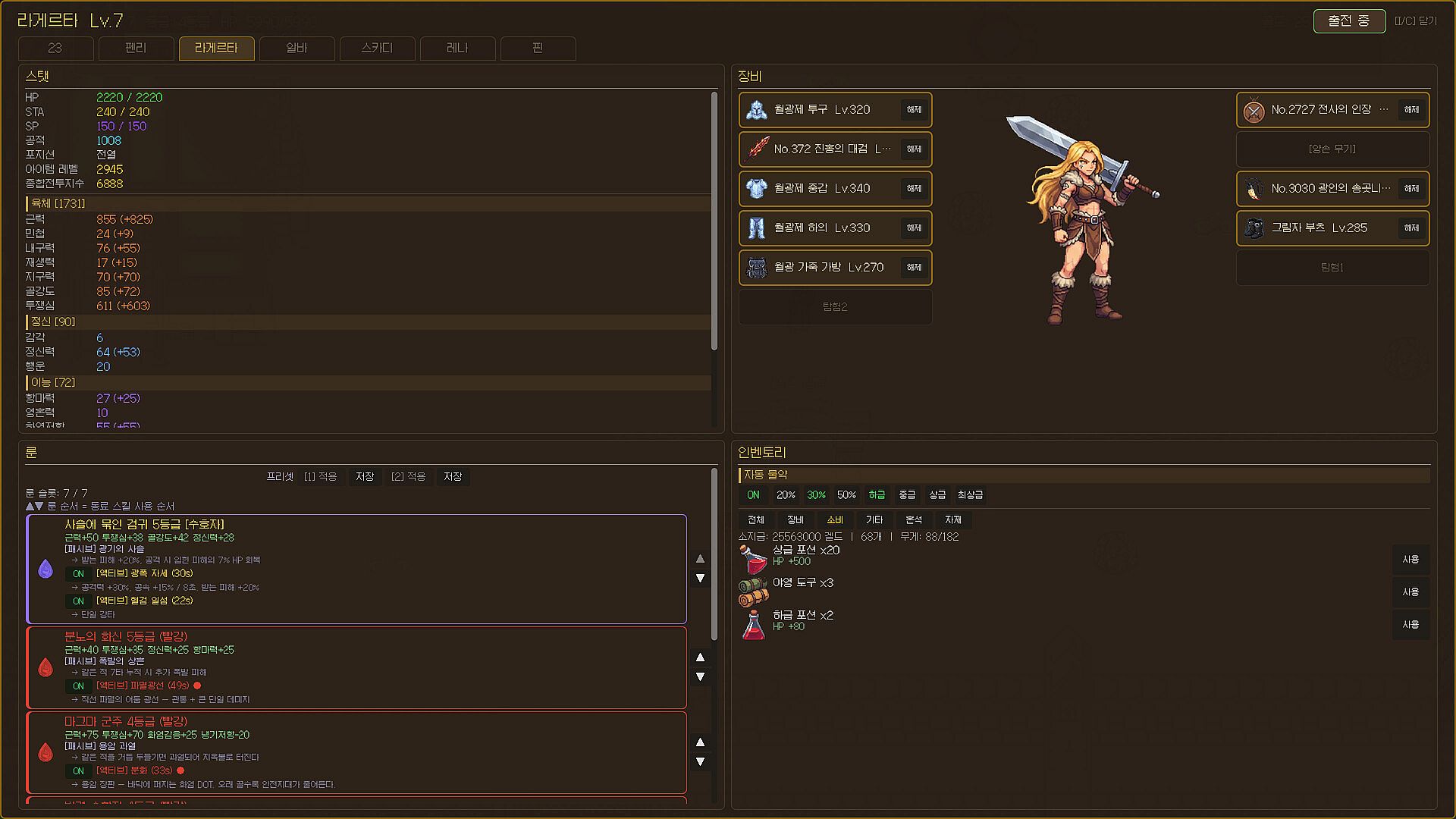
The core loop centers on climbing through distinct body-part environments that function as floors. Each section presents its own ecology and hazards drawn from the giant's anatomy, such as canyons between ribs or fluid-formed seas. Combat involves an axe for direct strikes alongside rune-based abilities that draw from the souls of defeated foes. These runes cover elements including fire, frost, poison, undeath, and steel. Players combine them in hundreds of ways to create unique builds, with no prescribed path or optimal setup. Experimentation drives the experience, as pairing different runes produces varied effects that suit individual playstyles.
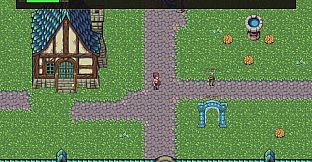
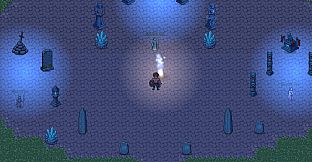
Progression occurs through rifts, which are wounds in the giant's form. Each rift contains a Warden that must be defeated to advance. The heartbeat mechanic adds constant pressure: blood surges with every pulse, and staying in one area too long risks being swept away. This creates tension between thorough exploration and timely advancement. Pixel art visuals emphasize the scale of the giant's remains, with environments shifting from grounded earth at the feet to cloud-obscured heights near the heart.
Death carries permanent consequences in the hardcore system. A fallen pilgrim is forgotten, ending that run without resurrection. However, immortal legends from past attempts remain bound and offer their power as companions. These figures provide abilities and support during climbs, each carrying their own unresolved ties to the heart. Unlocks from successful or partial runs carry forward, allowing incremental gains in power or options for subsequent attempts.
Game Modes
The game operates as a single continuous pilgrimage structure without separate named modes. The primary experience is the roguelike ascent through rifts and wardens, where each attempt builds on prior knowledge and unlocks. The hardcore ruleset defines the challenge, enforcing one-life runs that reset the current pilgrim while preserving legend companions and permanent advancements. This setup encourages repeated climbs, with each death contributing to overall progress toward the heart. No additional variants such as endless modes or cooperative options appear in the design.
Key Mechanics and Progression
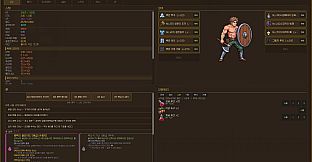
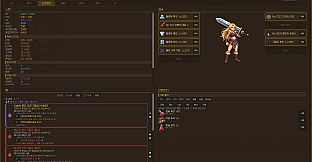
Rune crafting forms the foundation of customization. Hundreds of combinations allow for force, elemental, and status effects that alter combat and movement. The absence of a correct build encourages testing pairings that might seem unconventional at first. Companions from immortal legends add another layer, lending specialized powers that complement the player's axe and rune choices without replacing direct control.
The time pressure from the giant's heartbeat integrates directly into exploration. Areas flood or shift with each pulse, pushing players to balance combat, rune activation, and navigation. Body-part ecologies change the feel of each floor, introducing new enemy types and terrain interactions tied to the giant's physiology. Permanent unlocks ensure that knowledge and power accumulate across runs, turning early failures into advantages for later attempts.
Is It Worth Playing?
This title suits players who enjoy hardcore roguelikes with strong emphasis on build experimentation and precise side-view action. The combination of rune freedom, companion support, and one-life tension creates a focused loop where each run tests both skill and creativity. Those drawn to pixel art worlds with unique settings based on a colossal corpse will find the environments and mechanics cohesive. The permanent progression system rewards persistence without removing the stakes of mortality. Availability on PC makes it accessible for those seeking an indie action RPG that prioritizes meaningful choices over lengthy campaigns. If the described systems align with preferences for challenging, replay-driven gameplay, it delivers a distinct experience centered on the climb itself.