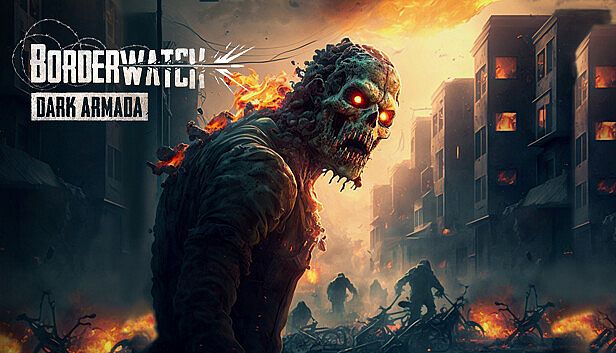
















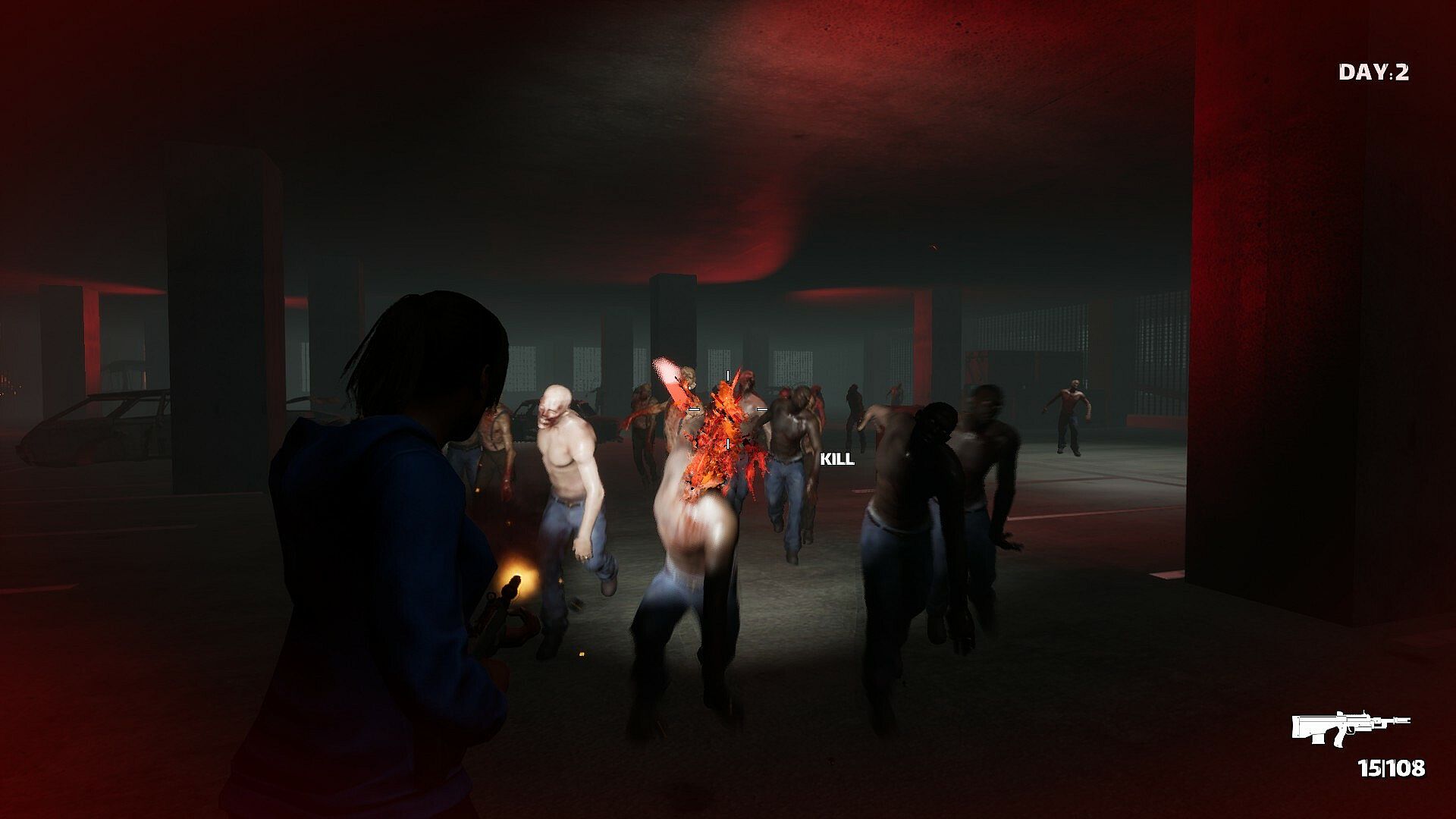
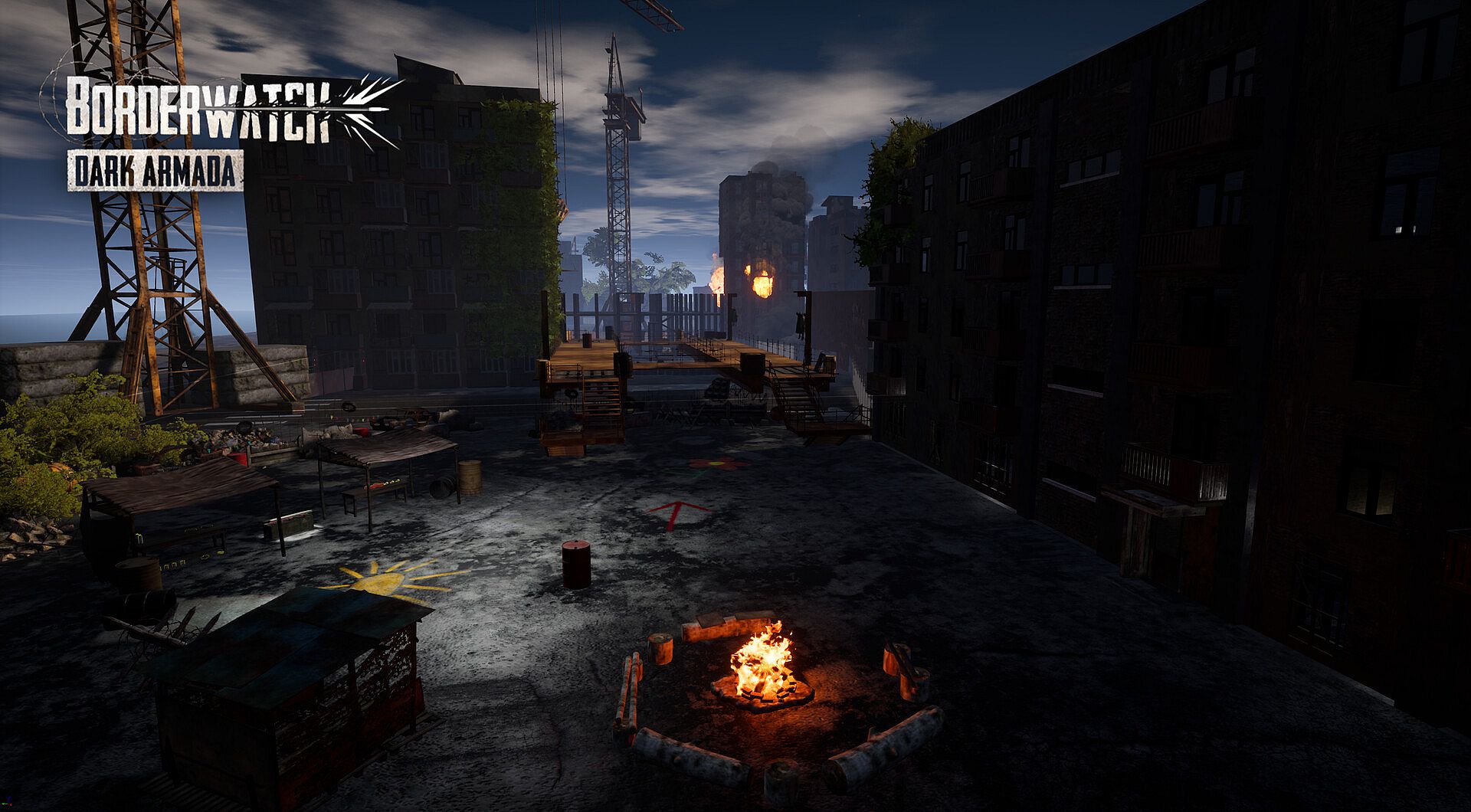
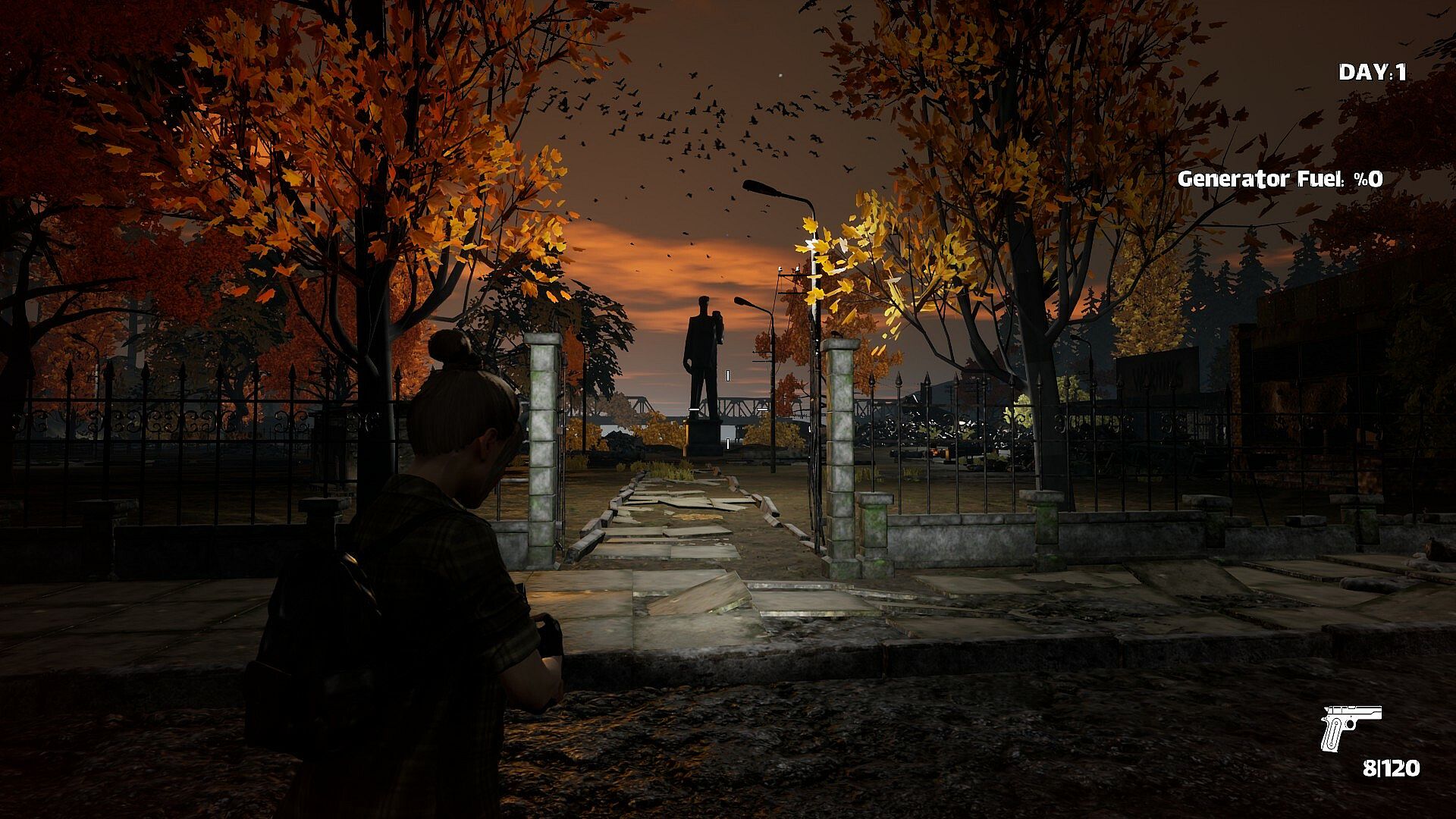
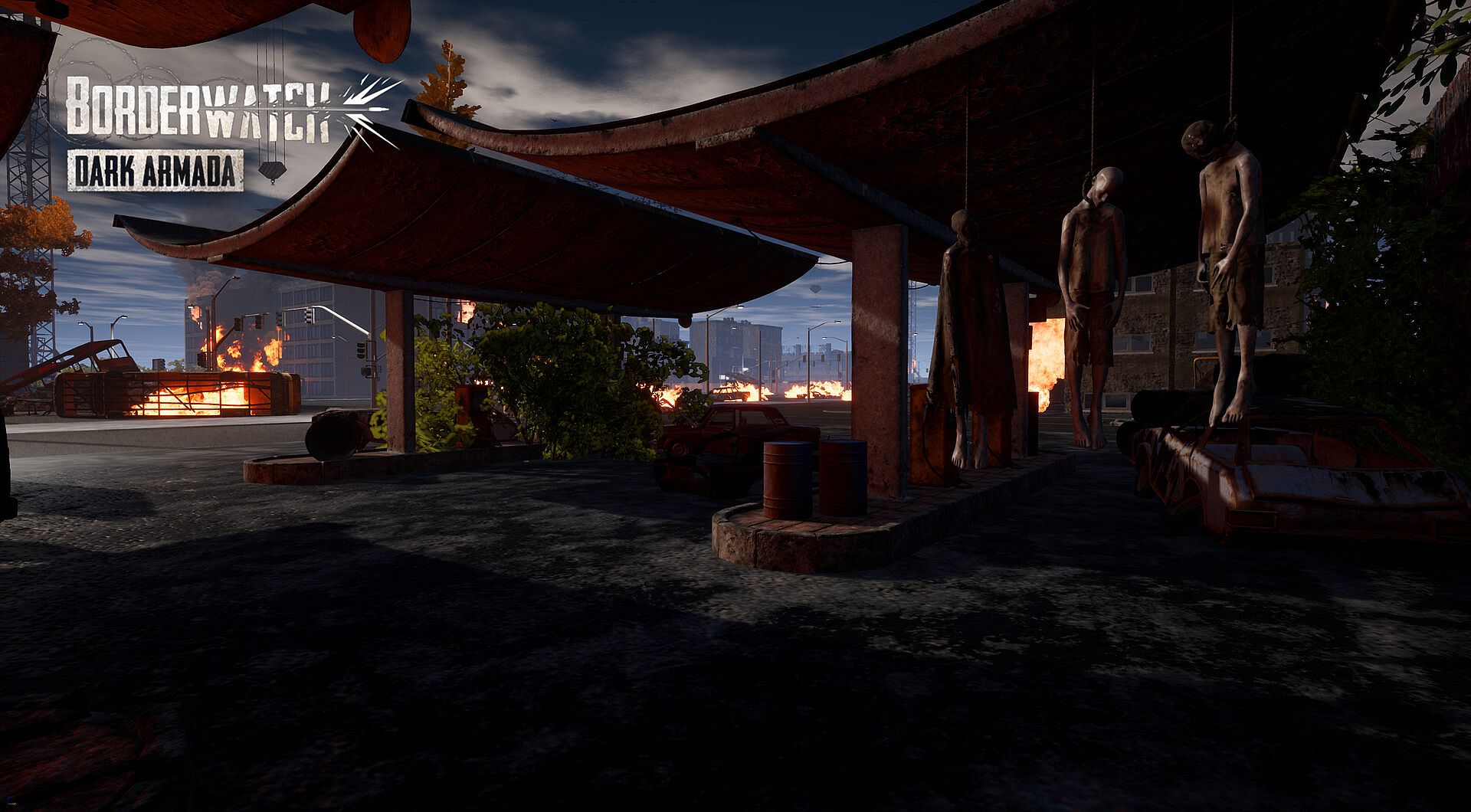
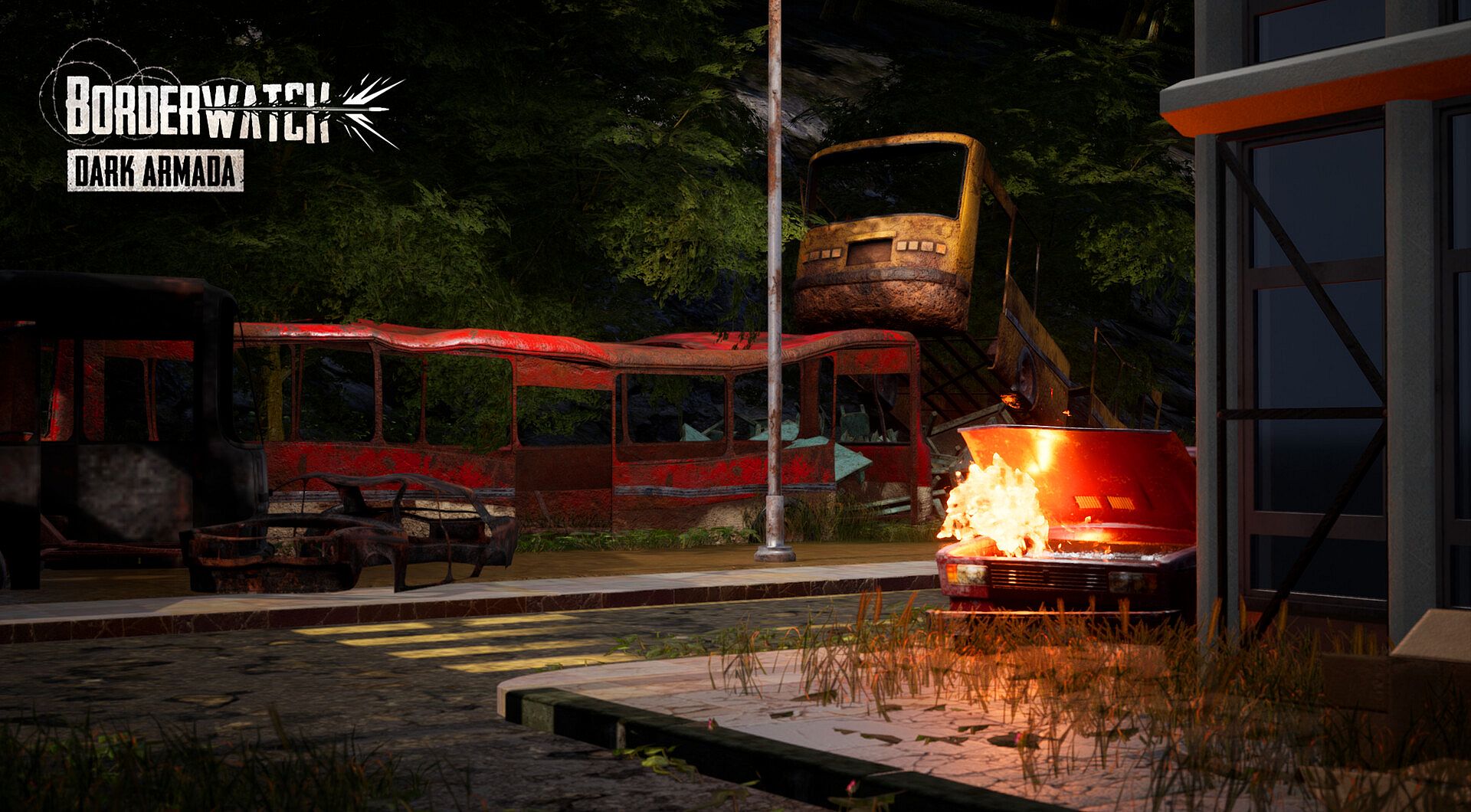
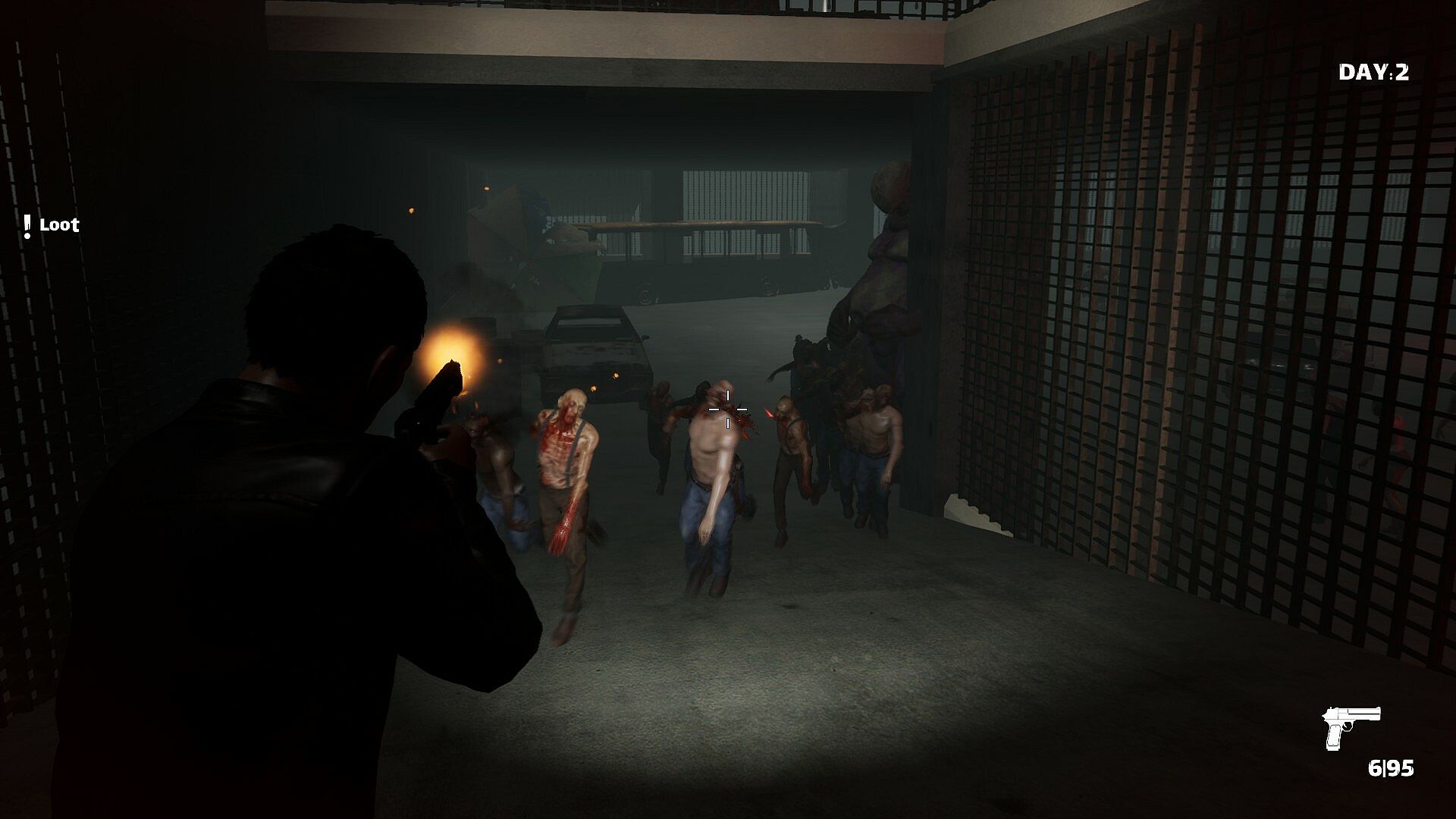
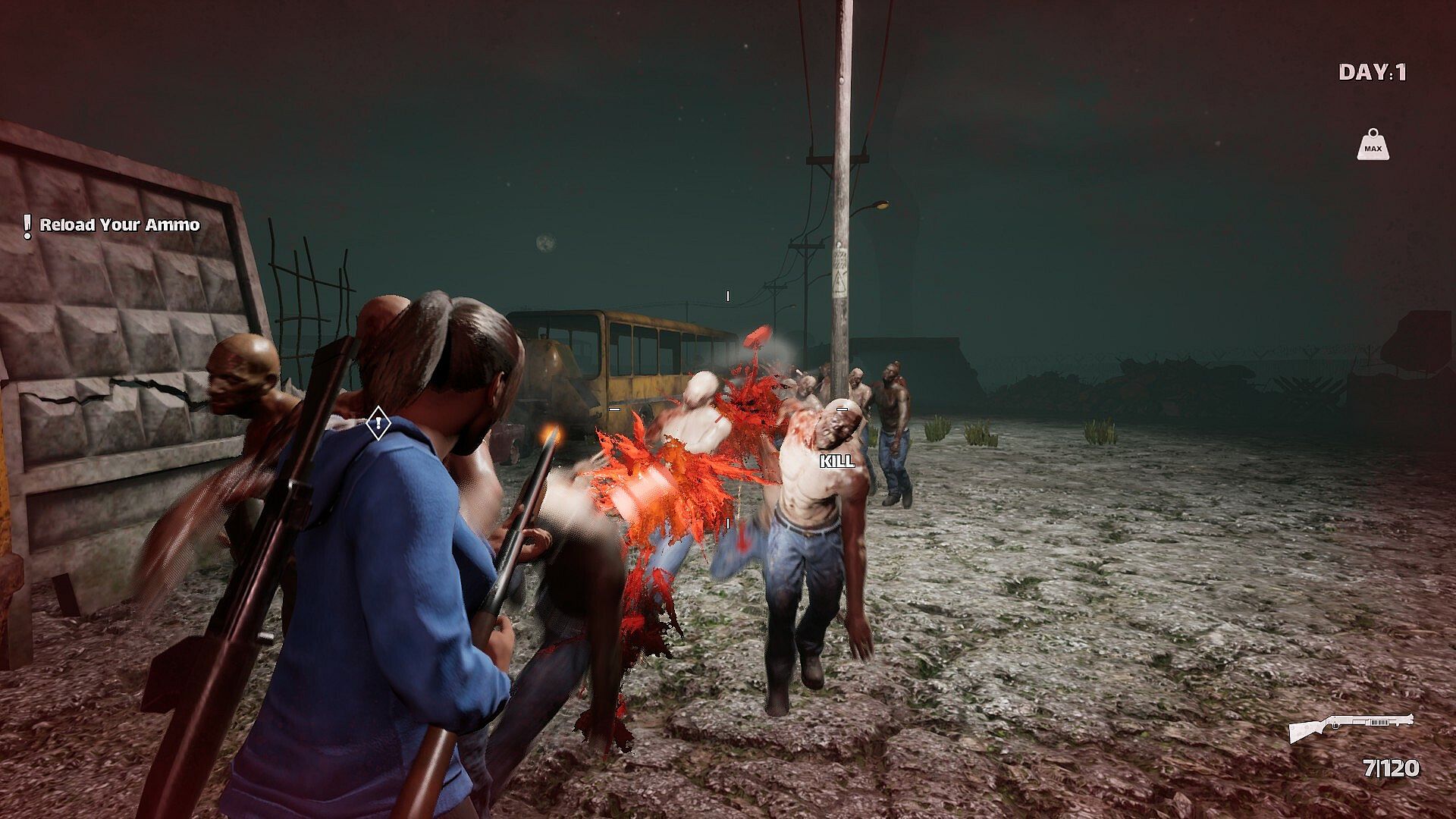
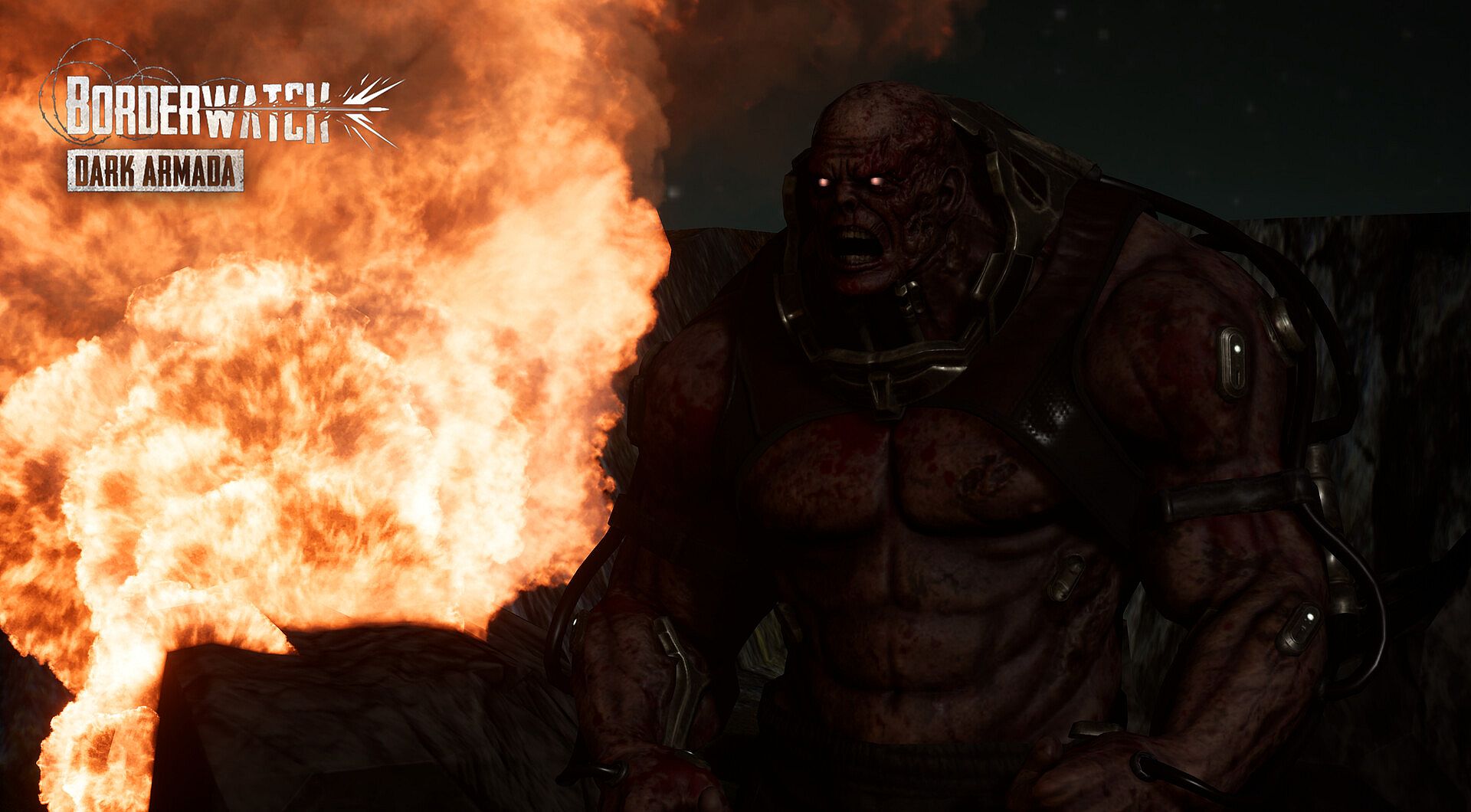
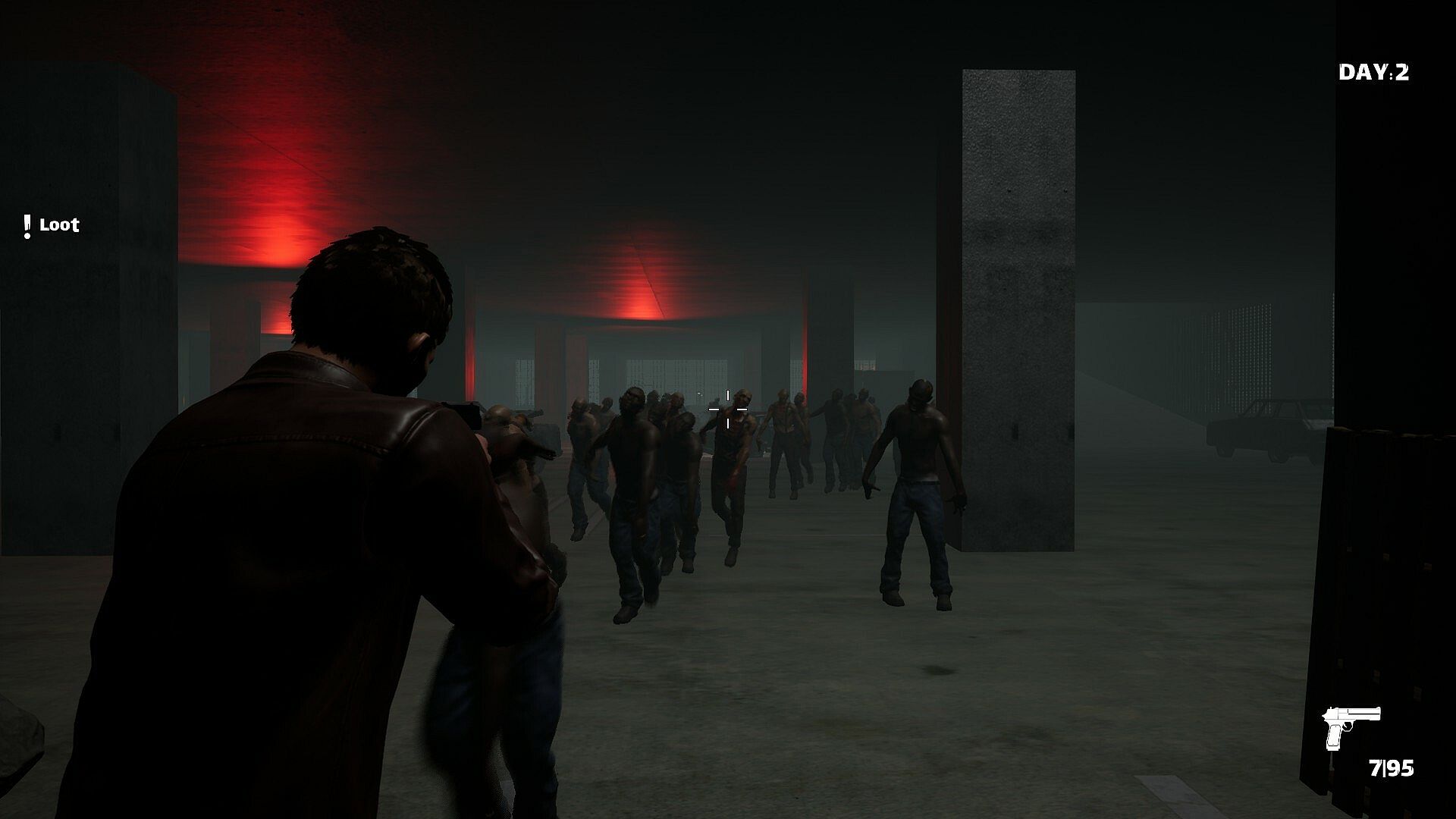
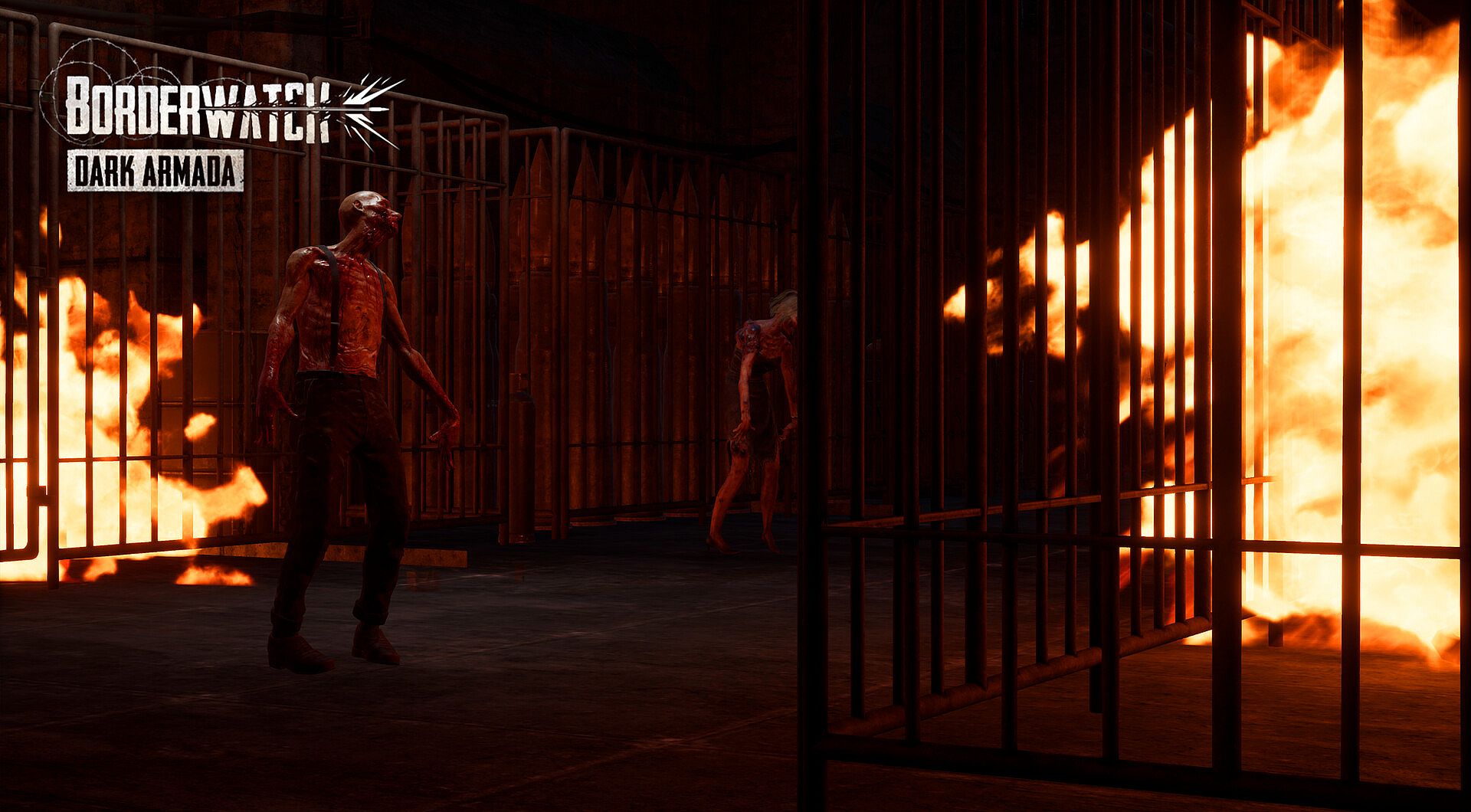
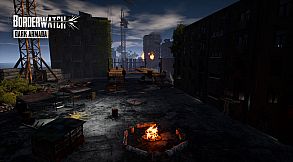
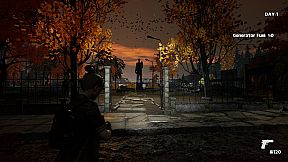
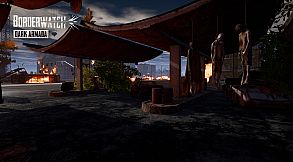

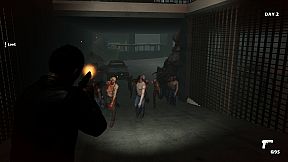
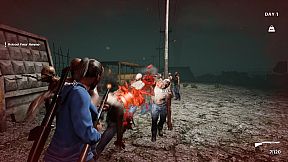
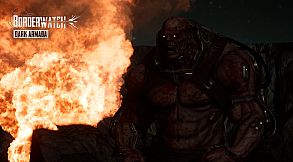
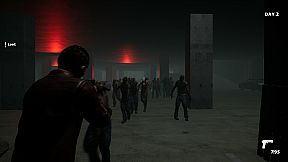

Borderwatch: Dark Armada is a third-person co-op zombie survival game set in a post-apocalyptic world overrun by infected creatures. Players form teams of up to four survivors who must reach escape helicopters that depart from major capitals every ten days. The core loop centers on scavenging resources, managing limited supplies, and fending off increasingly aggressive enemies while coordinating with teammates to reach extraction points on maps including Istanbul, Abu Dhabi, and Moscow.
Gameplay
The experience combines action and strategy in a third-person perspective. Survivors move through urban environments collecting weapons, ammunition, traps, medical supplies, food, and water. Infected creatures adapt traits from their regions, and some variants show reproductive capabilities that produce stronger offspring. Players must keep a generator running to maintain radio contact with other survivors for area intelligence and coordination. Ammunition and consumables require careful rationing because resupply comes only through volunteer pilots who respond to survival signals. Movement speed and positioning matter during raids that grow more intense with each cycle.
Team organization plays a central role. Survivors divide tasks such as scouting, fortification, and resource distribution to improve survival odds against the evolving threat. The generator-radio system adds a persistent objective that demands protection and maintenance throughout each ten-day period leading to helicopter departure.
Game Modes
The primary focus remains cooperative play for groups of up to four players. Teams work together to loot locations, defend positions, and reach extraction while listening to radio transmissions for strategic information. No separate competitive or solo modes appear in the available details. The structure emphasizes repeated survival cycles where each session builds toward the next helicopter departure, with difficulty scaling through stronger enemy generations and resource scarcity.
Key Mechanics and Features
Realistic post-apocalyptic visuals support the tense atmosphere across the listed capital city maps and additional locations. Strategy elements appear in team composition, trap placement, and decision-making around radio signals whose origins remain uncertain. The generator must stay operational to sustain communication links, creating a fixed defensive priority. Infected enemies carry regional characteristics that influence combat approaches, and the confirmed presence of a pregnant variant that produces stronger progeny adds long-term pressure on resources and tactics.
Supply management extends beyond combat to include food, water, and medical items delivered periodically by pilots. Players interpret radio messages to decide movement routes and cooperation opportunities with other survivor groups. These systems reinforce the need for deliberate pacing and resource conservation over ten-day intervals.
Is It Worth Playing?
Borderwatch: Dark Armada suits players who enjoy cooperative third-person survival against zombie hordes with an emphasis on scavenging, team coordination, and timed extraction goals. The combination of action combat and strategic planning around limited supplies and radio intelligence creates a focused experience for small groups. Low concurrent player numbers on release suggest limited ongoing community activity, which may affect matchmaking for new teams. Those seeking a straightforward co-op zombie survival title with map variety across real-world capitals and mechanics centered on generator maintenance and enemy adaptation will find the core loop matches that description. The game launched in early 2024 and continues without confirmed seasonal content or major updates in available information.