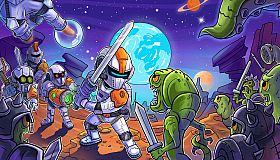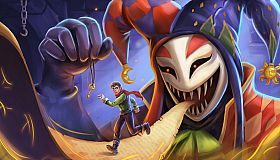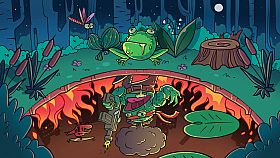



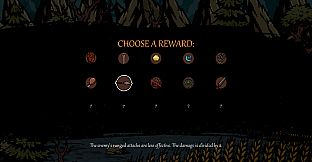
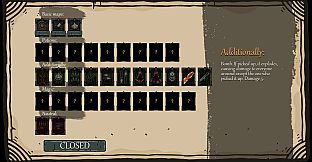
Bone Marrow 2 is a tactical 2D top-down puzzle game that blends strategy, indie design, RPG progression, and casual accessibility on PS5. Players merge survival resources on a grid instead of numbers, turning basic items into stronger tools that determine whether heroes survive the night.
Gameplay
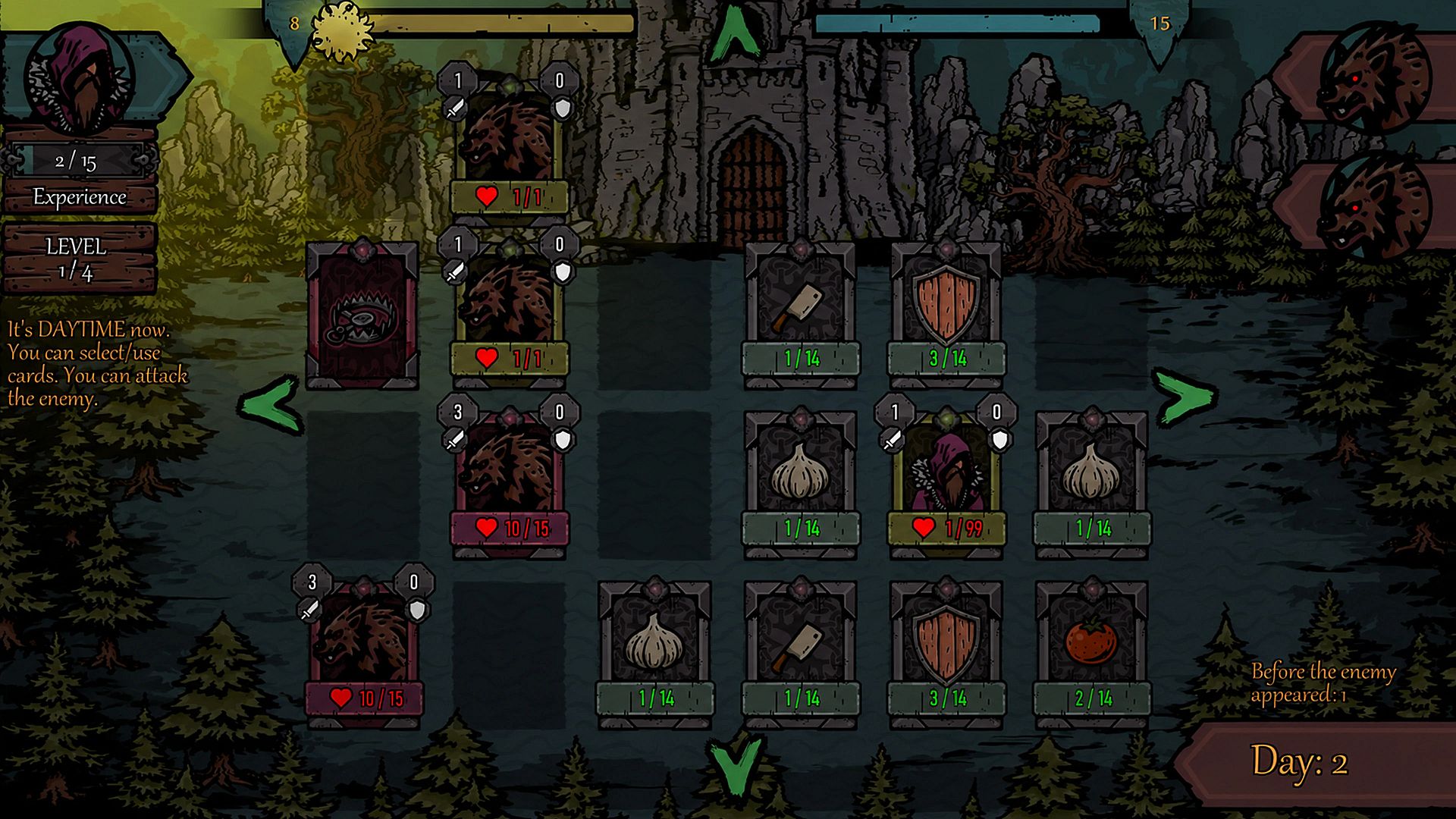
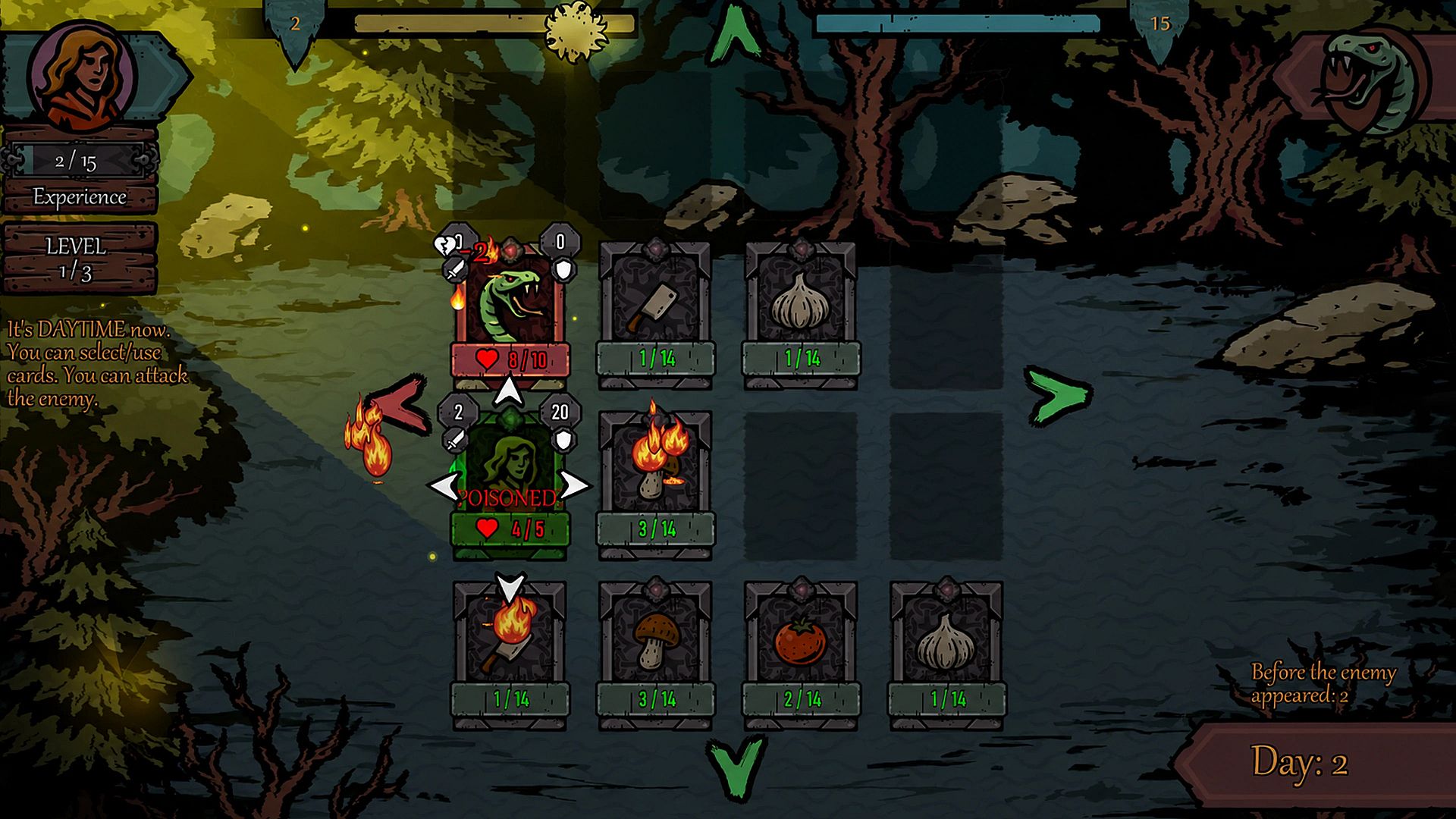
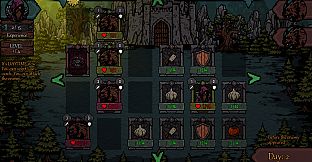
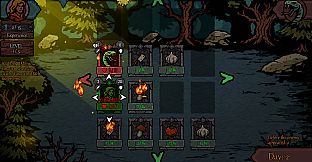
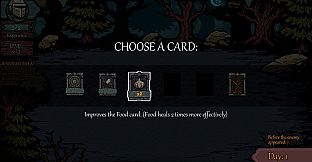
The core loop revolves around sliding and combining identical tiles that represent food, weapons, and armor. Food boosts health, weapons raise attack power, and armor improves defense. Each merge creates a higher-tier version of the resource, letting players choose which stats to prioritize for the upcoming threats. The grid fills gradually, forcing careful decisions about space and timing. Heroes appear on the field as the player prepares them, and their effectiveness depends entirely on the supplies gathered and upgraded during the day phase.
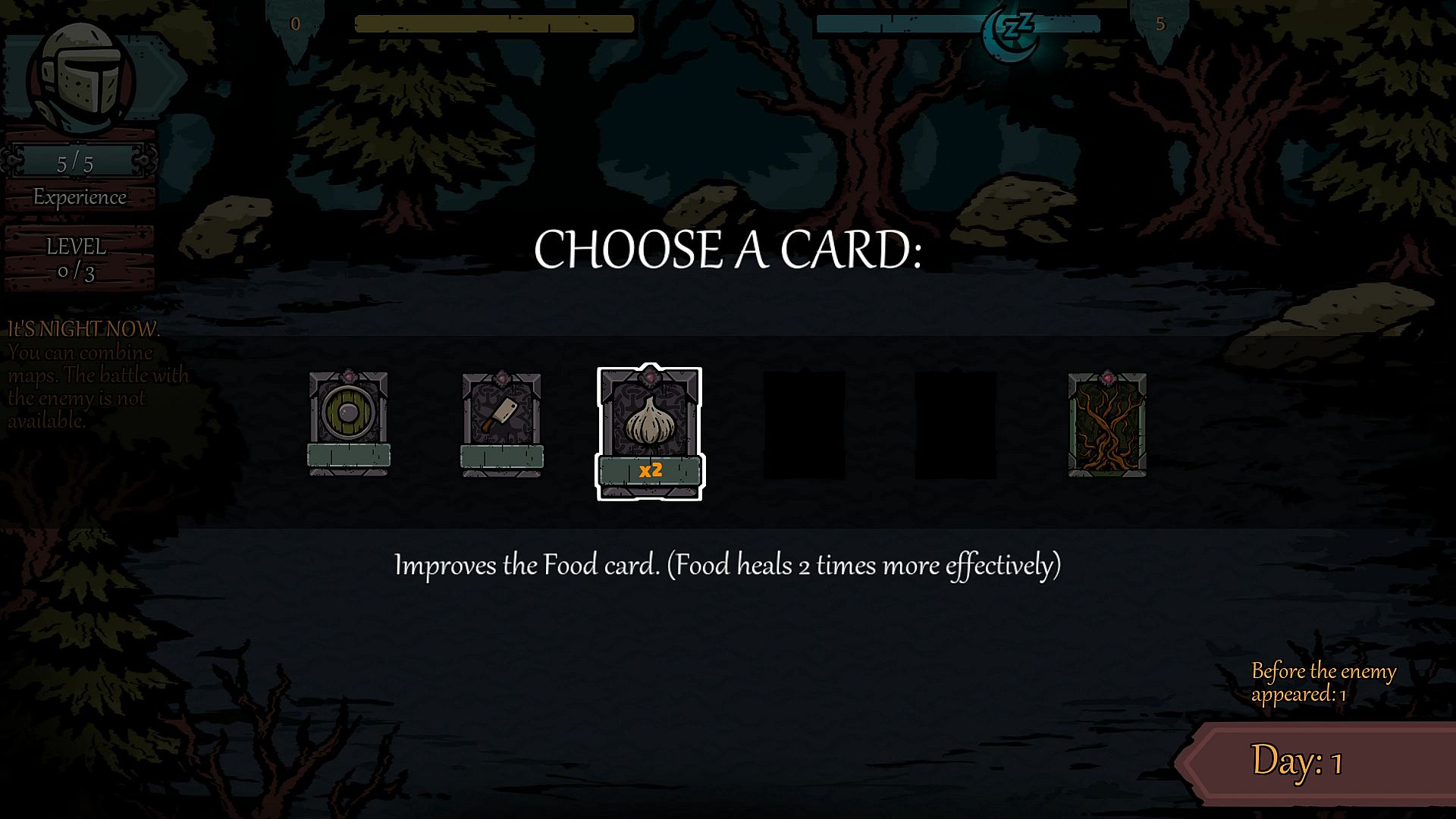
Daytime focuses on free movement and merging across the board to stockpile ready supplies. Nighttime shifts the pace dramatically, with the world frozen and pressure mounting to keep combining pieces under tighter constraints. Mistakes during these dark periods directly reduce hero survival chances, turning every slide into a calculated risk. The system rewards foresight in building balanced loadouts rather than rushing random merges.
Game Modes
The game structures its challenges around a repeating day-and-night cycle that serves as the primary mode of play. Players advance through successive stages, each presenting a fresh grid layout and escalating demands on resource management. Completion of early stages unlocks further levels, with trophies tracking progress through specific milestones such as finishing level one through level four. There are no separate multiplayer or competitive modes confirmed; the experience stays focused on solo puzzle-solving sessions that build toward longer survival runs.
Progression ties directly to hero readiness. Stronger merged items translate into better performance once night arrives, encouraging repeated attempts on the same stage to refine combinations. The absence of additional named modes keeps the emphasis on mastering the central merging system across increasingly complex grids.
Hero Development and Resource Strategy
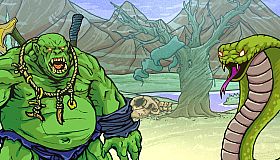
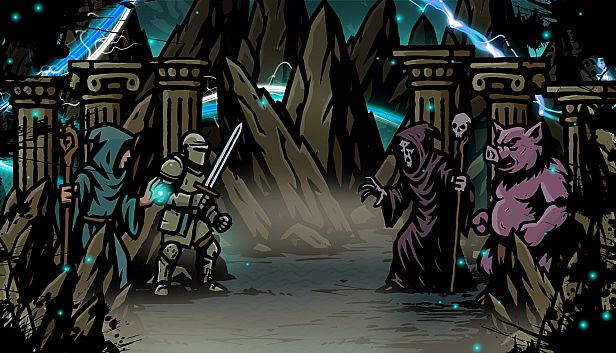
Heroes function as the end recipients of all merged resources, carrying forward improved stats into each night phase. Choices made during merges shape whether a hero leans toward tanky defense, aggressive damage output, or sustained health recovery. The jagged staff, taut bow, and battered grimoire mentioned in the game's thematic text represent the flavor of these upgraded tools, born from rage and magic rather than traditional equipment paths. This RPG layer adds weight to every decision, as a poorly balanced hero can fail quickly when threats activate at night.
Strategy emerges from observing how merges interact on the limited grid space. Over-merging one resource type leaves gaps in others, so players learn to maintain variety while pushing key items to higher tiers. The casual genre tag reflects the straightforward controls, yet the strategy depth rewards careful planning across multiple attempts.
Is It Worth Playing?
Bone Marrow 2 suits players who enjoy 2048-style merging mechanics combined with survival tension and light RPG elements. The day preparation phase offers relaxed puzzle time, while the night phase delivers focused pressure that keeps sessions engaging. A review highlights the rewarding blend of puzzle-solving and survival that holds interest beyond the initial stages. Availability on PS5 places it alongside other indie strategy titles, with trophy support for level completion providing clear goals. Those seeking quick, repeatable puzzle sessions with meaningful progression choices will find the core loop satisfying, while players preferring expansive story campaigns or online features may want to sample it first through available platforms. The game remains in active release with its described systems intact, making it a solid option for fans of tactical merging puzzles.