




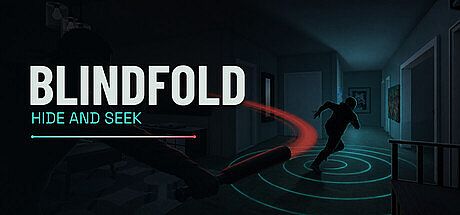



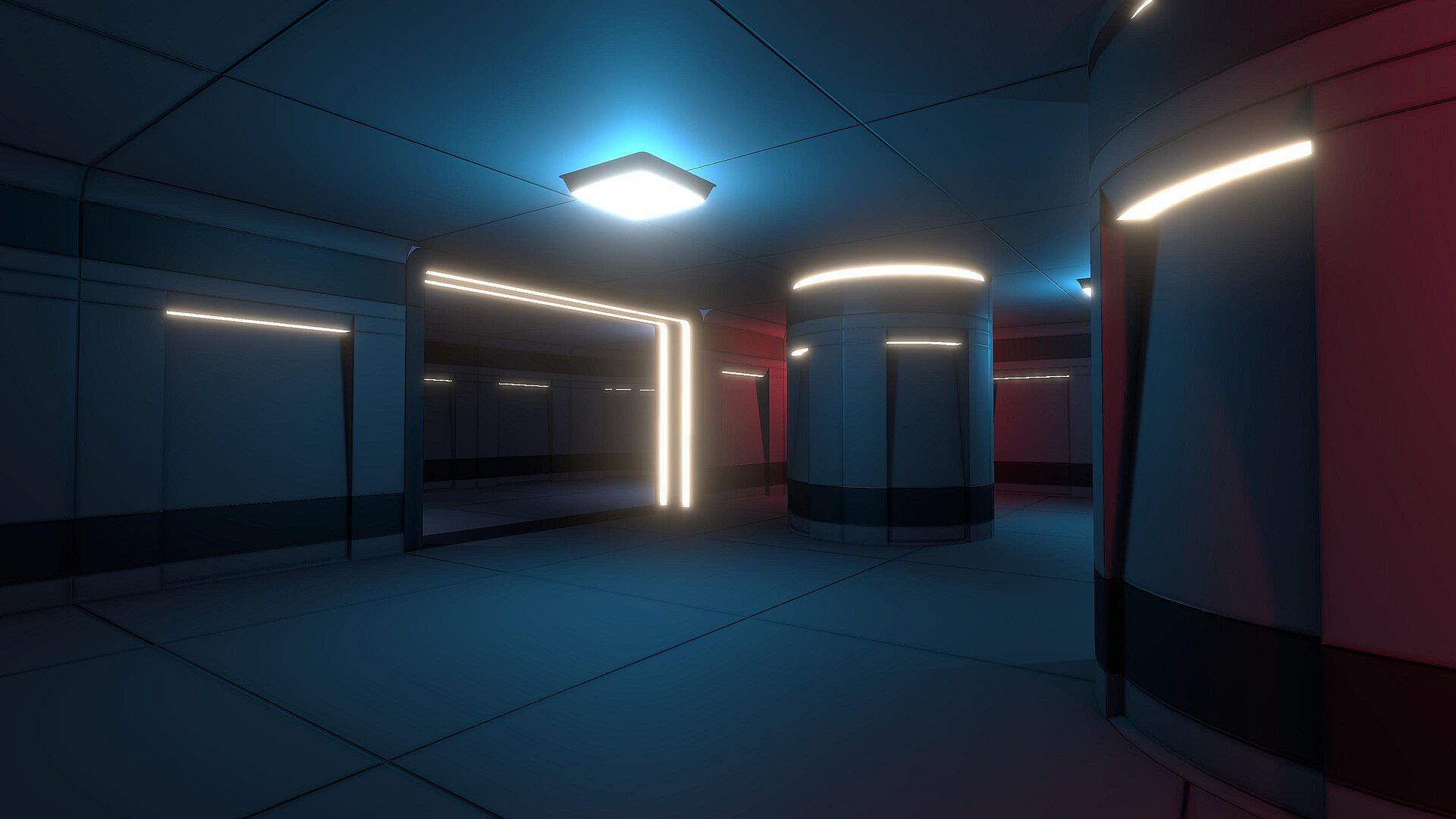
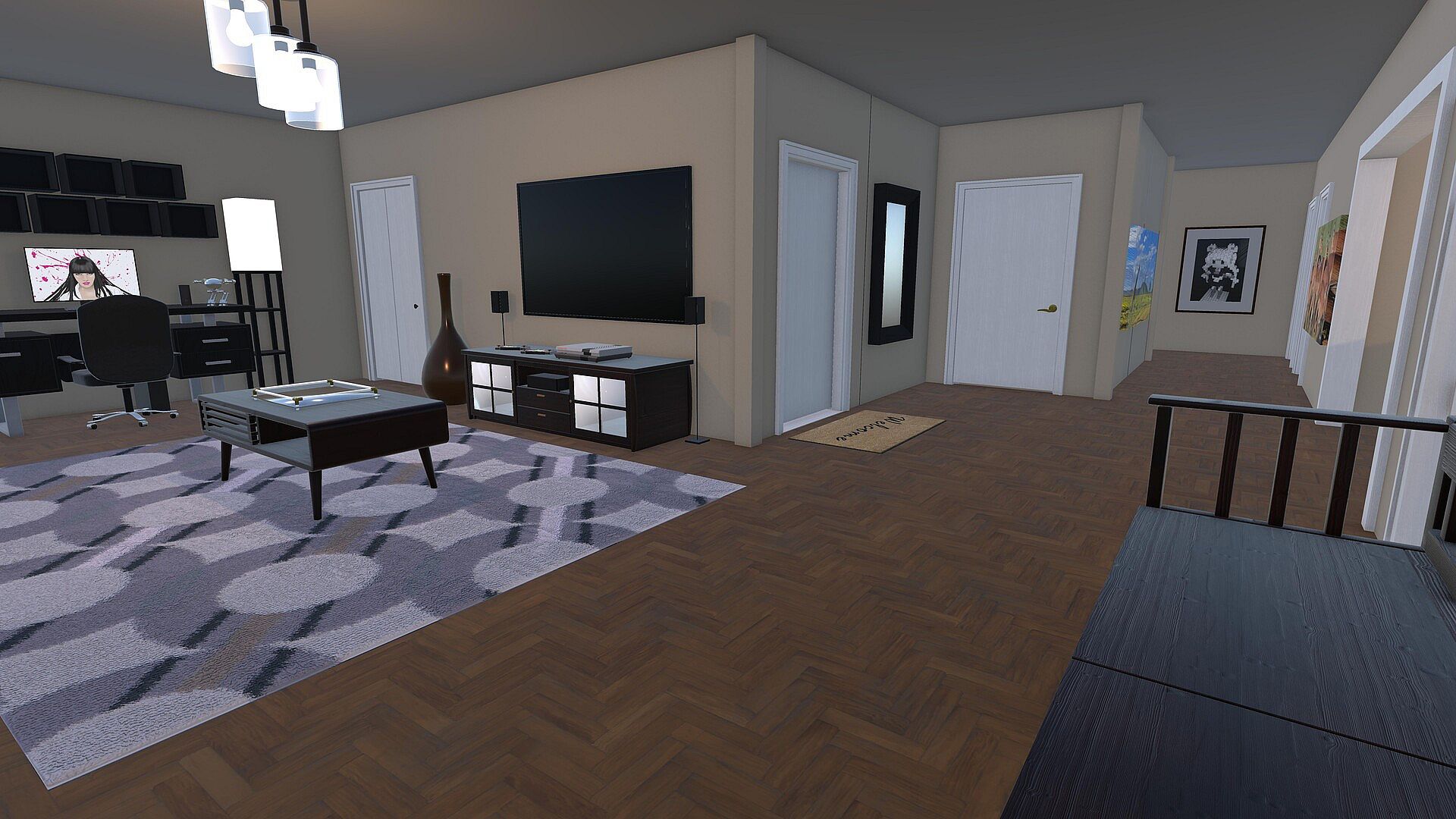




BLINDFOLD: Hide and Seek is an asymmetric online multiplayer game that blends action, indie, and casual elements into a tense hide-and-seek experience on PC. One player takes the role of a blindfolded seeker while others act as fugitives, with success depending entirely on sound cues rather than visual awareness. The core loop revolves around the seeker listening for footsteps and environmental noises to locate opponents who must balance movement with the constant risk of detection.
Gameplay
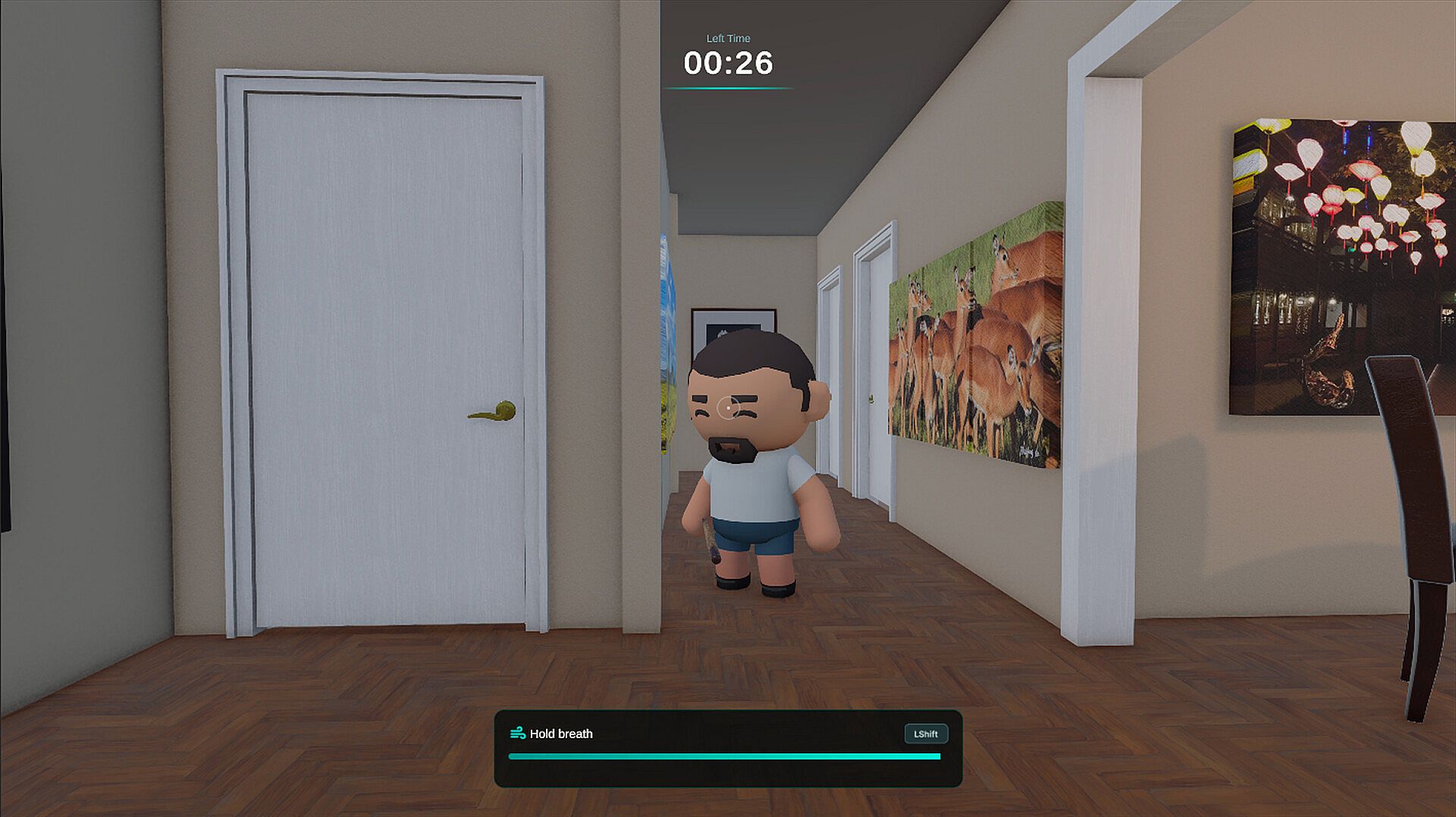
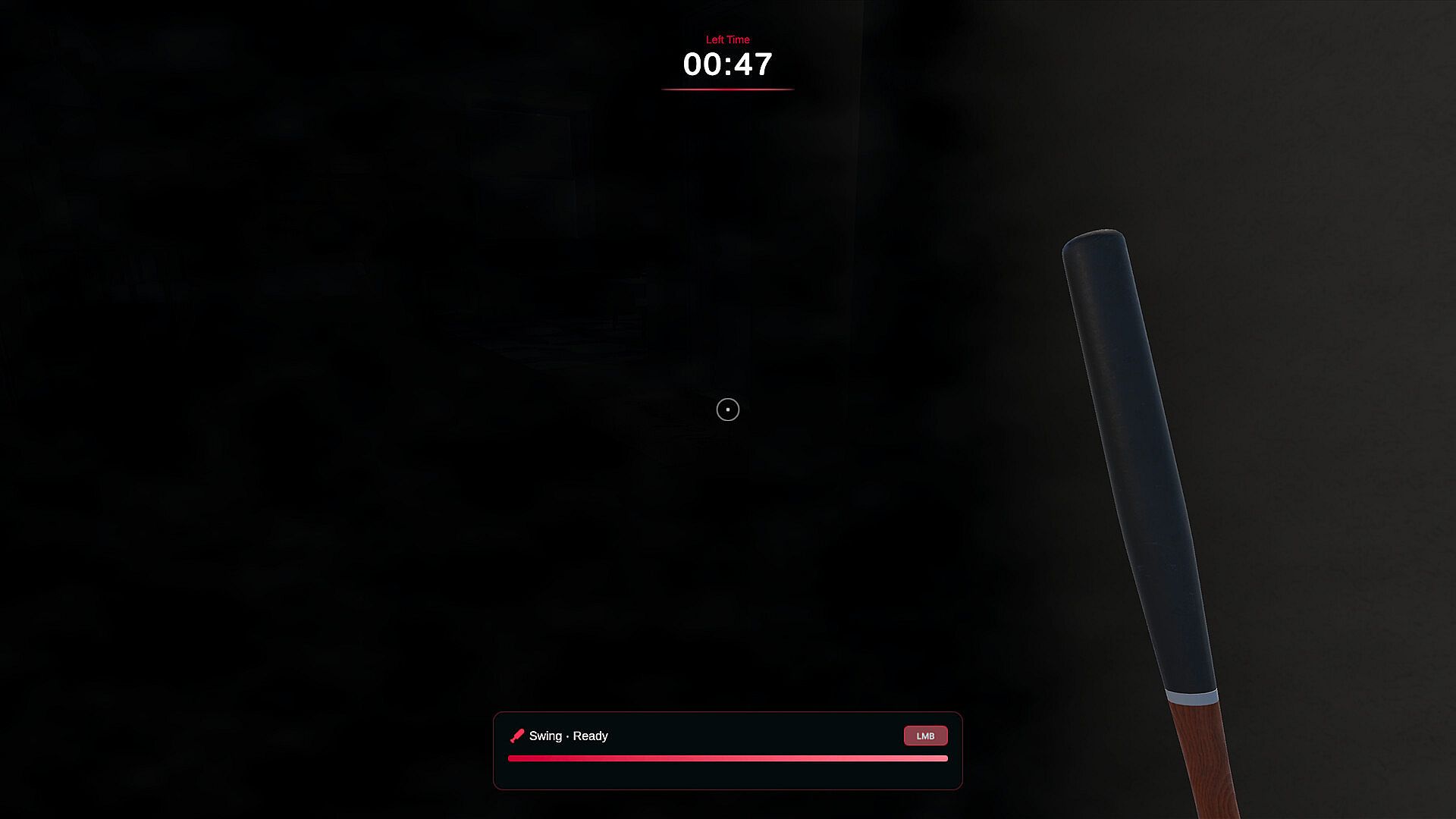
The seeker operates without normal vision and instead tracks targets through audio signals such as footsteps, echoes, and ambient sounds. Direction and distance must be estimated in real time, turning every audio clue into a potential lead or misdirection. Fugitives retain full visibility of the map and the seeker's position but generate noise with each action, forcing deliberate choices between sprinting for distance or creeping slowly to stay hidden.
Environmental interactions add layers to the tension. Fugitives can use cover to break line of sight and sound trails, or they can hold still and control breathing to minimize detection. The seeker gains from patience and careful listening, while any sudden movement by a fugitive can shift the entire pursuit. These opposing information sets create ongoing mind games where each side anticipates the other's likely decisions based on limited data.
Game Modes
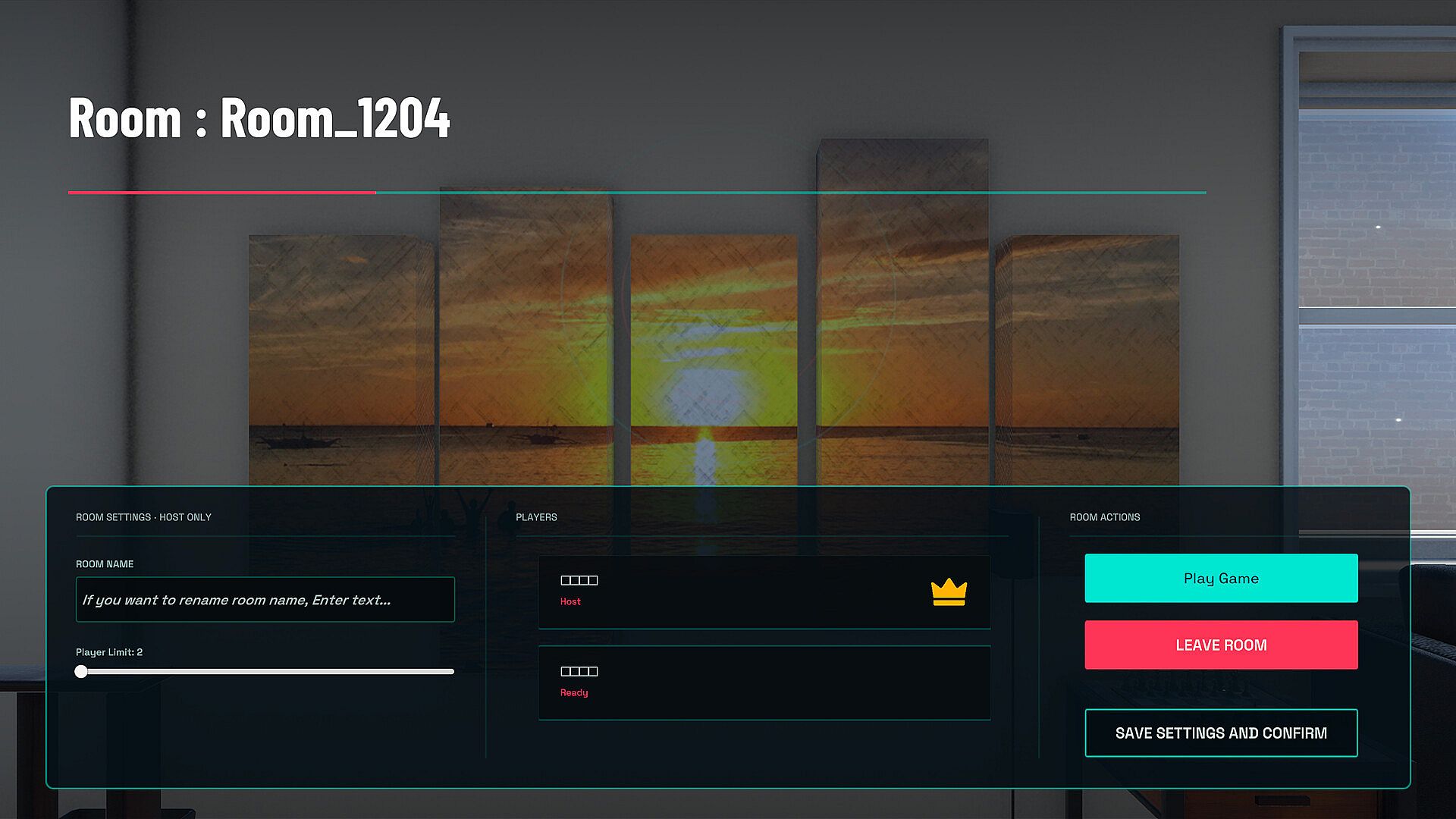
Matches consist of short rounds built around the central asymmetric setup of one seeker against multiple fugitives. The seeker aims to locate and catch all opponents before the timer expires, while fugitives focus on survival through careful positioning and noise management until the round concludes. Quick entry into these rounds requires no extensive setup, allowing sessions to unfold based on the collective choices of everyone involved.
The format emphasizes unpredictability within each round. Sound propagation and movement speed directly influence outcomes, so the same map can produce varied results depending on how aggressively or cautiously players act. No additional named modes appear in the available details, keeping the experience centered on this single core loop of sound-driven pursuit and evasion.
Sound and Movement Mechanics
Sound serves as the primary detection tool for the seeker, with footsteps and other noises providing directional information that must be interpreted accurately. Small environmental audio events can reveal a fugitive's location or create false trails that waste valuable time. Fugitives counter this by modulating their speed and timing, accepting that faster movement increases volume while slower actions reduce the chance of giving away position.
Risk assessment forms the heart of fugitive strategy. Sprinting offers quick repositioning but broadcasts location clearly, whereas quiet steps or complete stillness demand patience and awareness of the seeker's likely path. These mechanics encourage repeated plays as players refine their ability to read audio cues and predict opponent behavior across different map layouts.
Is It Worth Playing?
The game targets players who enjoy asymmetric multiplayer tension and quick, repeatable rounds without complex preparation. Its simple rules allow immediate participation, yet the sound-based tracking and risk-reward movement create depth through psychological elements rather than mechanical complexity. Those drawn to hide-and-seek concepts with a focus on audio awareness and deception will find the core loop engaging for short sessions.
Because the title remains unreleased with no player reviews or post-launch updates available, any assessment rests on the described systems alone. Fans of indie action titles that emphasize information asymmetry and fast-paced decision making may appreciate the approach, while those seeking extensive content variety or established communities should monitor future developments. The emphasis on accessible entry and high-stakes audio gameplay positions it as a niche option for specific tastes in online PvP experiences.











