






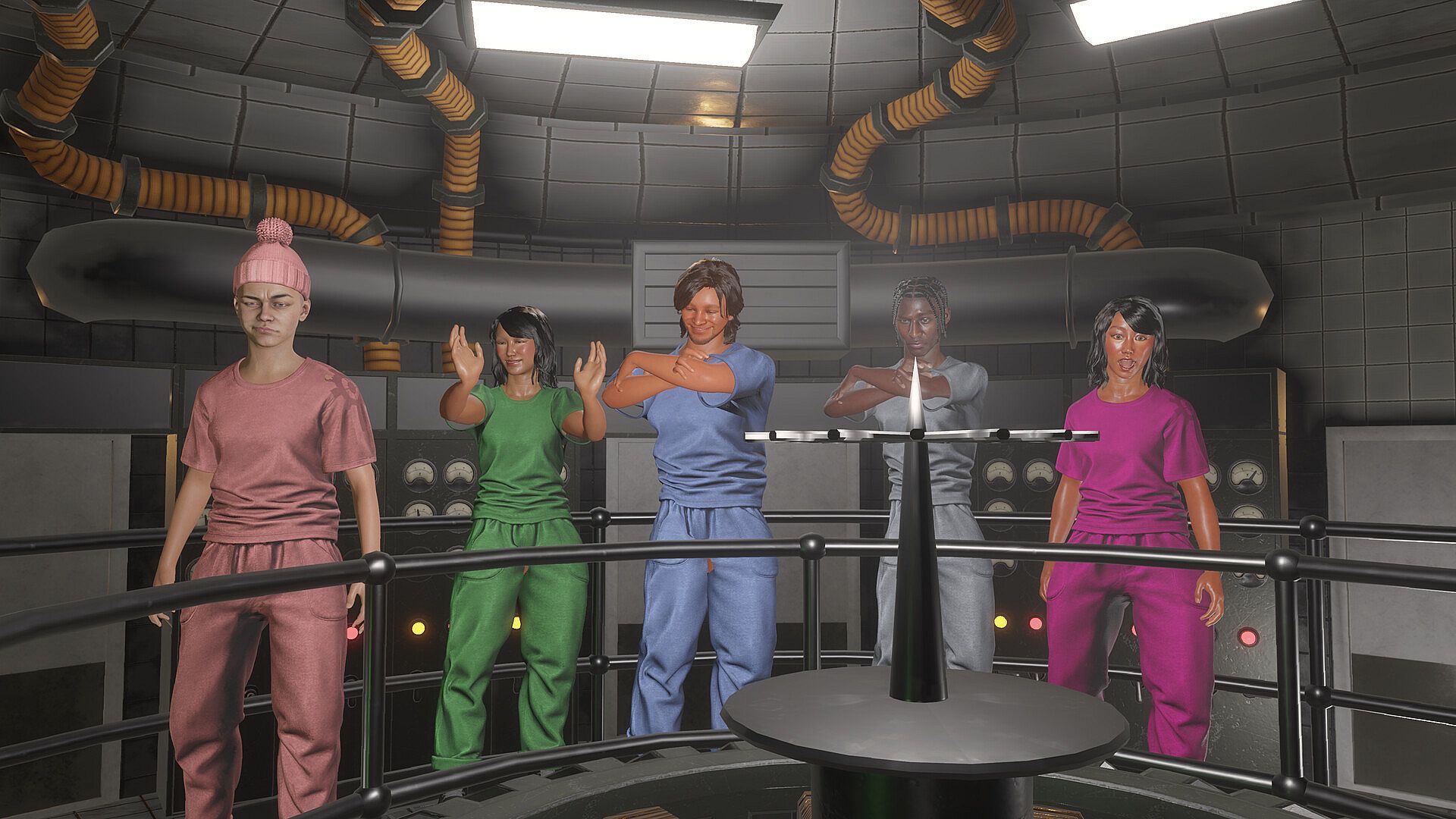
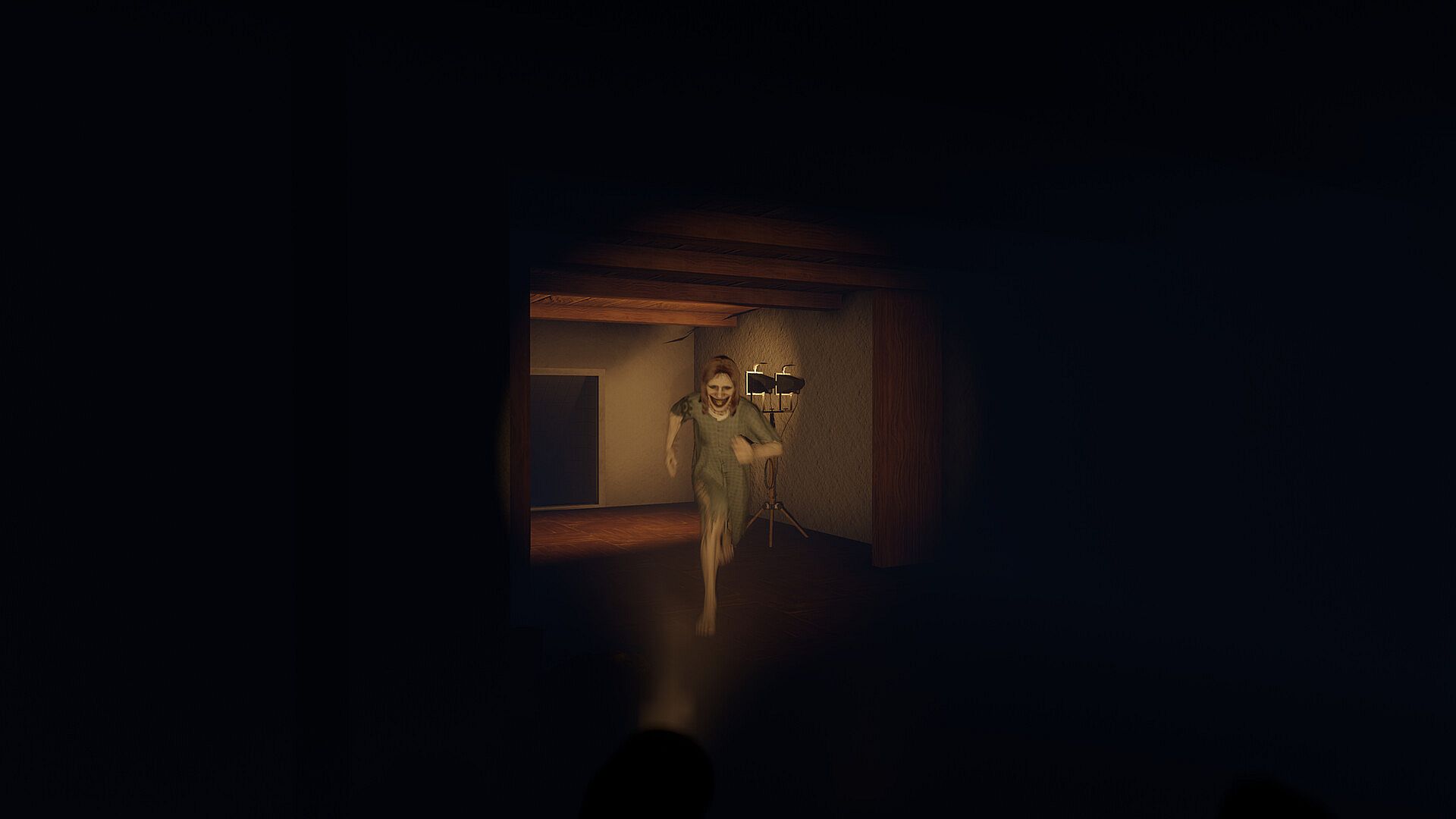
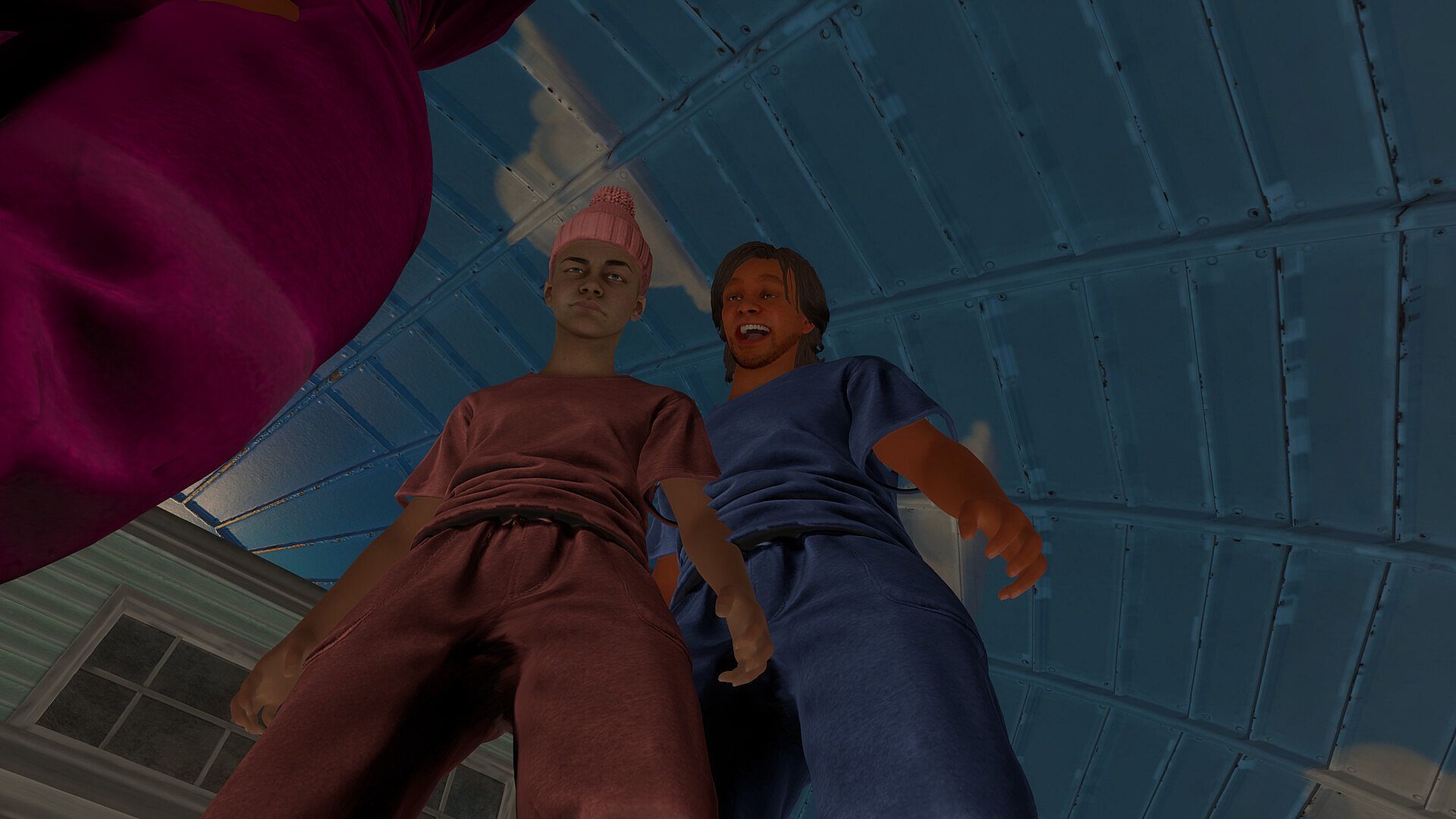
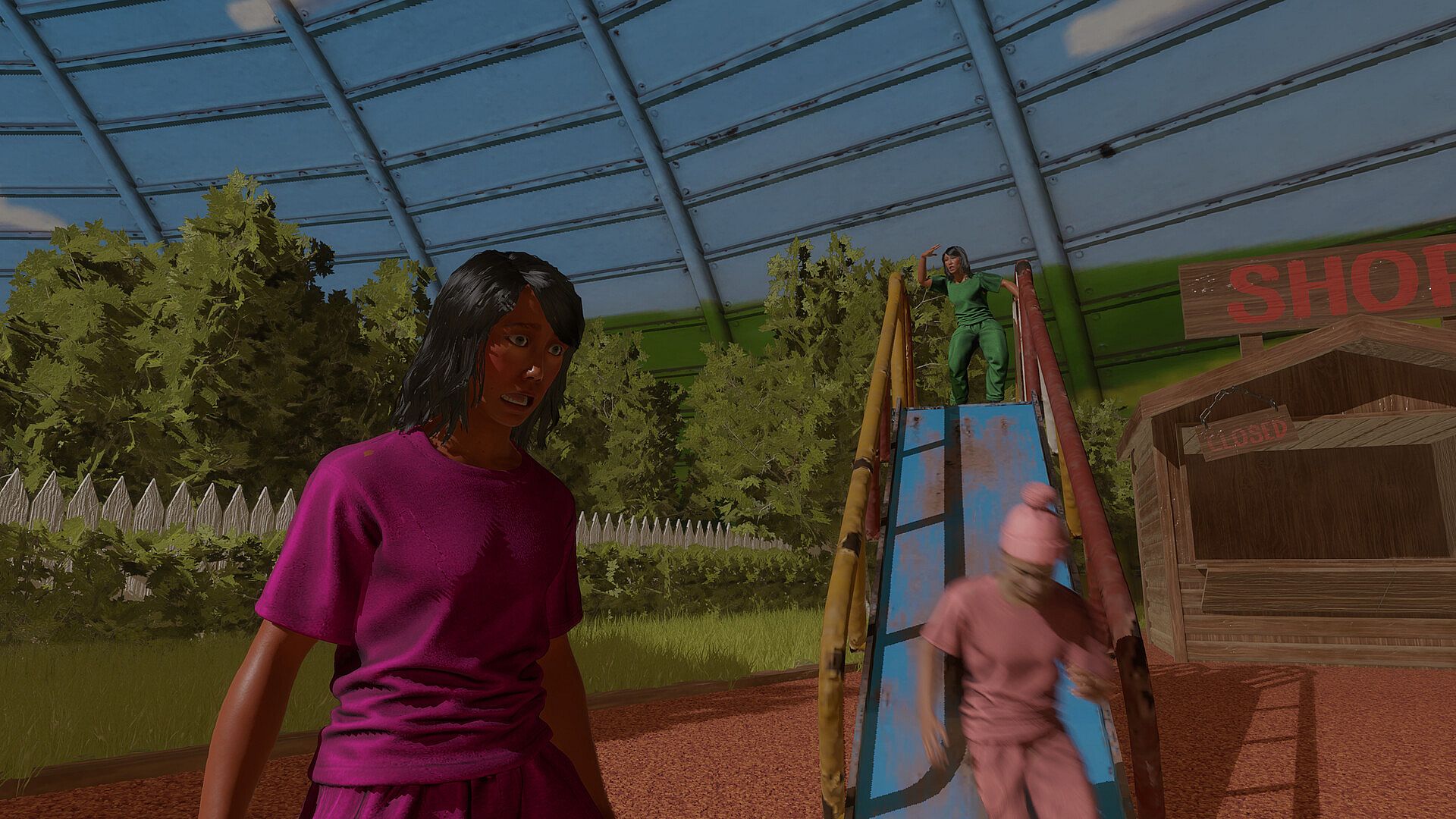

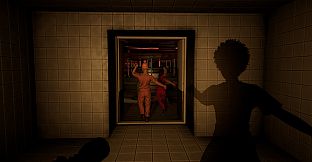
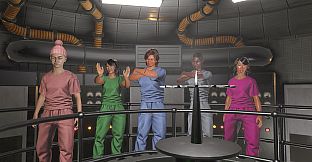

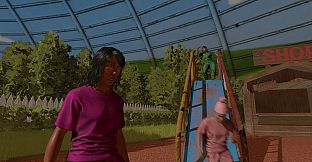
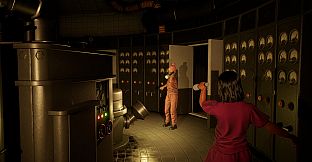
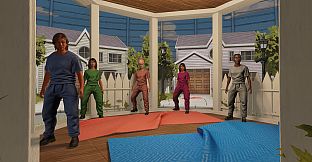
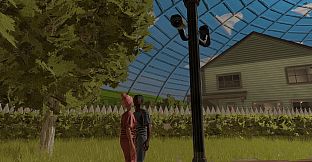
Better Together is a co-op psychological horror game that blends strategy, indie adventure elements, and social simulation on PC. Players join friends in an underground neighborhood built as a social experiment run by the Institute, where groups of two to six participants complete daily studies, handle household tasks, and navigate shifting alliances over the course of a week.
Gameplay
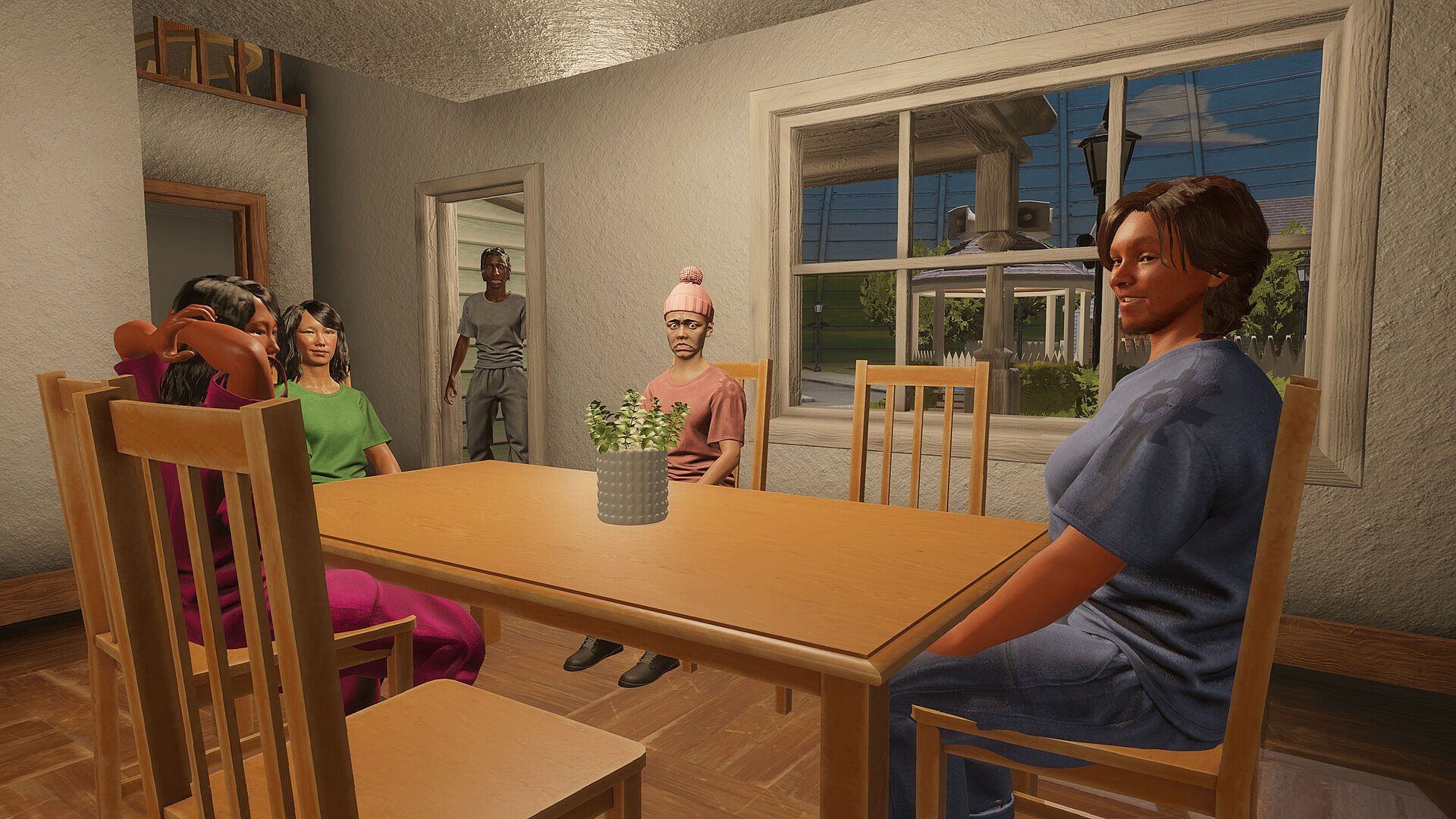
The core loop centers on living together in individual houses within the shared underground space. Each day brings new studies that test group dynamics through questions about trust, instinct training, and other psychological elements. Between these sessions, players tackle timed tasks such as cleaning windows, mowing lawns, and taking out trash. Earnings from these chores go partly to the individual and partly to a shared group fund that everyone can draw from for purchases at the in-game shop.
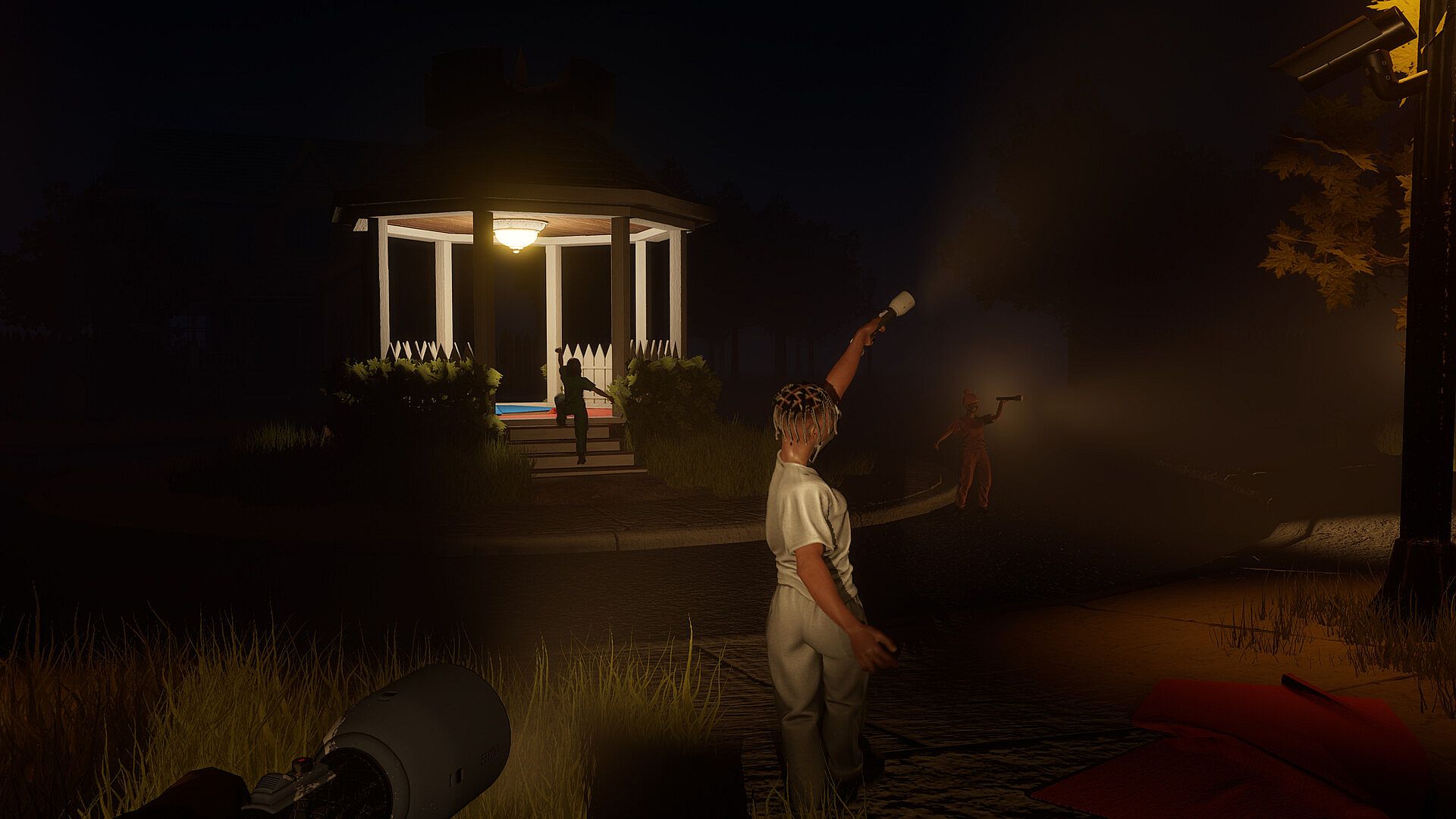
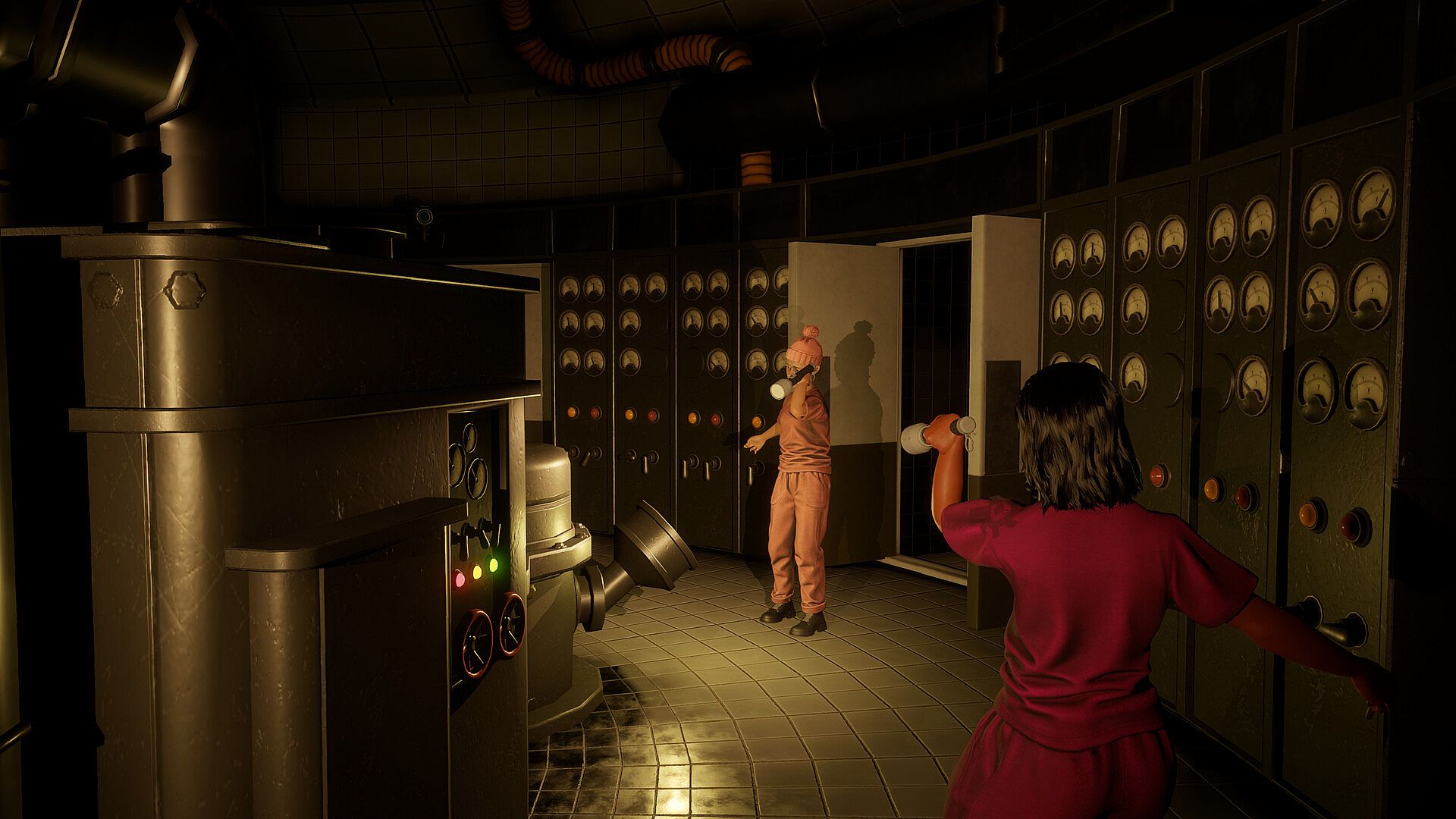
Expression plays a key role through a mood wheel offering ten emotions that animate facial features in real time. Proximity voice chat drives mouth movements alongside the selected mood, allowing natural reactions during tense moments. Daily injections from the Institute provide temporary enhancements like expanded vision when eyes are closed or boosts to sprint speed and stamina. Players also maintain personal diaries that others can access when unsupervised, adding layers of secrecy and discovery. Voting mechanics let the group select a leader to manage the fund and an electrician responsible for keeping the generator fueled and lights on. Safety protocols encourage locking doors at night and staying close to trusted allies if unusual events occur.
Game Modes
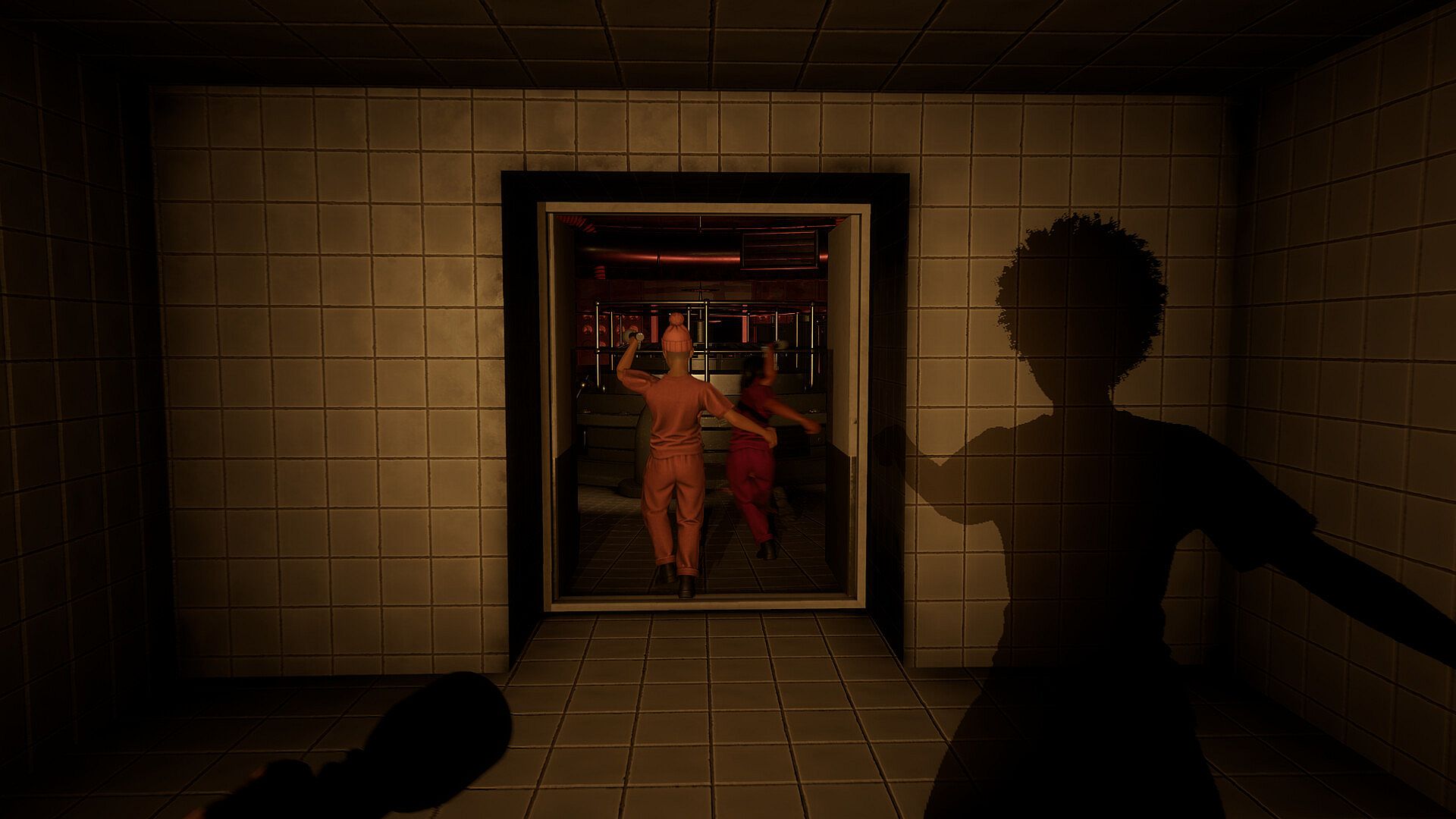
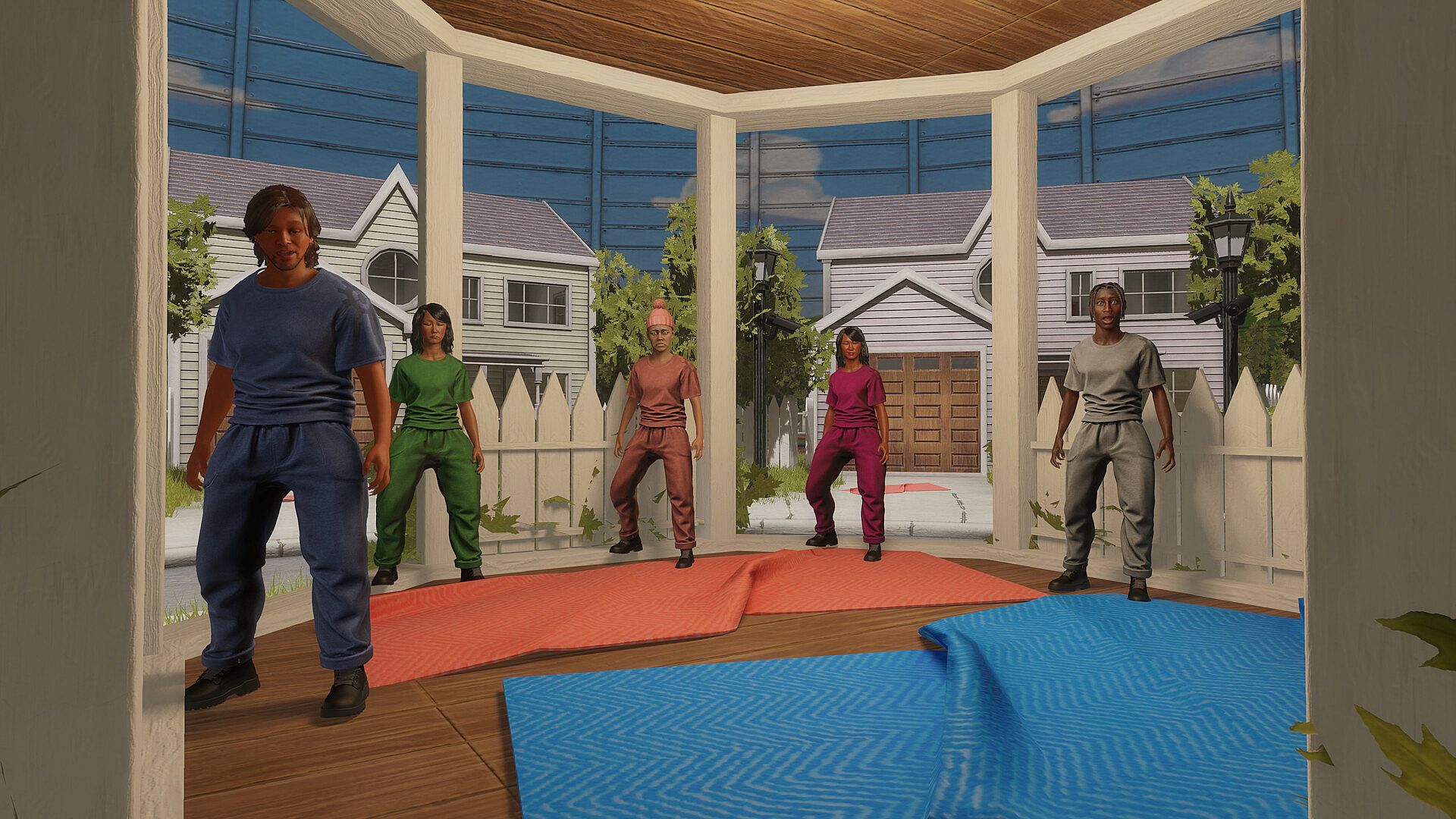
The experience revolves around online co-op sessions for two to six players, with each participant assigned their own house and bed. The structure follows a week-long campaign divided into daily studies and tasks, where outcomes depend on group size, chosen difficulty, and random variety factors. Studies range from orientation sessions that reveal trust levels to secret roles and auditory challenges that alter perception or introduce hidden objectives. Breaks from these duties come in the form of hosted game nights, where the most trusted player invites others to tables featuring Go Fish, Never Have I Ever, Truth or Dare, Gossip Wheel, or Texas Hold'em using earned money.
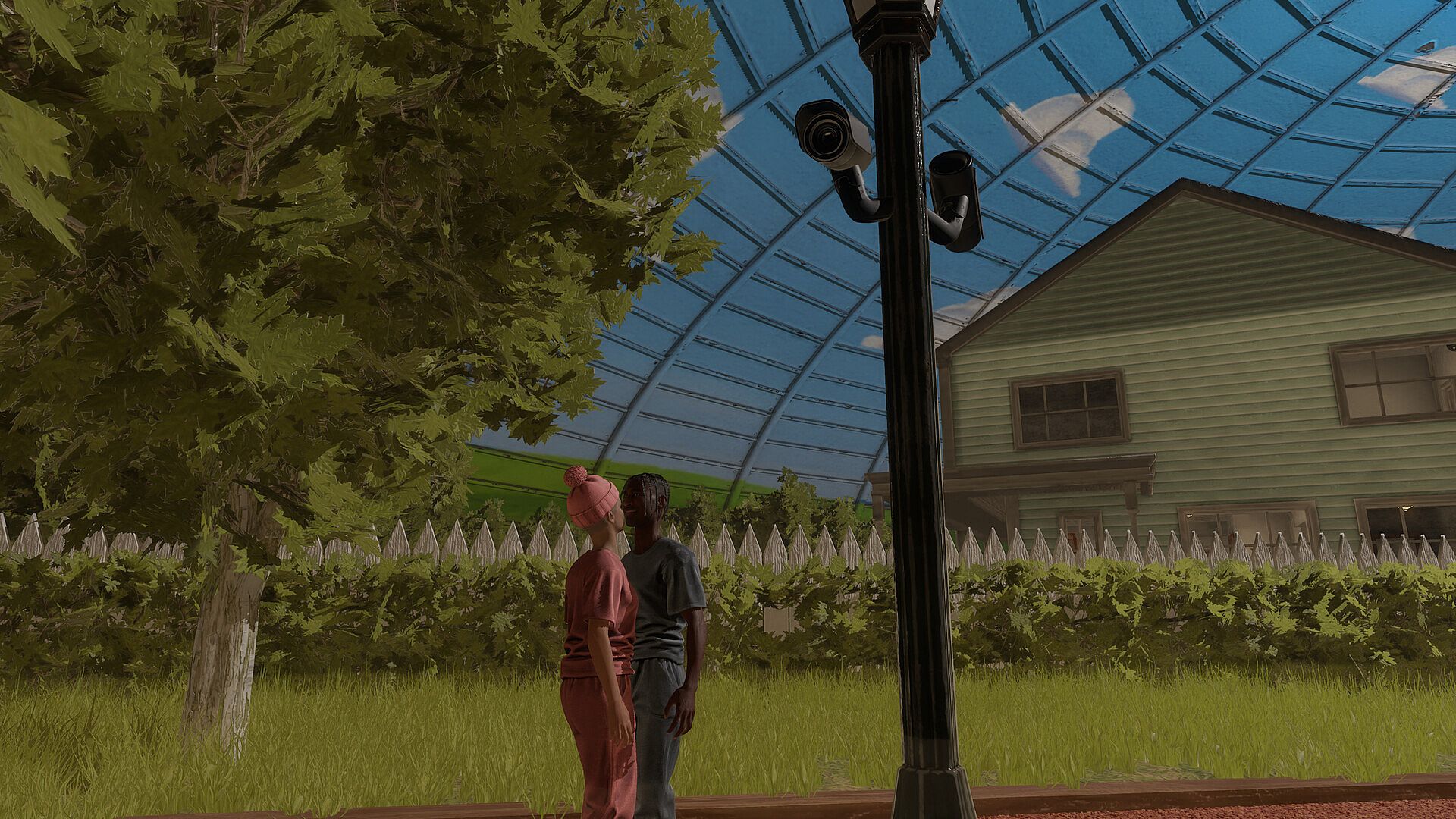
Trust and betrayal mechanics run throughout, tracked via CCTV footage and individual files that the Institute updates based on observed routines. These systems encourage careful observation of who supports the group and who might undermine it. The setup supports both cooperative progress toward shared goals and competitive undercurrents as players decide whether to collaborate or pursue personal advantages before the week concludes.
Social Dynamics and Progression
Progression emerges from repeated playthroughs as different study combinations and task deadlines create fresh scenarios each campaign. The shared fund and shop system reward consistent task completion, while diary snooping and mood-based interactions build interpersonal tension. Injections introduce short-term power shifts that can influence performance in studies or tasks. Over multiple sessions, players uncover more about group relationships and the broader world hinted at through the Institute's operations. The design emphasizes communication via voice chat and emotional cues to navigate the psychological elements effectively.
Is It Worth Playing?
Better Together targets groups interested in social deduction, trust-building exercises, and light strategy within a horror-tinged setting. The co-op focus with built-in betrayal potential suits players who enjoy analyzing friends' behavior during studies and game nights. Early Access plans include the first two weeks of content, providing several hours of play per campaign while developers expand with additional weeks, roles, and mechanics based on feedback. Those who prefer structured multiplayer experiences with clear daily objectives and opportunities for both teamwork and subtle competition will find the systems engaging. The game remains in active development, so participants should expect ongoing refinements to balance and features as the full vision unfolds over the planned Early Access period.











