


















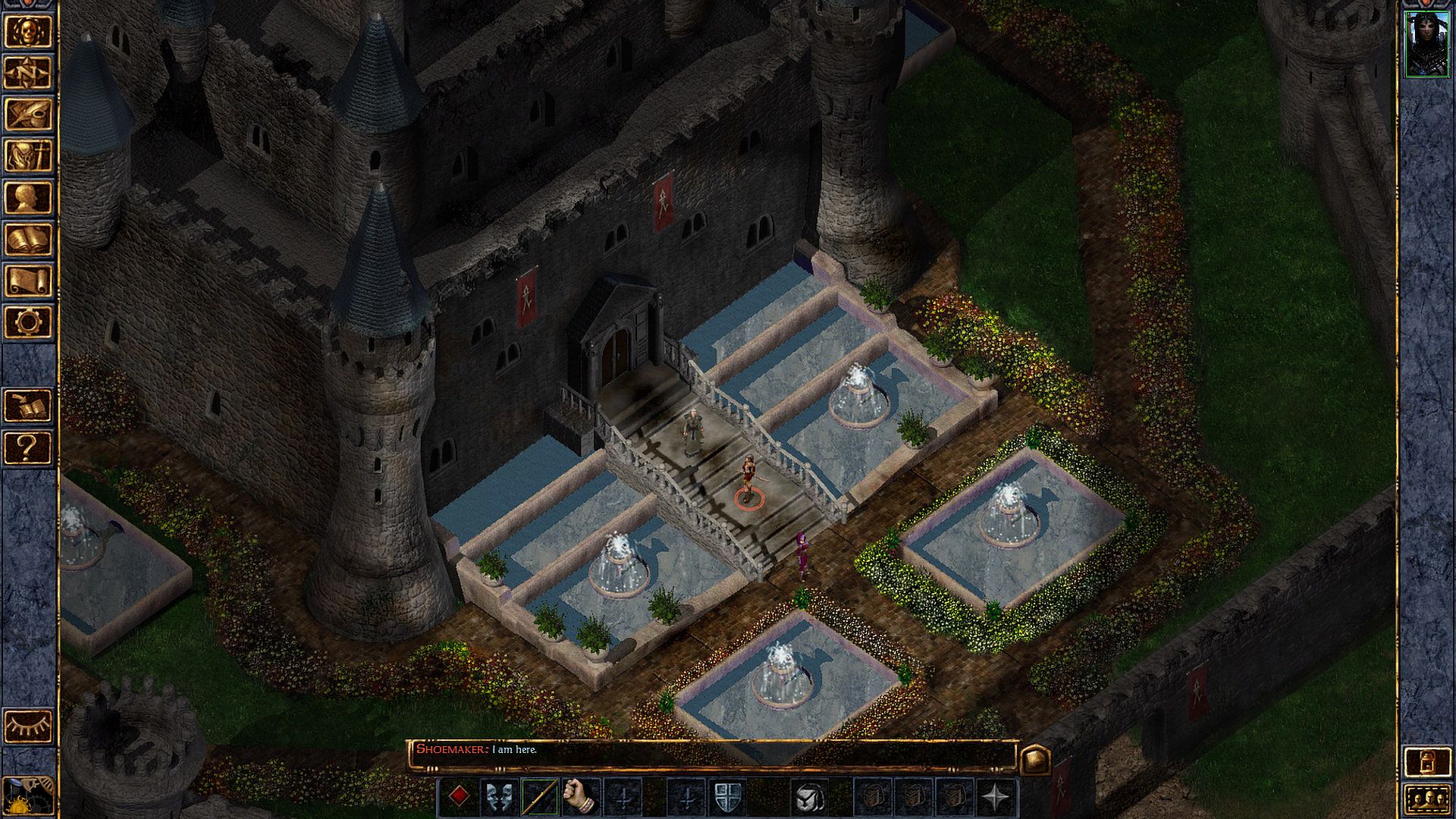
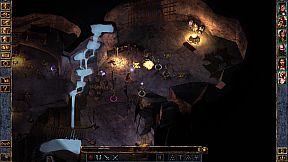
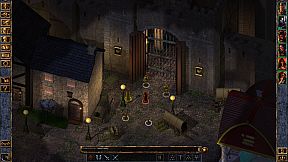
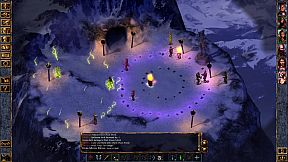
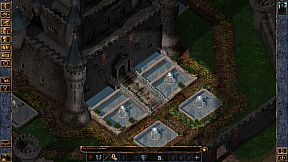
Baldur's Gate: Enhanced Edition delivers a classic role-playing experience rooted in the Dungeons and Dragons ruleset. Players create a custom hero and assemble a party to navigate the Sword Coast, uncovering a larger conflict while managing exploration, dialogue, and tactical decisions. The game preserves the original 1998 structure with modern platform support for Windows, macOS, and Linux, along with high-resolution widescreen displays and hundreds of quality-of-life adjustments that maintain the core feel without altering fundamental systems.
Gameplay
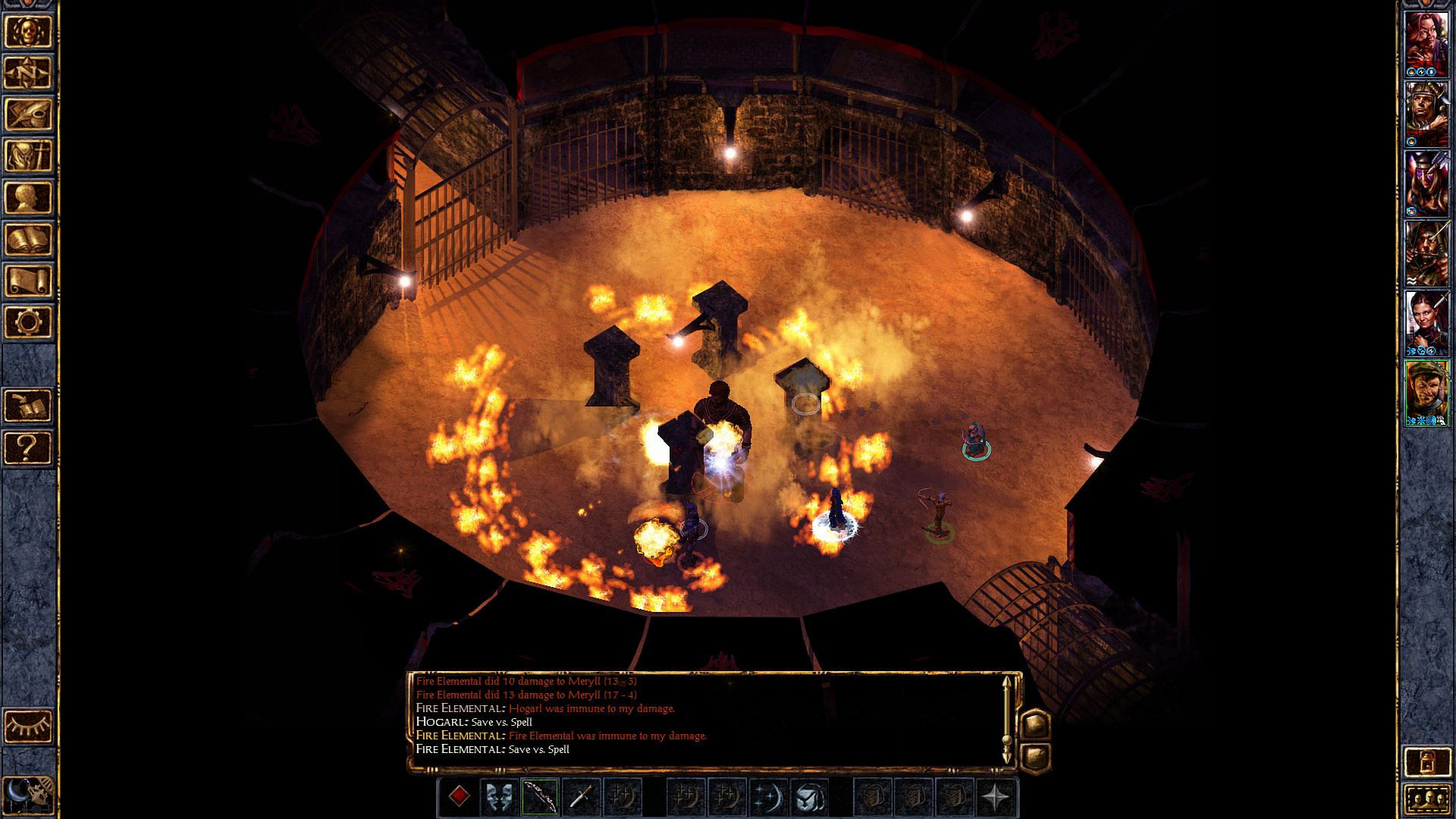
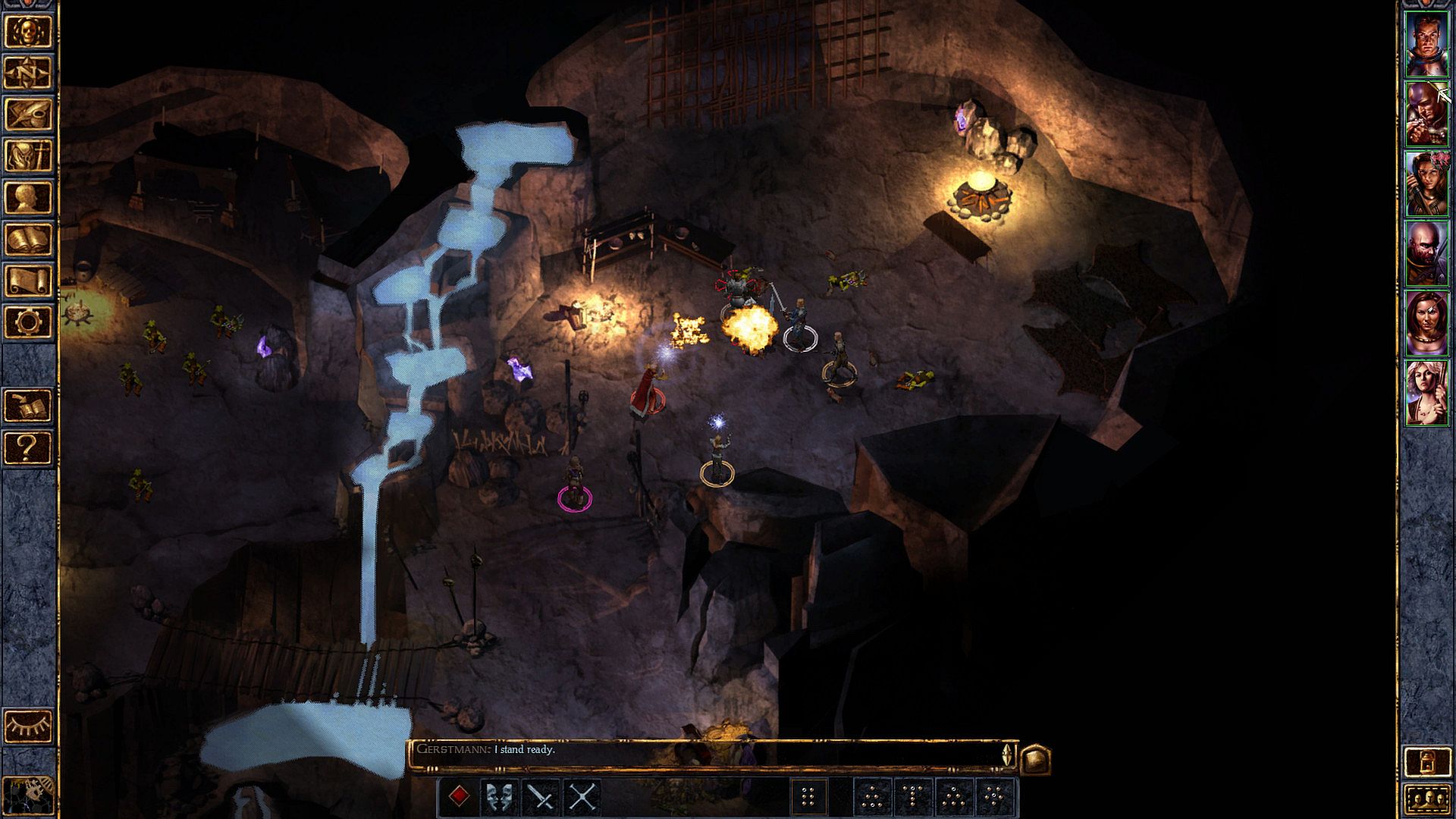
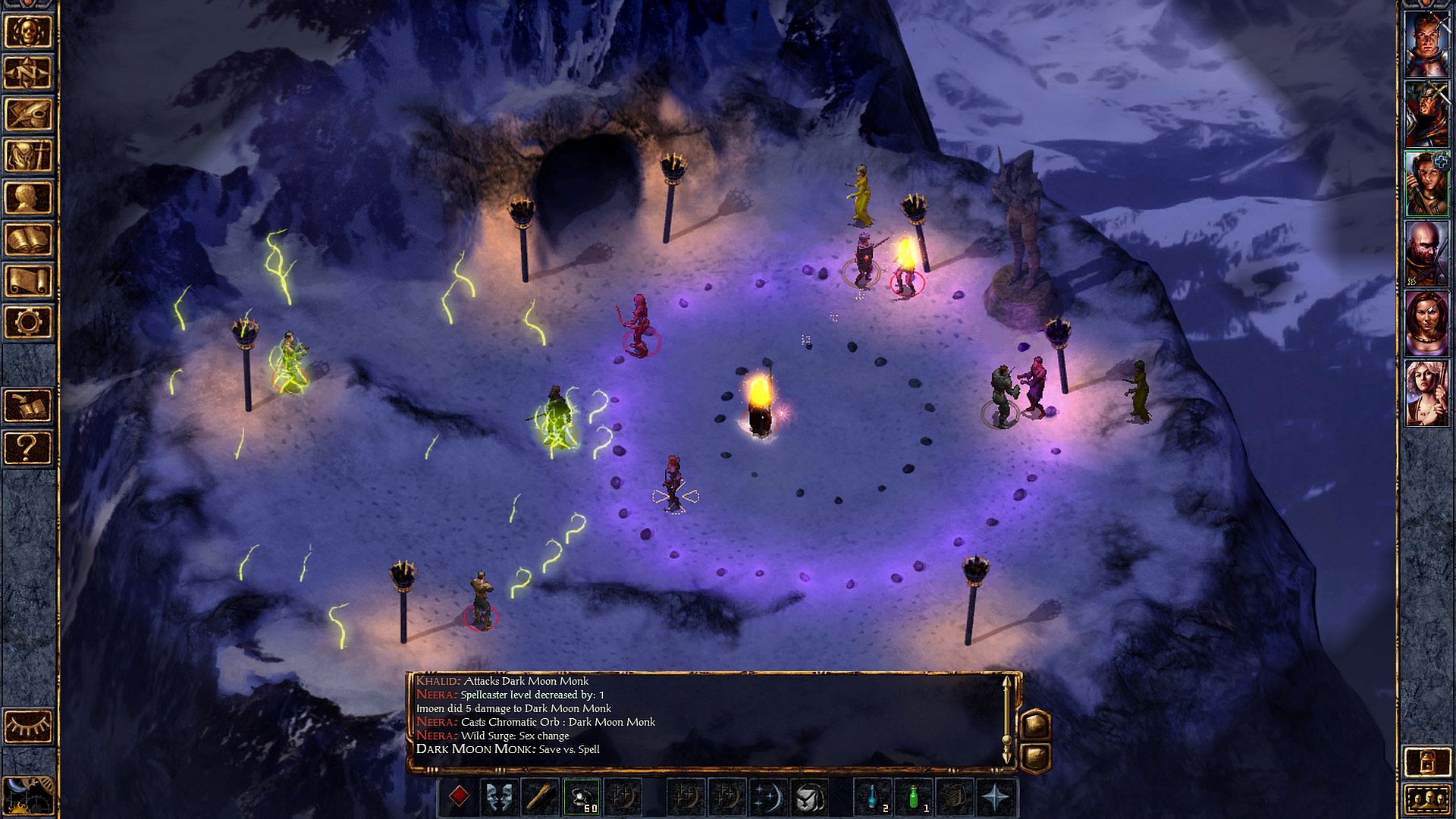
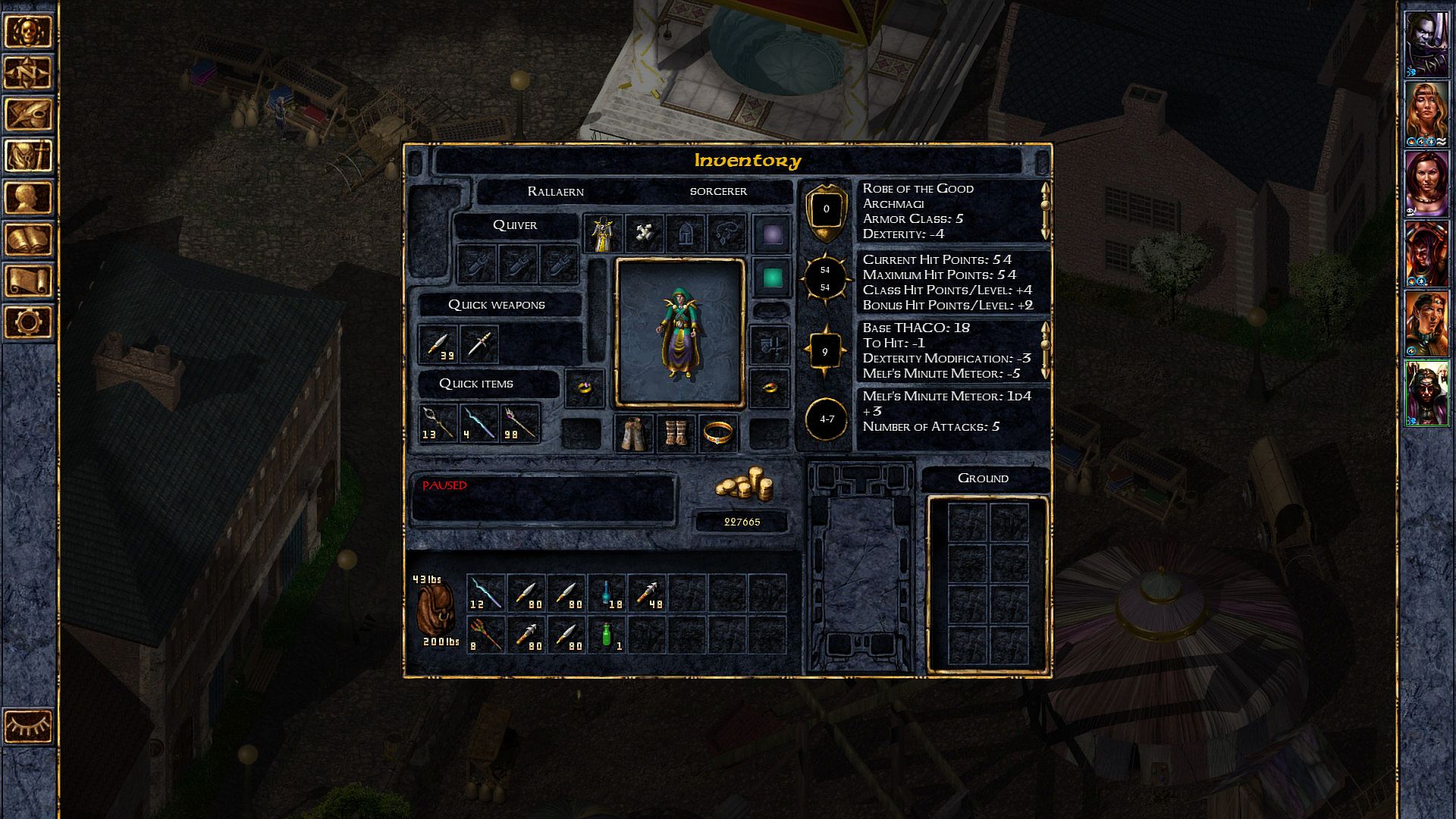
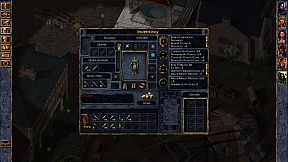
Combat operates in real time with pause, allowing players to issue commands to the full party during encounters. This setup follows Advanced Dungeons and Dragons 2nd Edition rules, where character attributes, spells, and equipment determine outcomes in turn-based resolution once paused. Movement occurs across 2D isometric maps, with inventory management and equipment slots handled through a paper-doll interface that carries over from the original release. Exploration emphasizes travel between locations on the Sword Coast, where choices in dialogue and actions influence available paths and character interactions.
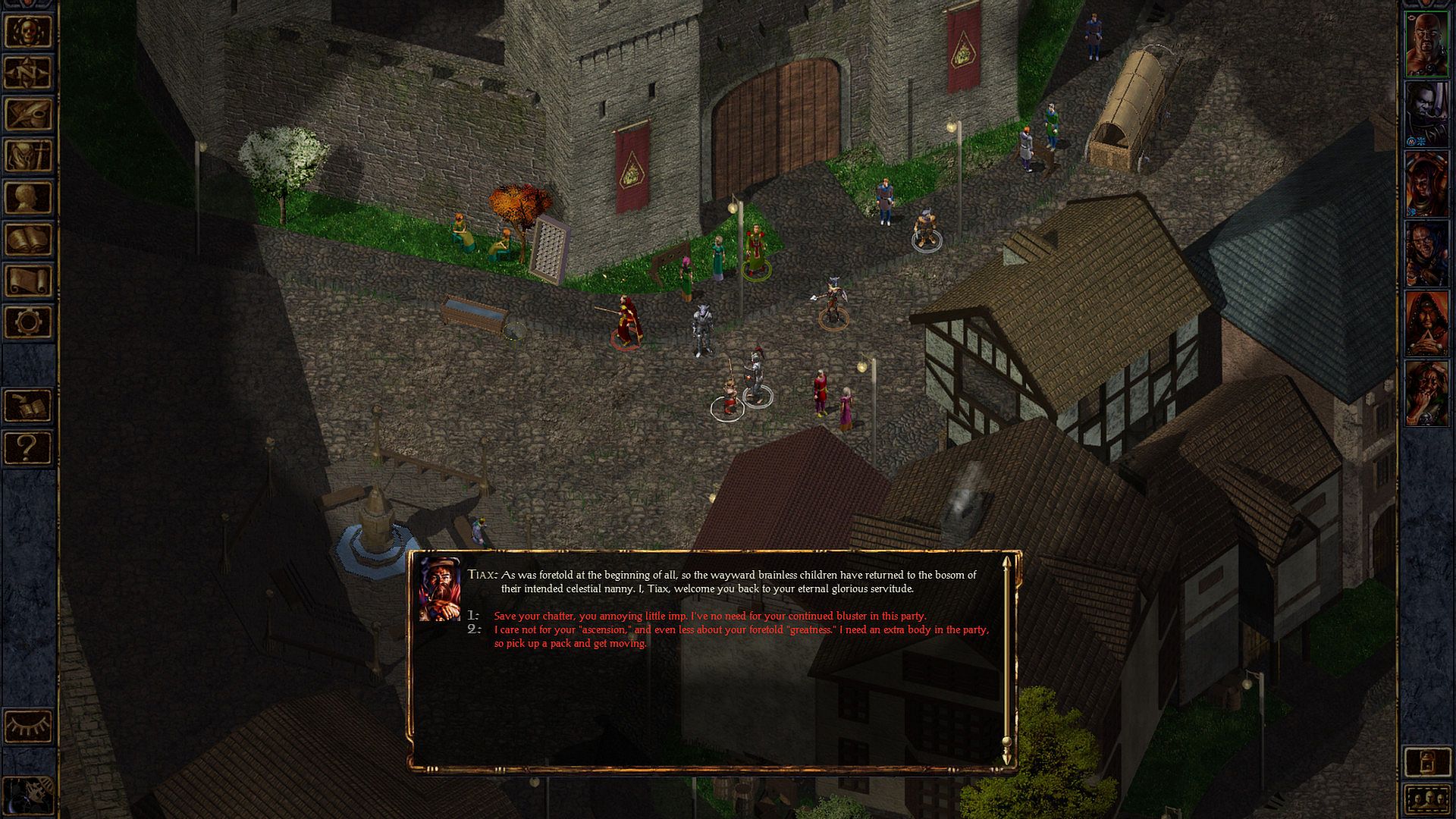
Recruitment expands party options beyond the base roster. Classic companions such as Minsc return with his hamster companion Boo, while three additional heroes join the available lineup: Neera as a Wild Mage, Dorn Il-Khan as a Blackguard, and Rasaad yn Bashir as a Monk. Eleven base classes support further customization through subclasses, and new voice sets allow personalization of the player character. Story progression ties directly to these choices, as decisions made early can shift alliances and quest availability throughout the campaign.
Game Modes
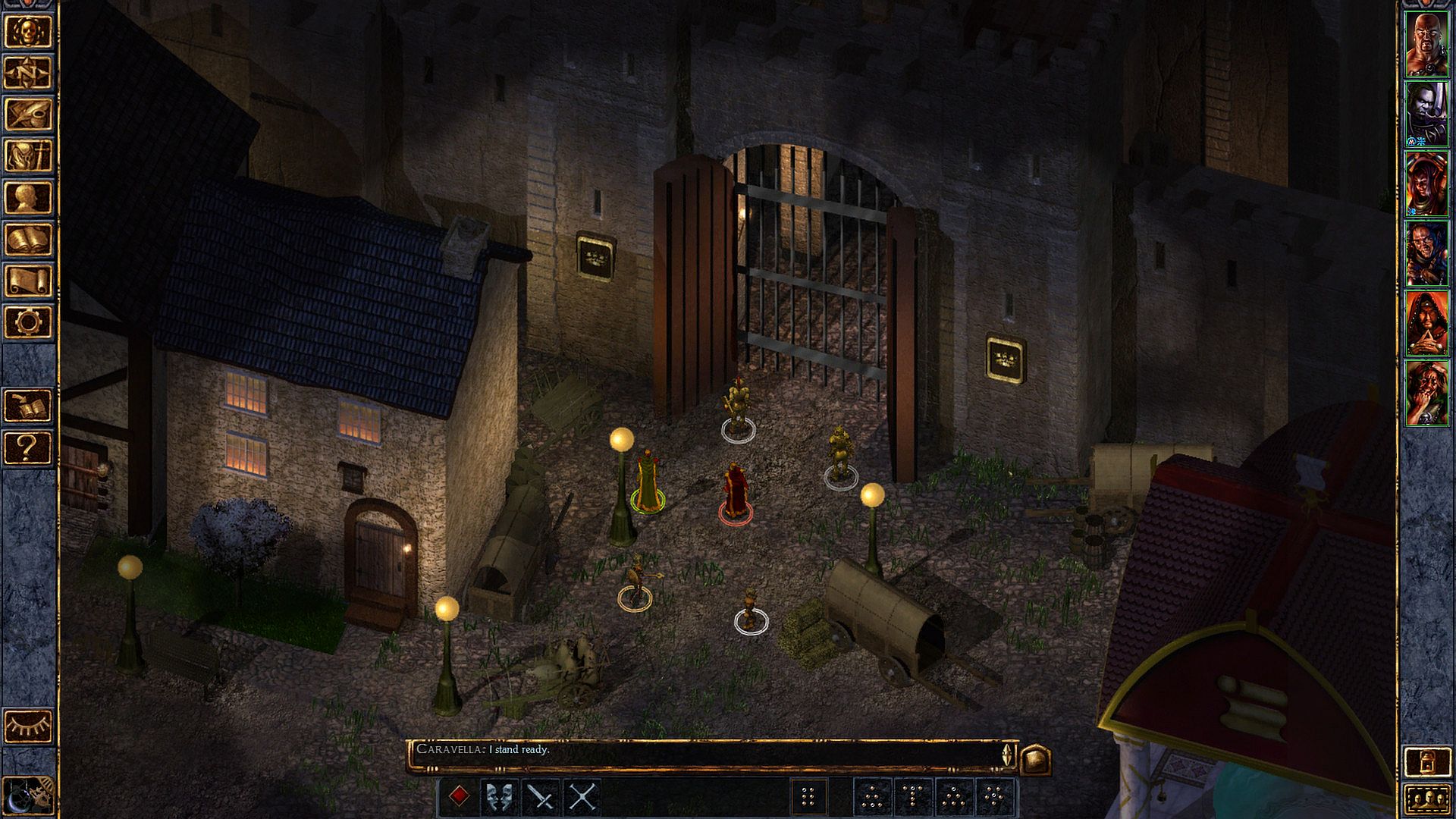
The core experience centers on the single-player campaign that recreates the original Baldur's Gate adventure. This includes the full main story starting from Candlekeep and the Tales of the Sword Coast expansion that adds further locations and challenges. A separate arena-style module called The Black Pits provides standalone combat encounters across multiple levels, where players build and control a party of up to six adventurers against successive opponents without direct ties to the main narrative.
Difficulty settings include Story Mode, which reduces combat pressure to emphasize exploration and plot progression, and Legacy of Bhaal, which increases enemy resilience for experienced players. Multiplayer supports both local and cross-platform sessions, enabling cooperative play with others on different systems while preserving the same rules and party management as the single-player mode.
Story and Setting
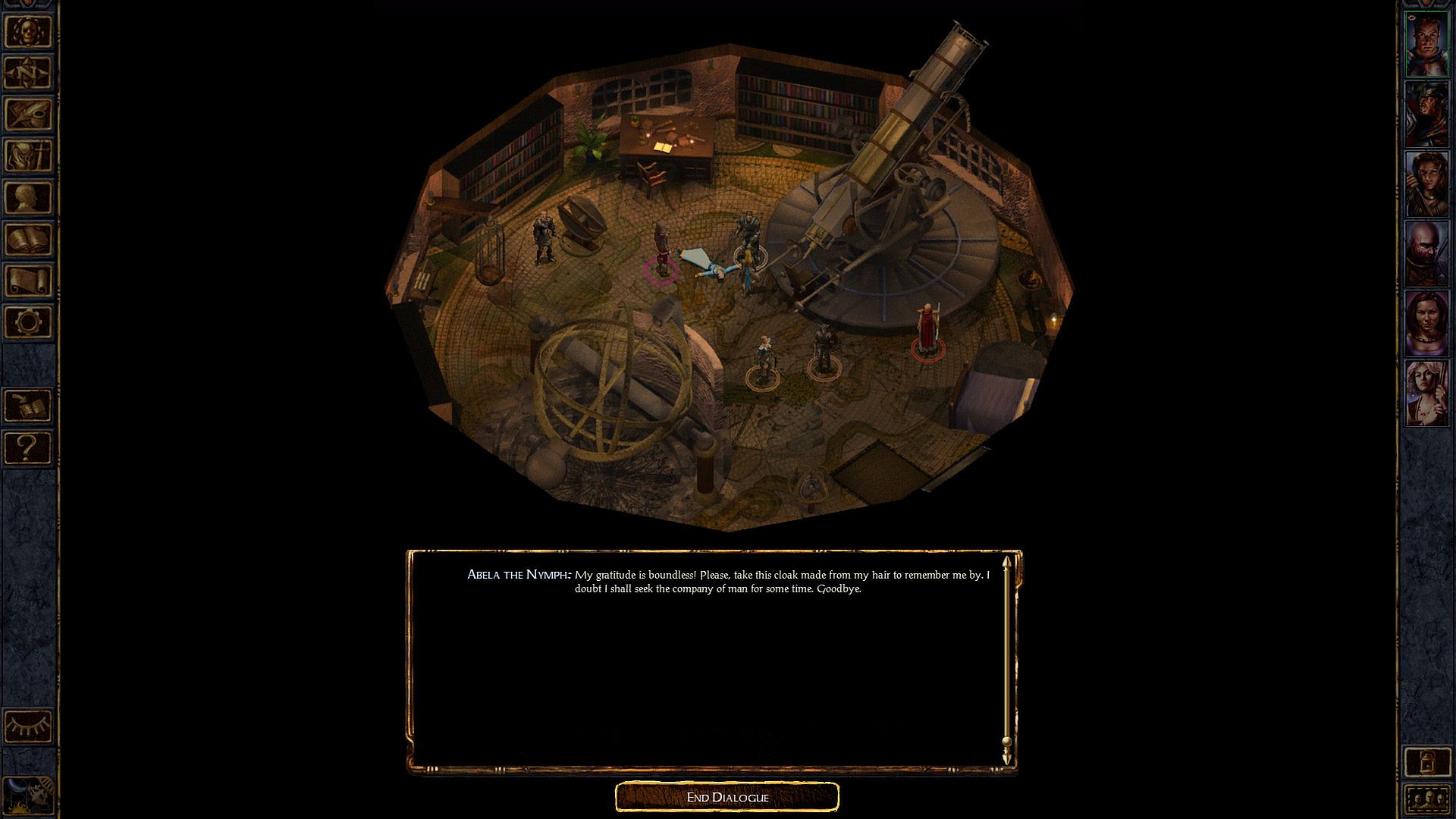
The narrative begins with the player character forced to leave the protected walls of Candlekeep under the guidance of foster father Gorion. Events quickly draw the party into regional tensions that threaten war across the Sword Coast. Limited prior knowledge of the wider world makes early discoveries central to progression, with character backstories and recruitable allies providing additional layers of dialogue and side objectives. The setting remains faithful to the Forgotten Realms, focusing on grounded fantasy elements rather than high-magic spectacle.
Is It Worth Playing?
This edition suits players who enjoy methodical party-based role-playing with tactical combat pauses and deep character systems drawn from tabletop rules. The combined content from the original campaign, expansion, and arena module provides substantial playtime centered on exploration and decision-making. Multiplayer options extend the experience for groups, while Story Mode lowers barriers for those prioritizing narrative over repeated combat failures. Reception among fans of classic isometric RPGs remains strong for its faithful recreation and added accessibility features, though the age of the underlying mechanics may require adjustment for newcomers accustomed to modern action-oriented titles. Those seeking a direct continuation of the saga can consider the optional Siege of Dragonspear chapter as a bridge to later entries.