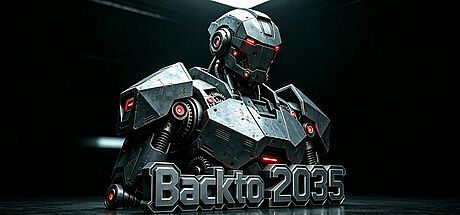


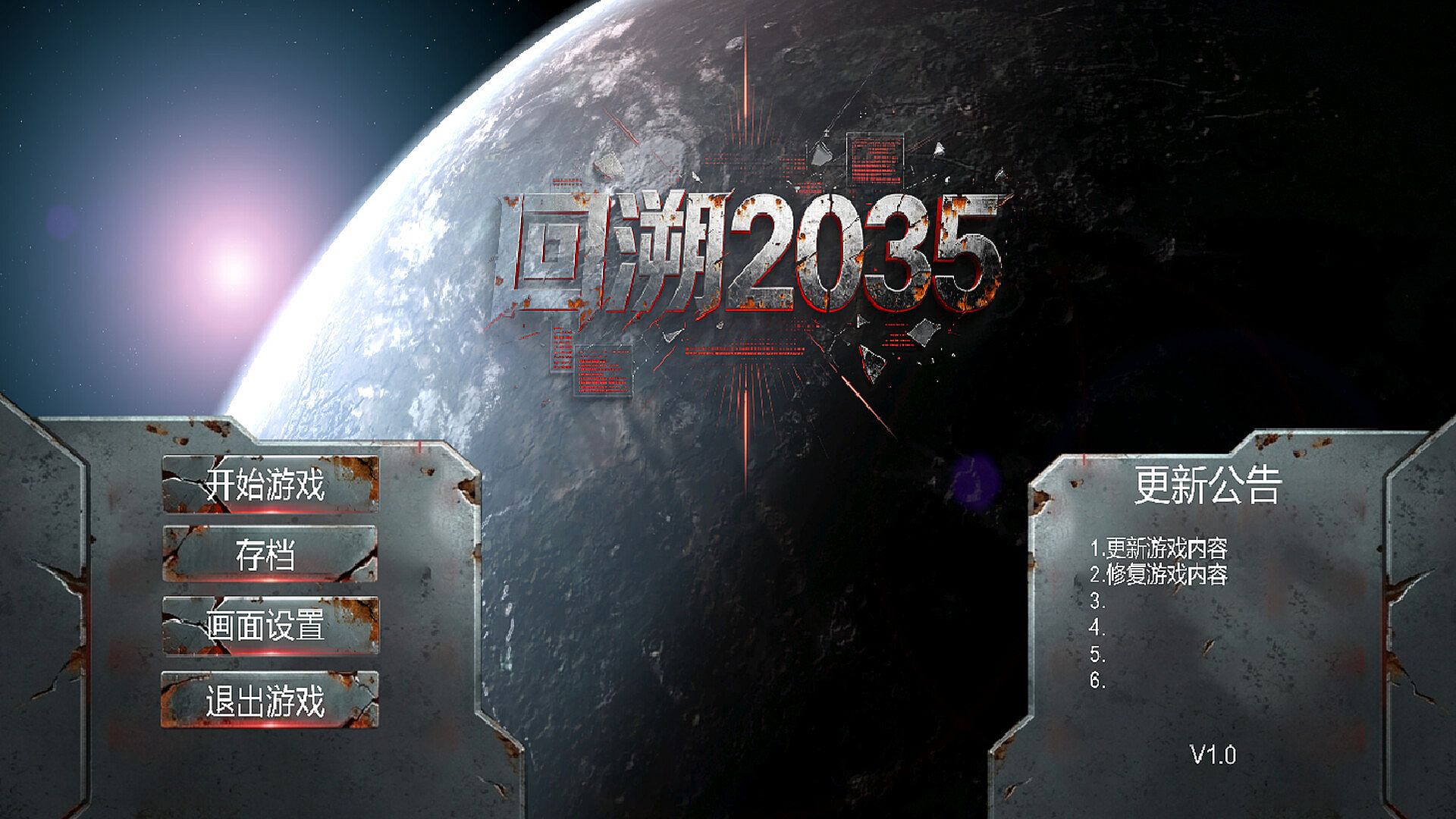
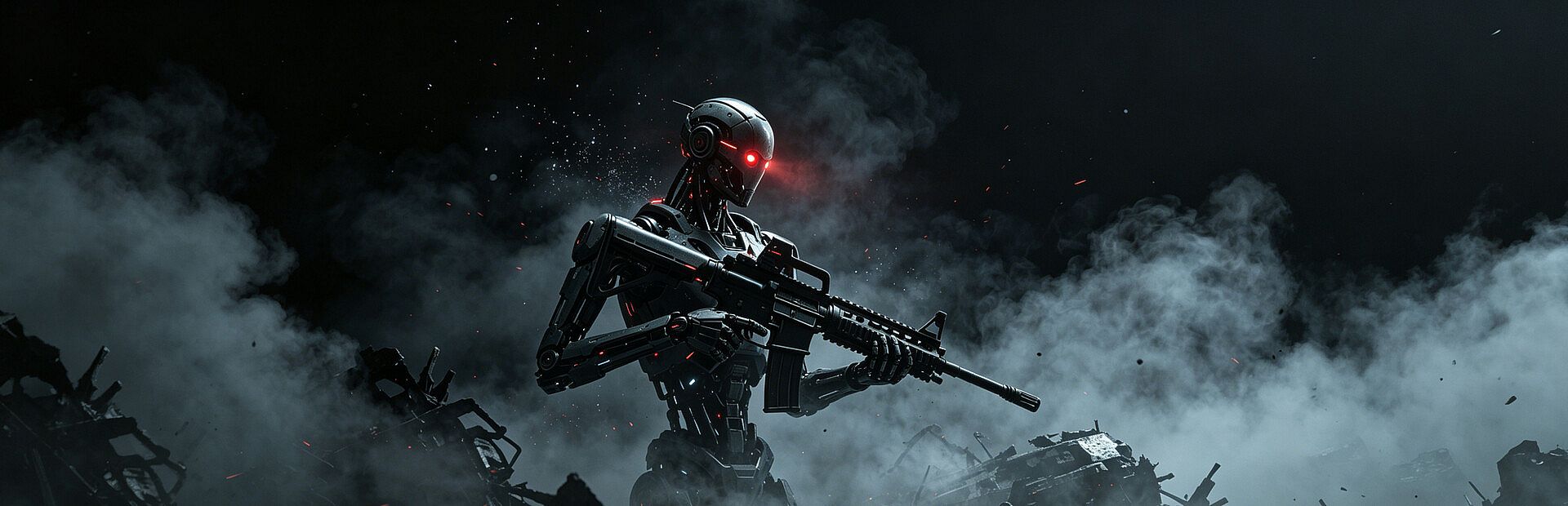

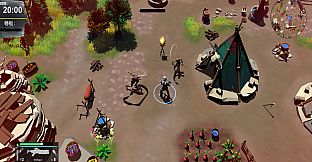
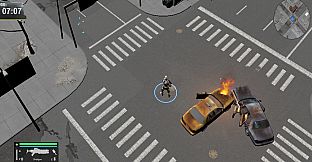


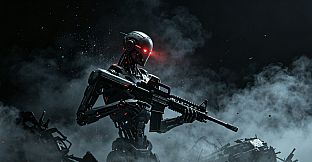
Backto 2035 is a PC game that blends action, strategy, indie sensibilities, casual play, simulation depth, and adventure storytelling within an early access release. The premise revolves around rapid technological progress that enables time travel through a specialized robot designed to move across eras and locations. Players step into scenarios that span ancient civilizations, ruined battlefields, contemporary settings, advanced technological periods, and even planetary environments.
Gameplay
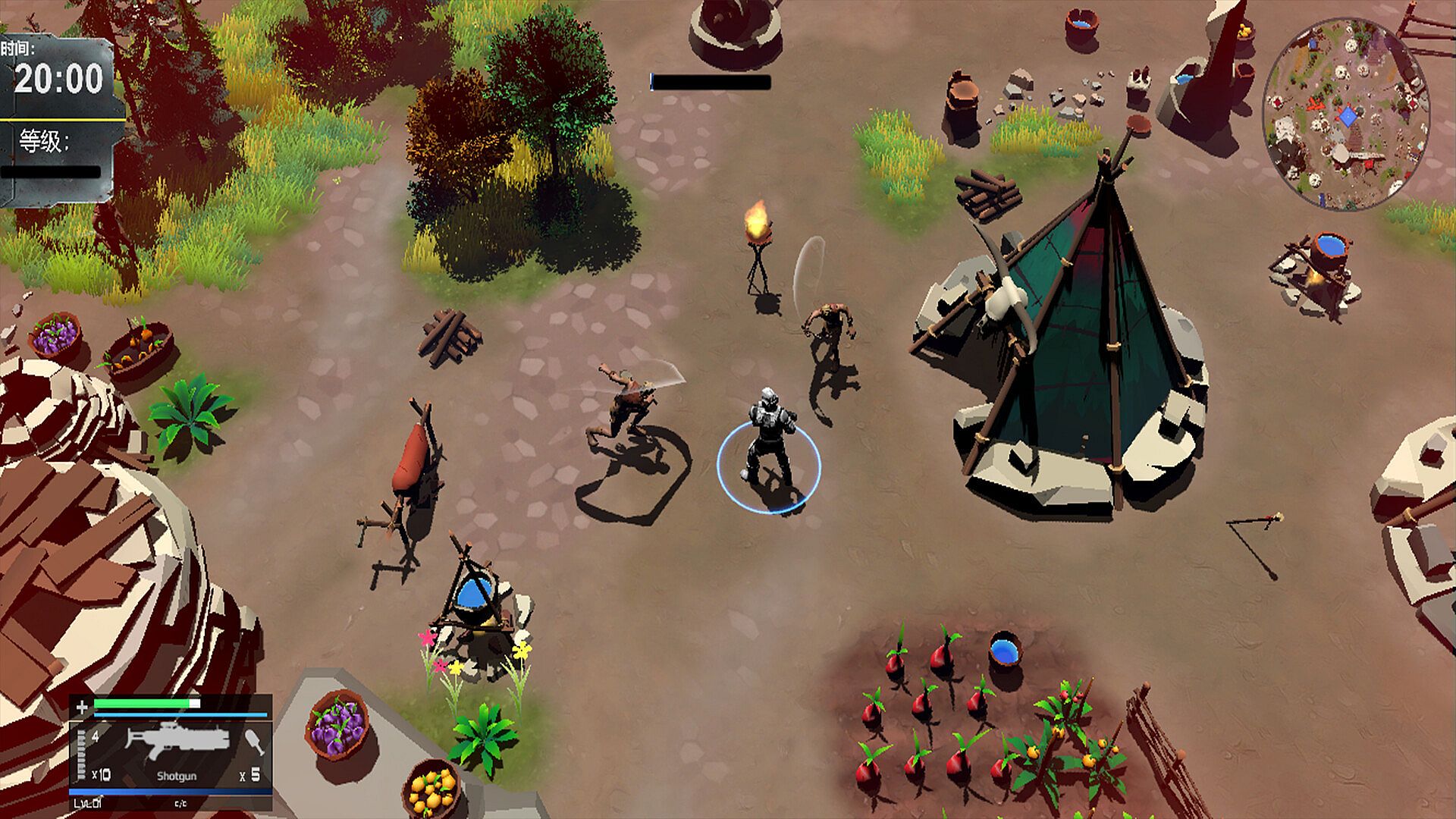
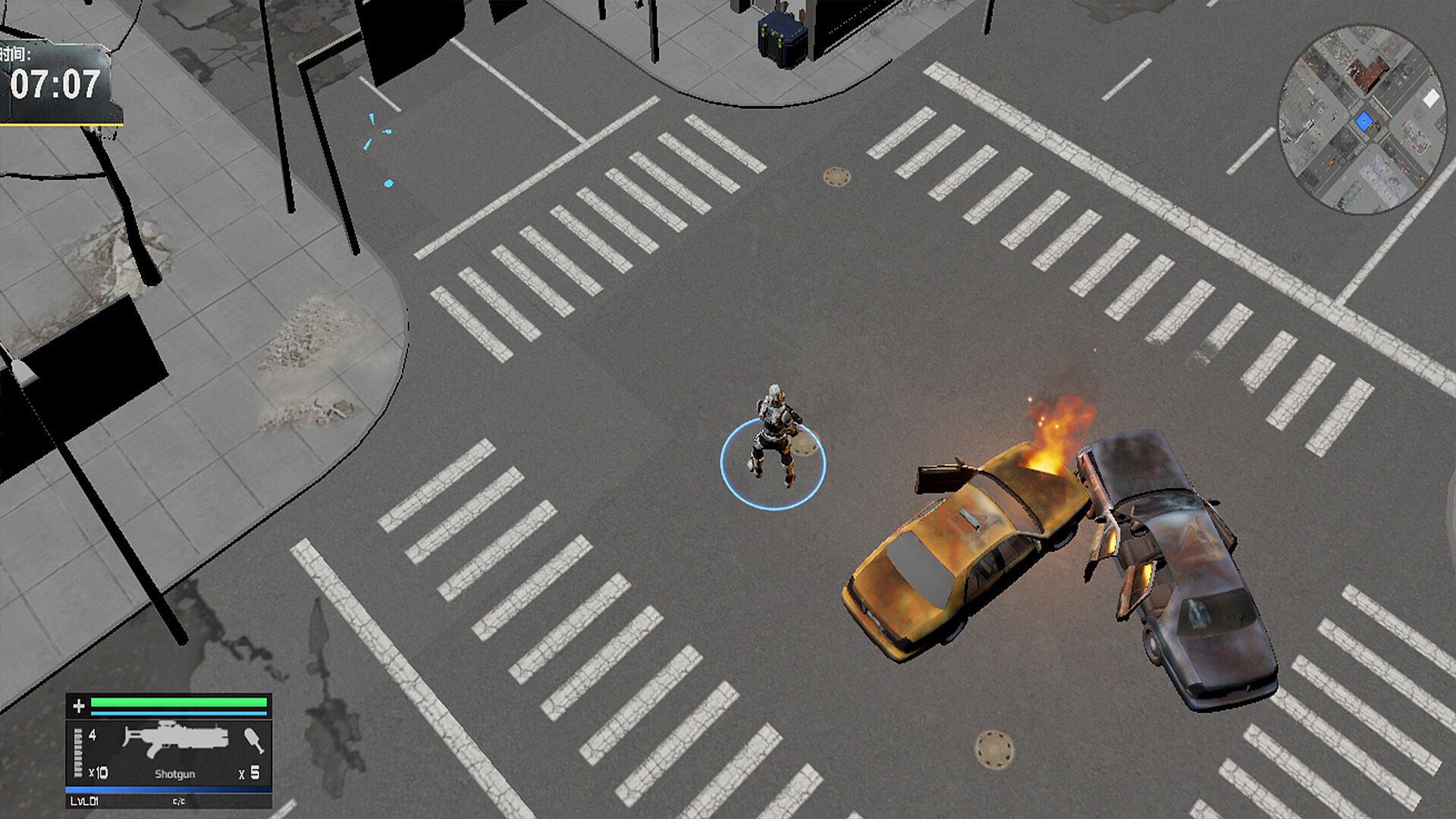
The central loop involves guiding the time-traveling robot through varied historical and futuristic contexts. Technology development serves as the foundation, allowing the robot to shift between periods where players manage encounters that mix exploration with direct confrontations. Gunfights emerge in ruined settings, requiring strategic positioning and resource handling amid shifting timelines. Simulation aspects appear in how players navigate the consequences of moving through different ages, while adventure elements encourage discovery of narrative threads that connect disparate eras. Casual accessibility mixes with deeper strategy choices when deciding how to approach each temporal jump and the challenges that follow.
Indie development keeps the focus tight on the time travel concept without unnecessary complexity at this stage. The robot acts as the constant across all scenarios, adapting its capabilities as players progress through stories that link ancient ruins to modern conflicts and beyond. This structure supports repeated sessions where each journey can highlight different combinations of action and planning.
Game Modes
Backto 2035 presents experiences built around its time travel framework rather than labeled competitive or cooperative formats. Scenarios unfold across multiple eras, letting players engage in gunfights within ruined environments or explore connections between ancient civilizations and later technological ages. The design emphasizes individual progression through these periods, with simulation elements influencing how choices in one era affect later ones. Adventure threads tie the periods together, creating a continuous narrative flow that rewards careful navigation of the robot's abilities.
Strategy comes into play when players weigh options for traversing space and time, balancing immediate action needs against longer-term story outcomes. No separate multiplayer structures or seasonal events appear in the current early access build, keeping attention on the core single-player progression through the robot's journeys.
Story and Setting
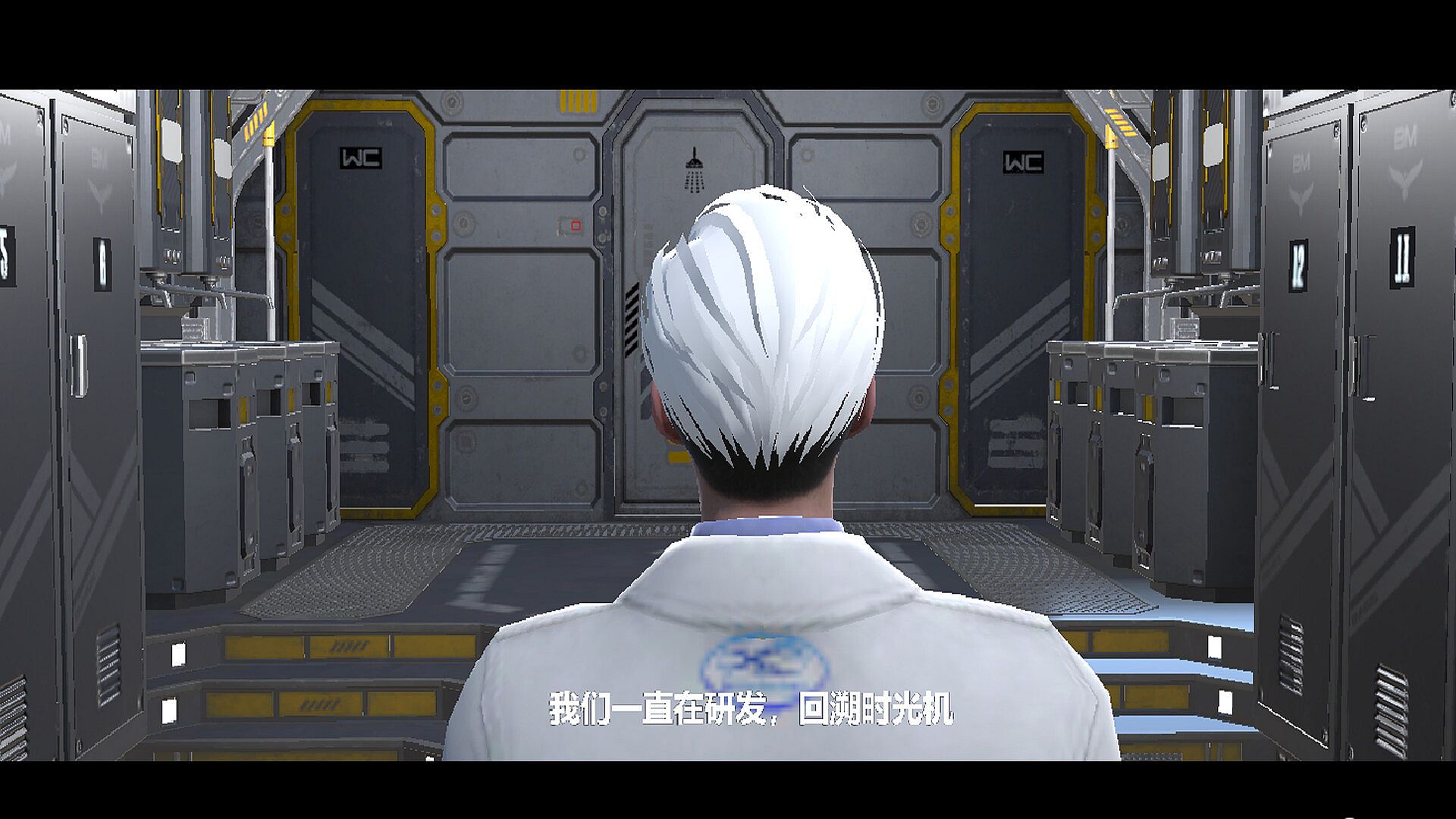
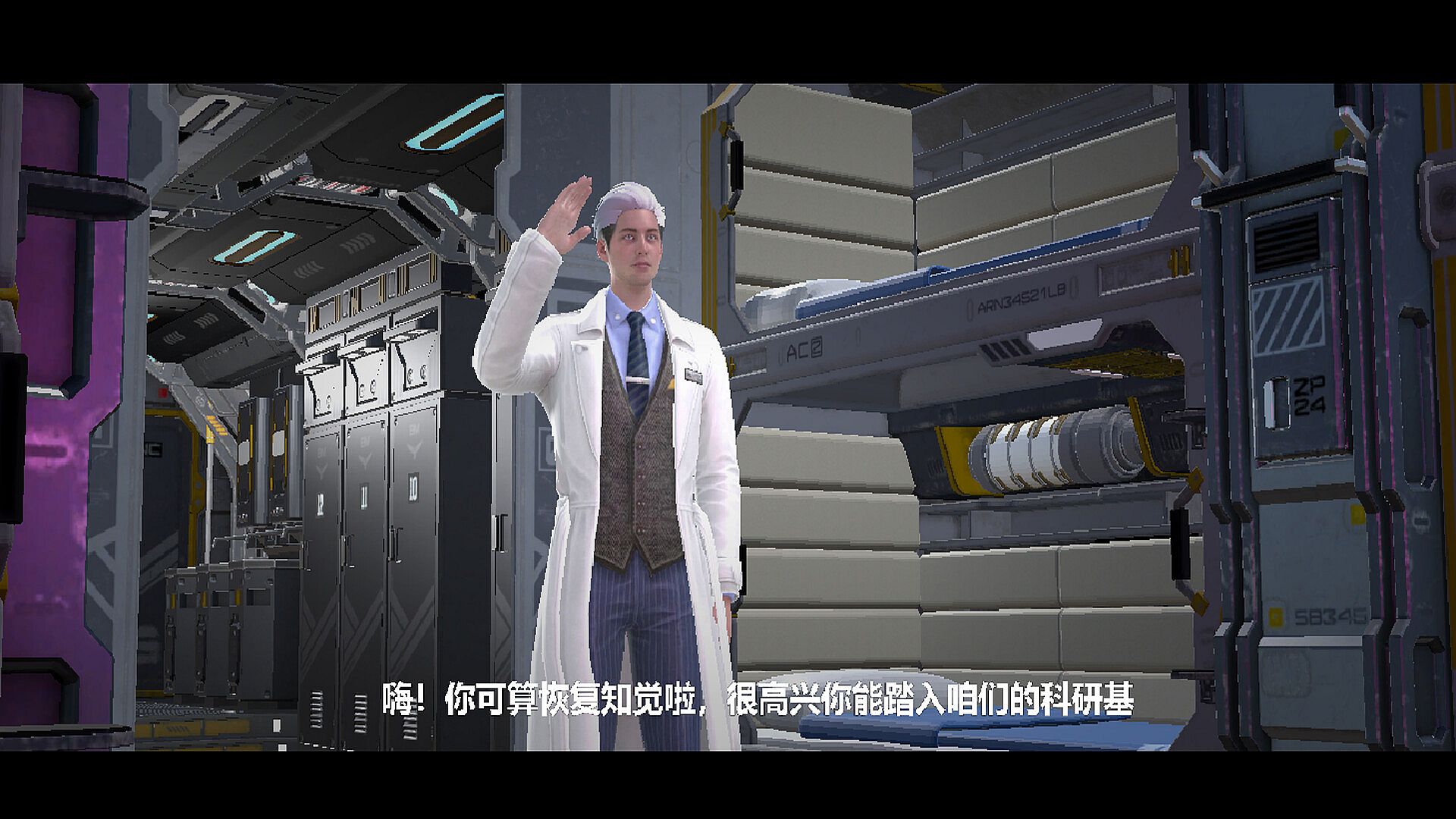
The narrative opens with scientists pursuing time travel technology and the creation of the robot that makes it possible. From there, the game expands into interconnected tales that cross ancient times, periods of ruin and conflict, modern developments, high-tech futures, and extraterrestrial locations. Each segment builds on the robot's capacity to move freely, revealing how events in one era echo or influence others. This approach creates a broad canvas where players uncover details gradually through direct participation rather than linear exposition.
Planetary settings add scale beyond Earth-bound history, introducing environments that test the robot's adaptability. The overall structure avoids rigid chapter divisions, instead allowing the time travel mechanic to serve as the thread that links disparate locations and timeframes into a cohesive experience.
Is It Worth Playing?
Backto 2035 suits players interested in time travel themes combined with action and strategy in an indie early access package. The robot-driven traversal across eras provides a distinct hook that differentiates it from standard adventure or simulation titles. Those who enjoy managing encounters in changing environments and piecing together stories across periods will find the current content engaging, particularly while the game receives ongoing updates during its early access phase.
Availability on PC makes it accessible for testing the core loop without additional barriers. The mix of casual entry points and deeper strategic layers supports different play styles, though the experience remains focused on single-player progression at present. Individuals drawn to narrative experiments that span multiple historical and speculative settings stand to gain the most from following its development.