










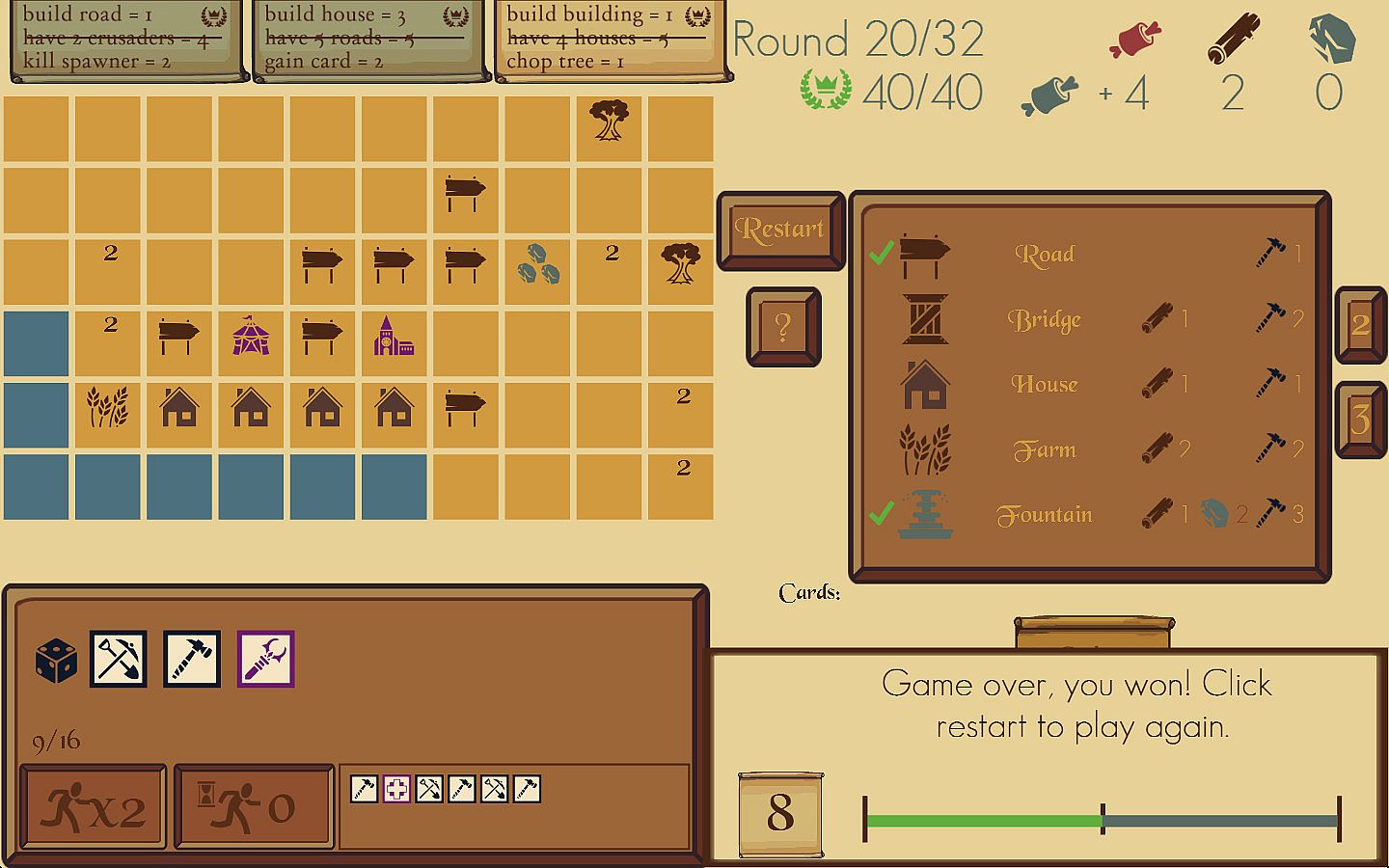
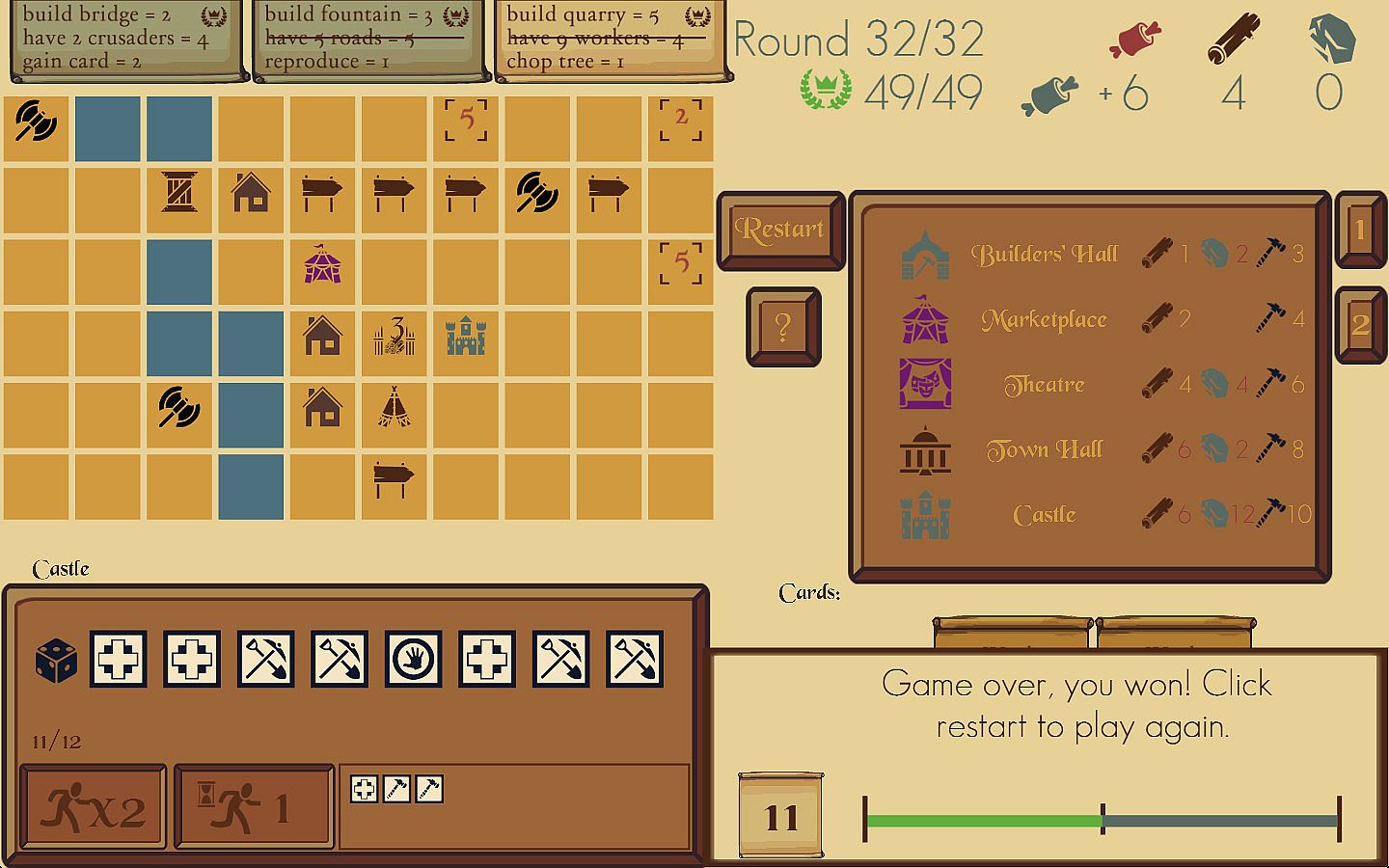
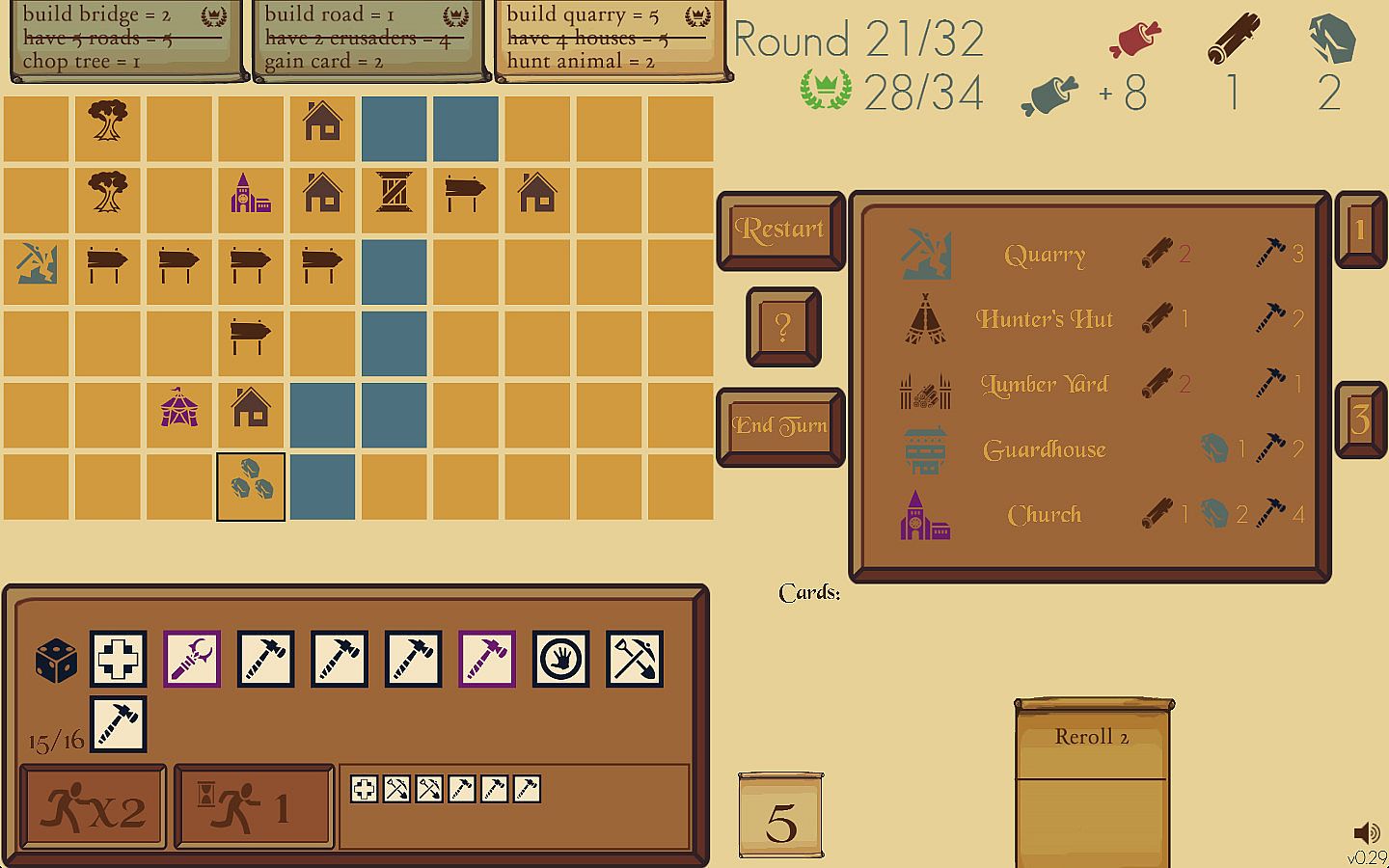
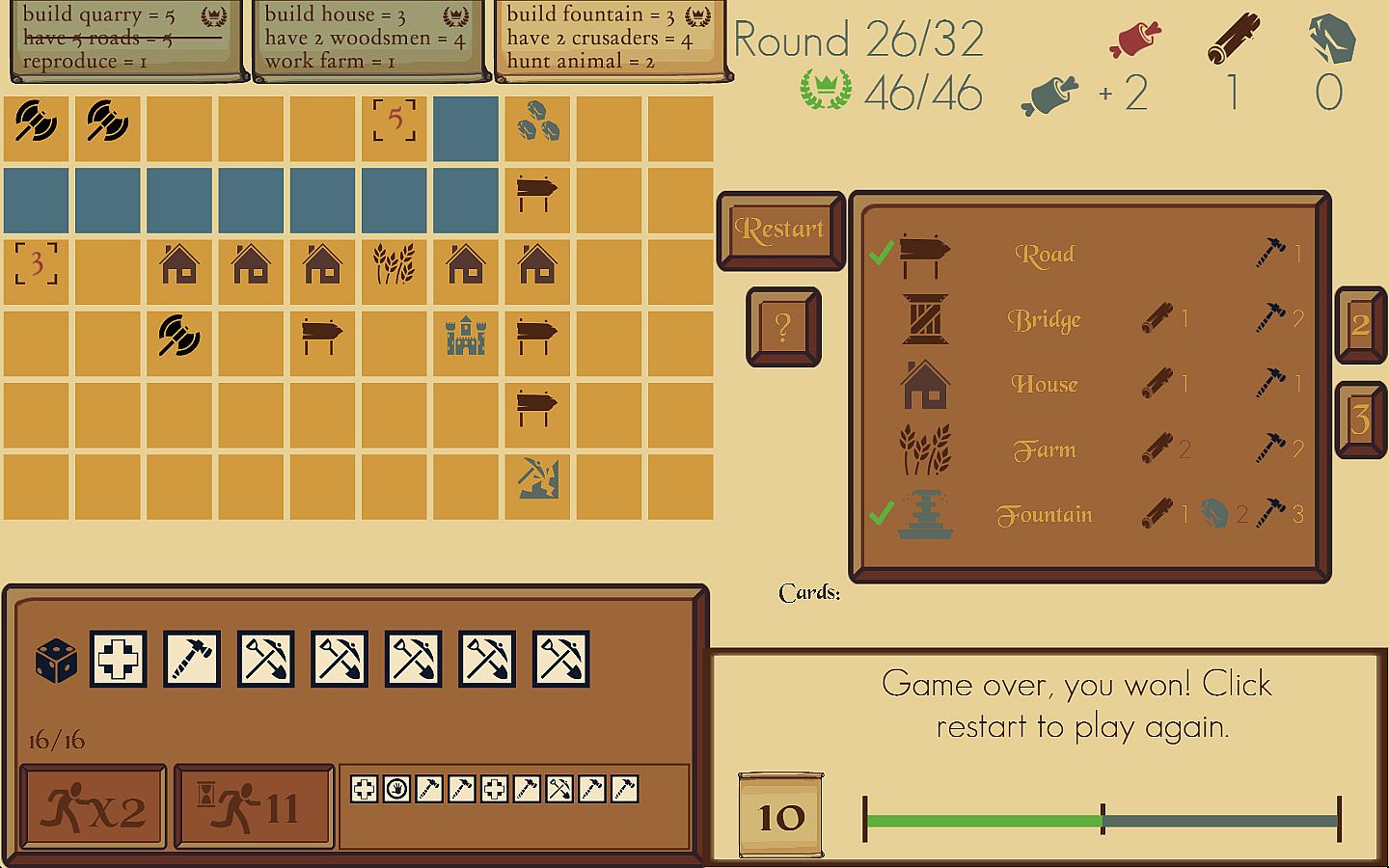
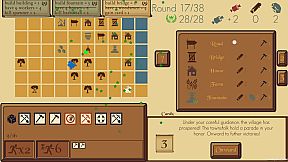
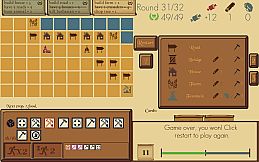
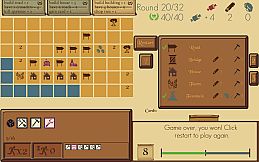
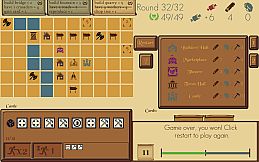
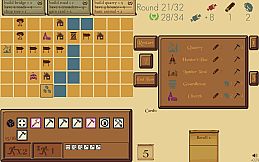
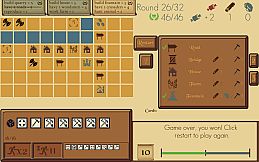
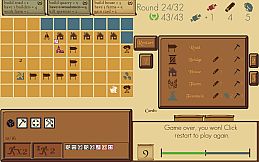
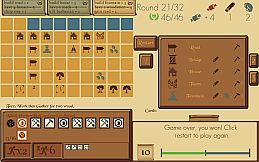
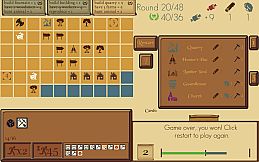
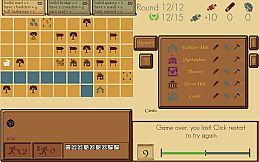
Axes and Acres is a single-player strategy game that blends turn-based decision making with light deck-building mechanics. Players take on the role of a medieval lord overseeing a small plot of land and a handful of peasants. The core loop revolves around managing resources, expanding a village, and balancing short-term needs against long-term growth through careful choices each turn.
Gameplay
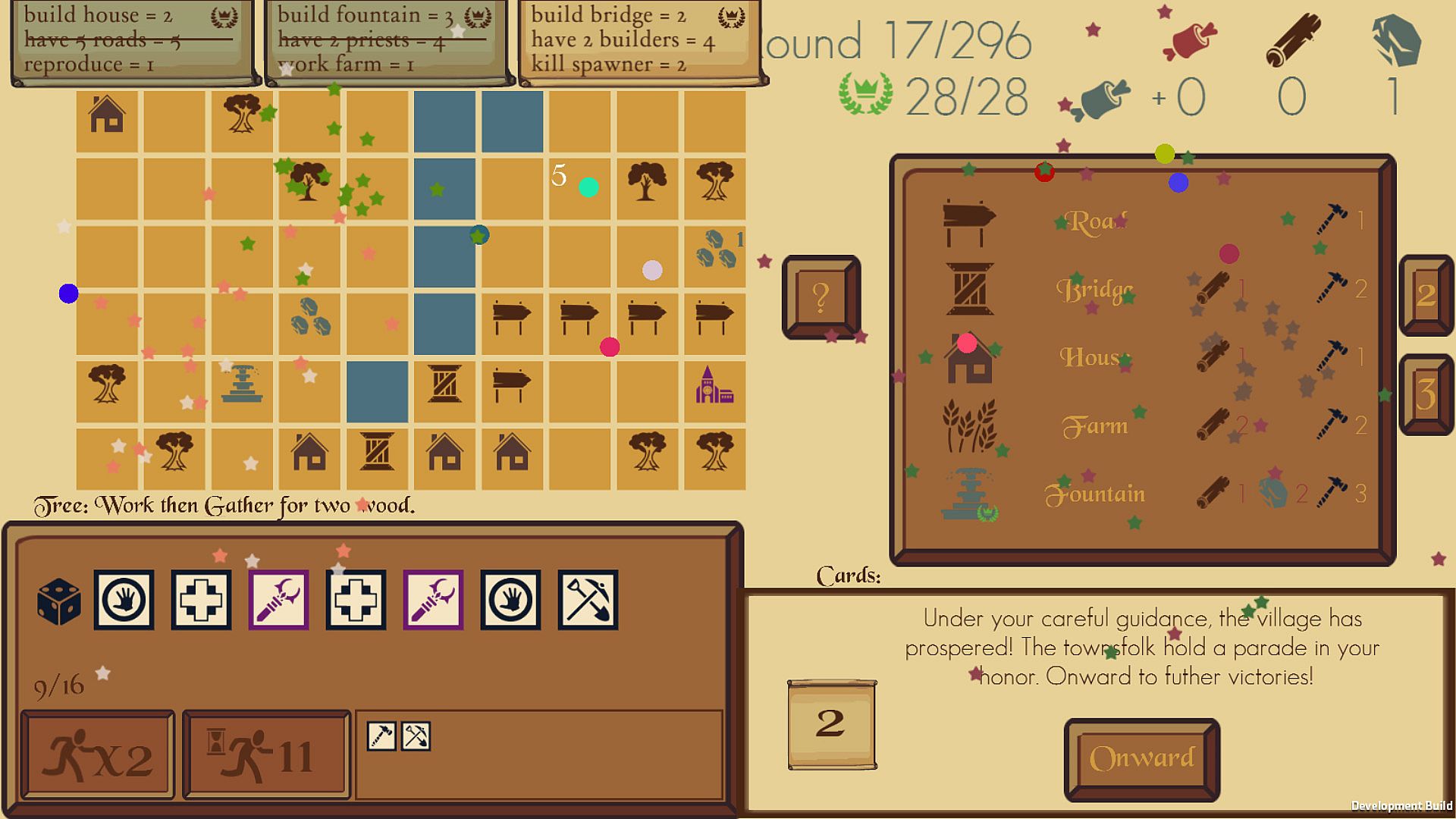
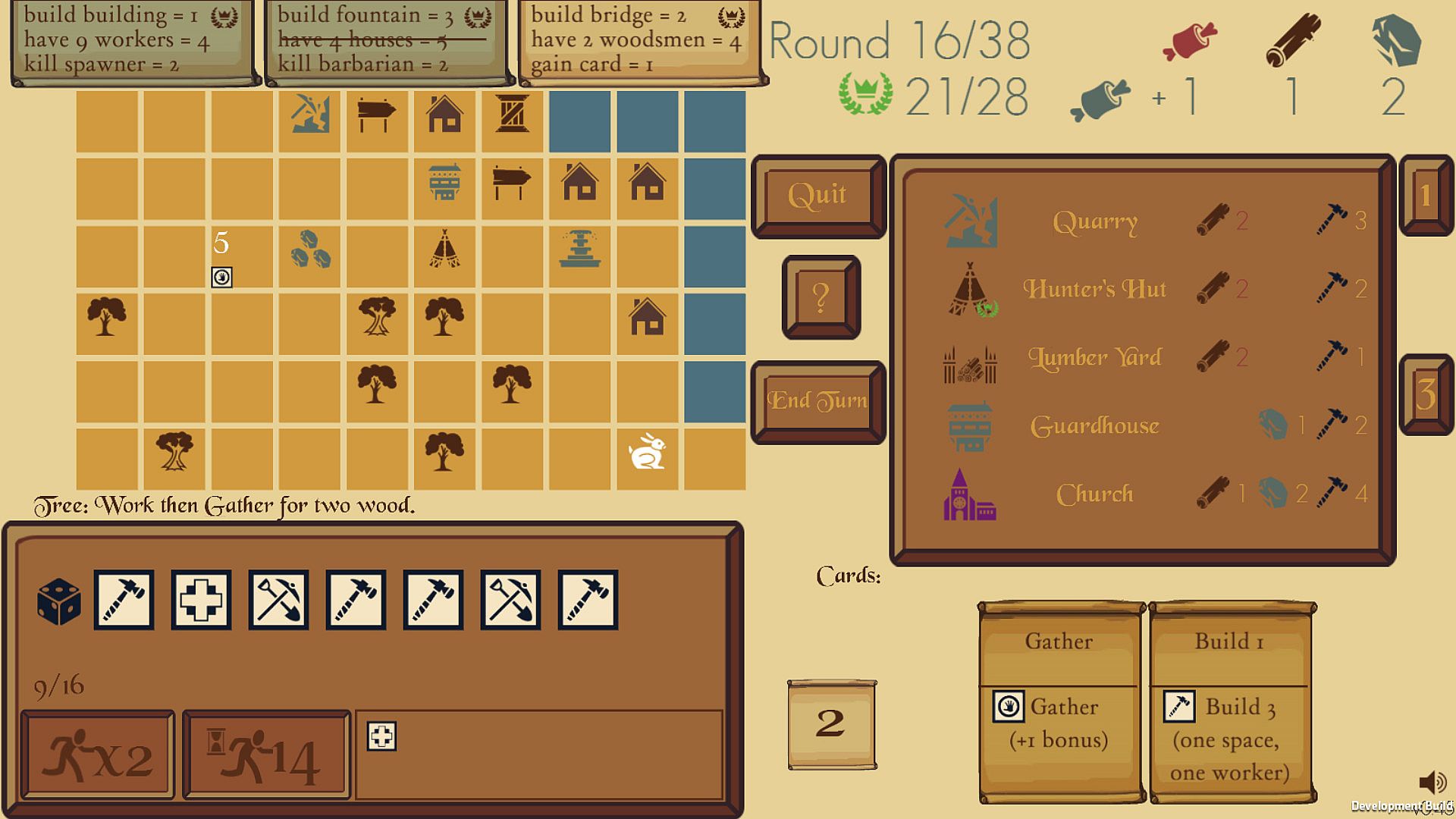
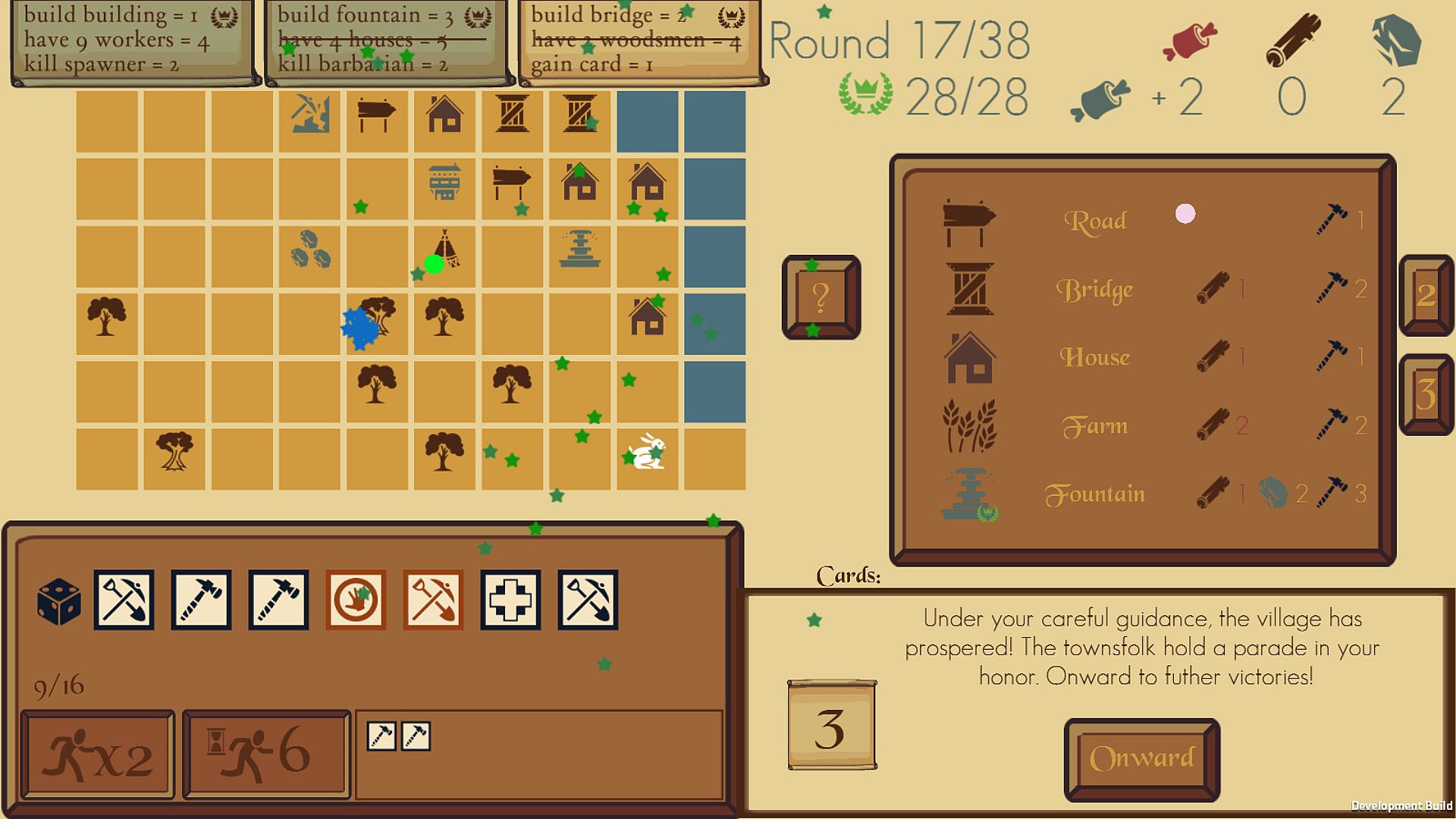
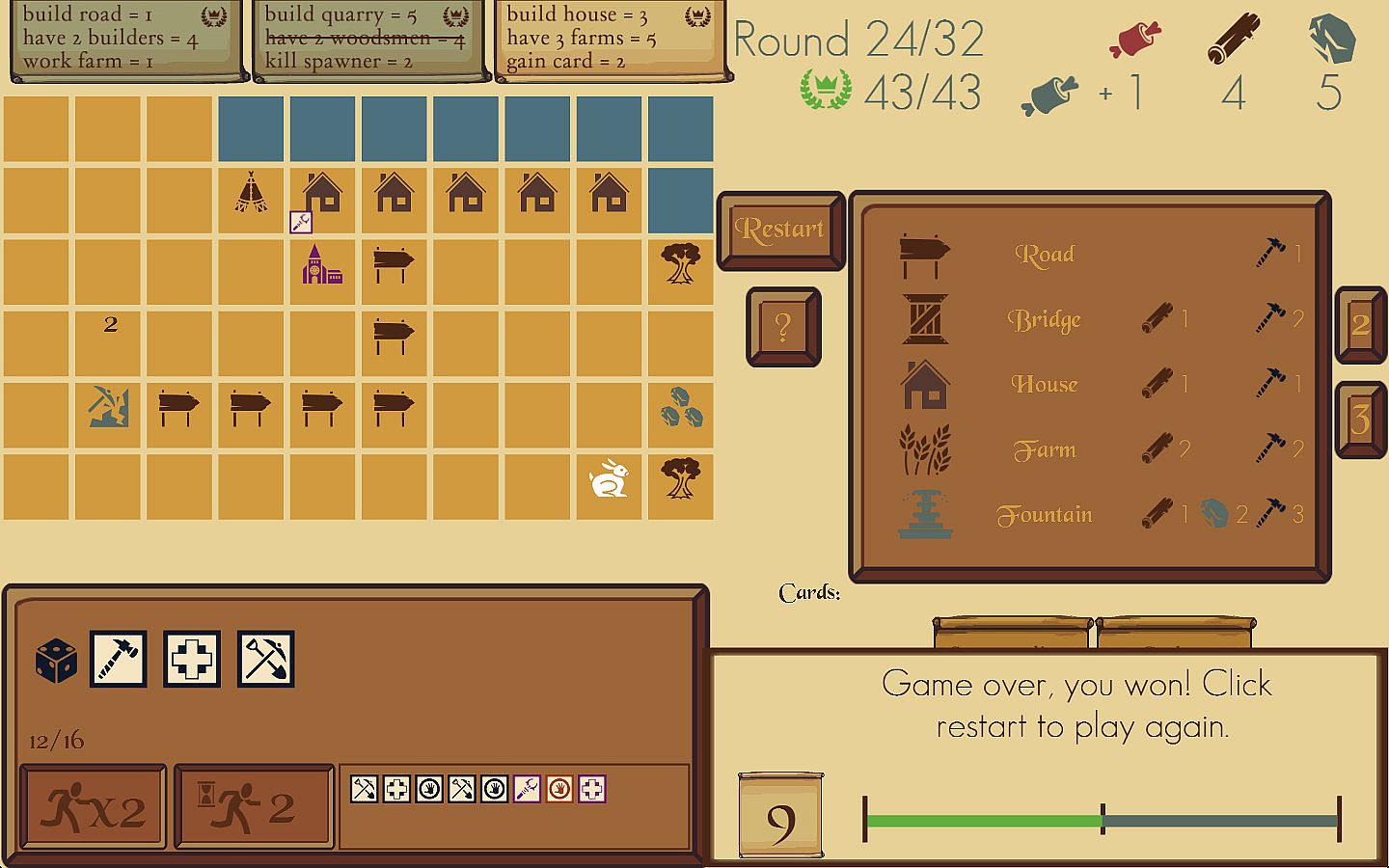
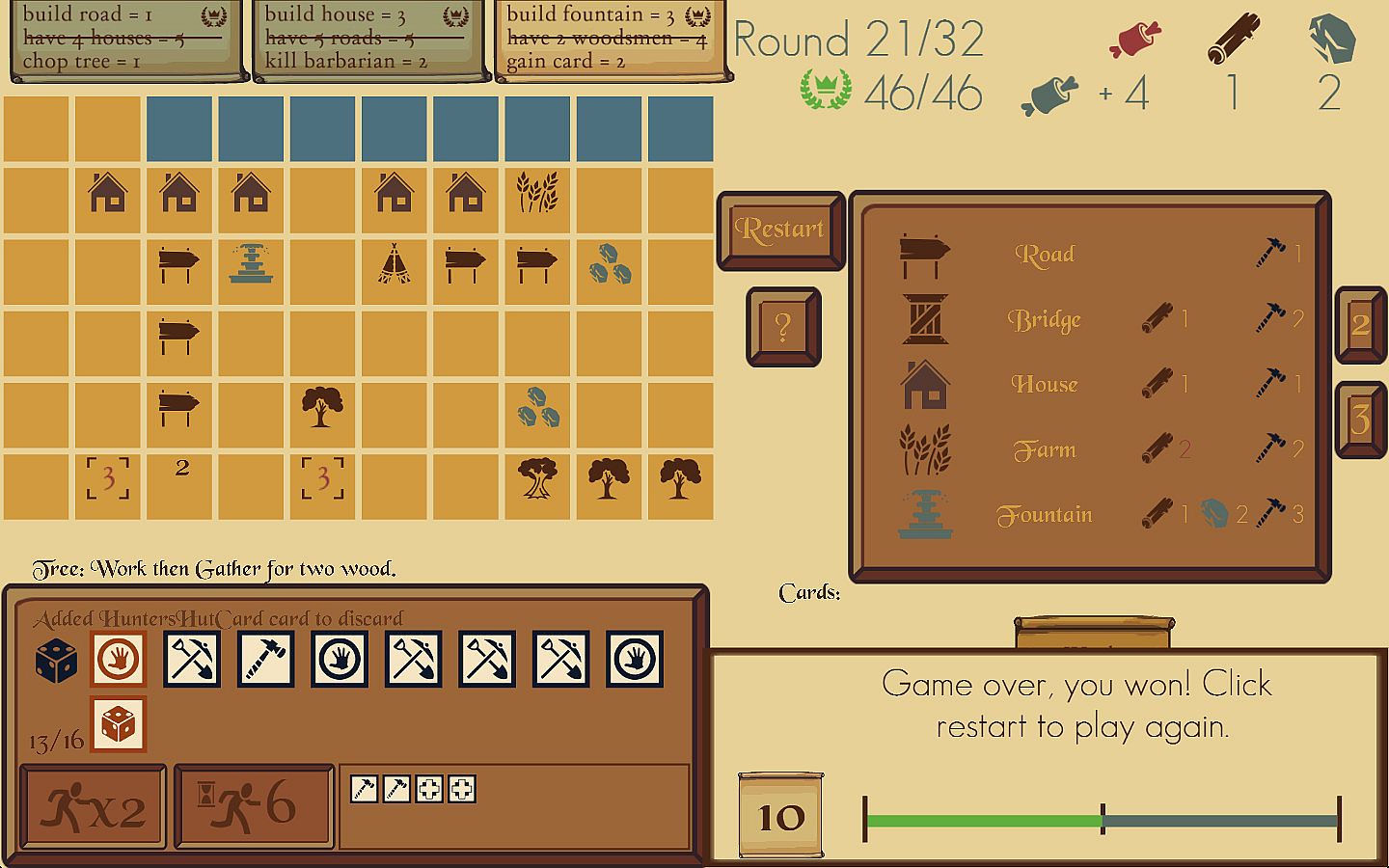
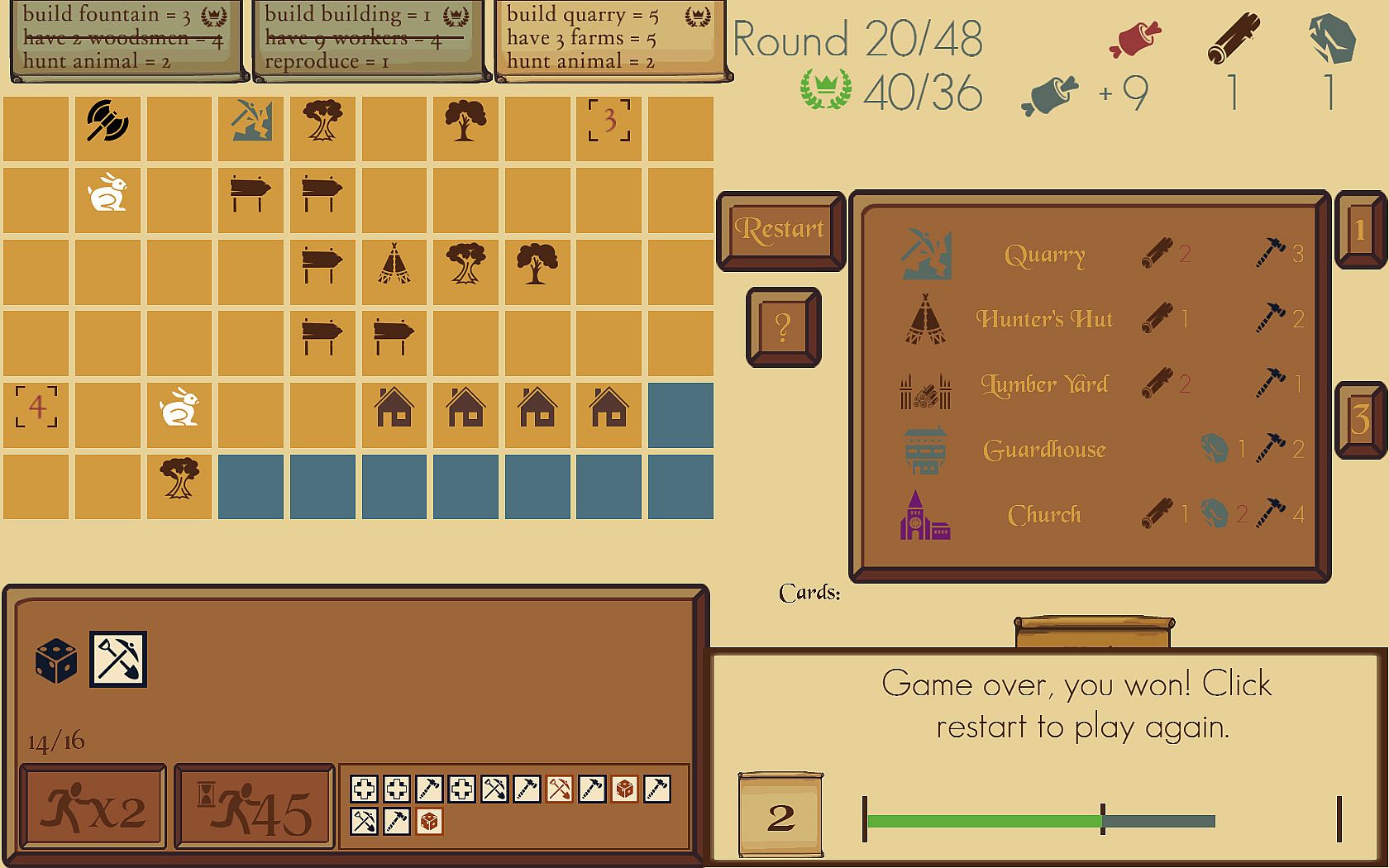
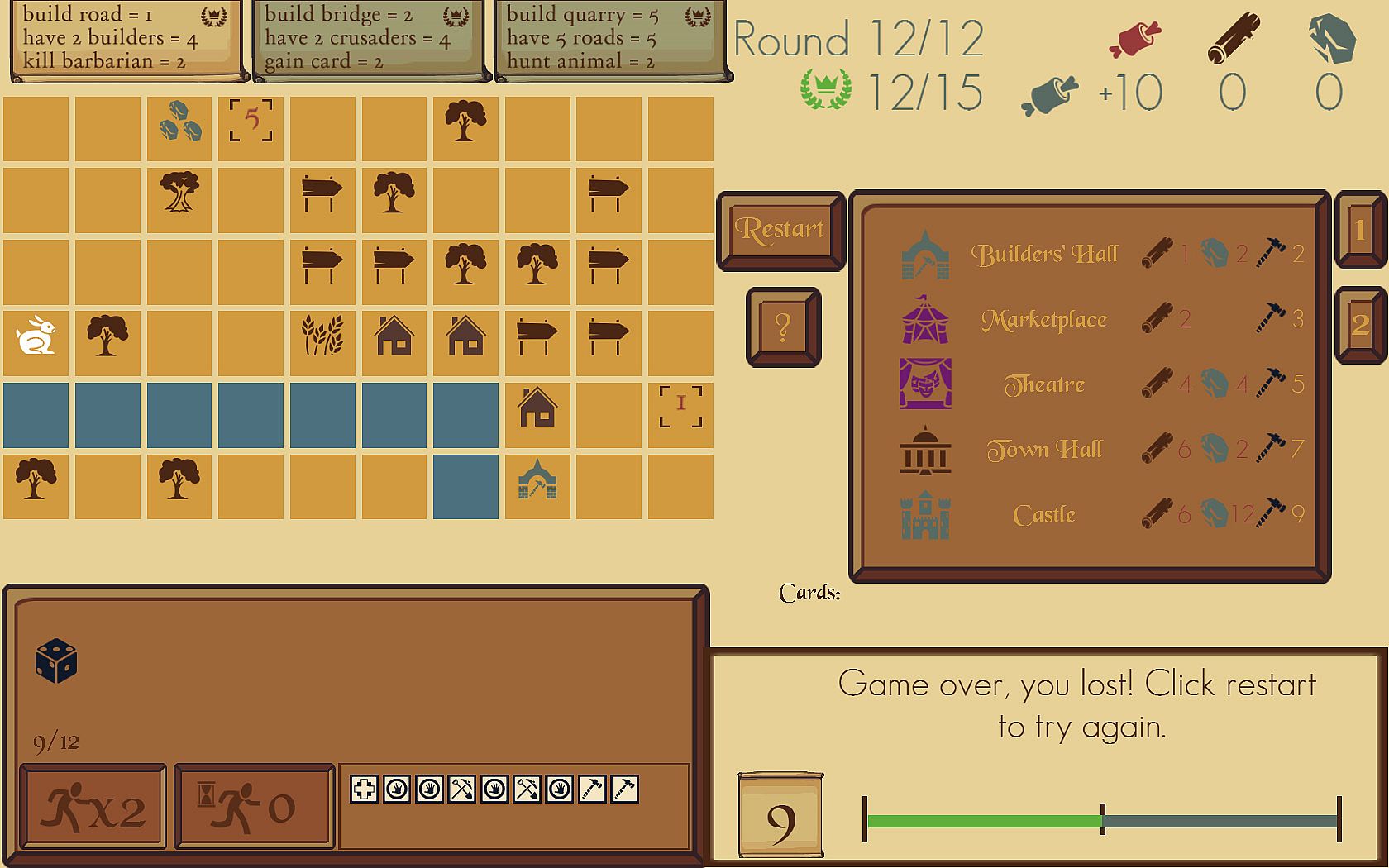
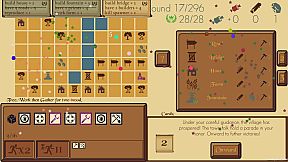
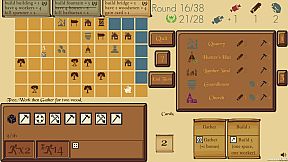
The game places heavy emphasis on resource management and population control. Peasants appear as dice that players assign to actions such as farming, gathering materials, constructing buildings, or increasing their numbers. Mood and motivation influence what each peasant can accomplish, adding variability to every round. Motivation cards provide additional options for directing labor and improving efficiency over time.
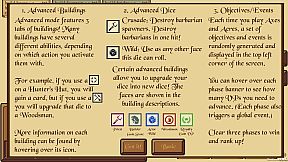
Deck-building elements let players refine both their worker pool and their available motivations as the session progresses. Upgrades and changes occur within a single playthrough, encouraging experimentation with different combinations of buildings, crops, and expansions. The rules remain straightforward, yet the branching possibilities create meaningful trade-offs between immediate survival and village prosperity.
Strategic depth comes from planning multiple turns ahead while adapting to the random outcomes of dice rolls and card draws. Players must decide when to focus on food production, when to invest in infrastructure, and when to push for population growth. Every decision carries weight because resources are limited and space on the land is finite.
Game Modes
Axes and Acres centers on a single-player experience with discrete playthroughs. Each session stands alone, allowing players to try fresh strategies without carrying over progress from previous attempts. The structure supports repeated runs that feel distinct due to the variety of card combinations and worker assignments available.
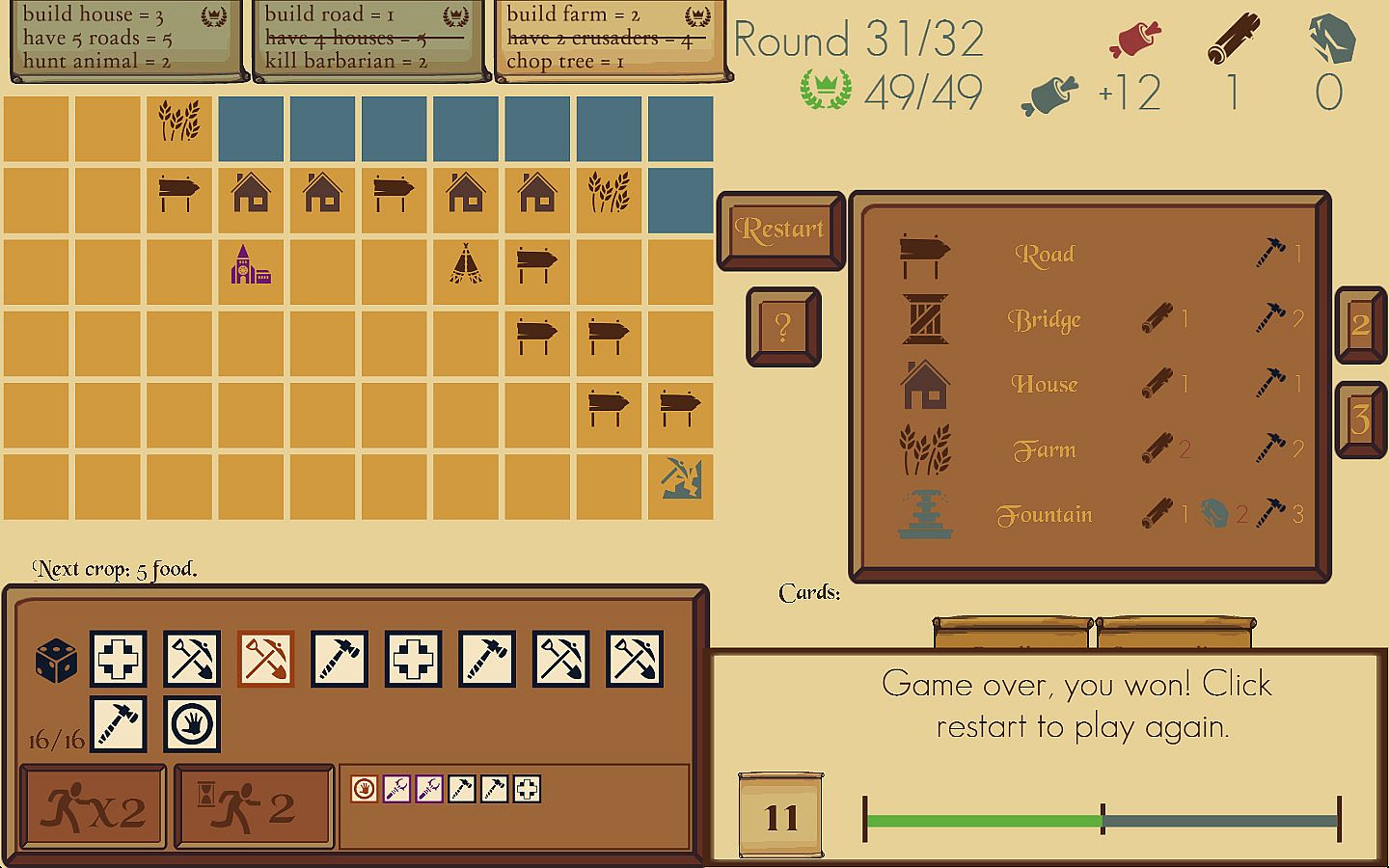
Updates introduced a leaderboard system for tracking high scores across sessions. A second major end-game win condition was also added, giving players an alternative path to victory beyond the primary objective of building a thriving settlement. These features enhance replayability while keeping the focus on solo strategic play.
Key Mechanics and Progression
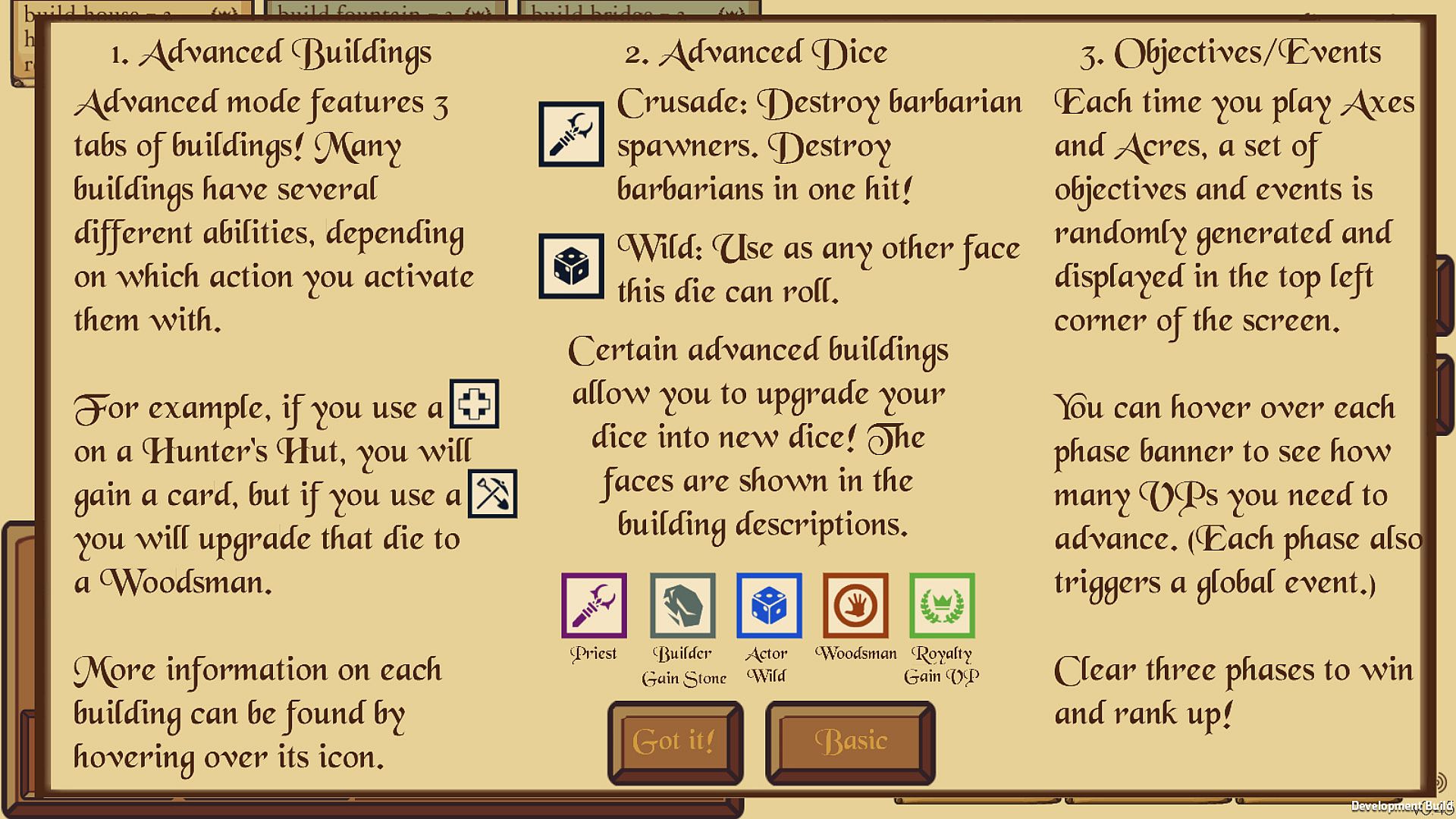
Progression happens through incremental improvements to both the peasant workforce and the motivation deck. Better workers handle more complex tasks, while upgraded cards unlock powerful synergies for resource production and village expansion. The system rewards thoughtful sequencing of actions rather than brute-force expansion.
Core activities include chopping wood, cultivating fields, constructing structures, and plotting long-term development. These actions interconnect, so neglecting one area often creates bottlenecks later. The dice-based worker system introduces controlled randomness that keeps each turn engaging without overwhelming the player.
Is It Worth Playing?
Axes and Acres appeals to fans of thoughtful strategy games who enjoy managing limited resources and making tough choices in a compact package. The easy-to-grasp rules combined with deep decision trees make it suitable for players seeking a focused single-player experience rather than large-scale campaigns or competitive multiplayer.
Reception highlights the addictive quality of its mechanics and the satisfaction of optimizing a growing village. Patches have refined balance and added scoring features that extend the game's longevity for those who enjoy chasing personal bests. At its modest price point, the title offers solid value for strategy enthusiasts comfortable with turn-based indie games.
Those who appreciate games like classic civilization builders or abstract strategy titles will likely find the tight scope and replayable sessions rewarding. The absence of ongoing seasons or frequent updates means the experience remains consistent with its original design, which suits players who prefer a complete, self-contained package over live-service models.