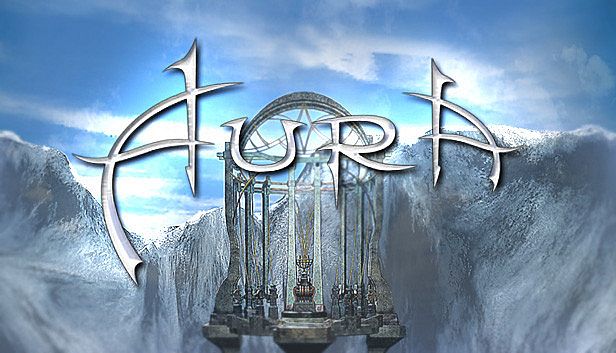















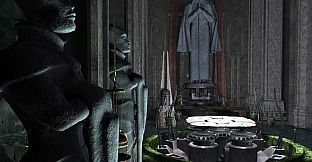
Aura: Fate of the Ages is a single-player first-person puzzle adventure game released for PC in 2004. Players assume the role of an apprentice among the Keepers, an ancient order tasked with safeguarding powerful artifacts across parallel realms. The central objective involves locating and uniting specific rings and objects hidden in four distinct worlds to unlock greater power and immortality, as described in the game's foundational legend.
Gameplay
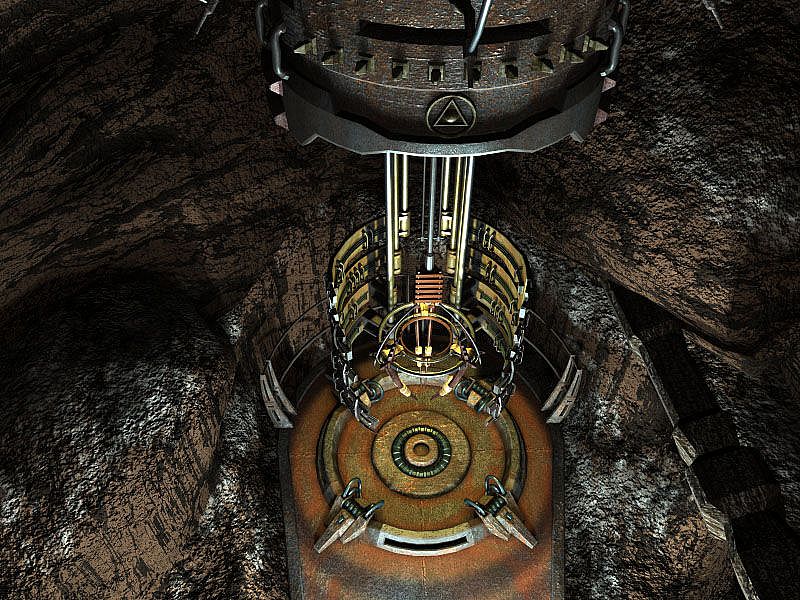
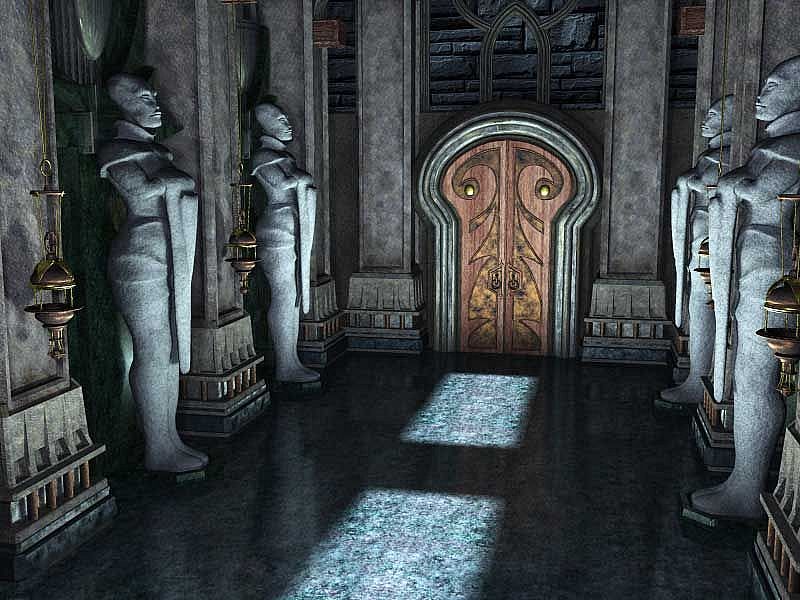
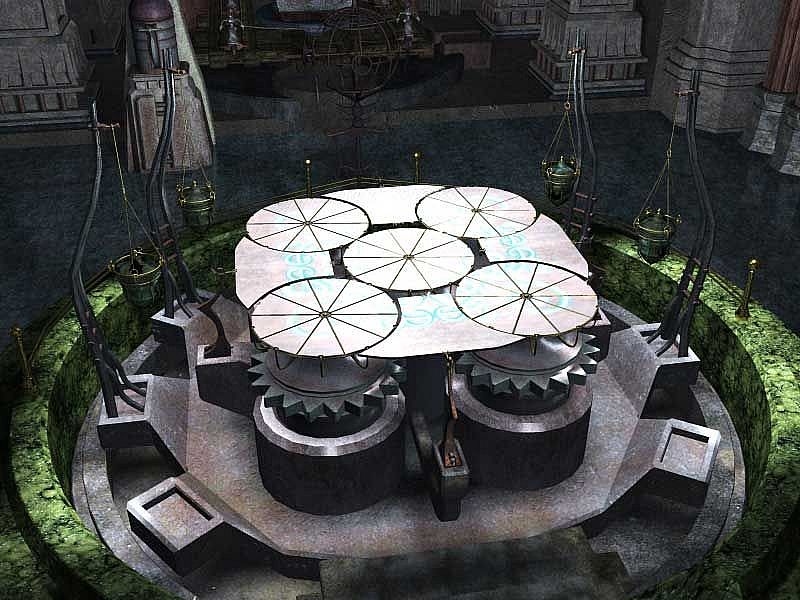
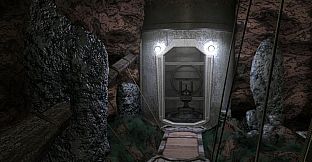
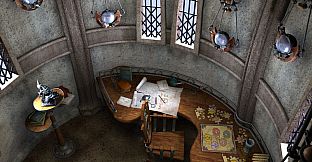
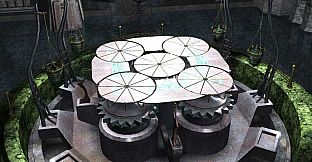
The core loop centers on exploration and puzzle solving within pre-rendered environments viewed from a first-person perspective. Navigation relies on an intuitive mouse-driven point-and-click system that allows interaction with objects, characters, and environmental details. Puzzles range from mechanical contraptions and logic challenges to observation-based tasks that require careful examination of surroundings and collected information.
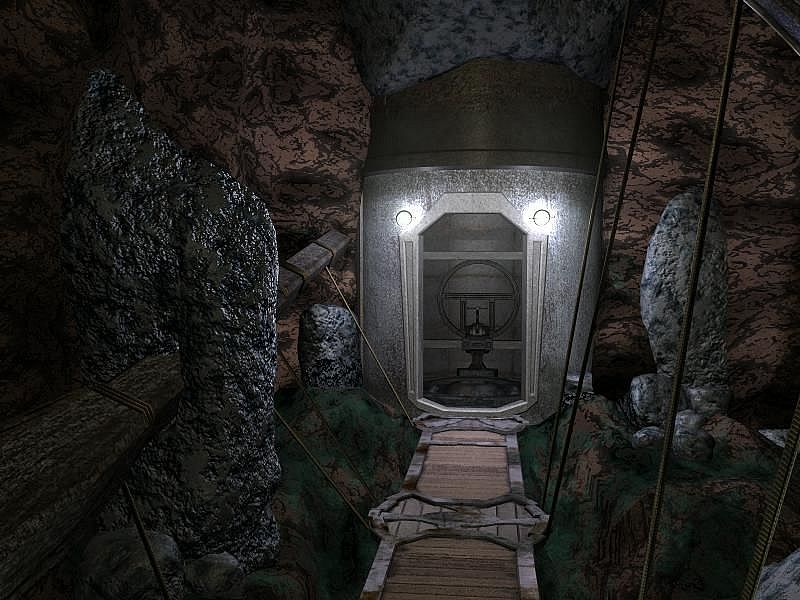
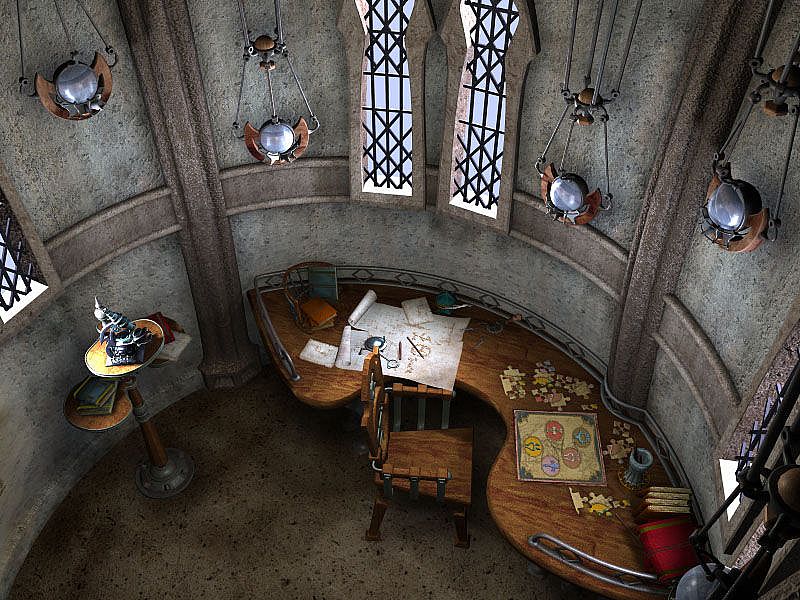
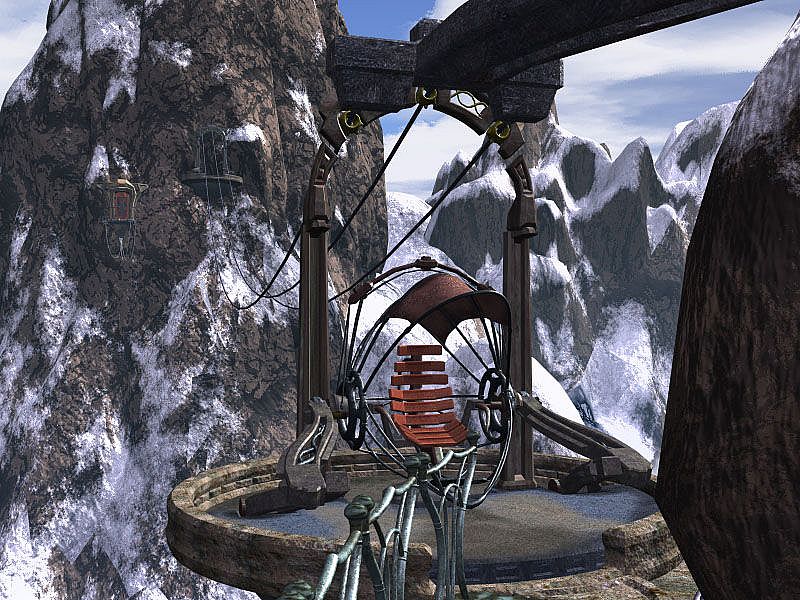
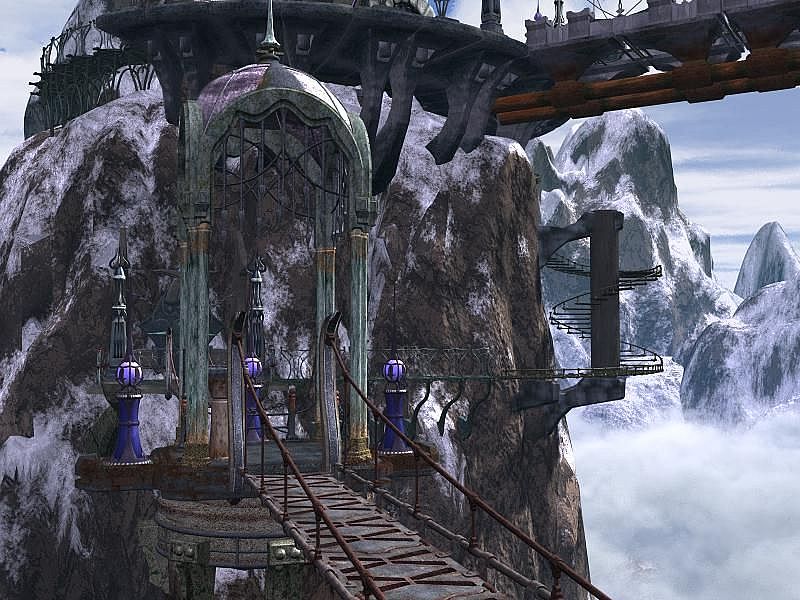
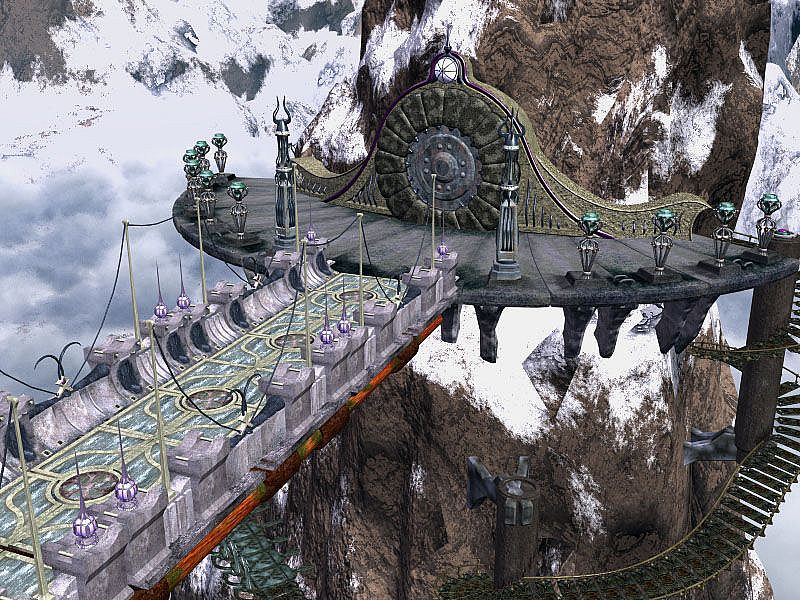
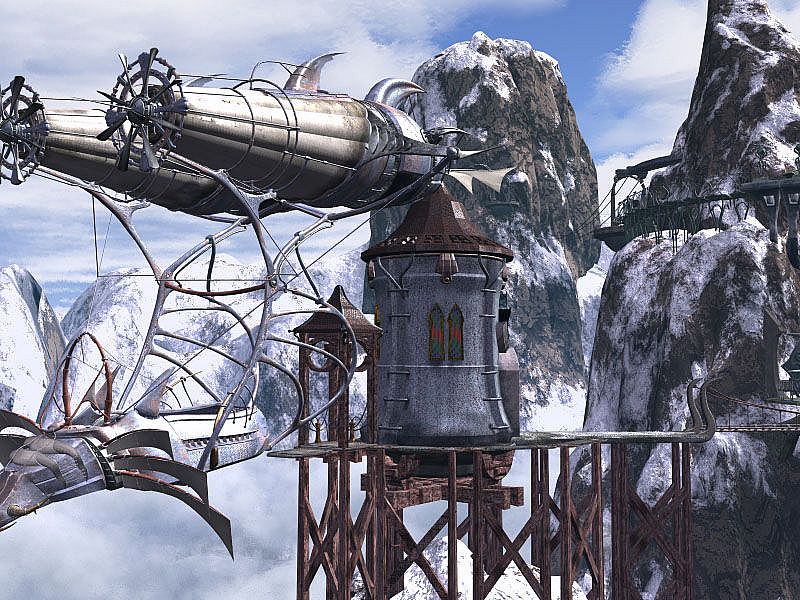
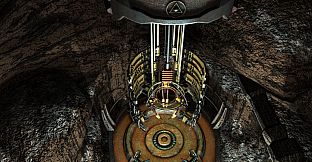
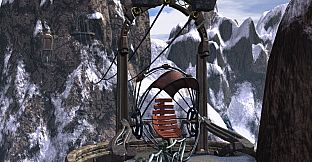
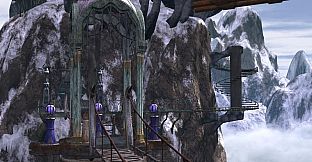
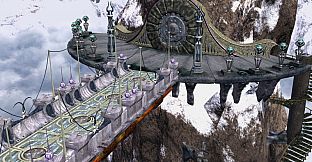
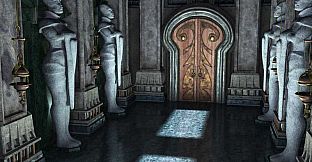
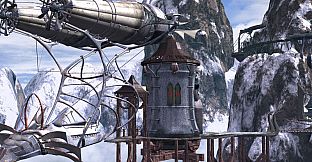
Progression unfolds across four parallel worlds, each presenting unique visual styles and indigenous mechanics. The Ademika Valley emphasizes natural and mystical elements, while the Mechanical World focuses on intricate machinery and engineering devices. The Isoteric World introduces ethereal and abstract concepts, and the Island of Unity serves as a culminating location tying together prior discoveries. Players gather clues, interact with inhabitants, and solve enigmas to advance the narrative thread of intrigue and exploration.
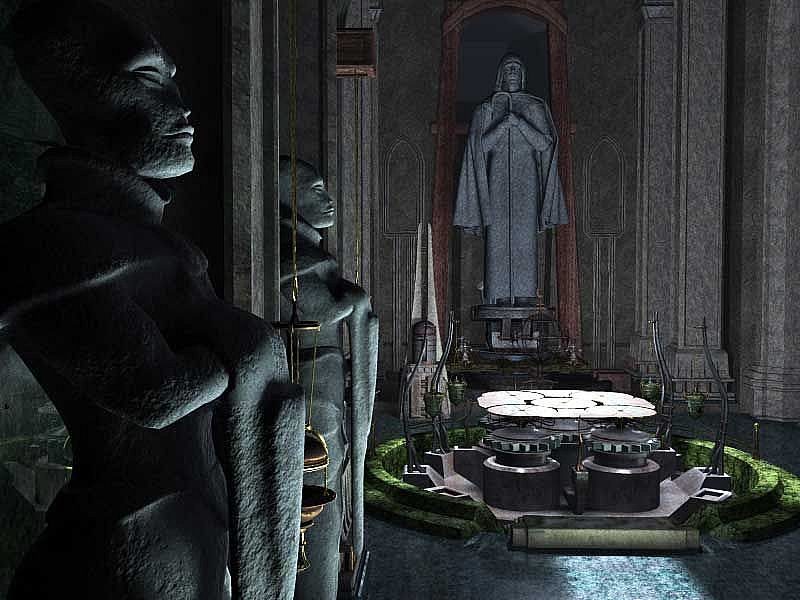
Audio design supports immersion through an original orchestral score paired with ambient soundscapes that reflect each world's atmosphere. Graphics emphasize detailed textures, lighting effects, and static scenes that reward close inspection rather than real-time movement.
Game Modes
Aura: Fate of the Ages operates exclusively as a single continuous single-player experience with no separate multiplayer components or competitive modes. The entire journey follows one linear quest structure divided by the four worlds, where players complete interconnected puzzles and story segments without branching campaigns or alternate play styles.
There are no additional modes such as time trials, challenge arenas, or cooperative options. All content remains focused on the main adventure, encouraging methodical progress through exploration and deduction within the provided environments.
Worlds and Puzzles
Each of the four worlds introduces distinct environmental challenges that tie directly into the artifact collection goal. The Ademika Valley features organic landscapes and dreamlike elements that demand pattern recognition and item combination. The Mechanical World shifts emphasis toward device manipulation and spatial reasoning with gears and levers.
The Isoteric World presents more abstract and symbolic puzzles rooted in ethereal themes, while the Island of Unity integrates elements from prior areas into final resolutions. Puzzles maintain an inventive quality throughout, often requiring players to revisit locations with new insights gained from earlier sections.
Is It Worth Playing?
This title appeals primarily to enthusiasts of classic point-and-click adventure games who value deliberate pacing and visual presentation over action or fast reflexes. The mixed reception on current platforms reflects divided opinions on the later sections and overall length, with some players appreciating the puzzle quality and atmospheric consistency while others note pacing issues toward the conclusion.
Availability remains straightforward through digital storefronts for PC, and the game runs on modern systems with basic compatibility adjustments. Those seeking a contemplative experience centered on exploration, artifact hunting, and environmental storytelling will find the core strengths intact, particularly if they enjoy similar titles from the early 2000s era of pre-rendered adventure design.