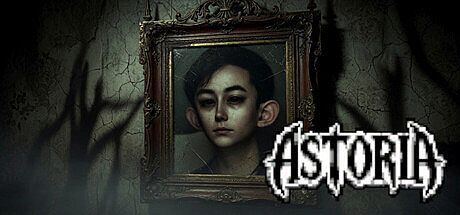


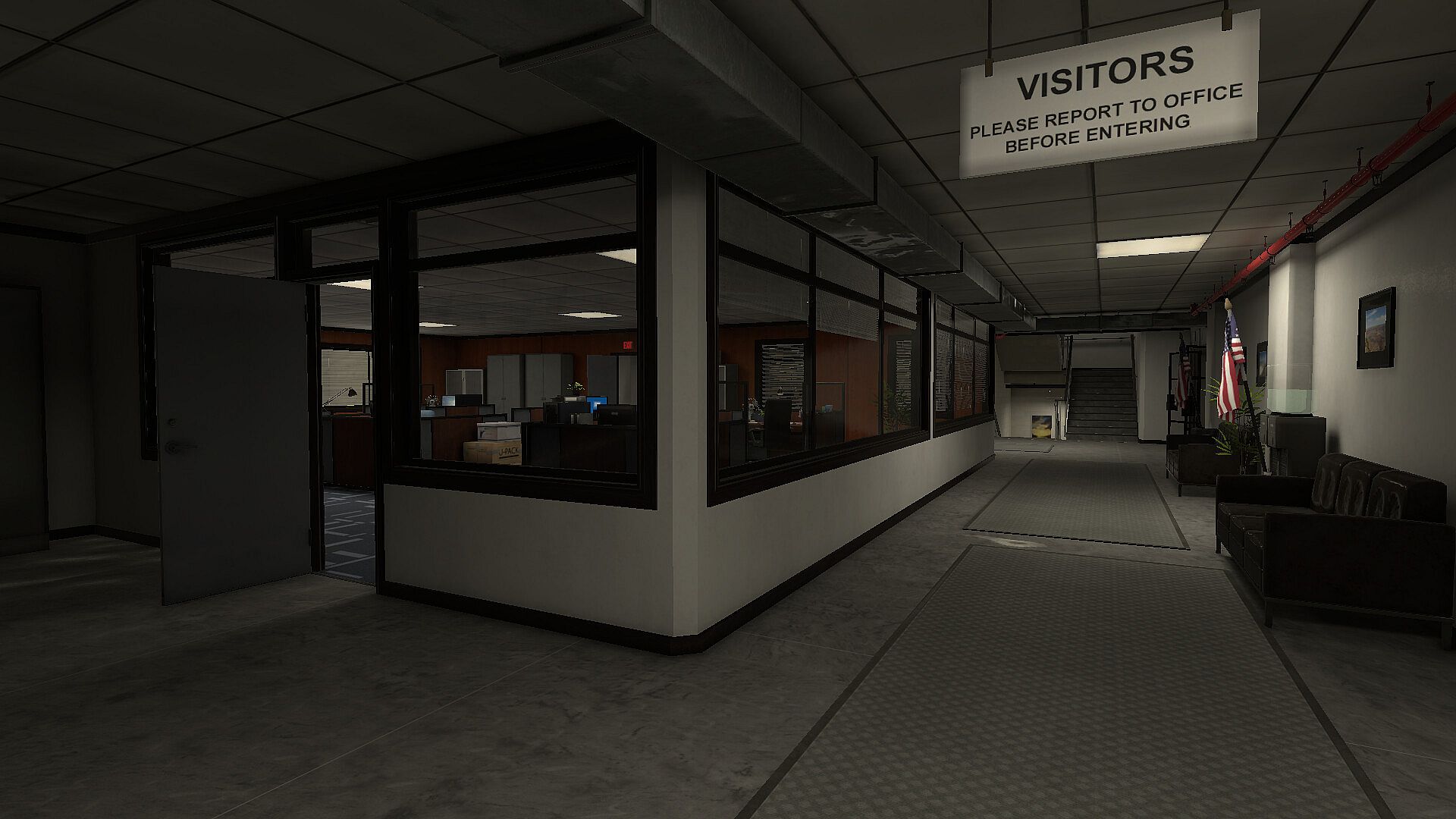
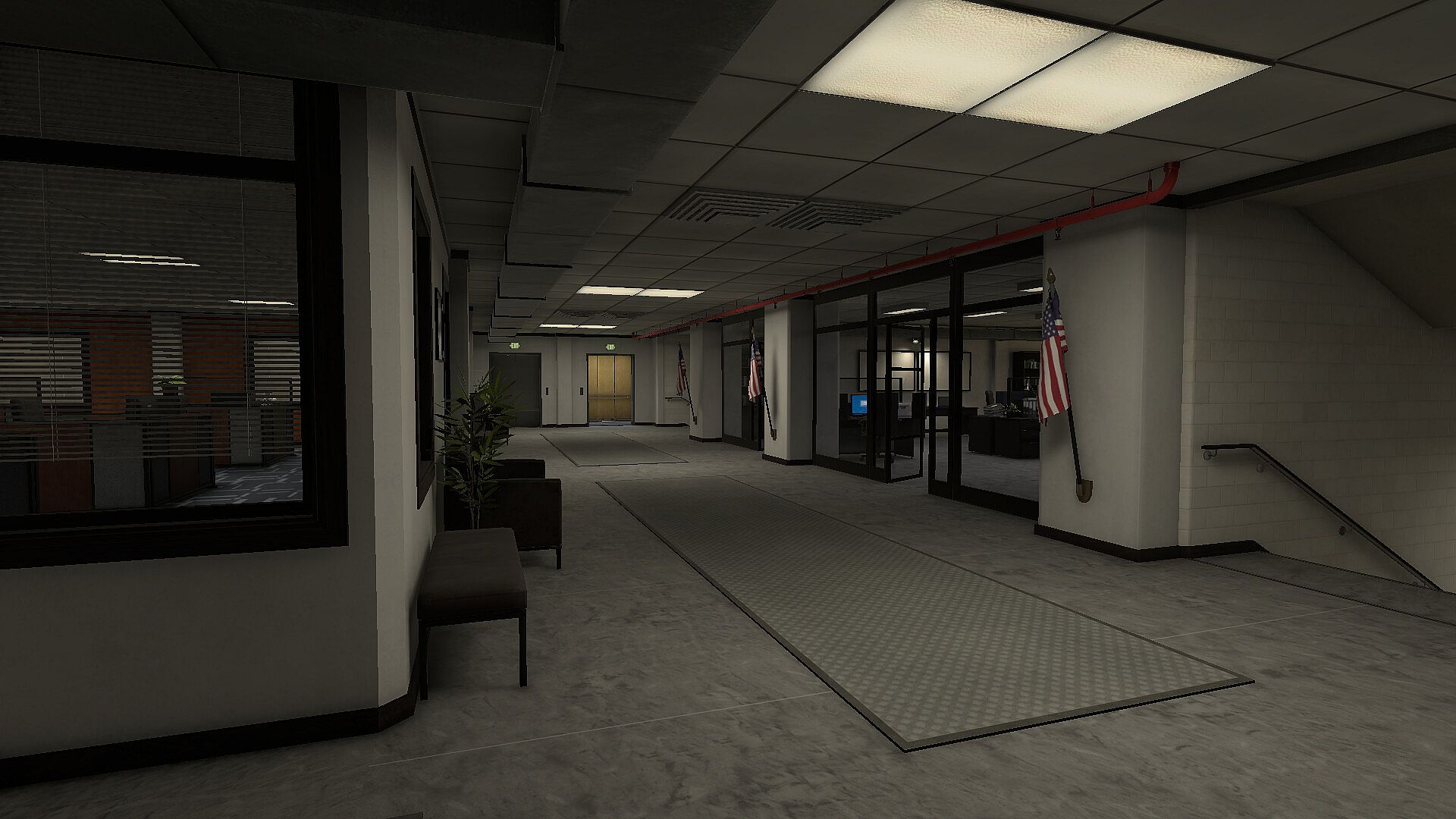
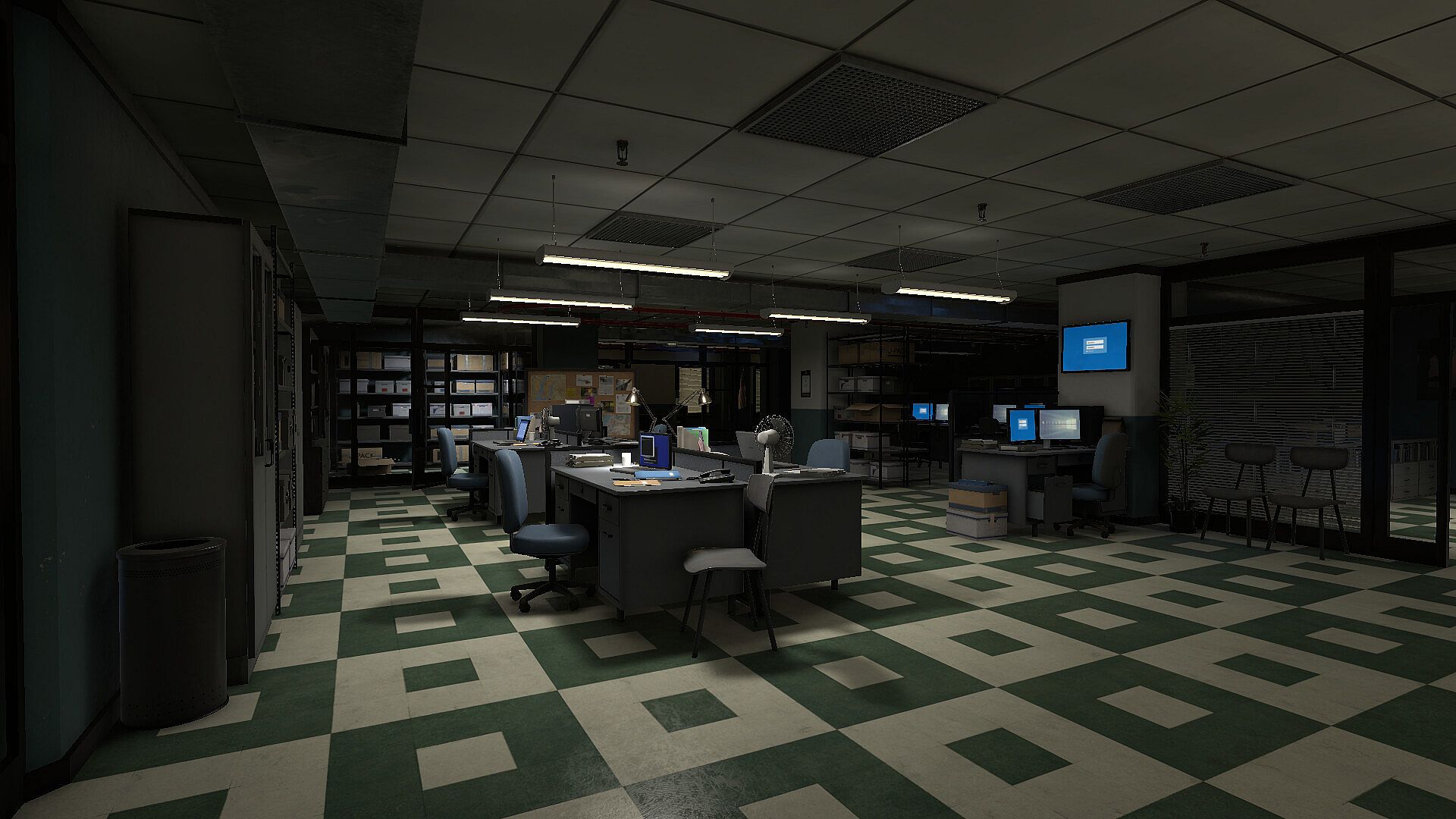
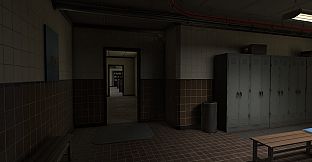
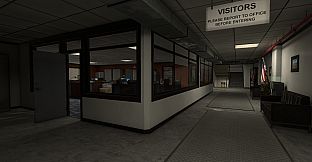
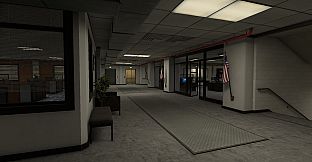
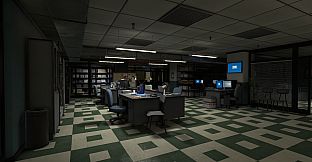
Astoria is an indie first-person RPG adventure that places players in a city overtaken by inhuman creatures after a sudden blackout. The experience centers on survival in a hostile urban environment where resources are limited and danger lurks in every shadow. Players scavenge supplies, engage in direct combat, and piece together fragments of a larger mystery hidden beneath the streets.
Gameplay
The core loop revolves around exploration and resource management in a city that has lost all normal structure. Movement occurs in first-person perspective, allowing close inspection of environments for usable items amid the wreckage. Combat demands quick decisions because ammunition and health supplies remain scarce throughout the journey. Every encounter carries risk, as enemies do not follow predictable patterns once the lights have failed.
Survival elements require careful planning. Players must weigh whether to use a found item immediately or save it for a later, potentially more dangerous situation. Movement through darkened blocks and underground areas demands attention to sound and visual cues, since the creatures respond to disturbances. Choices about which paths to take or which clues to pursue influence how much of the underlying truth becomes accessible.
Game Modes
Astoria operates as a single-player title with no separate multiplayer or competitive modes. The entire experience unfolds through one continuous campaign that emphasizes personal decision-making and exploration at the player's own pace. There are no co-op options or versus formats, keeping the focus entirely on individual survival and discovery within the ruined city.
The Setting and Atmosphere
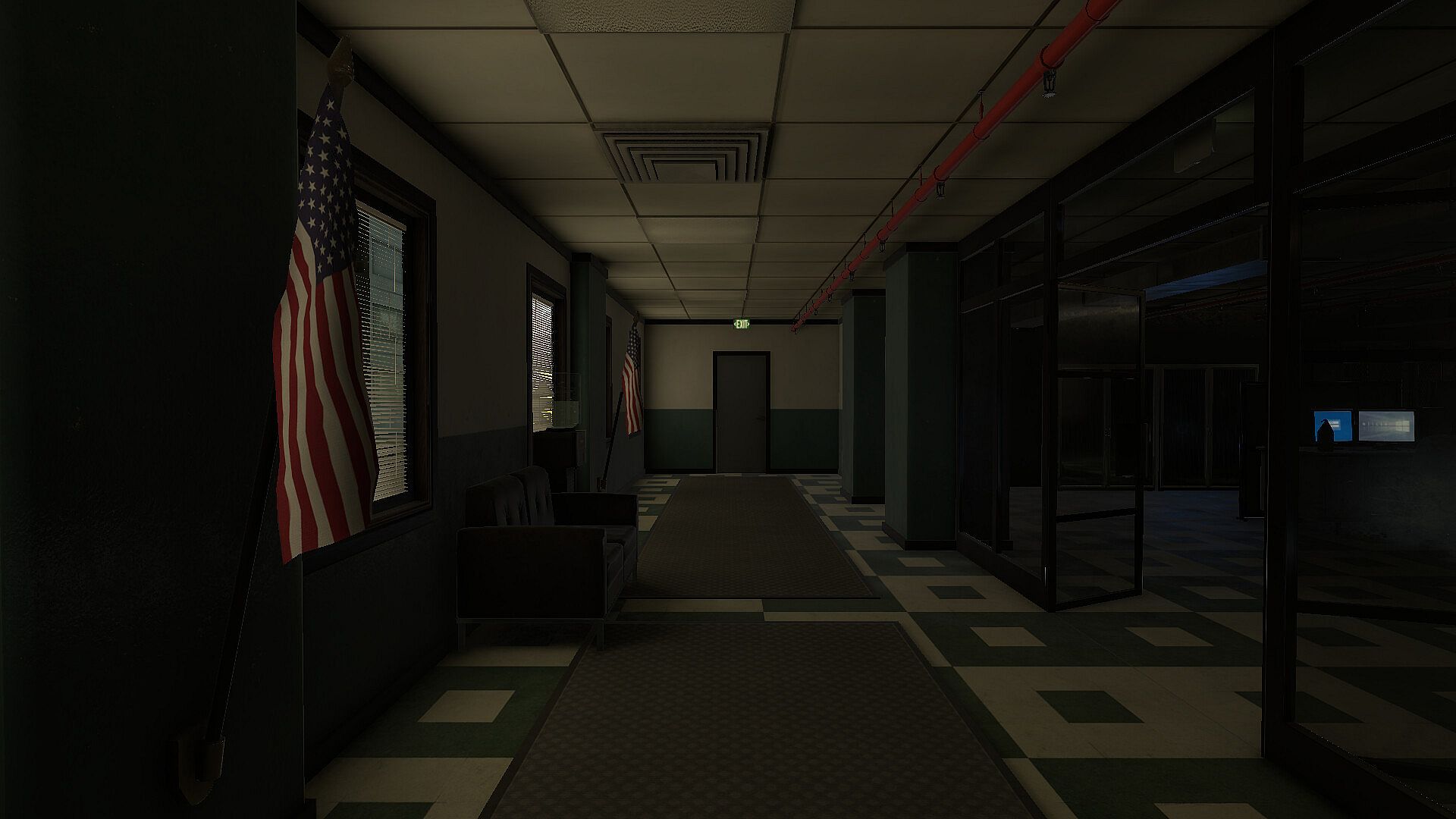
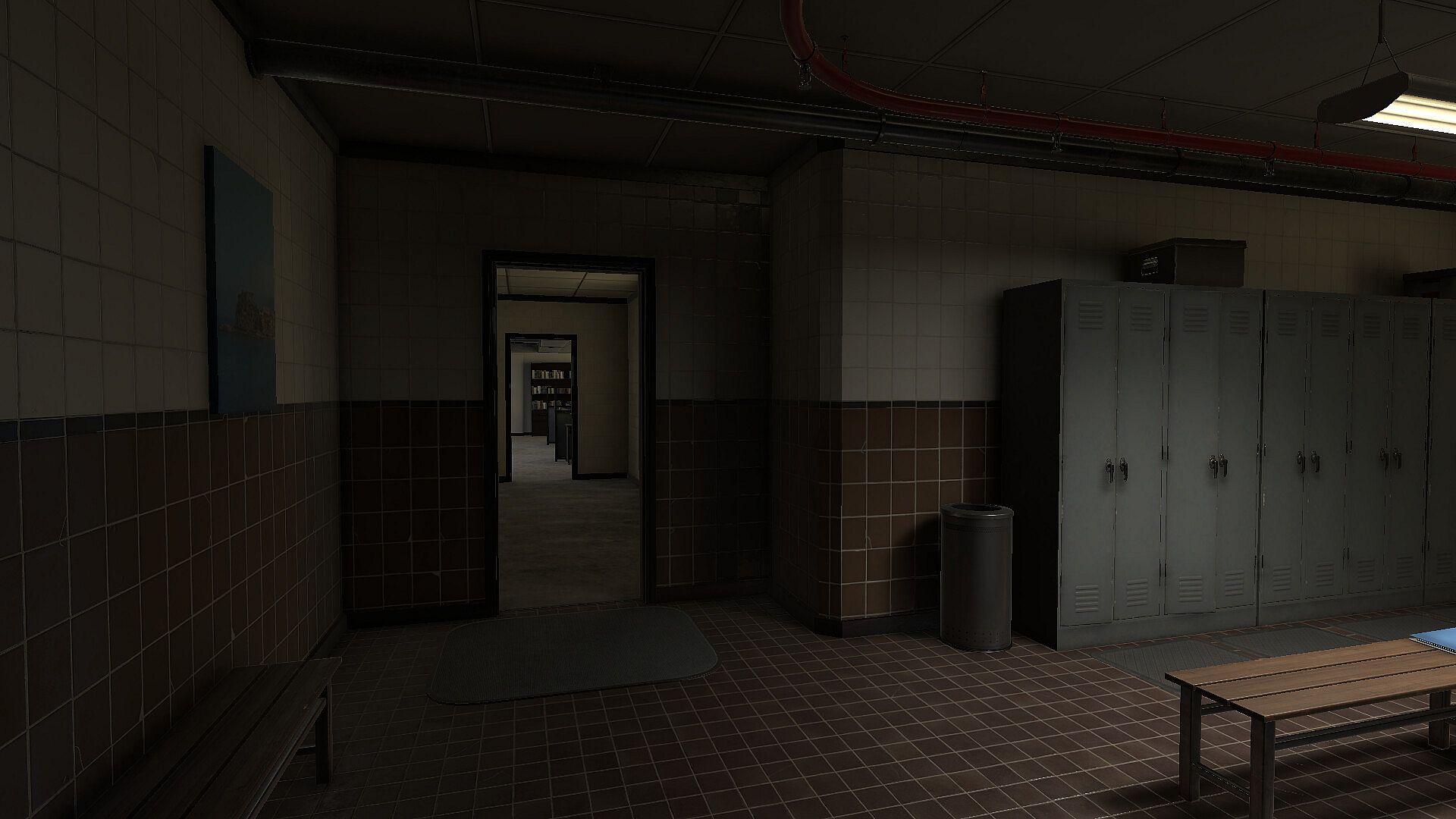
The city of Astoria serves as both backdrop and antagonist. Once ordinary streets now stand silent after the blackout, with signs of sudden abandonment visible in every direction. Inhuman beings patrol the area, forcing players to adapt tactics based on limited visibility and unpredictable threats. The environment itself changes in subtle ways depending on how far the player ventures, revealing layers of the event that triggered the collapse.
Sound design plays a key role in building tension. Footsteps echo differently in open plazas versus tight corridors, and distant noises can signal either opportunity or incoming danger. Visual details in the wreckage provide context for what happened without relying on direct exposition, encouraging players to interpret the scene themselves.
Narrative Structure
The story emerges through collected fragments rather than linear cutscenes. Each piece of information found in the environment adds context to the creatures and the larger secret buried under the city. The narrative branches according to how thoroughly the player investigates, with deeper exploration unlocking alternate paths and conclusions. This approach rewards thorough scavenging and careful observation over rushed progress.
Is It Worth Playing?
Astoria appeals to players who enjoy first-person survival experiences combined with investigative elements in an RPG framework. The emphasis on scarce resources and meaningful choices creates a tense atmosphere that suits those comfortable with deliberate pacing and risk assessment. Because the game remains in development with a planned release date still to be announced, interested players can follow its progress through official channels to stay informed about updates. Those drawn to atmospheric single-player adventures with branching story potential will find the described mechanics align closely with that preference. The absence of multiplayer keeps the focus narrow and personal, which may appeal to fans of introspective exploration titles. Overall, the combination of combat, scavenging, and layered narrative makes it a project worth monitoring for release.