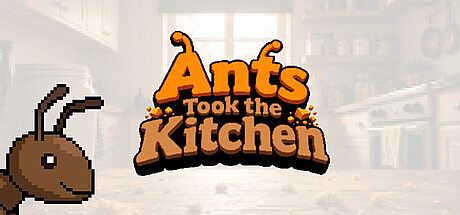


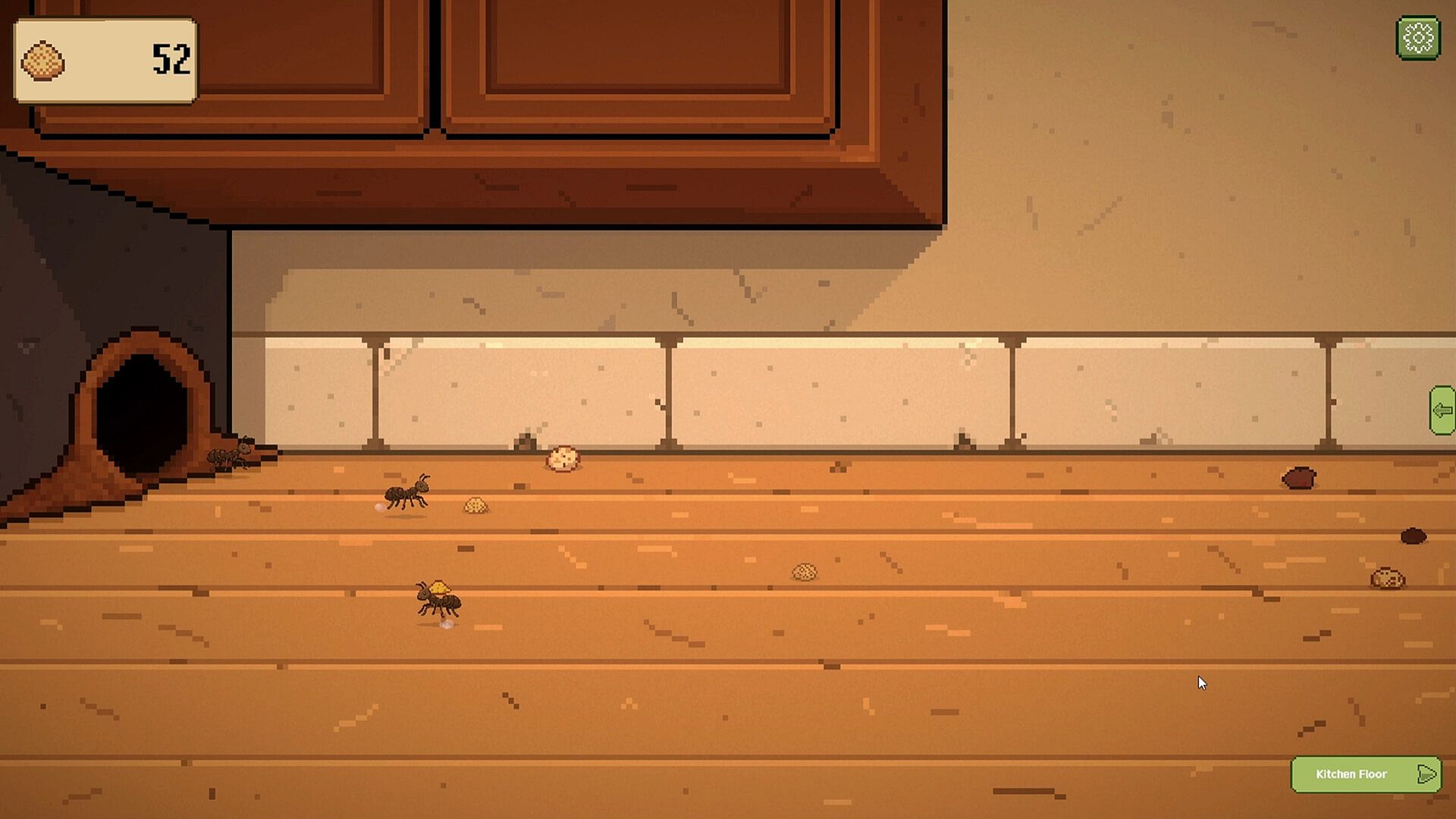
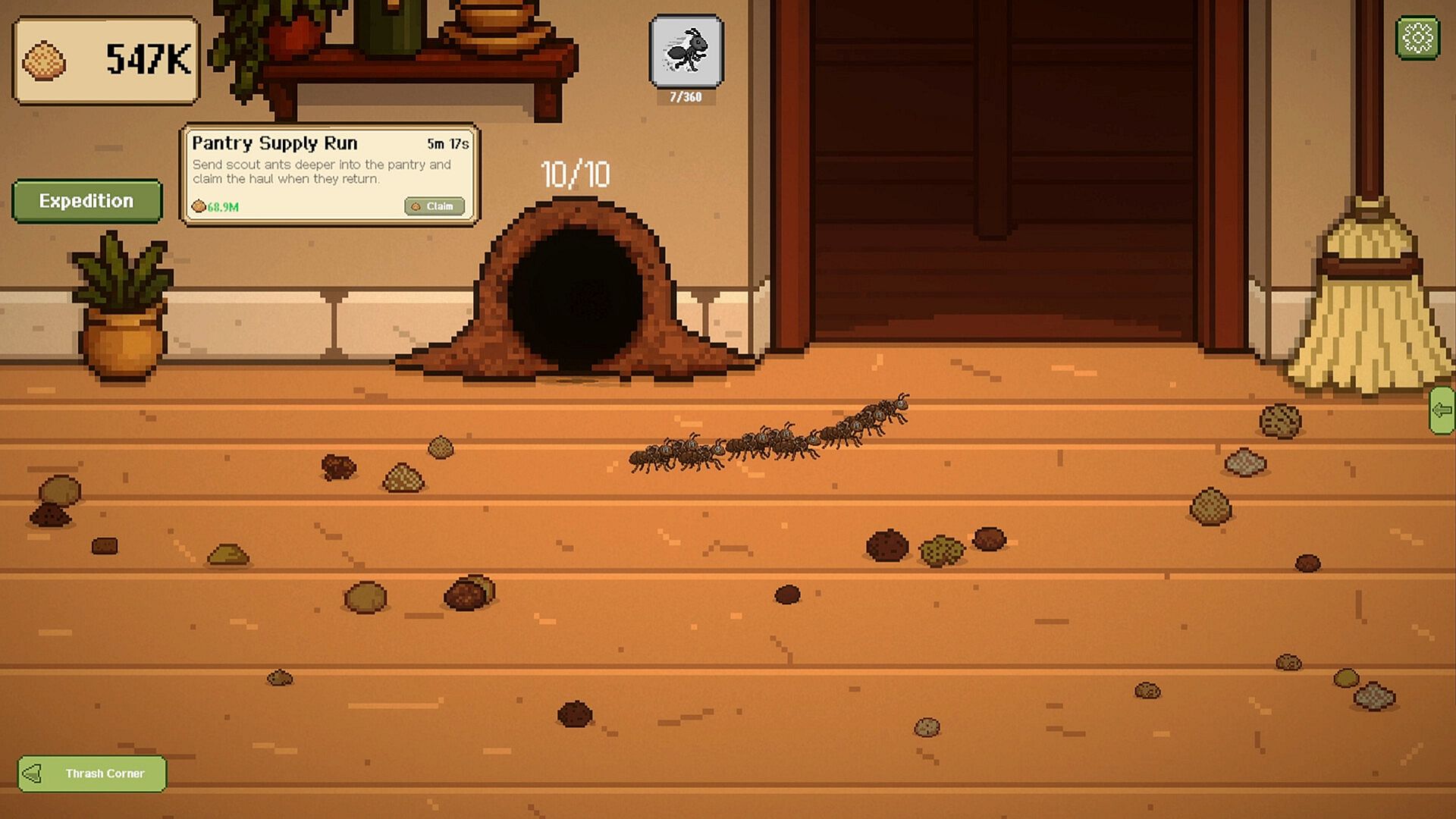
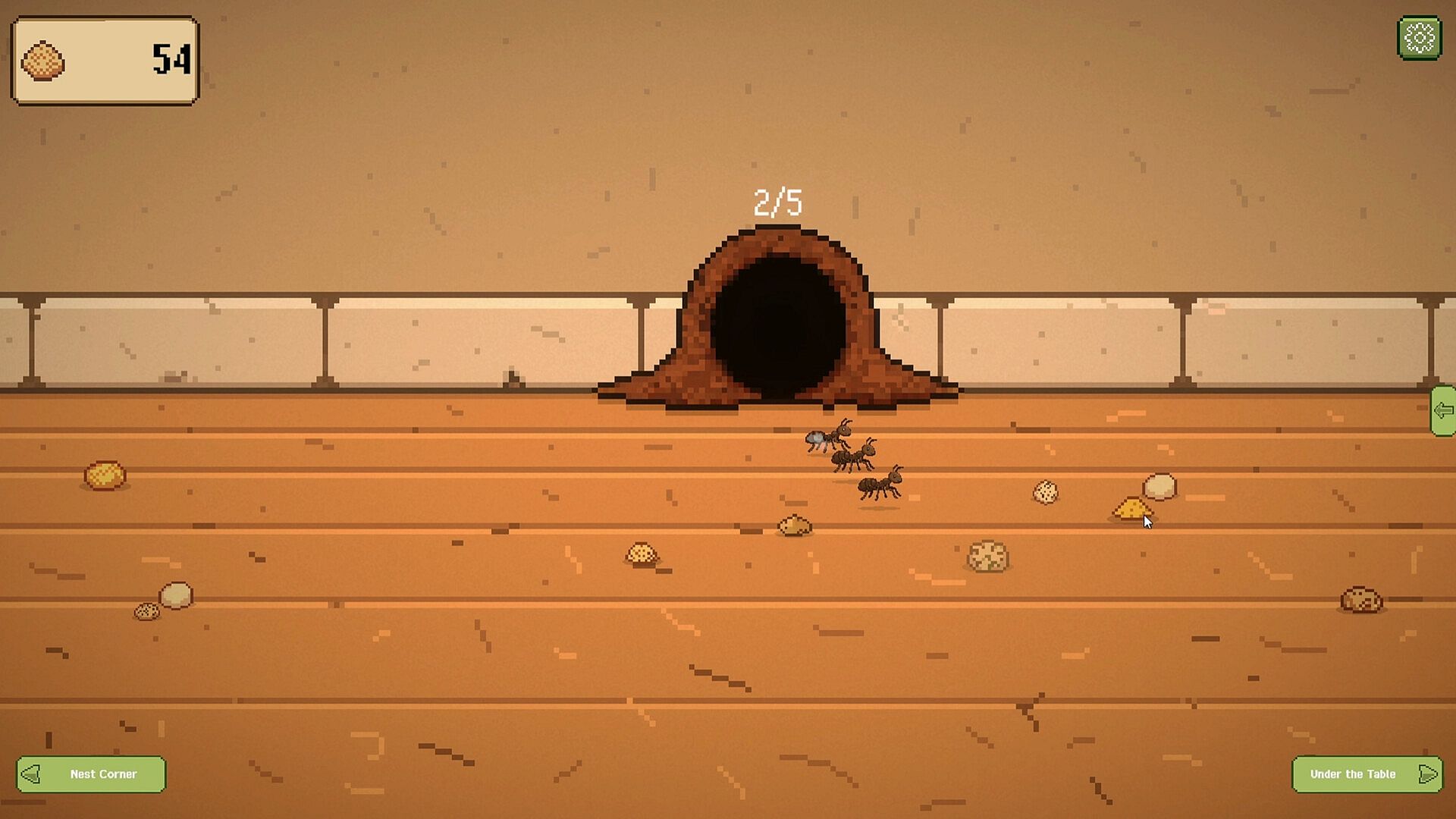
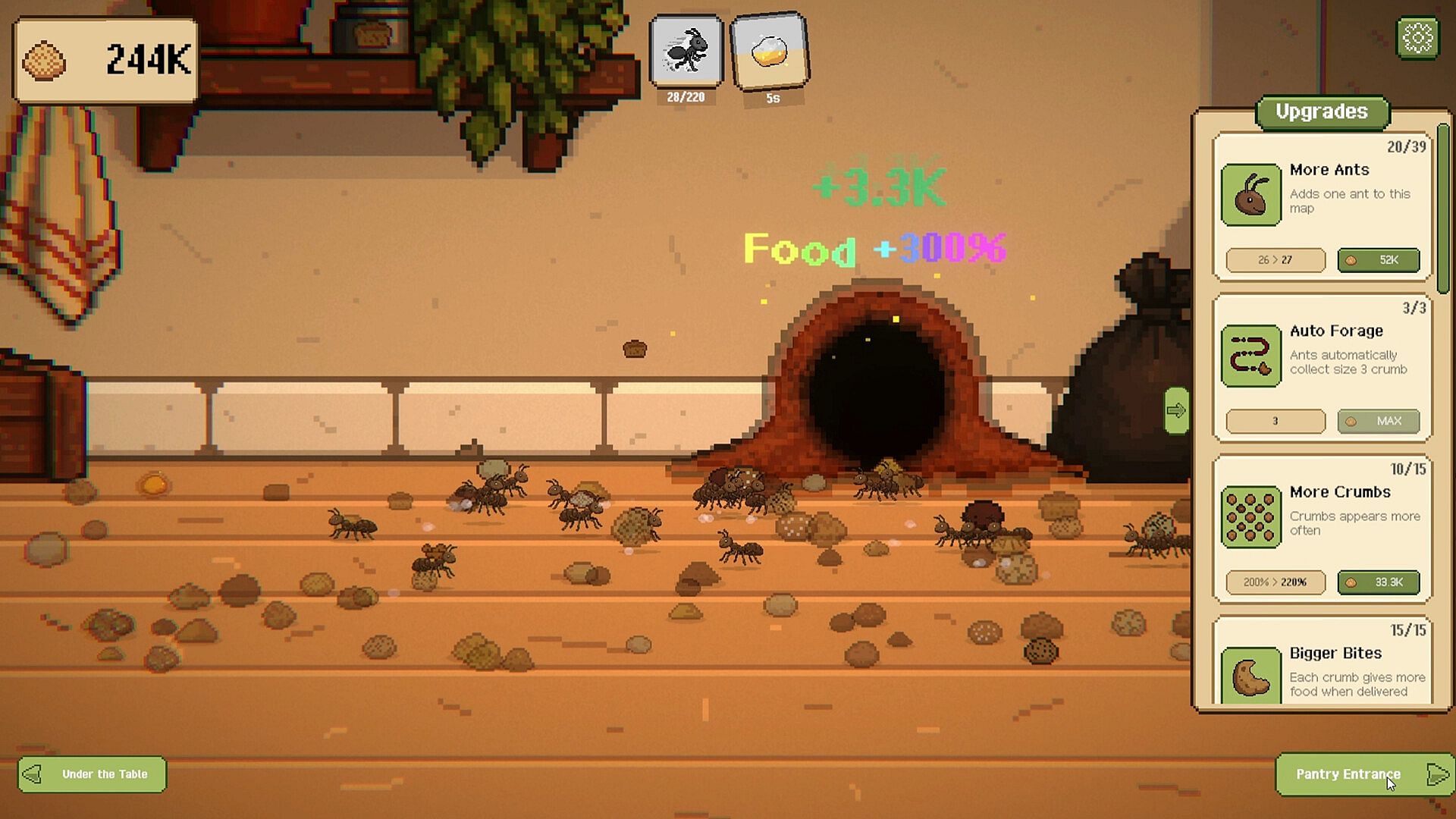
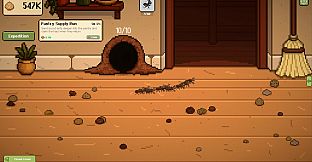
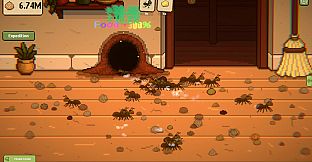
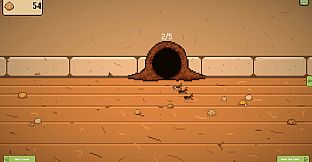
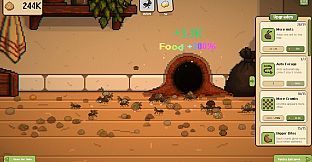
Ants Took the Kitchen is a cozy incremental idle game developed for PC that puts players in charge of a growing ant colony as it claims territory inside a kitchen. The experience centers on steady expansion through food collection and colony upgrades rather than action or conflict. Players begin with a small group of ants and gradually build a larger swarm by gathering crumbs and other food items scattered across different kitchen zones.
Gameplay
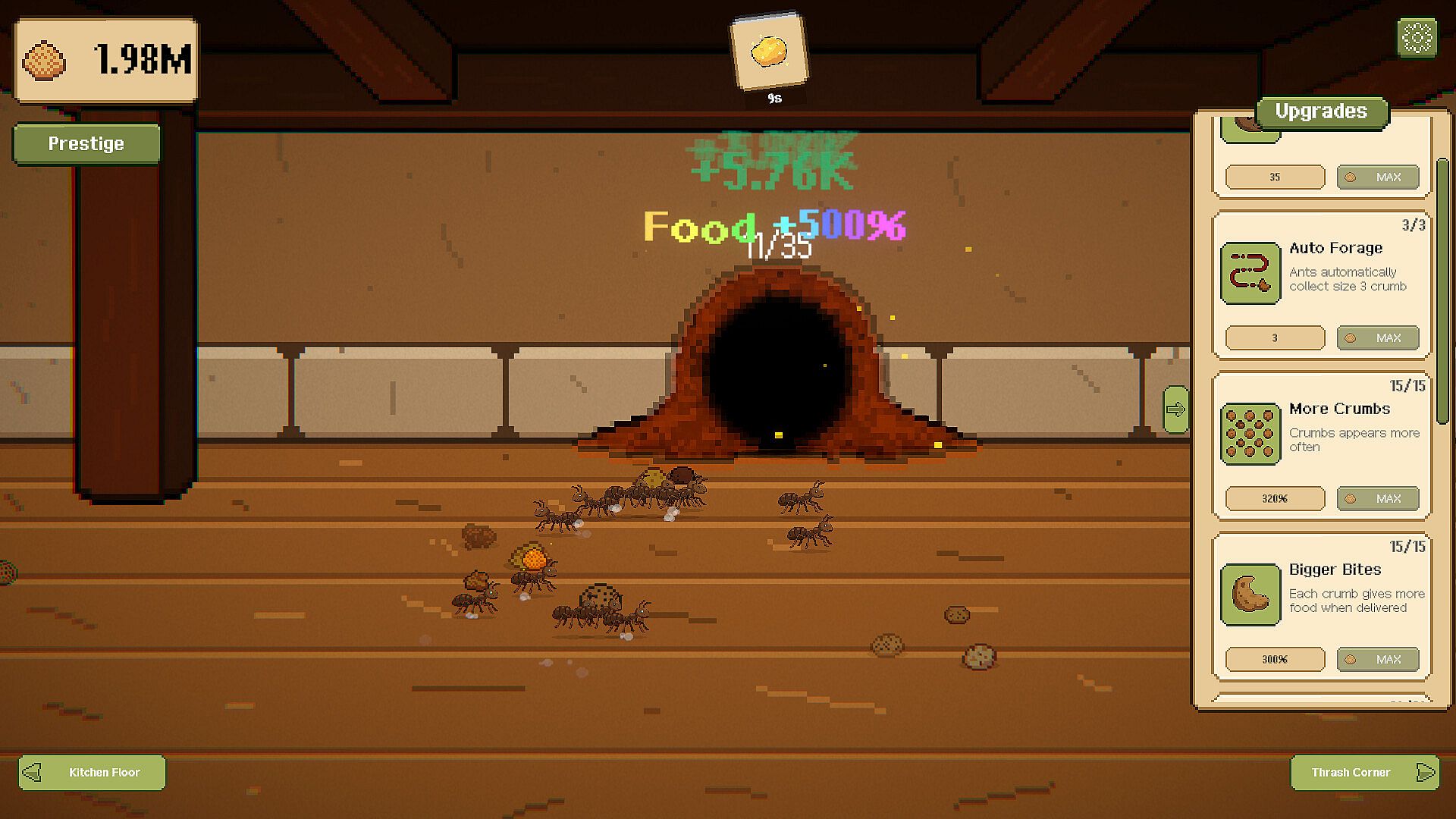
The core loop revolves around foraging and automation. Ants start by picking up small crumbs, and the food they bring back fuels further growth. Each kitchen area provides distinct upgrade paths that increase food yield, ant numbers, and overall efficiency. Upgrades focus on making collection faster and more reliable over time, allowing the colony to handle larger pieces of food as strength improves.
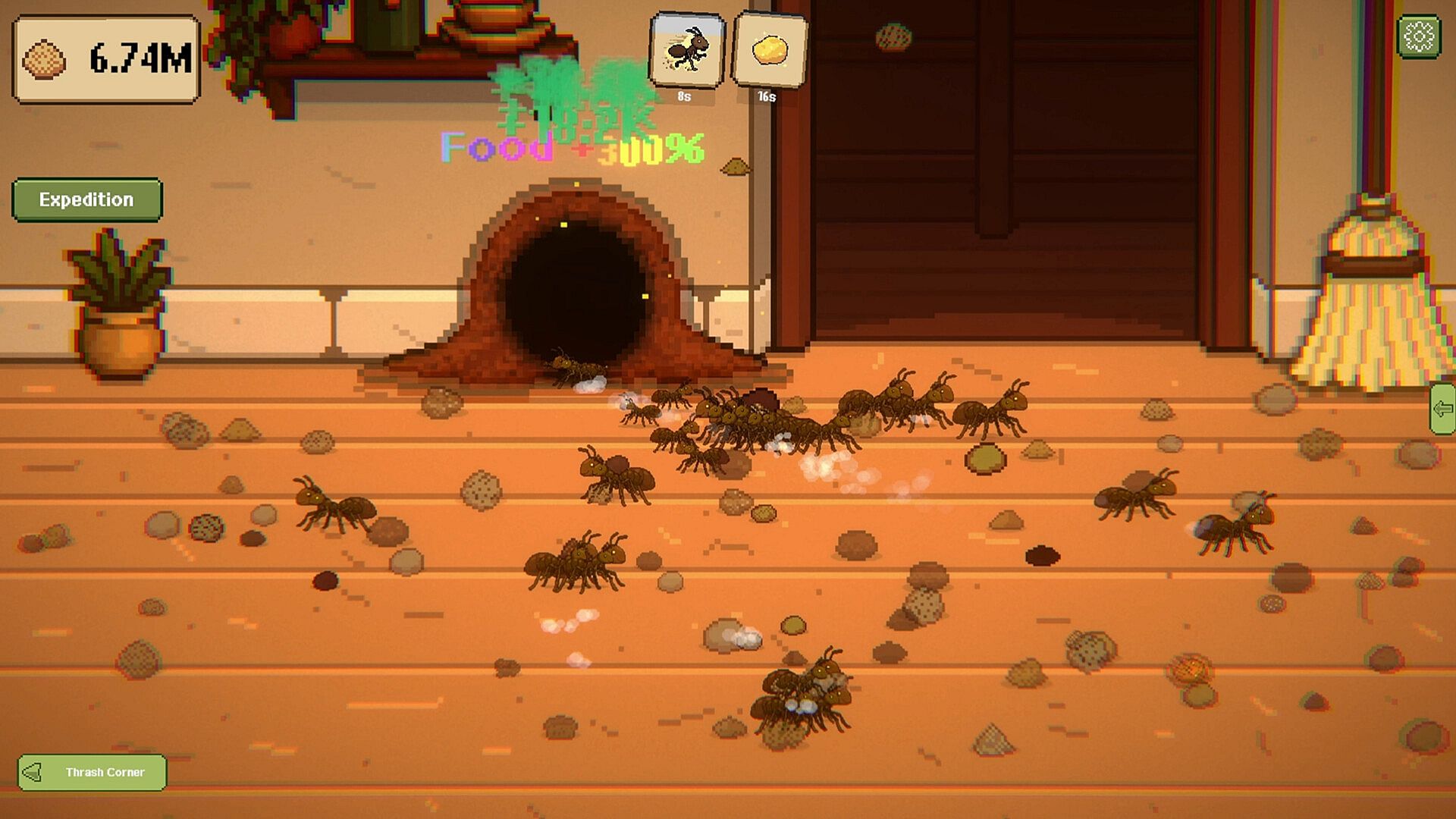
Progression feels relaxed because the game emphasizes passive gains once systems are set up. Food collection can be automated through upgrades, which means the swarm continues to expand even when the player steps away. Special crumbs appear occasionally and deliver temporary boosts that speed up the process without requiring constant attention. The pixel art style uses warm tones to create a welcoming kitchen setting that matches the low-pressure pace.
Mechanics stay simple and focused. There is no combat system, no crafting of items, and no complex resource management beyond choosing which upgrades to prioritize. The emphasis stays on watching the colony scale up naturally as new areas unlock and efficiency improves.
Game Modes
Ants Took the Kitchen offers a single continuous experience built around incremental growth. There are no separate competitive or story-driven modes to switch between. The entire game functions as one cohesive idle loop where players manage upgrades across kitchen areas while the colony operates on its own after initial setup.
Progress carries forward through the same systems, with new areas and upgrades becoming available as the swarm expands. This structure keeps the focus on steady, satisfying advancement without branching paths or alternate rulesets.
Key Features and Progression
Colony growth starts small and scales through repeated food collection cycles. Players buy upgrades tied to specific kitchen zones, each one unlocking better returns and more ants. Automation features reduce the need for manual clicks once enough upgrades are purchased, turning the game into a true idle title.
Unique effects from special crumbs add variety to the routine without complicating the core systems. Buffs such as Golden Crumb and Nest Fever provide short-term advantages that encourage checking in periodically. New kitchen areas introduce fresh upgrade options and larger food sources, keeping the expansion feeling fresh as the swarm grows.
The absence of heavy management lets players enjoy the visual feedback of an active colony running independently. Simple controls and clear upgrade trees make it easy to understand what each purchase does and how it contributes to long-term efficiency.
Who the Game Appeals To
This title suits players who enjoy incremental games and idle mechanics in a lighthearted setting. The cozy atmosphere and lack of pressure make it suitable for short sessions or background play. Those looking for strategy with combat or deep crafting systems may find the scope limited, while fans of relaxed progression will appreciate the steady colony expansion.
The game runs on PC and supports the incremental loop described in its design. Warm colors and cute pixel art contribute to an inviting presentation that aligns with the casual genre.
Is It Worth Playing?
Ants Took the Kitchen delivers exactly what its description promises: a straightforward incremental idle experience centered on ant colony growth inside a kitchen. Players who like watching numbers rise and systems automate will find the loop satisfying and low-stress. The verified features, including area-based upgrades, food collection automation, and special crumb effects, provide enough variety to maintain interest without overwhelming complexity.
Because the game avoids combat, crafting, and intensive management, it appeals to a specific audience seeking calm progression. Those who prefer more active gameplay or multiple distinct modes may want to try the available demo first to confirm the pace matches their preferences. The current version focuses on the core systems outlined, with updates addressing player feedback on the browser build.
Overall, the game offers a clean, focused take on the genre that rewards consistent play through passive gains and visual colony growth. It stands as a solid choice for anyone drawn to cozy idle titles on PC.