


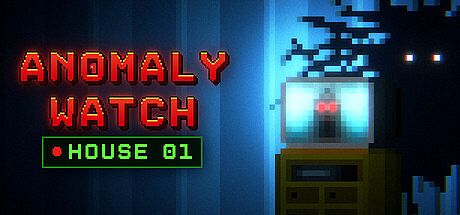








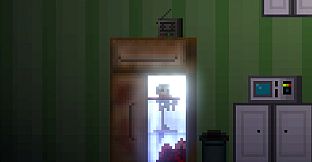
Anomaly Watch: House 01 is a pixel horror simulation game in which players monitor security cameras inside an ordinary house during a night shift. The experience centers on spotting subtle changes across five fixed camera feeds while managing limited tools and reporting anomalies before they accumulate. Available as a free-to-play title on PC, the game emphasizes careful observation, quick decision making, and resource management in a singleplayer setting.
Gameplay
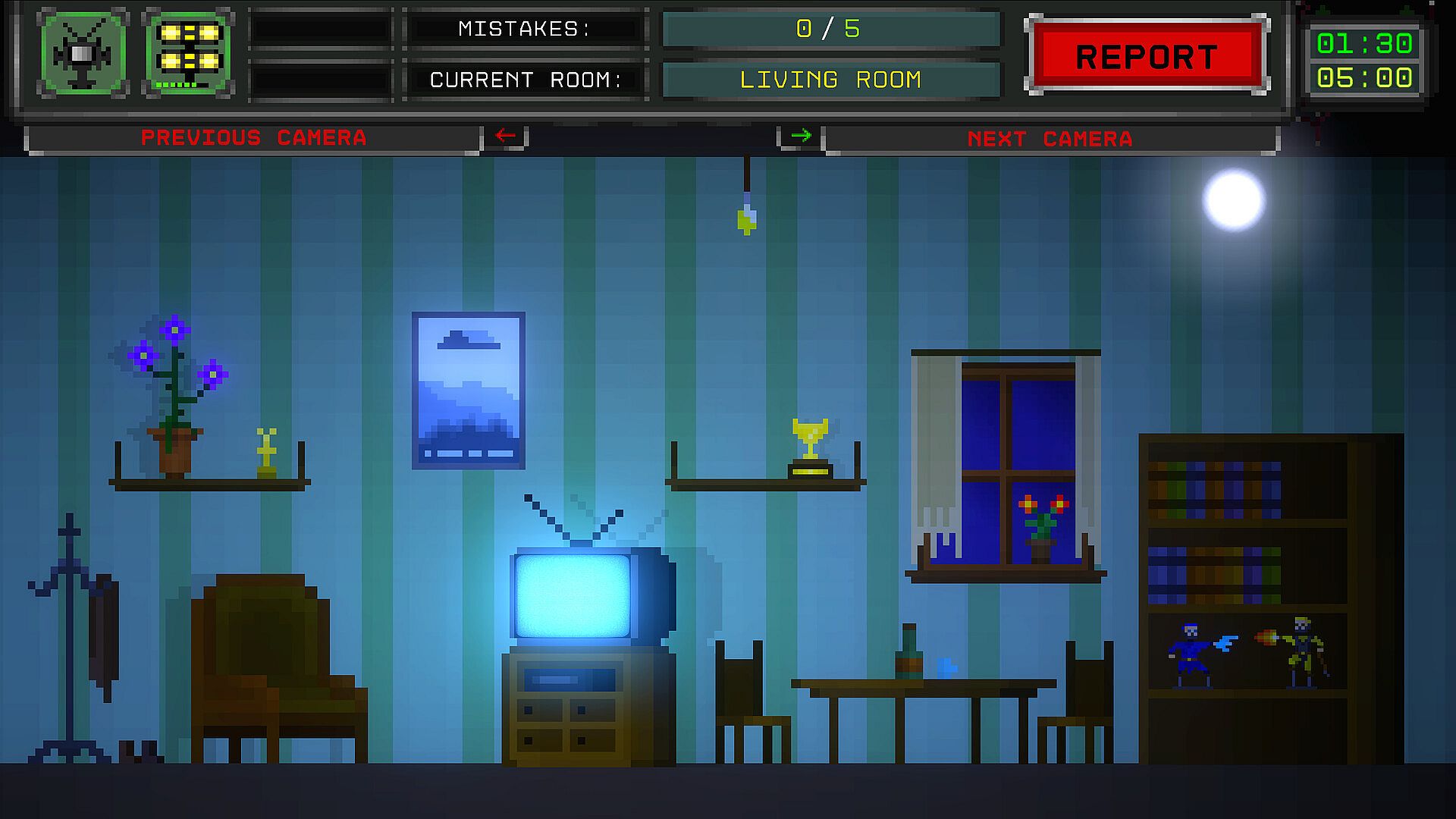
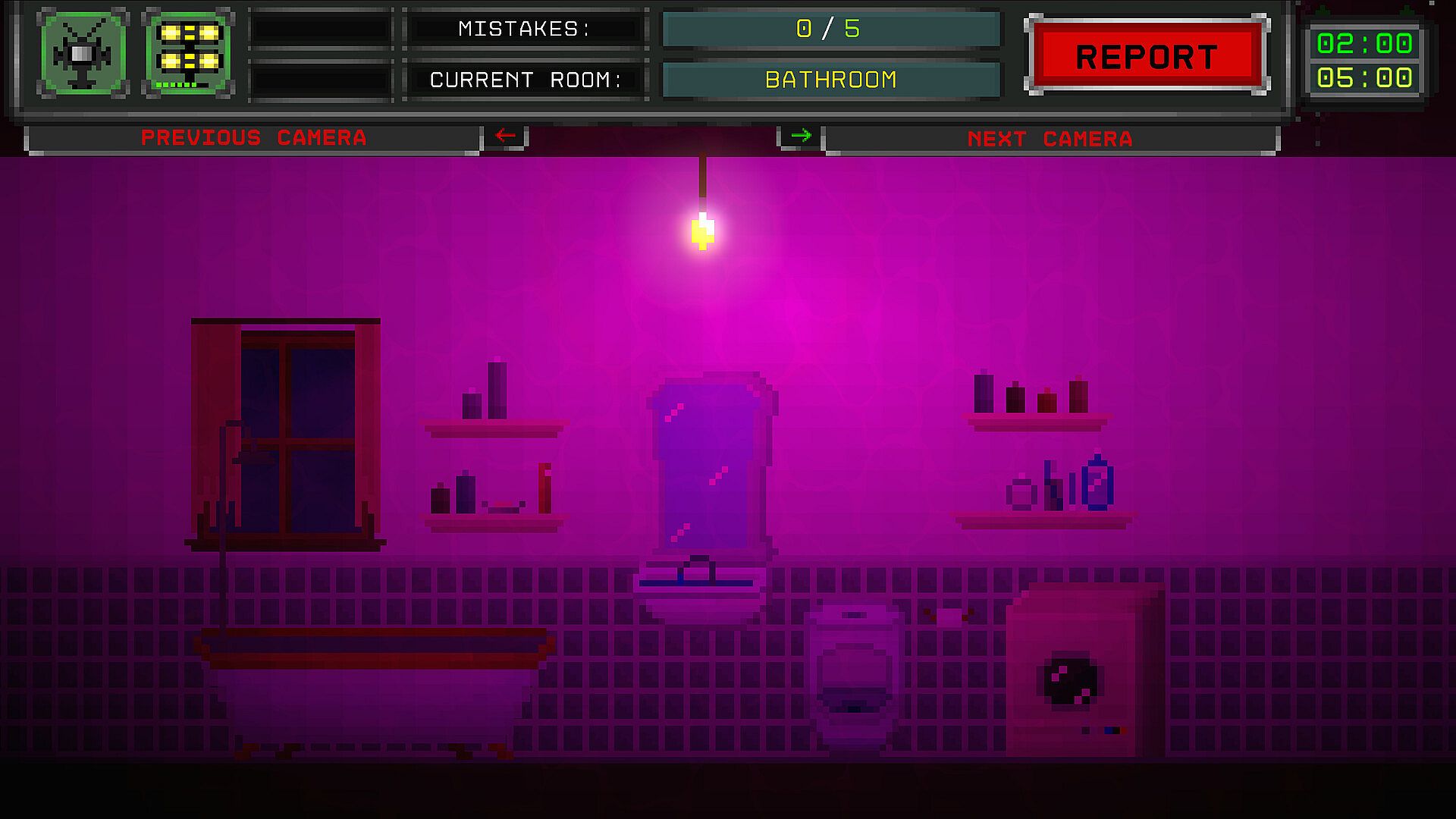
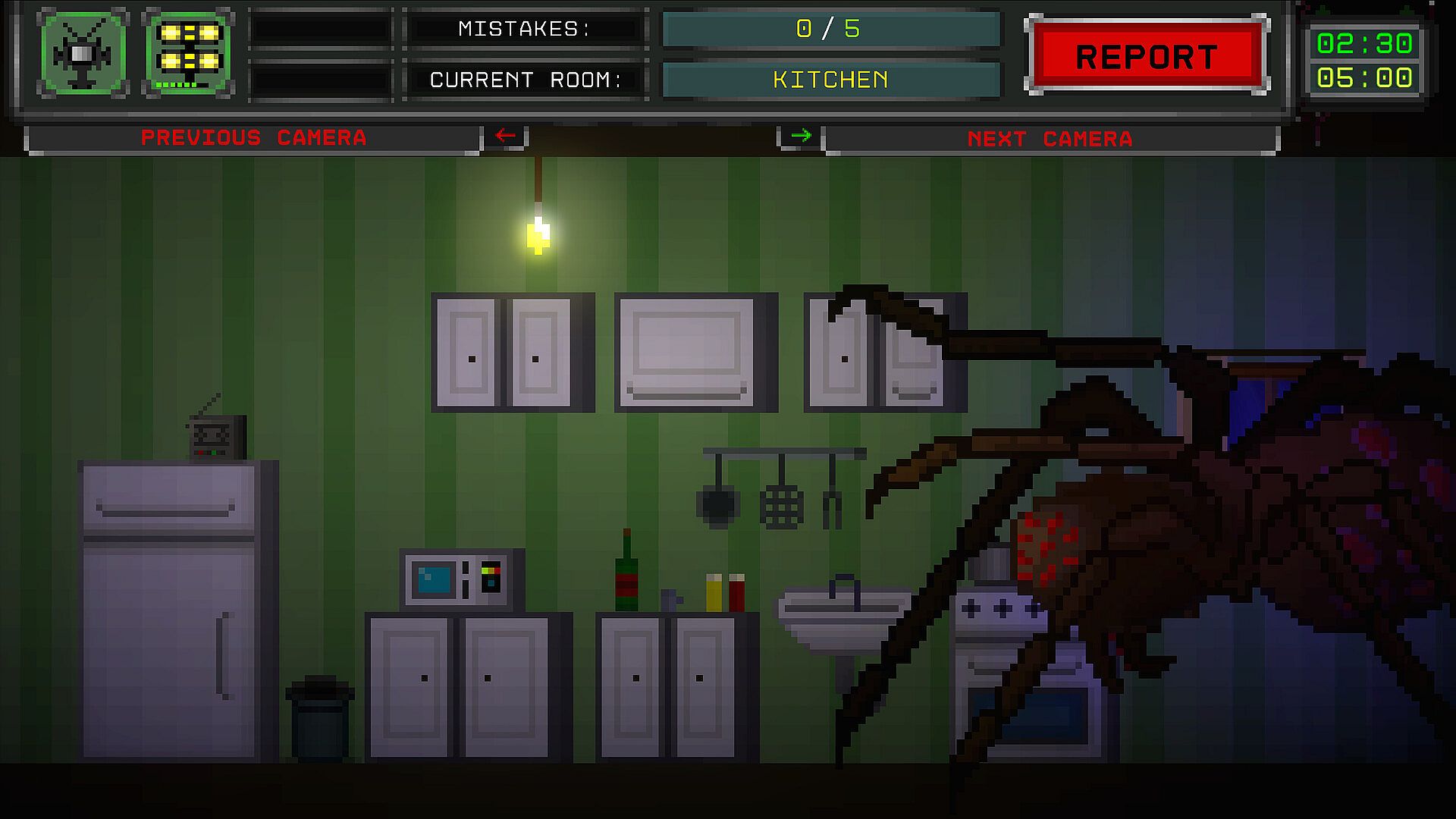
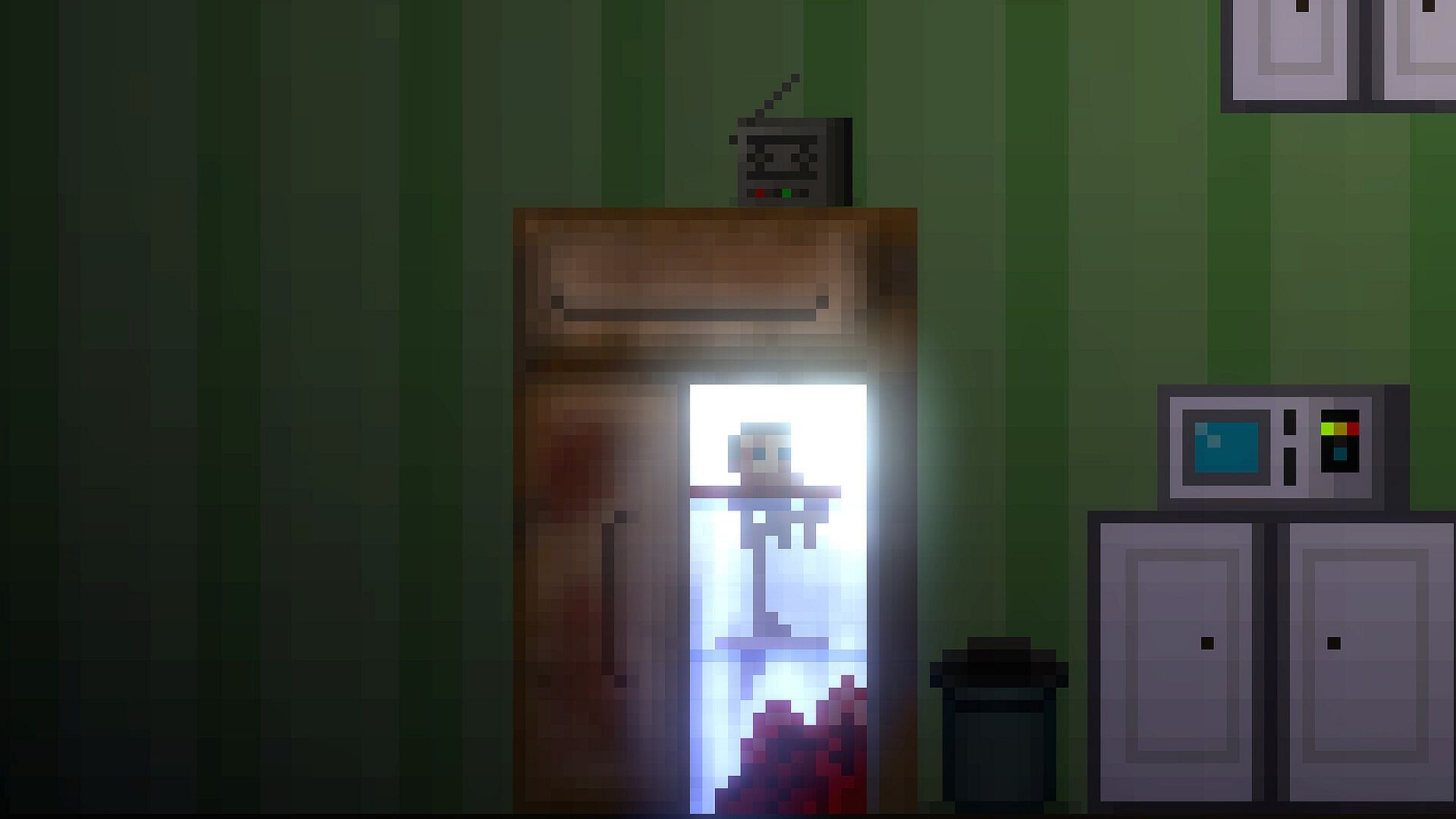
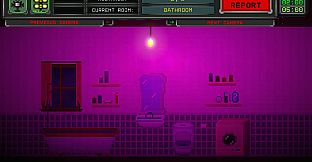
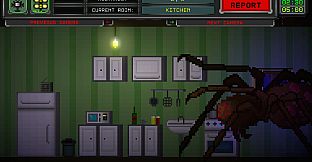
Players begin each shift at 10 PM and must survive until 5 AM by cycling through cameras positioned in the Bedroom, Living room, Bathroom, Kitchen, and Basement. The core loop involves memorizing the normal state of each room and identifying any alterations that appear over time. Changes range from flickering or recolored lights to objects that vanish, relocate, or transform into unrelated items. Sound cues may emanate from empty spaces, and figures that do not belong can appear without warning.
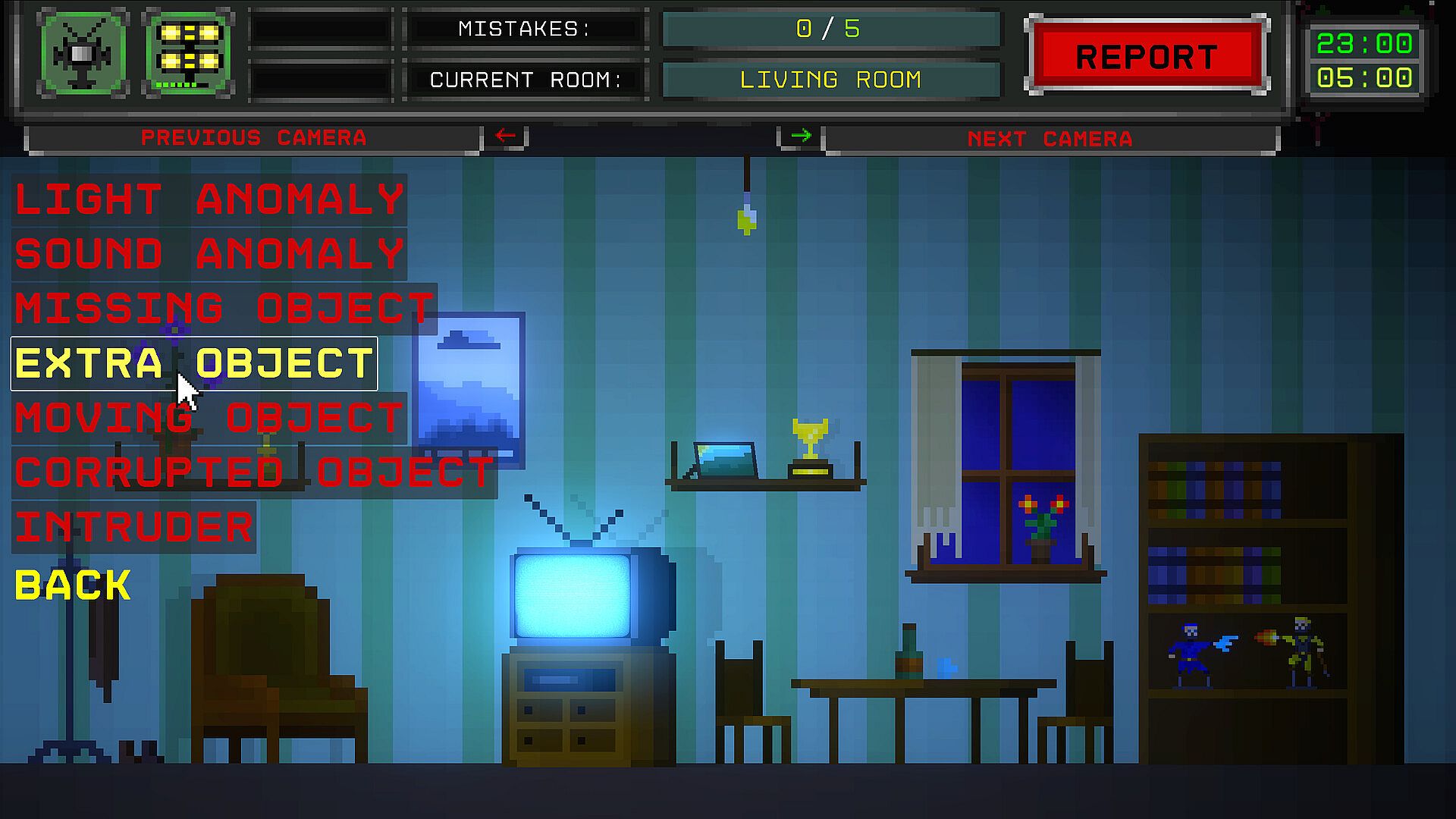
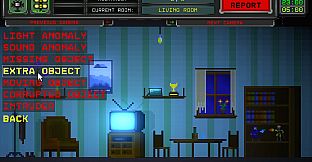
Reporting requires selecting the correct room and anomaly category from a list of seven types: light, sound, missing object, extra object, moving object, corrupted object, and intruder. Accurate reports remove the anomaly; incorrect choices add to a mistake counter. The shift ends if mistakes reach a threshold or if anomalies grow too numerous. A screen warning appears when either limit approaches.
Two tools assist the player. The flashlight illuminates dark areas on the camera feed but drains a finite battery that must last the full shift. The EMF detector scans the viewed room for the current anomaly count after a brief activation period, followed by a recharge delay. Optional visual filters mimic VHS, CRT, security camera, or digital recorder aesthetics, and a dedicated volume slider isolates sound-based anomalies for easier detection.
Game Modes
Four difficulty settings alter the tolerance for errors and the overall pressure. Easy mode grants unlimited mistakes, allowing new players to learn anomaly patterns without immediate failure. Standard difficulties introduce progressive limits on mistakes while increasing the frequency of changes as the night advances. Hell mode removes all margin for error, demanding perfect identification from the first anomaly onward.
A built-in tutorial covers every anomaly category along with flashlight and EMF detector usage. Visual alerts highlight active threats, and the system scales anomaly density naturally across the shift rather than through separate named modes beyond the core difficulty tiers.
Features and House Details
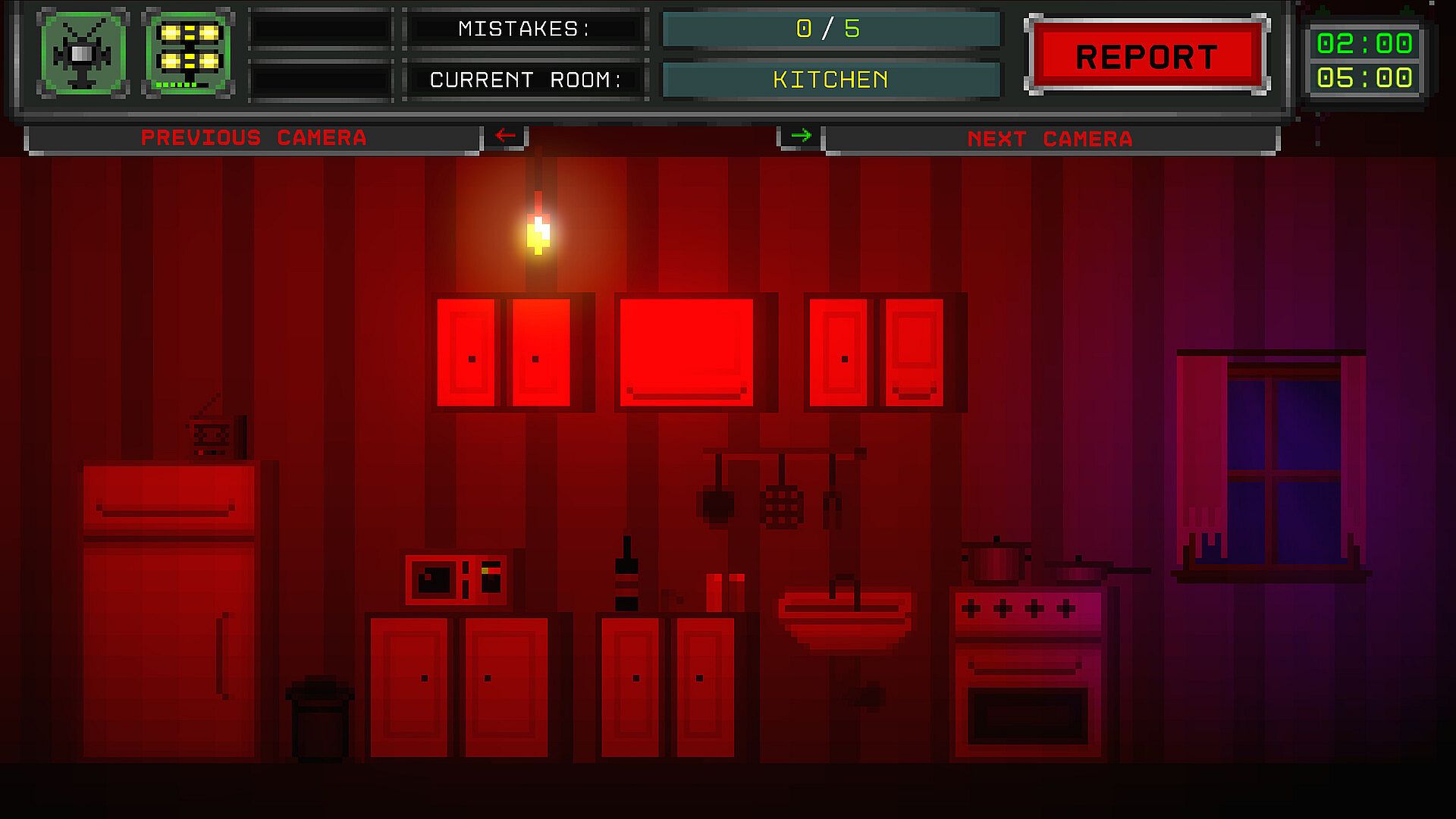
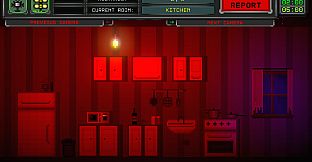
The five cameras provide consistent views of familiar domestic spaces that gradually reveal unsettling variations. Specific examples include the kitchen light shifting to red, a glowing ball of light drifting through the living room, a television displaying a face with red eyes, and a dark creature with glowing eyes manifesting in the bedroom. These elements appear alongside the seven anomaly types to create layered challenges that reward repeated playthroughs.
Additional options include screen filters and audio controls that let players customize the presentation. The limited battery on the flashlight and the recharge cycle on the EMF detector introduce ongoing resource decisions that interact directly with camera switching and reporting speed.
Is It Worth Playing?
Anomaly Watch: House 01 suits players who enjoy deliberate, tension-building observation mechanics in a compact singleplayer format. The pixel art style keeps the focus on subtle visual differences rather than elaborate graphics, while the night-shift structure creates a clear progression from calm setup to mounting pressure. Free-to-play access removes any upfront cost barrier, making it easy to test whether the anomaly-reporting loop matches personal preferences for horror simulation games.
Those who appreciate methodical gameplay with clear success conditions and escalating difficulty will find repeatable value across the four difficulty levels. The tutorial and tool set provide accessible entry points, and the fixed camera system rewards pattern recognition without requiring exploration or combat skills. Players seeking fast-paced action or multiplayer elements may prefer other titles, but the game delivers a focused experience centered on vigilance and precise reporting within its described systems.












