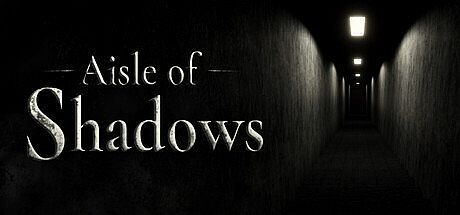


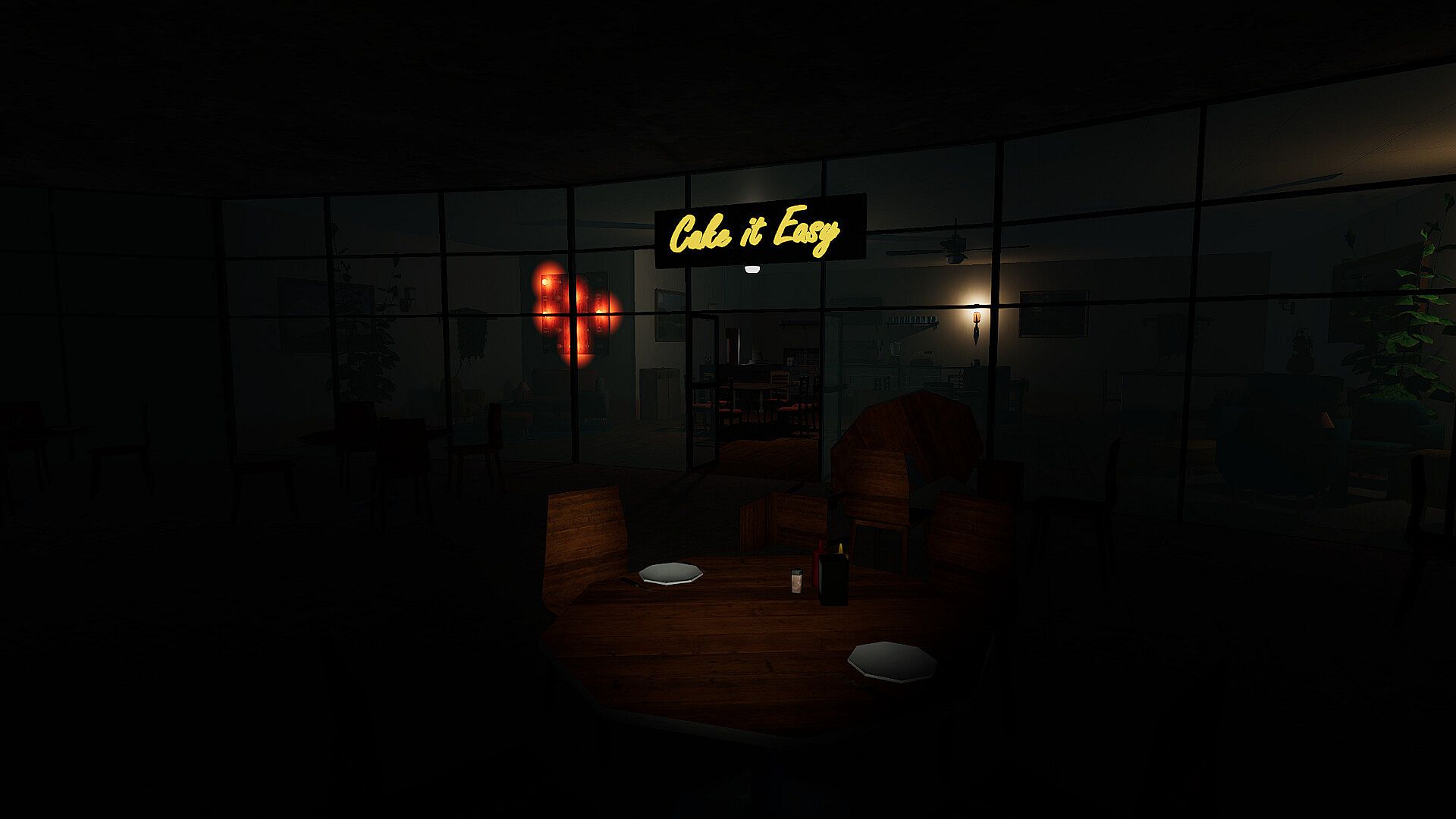
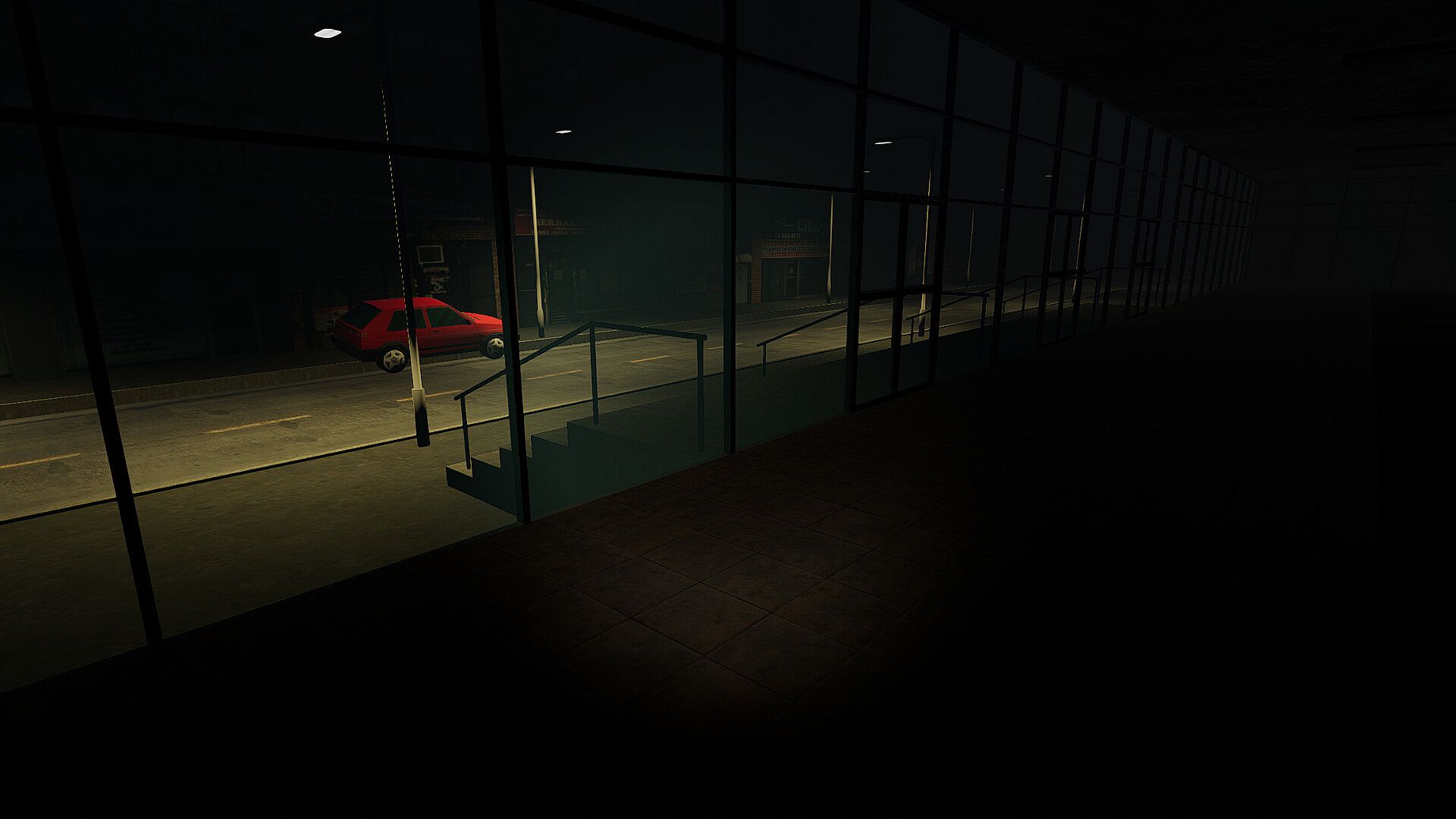
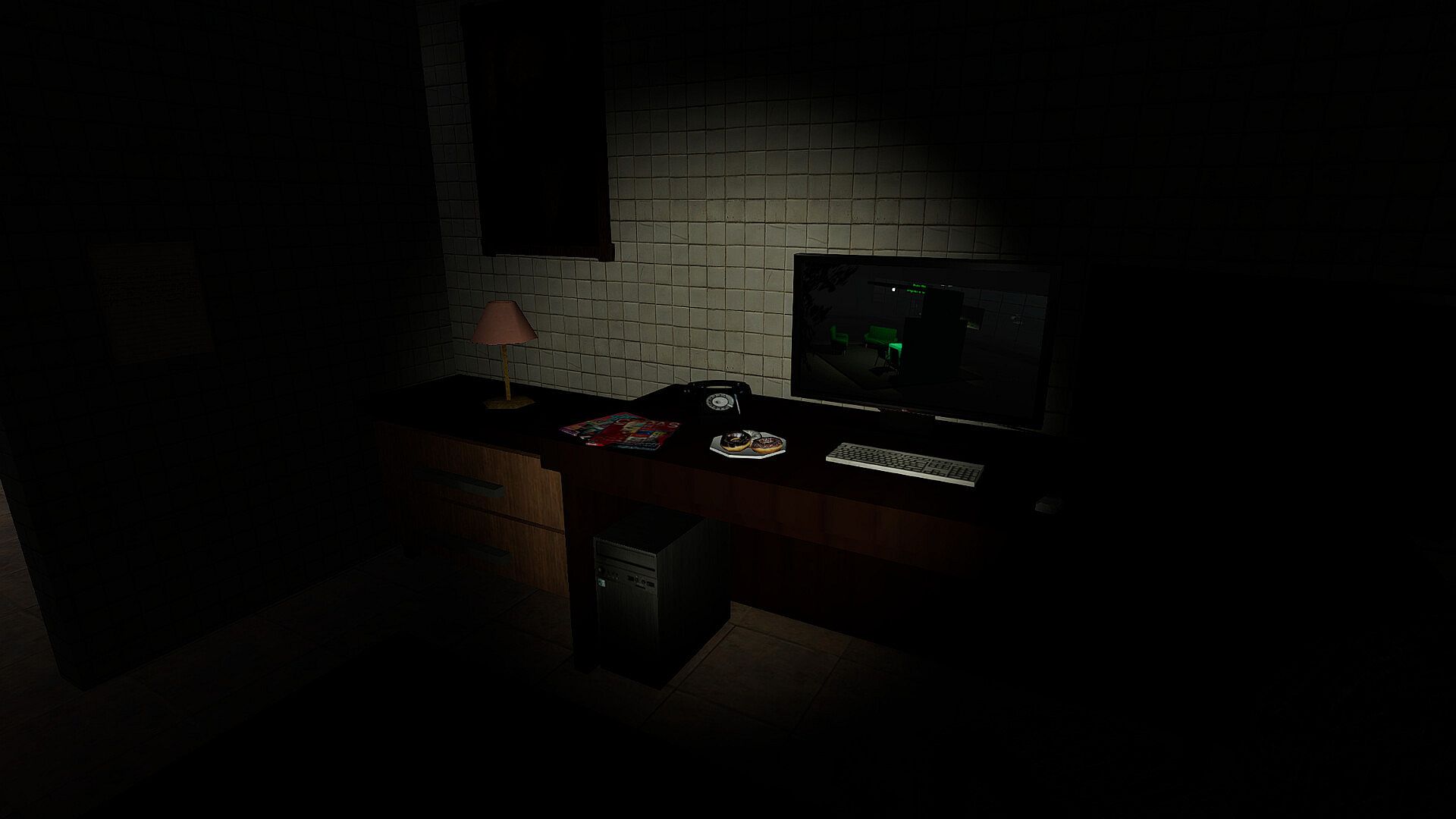
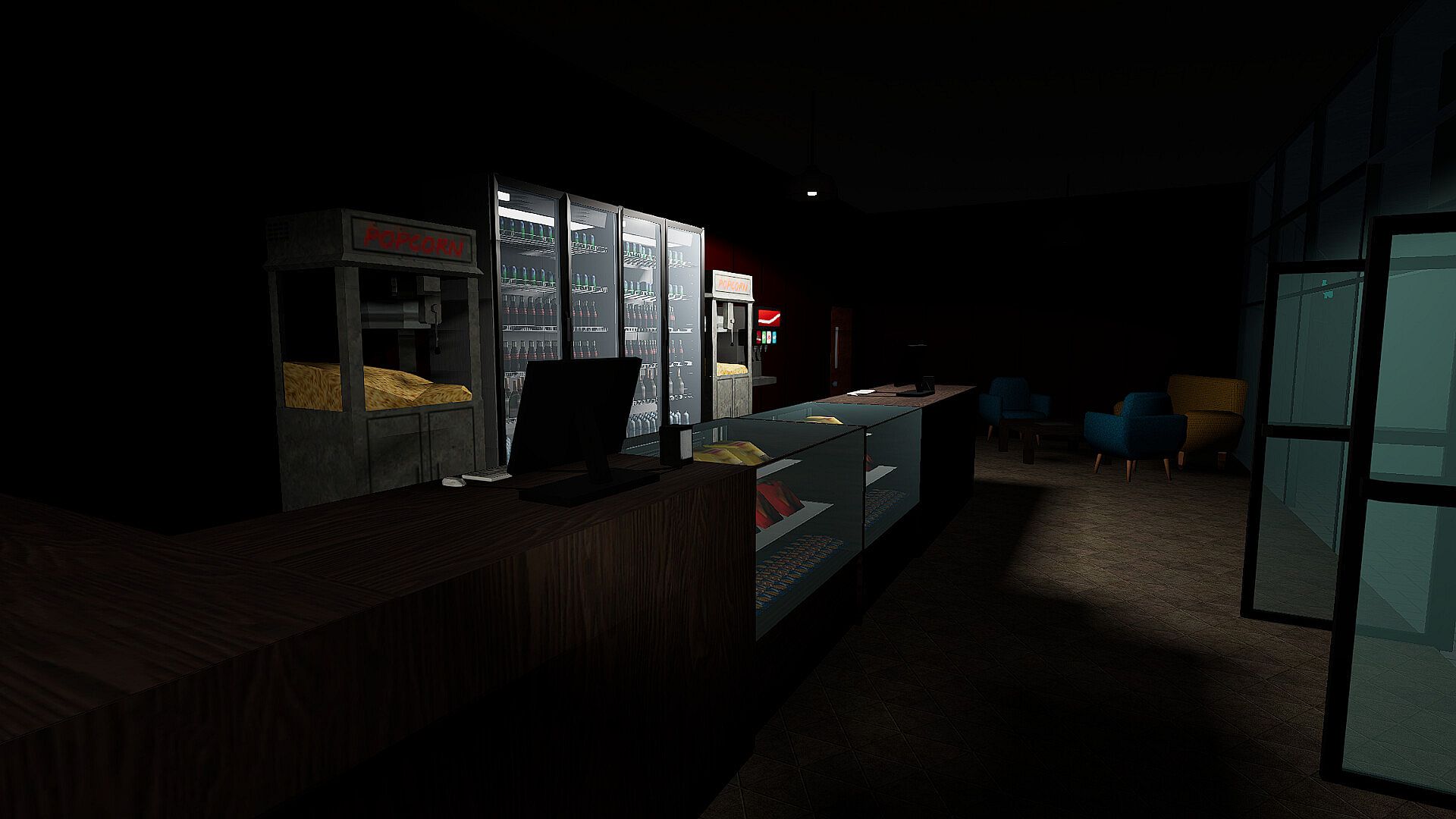
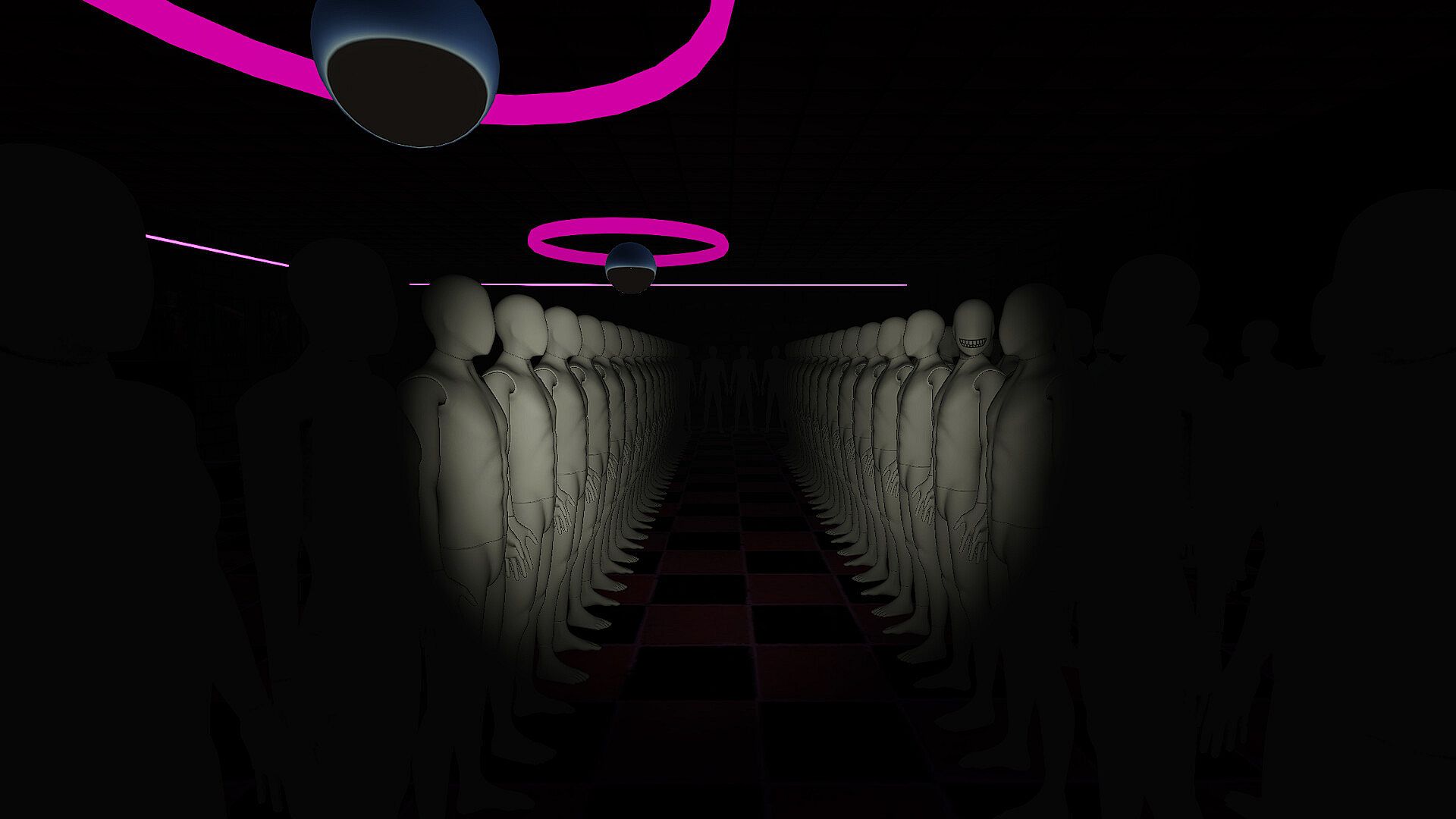
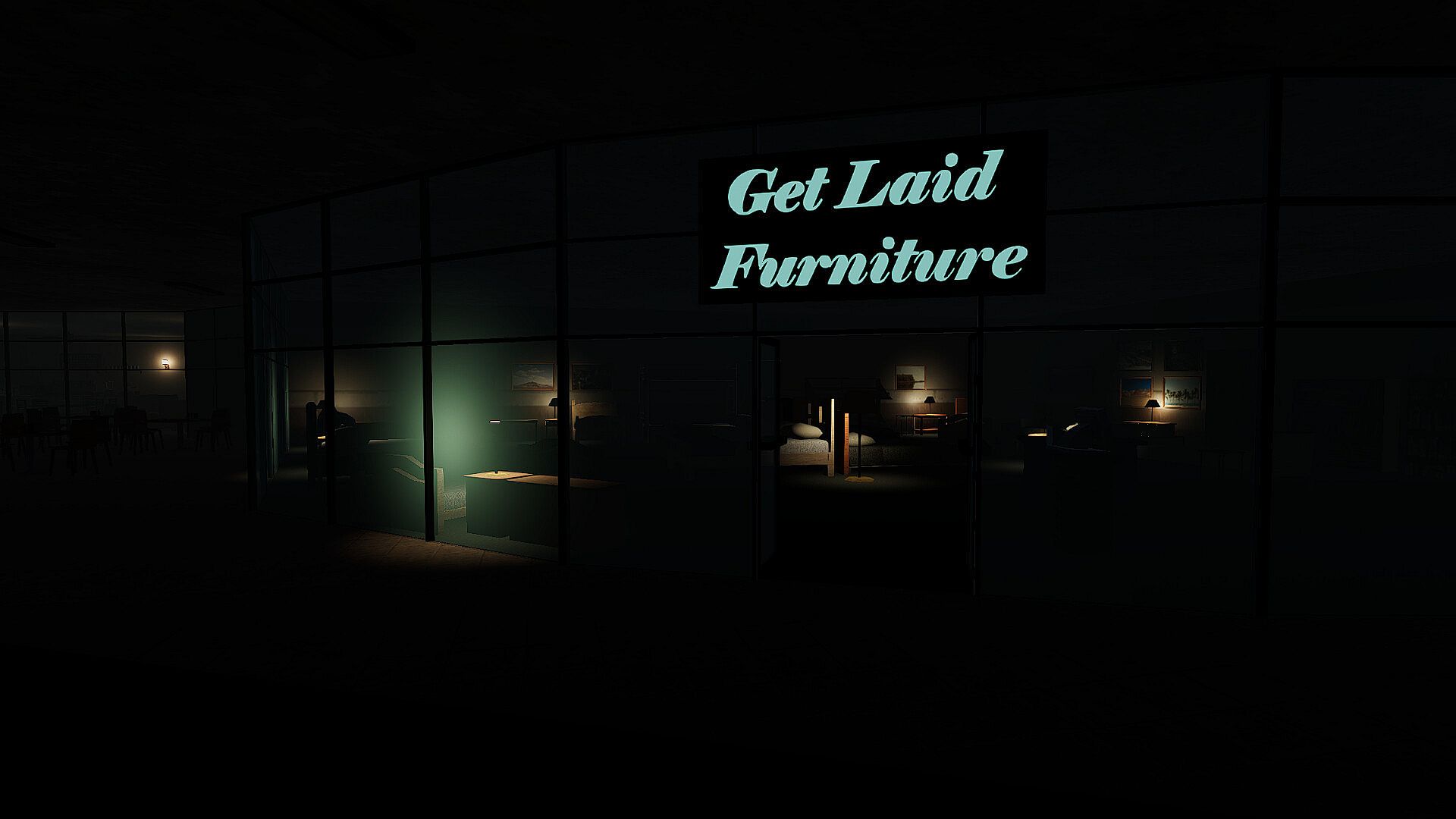
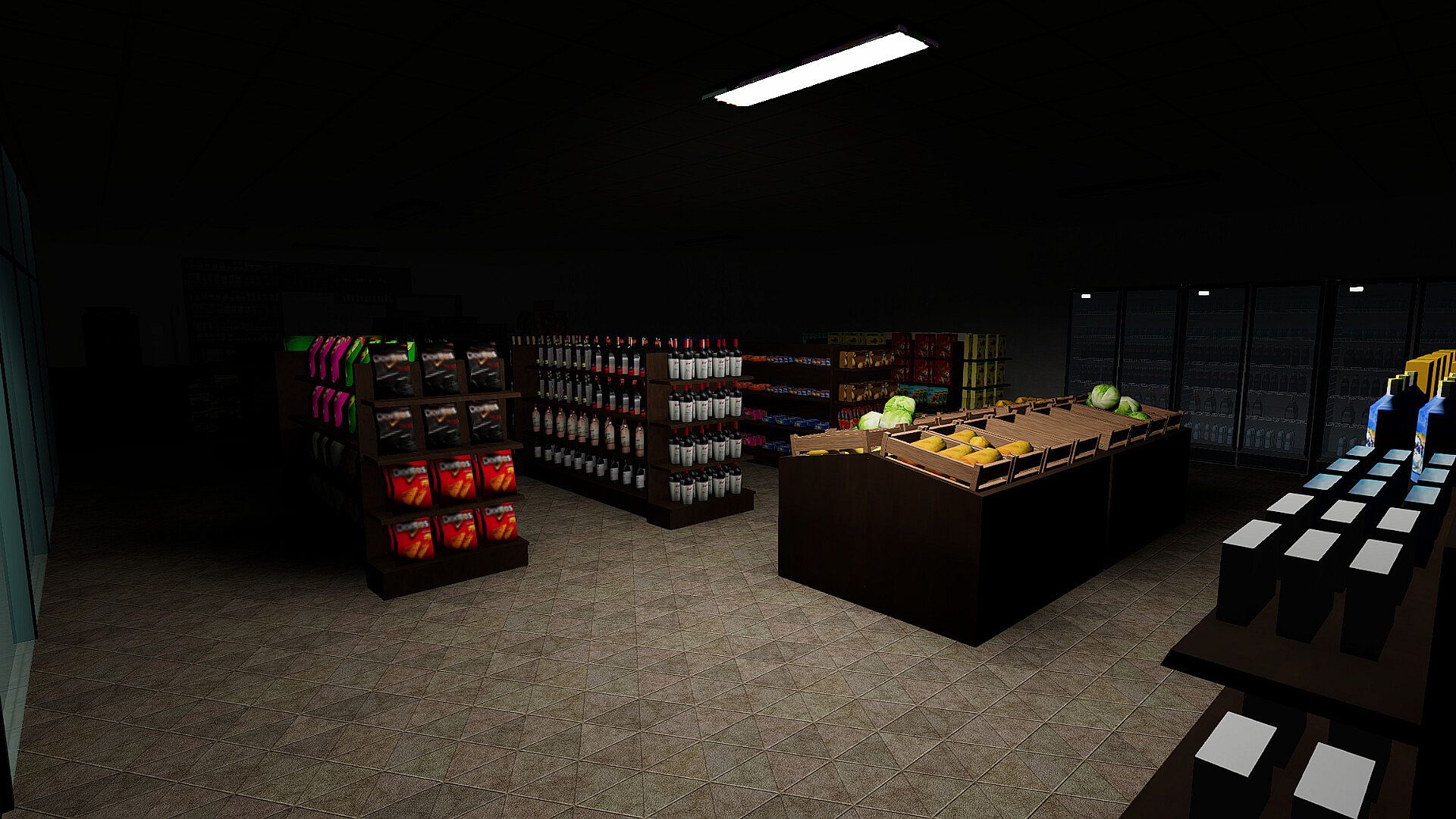
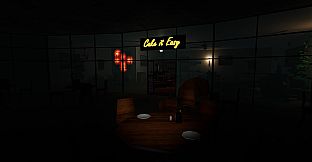
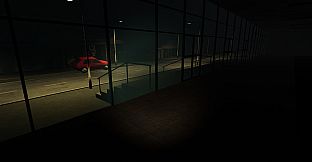
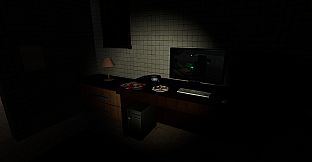
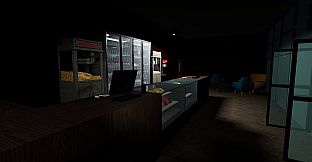
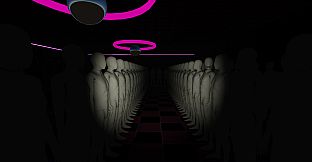

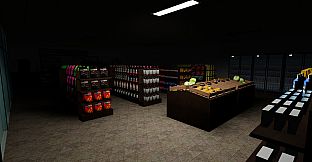
Aisle of Shadows is a first-person psychological horror adventure game developed by a small independent team. Set within an eerily familiar shopping mall, the experience centers on exploration and discovery rather than action or confrontation. Players navigate empty corridors and abandoned stores where subtle shifts in the environment signal that something has gone awry with memory and reality itself.
Gameplay
The core loop involves walking through a maze-like structure of storefronts and hallways that gradually reveal their distorted nature. Environmental details serve as the primary storytelling device, presenting fragments of forgotten narratives without explicit dialogue or cutscenes. Dynamic changes to the surroundings occur as progress is made, altering paths and appearances in ways that emphasize uncertainty over direct threats.
Atmospheric sound design plays a central role, using layered audio cues to build tension through silence and distant echoes rather than sudden loud effects. The absence of combat mechanics keeps the focus on observation and movement, encouraging careful examination of spaces that feel both ordinary and increasingly impossible. The entire experience is designed to last between one and two hours, delivering a concentrated session that prioritizes atmosphere and psychological unease.
Game Modes
Aisle of Shadows offers a single-player experience with no multiplayer components or separate modes. The structure remains linear in its progression while allowing for free exploration within the mall's shifting layout. All gameplay revolves around the same core loop of investigation and navigation, with no branching campaigns or competitive elements confirmed at this stage.
Story and Setting
The narrative unfolds through the environment itself, beginning with what seems like a routine visit that quickly exposes layers of distorted memories. The shopping mall serves as the sole location, transformed from a once-familiar public space into one filled with impossible architecture and lingering presences. Players piece together events by observing changes in the surroundings and collecting visual clues scattered across the empty aisles and back rooms.
Inspiration from liminal spaces shapes the visual and thematic approach, presenting familiar retail elements in ways that feel off-kilter without relying on overt horror tropes. The short format ensures the story stays focused, avoiding unnecessary padding while still leaving room for personal interpretation of the events encountered.
Is It Worth Playing?
This title suits players who prefer slow-burn psychological horror built on atmosphere and environmental storytelling over jump scares or combat. Its concise length makes it accessible for those seeking a focused session rather than a lengthy campaign. The demo currently available provides a direct sample of the mechanics and tone, allowing potential players to assess whether the subtle tension and surreal exploration align with their preferences before the full release.
Reception among those who have tried the demo highlights the effective use of sound and spatial design to create unease without traditional scares. As an independent first project, it appeals most to fans of short-form horror experiences that emphasize mood and uncertainty. Availability on PC through standard digital storefronts positions it as an easy addition for anyone interested in indie psychological titles with a unique setting.