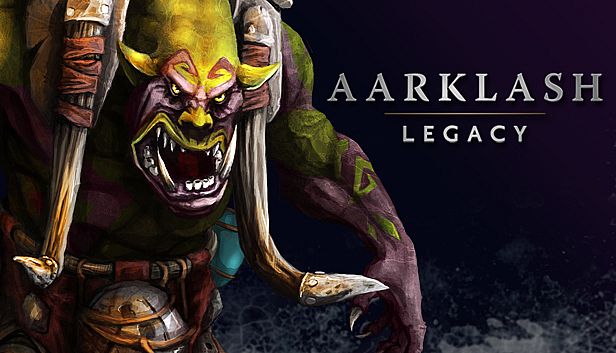













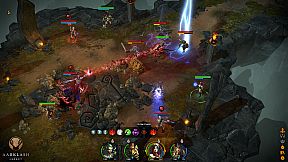
Aarklash: Legacy is a single-player tactical strategy and adventure game set in a fantasy world torn by ancient conflicts. Players command a small squad of mercenaries navigating battles and uncovering secrets across varied lands.
Gameplay
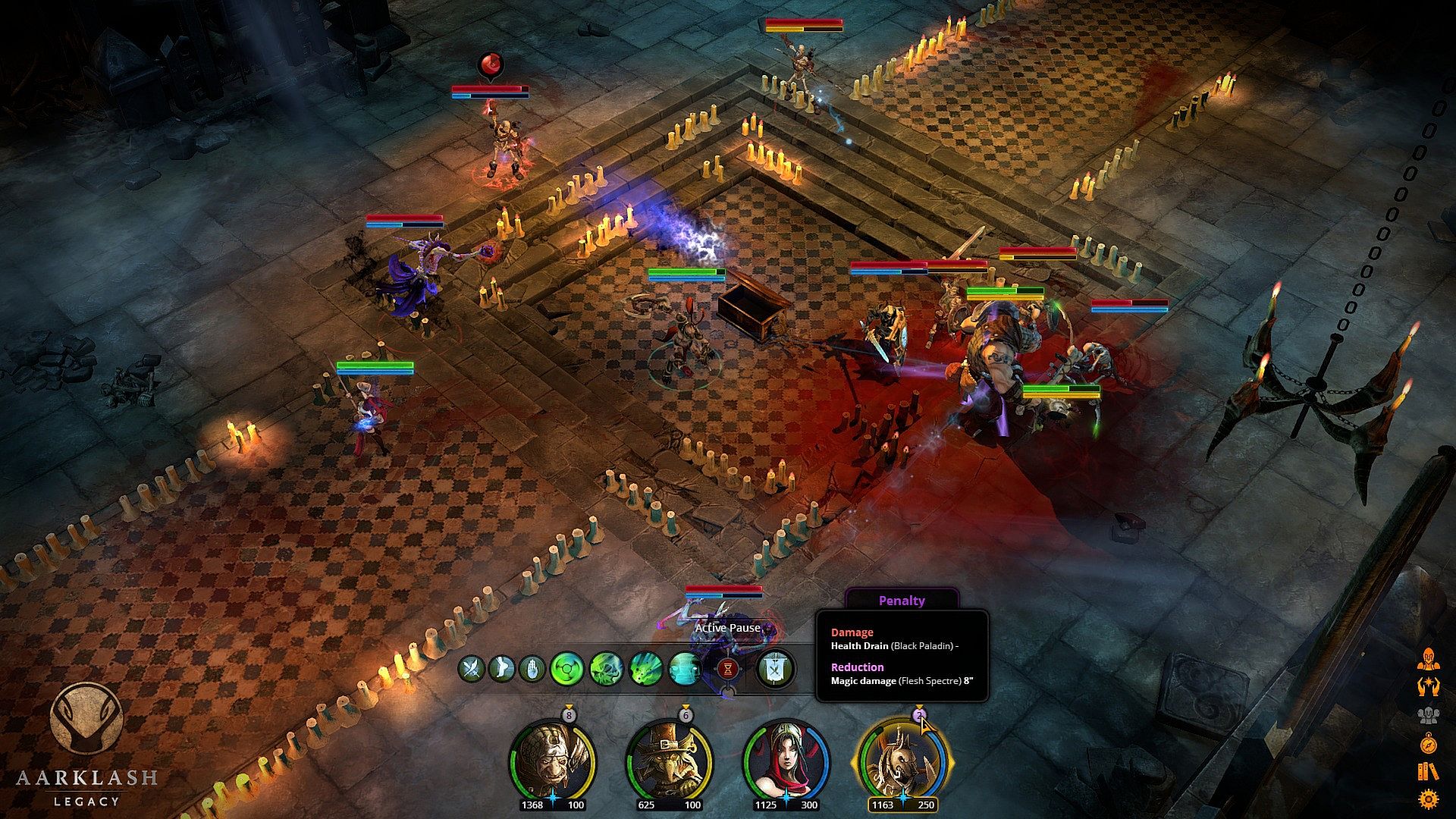
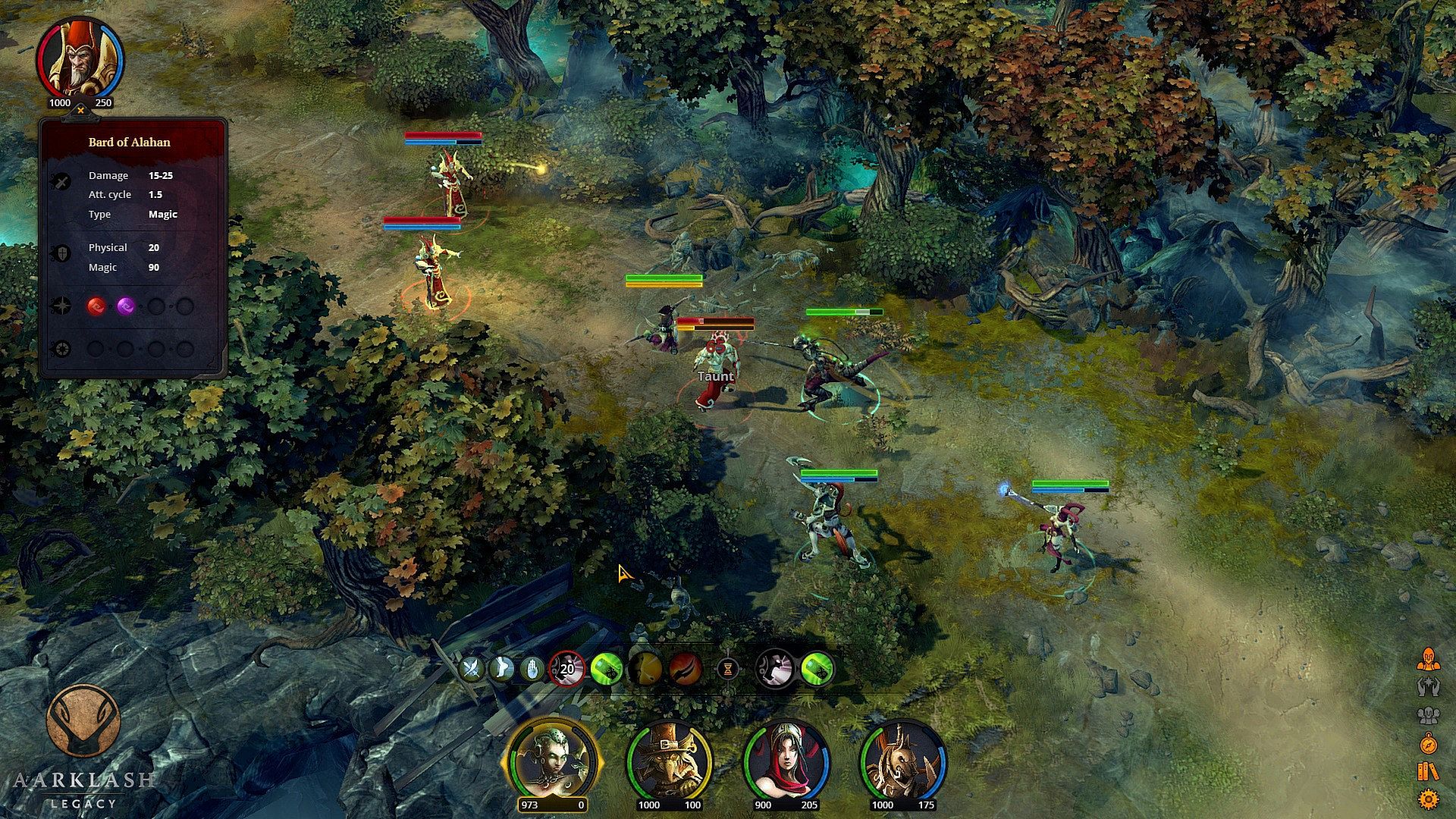
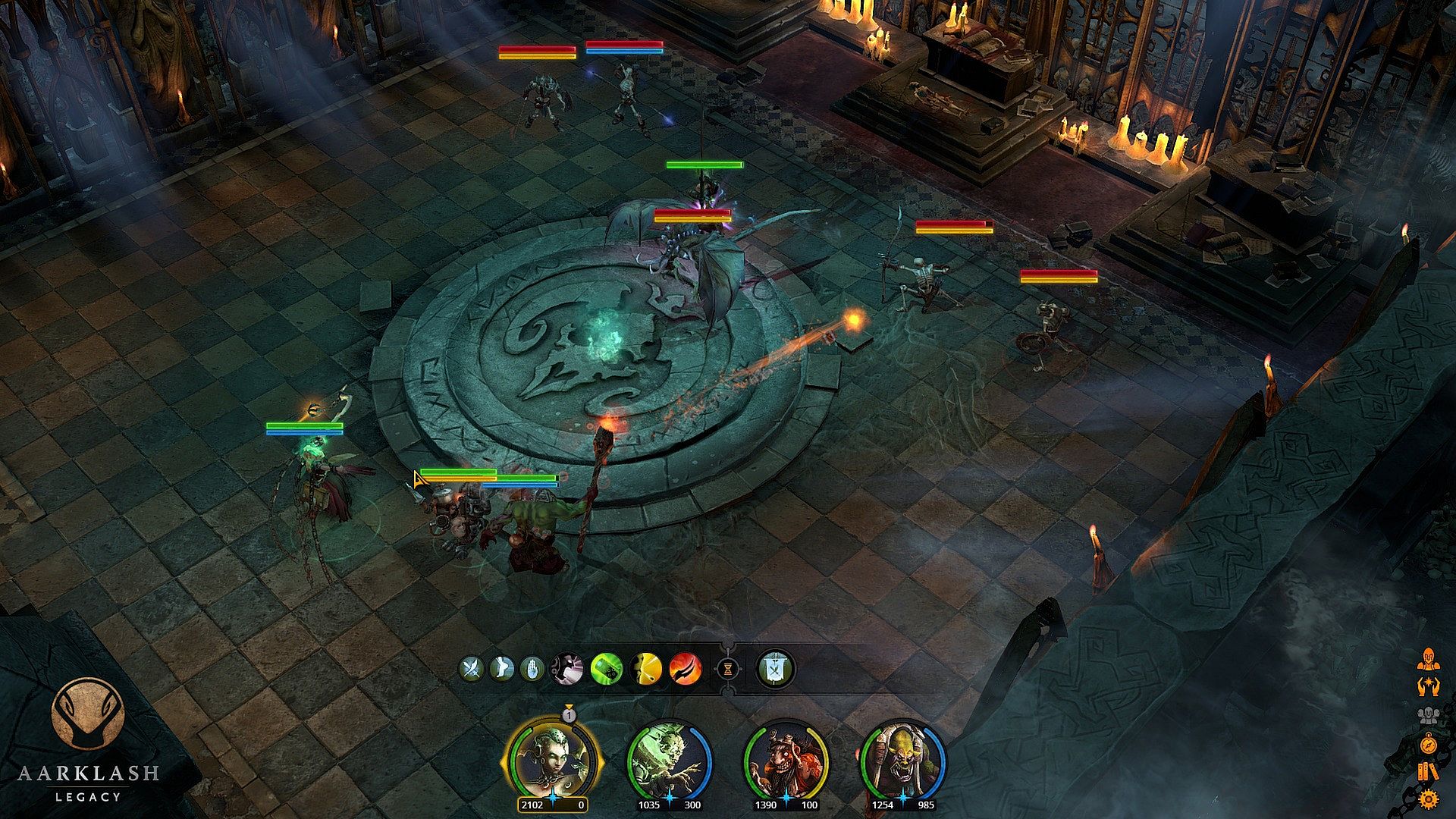
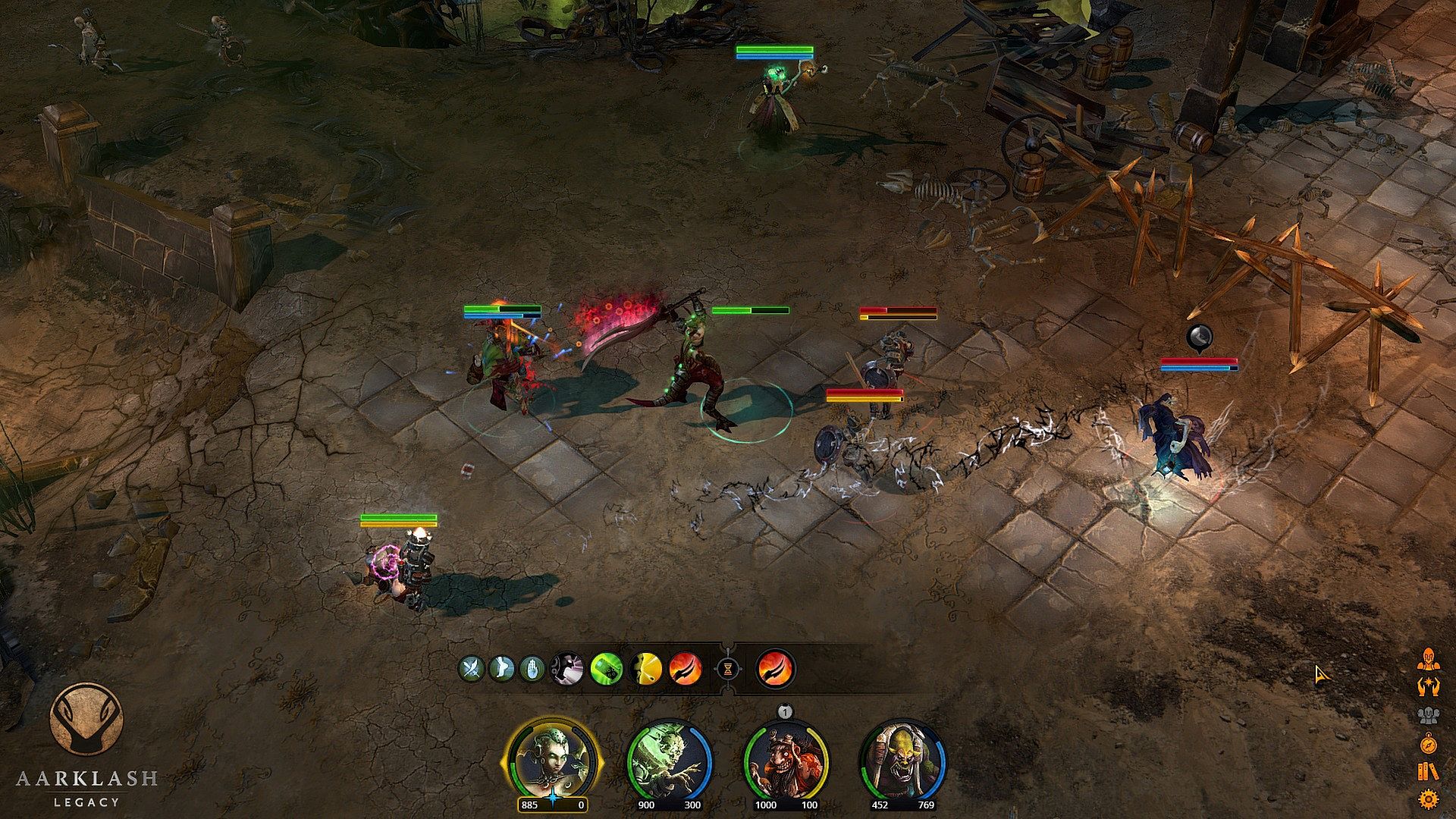
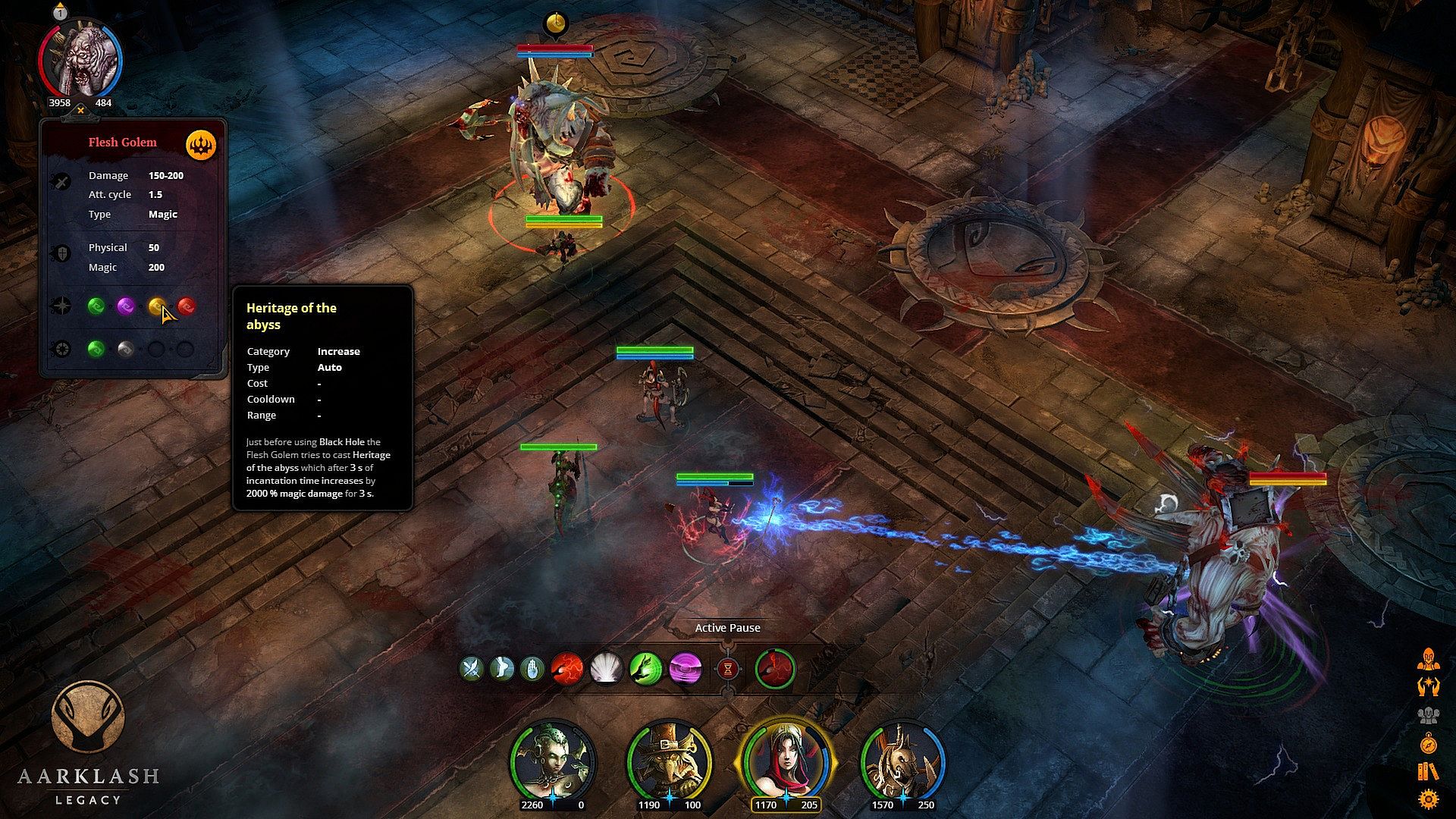
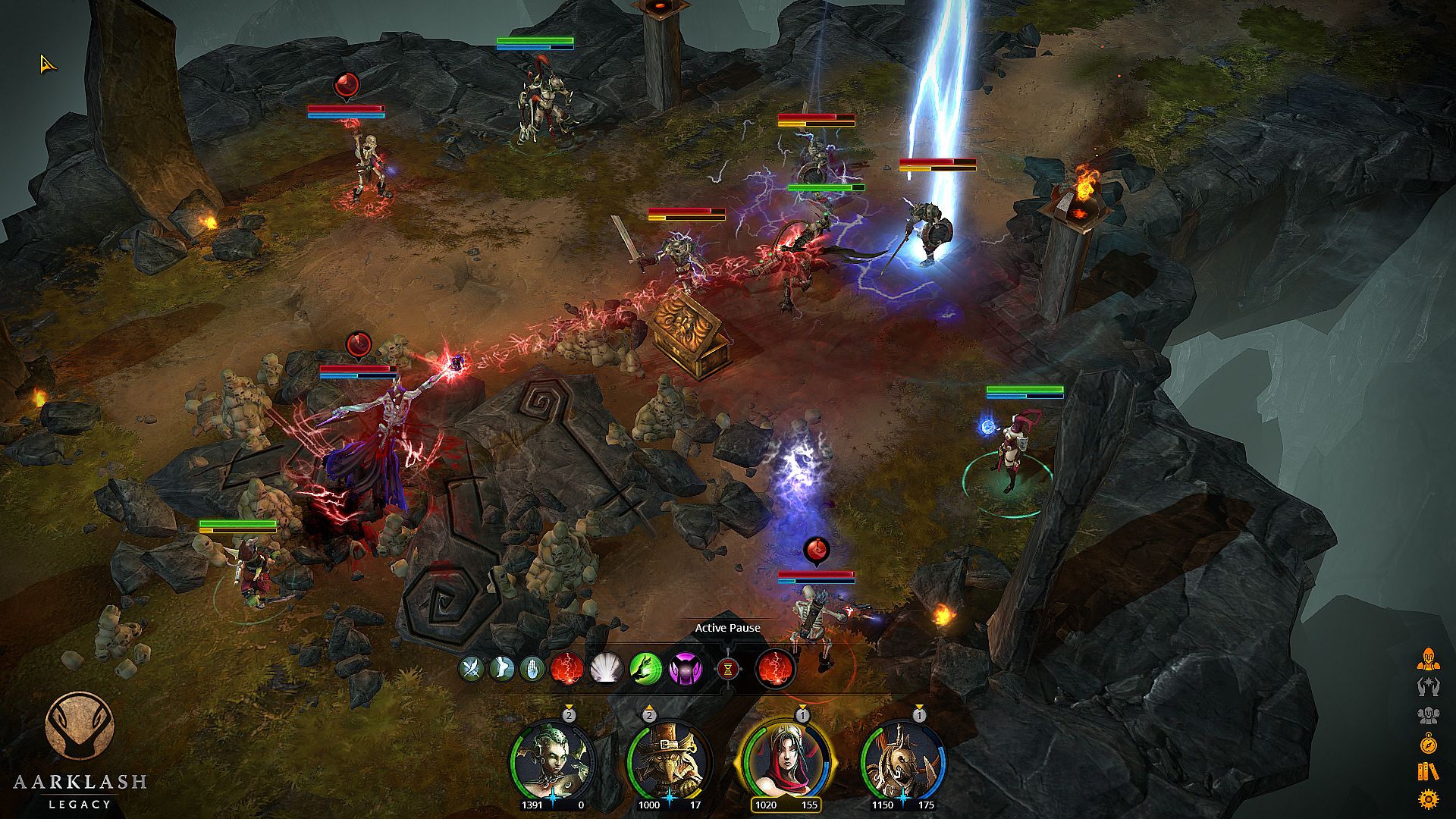
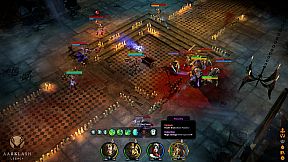
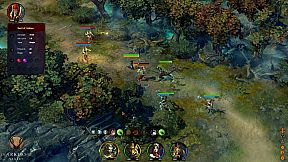
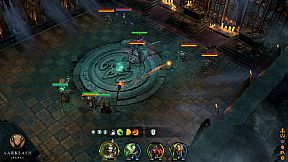
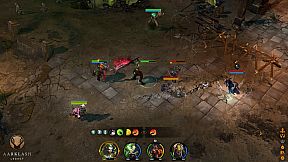
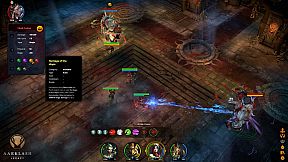
The core loop centers on leading a party of four characters through a series of encounters that blend exploration with deliberate combat. An active pause system lets players halt the action at any moment to issue orders, adjust positioning, and coordinate abilities without the pressure of constant real-time input. This setup rewards careful planning around terrain, enemy formations, and timing of group skills that combine effects from multiple heroes.
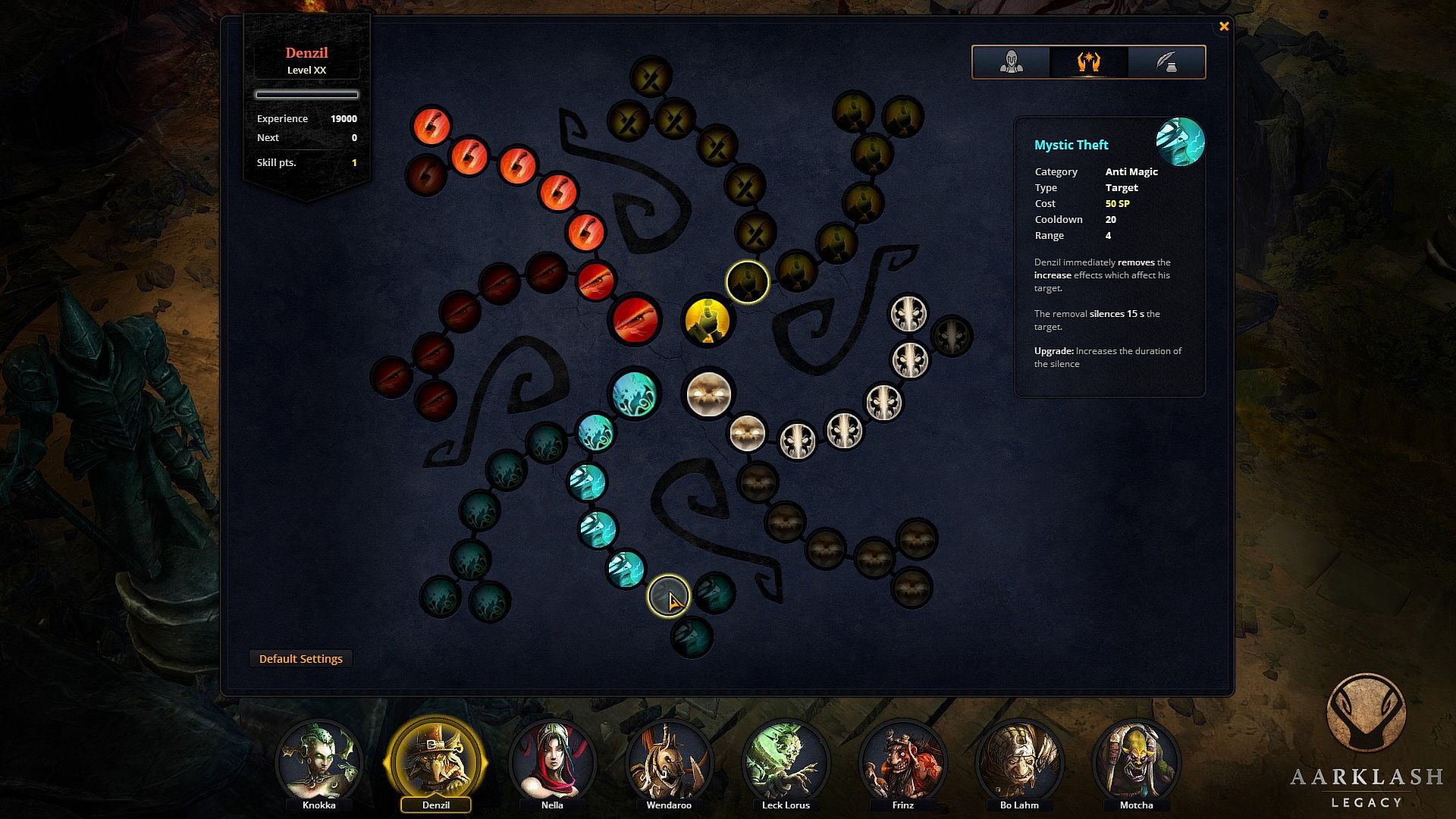
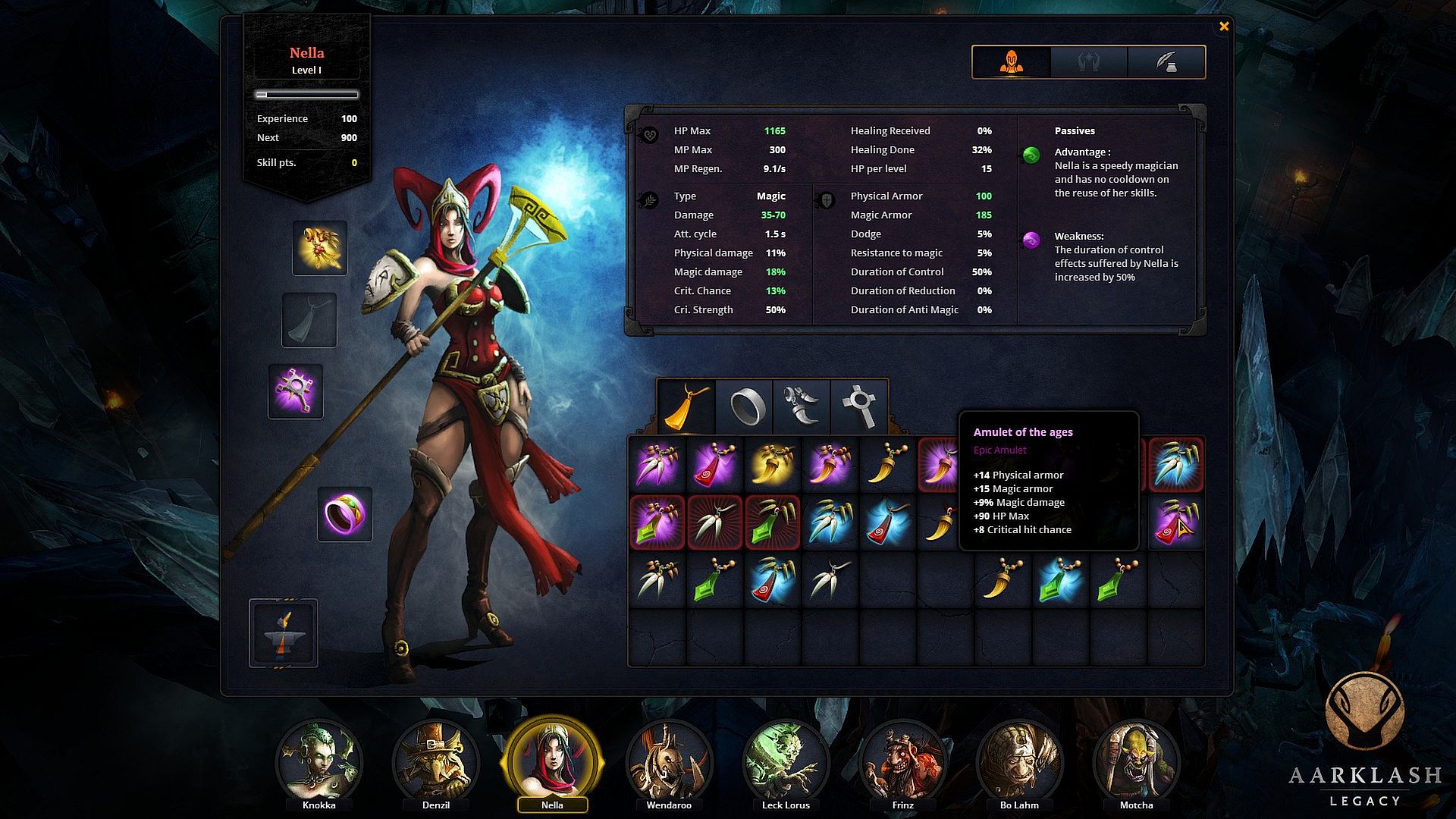
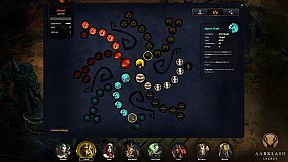
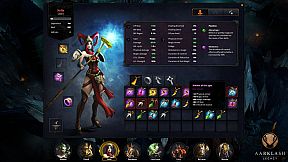
Progression comes through looting equipment from defeated foes and investing in skill trees for each character. These trees can be reset freely, encouraging experimentation with different builds and synergies. The eight available characters offer distinct roles, and the player can swap the active party composition at will during the campaign. Enemies operate with their own skill sets, forcing adaptation rather than repetition of the same tactics.
Game Modes
The game consists entirely of a single-player campaign structured around sequential story-driven missions. There are no separate multiplayer options, skirmish modes, or additional game types beyond this linear progression through the main narrative and its associated battles. The focus remains on completing the campaign while refining party composition and tactics across repeated fights.
Story and Setting
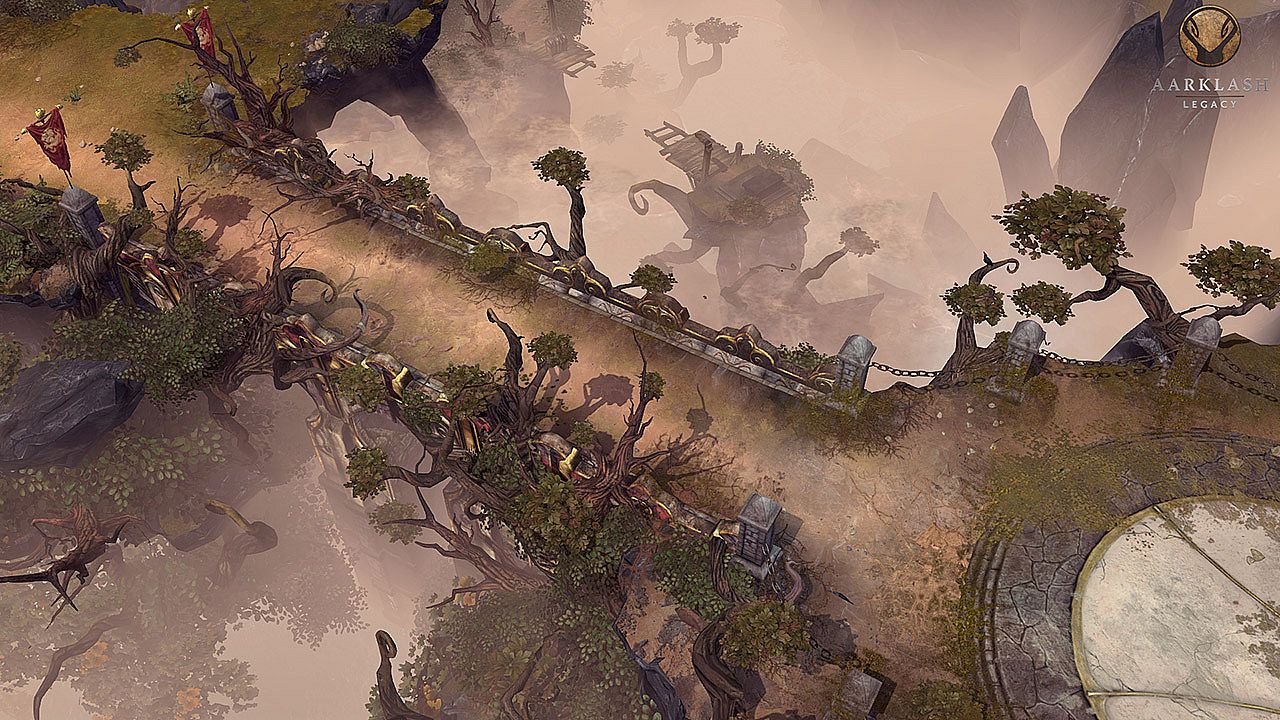
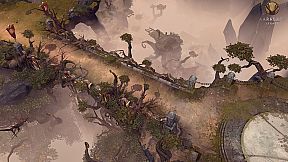
The narrative follows a group of mercenaries accused of crimes against the Lion of Alahan. Branded as outlaws, they pursue their own path to clear their names while navigating the broader war between forces of Light, Destiny, and Darkness. The journey spans regions including Alahan, Acheron, and the Behemoth, introducing a range of hostile groups and individuals tied to the larger conflict. Player choices in combat and party management influence how events unfold without branching into multiple endings.
Character Development
Each of the eight recruitable heroes brings unique abilities that improve through skill allocation and equipped loot. Bonds between party members develop naturally as the campaign advances, unlocking collaborative group skills that strengthen coordinated attacks or support. Frequent respec options keep the system flexible, allowing the same characters to shift roles depending on upcoming challenges and enemy compositions.
Is It Worth Playing?
Steam user reviews stand at Mostly Positive, with praise centered on the tactical depth of combat and the satisfaction of mastering party synergies. The game suits players who enjoy deliberate, pause-enabled strategy in a single-player format rather than fast-paced action or ongoing live-service elements. Its 2013 release means the presentation and interface reflect that era, yet the combat systems remain distinctive for those seeking a focused tactical experience without modern multiplayer features or frequent updates. Those drawn to party-based RPG combat with resettable builds and positioning emphasis will find the campaign delivers consistent engagement through its length.