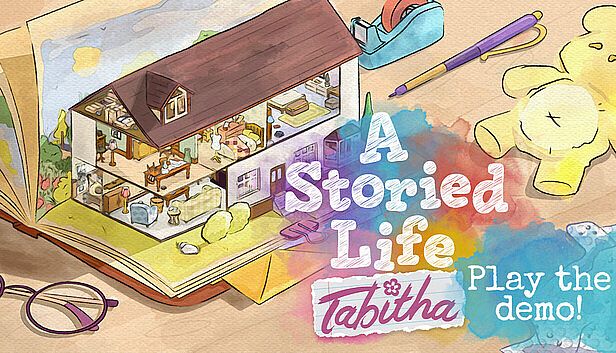














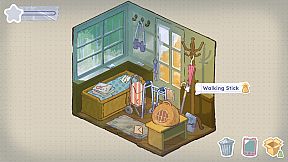
A Storied Life: Tabitha is an indie casual puzzle game for PC that blends narrative storytelling with relaxing object management. Players explore an elderly relative's country house, sort through belongings, and piece together a damaged memoir using words tied to the items they choose to keep.
Gameplay
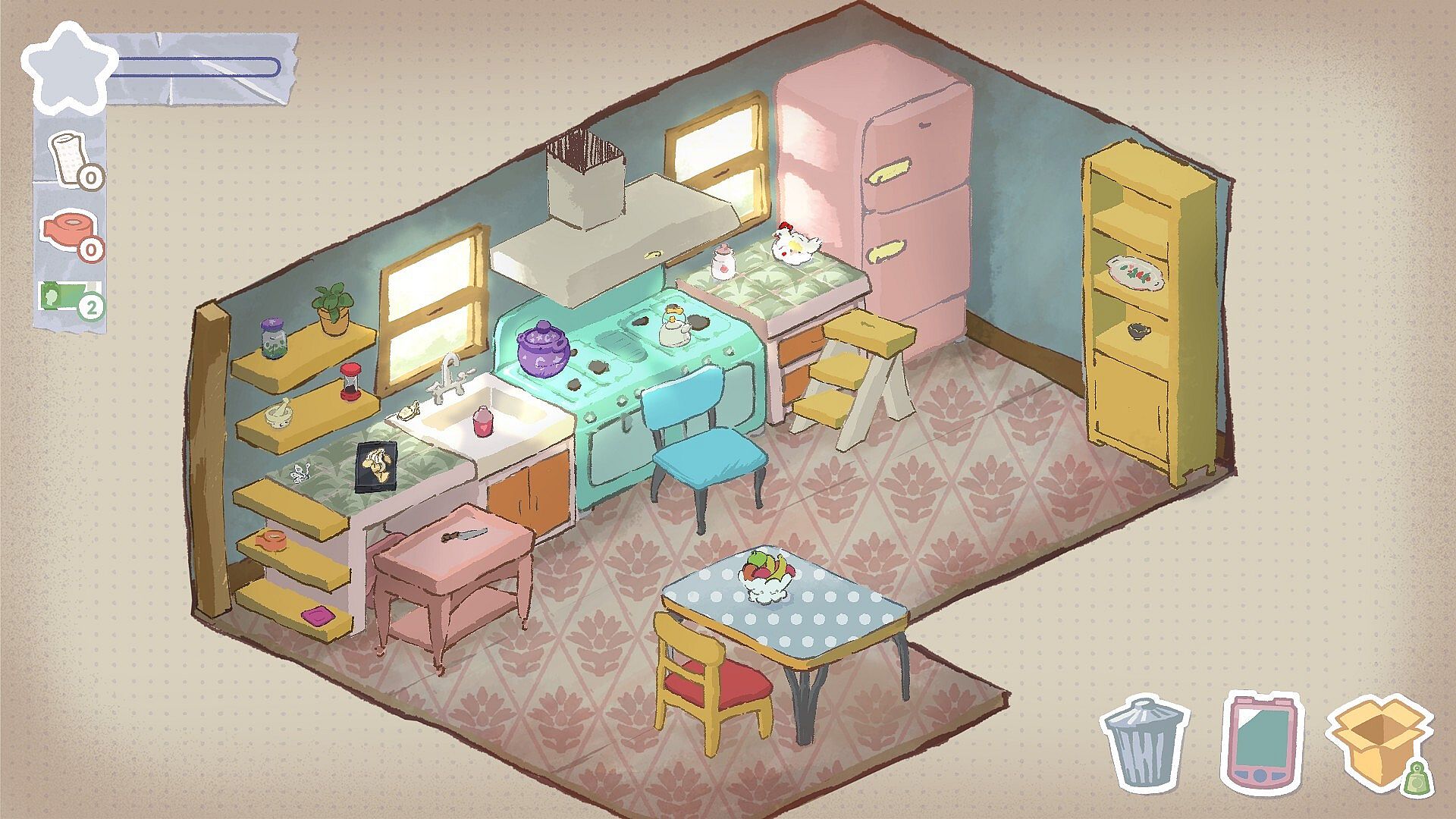
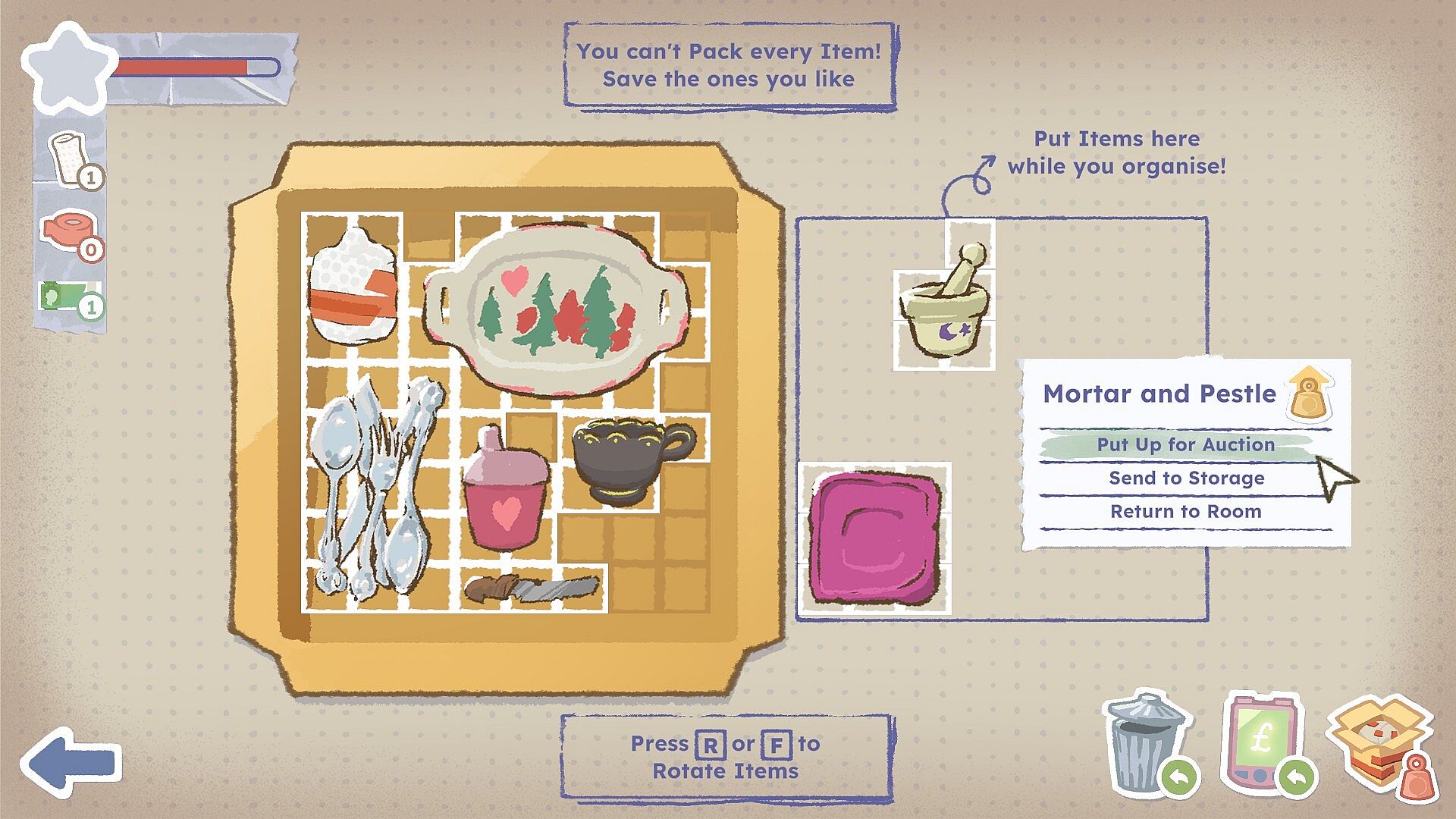
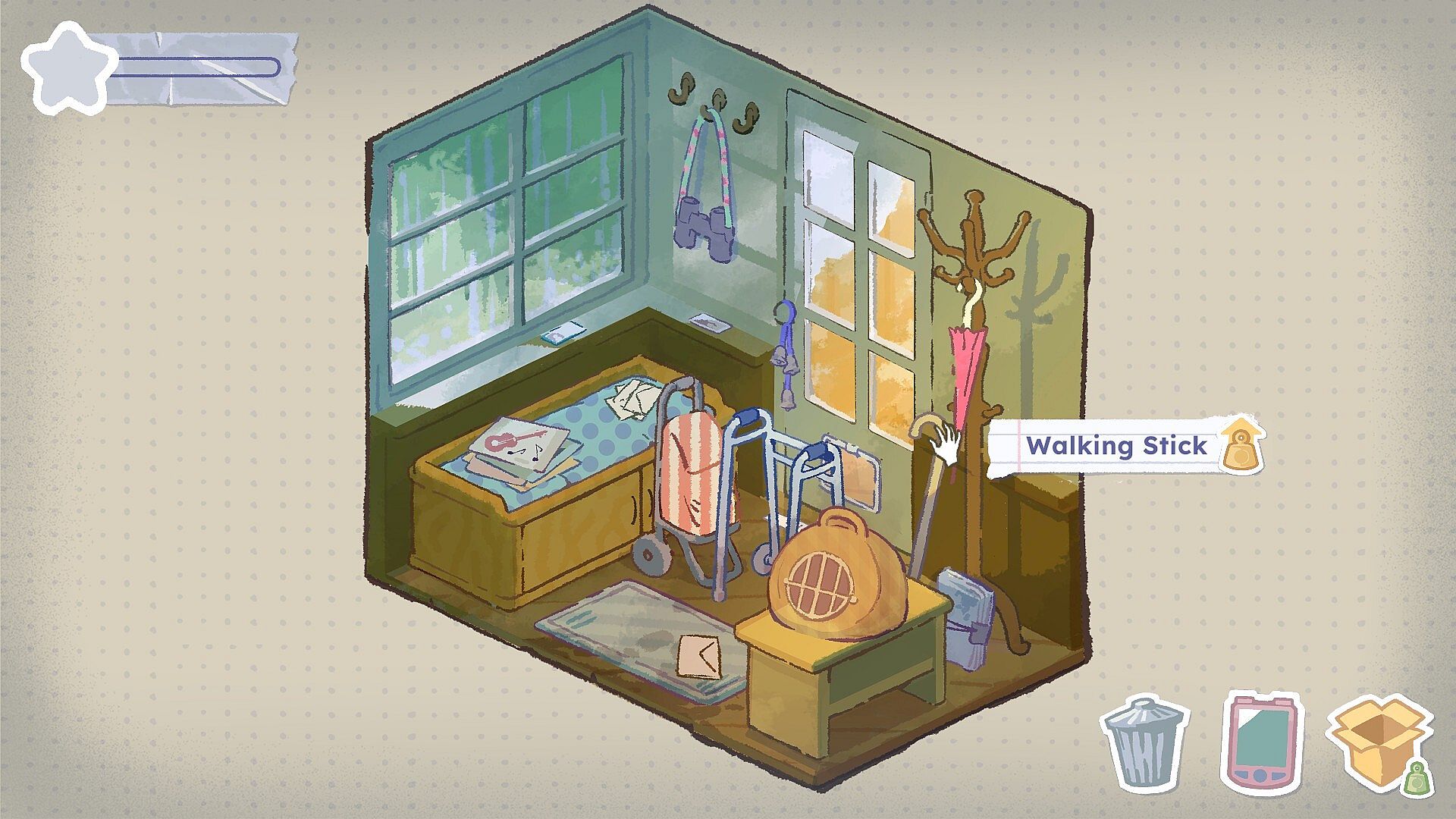
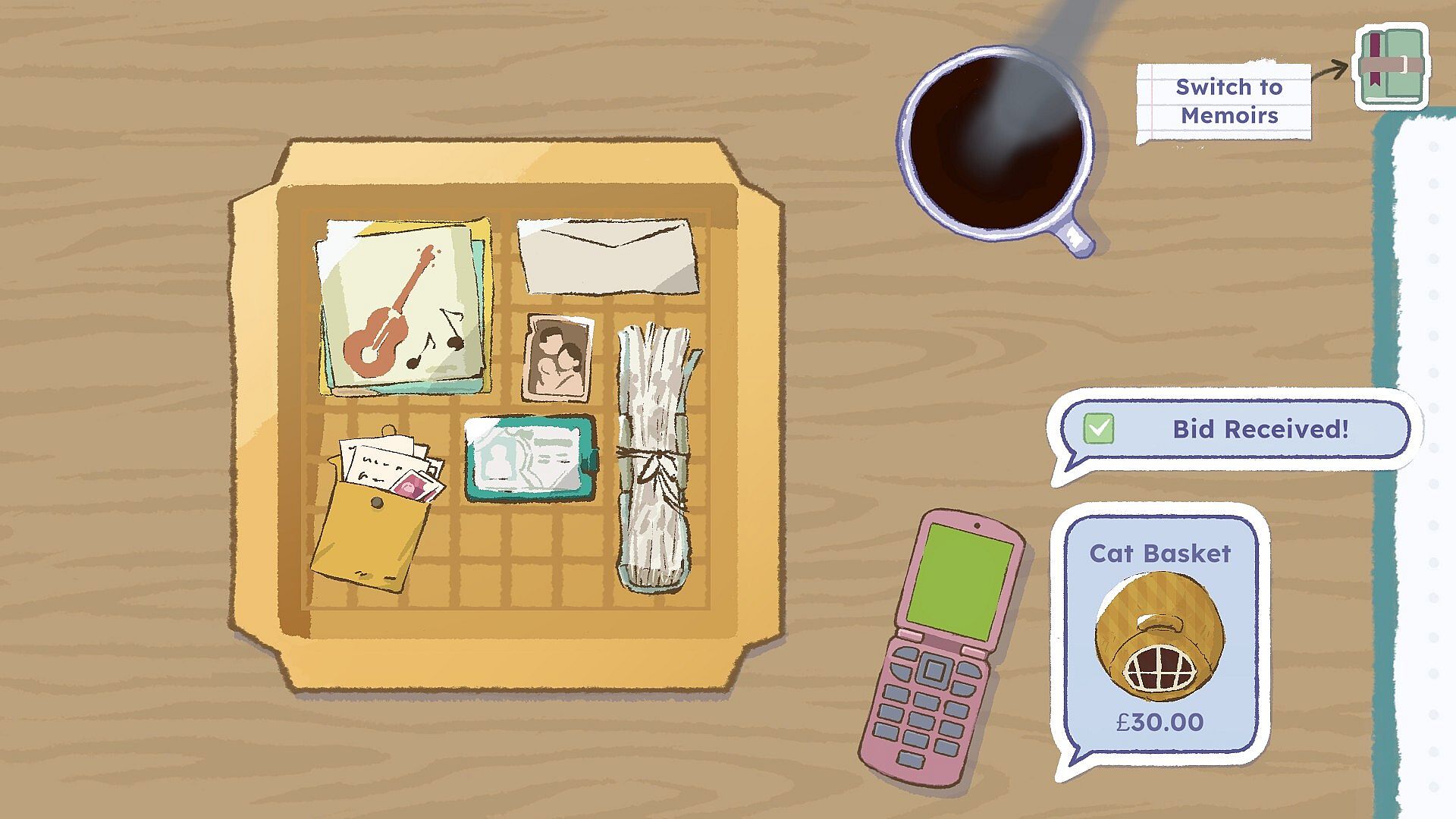
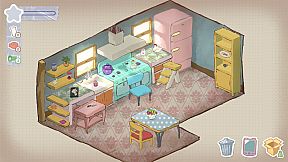
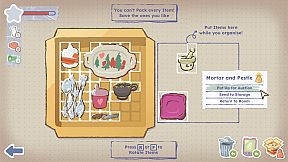
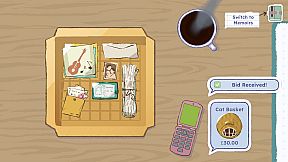
The core loop centers on methodical house exploration across 17 hand-painted levels set in a North Yorkshire home. Players move furniture, open drawers, and lift rugs to reveal objects while deciding what to keep, sell at auction, or discard. Packing mechanics require fitting items into limited boxes, accounting for weight and space. Tape strengthens containers, vacuum packing compresses soft goods, and bubble wrap protects fragile pieces from damage during transport.
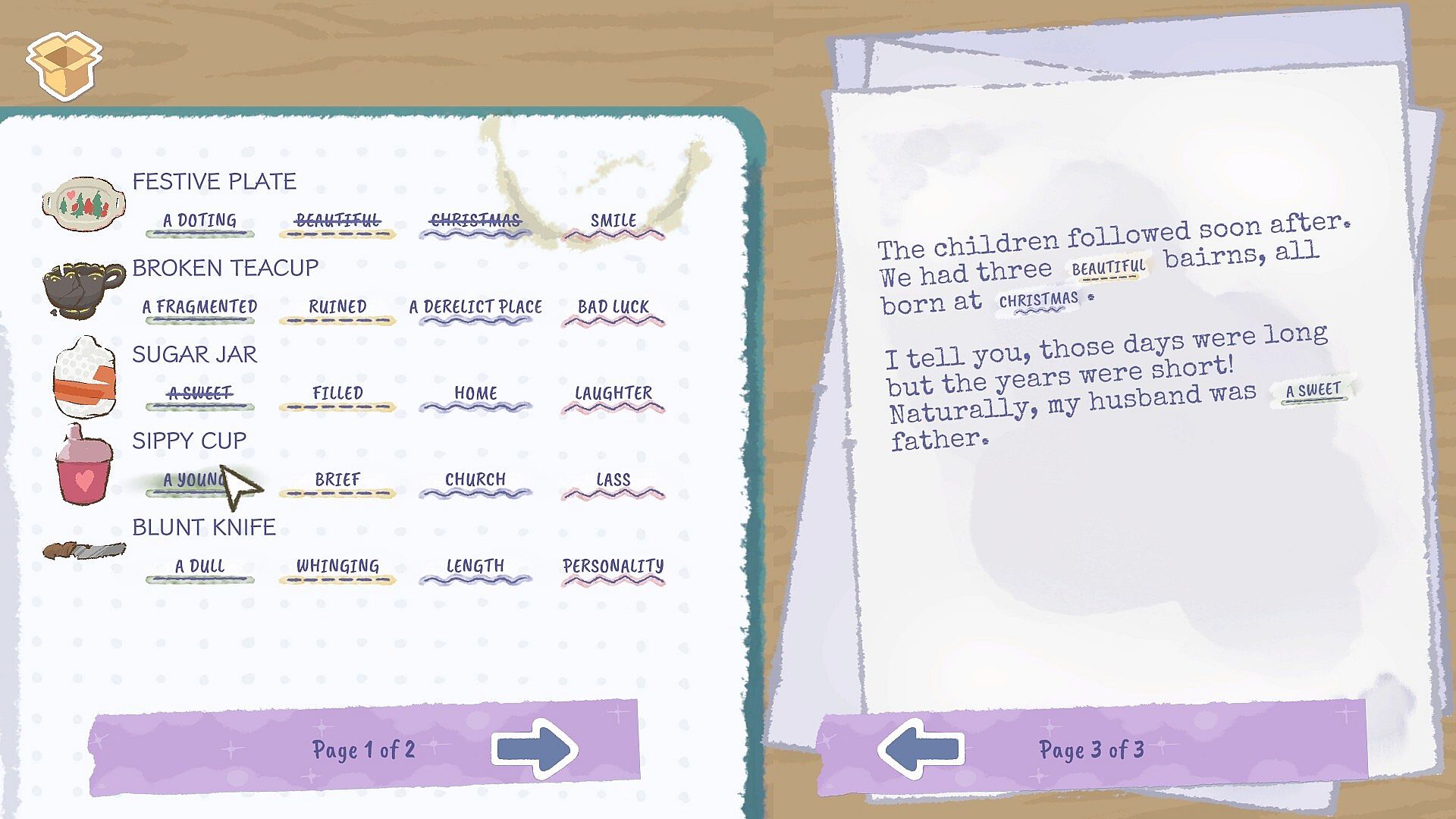
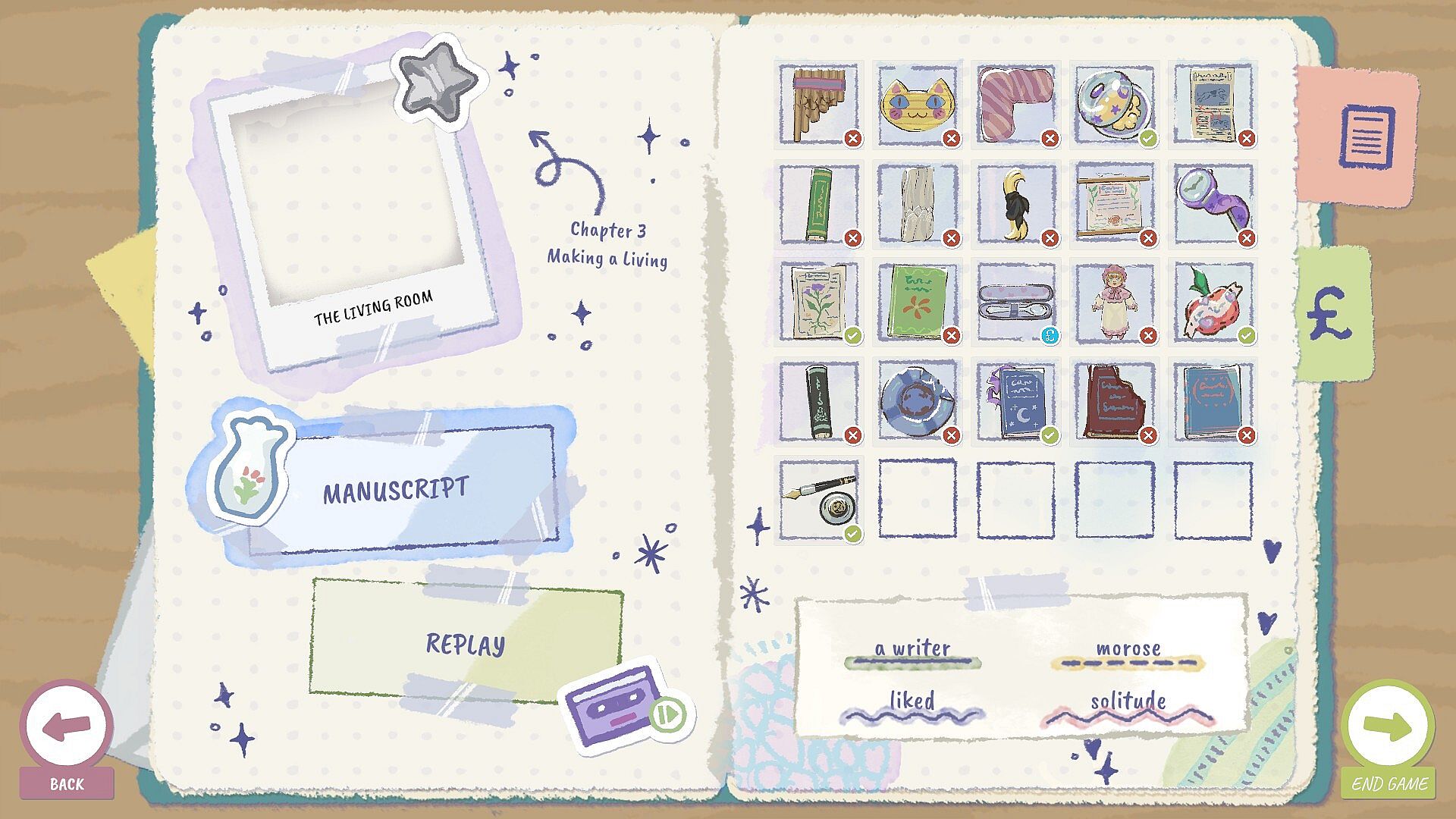
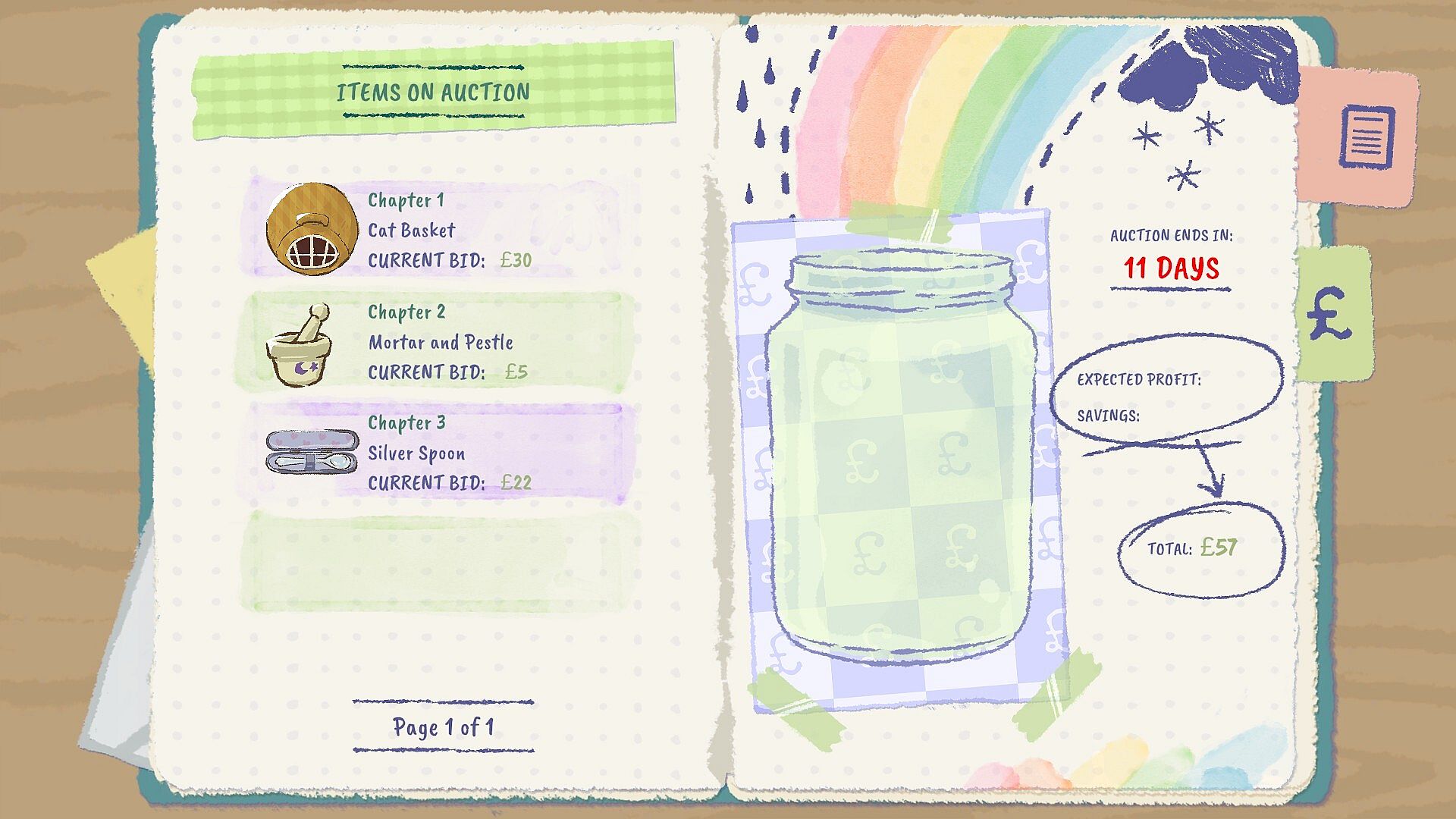
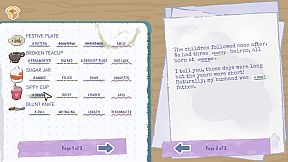
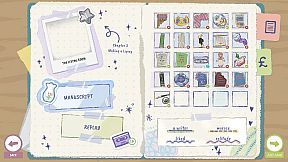
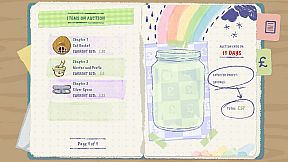
Each saved item unlocks associated words that fill gaps in the memoirs. These word choices shape the tone of the recovered stories, ranging from lighthearted to somber depending on selections. The journal tracks collected items, unlocked words, and auction proceeds automatically. Replaying levels reveals alternate object states, such as broken versus intact versions, which provide different words and new narrative branches.
Game Modes
The game operates as a single-player narrative experience with no separate multiplayer or competitive modes. Progression follows a linear structure of room-by-room clearing that builds toward memoir restoration, yet player decisions create branching outcomes. Multiple endings emerge from the cumulative choices made during packing and word selection, altering both the final puzzles and the portrayal of the benefactor's life.
Replay value stems from experimentation with item handling and word combinations rather than distinct modes. Secrets scattered throughout the levels encourage additional playthroughs to uncover hidden content tied to specific packing decisions.
Story and Setting
The narrative unfolds in an authentic Yorkshire countryside house rendered in a soothing painterly style with ambient weather and time-of-day shifts. An elderly loved one leaves behind an estate and a request to sell valuables, but a mishap damages their upcoming memoirs. Players reconstruct fragments of the past through inherited objects, determining how the life story gets recorded. The branching memoir system lets decisions influence whether the account feels uplifting, humorous, or reflective.
Is It Worth Playing?
Player reception has been mostly positive since the April 2026 release, with Steam reviews highlighting the charming presentation and thoughtful approach to legacy and memory. The game suits those who enjoy deliberate, low-pressure puzzles combined with light narrative elements similar to object-sorting titles. Its short, focused sessions and emphasis on careful choices make it appealing for casual play without requiring long commitments. Those seeking high replay depth through varied endings and item variations will find additional value in revisiting levels. Overall, it delivers a cohesive experience for fans of cozy indie puzzles who appreciate branching personal stories over action or competition.