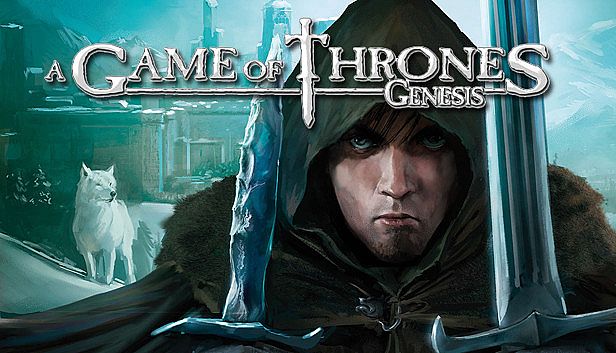











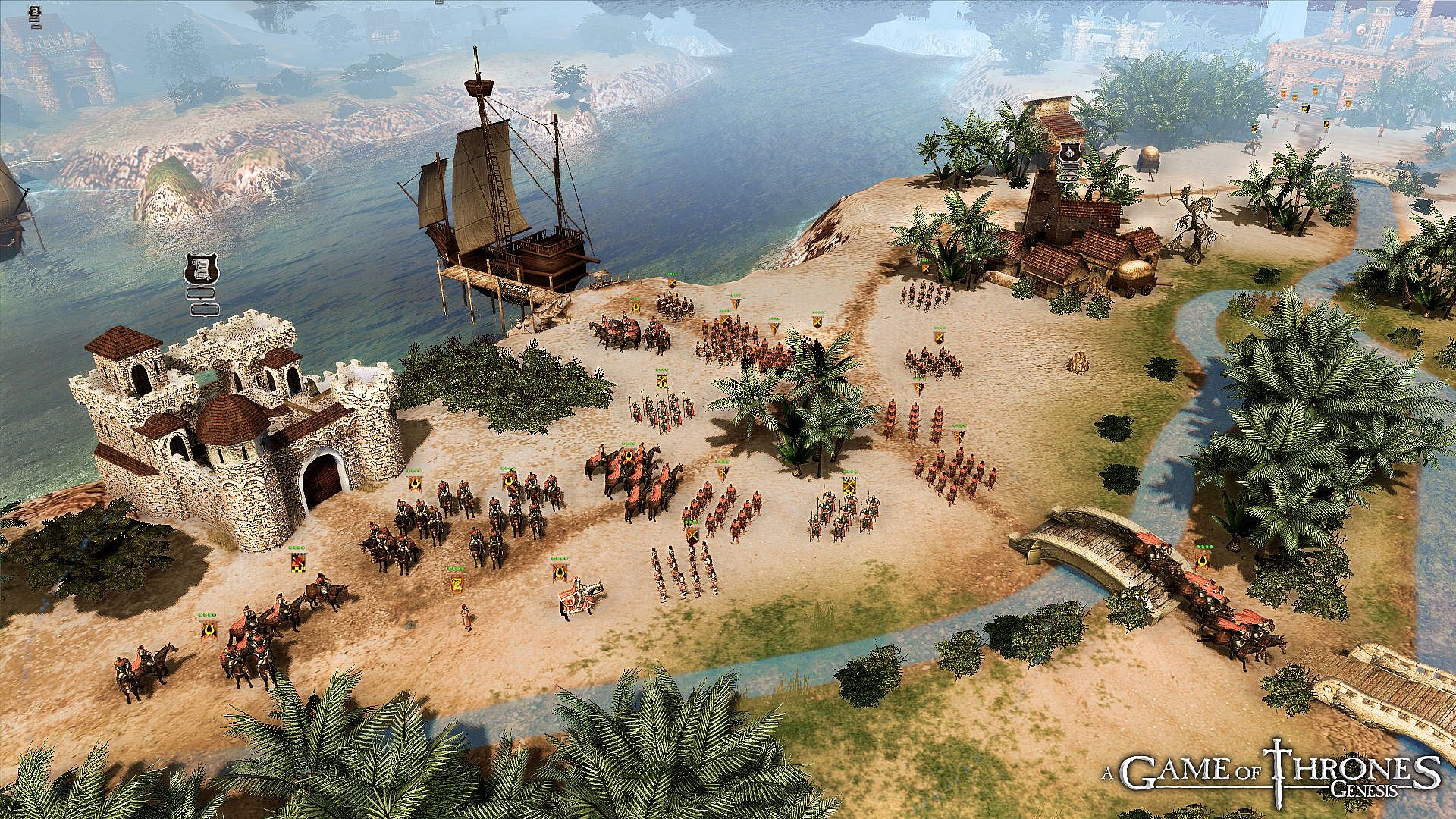
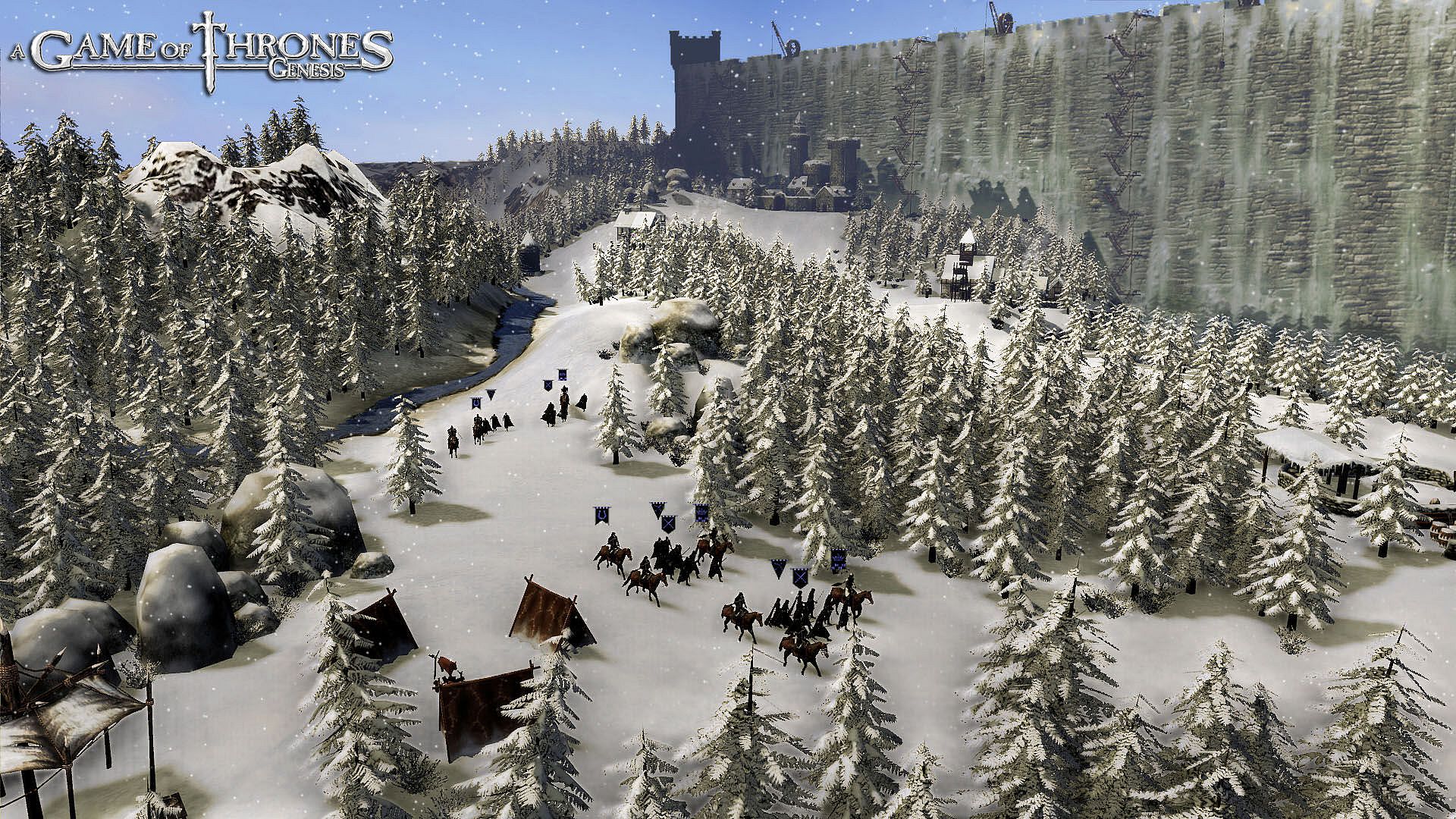
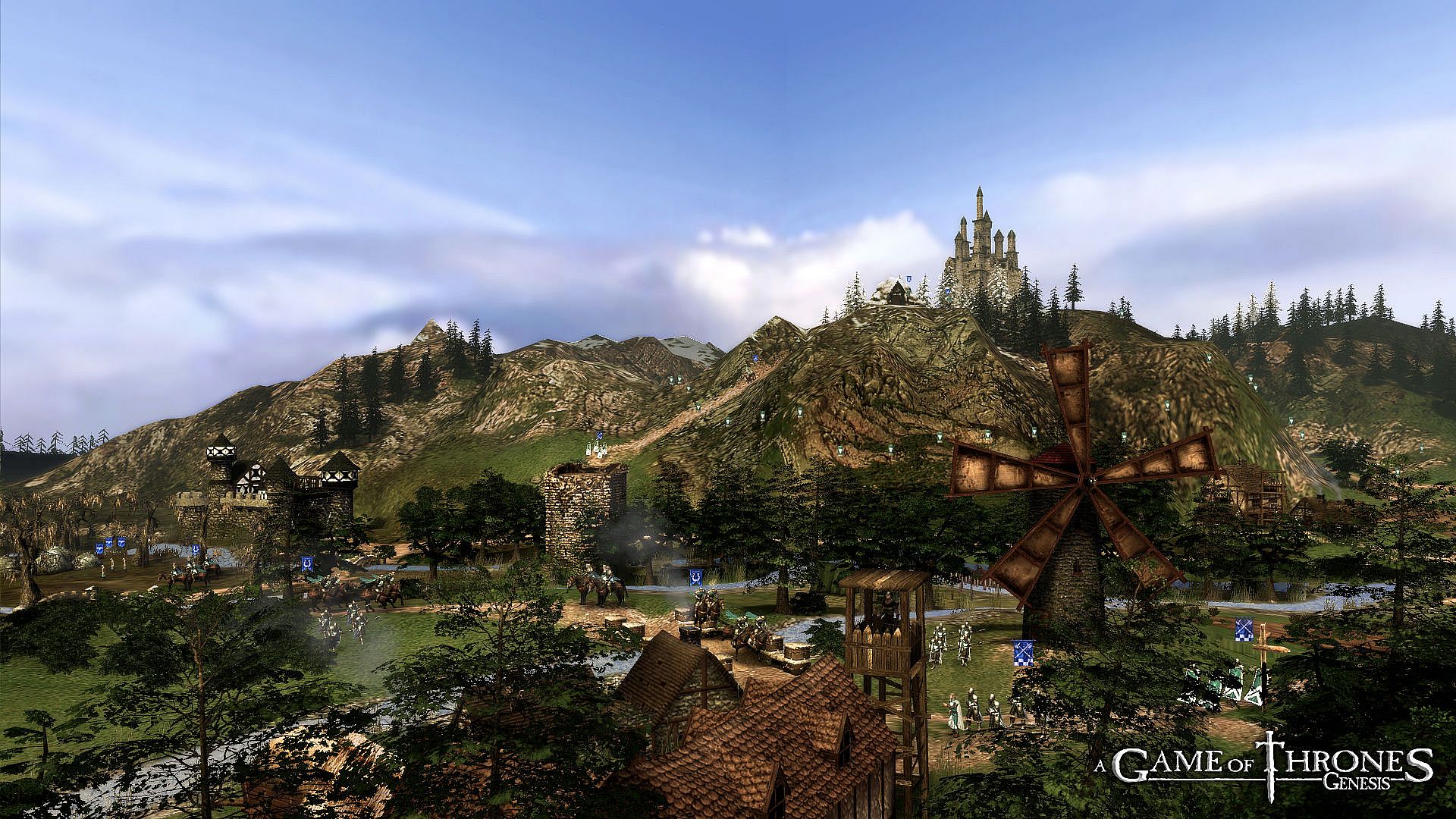
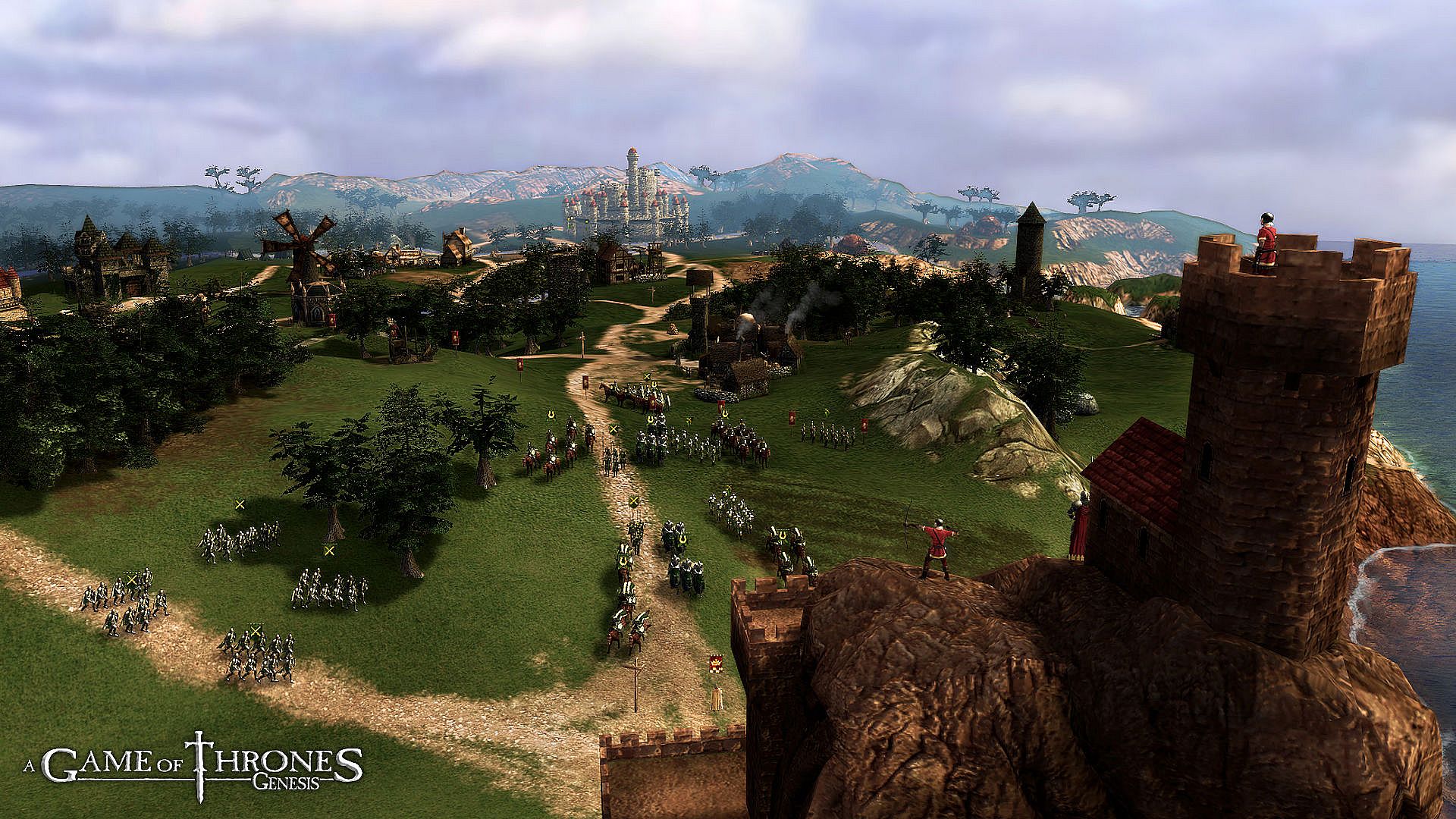
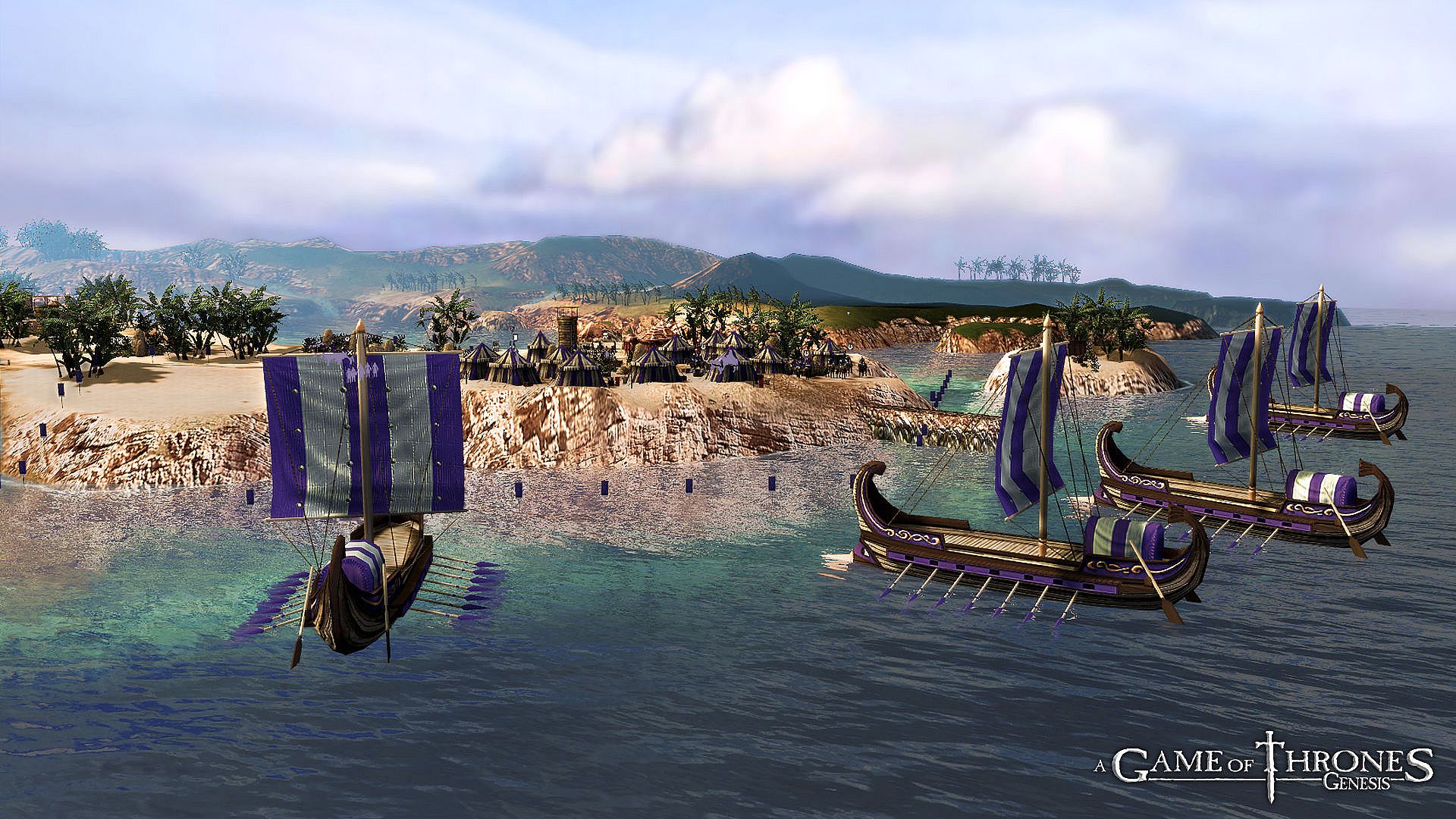
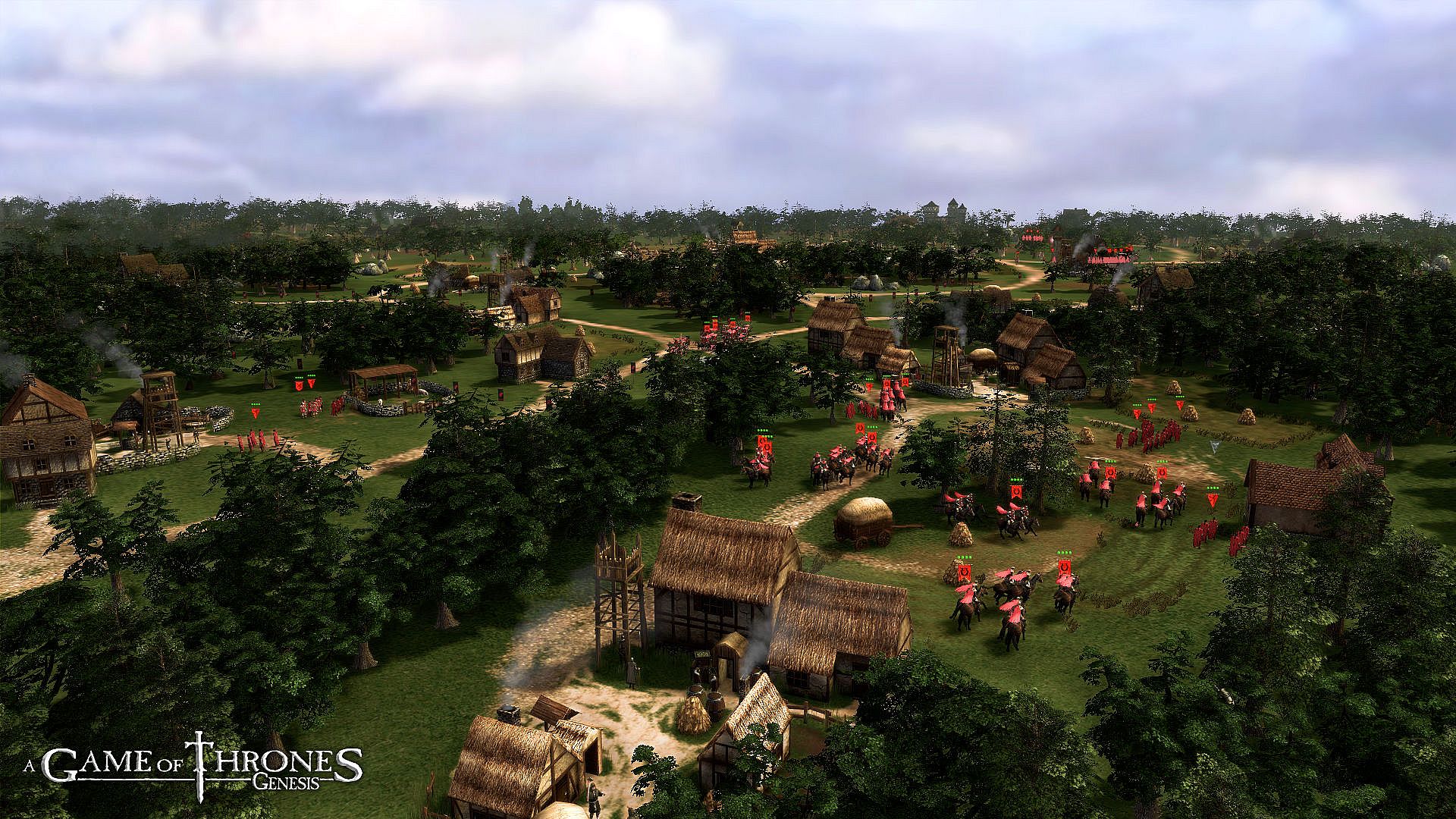
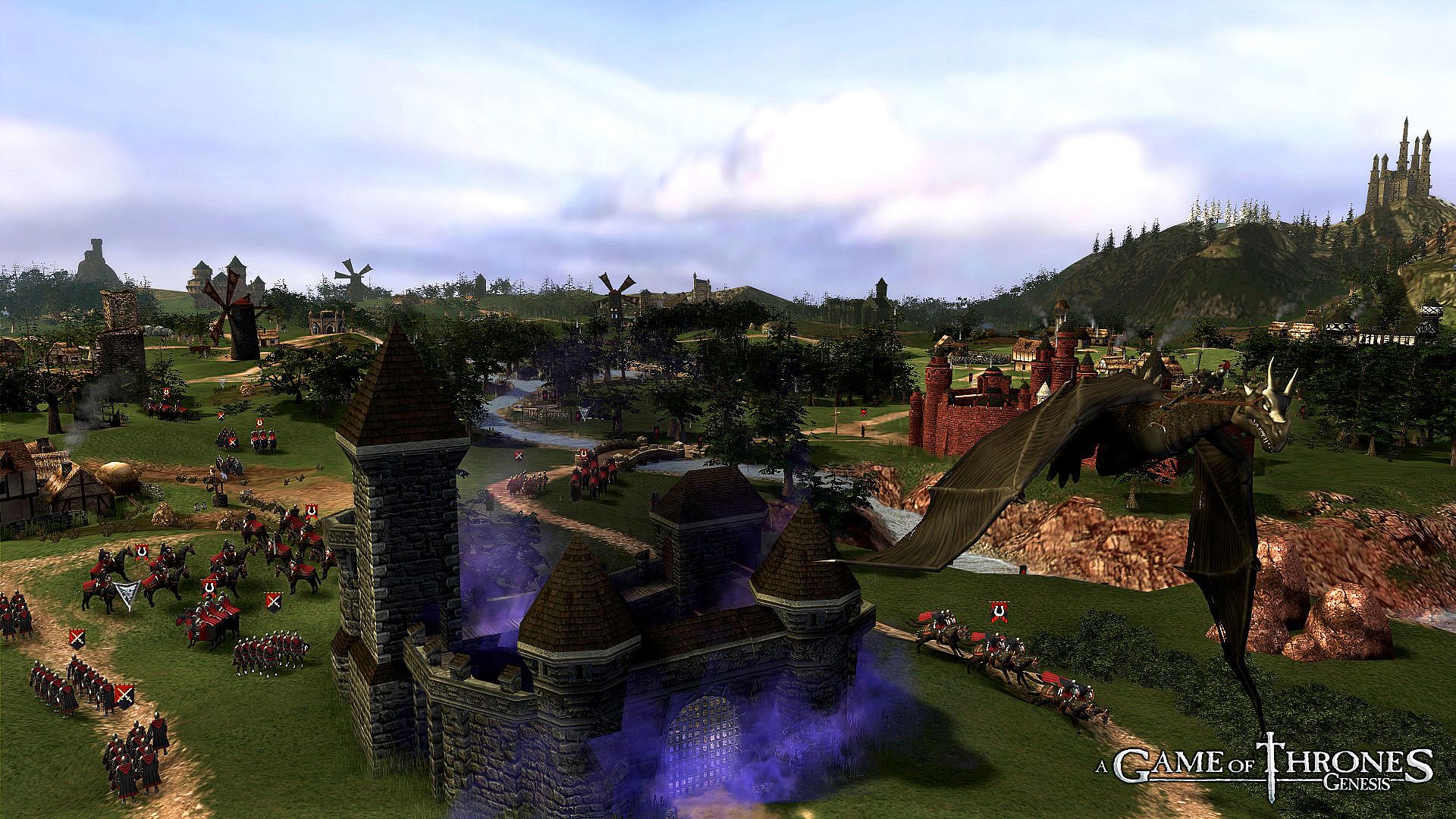
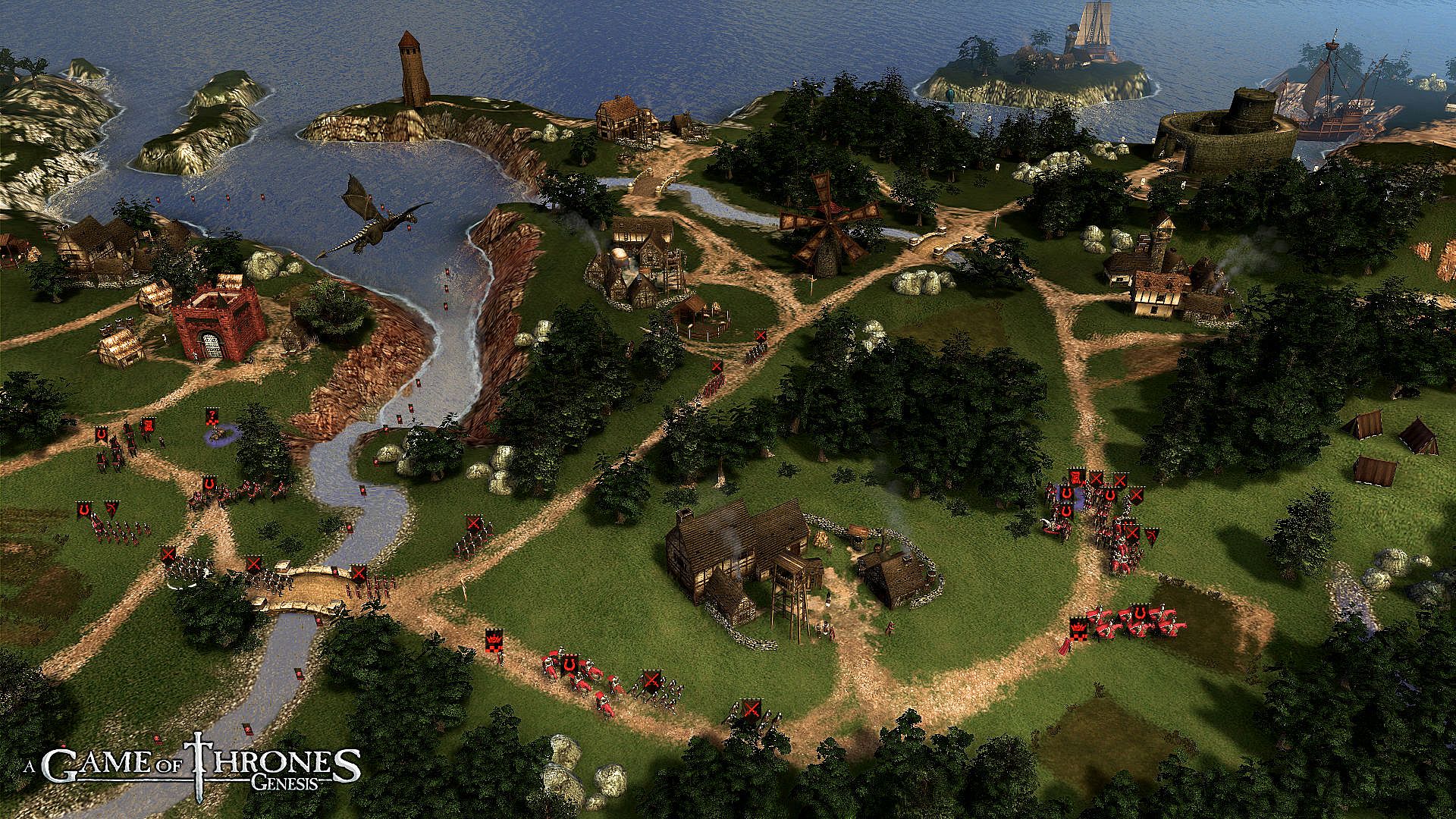

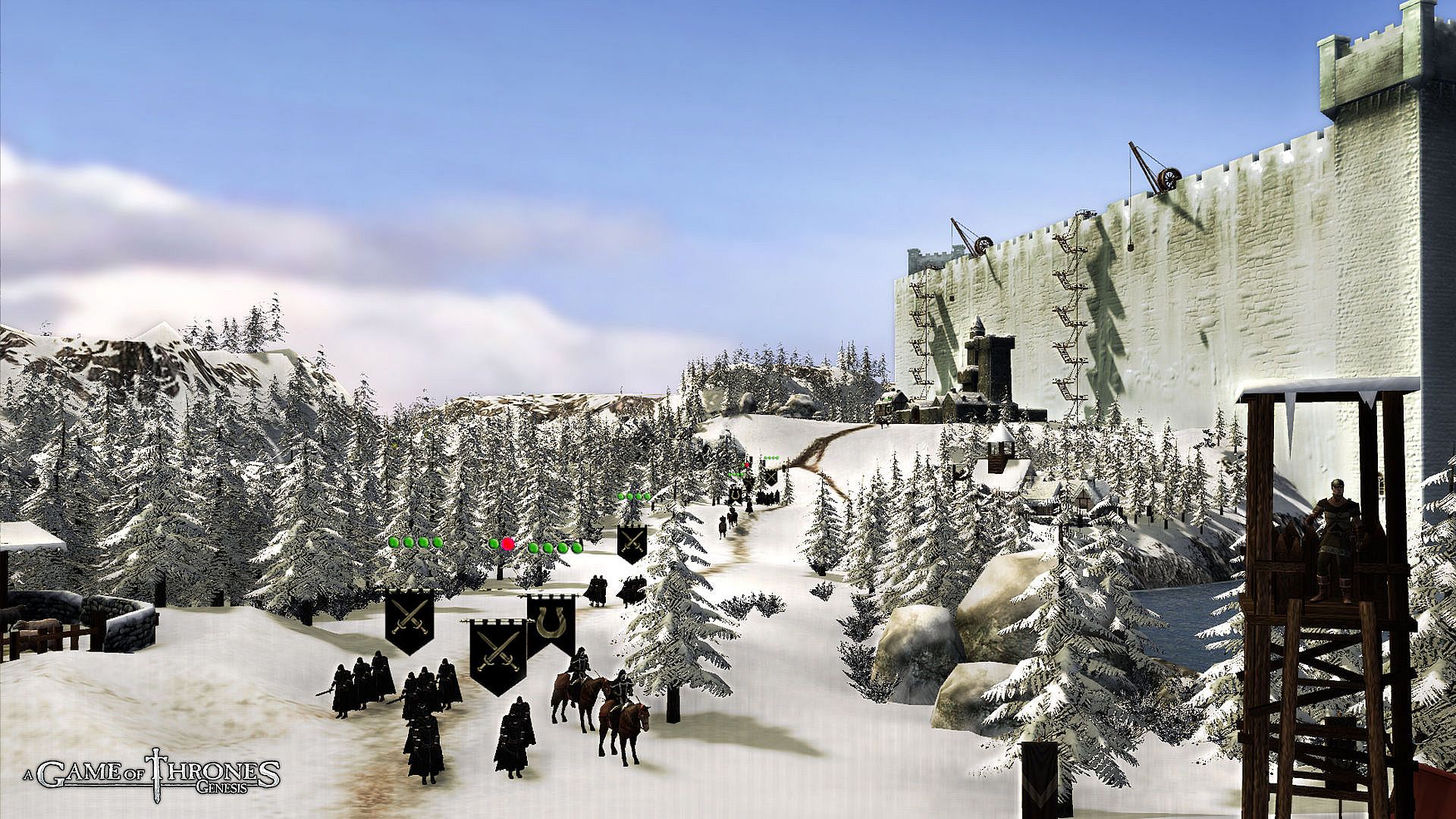
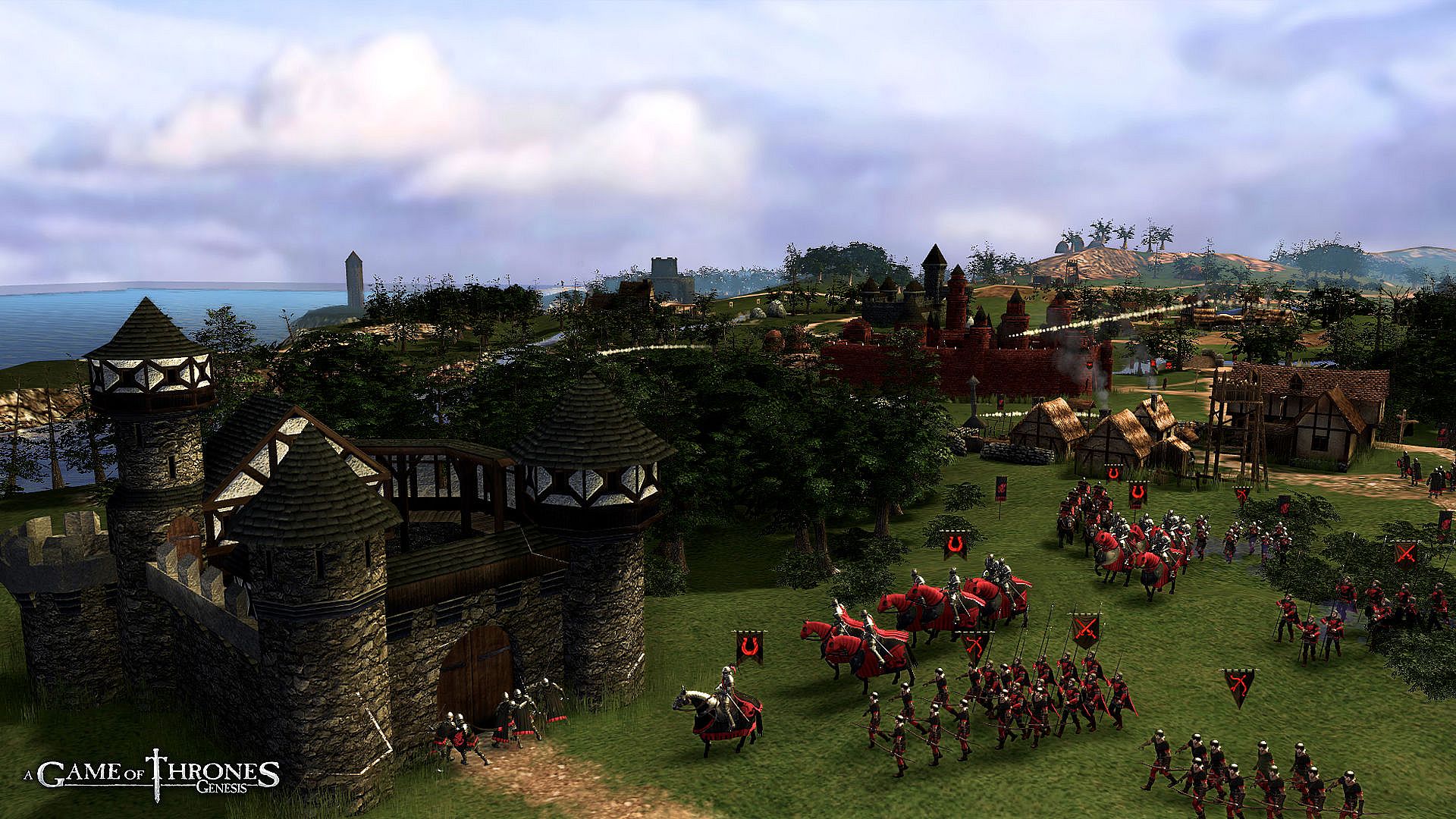
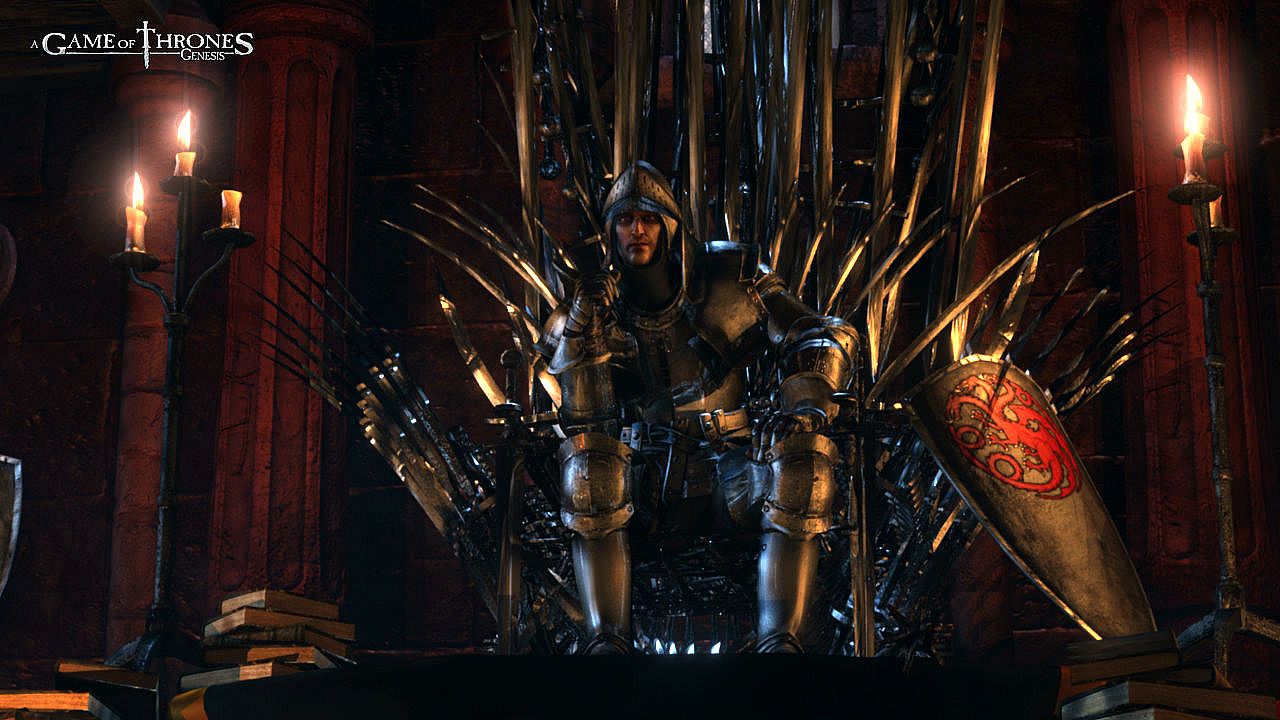
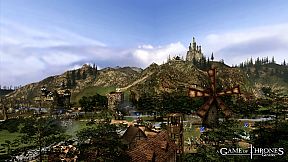
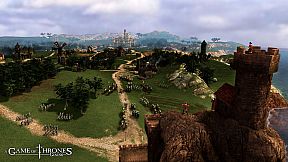
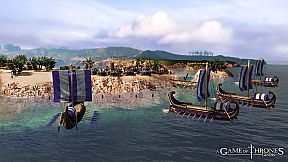
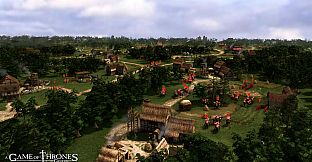
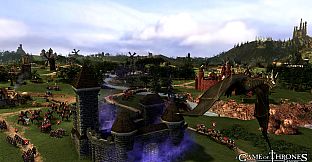
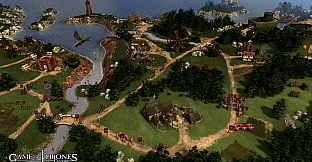
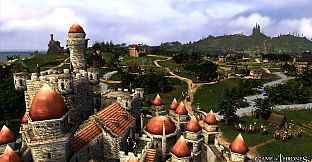
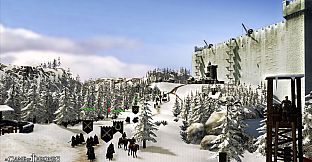
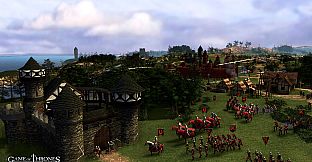
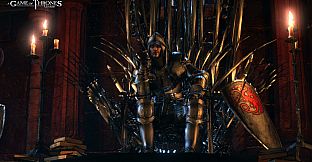
A Game of Thrones - Genesis is a strategy game set in the world of Westeros. Players take control of noble houses across more than a thousand years of history, from the early settlements in Dorne to events near the Wall. The title emphasizes political maneuvering and indirect conflict alongside traditional military options.
Gameplay
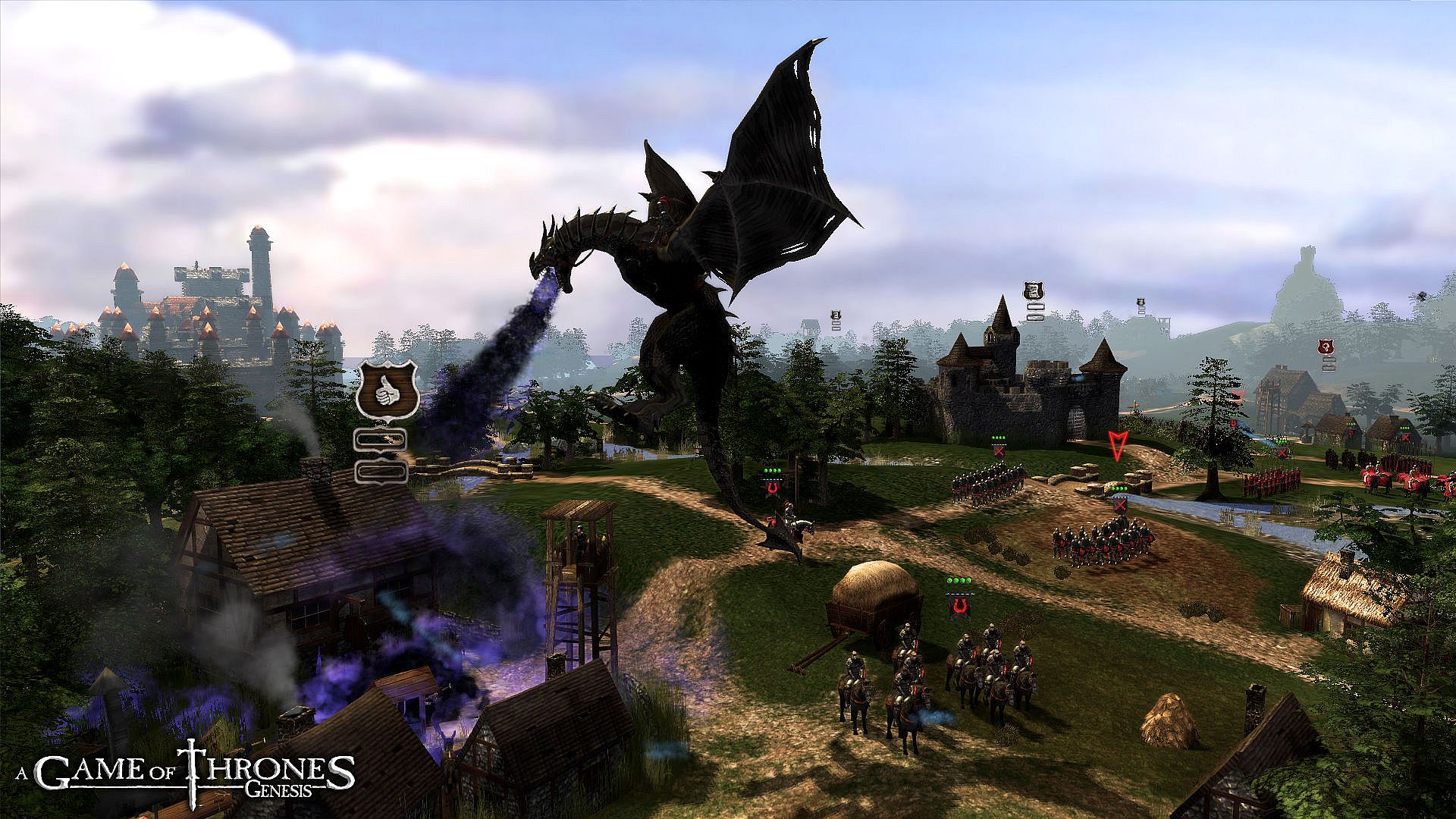
The core loop revolves around four interconnected systems: diplomacy, military action, economic pressure, and underhand tactics. Envoys spread influence by securing loyalty from towns and castles, which generates resources and strengthens position without immediate combat. Spies reveal information and disrupt enemy agreements, while assassins target key figures and rogues stir unrest in rival territories. Guards and other units counter these moves, creating layers of offense and defense that go beyond simple army clashes.
Economic elements tie directly into these choices. Controlling more loyal settlements increases income for hiring units or sustaining operations. Military forces handle sieges and direct confrontations when needed, but many victories come from isolating opponents through broken alliances or resource shortages. The design rewards planning across multiple fronts rather than rushing to build overwhelming armies.
Units and agents have specific roles that interact in predictable ways. Noble ladies can forge stronger blood pacts for lasting ties, and coordinated use of spies with assassins can bypass protections. This structure keeps matches focused on positioning and timing instead of constant unit production.
Game Modes
Campaign mode follows the story of Westeros through a series of missions that cover major historical events. Players advance through scenarios that introduce new mechanics gradually while tying actions to the broader lore of house conflicts and power shifts.
Versus and skirmish modes allow direct competition against AI or other players on varied maps. These support up to eight participants total, with options to form temporary alliances that can be broken for advantage. Prestige points track progress toward victory in these formats, shifting emphasis away from total destruction toward sustained dominance.
Multiplayer extends the same systems into online matches where up to seven opponents can join. Diplomacy and underhand actions become especially prominent here, as human players respond to threats and opportunities in real time. Maps scale with participant count to maintain balance.
Key Mechanics and Strategy
Success depends on balancing the four facets rather than excelling in one. Pure military approaches work for short-term gains but leave openings for economic strangulation or political isolation. Underhand tactics like riots or targeted eliminations often prove more efficient than field battles when used at the right moment.
Resource management flows from territorial control. Gold supports standard units while food sustains larger forces, and both tie back to the loyalty network established through envoys. Players must protect their own agents while disrupting the same systems on the enemy side.
The game avoids traditional base-building loops. Instead, expansion happens through influence spread and opportunistic strikes, making every decision carry longer-term consequences across the map.
Is It Worth Playing?
The game launched in 2011 and remains available as a single-player and multiplayer strategy title on PC. Reviews on major platforms show mostly negative overall reception, with criticism focused on campaign pacing and some interface issues. Skirmish and multiplayer modes receive more positive notes for their tactical depth in smaller groups.
It suits players who prefer diplomacy and layered indirect conflict over fast-paced real-time battles. Those interested in the historical span of Westeros events will find the campaign provides structured entry points into the setting. Newer strategy games offer more polished visuals and modern conveniences, but this title delivers a distinct approach to house politics that stands apart from standard RTS formulas.
Availability is straightforward through digital stores, with no ongoing seasonal content or updates required. Prospective players should expect an older interface and test performance on current hardware. The experience rewards patience with its systems more than quick sessions.