




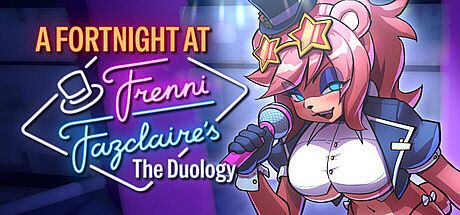


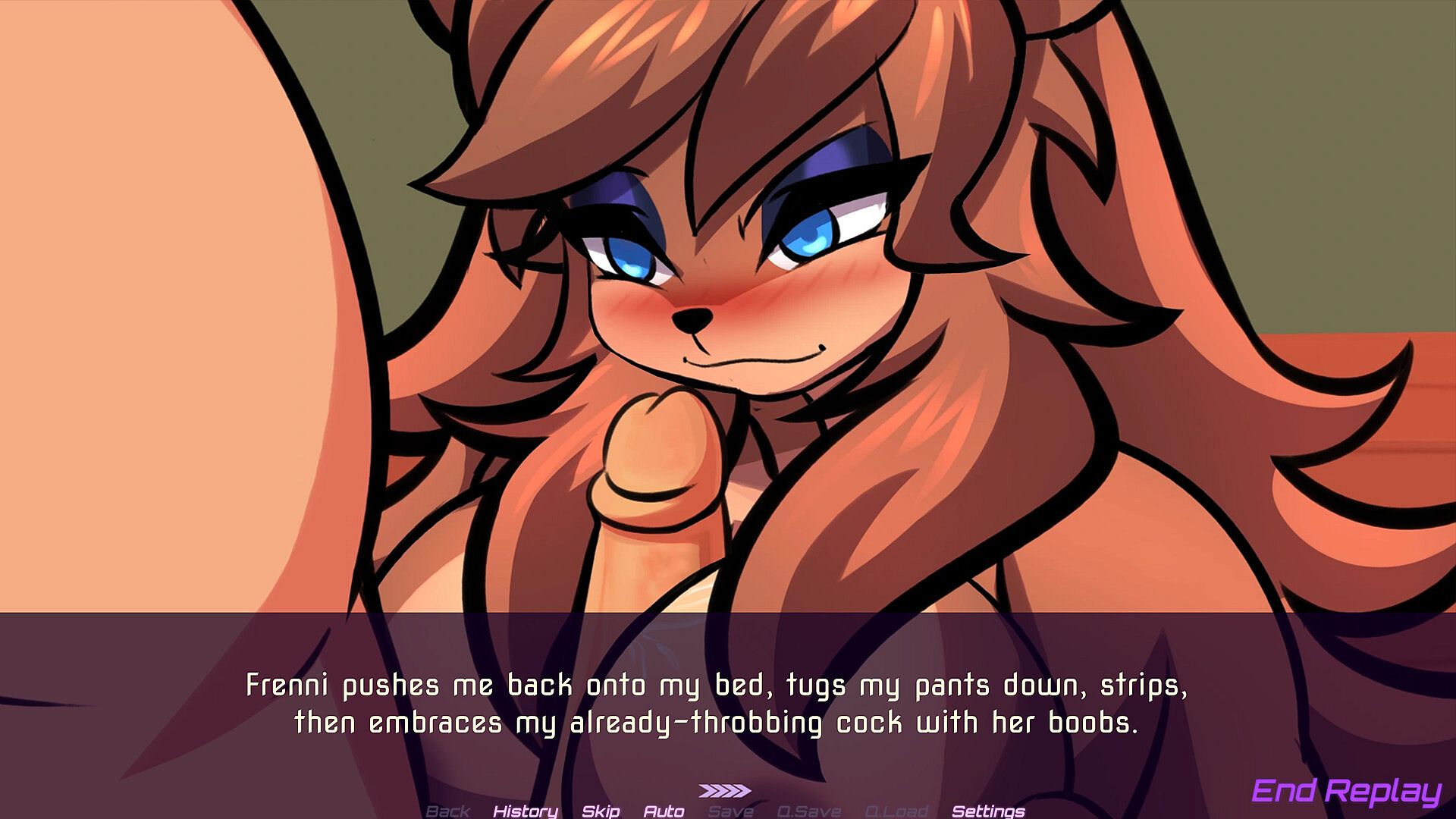
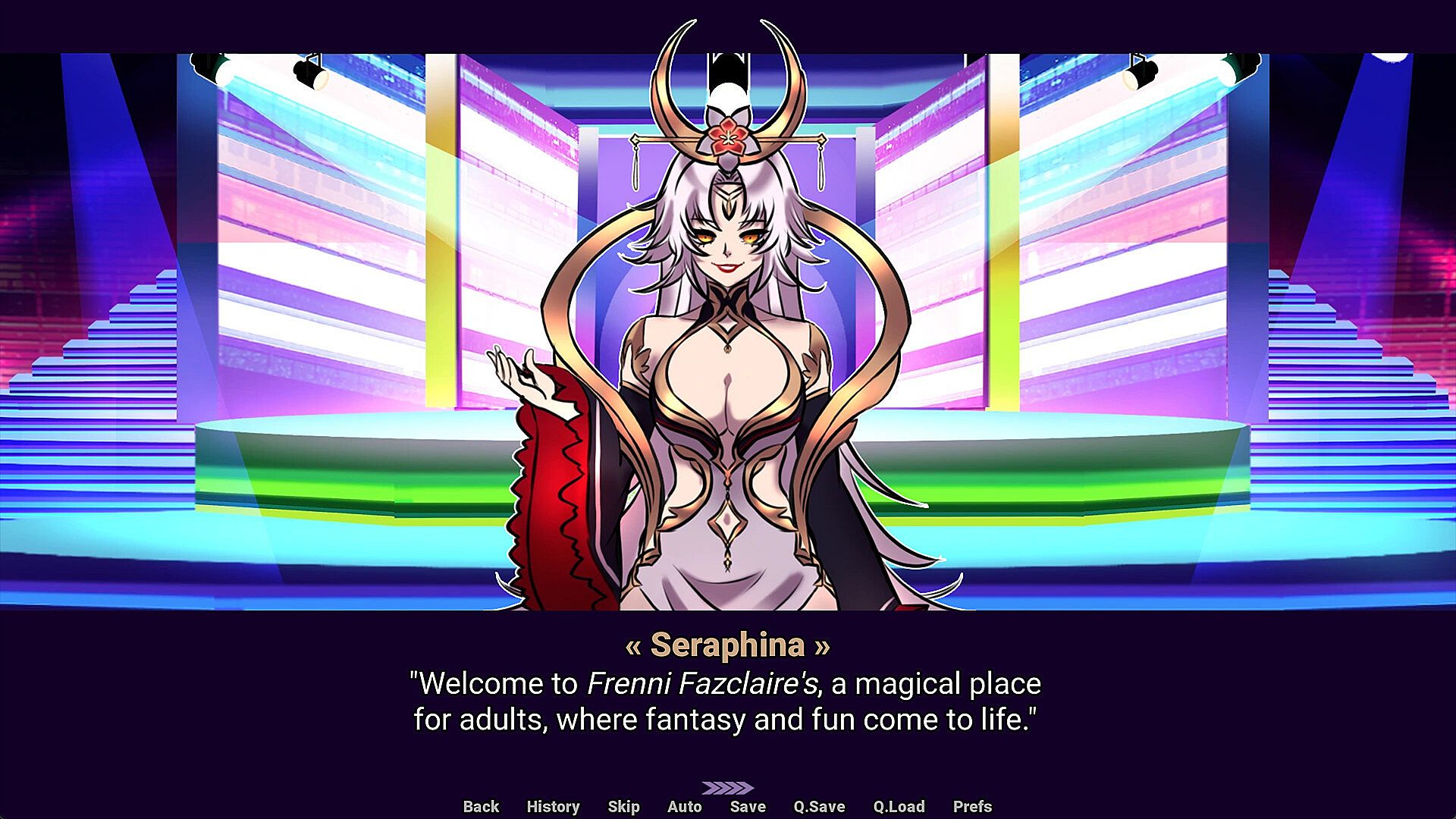



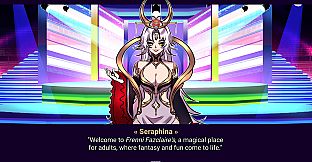
A Fortnight at Frenni Fazclaire's: The Duology combines two choice-driven visual novels into a single package for PC. This indie casual simulation title places players in the role of a night club worker surrounded by animatronic performers that echo familiar designs from the Five Nights at Freddy's series. The experience centers on daily routines at the venue, where surface-level shifts give way to deeper investigations into the animatronics and the fates tied to them.
Gameplay
Players navigate each visual novel through a series of decisions made over a 14-day period. Choices influence relationships with the animatronics and determine how events unfold, leading to multiple conclusions per story. The first visual novel allows selection between male or female perspectives as the night guard at the original club. The second shifts focus to the male chief engineer at a new sister location, where interactions center on prototype models.
Core systems involve balancing work responsibilities with opportunities to probe mysteries. Every selection carries weight, altering dialogue, scenes, and outcomes without relying on time management or resource tracking. Hand-illustrated scenes appear based on paths taken, and the package includes upgraded animations and responsiveness carried over from the second visual novel into the first.
Game Modes
The duology structures its content around two distinct narrative campaigns that share quality-of-life improvements. The first campaign follows the original club's night guard and features six possible endings. The second campaign follows the engineer at the sister club and features five possible endings. Both run independently yet connect through saved progress labels that track specific nights or days.
Progression relies on single-player branching paths rather than separate modes. Controller support, enhanced menus, and cross-game save recognition apply across both campaigns to streamline play sessions. No competitive or multiplayer elements appear in the design.
Characters and Animatronics
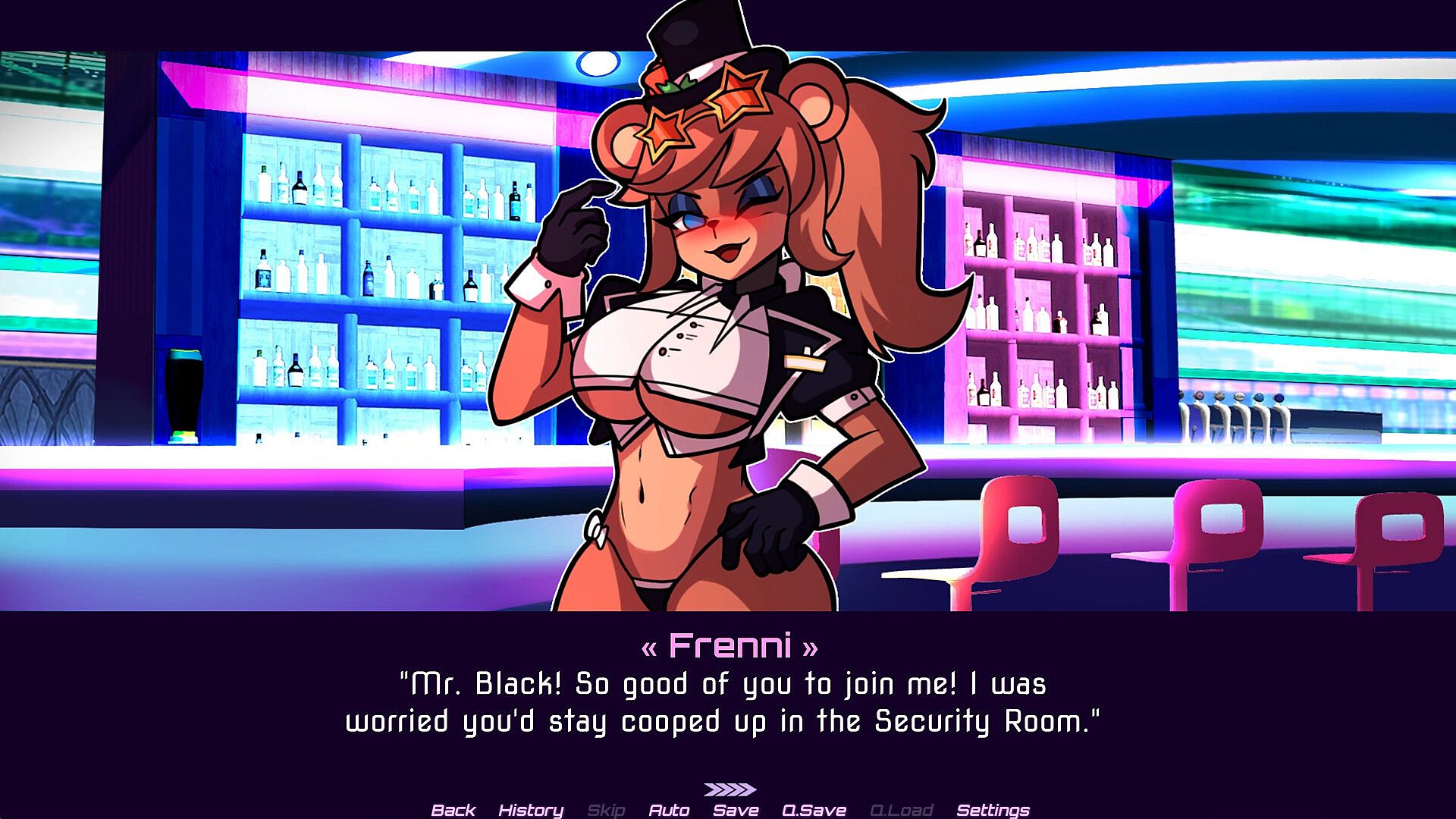
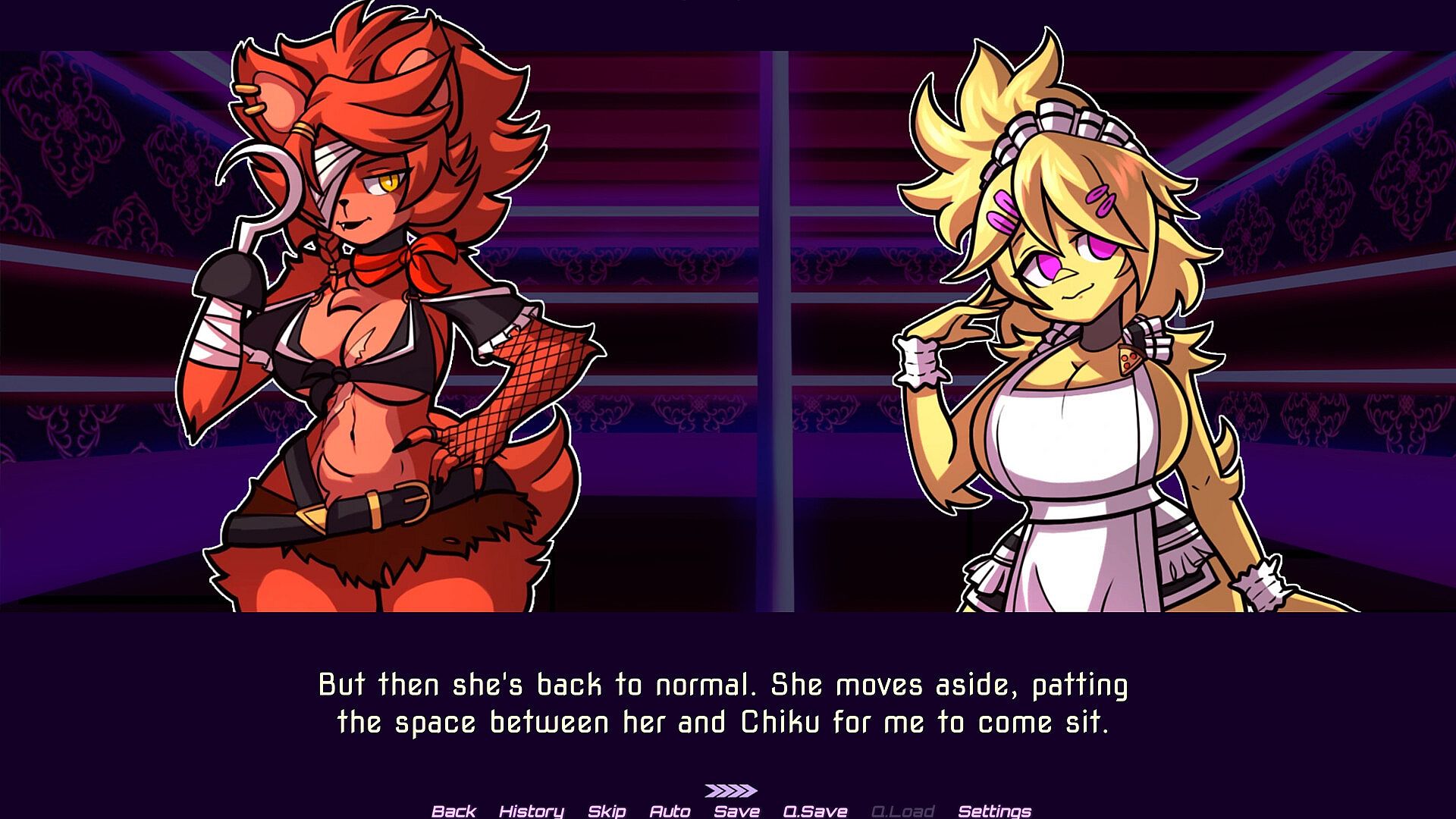
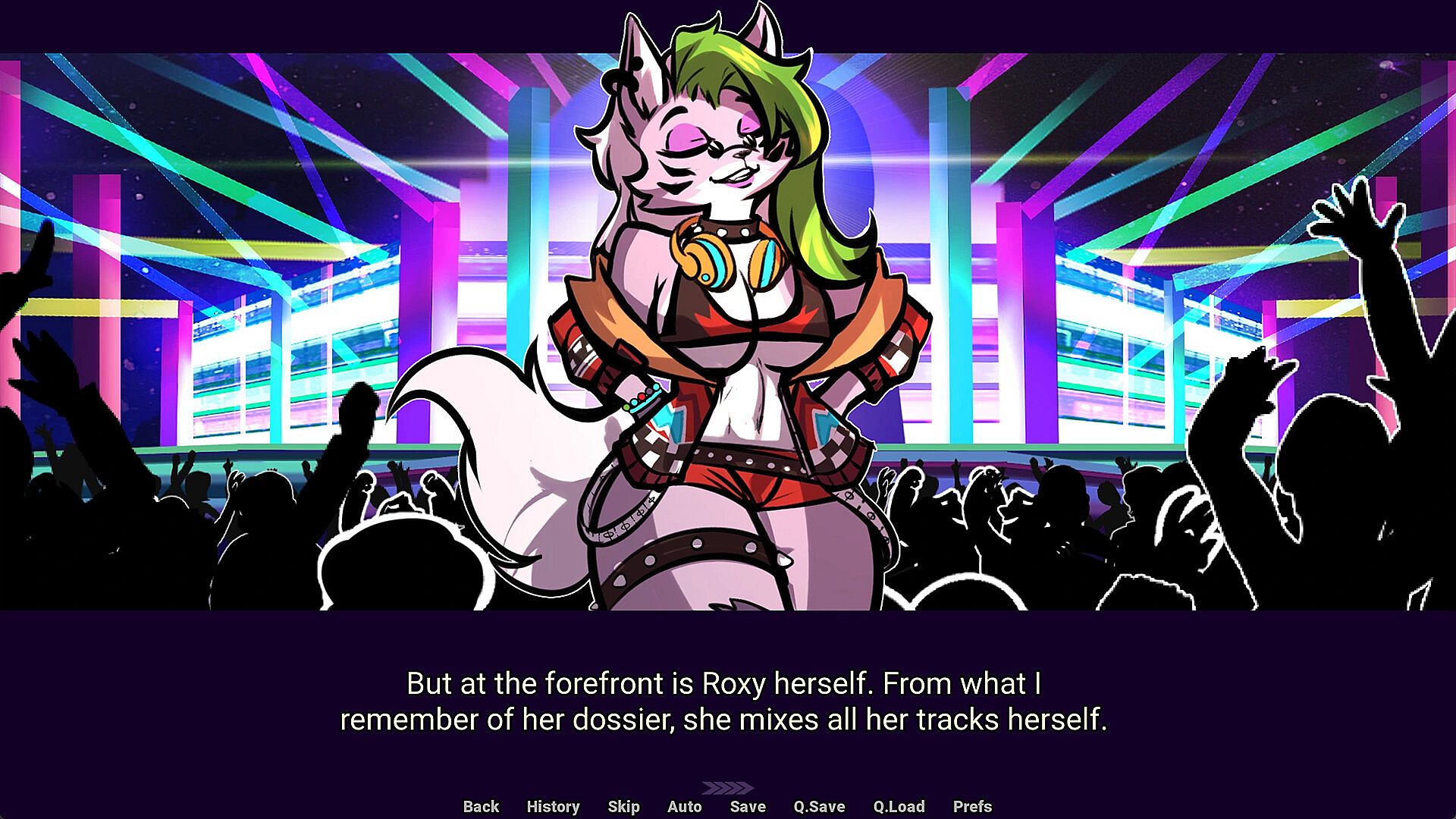
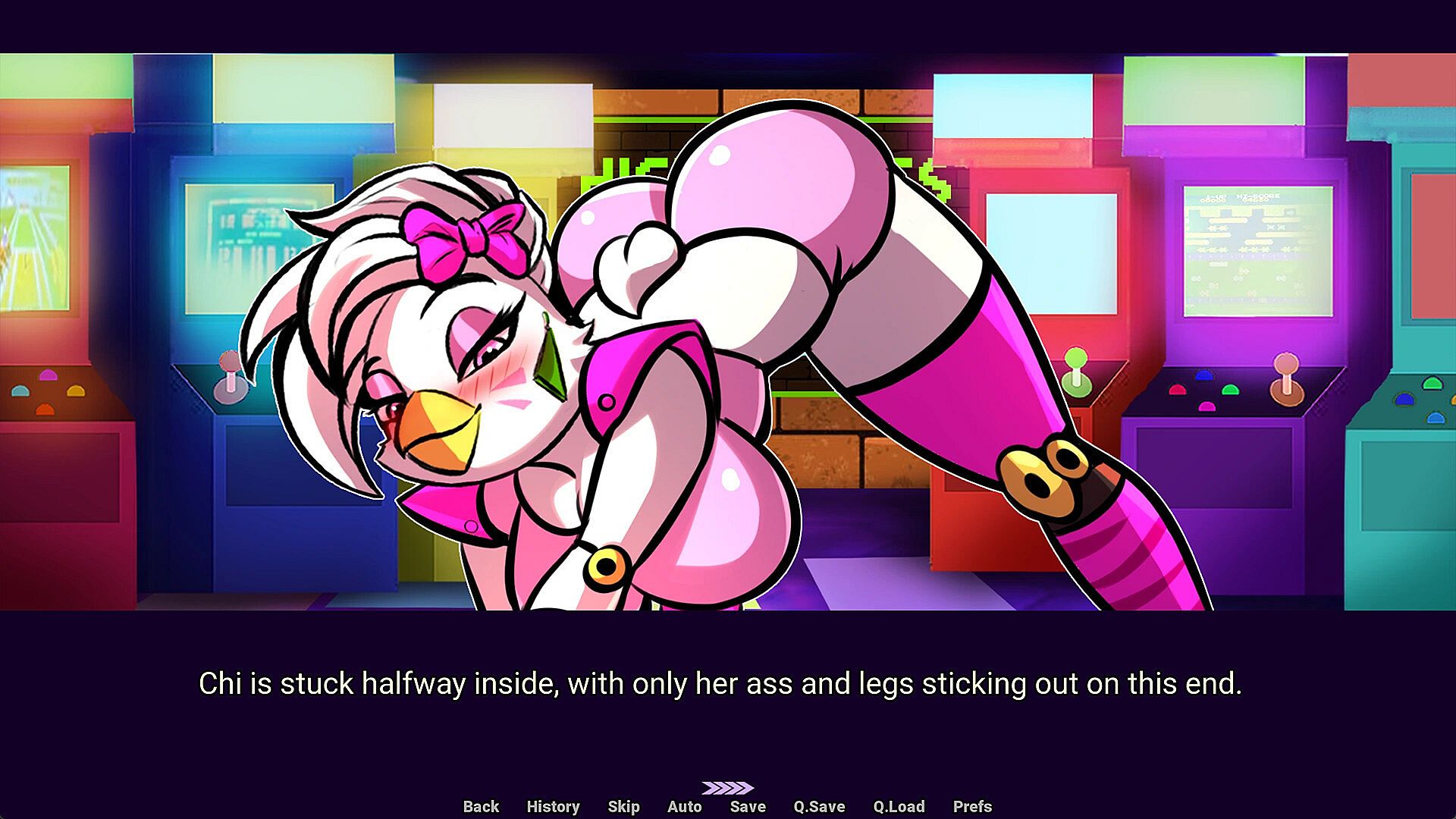
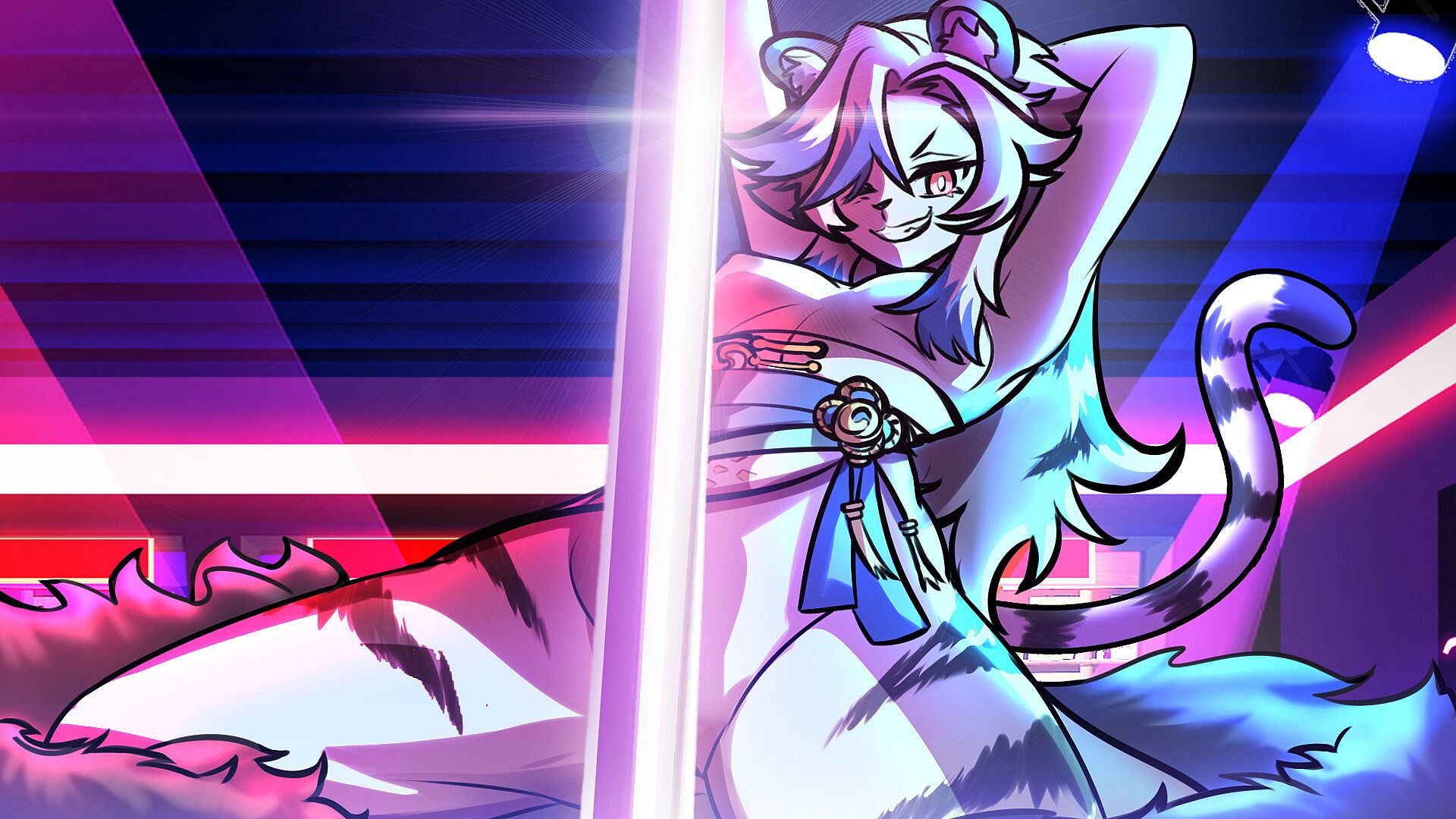
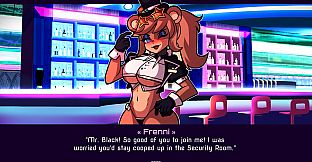
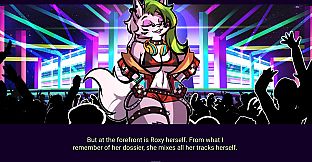
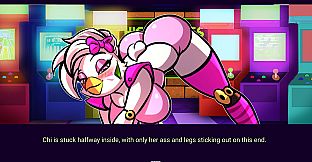
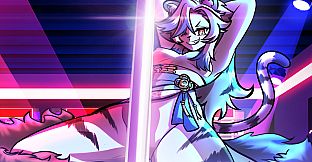
The first visual novel introduces a core group of animatronics including Bonfie, Chiku, Fexa, and Frenni, with additional figures encountered through specific choices. The second visual novel focuses on four prototype animatronics: Aurora the Tiger, Chi the Bird, Mia Mangle, and Roxy the Wolf. Each character contributes to the unfolding mysteries through dialogue and interactions shaped by player decisions.
Exploration of these figures forms the central loop, where routine club duties intersect with opportunities to uncover hidden elements. The animatronics serve as both performers and subjects of investigation, with outcomes tied directly to how players engage with them over the two-week spans.
Updates and Improvements
The duology incorporates several technical upgrades to both visual novels. The first receives a full migration to the newer code base, adding exclusive animated scenes and improved responsiveness. Additional refinements include labeled save files, better menu navigation, and consistent controller integration throughout the package.
These changes create a unified experience where progress in one campaign can reference elements from the other. The result emphasizes accessibility for new players while preserving the original narrative structure and choice consequences.
Is It Worth Playing?
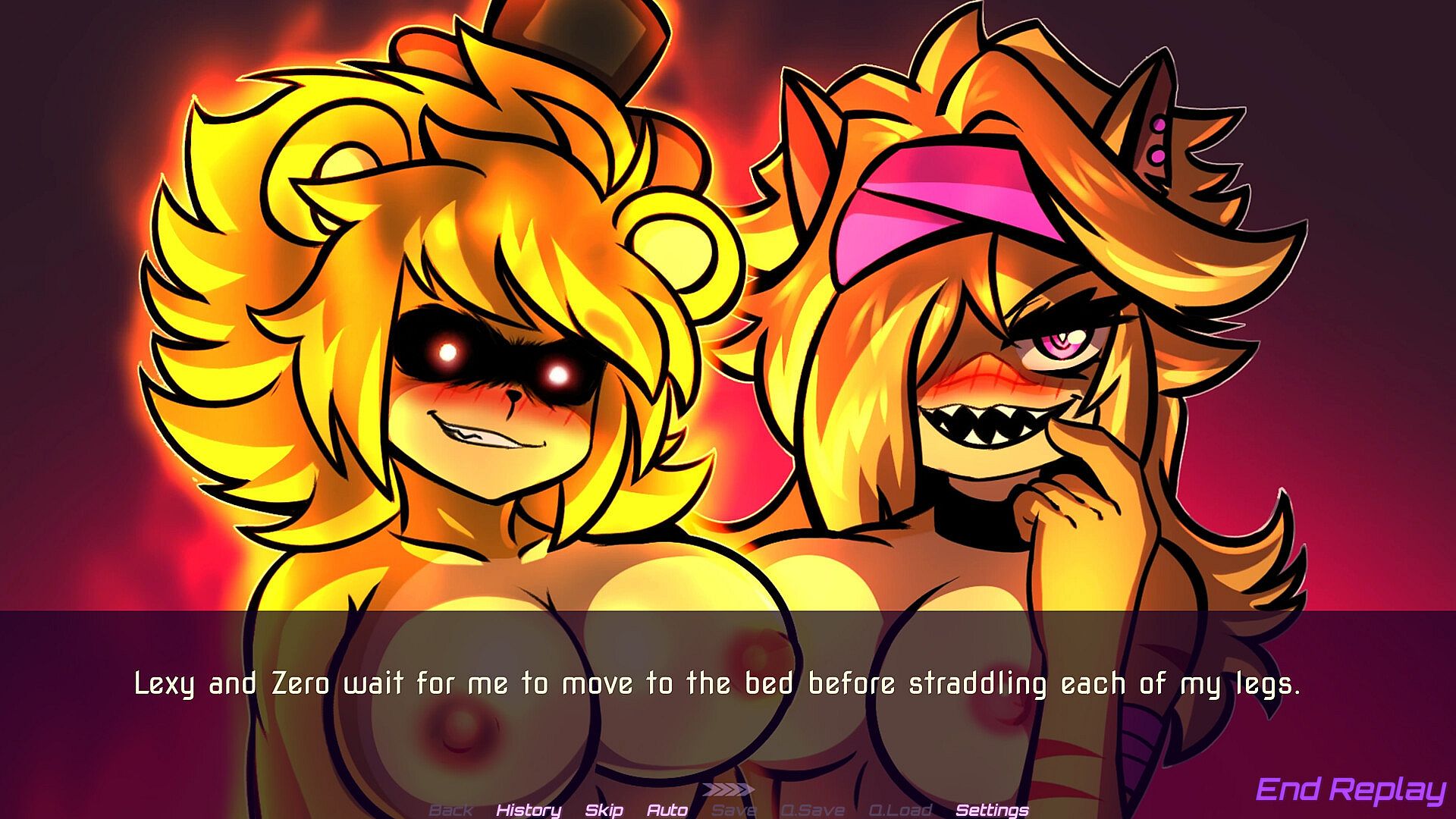
This title suits players who enjoy narrative-focused visual novels with branching stories and character-driven decisions. The simulation elements revolve around club work and mystery resolution rather than action or complex systems, making it accessible for casual sessions. Those interested in adult-themed content will find the hand-illustrated scenes integrated into the choice paths.
Reception for the series has been positive among fans of the genre, with the duology offering refined presentation and expanded content in one release. It provides a self-contained experience for those seeking story variety without ongoing updates or seasonal content. Players who prefer linear tales or fast-paced mechanics may find the deliberate pacing less engaging, while choice enthusiasts will appreciate the distinct endings and perspective options.











