







1 Thousand Deaths is a single-player action-adventure game built around repeated deaths and precise navigation through dangerous, handcrafted environments. Players explore interconnected zones filled with moving props, disguised threats, and shifting physics that force constant adaptation. The core loop centers on learning patterns, using limited tools, and pushing forward after each failure.
Gameplay
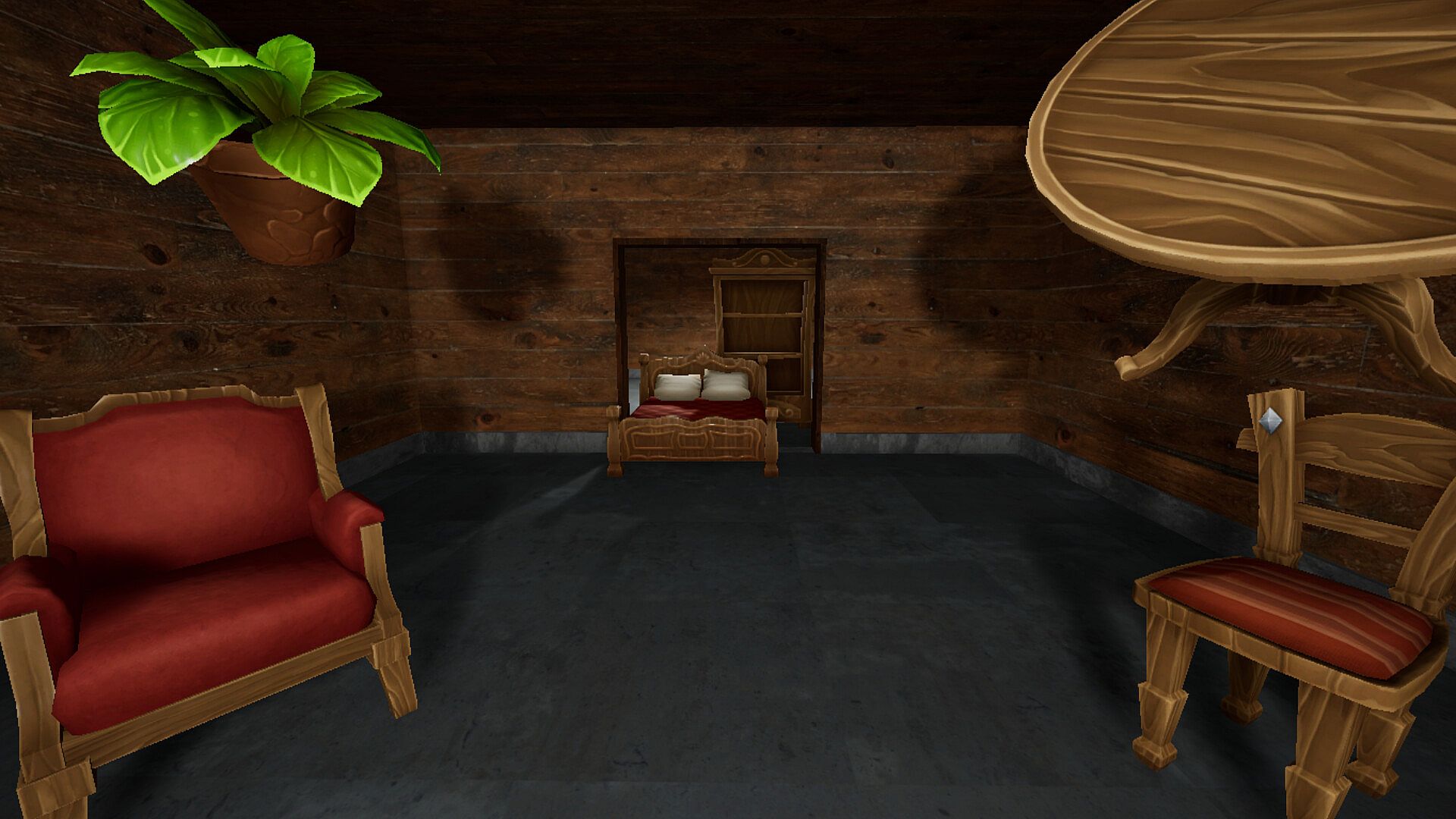
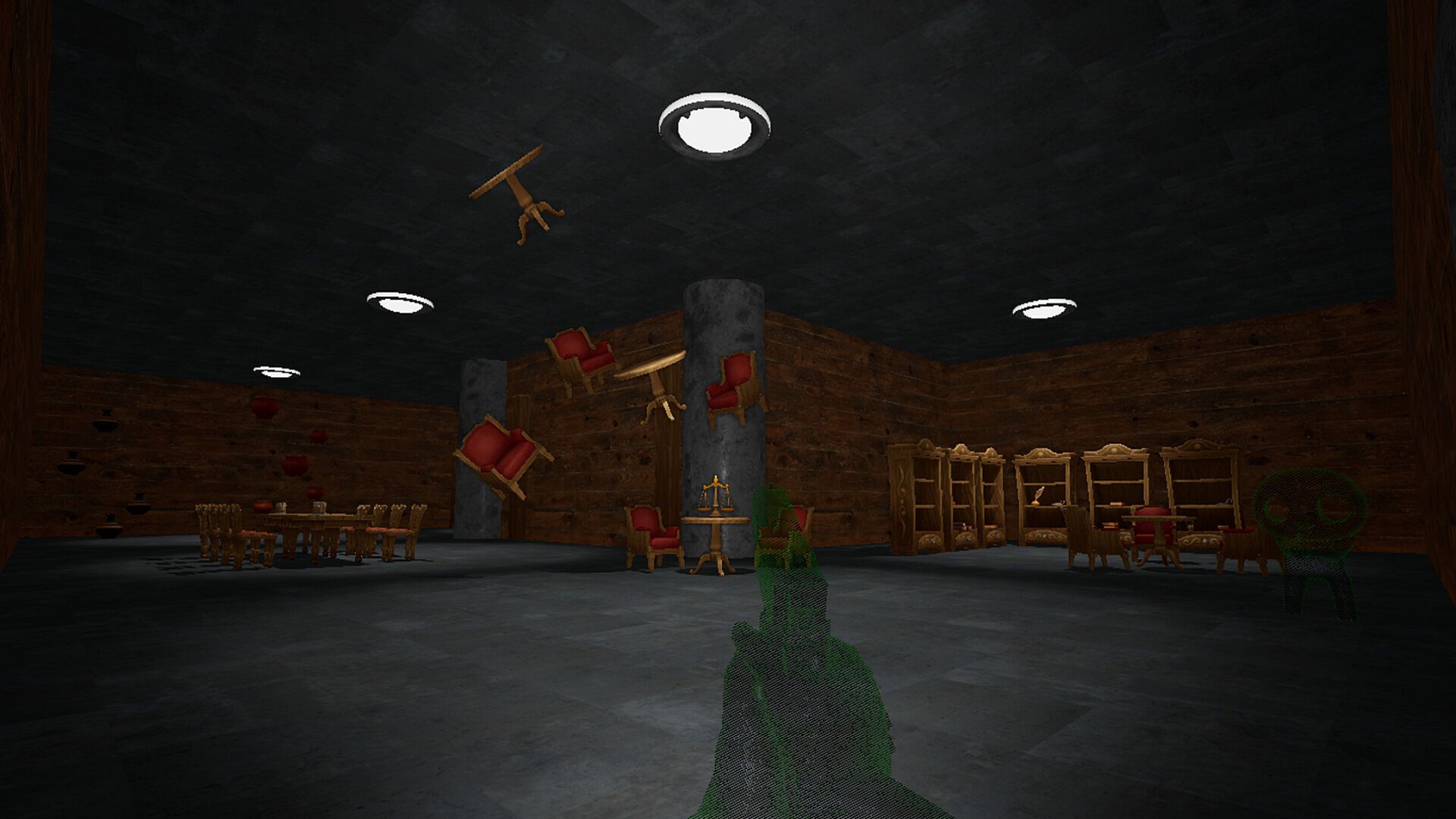
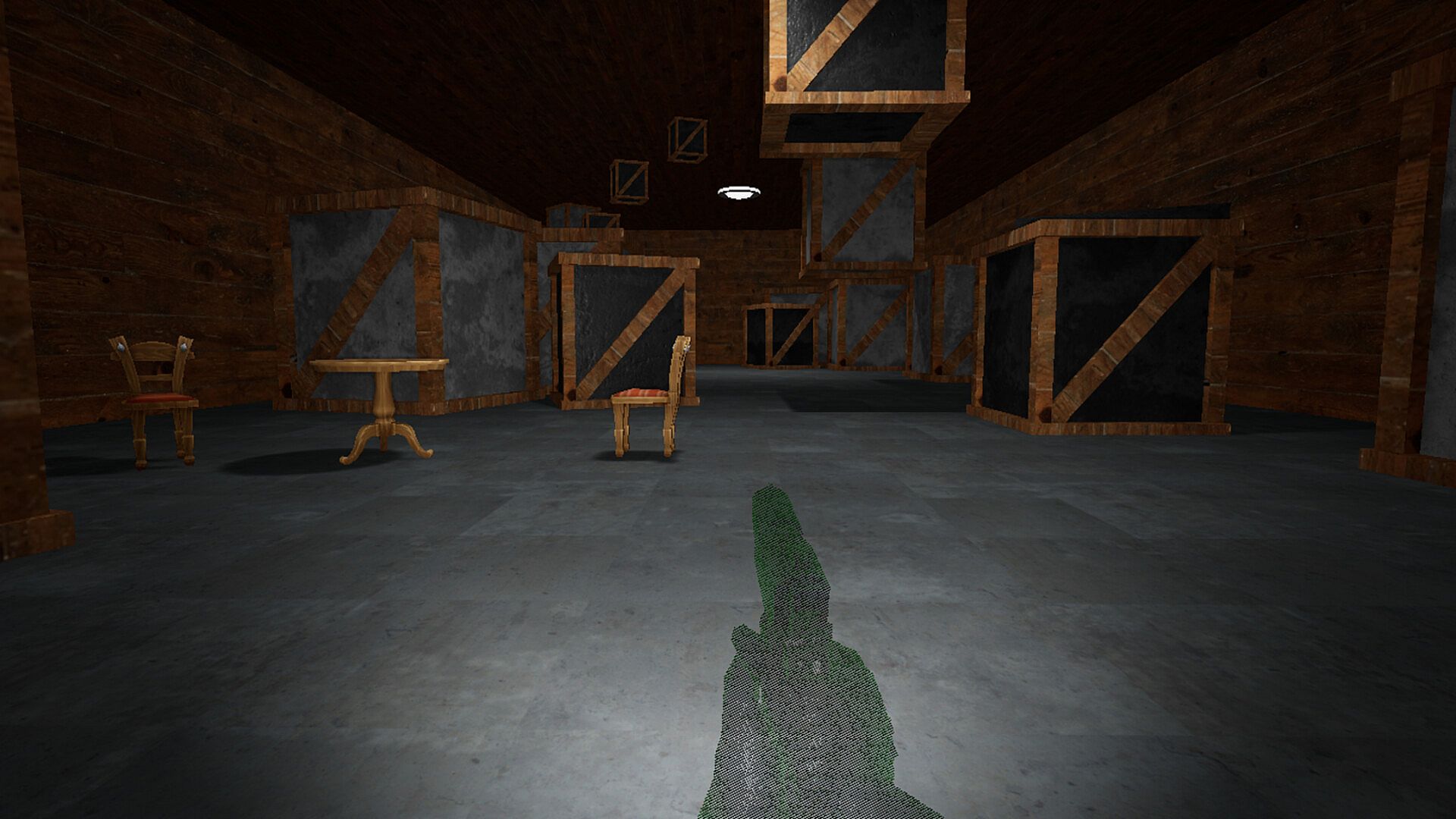
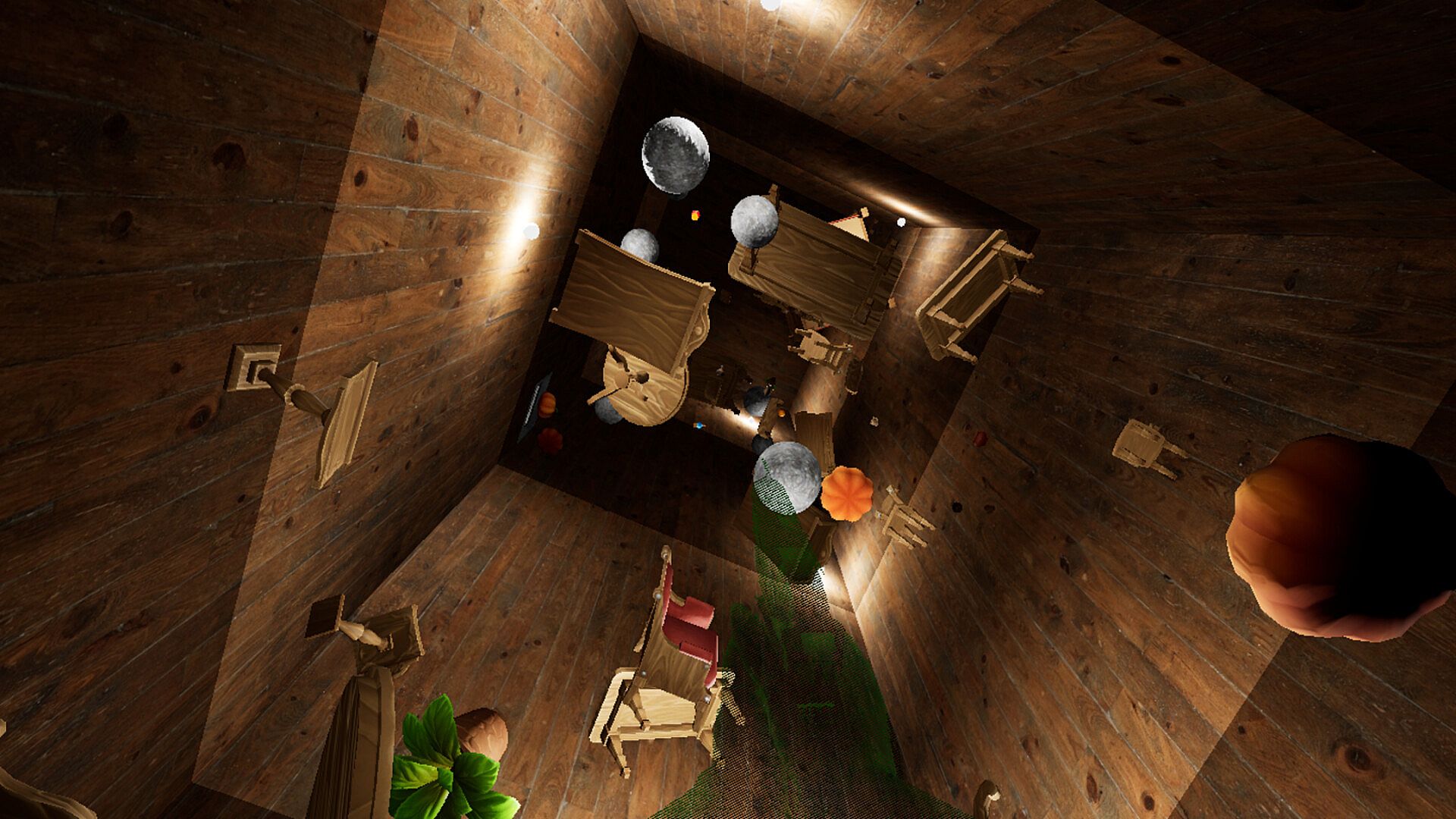
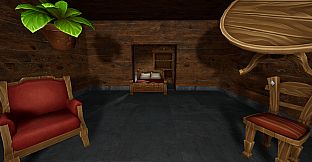
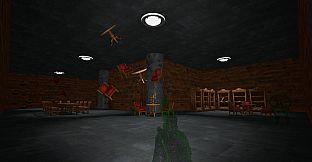
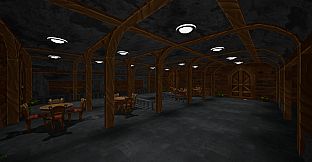
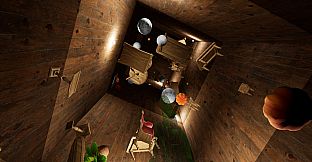
The experience revolves around exploration of distinct biomes including forests, caves, swamps, and mines. Each area introduces fresh hazards that demand observation and timing. Props such as chairs, tables, bookcases, and plants serve as both obstacles and active dangers, capable of striking, launching, or vanishing without warning. Players must keep weapons ready because some decorative elements function as enemies that attack when approached.
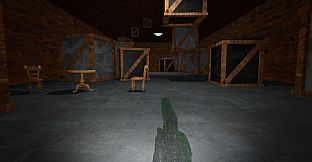
Tools play a key role in progress. A pebble highlights hidden routes, while a glowstick provides light in dark sections. The dash ability allows quick movement in any direction to evade threats or cross gaps. Mastery comes from recognizing trap sequences and reacting before they activate.
Glitches introduce unpredictable elements that alter movement entirely. These can enable wall walking, ceiling running, sudden teleports, or forces that push and bounce the player. Such effects turn familiar spaces into new challenges and require players to adjust strategies on the fly. Death returns the character to a checkpoint, encouraging immediate retries with gained knowledge.
Game Modes
1 Thousand Deaths operates as a focused single-player title without separate multiplayer or competitive modes. Progression follows a linear yet open exploration structure across handcrafted zones, where success depends on surviving trap sequences and reaching exits. The design emphasizes solo trial-and-error gameplay rather than team-based or versus formats.
Players advance by clearing successive areas, each with unique trap layouts and enemy placements. No additional modes such as time trials, endless survival, or co-op variants appear in available descriptions. The emphasis stays on individual mastery of movement, tool use, and pattern recognition within the core adventure.
Exploration and Hazards
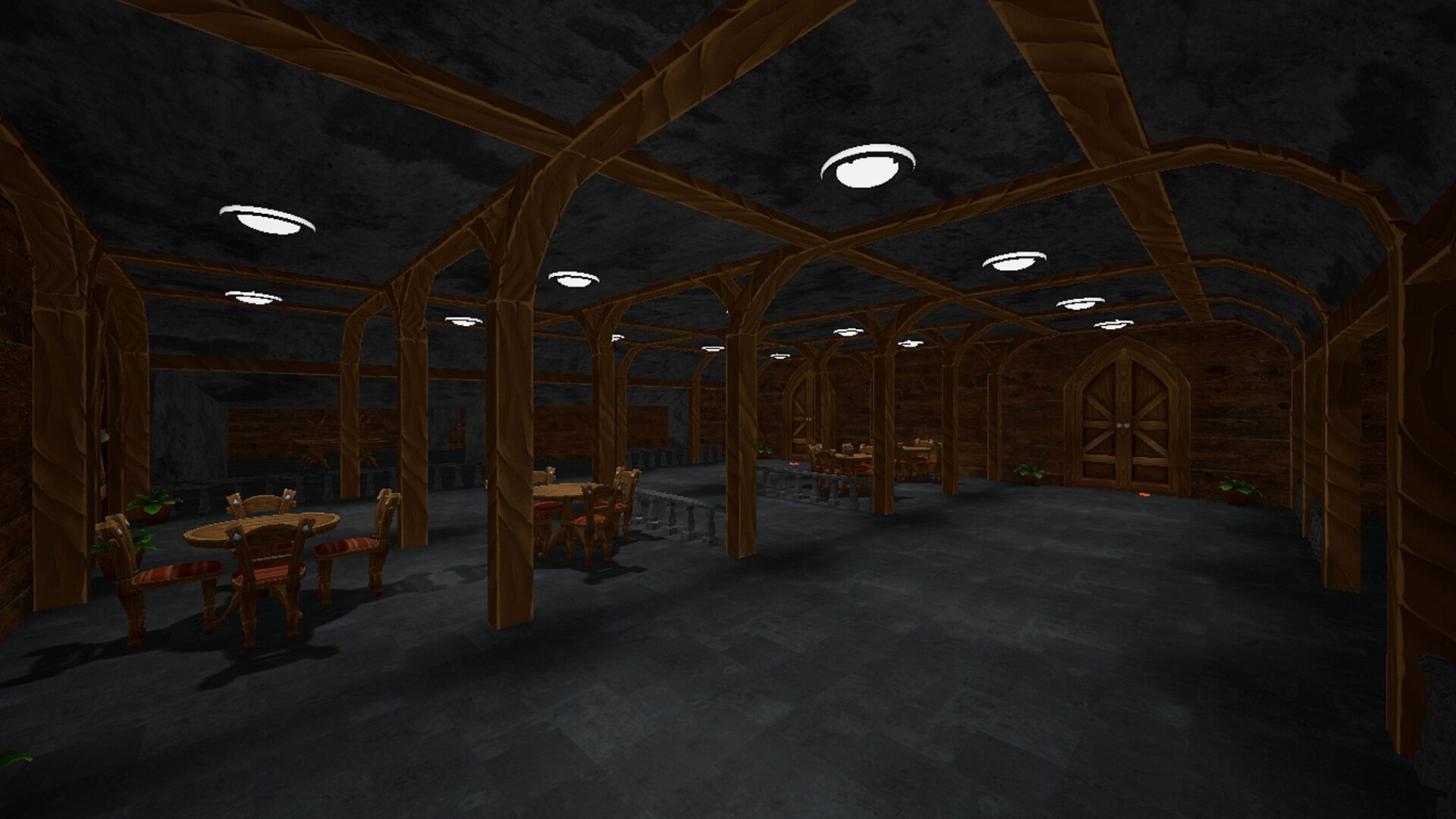
World design prioritizes variety across natural and industrial settings. Forests offer dense cover that conceals threats, while caves and mines introduce tight spaces and vertical elements altered by glitches. Swamps add environmental hazards that interact with the physics changes. Every prop and surface potentially contributes to the danger, turning routine movement into a puzzle of avoidance and timing.
Enemies blend into surroundings until triggered, forcing constant vigilance. Combined with moving and disappearing objects, this creates layered challenges where visual scanning and quick decisions determine survival. The respawn system supports repeated attempts without penalty beyond lost progress in the current section.
Is It Worth Playing?
The game remains in development with a demo available for those interested in testing the death-and-retry mechanics firsthand. Its appeal lies in the tight integration of trap navigation, tool-assisted exploration, and glitch-driven surprises within a single-player framework. Players who enjoy precise platforming and pattern-based challenges in action-adventure settings will find the described systems align with that preference.
Current information shows no released updates, seasons, or post-launch content plans. Reception data does not yet exist due to the upcoming status. Those drawn to hardcore exploration and parkour elements may benefit from trying the demo to assess whether the loop matches their tolerance for frequent failures and incremental learning.











