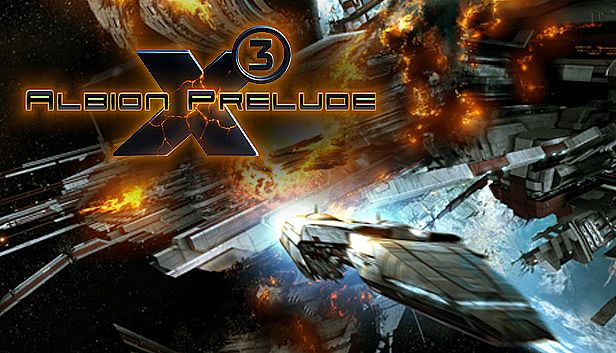














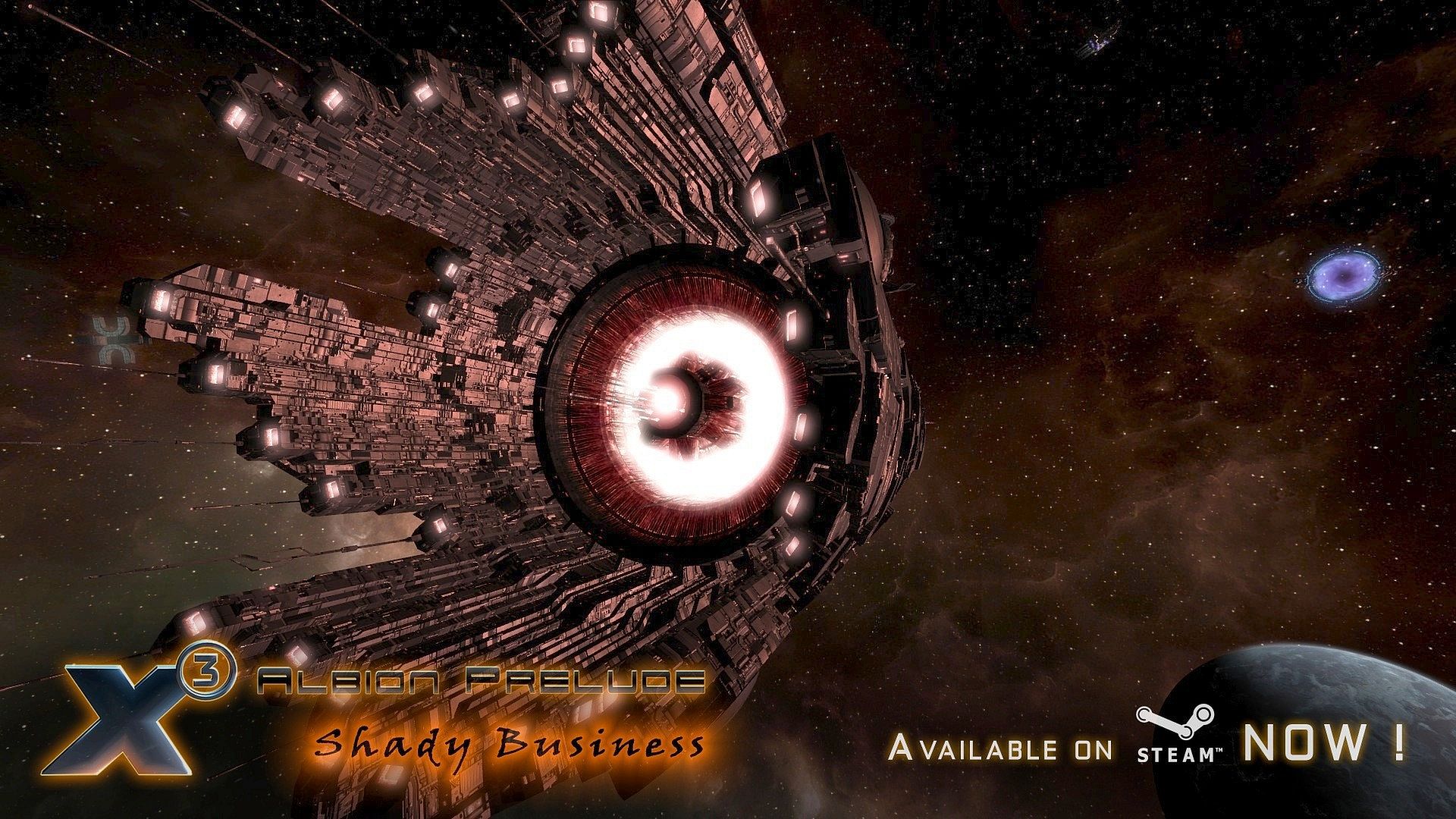
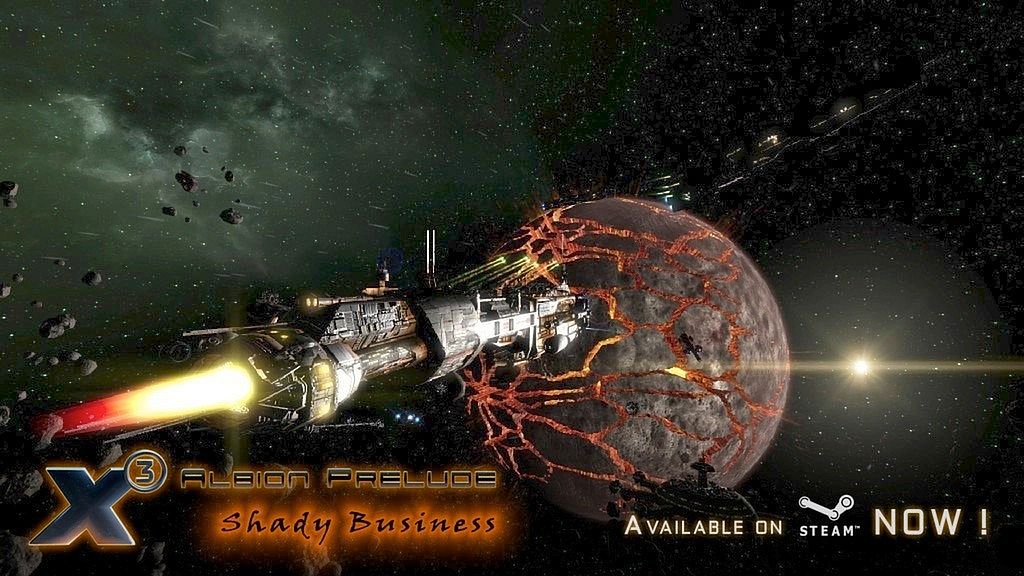
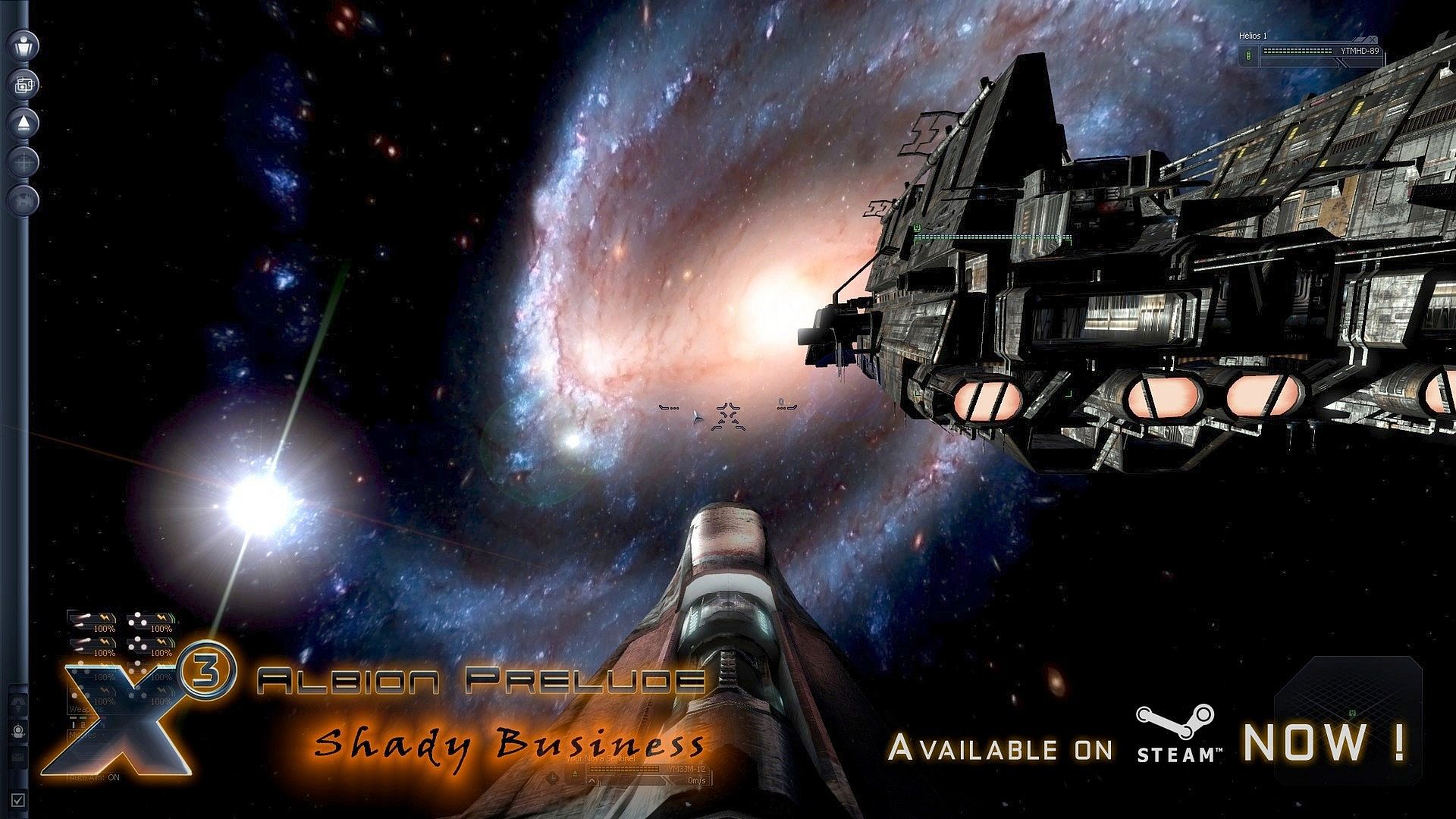
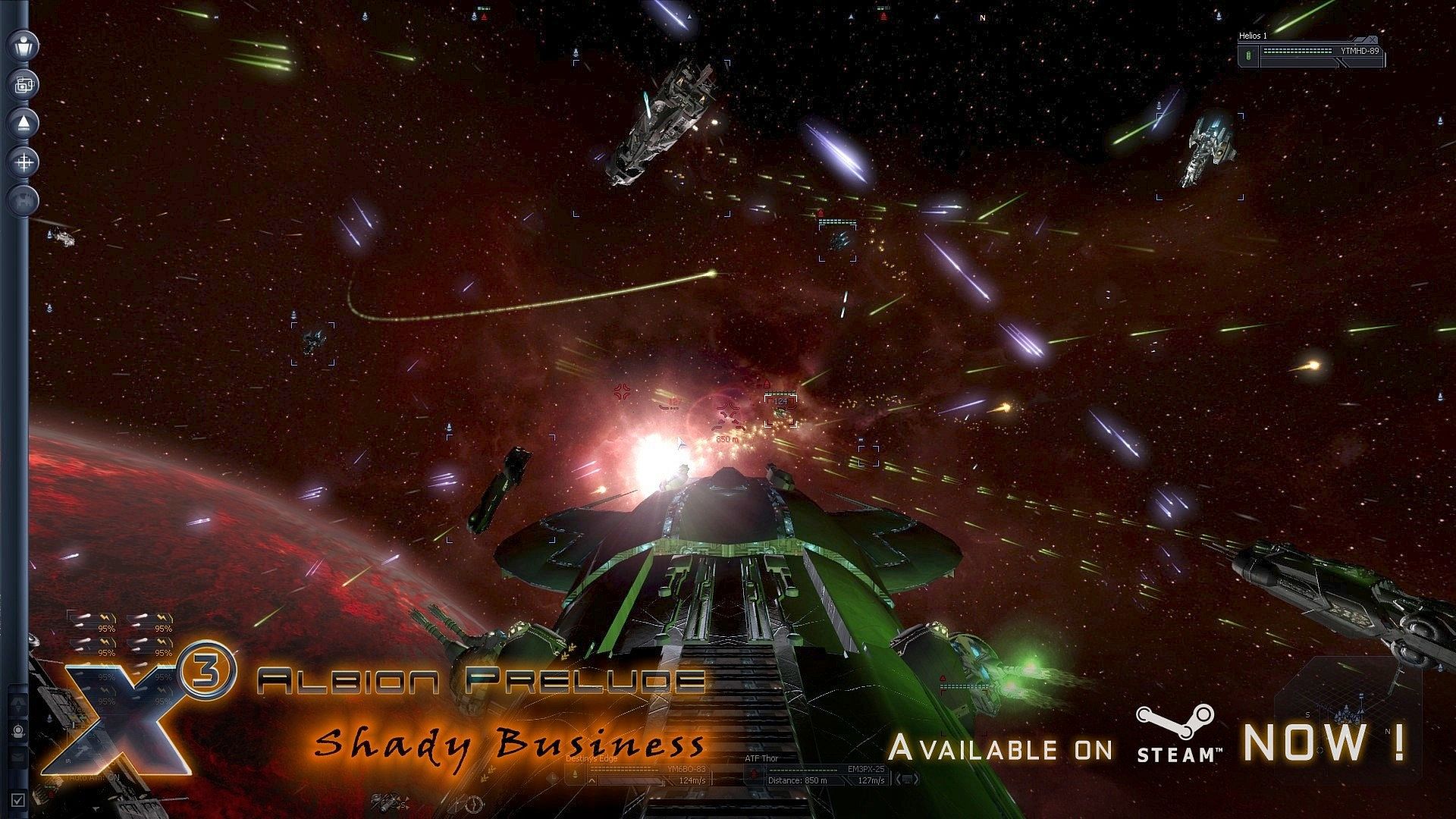
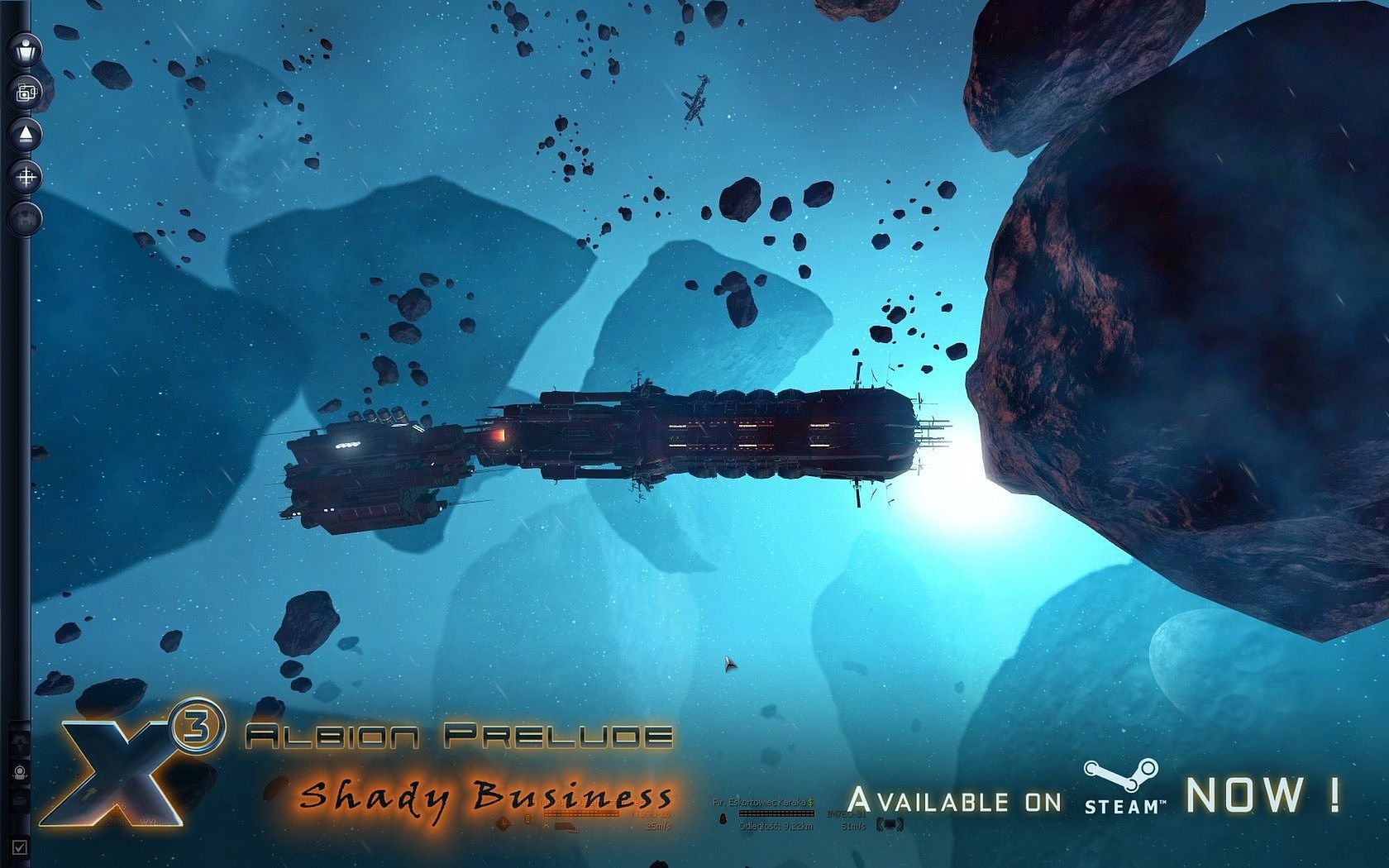
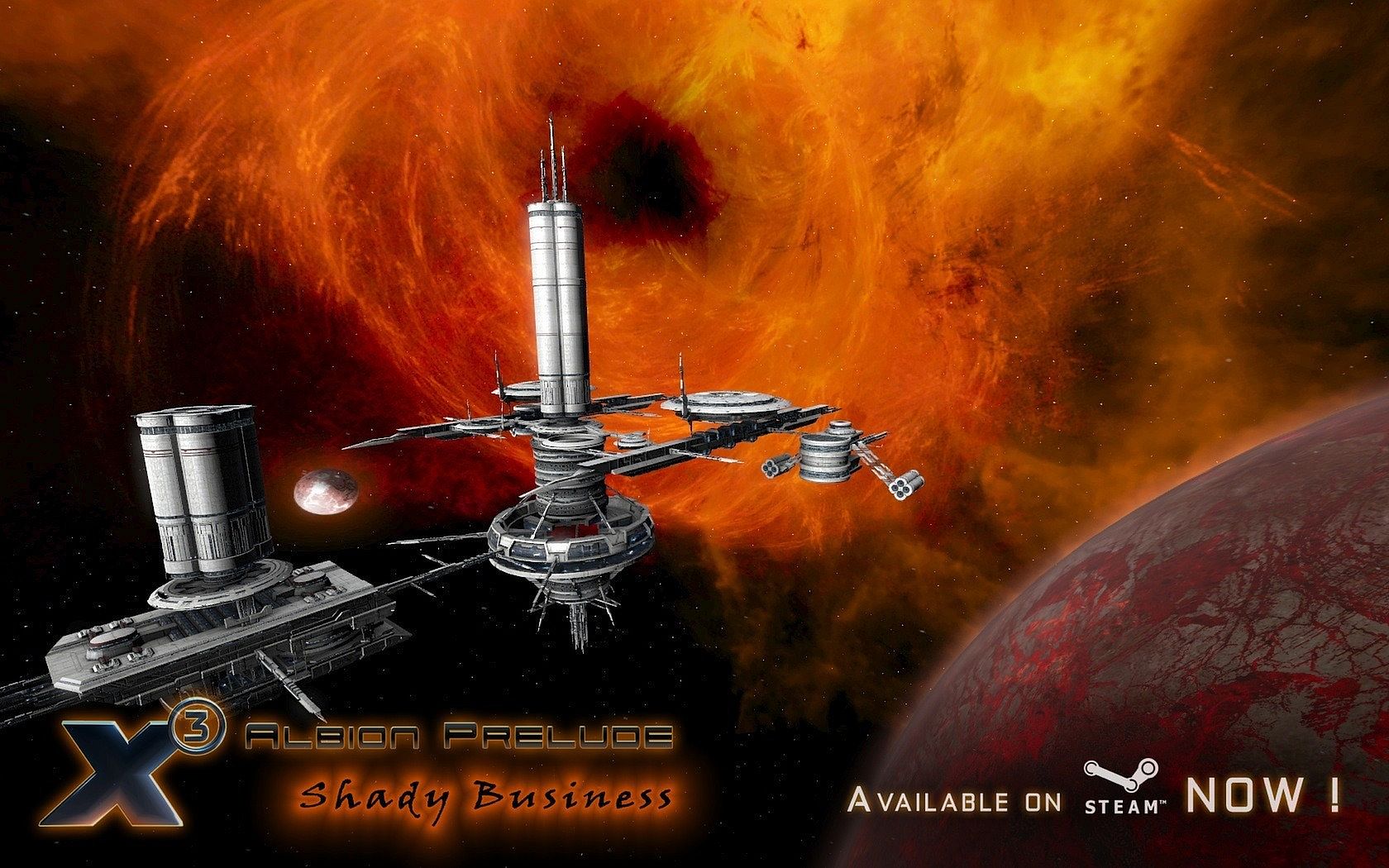
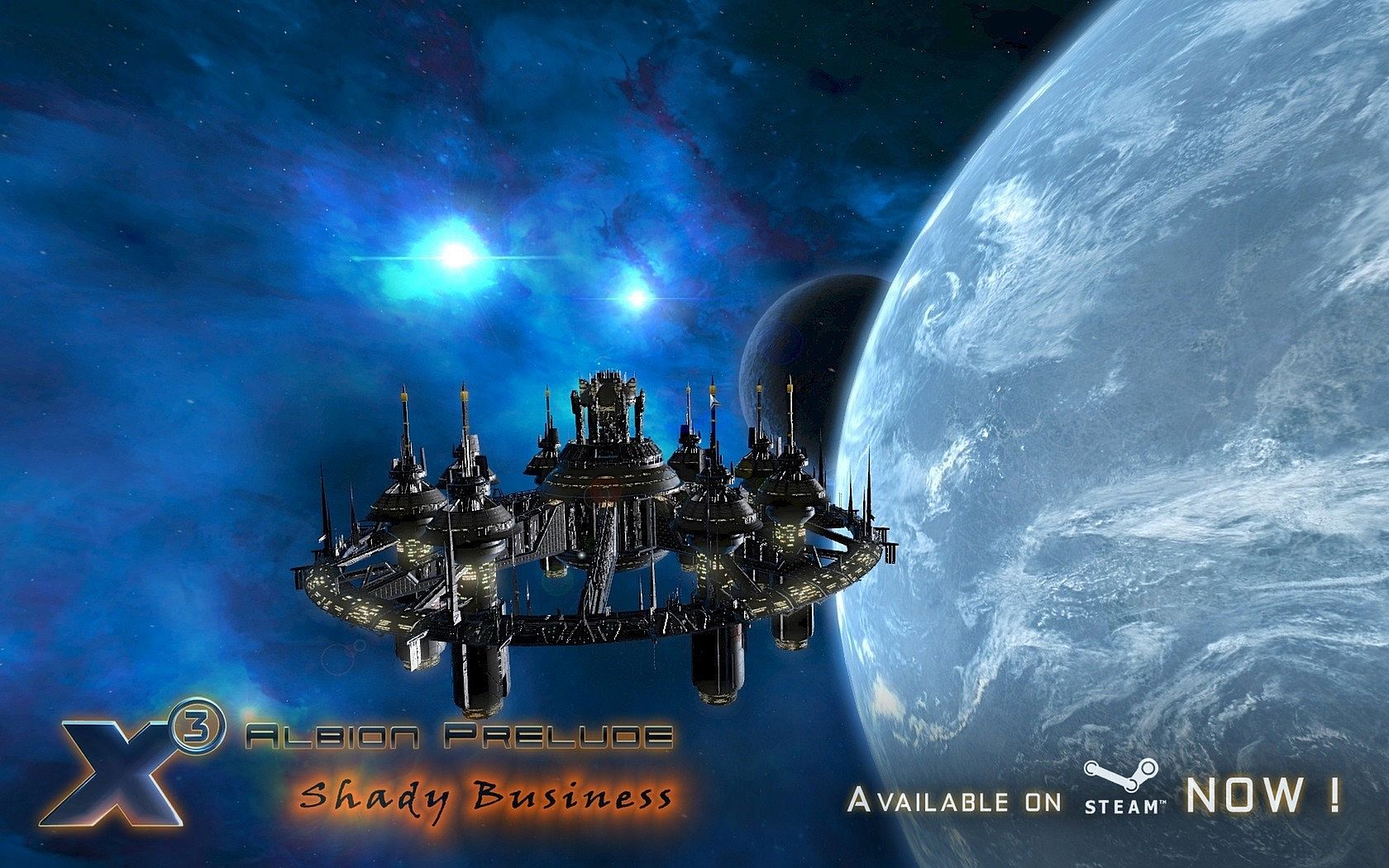
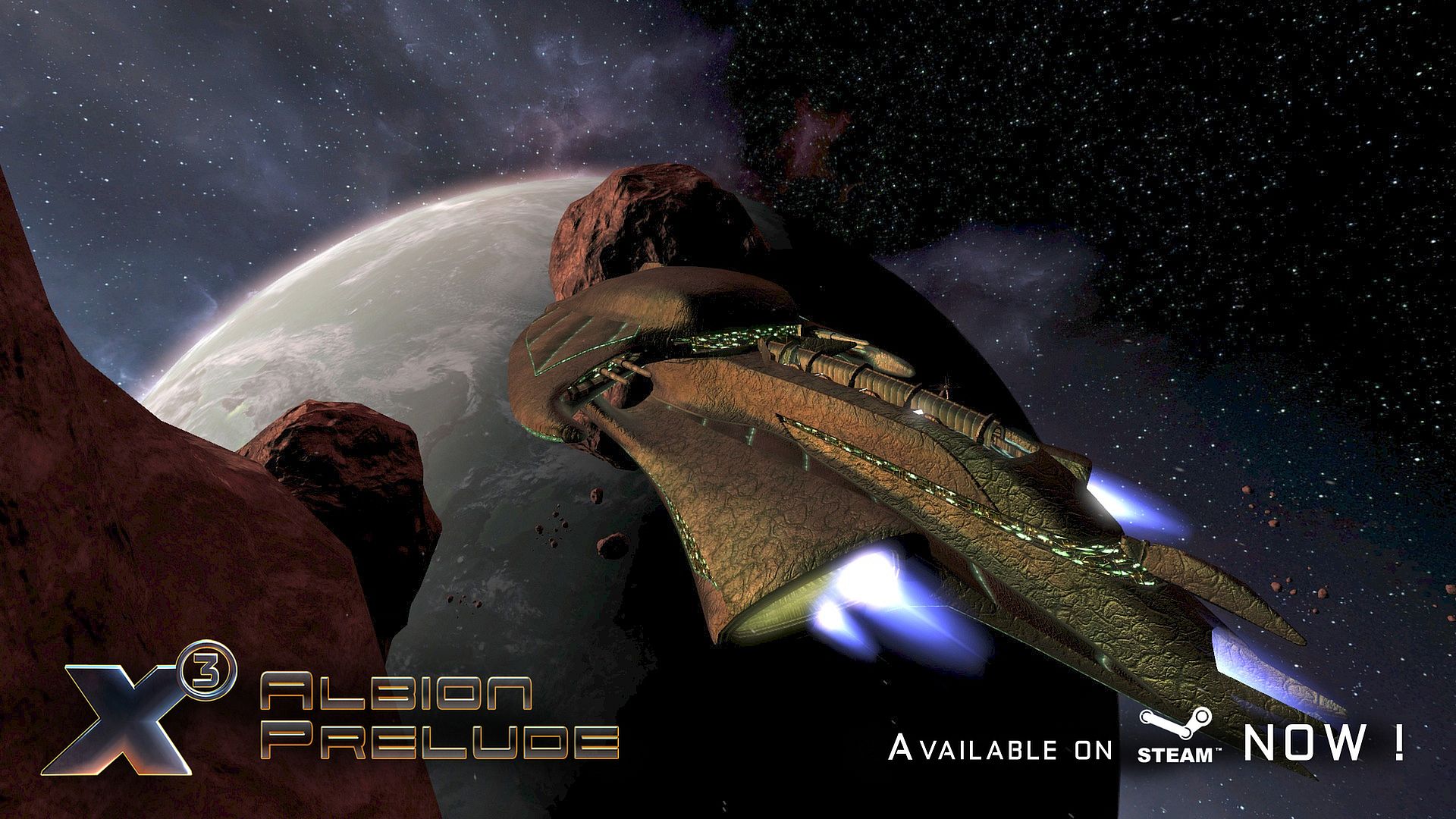
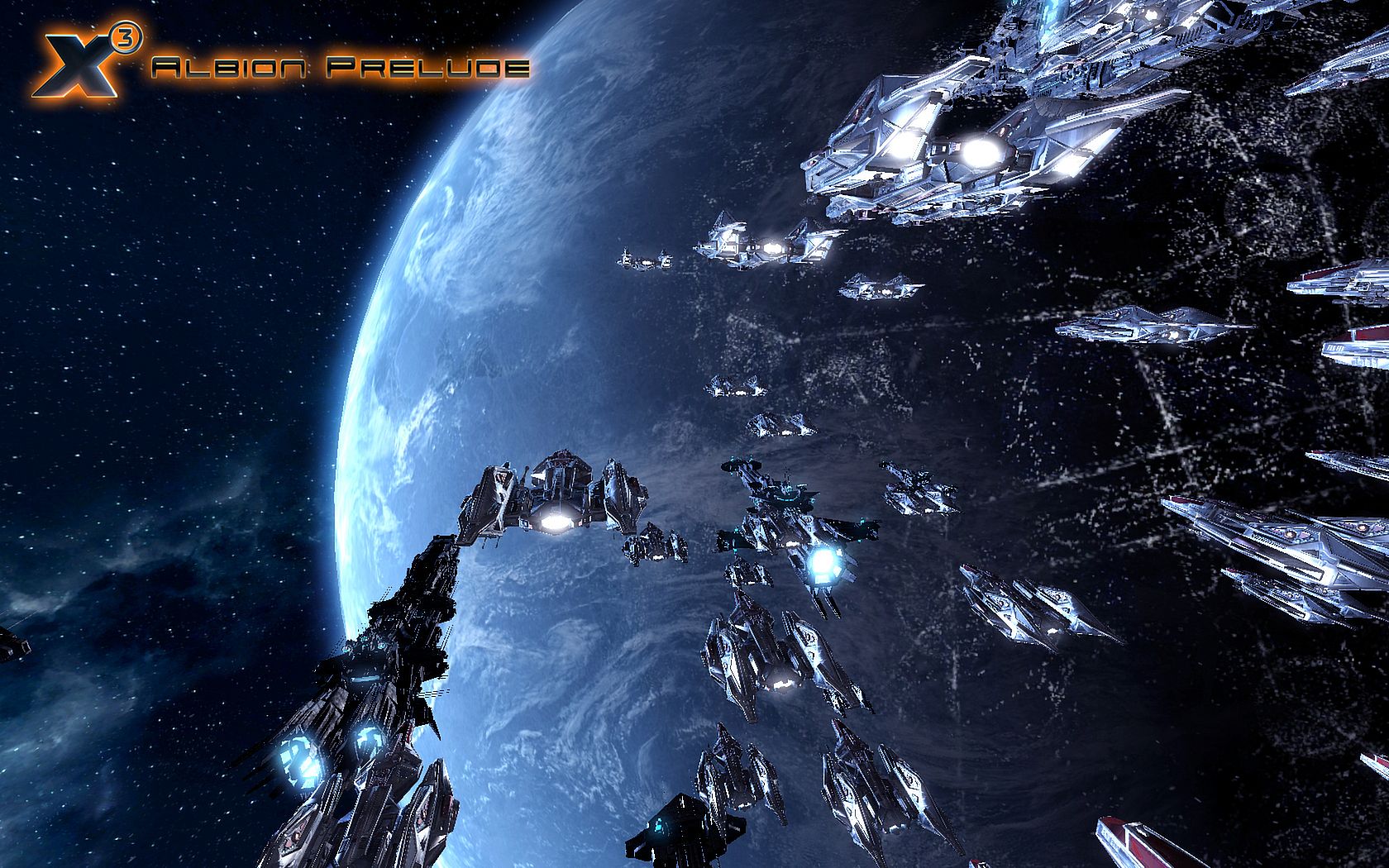
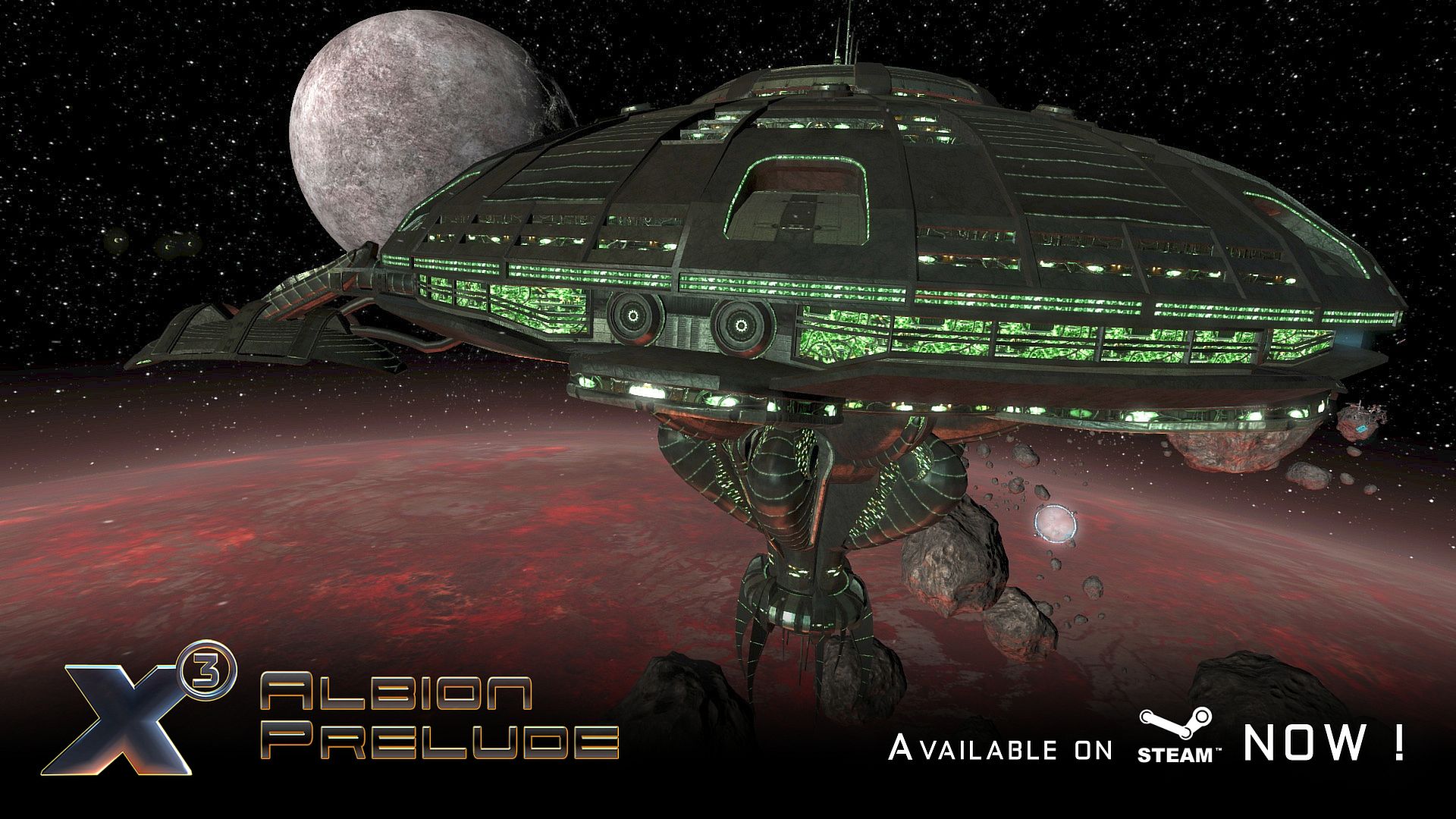
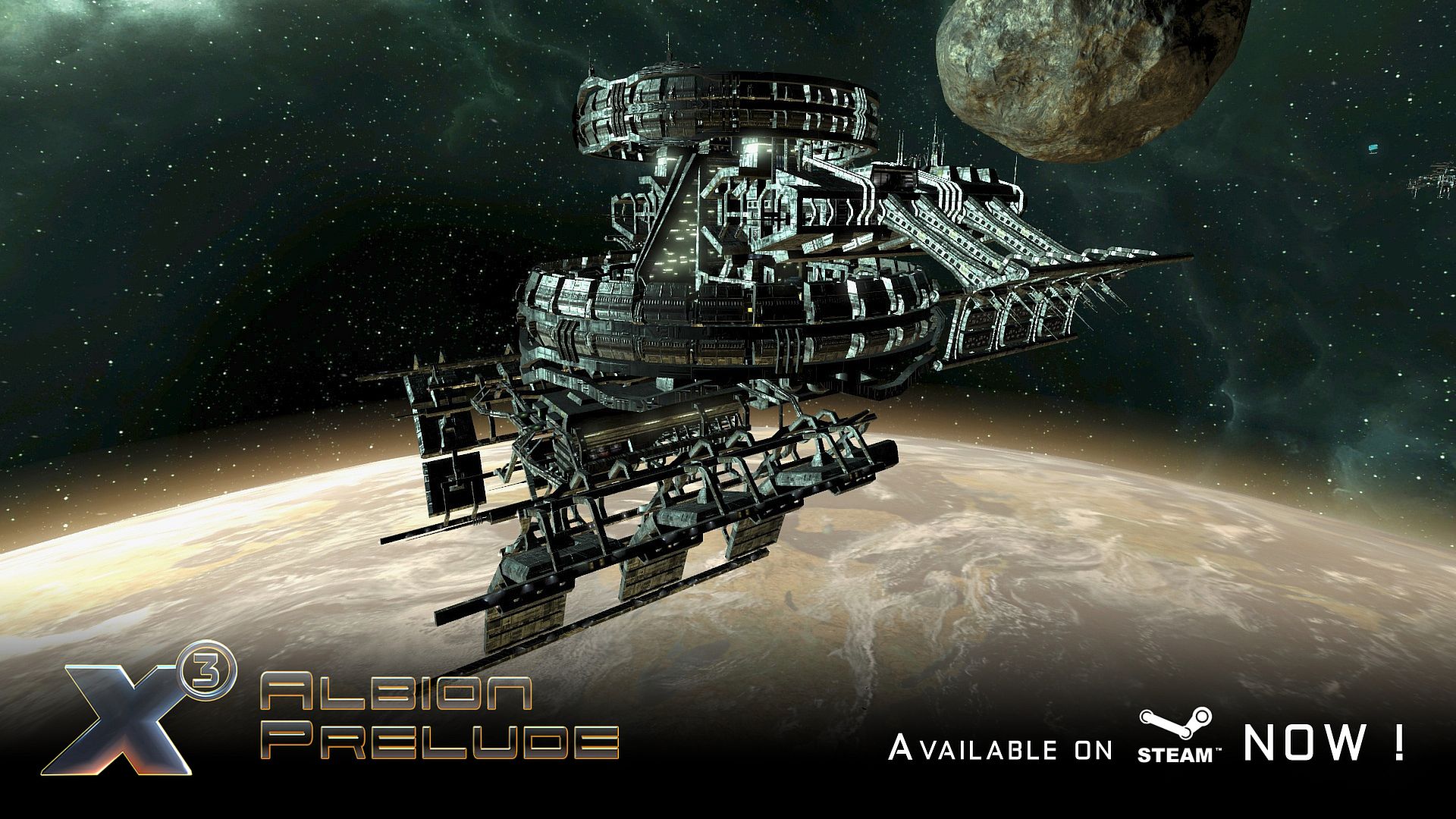
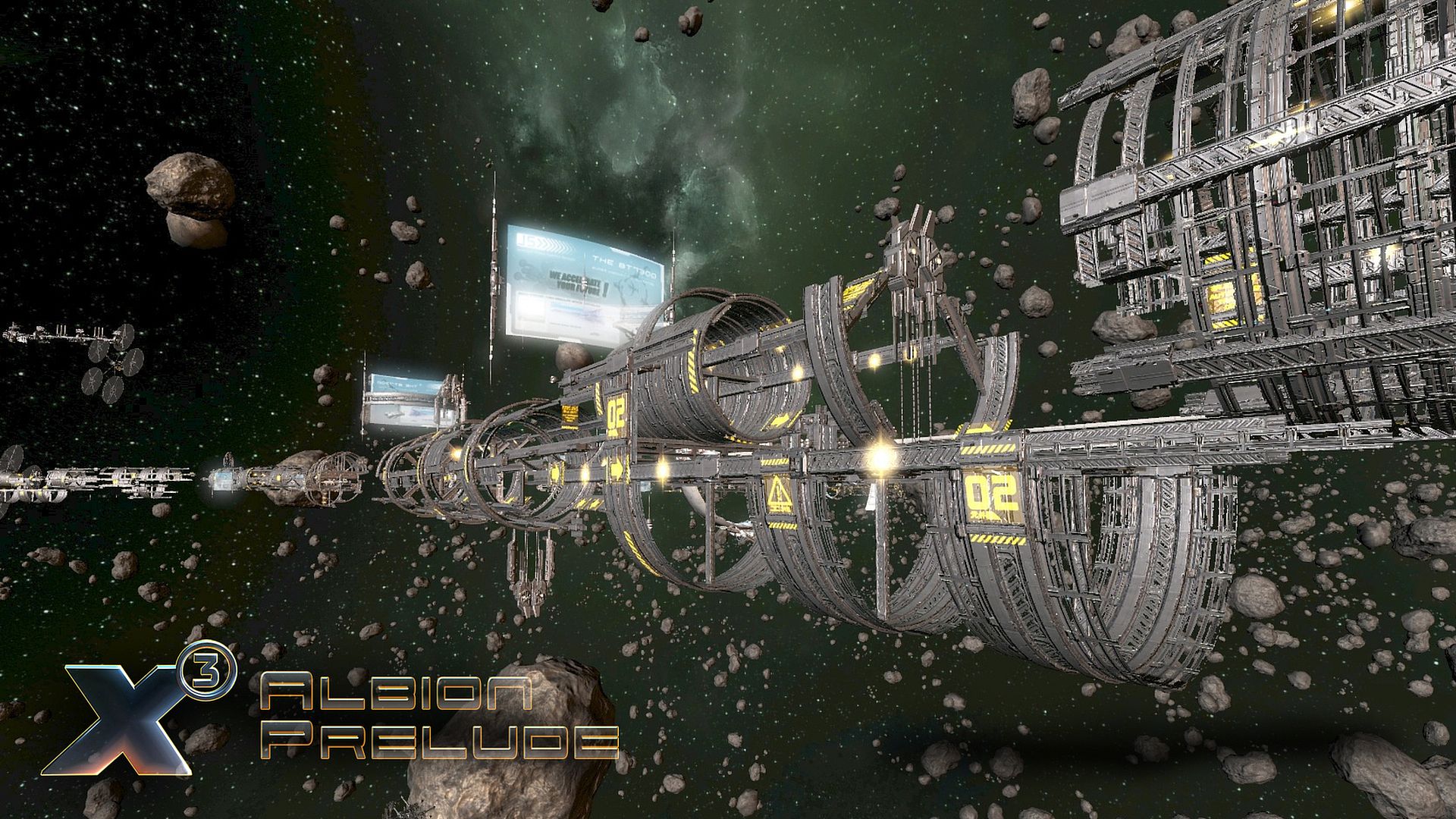
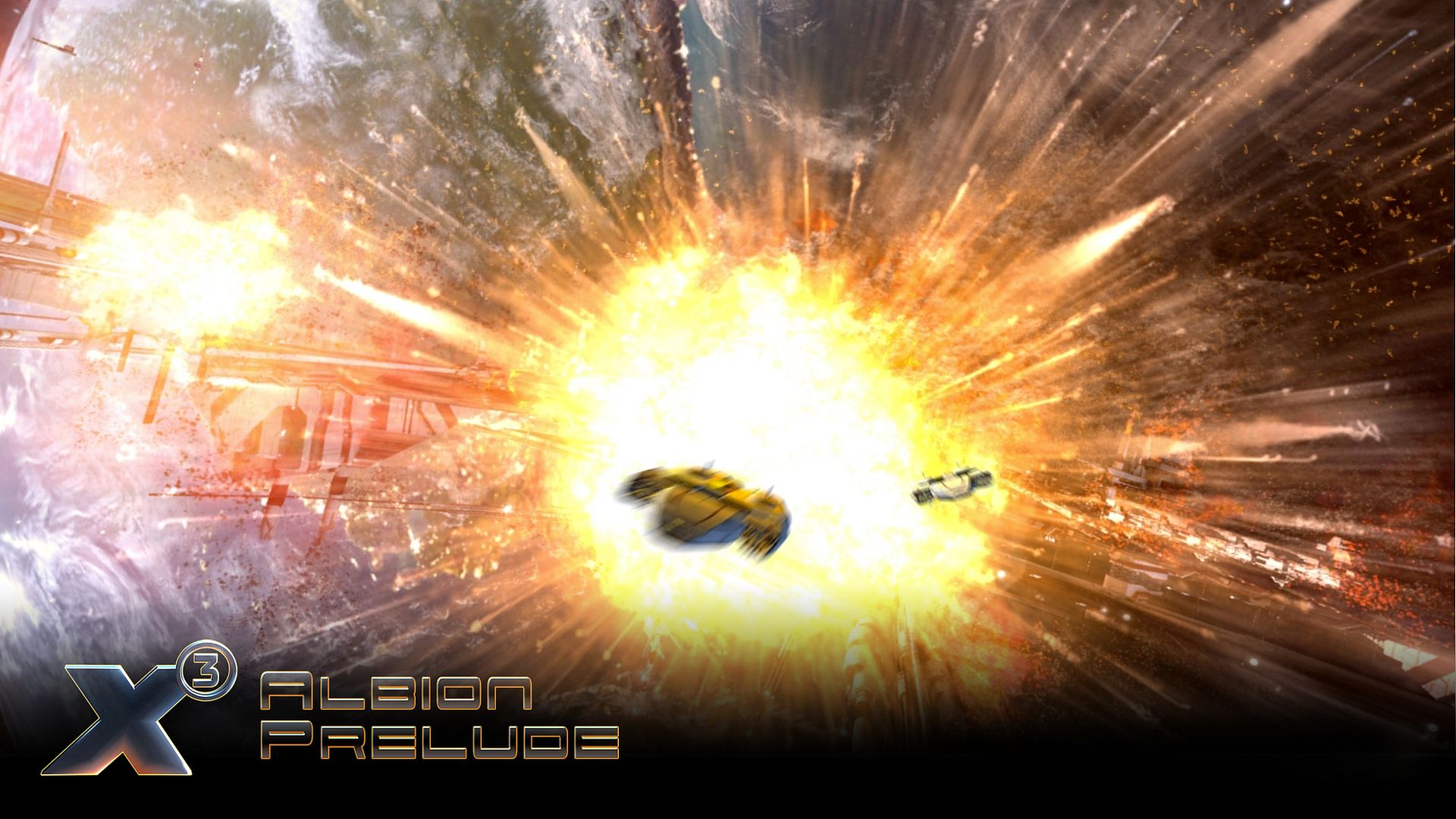
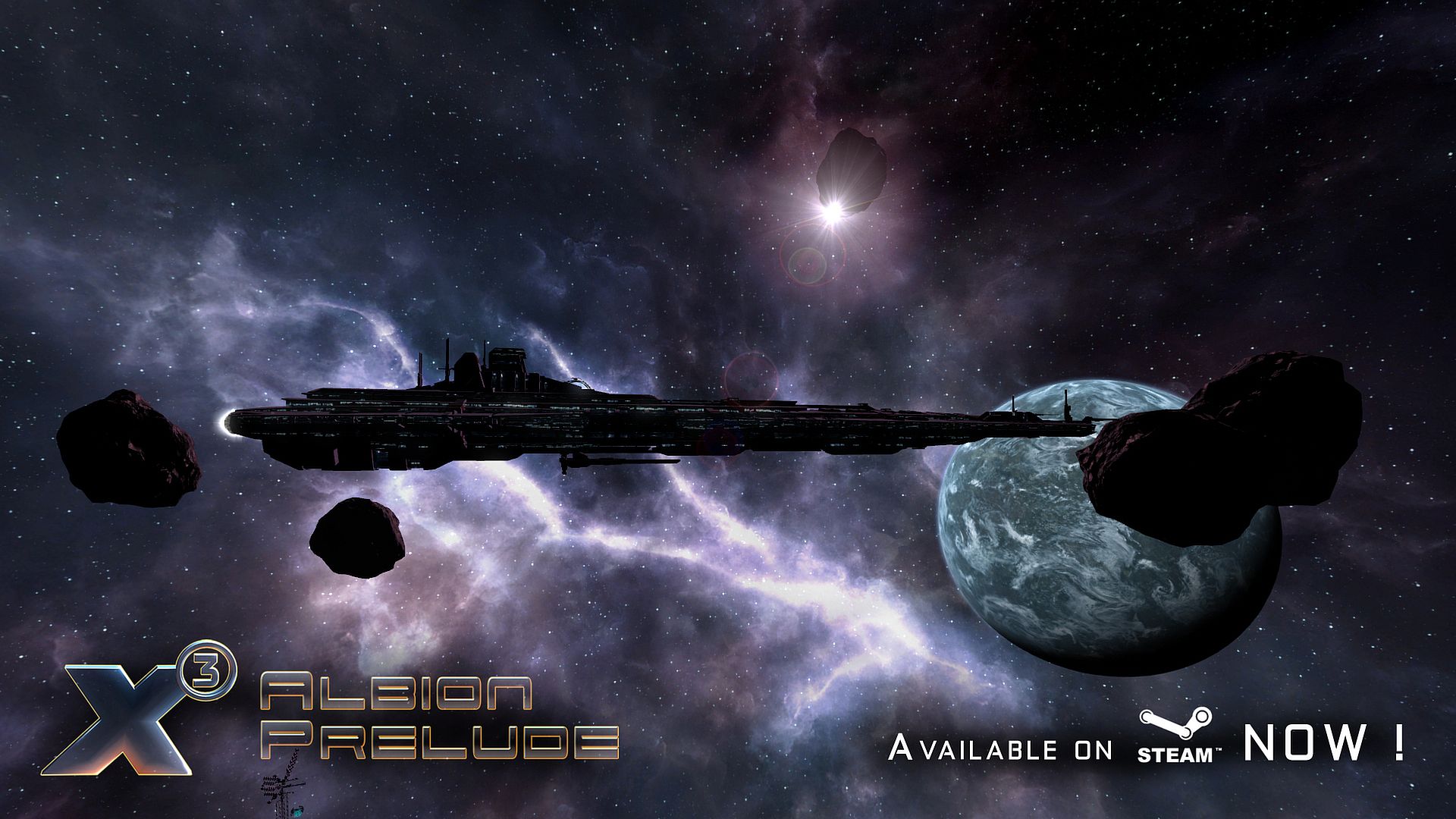
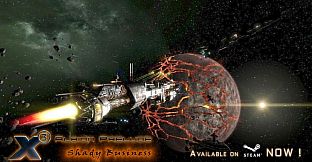
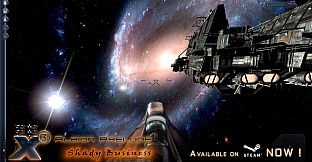
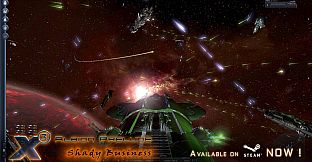
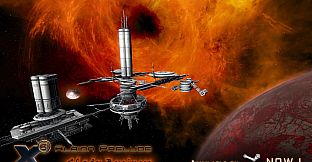
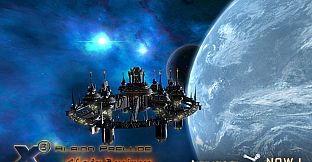
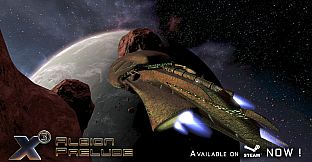
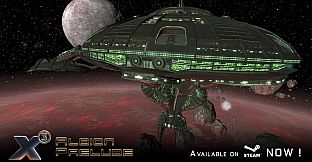
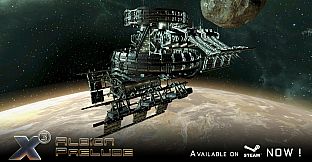
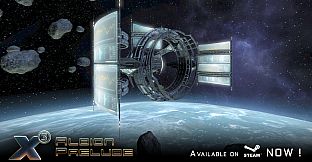
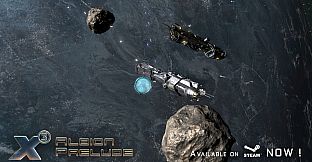
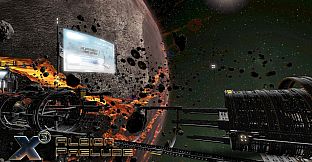
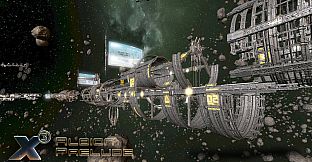
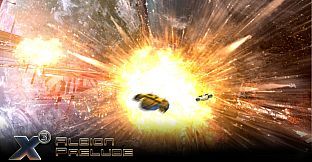
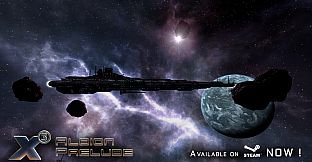
X3: Albion Prelude is a single-player space trading and combat simulation set in a large, dynamic universe where players manage ships, stations, and economic activities amid escalating conflict. The game places emphasis on free-form progression combined with a central narrative that unfolds against a backdrop of interstellar war and corporate maneuvering. Released as an expansion to an earlier entry in the series, it introduces new content while maintaining the core focus on trading goods, engaging in ship-to-ship combat, constructing infrastructure, and navigating complex faction relations.
Gameplay
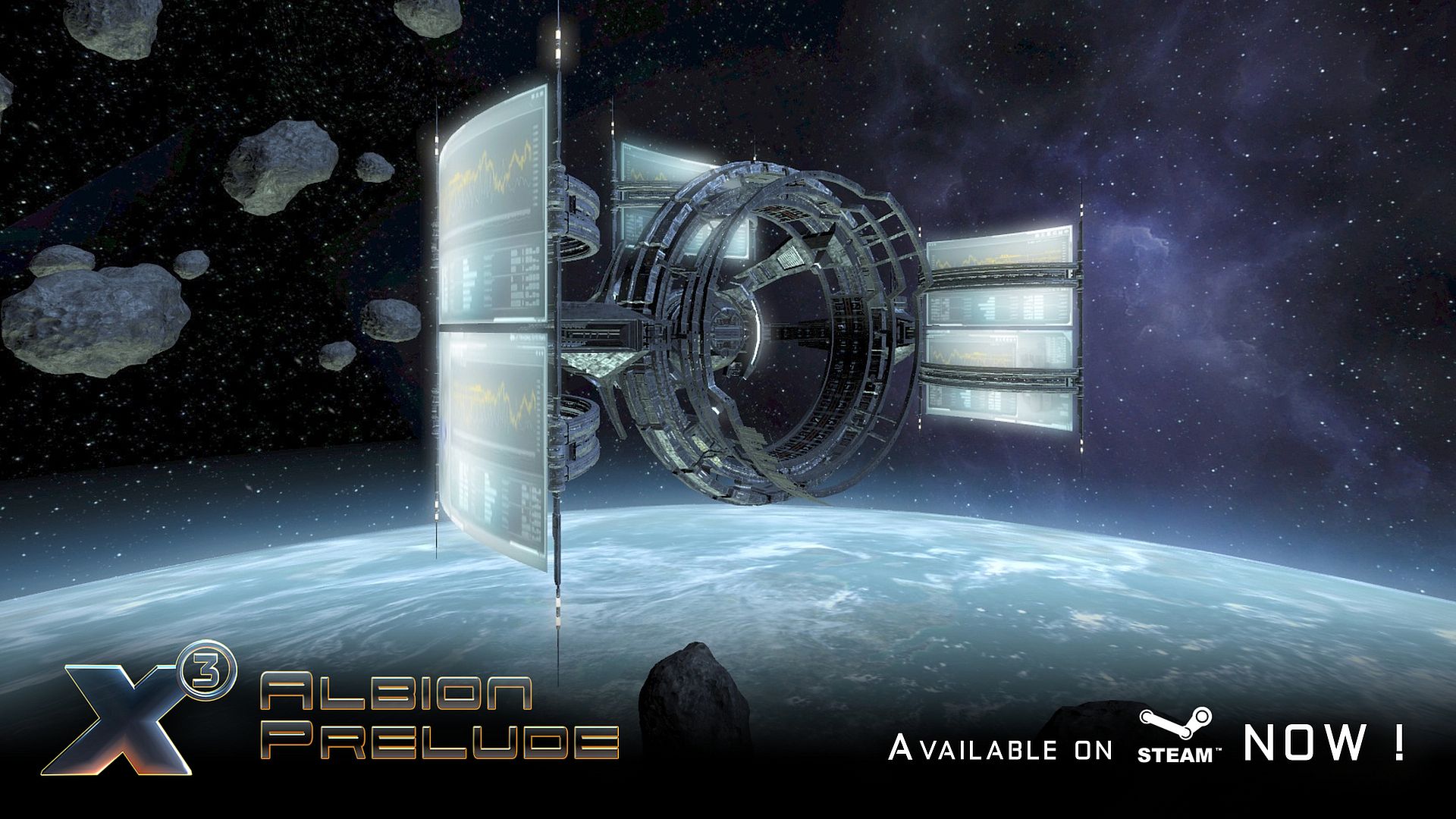
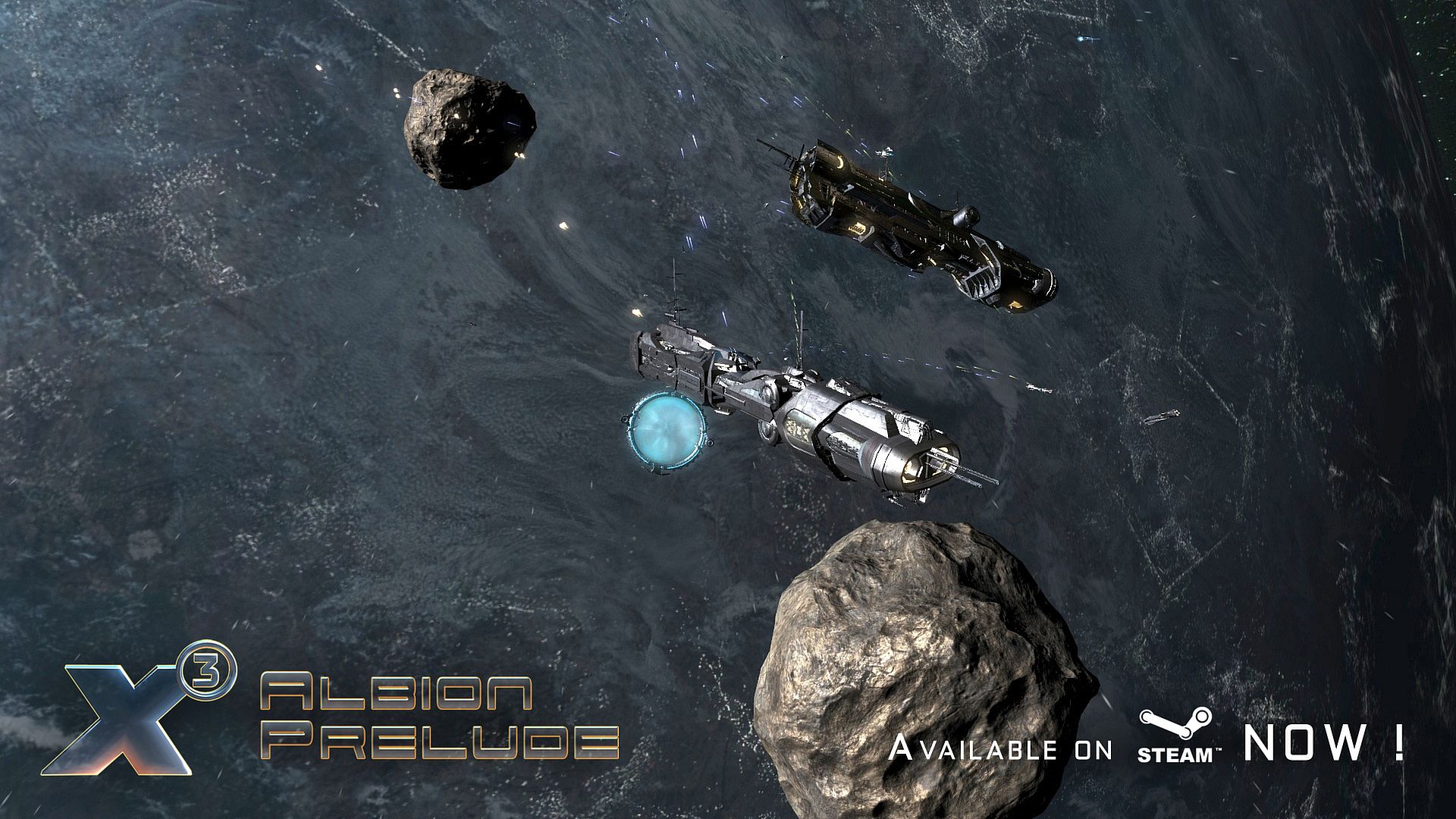
The core loop revolves around balancing multiple systems in real time. Players pilot various spacecraft to haul cargo between stations, engage hostile vessels in direct combat, or oversee the construction and operation of production facilities that generate resources and profit. Economic tools receive particular attention through the addition of stock exchanges, where investments in corporate shares can yield returns based on shifting market conditions visualized via on-screen charts. A new plot integrates these elements by drawing the player into power struggles between established factions and emerging corporate interests during a period of open warfare involving Earth forces and other races.
Graphics options include enhanced settings suited to higher-end hardware, while the interface incorporates improved elements such as economic data displays. Head tracking support allows for more immersive control during flight and combat. The universe operates as a living economy with sectors affected by ongoing conflicts, where player actions can influence local supply chains and station viability. Jump mechanics and fleet coordination appear in rebalanced forms that support larger-scale operations without requiring constant manual intervention.
Game Modes
Progression occurs through an open sandbox structure overlaid with a scripted plot that advances the war narrative. Players select from distinct starting profiles that shape early objectives and available resources. One profile positions the player as a combat-focused operative completing a series of military missions. Another casts the player in an intelligence role tasked with assembling and directing fleets amid the conflict. A third profile emphasizes survival as an independent operator evading enforcement while pursuing profit through less conventional means.
These entry points feed into the same persistent universe, allowing transition between trading runs, station management, and participation in larger war efforts. The plot advances through key events tied to corporate competition and technological developments, including the early stages of infrastructure projects that foreshadow future expansions in scale. No separate multiplayer component exists; all activity remains confined to the single-player experience.
Key Mechanics and Features
War zones introduce dynamic threats that alter sector safety and resource availability, encouraging strategic decisions about route planning and fleet deployment. The stock exchange system enables passive income streams alongside active trading, with price fluctuations tied to in-universe events. New ship designs expand options for combat, transport, and specialized roles, while station building supports self-sustaining operations that scale with player investment. The overall design rewards long-term planning, as economic chains and faction standings evolve based on sustained activity rather than isolated tasks.
Is It Worth Playing?
The game suits players who enjoy detailed simulation experiences with significant depth in economic management and open-ended decision making. Its single-player format and emphasis on personal progression make it accessible for those willing to invest time in learning the interface and systems. Community discussions highlight its replay value through different starting scenarios and the ability to shape outcomes in the war-torn setting. Availability remains straightforward on PC platforms, with the title continuing to receive attention from enthusiasts of space simulation genres. Those seeking structured missions alongside free-form empire building will find the combination of plot and sandbox elements a strong match, particularly if prior familiarity with similar titles eases the initial learning process.