










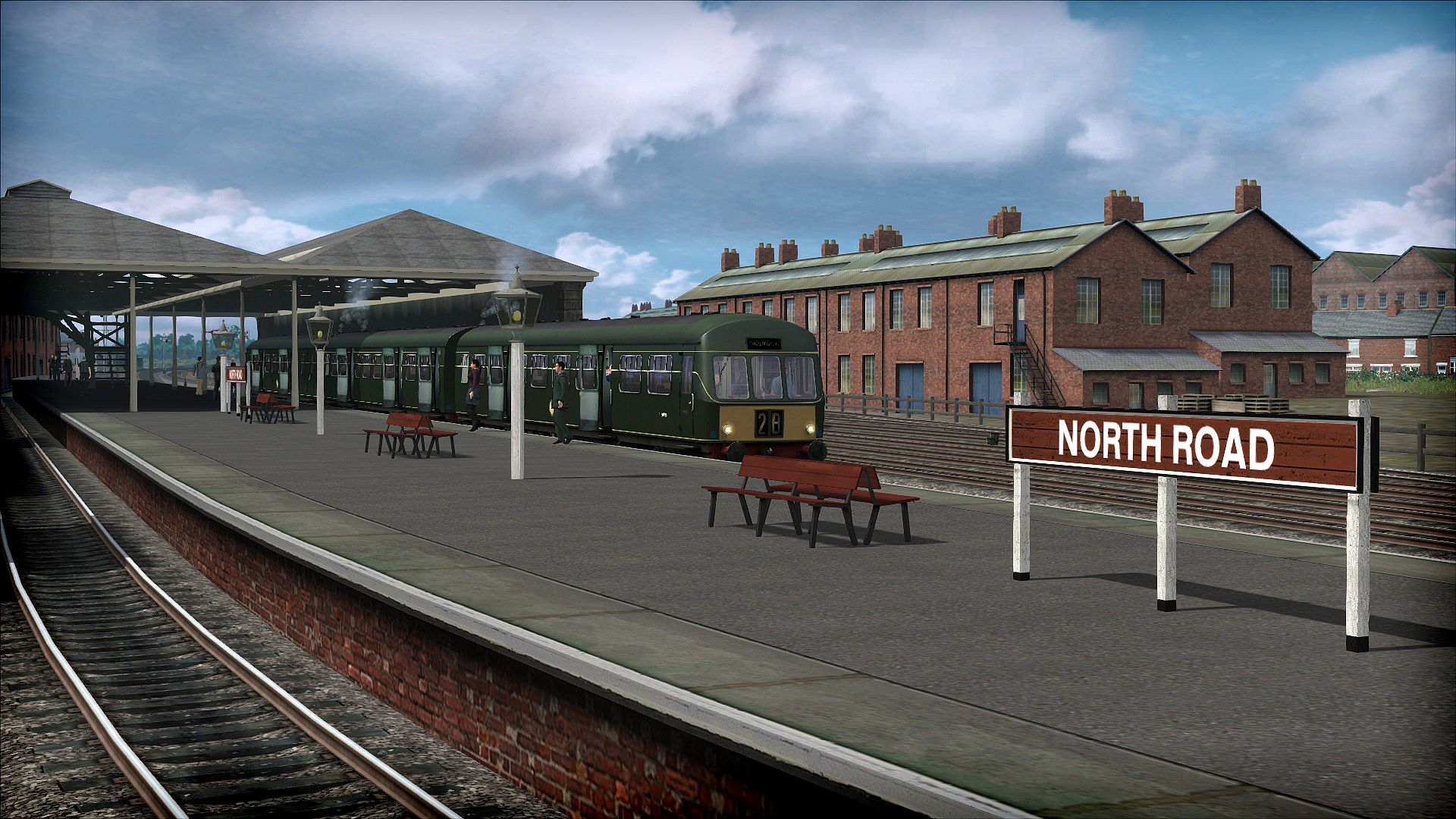
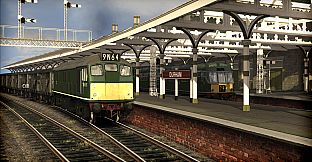
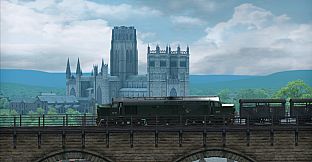
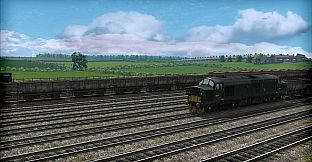
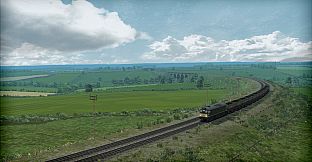
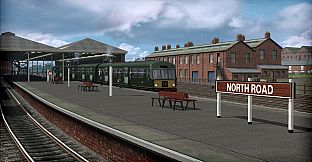
Train Simulator: Weardale & Teesdale Network Route Add-On is a railway simulation title for PC that adds an extensive historical network of lines in north east England to the base Train Simulator experience. The add-on recreates routes as they existed between 1950 and 1960, covering main lines and branches that once connected Durham City, Darlington, Middleton-in-Teesdale and Wearhead across roughly 200 miles of track.
Gameplay
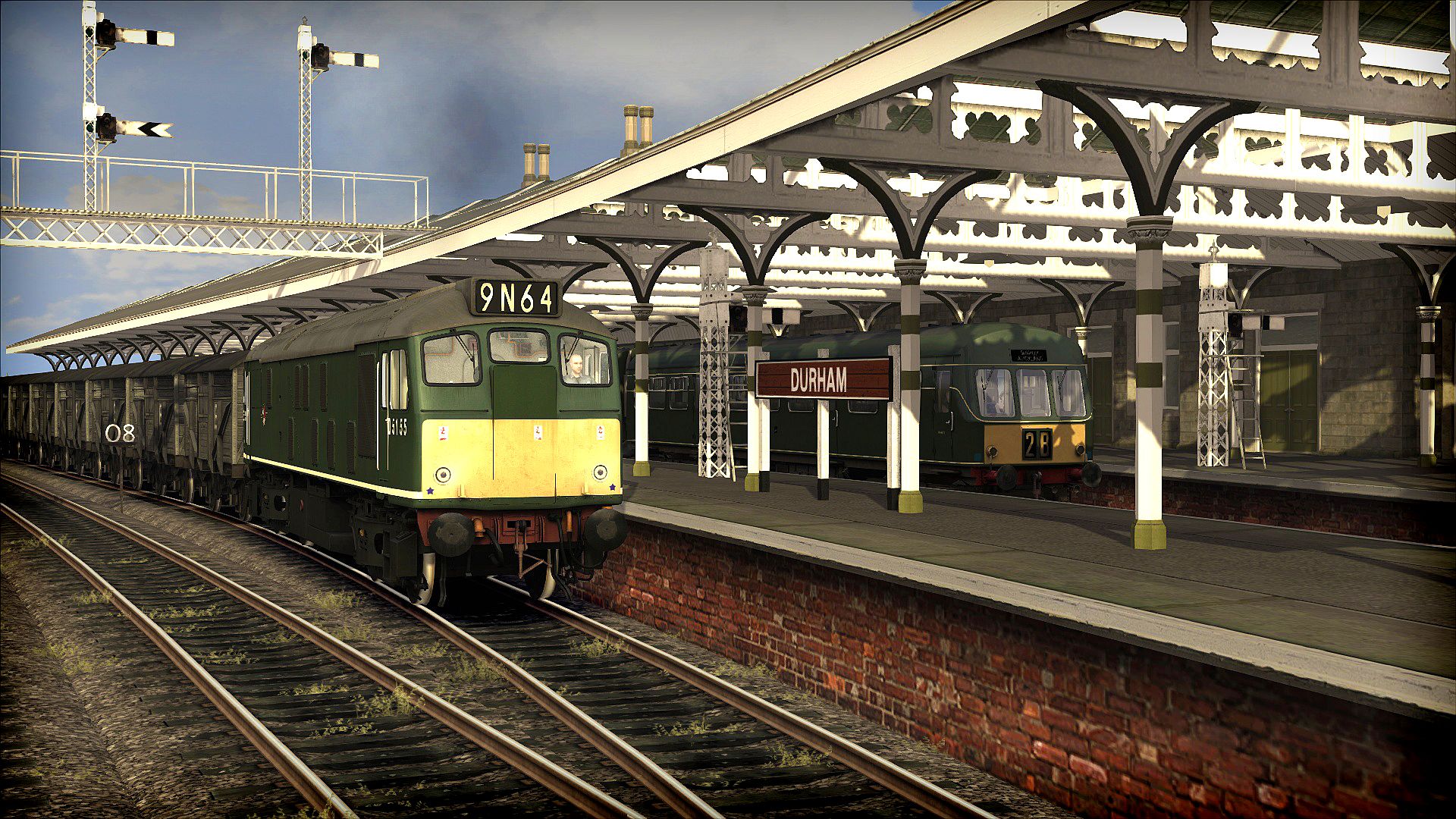
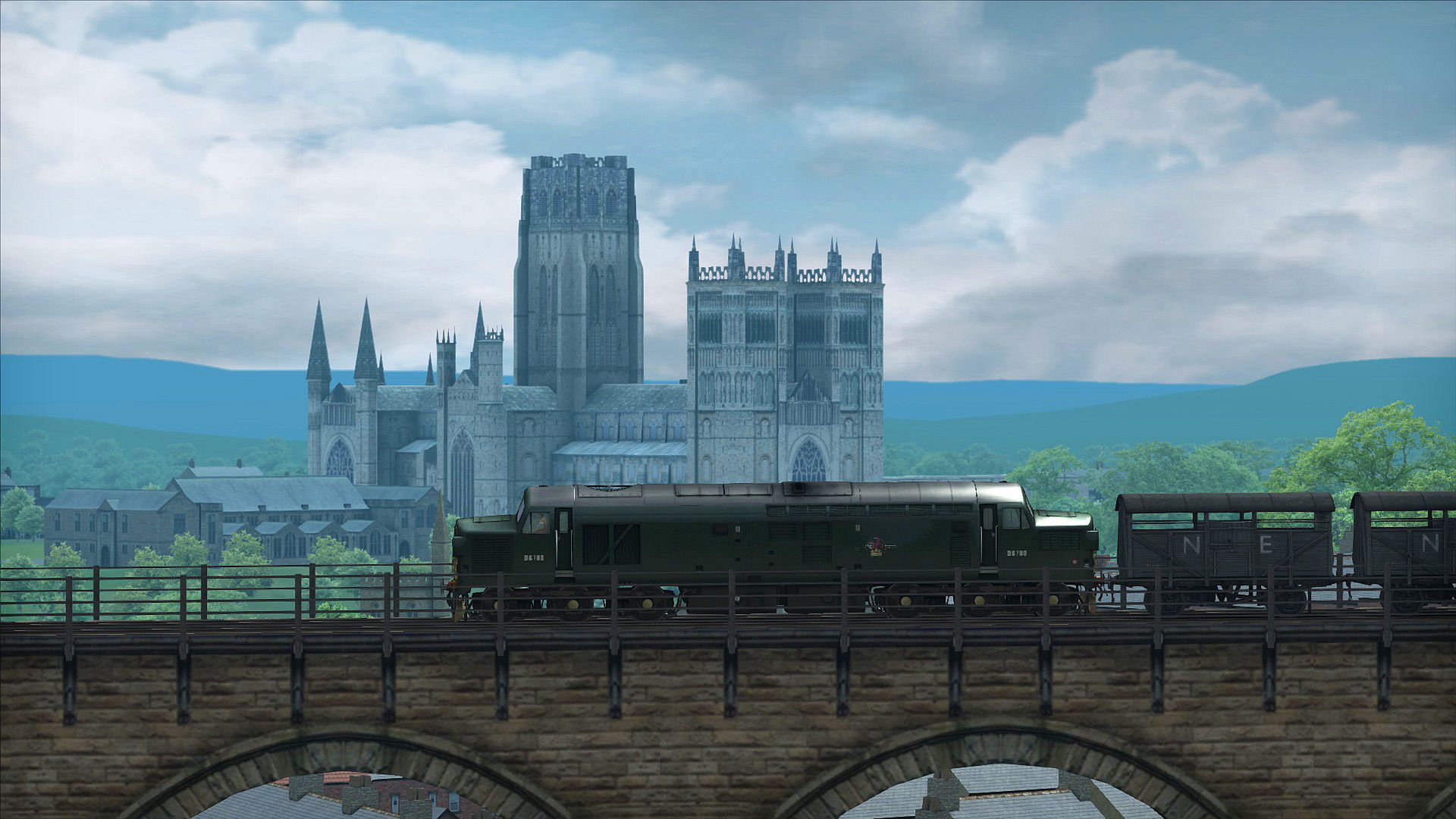
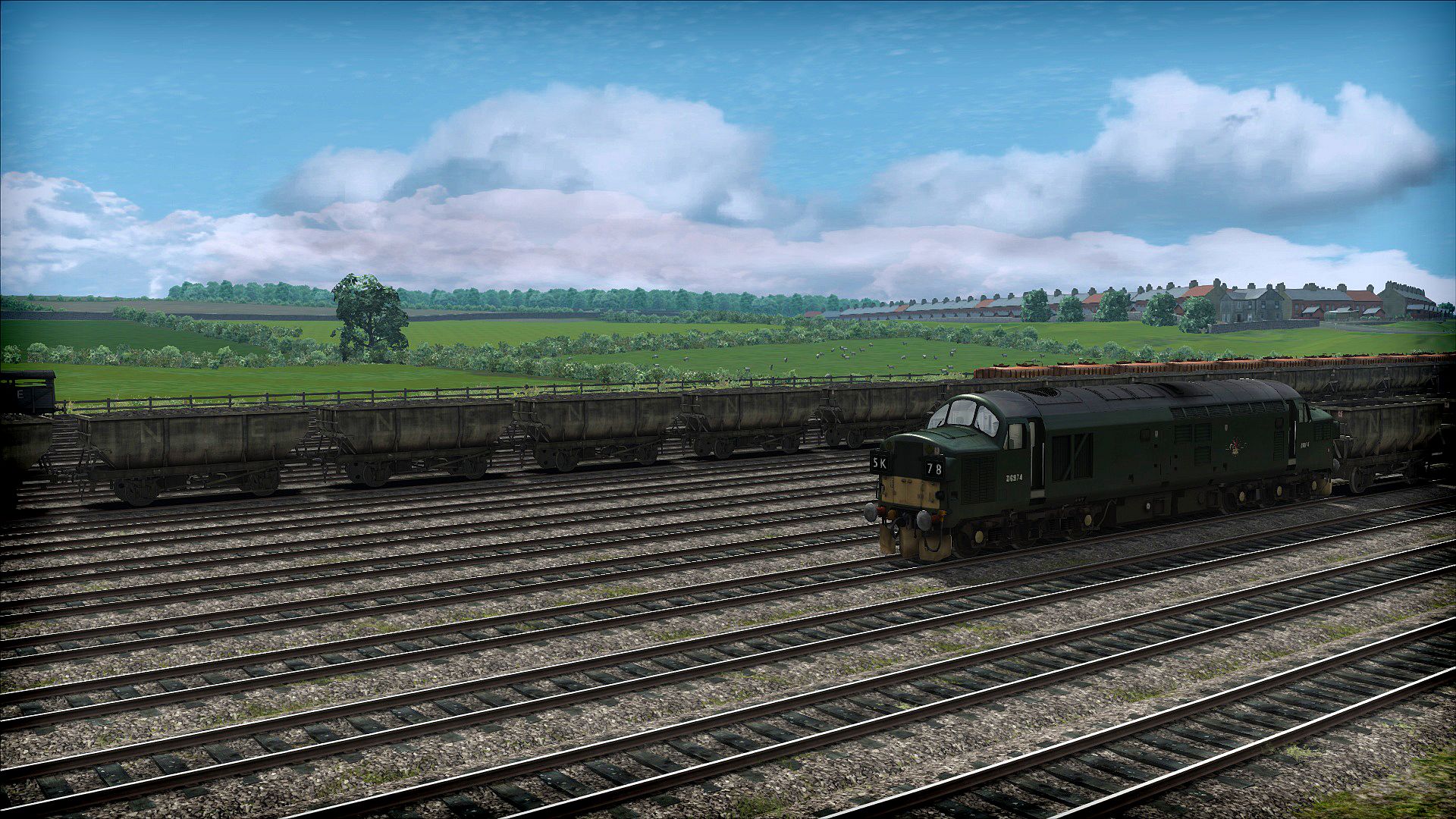
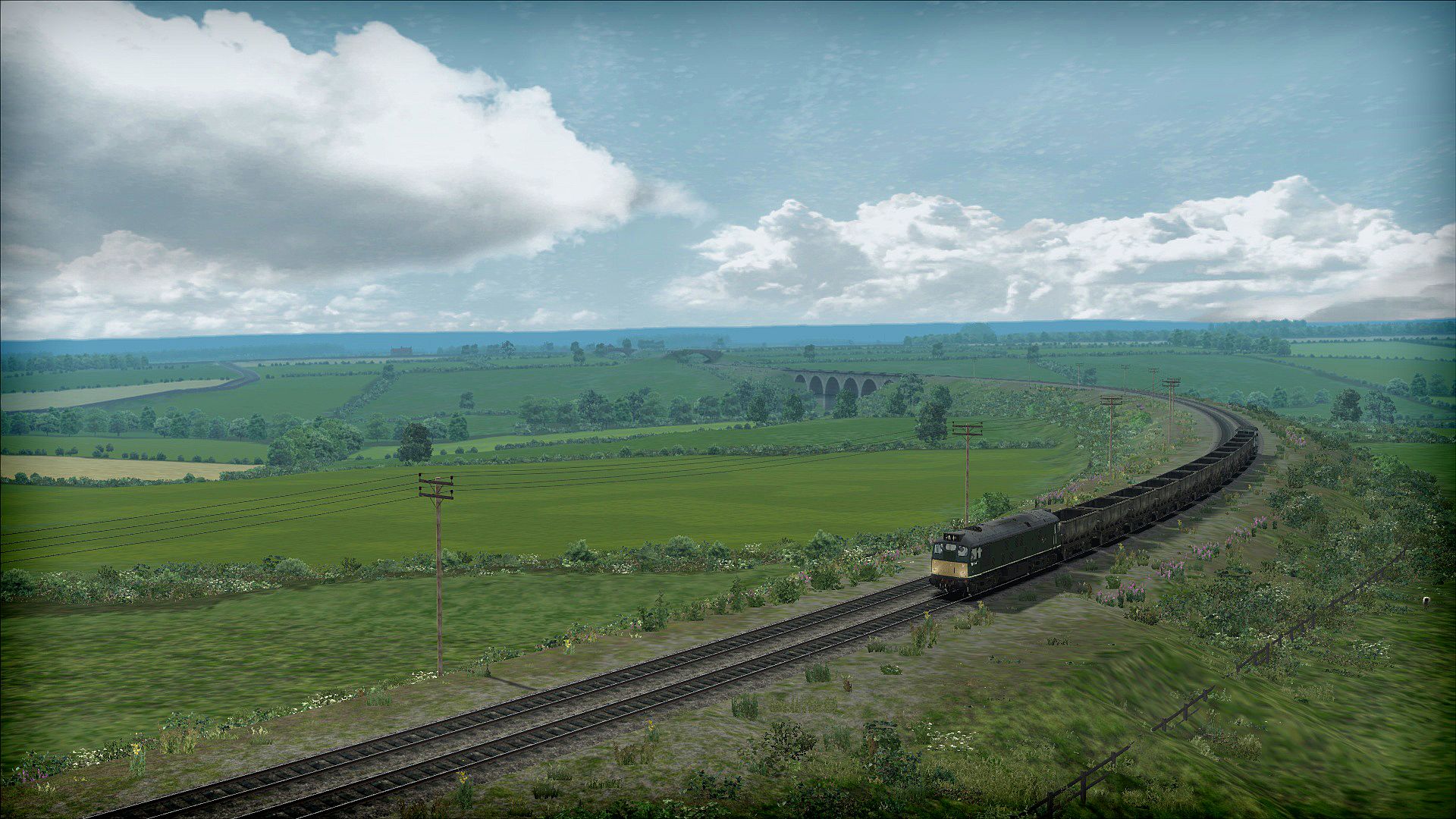
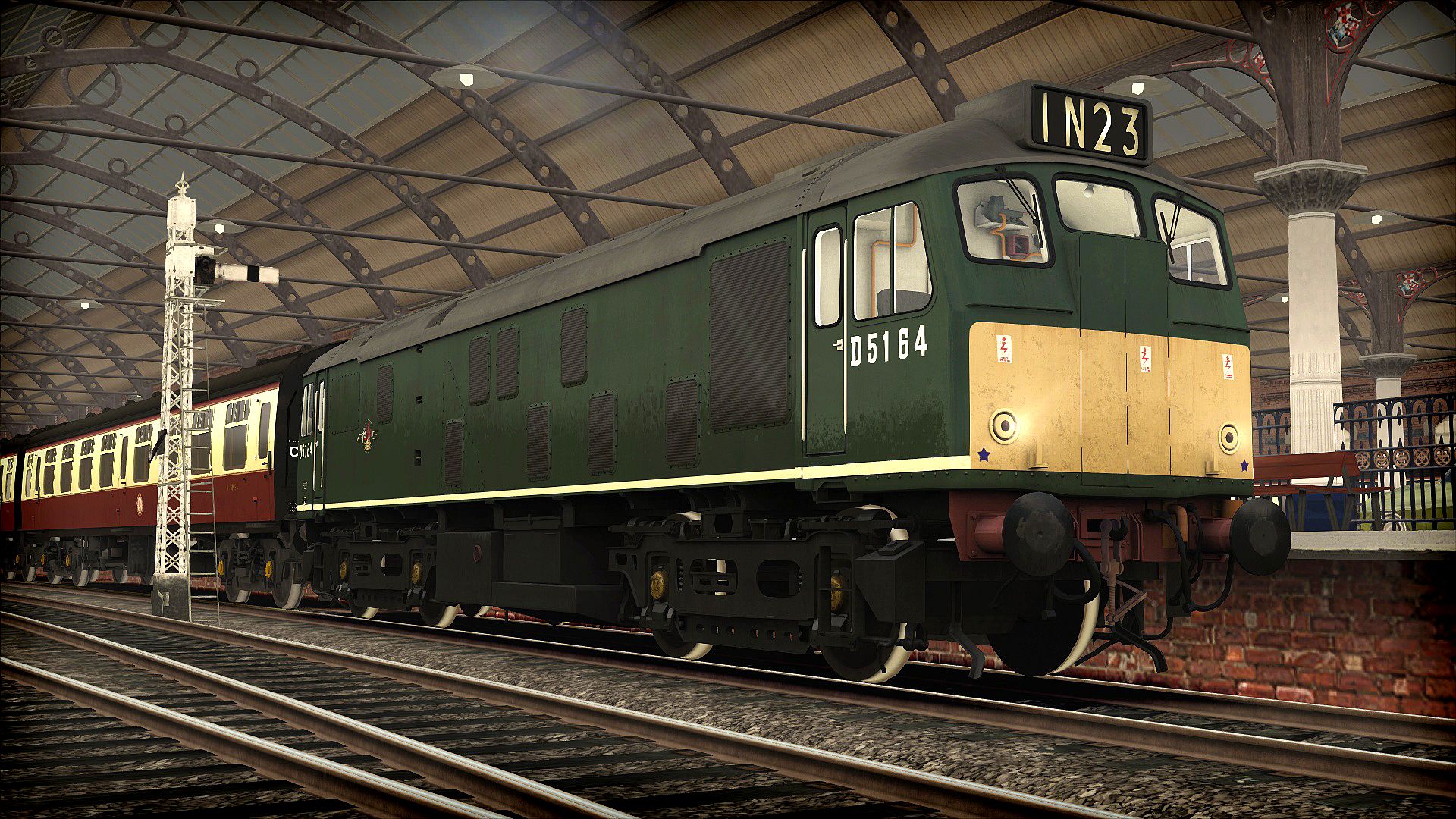
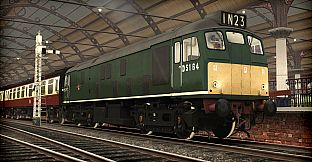
Players operate diesel locomotives and rolling stock on the recreated network, handling both passenger services and freight movements. The route includes LNER semaphore and colour light signalling systems that require attention to signals and speed limits during runs. Classic BR green liveried traction such as the Class 25, Class 101, Class 08 and Class 37 forms the core motive power, supported by Mk1 passenger coaches and a range of freight wagons including mineral hoppers, milk tankers and brake vans. A diesel brake tender is also available for certain operations. The layout features varied terrain with hills that influence train handling and route knowledge becomes important when navigating branches and junctions around towns like Bishop Auckland and Barnard Castle.
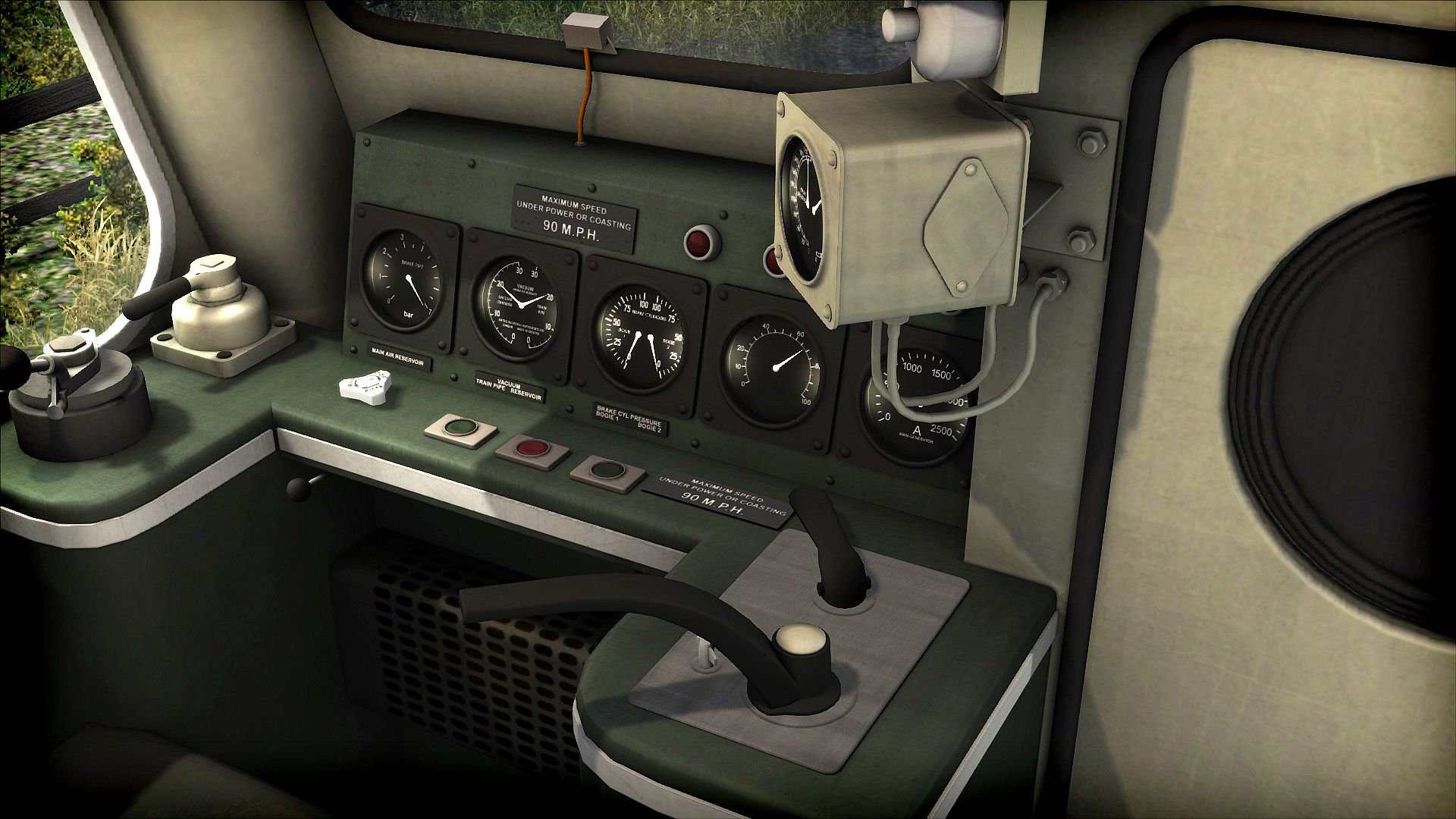
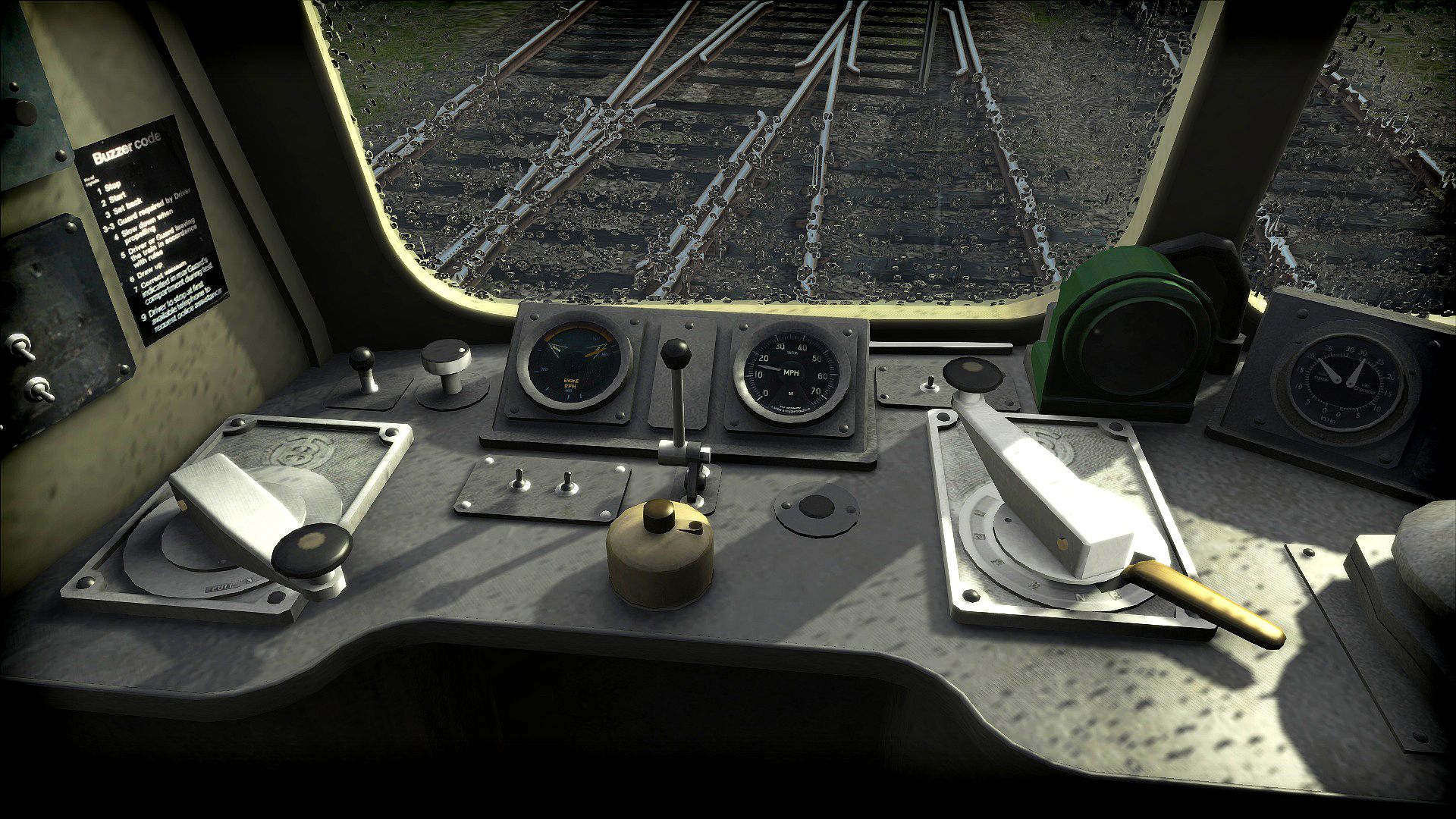
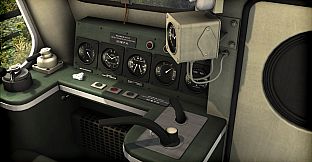
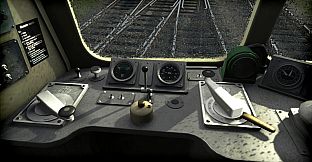
Scenery reflects the mid-20th century setting with period infrastructure and landscapes typical of the Pennines area. Driving focuses on realistic throttle, brake and signal response rather than arcade-style controls, rewarding careful management of speed and consist weight on the longer routes.
Game Modes
The add-on provides seven included scenarios that cover specific journeys such as Barnard Castle to Bishop Auckland, Bishop Auckland to Darlington, Darlington to Durham, Durham to Barnard Castle, Shildon to Darlington, Bishop Auckland to Wearhead and Darlington to Middleton. These scenarios place the player in charge of scheduled passenger or freight services using the supplied locomotives and stock.
Quick Drive mode allows free selection of locomotives, routes and consists for unstructured running across the full network. Additional player-created scenarios are available through the integrated workshop system, expanding the available content beyond the base seven scenarios.
Route Details and Historical Context
The network represents lines that originated in the early 19th century and expanded significantly by the 1860s, serving collieries and connecting major towns before many branches closed in later decades. The add-on focuses on the period just prior to those changes, preserving the extent of the system with its engineering works and stations intact. Prototypical signalling and liveries help maintain the era-specific atmosphere during operations.
Freight consists draw from the listed wagon types to simulate typical traffic of the time, while passenger trains use the blood-and-custard Mk1 coaches. The overall scale supports extended runs that test route familiarity and train control over distance.
Is It Worth Playing?
Reception for the route has been positive among players who value detailed UK railway recreations and historical accuracy. The included scenarios and Quick Drive options provide immediate content, while the workshop extends playtime for those seeking variety. It suits enthusiasts of train simulation who enjoy operating period diesel traction on a large, interconnected network rather than modern high-speed or international routes. Availability as a standalone add-on for the base Train Simulator means it integrates directly into existing libraries without requiring separate installations. Those interested in the specific north east England setting and 1950s-1960s operations will find the recreation faithful to the documented lines and equipment of the era.