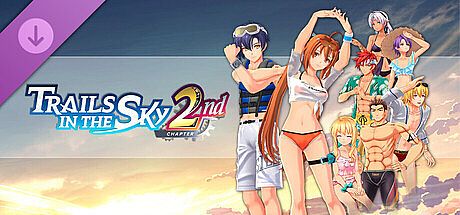



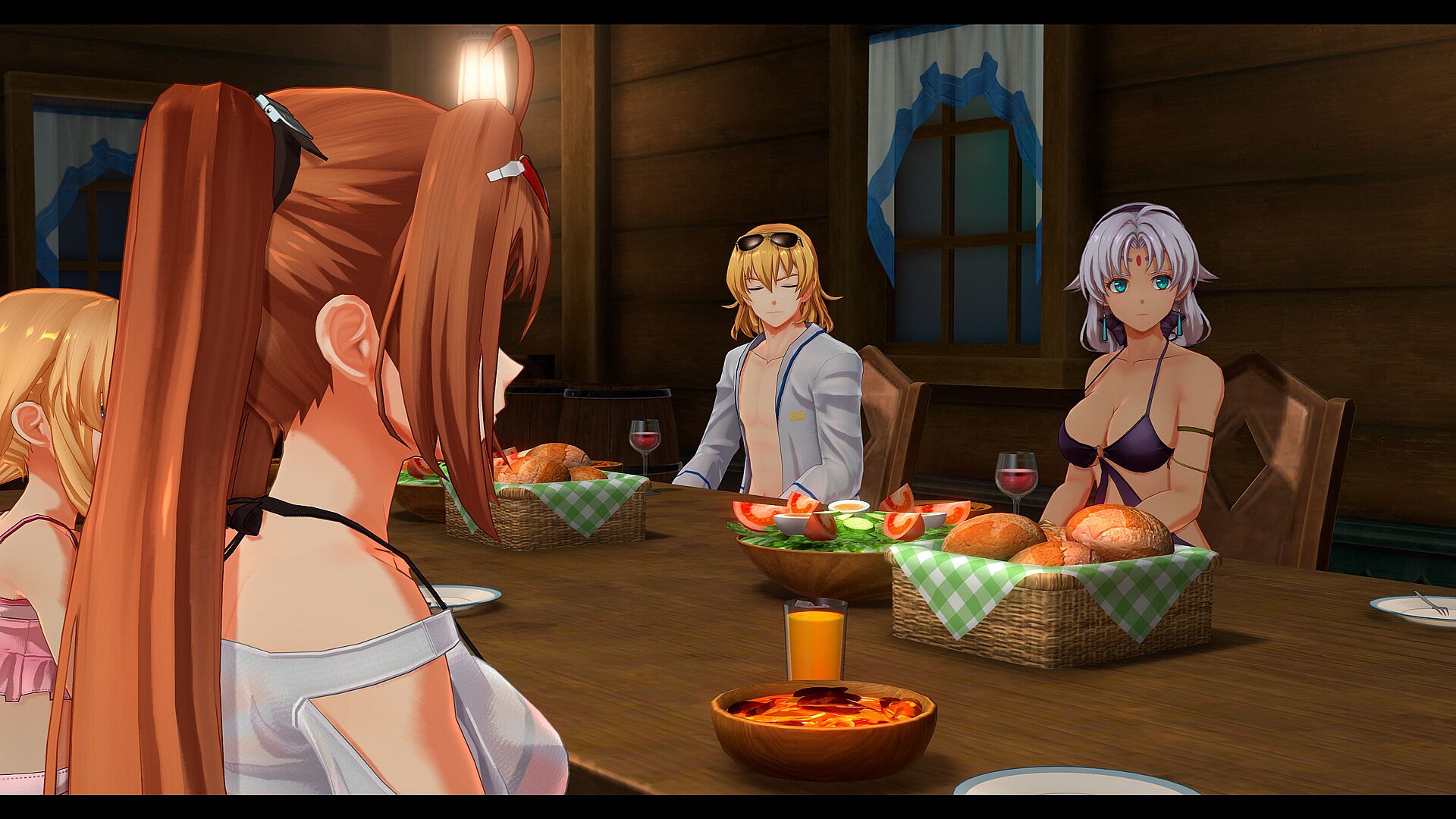
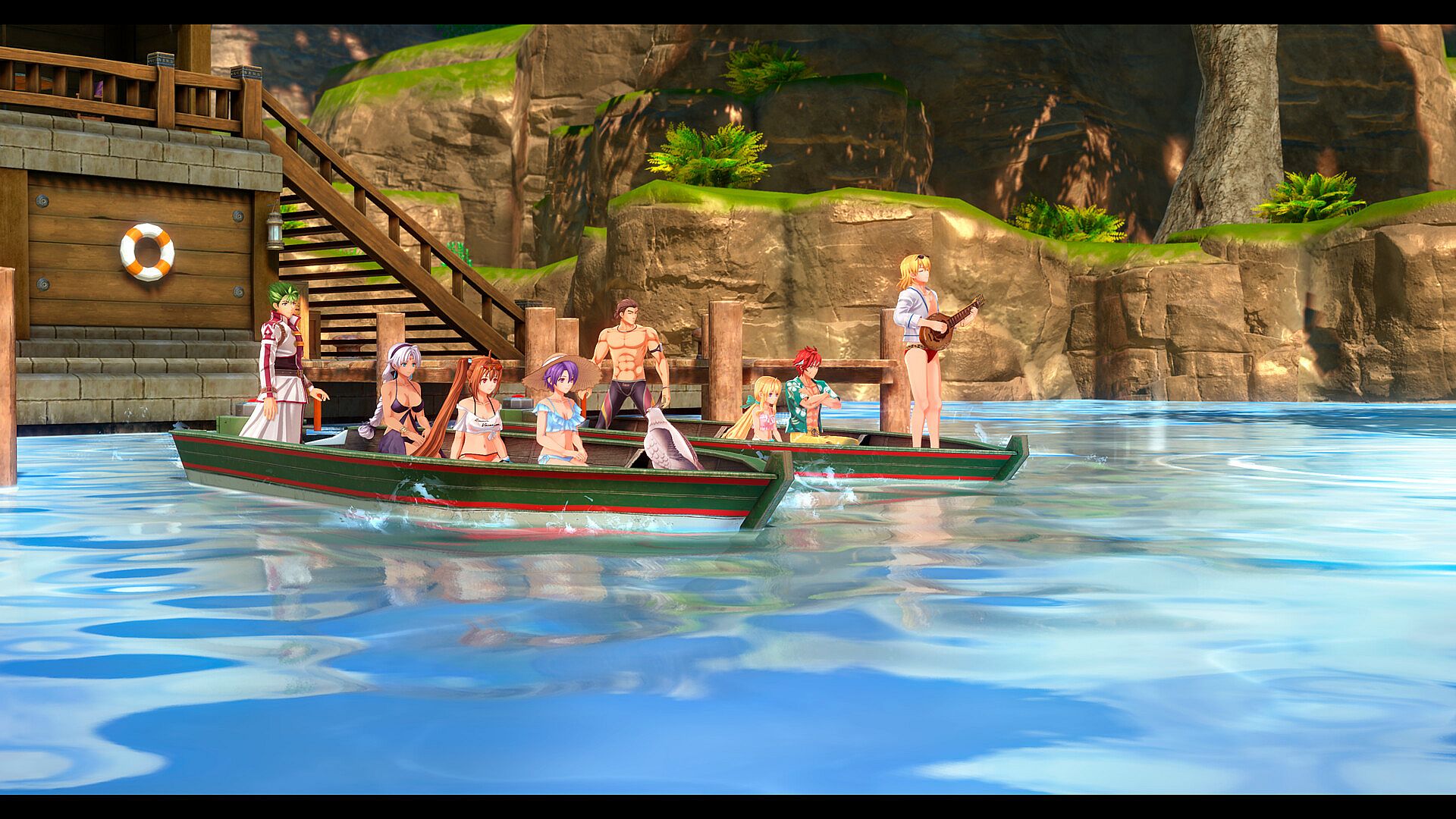

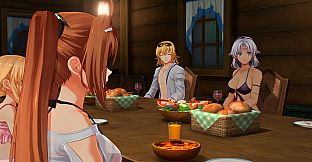
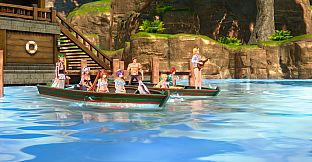

Trails in the Sky 2nd Chapter is an action RPG adventure set on the PC that continues the story of Estelle Bright as she navigates the kingdom of Liberl. The title blends real-time exploration with strategic combat and narrative-driven quests in a single-player experience focused on character growth and regional investigations.
Gameplay
The core loop centers on traversing detailed 3D environments while engaging enemies through a hybrid system. Players move freely in the field to initiate encounters, using real-time actions such as combo strings, area attacks, dodges, and character-specific abilities to weaken foes before committing to deeper tactics. Equipping quartz into orbments determines available arts and influences stat development across the party. Minigames including an overhauled fishing system that requires different baits and rods at varied spots, along with cooking and poker, provide optional resource rewards during downtime between main objectives and side tasks.
Progression involves completing Bracer requests posted on bulletin boards alongside the primary narrative arc. These requests range from simple errands to more involved investigations that reward experience and items. The party typically consists of four characters, with mechanics that encourage positioning and resource management during extended sequences. Fast travel options unlock gradually as regions open, supporting repeated visits for missed content without excessive backtracking.
Game Modes
Combat operates through two interconnected layers. Quick Battles allow real-time engagement on the field with direct control over attacks and evasion, building a Brave Gauge that enables linked strikes with party members for area damage. Transitioning to Command Battles shifts to turn-based strategy where players select movement ranges, standard attacks, arts, crafts, and powerful S-crafts while accounting for turn order and status effects. Boss encounters emphasize preparation, with mechanics like Rage Boost triggering stat increases and altered turn priorities on certain enemies.
Difficulty settings range from Very Easy to Nightmare, adjustable at any time. Save data from the prior entry grants minor starting bonuses, and the game structures its content across a prologue followed by numbered chapters that each focus on a distinct region and set of objectives. Optional diversions such as the fishing minigame add variety without altering the main flow.
Story and Exploration
The narrative follows Estelle's personal journey across Liberl after key events from the first chapter, incorporating political elements and encounters with the Ouroboros organization. Fully voiced scenes in English and Japanese support the dialogue-heavy sequences, while updated 3D models and environments enhance visual presentation during travel and key moments. Quest tracking improvements and an enhanced map system help locate objectives that might otherwise be overlooked in the open areas.
Exploration rewards thorough players with hidden items and additional Bracer points that contribute to rank progression. The structure encourages balancing story advancement with side content, as many requests tie into the world's consistent internal logic rather than feeling disconnected.
Is It Worth Playing?
Trails in the Sky 2nd Chapter delivers a refined single-player RPG experience with meaningful combat additions layered onto a strong foundation. Recent player feedback on Steam rates it Overwhelmingly Positive based on hundreds of reviews, and critic aggregates place it among the highest-rated releases of its launch period. The hybrid battle approach suits those who enjoy both action-oriented field combat and tactical turn-based decisions, while the emphasis on character interactions and regional stories appeals to fans of narrative-driven adventures.
Those seeking a lengthy campaign with optional depth in questing and minigames will find consistent support through regular updates following its September 2026 release. The title stands as a strong entry for players comfortable with JRPG pacing and party customization, particularly if they value detailed world-building over rapid action alone. Availability on PC makes it accessible for those with the required hardware to run the 3D environments smoothly.