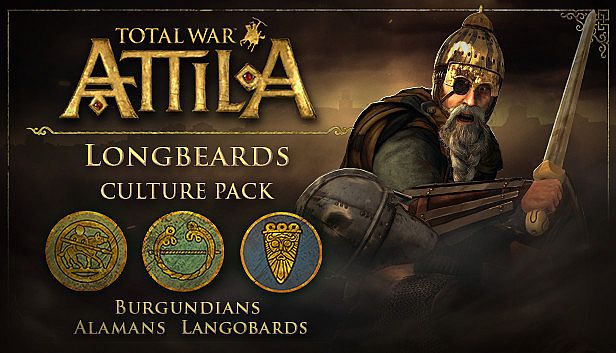















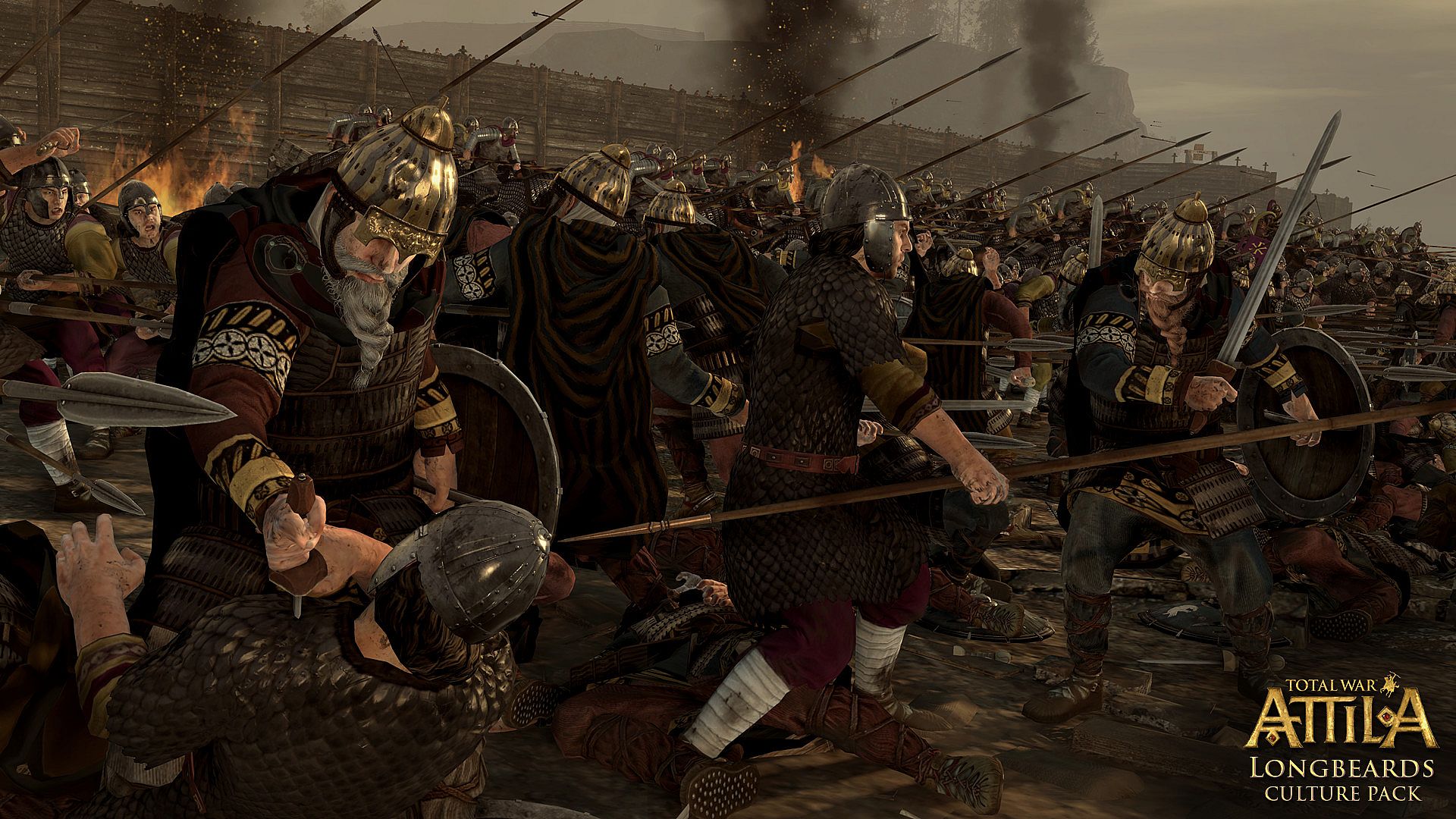
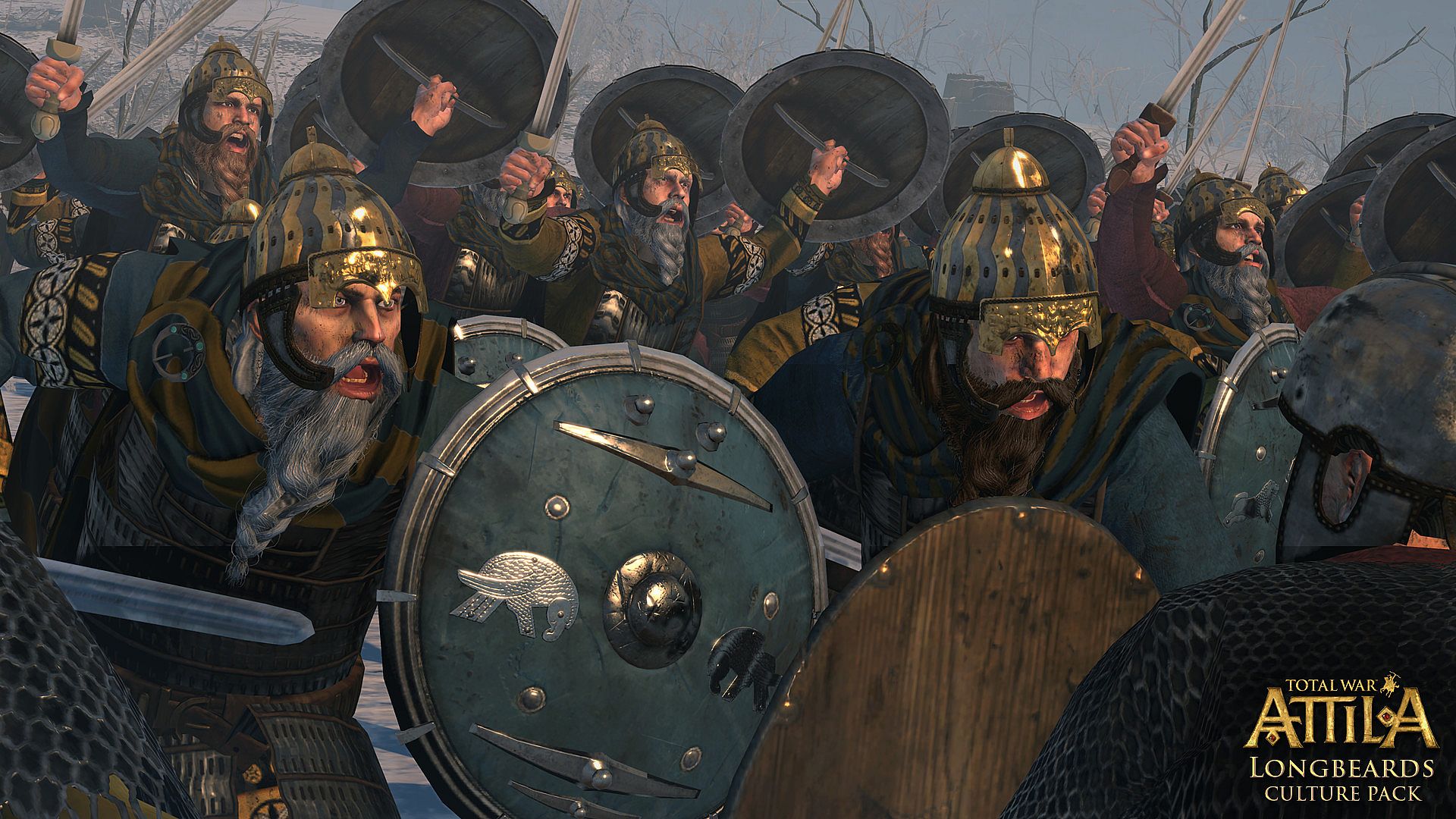
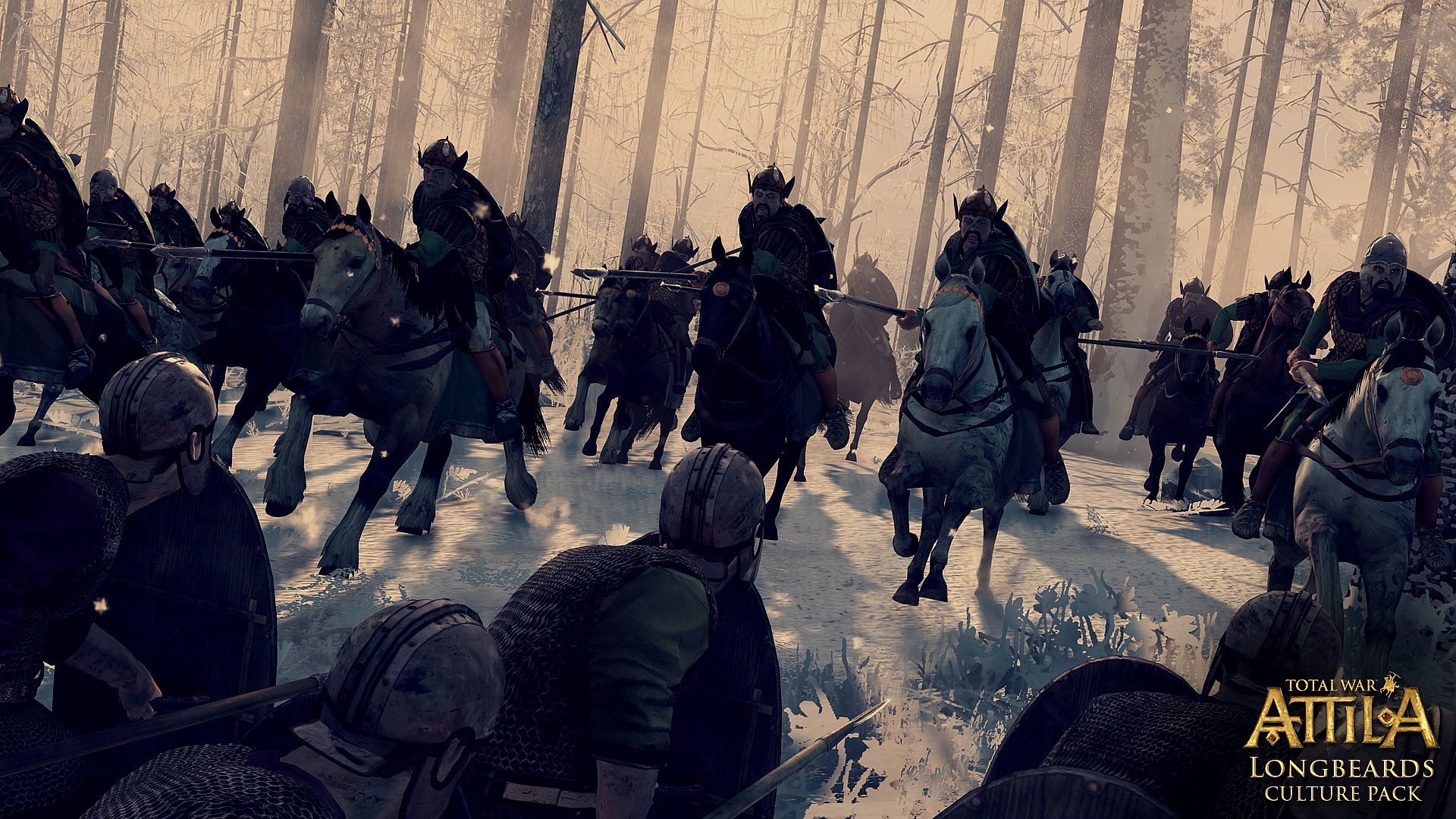
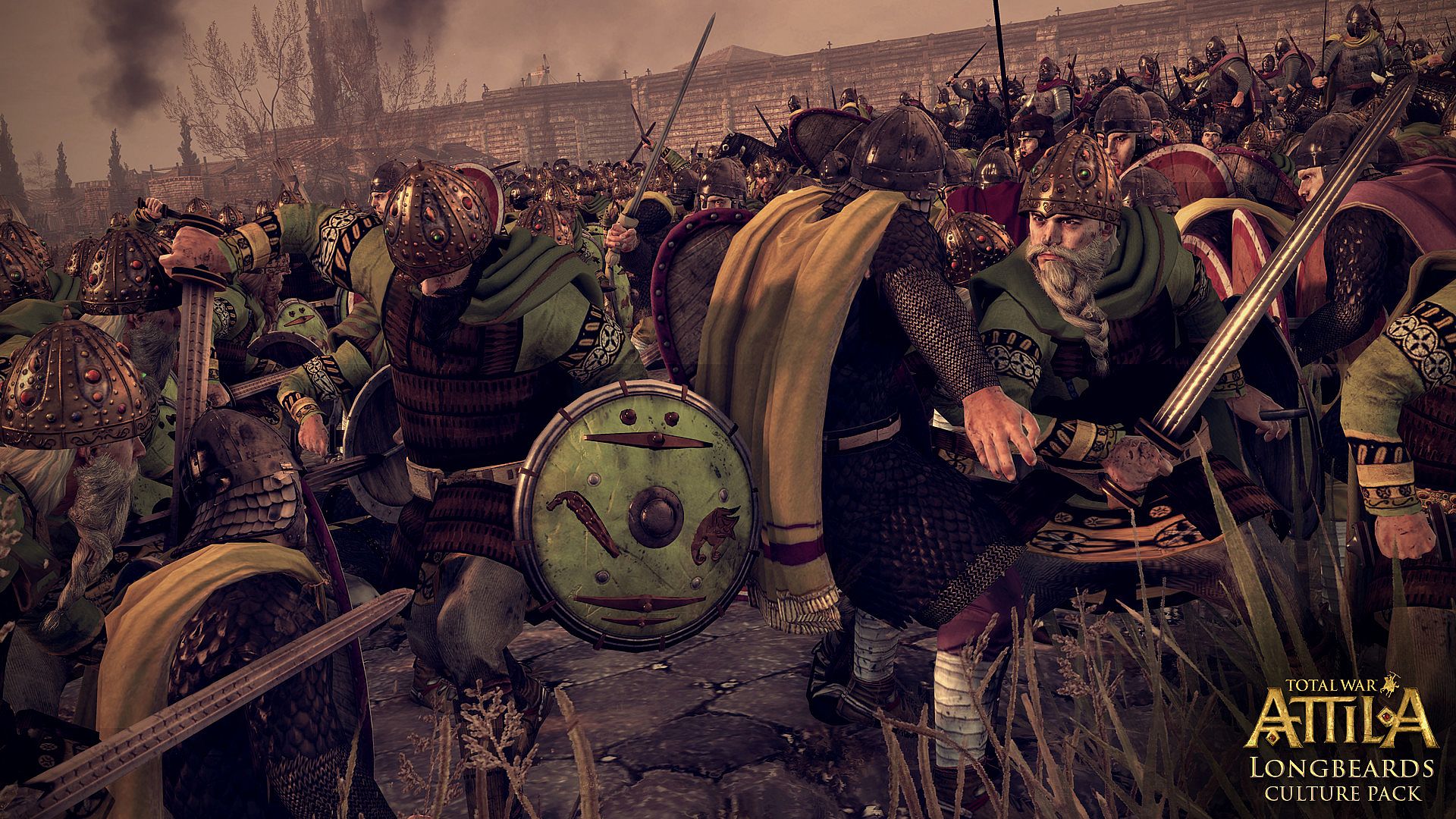
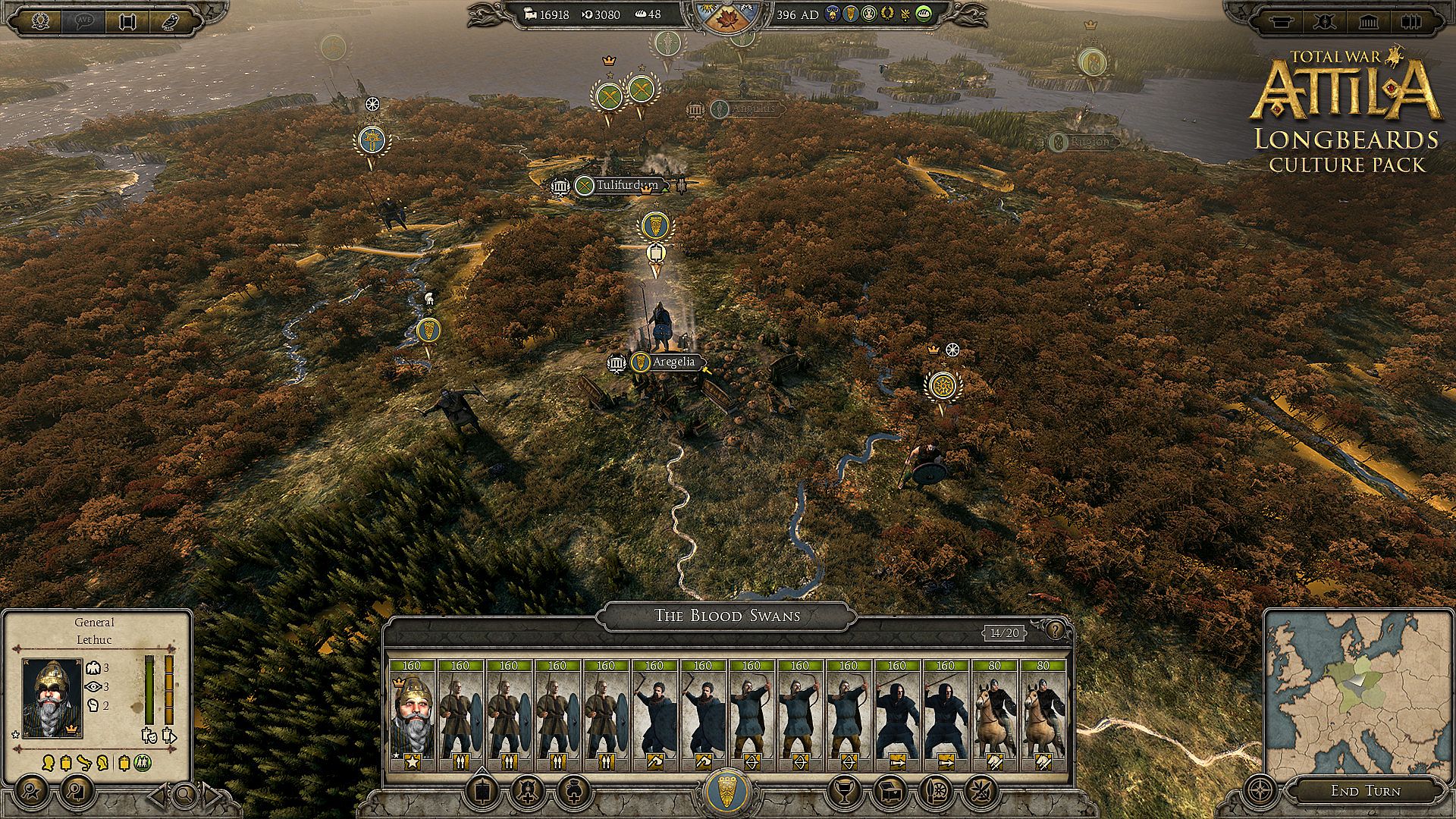
Total War: ATTILA Longbeards Culture Pack expands the grand strategy experience of the base game by adding three new playable barbarian factions from the Germanic tribes. These additions focus on the Langobards, Burgundians, and Alamans, each with distinct traits, units, and campaign elements set during the turbulent Migration Period. The pack integrates directly into existing campaigns, allowing players to lead these groups in expansion against the weakening Western Roman Empire and rival powers.
Gameplay
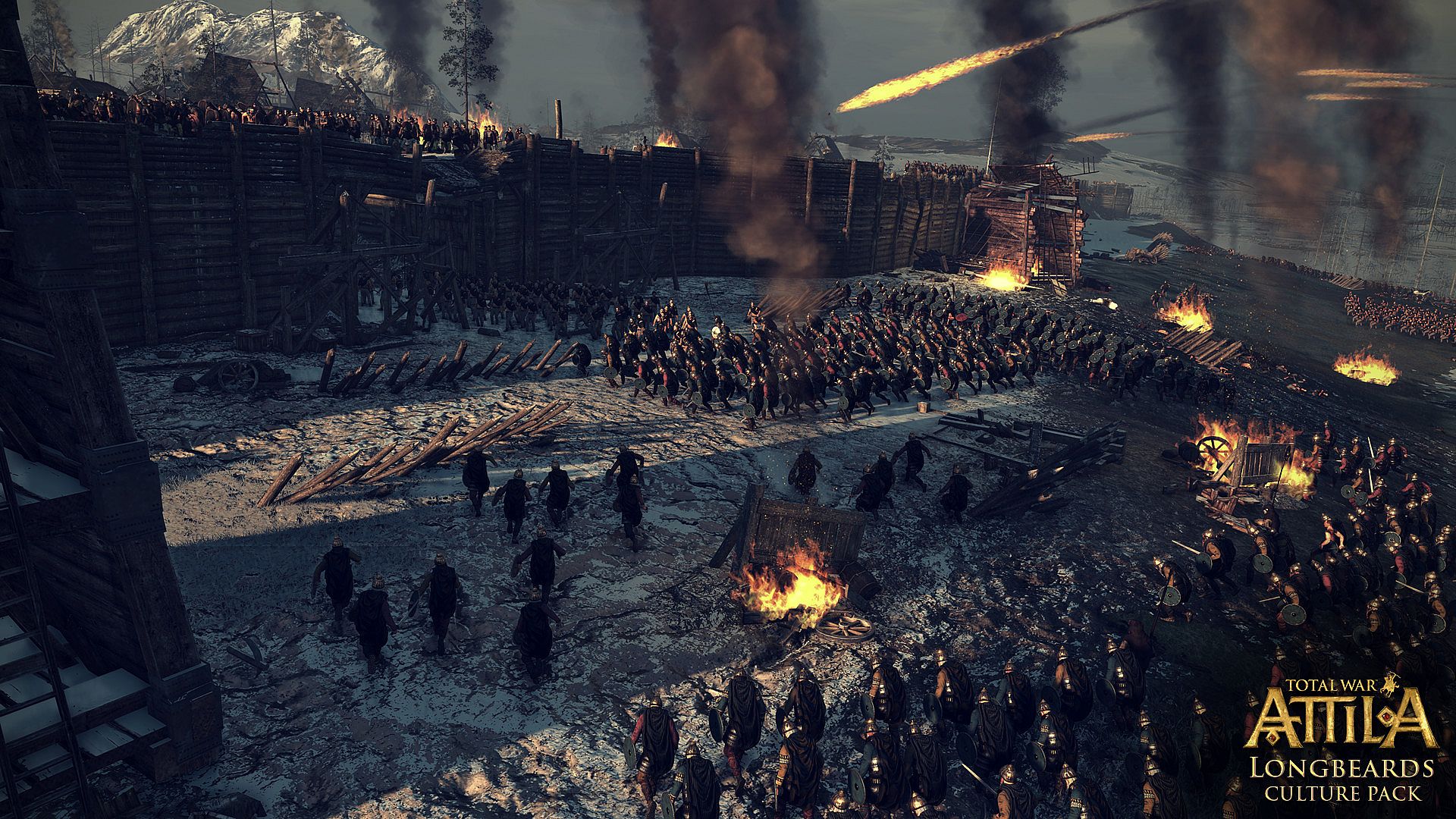
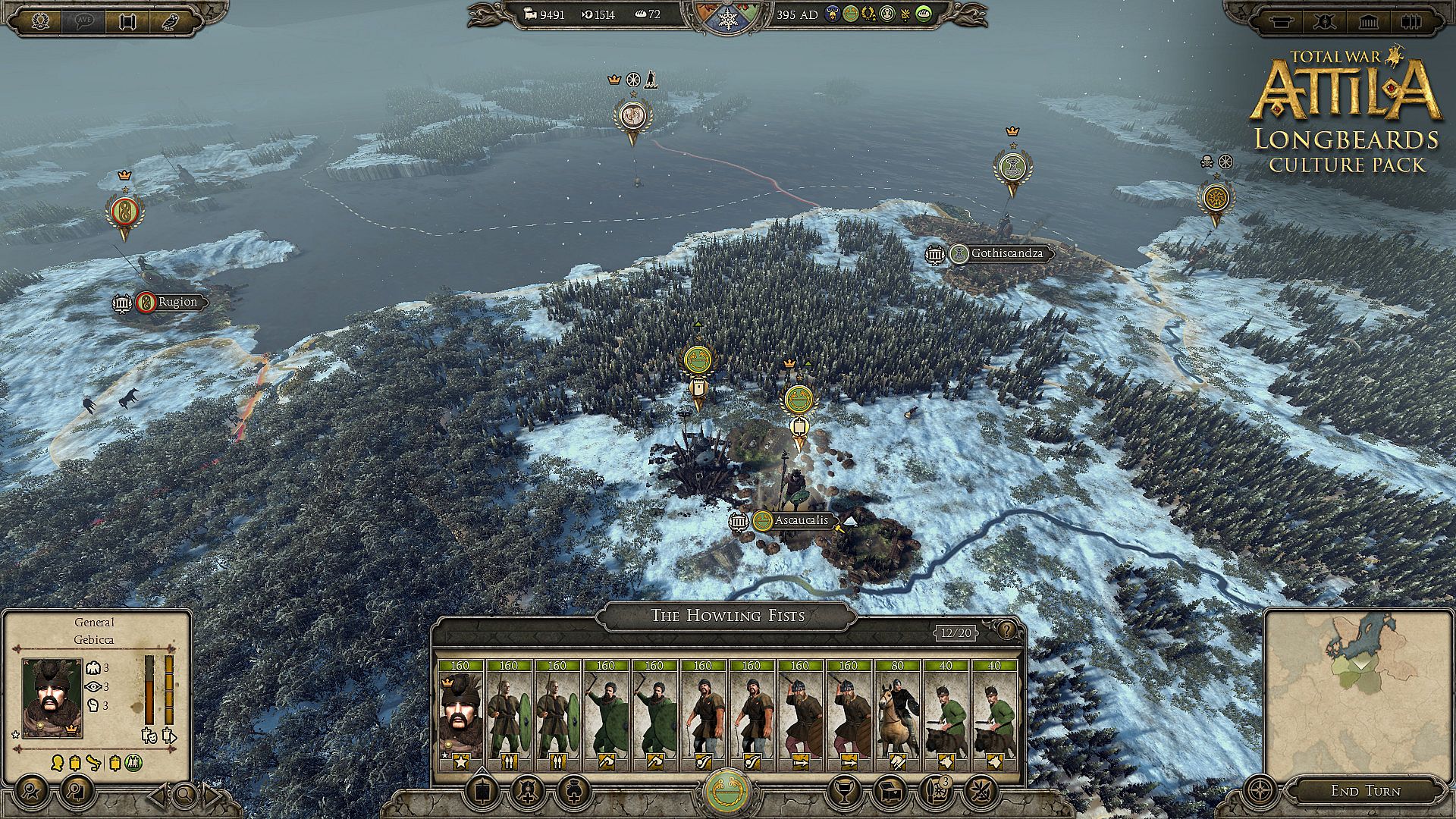
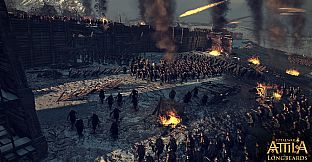
The core loop combines turn-based campaign management with real-time tactical battles. Players oversee settlement development, army recruitment, and diplomacy while directing forces on the battlefield in large-scale engagements. The Longbeards Culture Pack introduces faction-specific mechanics that alter this loop for the new groups. The Burgundians emphasize resource management through traits that boost food production in low-fertility areas and improve unit replenishment. The Alamans gain advantages in melee combat against Roman forces and enhanced leadership influence from generals. The Langobards benefit from doubled recruitment from defeated enemies and morale bonuses when facing armies of different religions.
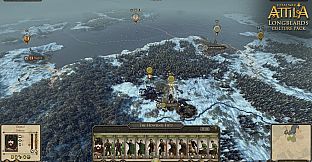
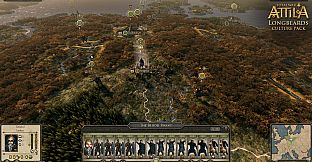
Each faction receives unique building chains that support specialized strategies. Burgundian curing facilities improve regional output, Alaman gem-related structures provide economic and cultural benefits, and Langobard freedman buildings tie into their emancipation theme. Narrative events unfold through branching choices in a saga-style sequence, culminating in a recruitable hero whose abilities reflect prior decisions. Mission objectives include an optional path toward full migration playstyles, rewarding players who abandon fixed settlements for mobile campaigns.
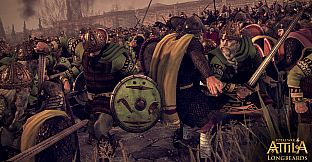
Battle rosters expand with specialized units such as Burgundian mounted axemen and royal lancers, Alamanic scavengers and captured siege equipment, and Langobard clubmen variants along with horse slayers. New ancillaries equip characters with bonuses ranging from siege defense improvements to cheaper religious structures or increased embezzlement gains.
Game Modes
Players access the new factions across singleplayer campaigns, multiplayer campaigns, custom battles, and multiplayer battles. Campaign modes support both solo progression through the grand campaign map and cooperative or competitive sessions with others. Battles allow direct control of the expanded unit lists in standalone scenarios or online matches without requiring a full campaign commitment.
The integration maintains compatibility with the base game's systems for army movement, settlement control, and faction interactions. Multiplayer options enable head-to-head or team-based experiences using the unique traits and units of the Langobards, Burgundians, or Alamans.
Factions and Unique Mechanics
The Burgundians draw from historical roots near the Baltic before migrating westward, with traits centered on endurance and resource efficiency. The Alamans operate as a confederation of kings and emphasize aggressive expansion against Roman territories. The Langobards, originally known as the Winili, feature leadership structures that share power and religious elements tied to their god Godan.
These elements create varied campaign paths. Historical context shows each group later founding medieval kingdoms, though the pack focuses on their starting positions along the Elbe and Rhine frontiers during the fifth century.
Is It Worth Playing?
This culture pack suits players who enjoy detailed faction differentiation within a grand strategy framework focused on barbarian expansion and Roman decline. The added units, buildings, and events provide fresh campaign variety without altering the base mechanics. Those interested in Germanic tribes or migration-era conflicts will find the specific traits and narrative chains rewarding for repeated playthroughs. Availability remains through standard digital platforms alongside the main Total War: ATTILA title, with no ongoing seasonal content or major updates required for the core experience.