

























The Sims 4 Get to Work is a simulation expansion that adds active workplace control and business ownership to the core game. Players manage Sims through detailed job routines and create custom retail operations, shifting focus from home life to professional environments and entrepreneurial efforts.
Gameplay
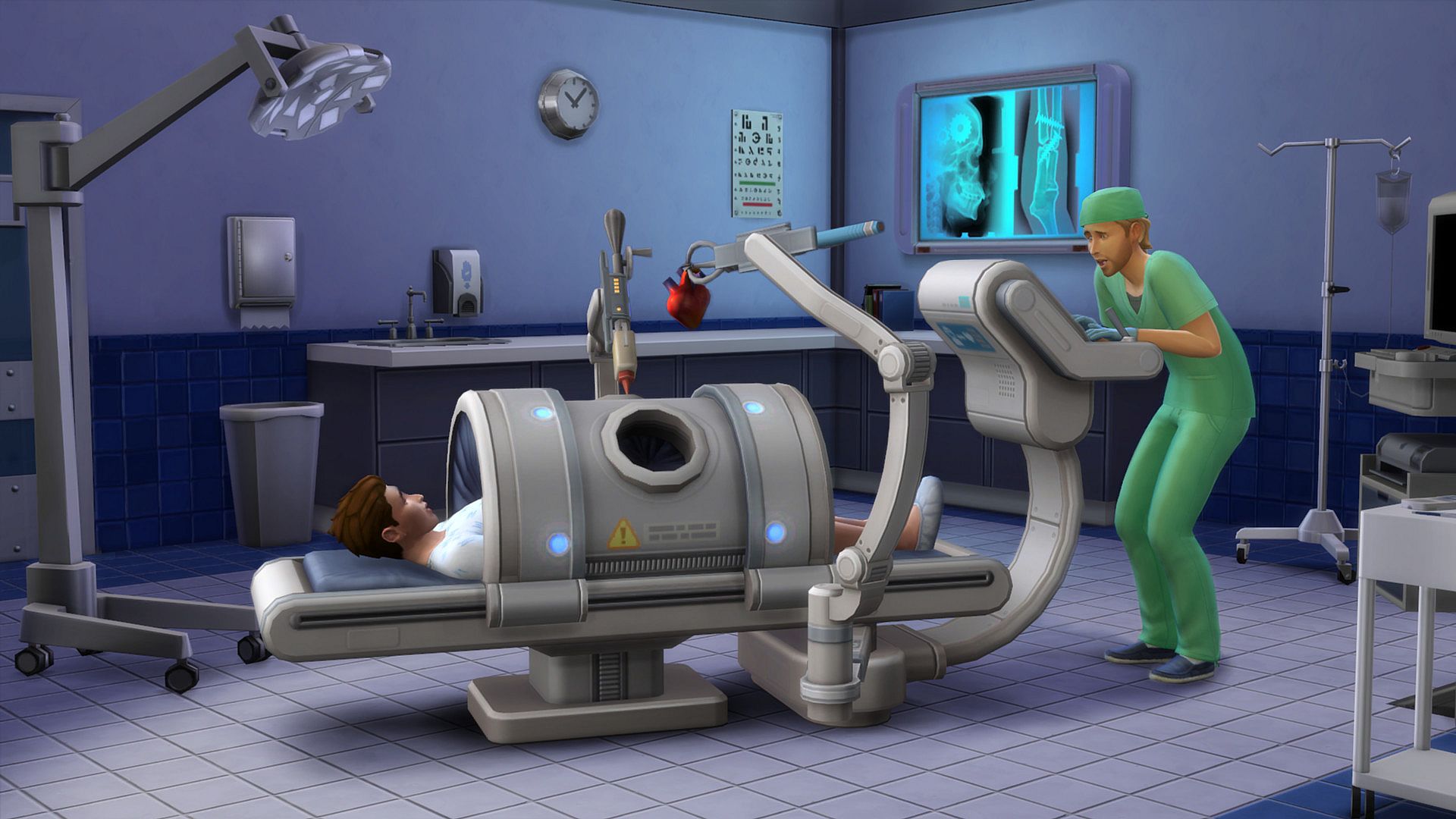
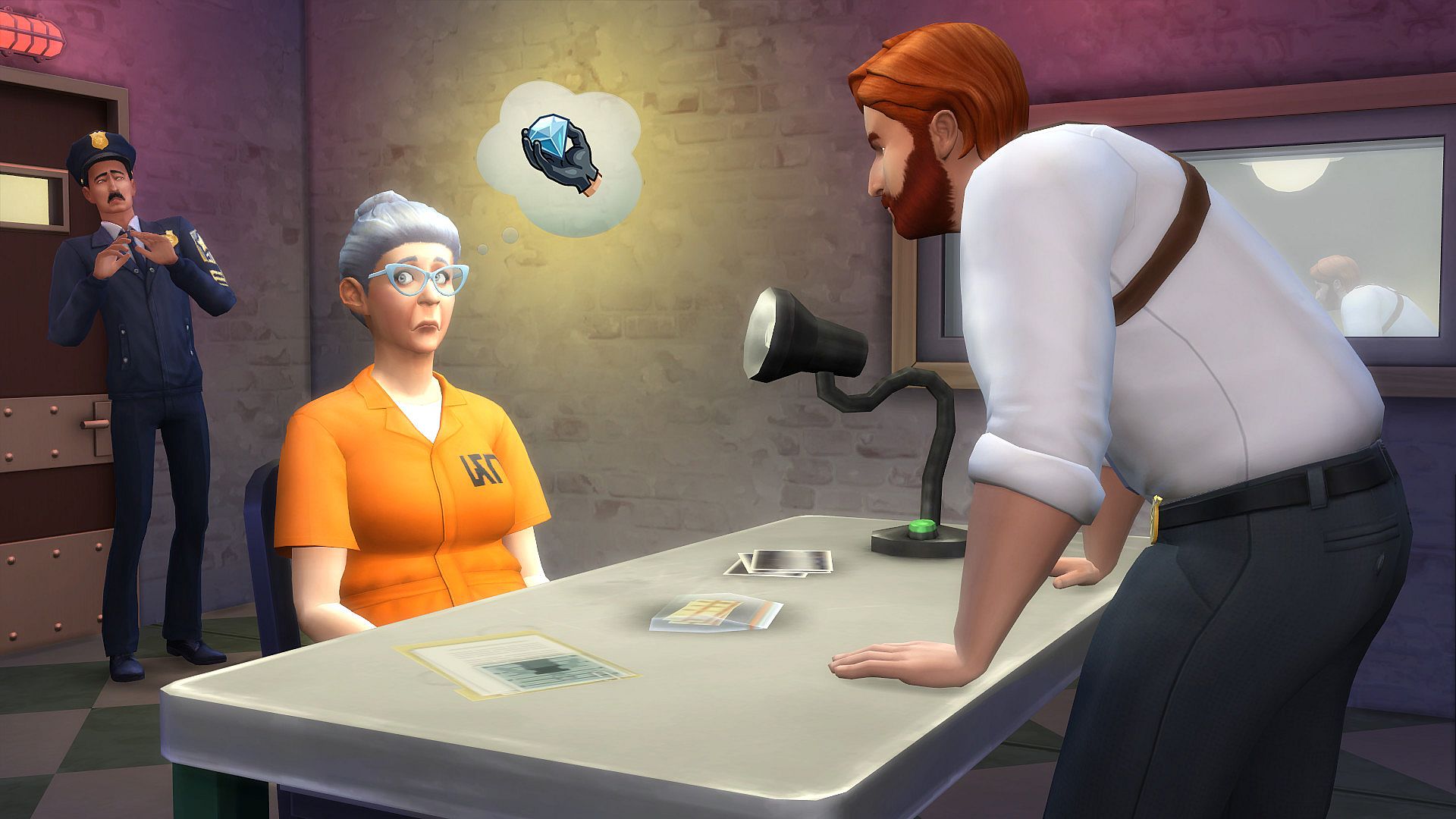
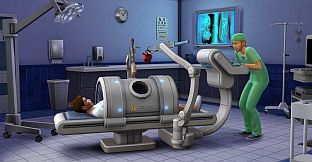
Control shifts to the job sites themselves. Sims enter dedicated venues where every shift unfolds in real time. As a doctor, the routine involves examining patients, ordering tests, delivering babies, and performing surgeries. Detective work centers on crime scene analysis, suspect interviews, and case resolution at the police station. Scientists experiment with inventions, analyze samples, and conduct research in a laboratory setting. Each career features unique objects and interactions that advance performance and unlock promotions.
Retail ownership operates as a separate loop. Players purchase lots, place a cash register, stock shelves with items from the catalog or crafted goods, and set markup prices. Employees handle sales while the owner interacts with customers to close deals. Business performance depends on curb appeal, employee management, and customer satisfaction. Profits accumulate in Simoleons, and successful stores generate ongoing income without constant supervision.
Game Modes
Three active careers form the primary structured play options. Doctor, Detective, and Scientist each provide distinct daily objectives and progression tracks tied to specific buildings. These replace the usual rabbit-hole jobs with hands-on tasks that require direct player input during work hours.
Retail management serves as an open-ended alternative. Any lot can become a store of the player's design, from bakeries to galleries. The system tracks sales metrics, employee perks, and customer flow. Multiple stores can operate simultaneously, creating layered income streams alongside regular household activities.
New Skills and Objects
Photography and Baking skills integrate directly with the new systems. Photography captures images that sell in stores or decorate homes. Baking produces treats that stock retail shelves or fulfill personal needs. Both skills produce sellable items that support the retail economy and add variety to daily routines.
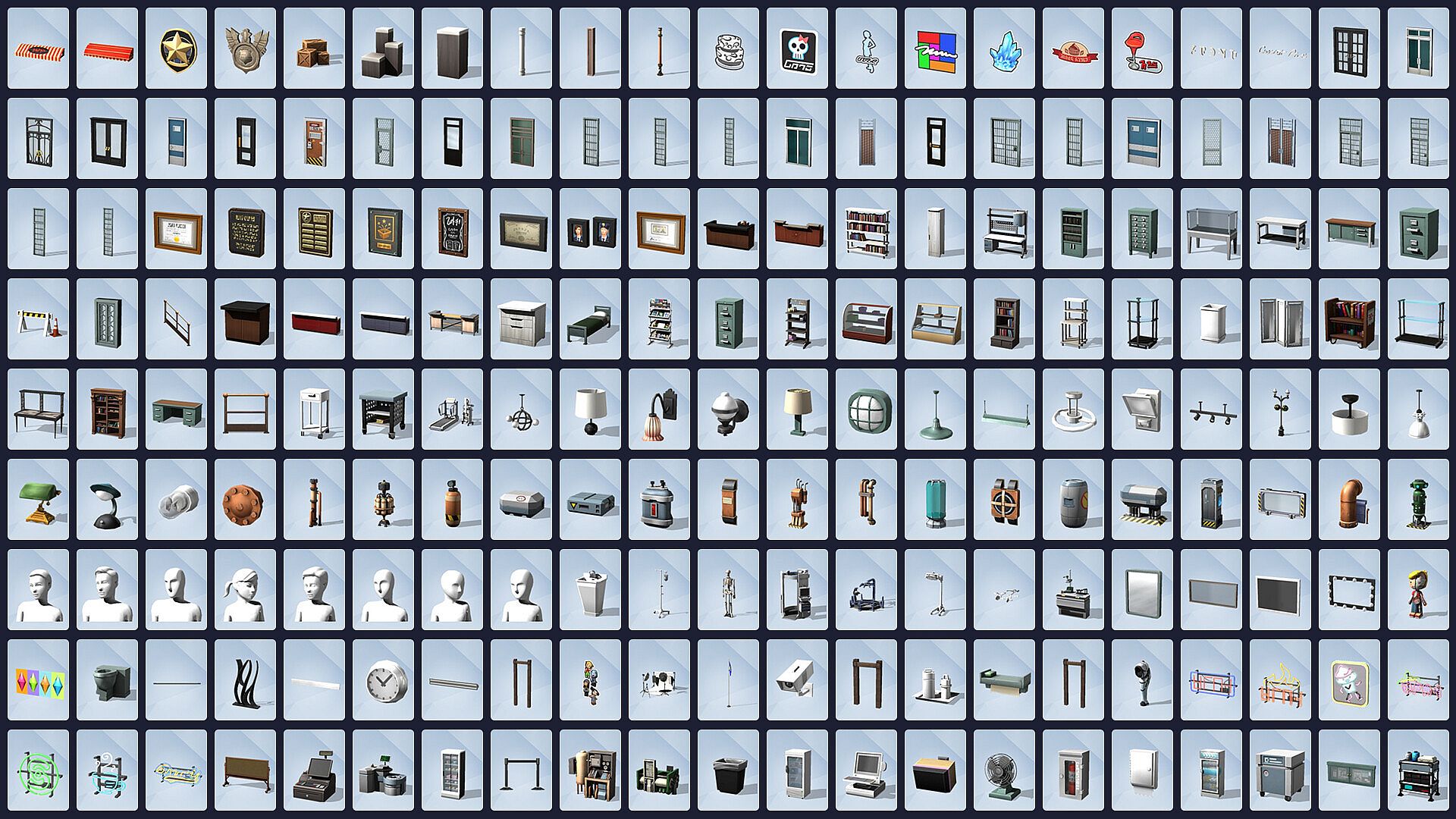
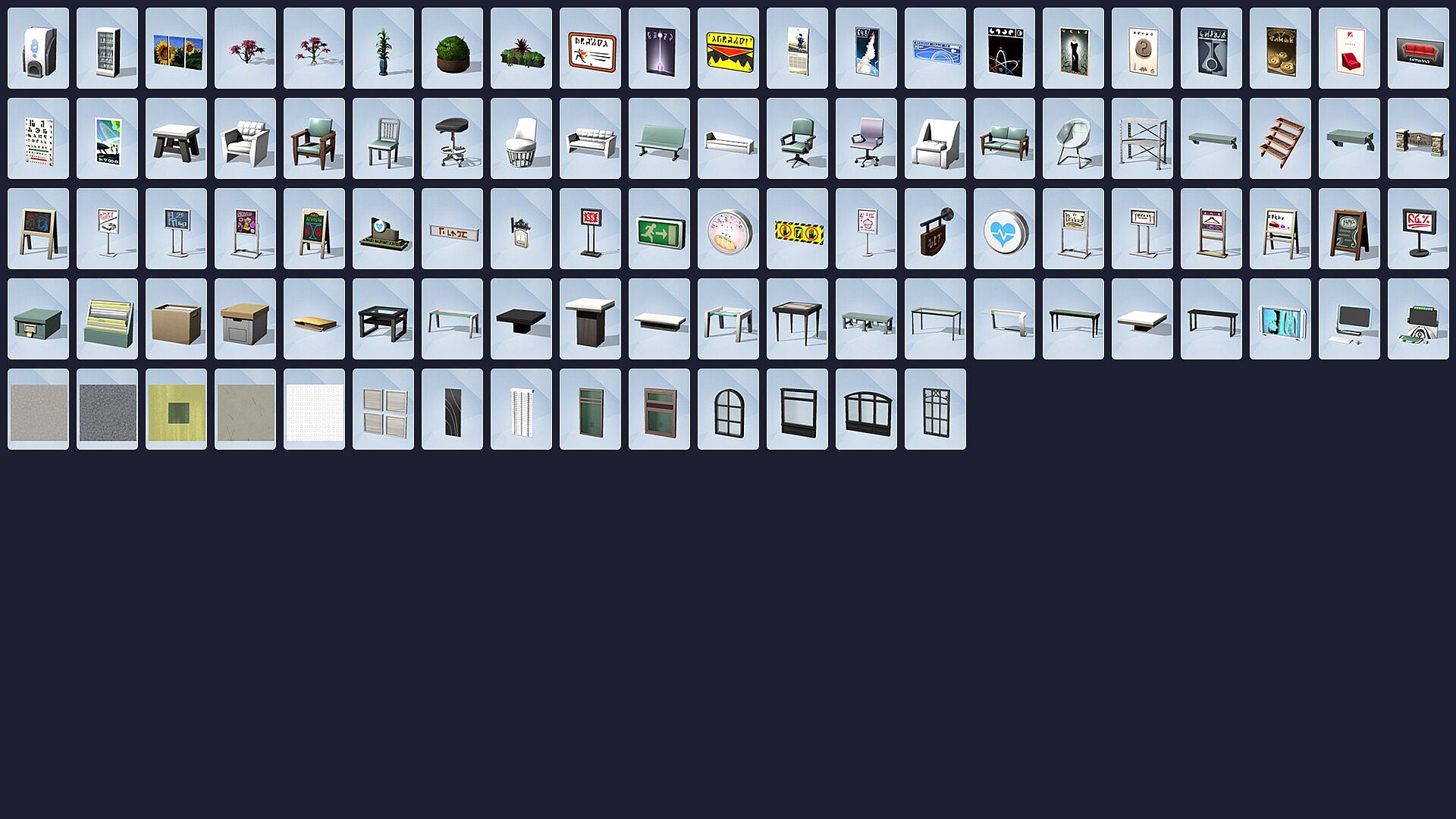
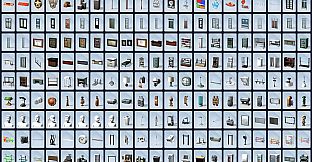
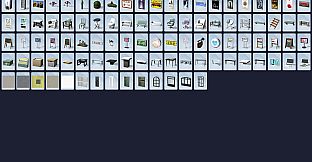
Additional objects appear across venues, including medical equipment, forensic tools, lab apparatus, and store fixtures. These items enable the core interactions and can be used creatively outside work hours.
Is It Worth Playing?
The expansion suits players who enjoy detailed simulation of professional life and hands-on management. Active careers deliver consistent engagement during work shifts, while retail ownership rewards planning and customer interaction. Recent patches continue to address specific interactions from these features, confirming ongoing compatibility with the base game. Those who prefer passive career progression or focus solely on residential building may find less value here. The content expands single-player options without introducing multiplayer elements.