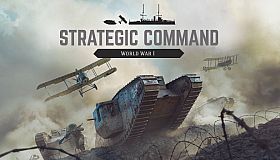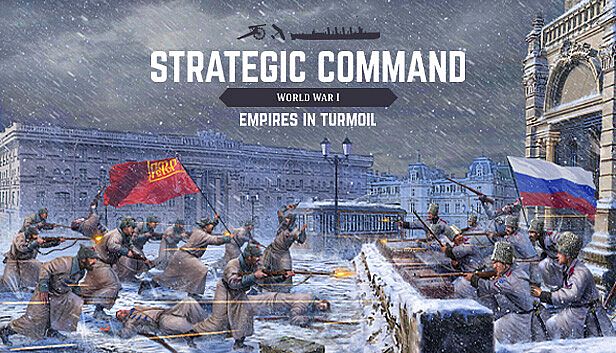







Strategic Command: World War I - Empires in Turmoil is a turn-based strategy game for PC that places players in command of historical forces during key conflicts of the 1910s. The title expands the base game with focused campaigns drawn from the Balkan Wars, East Prussian fighting, Mesopotamian operations, African colonial struggles, the Somme offensive, and the Russian Civil War. Each scenario recreates the logistical challenges, shifting alliances, and decisive battles that shaped the era.
Gameplay
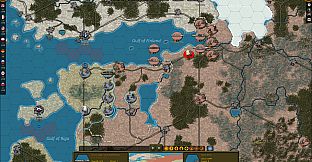
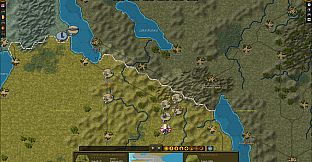
Core play revolves around positioning armies on large-scale maps that stretch from Siberia to East Africa. Players manage unit movements, supply lines, and reinforcements while responding to scripted events that reflect real historical pressures such as nationalist uprisings and shifting neutral powers. Combat occurs through direct engagements where terrain, troop quality, and timing determine outcomes. New unit types introduce specialized capabilities, including German Freikorps formations, African Askaris, and the Graf von Goetzen steamer for riverine operations. Victory often hinges on destroying enemy forces rather than simply holding ground, forcing aggressive yet calculated maneuvers across extended fronts.
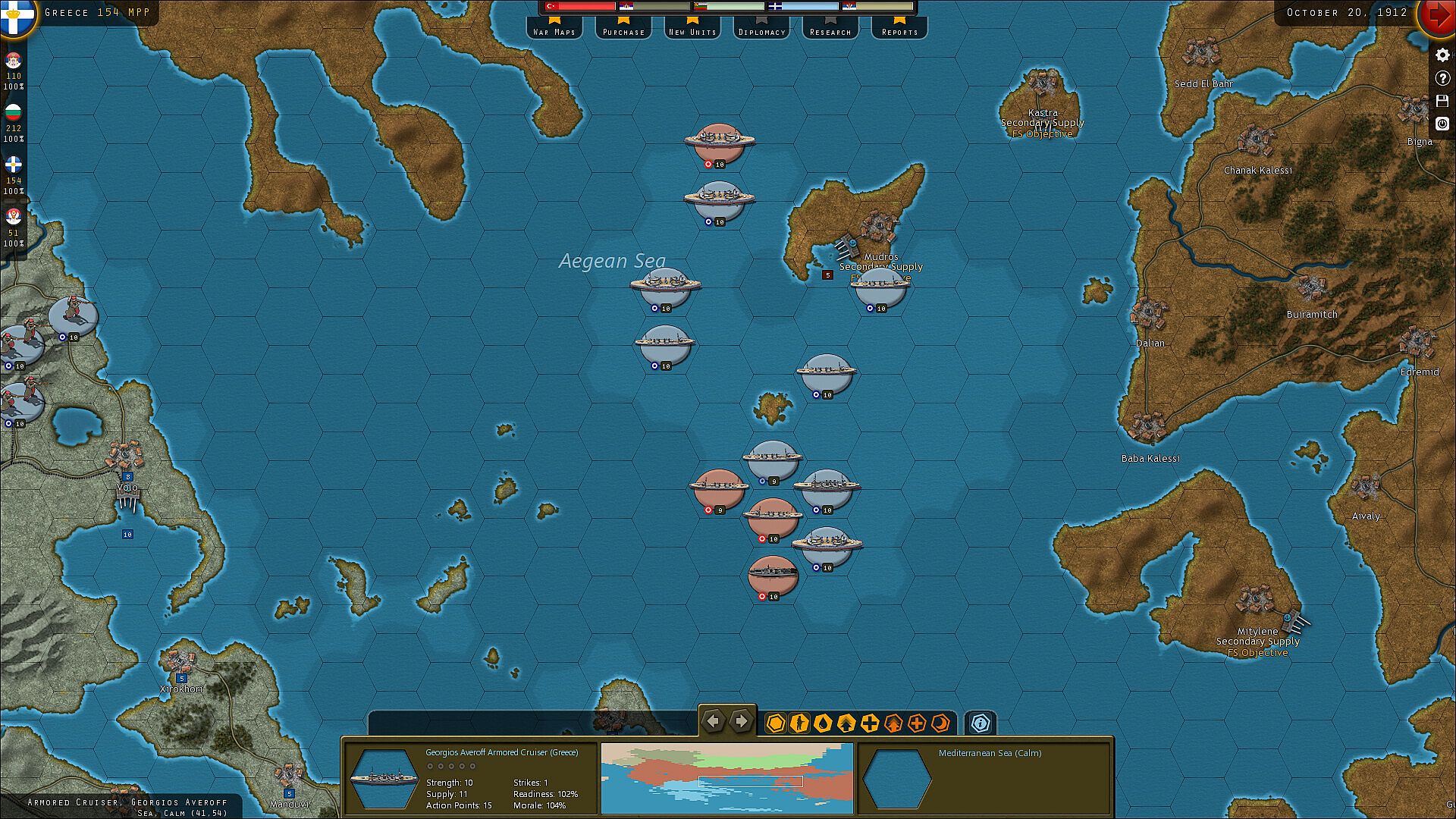
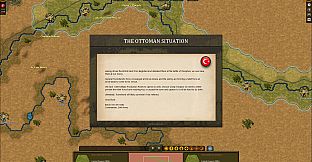
Decision-making extends to alliance management and reinforcement timing. In the Balkan scenarios, for example, players must balance competing territorial claims among league members while anticipating Ottoman responses. Later campaigns introduce guerrilla elements where smaller forces evade larger conventional armies, requiring players to adapt pursuit strategies over vast distances. The system rewards careful planning of offensives alongside defensive preparations against relief columns or counterattacks.
Game Modes
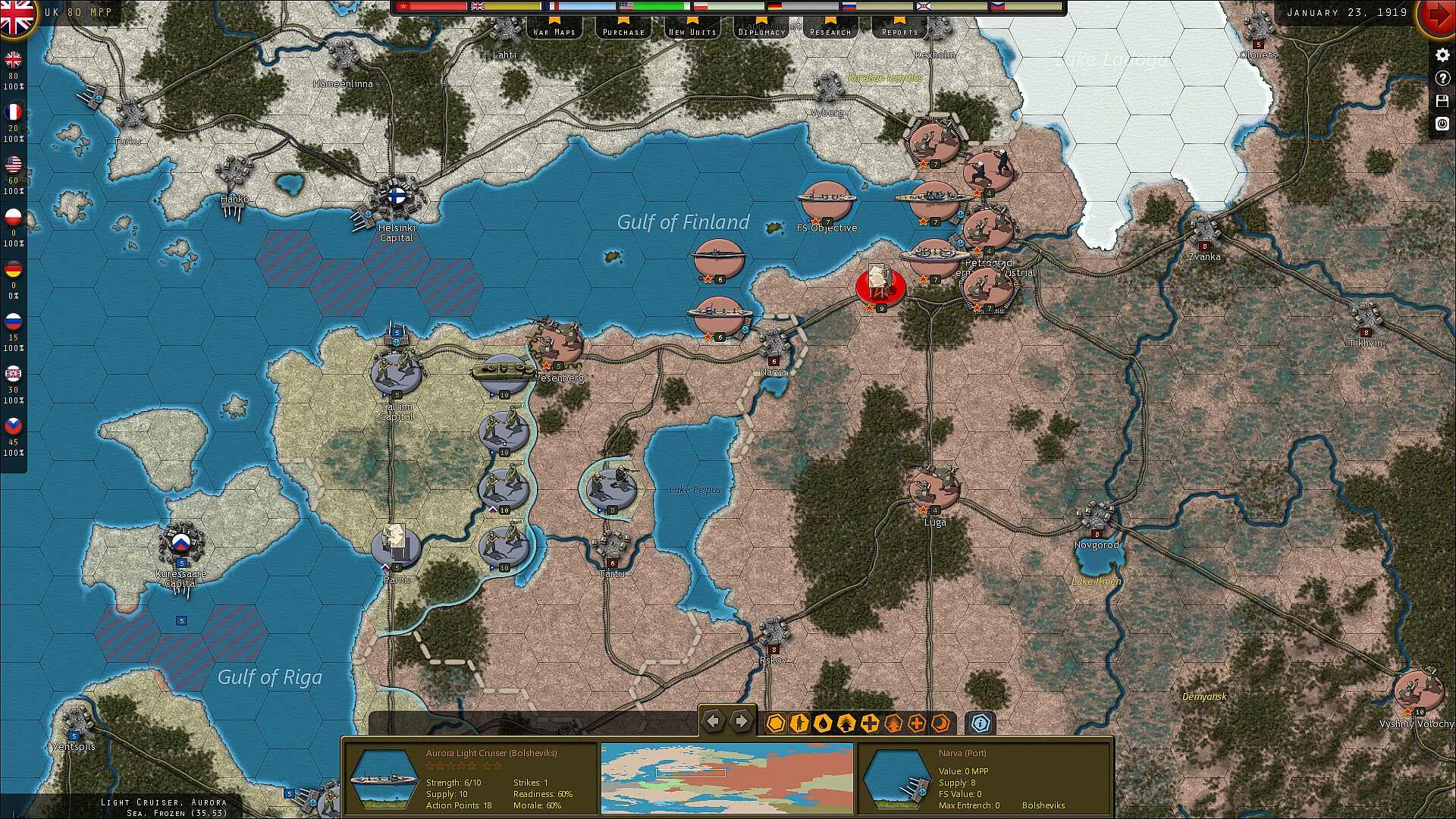
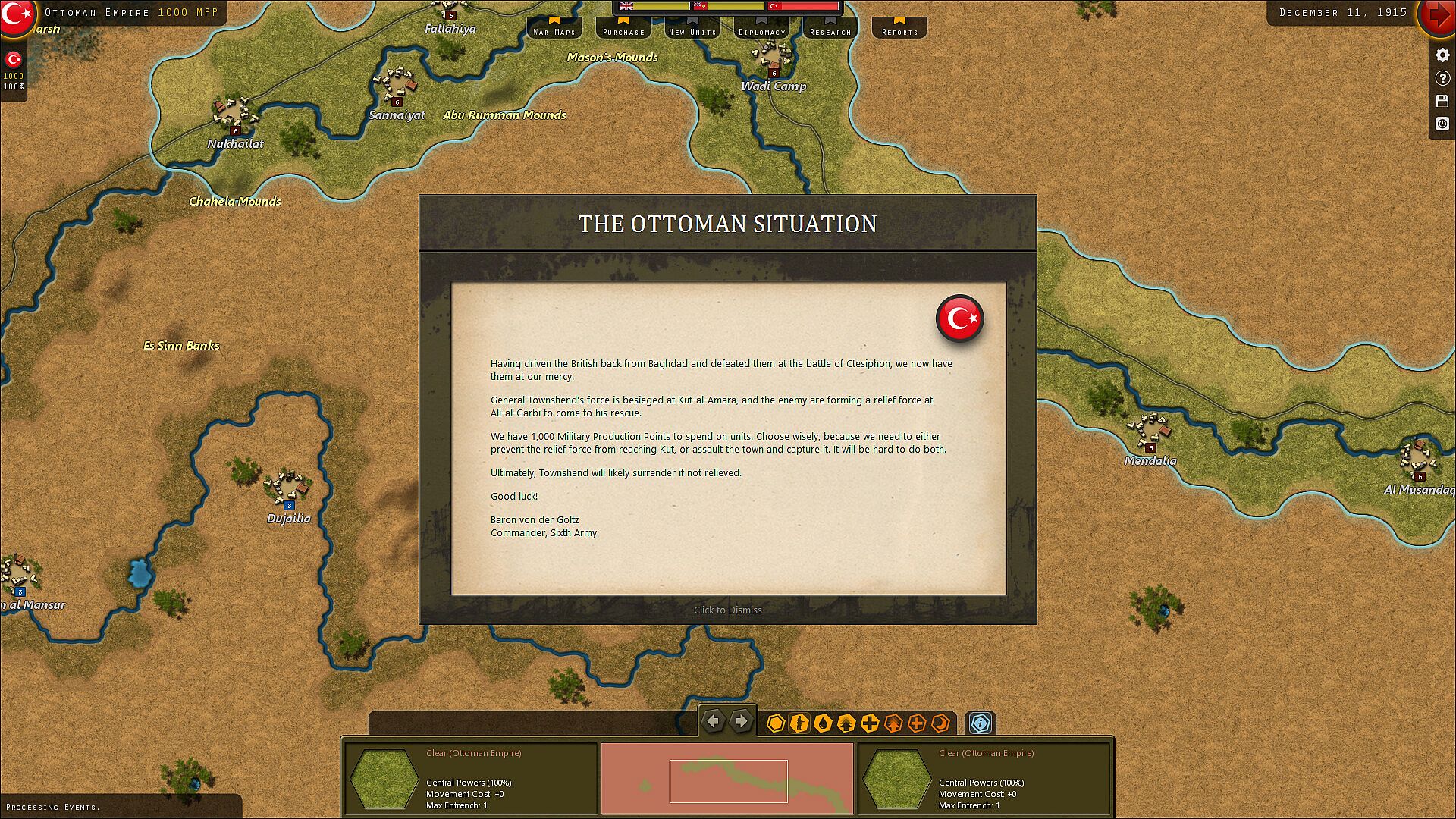
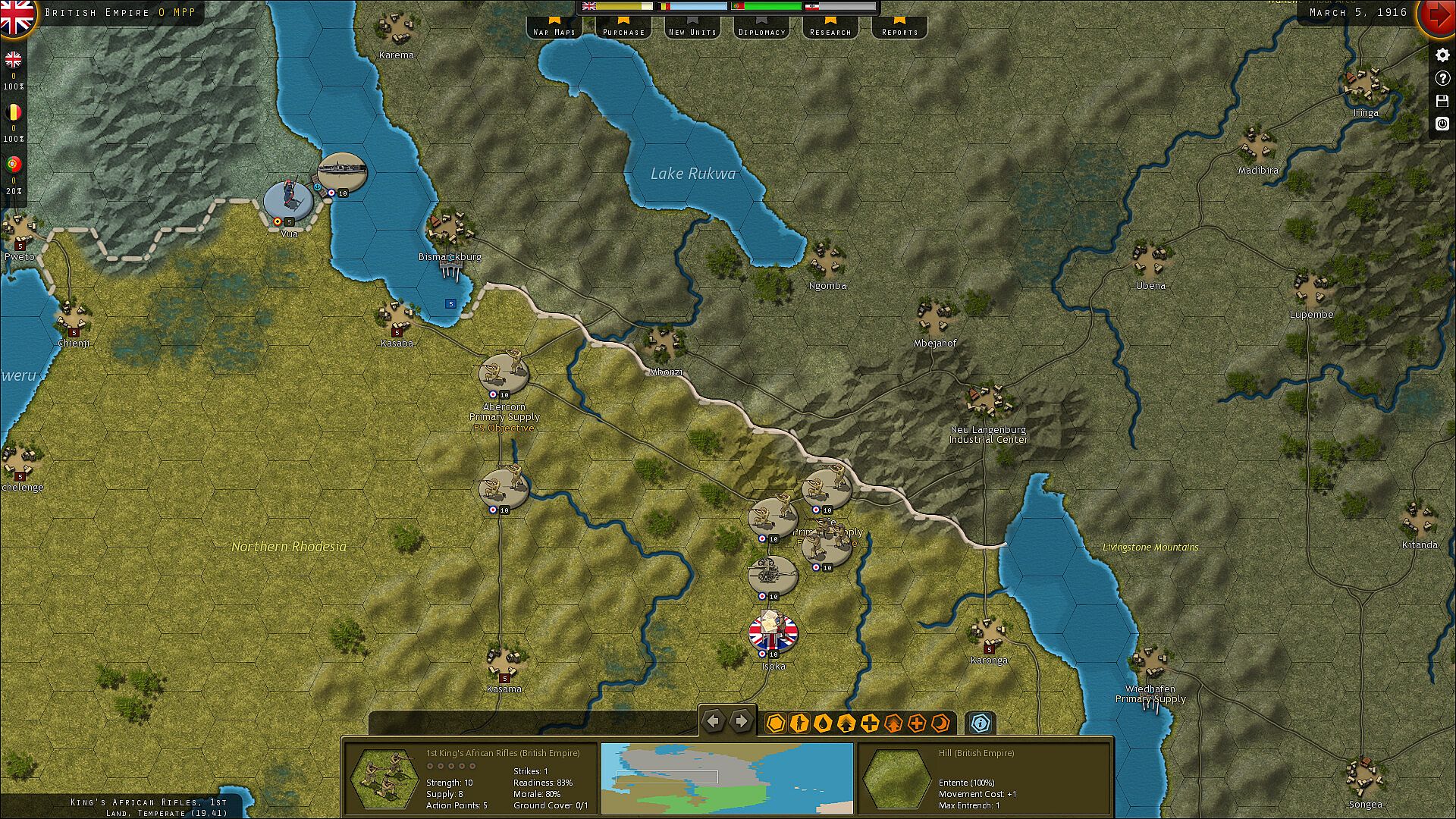
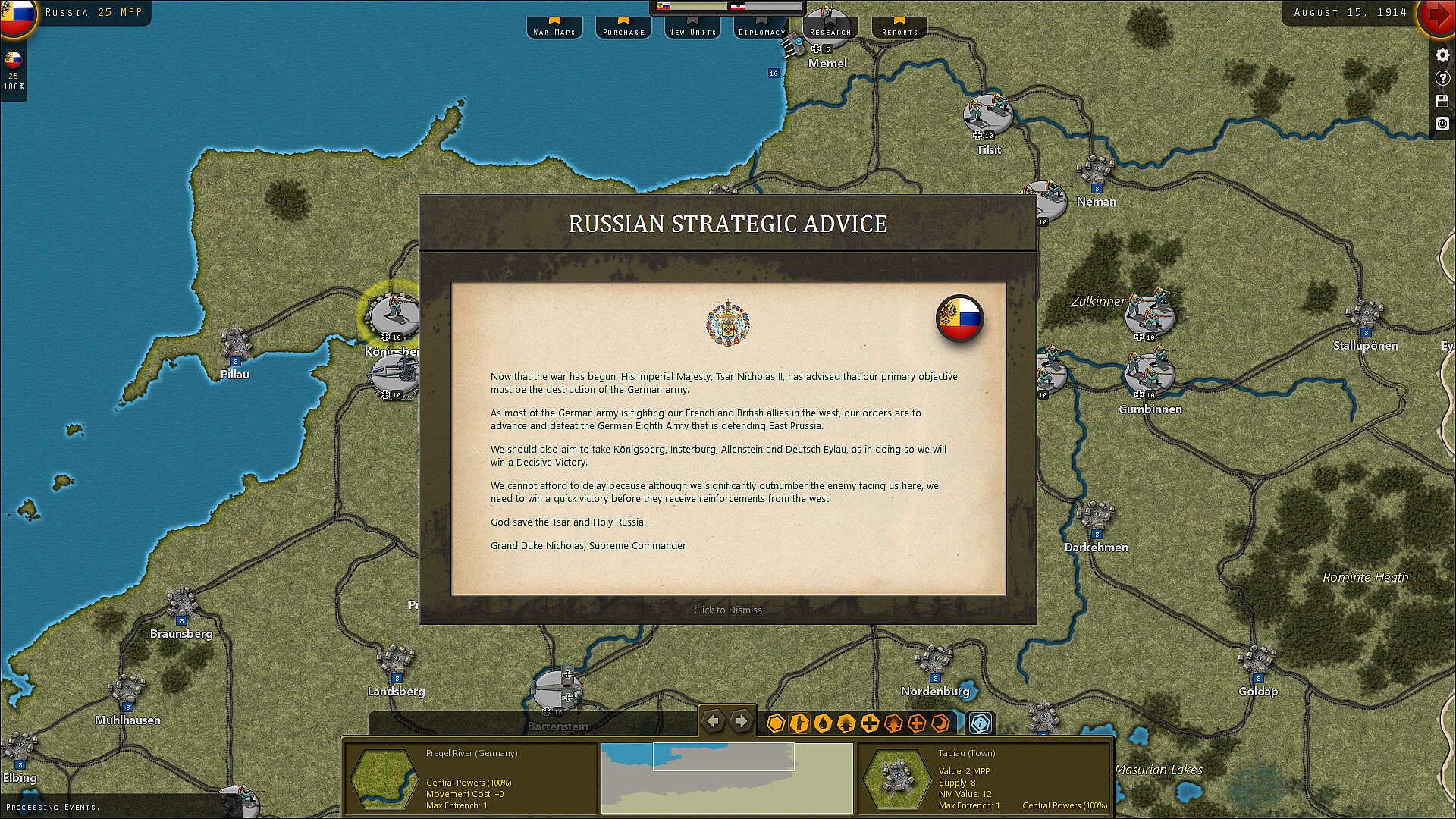
The expansion centers on seven distinct campaigns that function as self-contained scenarios. These cover the 1912 Balkan League operations against the Ottomans, the 1913 Second Balkan War involving Bulgaria and its former allies, Hindenburg's 1914 defense of East Prussia, the 1915 siege at Kut-al-Amara in Mesopotamia, the 1916 Lion of Africa campaign in German East Africa, the 1916 Somme offensive on the Western Front, and the 1919 Russian Civil War struggle between White and Red forces. Each campaign runs independently and varies in length and objectives, allowing focused play sessions that can conclude in roughly one hour for shorter scenarios.
Players select either side in most campaigns and work through historical starting conditions toward victory. No additional multiplayer modes appear in the verified content, keeping the experience centered on single-player historical simulation.
Historical Campaigns and Mechanics
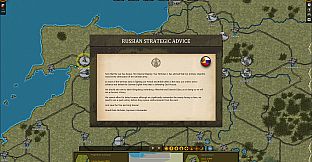
Each campaign incorporates specific events that alter the battlefield. Albanian independence movements, potential Allied or German intervention in Russia, and reinforcement arrivals create branching possibilities within the fixed historical framework. The Russian Civil War scenario, for instance, features divided White armies facing a unified Red command with interior lines, while the African campaign emphasizes prolonged guerrilla operations against a multi-directional invasion. These elements integrate directly with unit management and territorial control to shape outcomes.
Mechanics emphasize army composition and operational tempo. Players assemble forces suited to the theater, whether massed infantry for the Somme or mobile columns for East Africa. Events can trigger sudden shifts, such as the arrival of Ottoman reinforcements or the collapse of alliances, requiring rapid adaptation without altering the core turn-based structure.
Is It Worth Playing?
Player feedback on the expansion remains positive, with an 84 percent approval rating from available reviews. Reviewers note the value of the additional campaigns for those already familiar with the base game, highlighting faster AI turns and the appeal of shorter, self-contained scenarios. The content suits enthusiasts of historical strategy games who appreciate detailed recreations of lesser-covered fronts from the World War I period. Those seeking broad grand strategy with multiple theaters and event-driven decisions will find the focused campaigns rewarding, while players uninterested in turn-based wargame pacing may prefer other genres. The expansion stands as a solid addition for series followers without introducing new core systems beyond the listed campaigns and units.