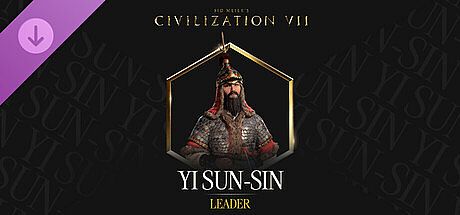


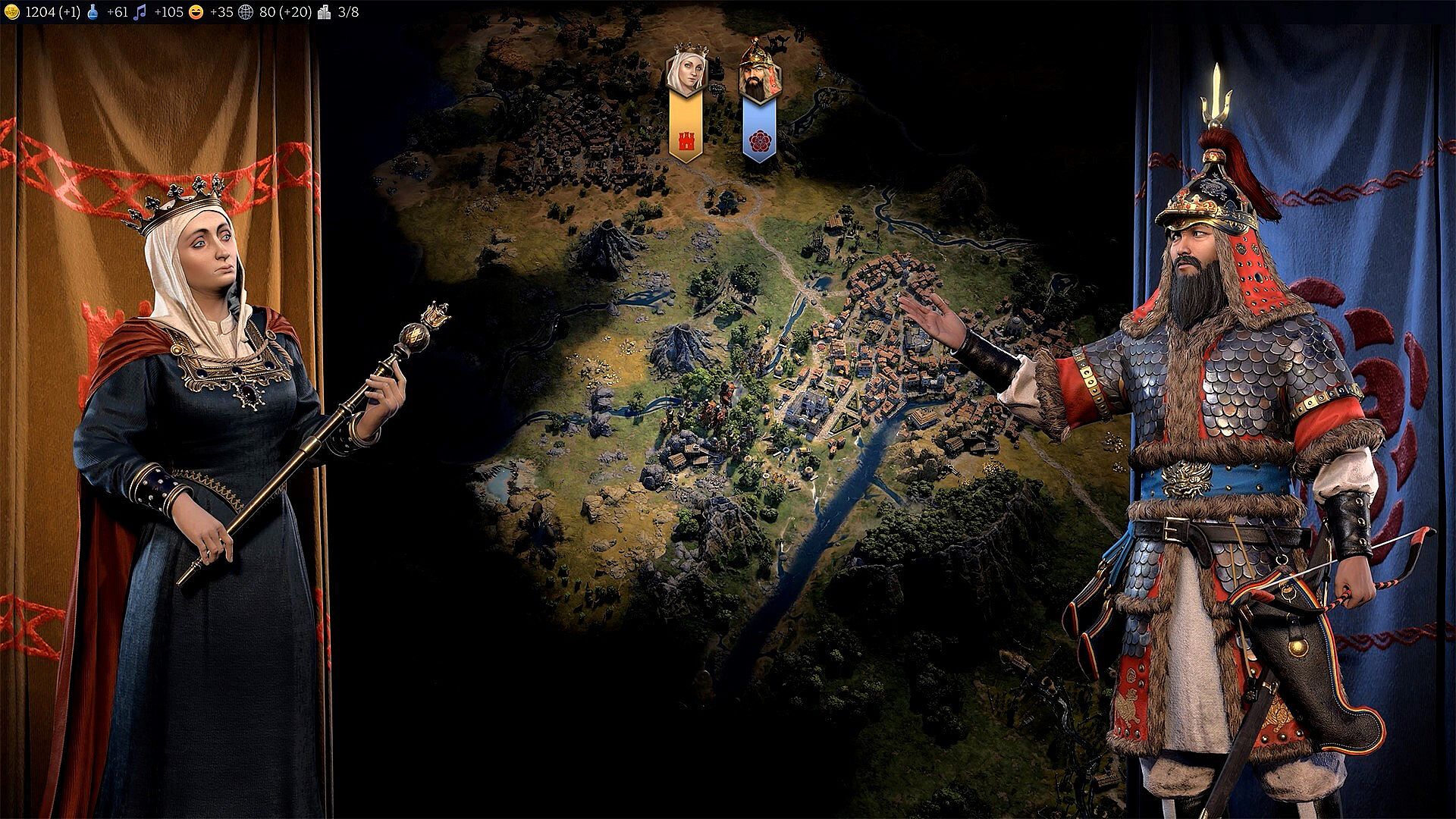
Sid Meier's Civilization VII: Yi Sun-sin introduces a new leader option to the core turn-based strategy and simulation experience of Civilization VII. This addition centers on the historical Korean admiral, emphasizing naval development and scientific progress alongside militaristic goals. Players select Yi Sun-sin to guide a civilization through the game's three ages, building fleets and leveraging unique mechanics tied to harbors and commanders.
Gameplay
The core loop in Civilization VII revolves around managing a civilization across Antiquity, Exploration, and Modern ages. Leaders remain consistent while civilizations evolve based on choices and conditions. Yi Sun-sin brings Militaristic and Scientific attributes that shape available bonuses and policy paths. His unique ability, Samdo Sugun Tongjesa, unlocks Fleet Commanders after researching the Discipline Civic in the Antiquity Age. A free Fleet Commander appears once a player controls both a Harbor and the Discipline Civic.
Naval combat feeds directly into scientific advancement, as defeating enemies with naval units grants Science equal to a percentage of the enemy's Combat Strength. Science Buildings constructed in cities award experience points to all Fleet Commanders. Accumulated commander experience from combat converts into Gold each age. These systems reward players who invest in coastal settlements and maintain active naval forces. The agenda 13 Ships influences diplomacy by strengthening ties with civilizations that maintain minimum numbers of naval units and fortification buildings while straining relations with those that fall short. Coastal starting biases further encourage early harbor construction and fleet focus.
Game Modes
Civilization VII supports single-player campaigns against AI opponents and multiplayer sessions with other players. Single-player allows full customization of difficulty, game speed, map size, and starting age. Multiplayer emphasizes direct competition in the same core systems of expansion, research, and conflict. A dedicated Single Age mode provides shorter sessions limited to one of the three ages, using score victory based on Legacy Points earned through milestones rather than full victory conditions.
These modes accommodate different session lengths and group sizes. The age transition mechanics, including temporary crises that introduce negative policies, apply across modes to balance progress and prevent early dominance from carrying unchecked into later stages.
Leader Integration and Naval Strategy
Yi Sun-sin fits players who prioritize naval power and hybrid military-scientific strategies. Fleet Commanders serve as specialized units that gain experience through building construction and combat, turning naval victories into long-term economic and research advantages. The ability to train these commanders early in the Antiquity Age supports aggressive coastal expansion and defense against sea-based threats. Diplomatic penalties and bonuses tied to naval strength encourage alliances with like-minded civilizations or isolation from land-focused ones.
This leader pack integrates seamlessly with the base game's legacy paths in military, economic, science, and culture categories. Players can pursue naval dominance to accelerate science yields while using gold from commander experience to fund further development. The emphasis on fortification buildings alongside naval units adds a defensive layer to the agenda, rewarding balanced coastal infrastructure.
Is It Worth Playing?
Civilization VII has received multiple updates since launch, including the Test of Time patch and subsequent refinements that address quality-of-life issues and system depth. The addition of leaders like Yi Sun-sin expands replayability for those interested in historical naval figures and specialized playstyles. Players who enjoy turn-based 4X strategy with persistent leaders, age-based progression, and interconnected yields will find the naval and scientific synergies engaging.
The game suits single-player strategists seeking long campaigns or shorter Single Age sessions, as well as groups looking for multiplayer competition. Reception among players highlights improved mechanics after patches, though some note ongoing challenges with AI behavior and certain late-game systems. Those drawn to detailed civilization building, diplomatic agendas, and commander management will likely appreciate the focused options this leader provides. Availability on PC makes it accessible for strategy enthusiasts ready to experiment with fleet-oriented approaches.