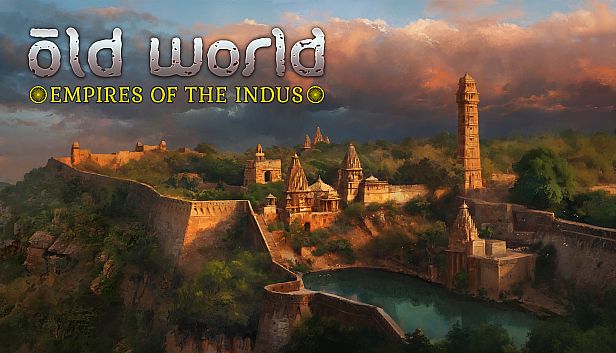









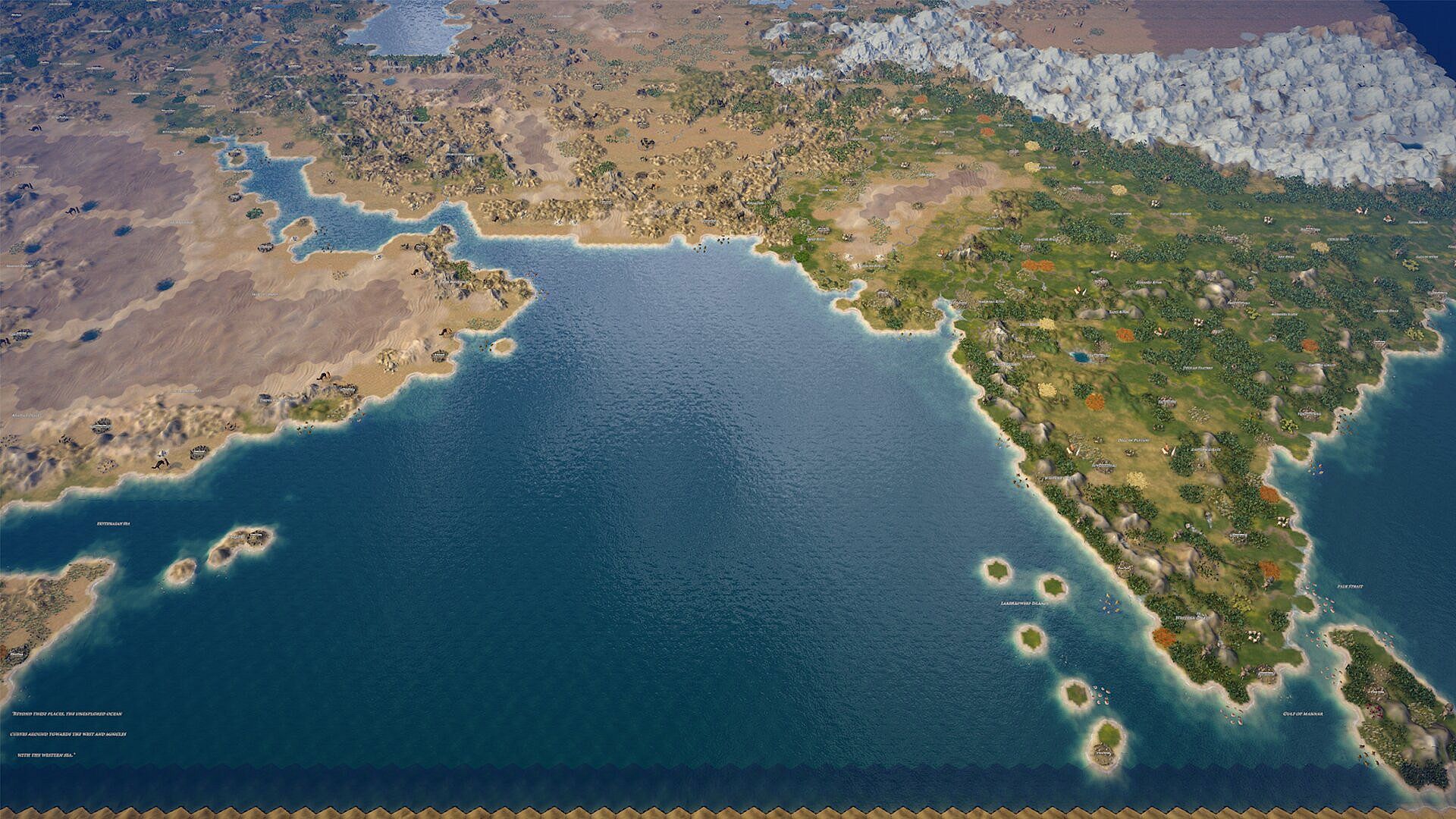
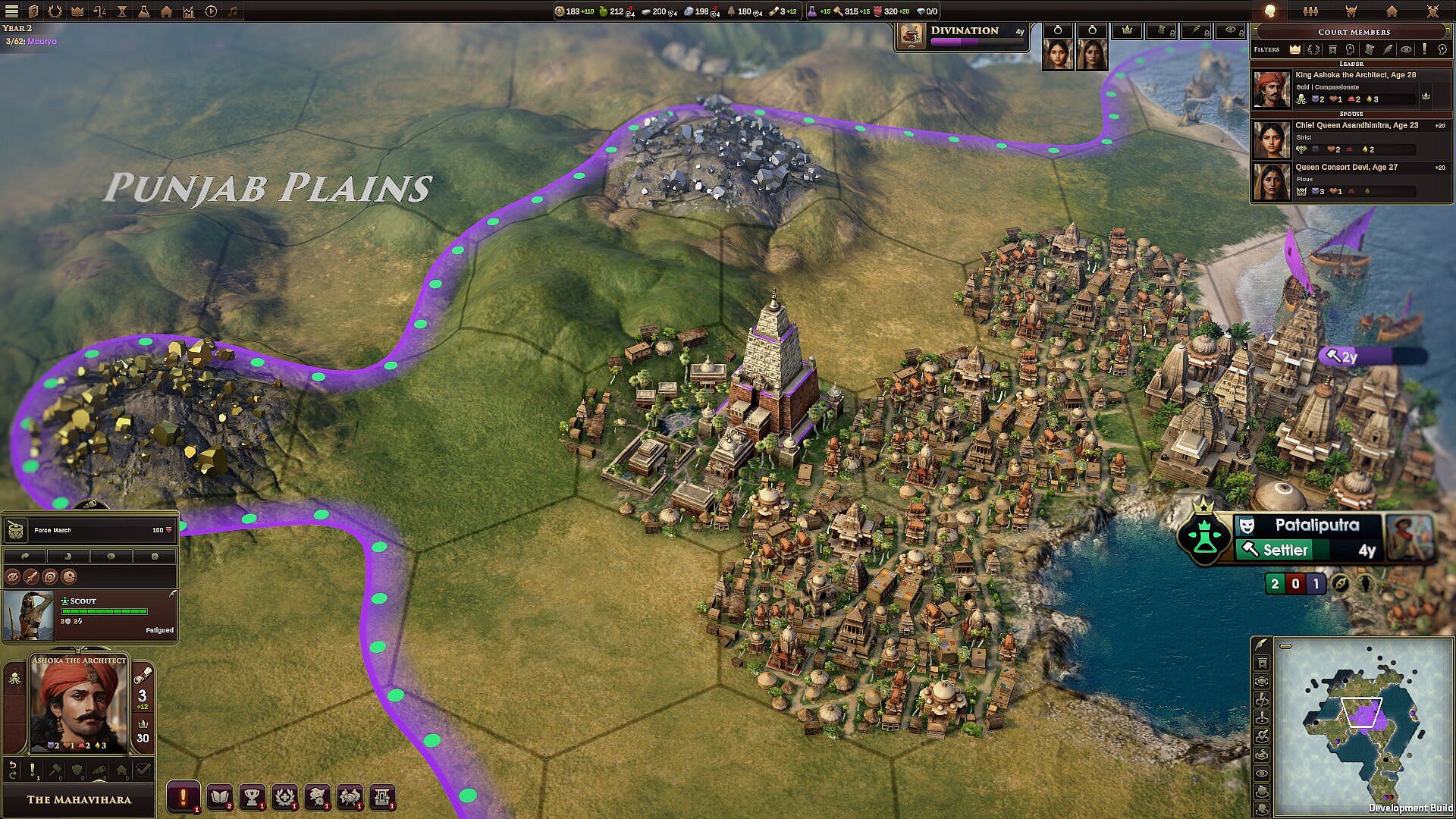
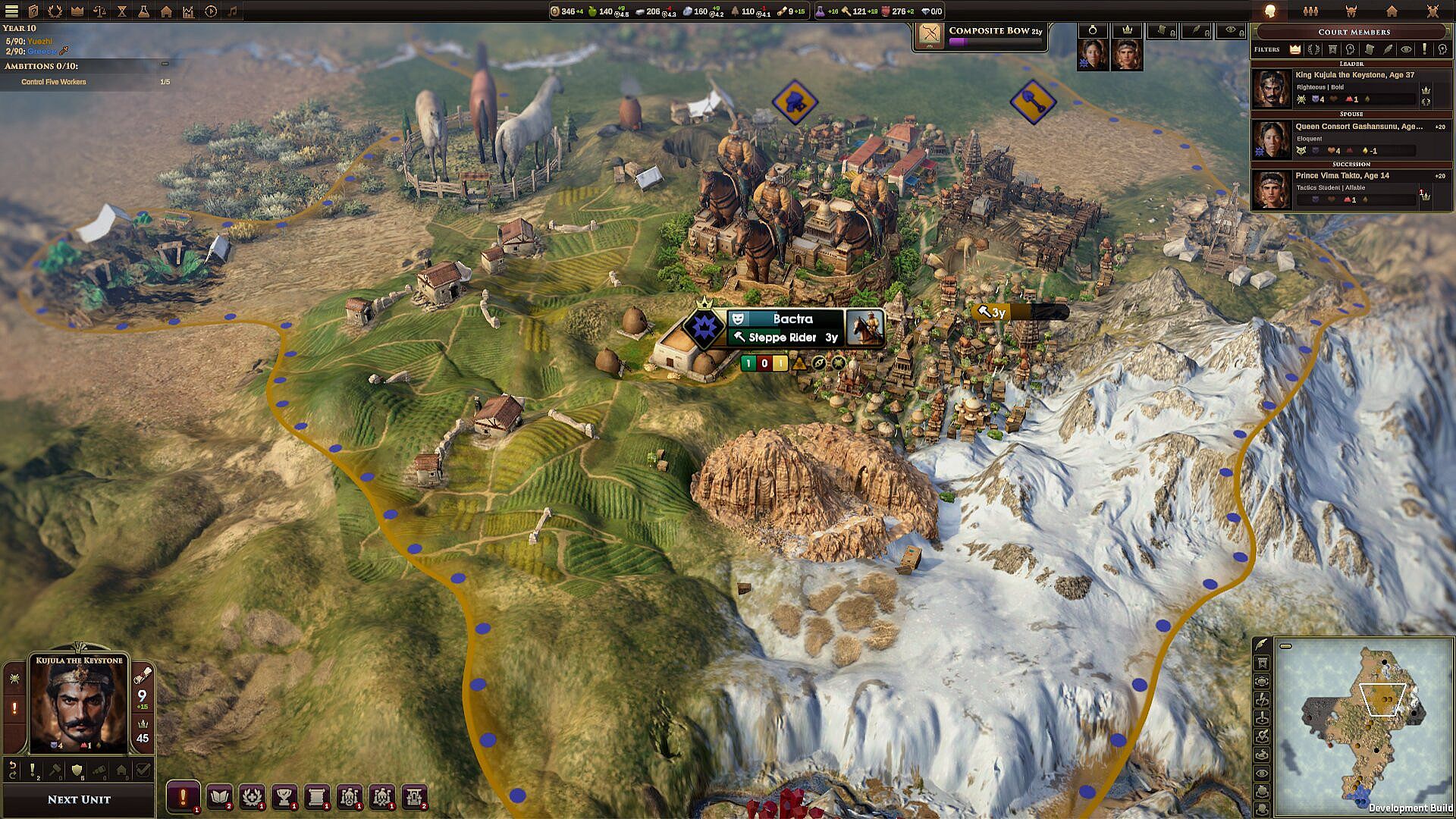
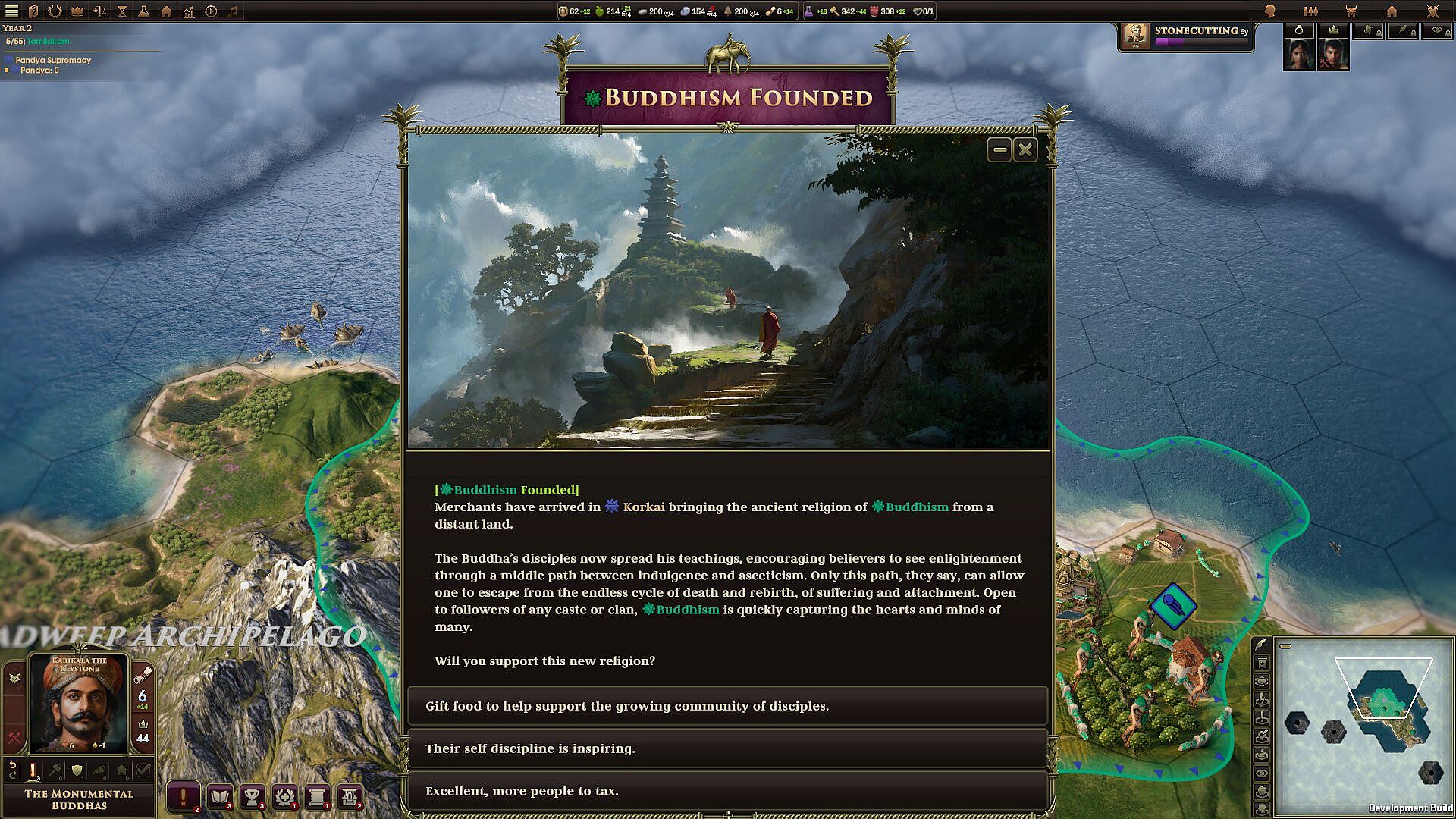
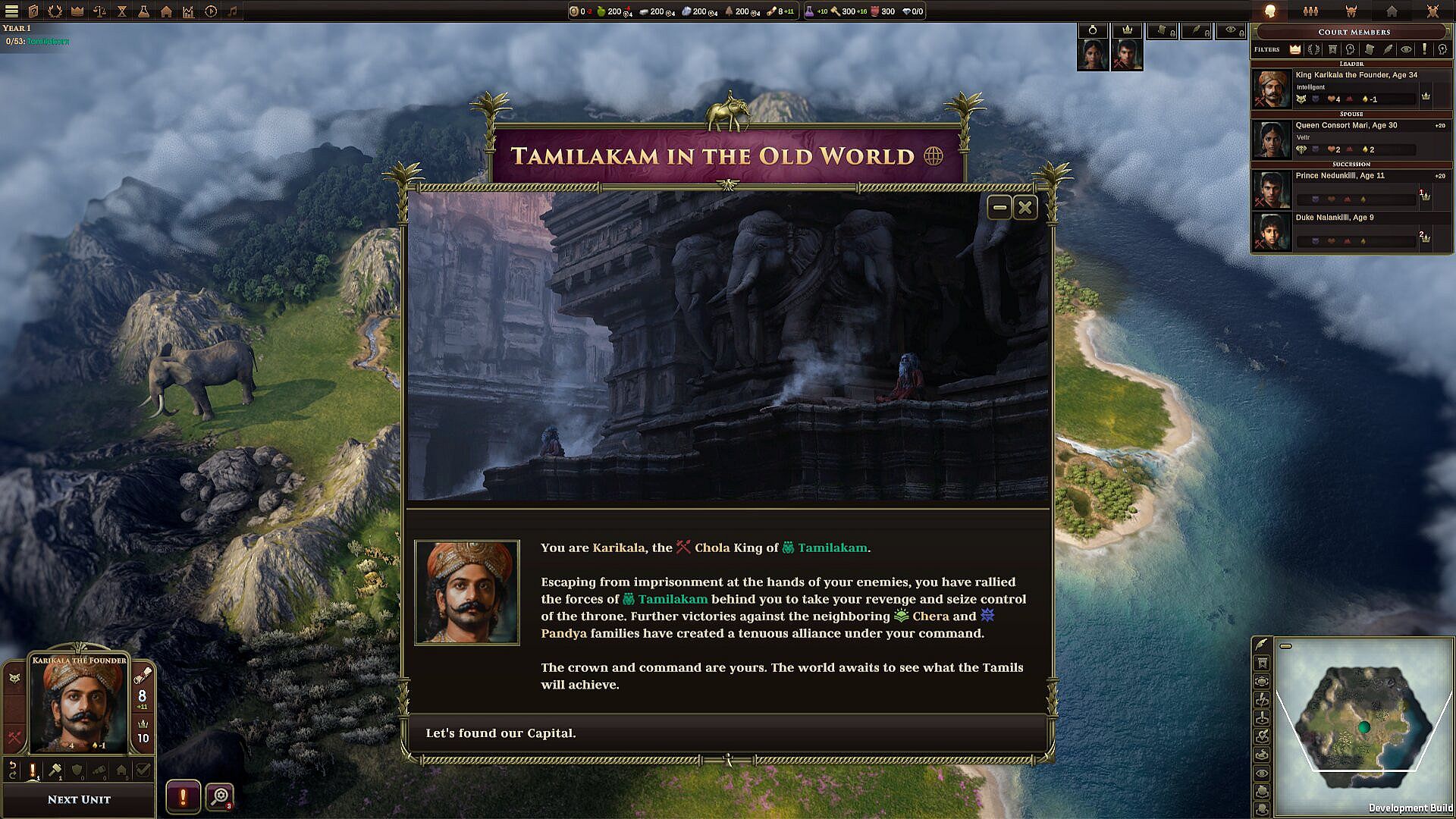
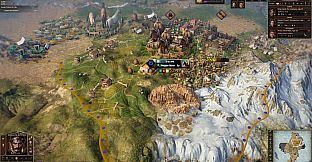
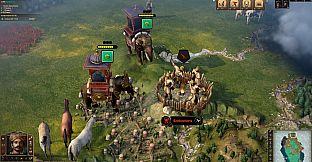
Old World - Empires of the Indus is a historical 4X strategy game expansion that places players in charge of emerging powers across the Indian subcontinent. It builds on the core systems of generational empire building, where leaders manage dynasties, court intrigue, and territorial expansion over multiple lifetimes. The focus remains on long-term legacy rather than single-ruler campaigns, with decisions about marriages, heirs, and noble families shaping the course of history.
Gameplay
Players guide their chosen nation through centuries of development by balancing internal politics and external threats. Seven kingdoms each feature four noble families that offer unique advantages when assigned to govern cities. Maintaining positive relations through events and strategic marriages unlocks further benefits, while neglecting or over-empowering families can lead to unrest or rebellion. Court members possess distinct personalities that influence their effectiveness in roles such as governors, diplomats, or military leaders. These traits evolve with experience, age, and life events, eventually giving way to new generations.
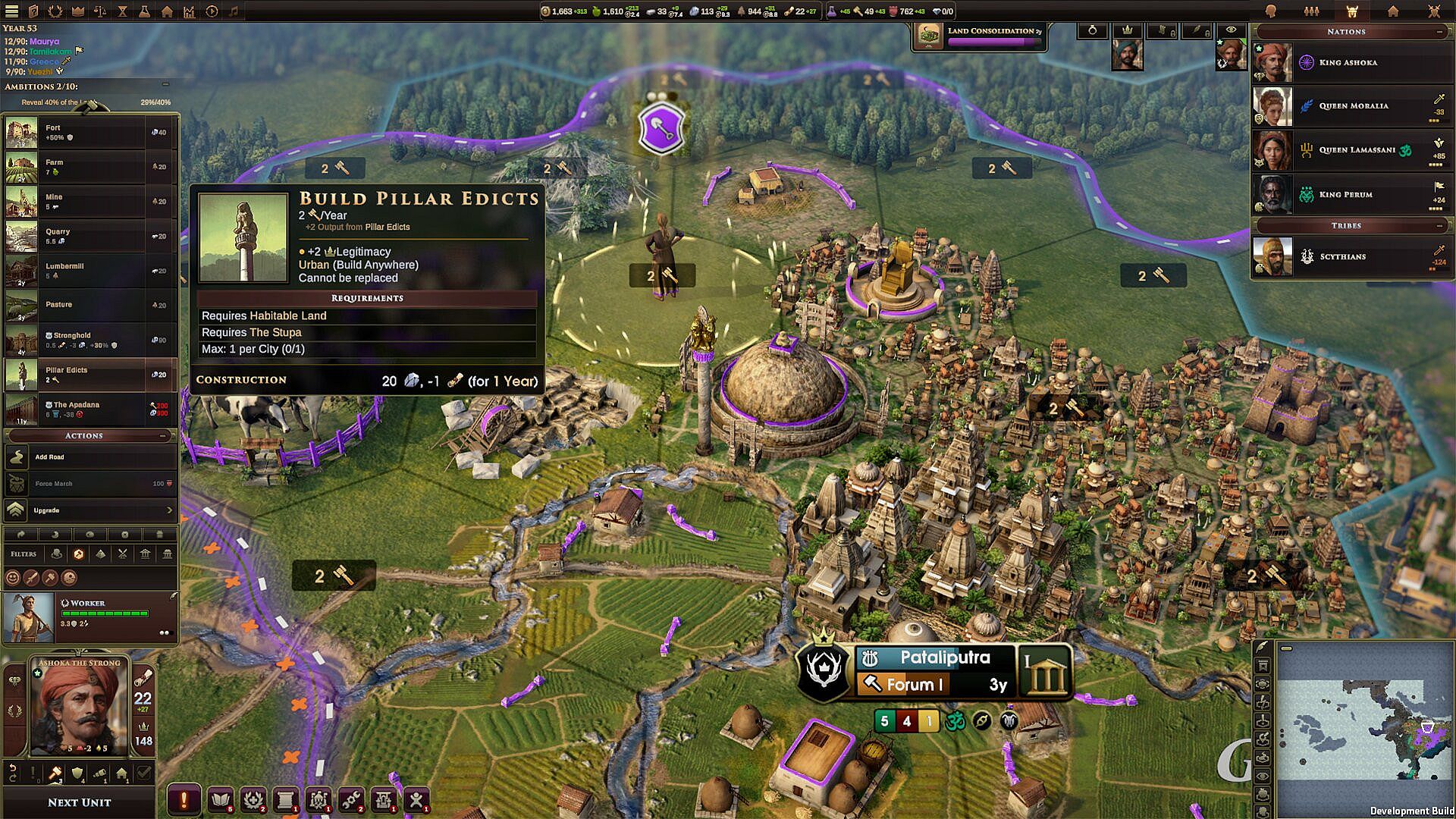
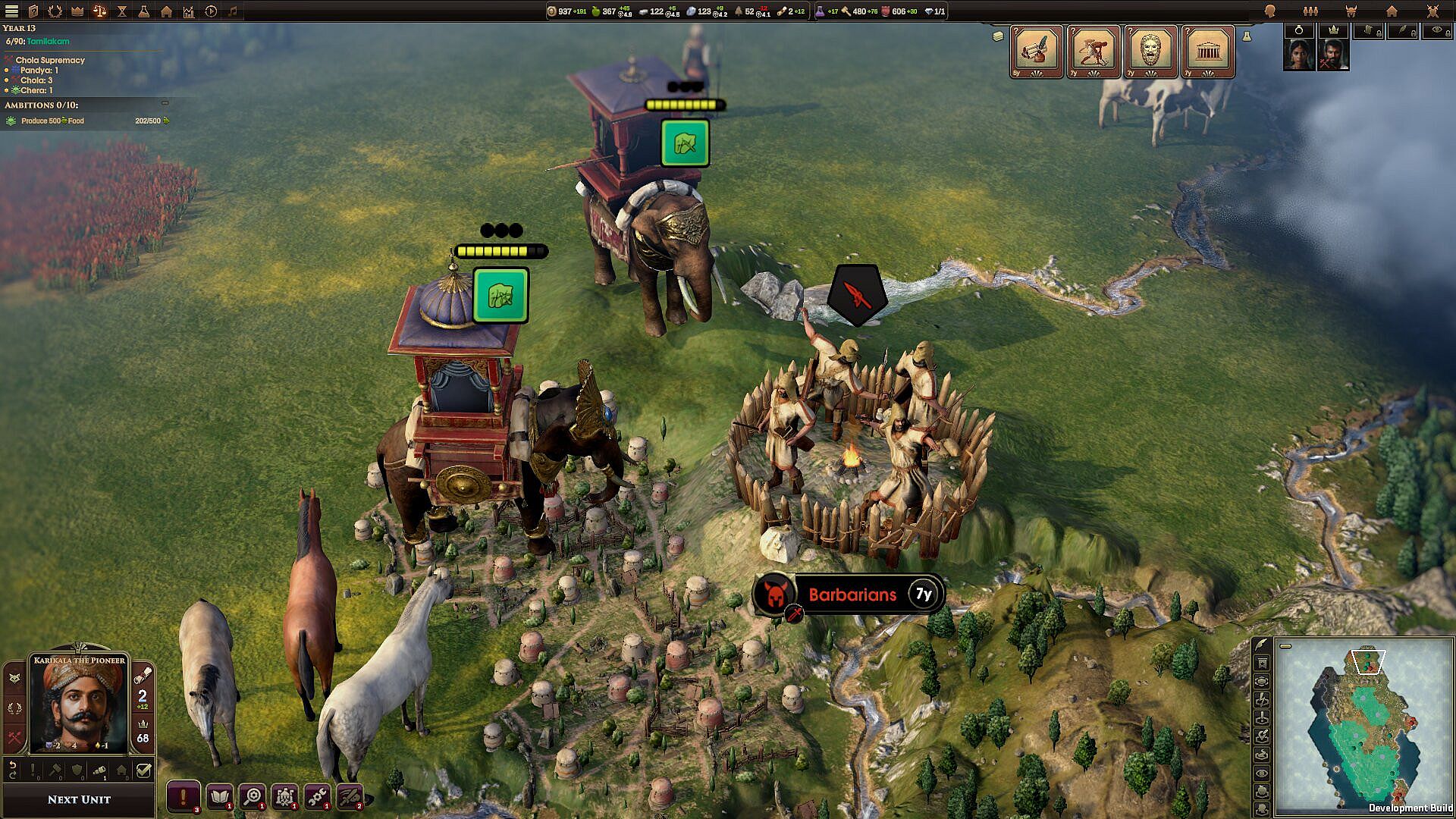
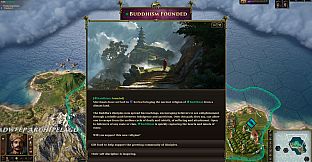
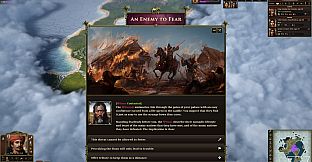
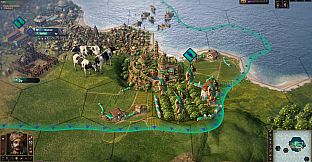
Resource management departs from standard 4X conventions. Buildings require specific materials like wood and stone instead of abstract production points. Population growth depends on more than simple food surpluses. Orders serve as a shared realm-wide resource that limits unit actions per turn, allowing multiple moves until fatigue sets in. Technology advances through randomized trees that vary between playthroughs, encouraging fresh approaches each time. Exploration reveals unsettled tribes, barbarian groups, and ancient ruins containing artifacts and legendary figures. Over three thousand events draw from historical and mythological sources, often triggered by foreign contacts or internal ambitions tied to conquest, faith, or cultural growth.
Game Modes
Empires of the Indus supports both single-player and multiplayer experiences. Historically inspired scenarios let players recreate key moments, such as leading Carthage under Hannibal or facing barbarian invasions. Weekly challenge games provide structured objectives on either randomly generated or handcrafted maps. Multiplayer options include hotseat for local turns, asynchronous play for flexible scheduling, and cloud-based sessions that accommodate different time zones. The expansion adds new maps focused on the subcontinent along with additional wonders that integrate into existing scenario and map options.
The New Nations of the Indus
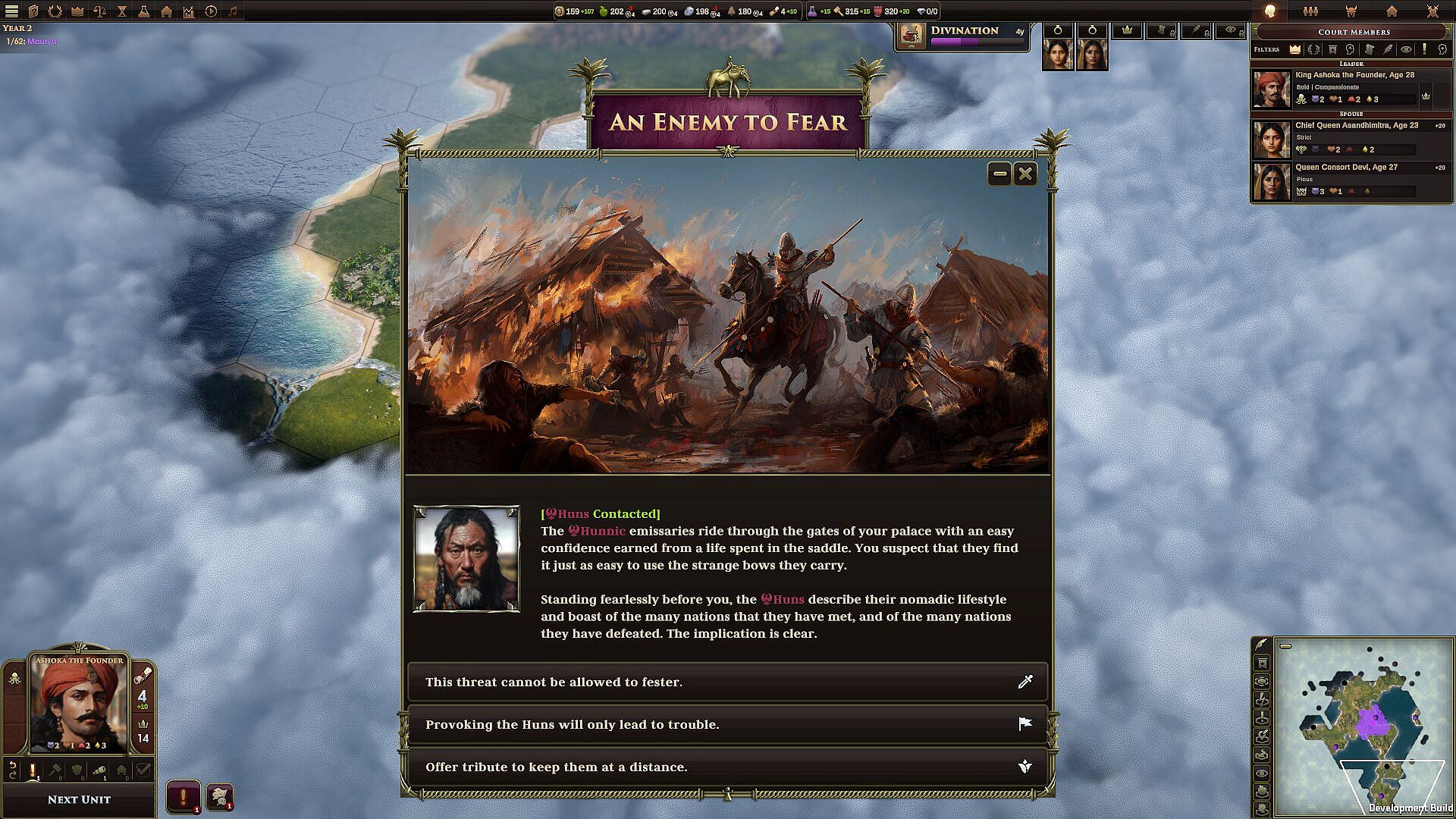
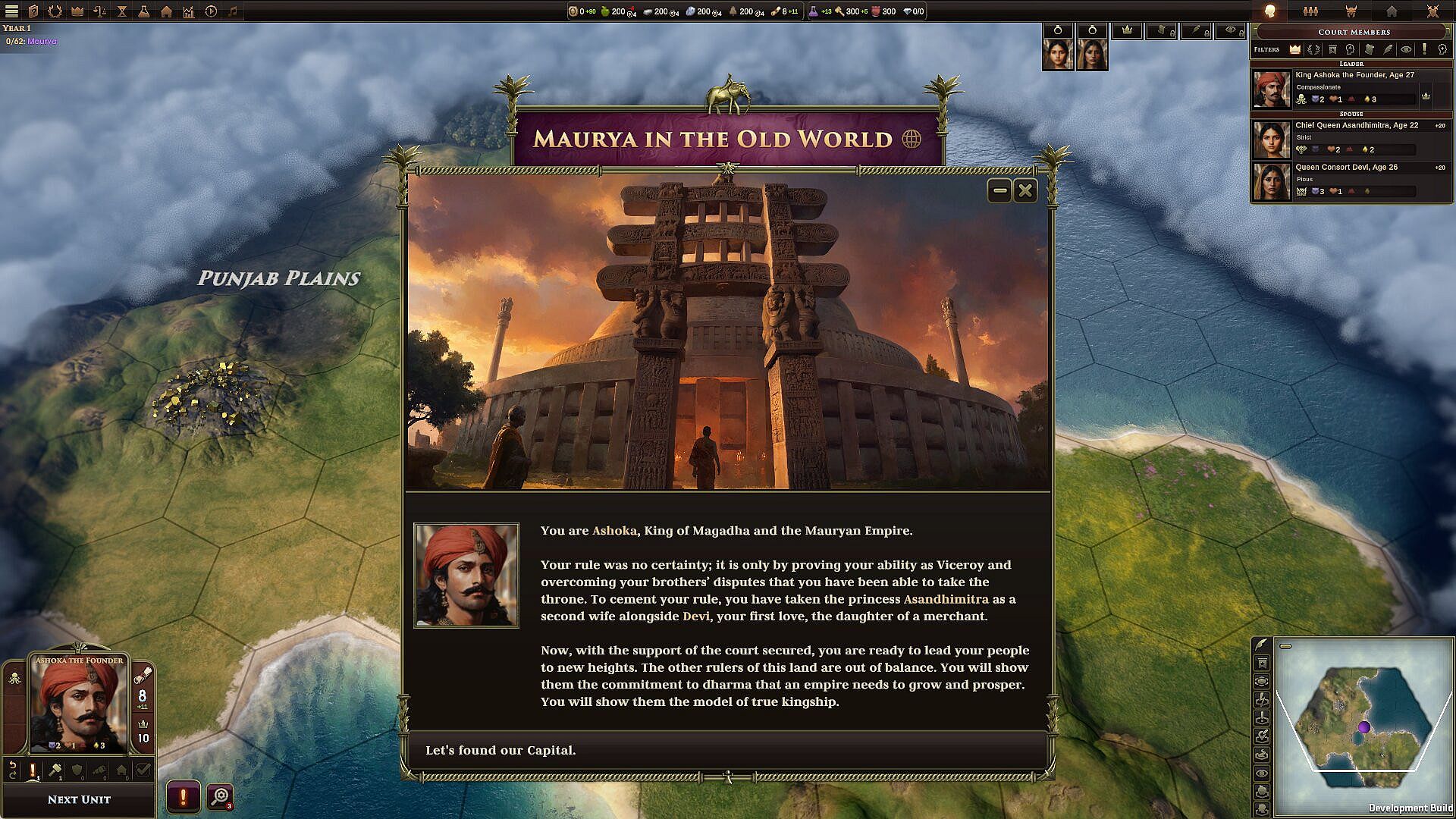
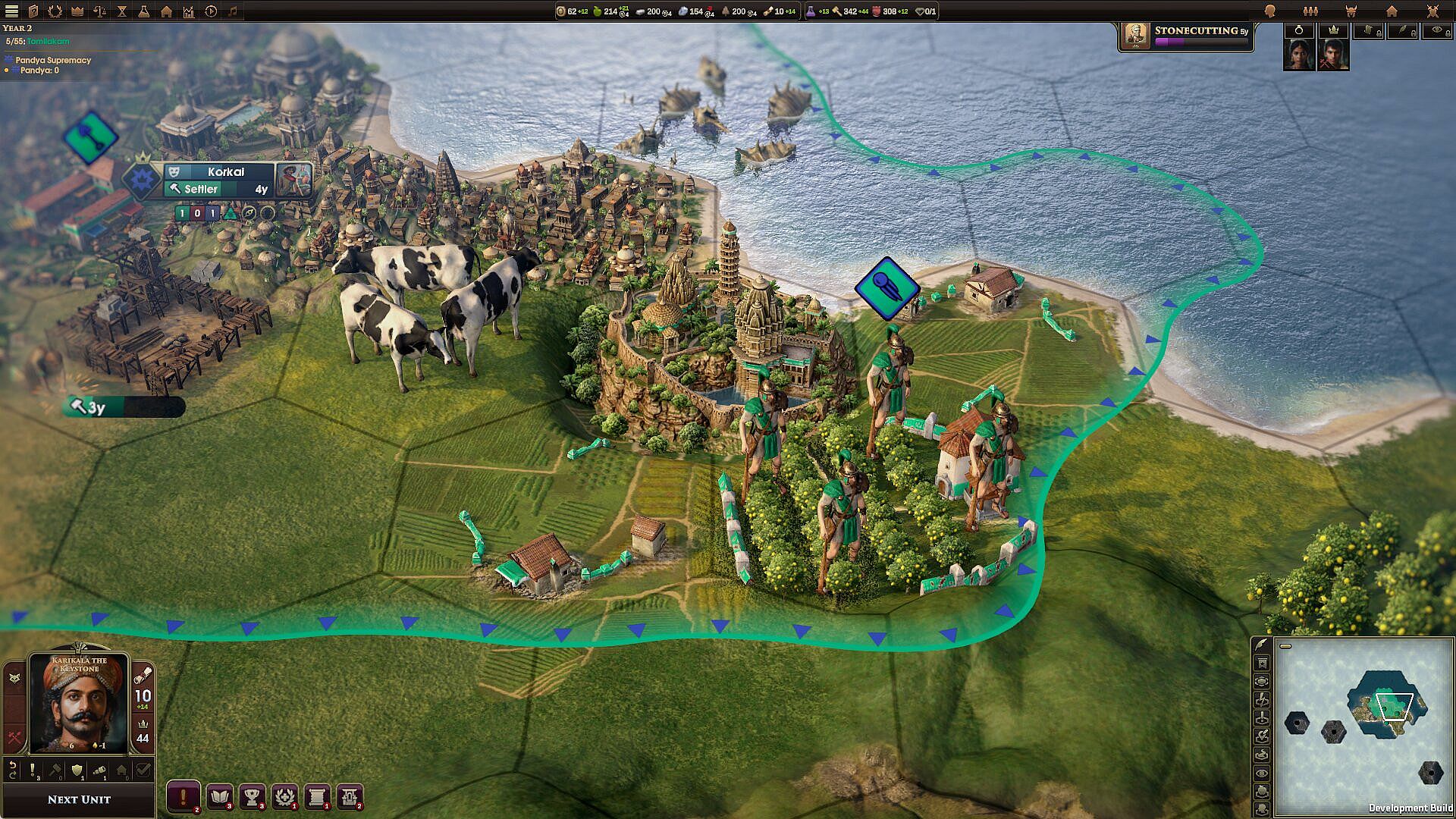
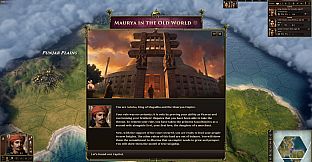
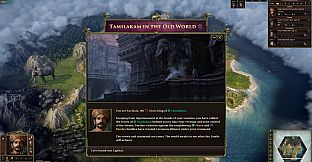
Three major playable factions expand the roster with distinct starting positions and cultural flavors. The Mauryan Empire emphasizes centralized growth and expansive influence across the region. The Yuezhi offer a path toward the Kushan Empire through tribal consolidation and northern trade routes. Tamilakam represents the three Sangam kingdoms of the south, with mechanics that reward maritime connections and regional alliances. A new barbarian tribe, the Huns, appears as an external pressure on northern borders. These additions integrate with the existing family and character systems while introducing fresh event chains tied to the 600-year span of subcontinental history.
Is It Worth Playing?
Old World maintains Very Positive reception on major platforms, with the base game holding an 84 percent approval rating from thousands of reviews. The expansion extends the same depth of character-driven strategy and event variety that appeals to fans of detailed 4X titles. It suits players who enjoy managing dynastic relationships alongside territorial conquest and who value randomized elements that promote replayability. Those seeking quick matches or purely military focus may find the generational pace and political layers slower than expected. The title remains actively supported with ongoing scenario and map additions, making it a solid choice for anyone invested in historical strategy games that emphasize legacy over rapid domination.