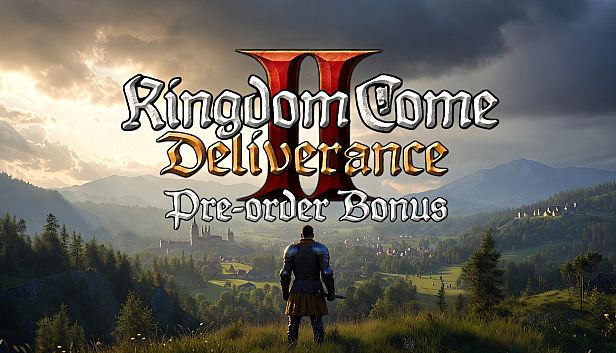


Kingdom Come: Deliverance II is an action role-playing game set in 15th-century Bohemia during a period of civil unrest. Players control Henry of Skalitz in a first-person perspective across an expansive open world that features two distinct explorable regions larger than those in the original title.
Gameplay
The core loop centers on realistic simulation of medieval life and conflict. Every action contributes to skill progression in areas such as combat, stealth, speech, lockpicking, archery, and blacksmithing. Repeated use of a skill improves proficiency and unlocks perks that provide targeted bonuses like faster lockpicking or increased damage with specific weapons.
Combat operates in real time with directional attacks and blocks that players must time and position carefully. Available weapons include short swords, longswords, maces, polearms, crossbows, and early firearms. Shields can pair with one-handed weapons for additional defensive options. Success often depends on prior training and equipment choices rather than raw power.
Dialogue and social interactions rely on stats including Oratory, Charisma, Intimidation, Appearance, Coercion, and Dominate. Higher levels in these areas open different conversation paths and influence NPC reactions. A reputation system tracks player behavior and appearance, affecting how communities respond during daily activities like trading or traveling.
Survival elements require attention to basic needs such as eating, sleeping, and maintaining hygiene. Crafting activities like blacksmithing involve minigames that reward practice and material management. The crime system includes lockpicking, pickpocketing, and other illicit actions with consequences that can lead to pursuit or imprisonment.
Game Modes
The game operates entirely in single-player format with a main narrative campaign that branches based on choices and skill application. Objectives can be approached through combat, stealth, persuasion, or a combination of methods, and NPC communities remember prior interactions.
An optional Hardcore Mode allows players to begin a new playthrough with increased difficulty and stricter rules that remove certain quality-of-life assists. This mode emphasizes careful planning and resource management throughout the experience.
Updates have introduced refinements to stealth mechanics, additional clothing options supporting covert play, and quality-of-life adjustments to daily routines and quest flow. These changes integrate directly into the existing single-player structure without altering the fundamental mode.
Exploration and Progression
The world encourages thorough investigation of towns, forests, and roads where players encounter side activities and dynamic events. Appearance and past deeds shape how residents treat the player, creating organic consequences that influence available opportunities.
Skill trees expand through use rather than traditional quest rewards alone. Perks obtained at level milestones apply across related activities and can be allocated to refine combat styles, social influence, or crafting efficiency. Equipment customization ties into these systems through blacksmithing and acquisition of period-appropriate gear.
Is It Worth Playing?
Kingdom Come: Deliverance II has received generally favorable reviews from critics who highlight its layered systems and consistent world response to player actions. User feedback similarly notes strong immersion for those who appreciate deliberate pacing and skill-based challenges.
The title suits players who enjoy realistic first-person RPGs with interconnected mechanics for combat, dialogue, and survival. Those seeking faster action or simplified progression may find the initial learning curve demanding, while fans of methodical exploration and consequence-driven storytelling often report extended engagement.
Ongoing patches continue to address stability, add features such as barbers for character customization, and refine existing systems like blacksmithing and stealth. The game remains available on PS5 with active support that includes balance adjustments and new content elements integrated into the core experience.