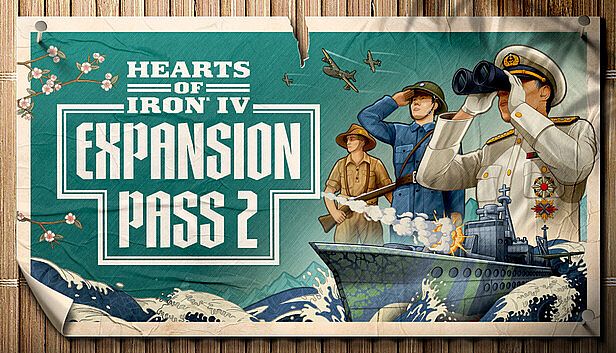













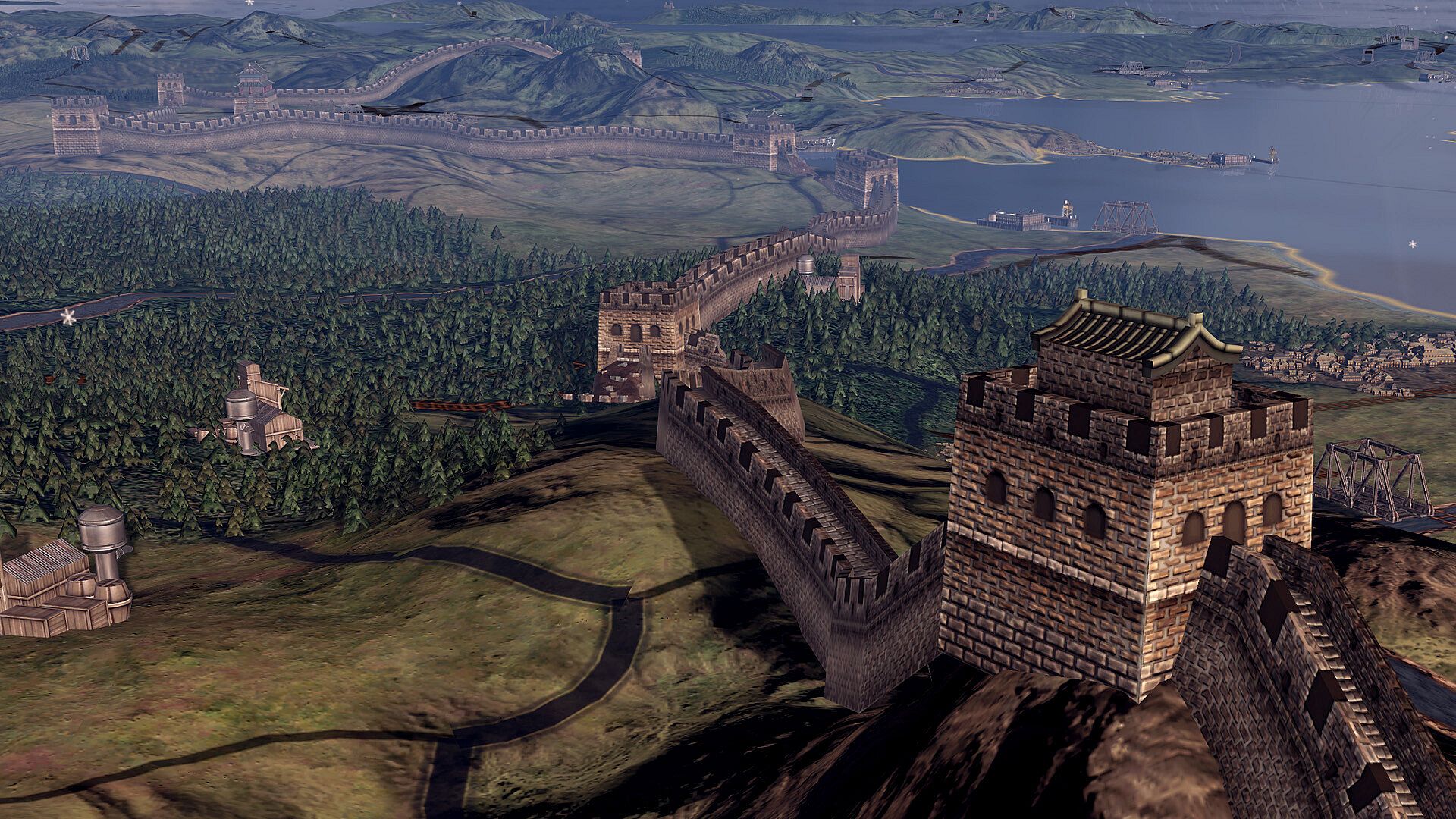
Hearts of Iron IV: Expansion Pass 2 is a grand strategy simulation set during the Pacific War of World War II. Players manage national economies, military production, diplomacy, and large-scale campaigns across land, sea, and air on a detailed world map. The pass centers on the Asiatic Pacific Theater, where control over island chains, resource routes, and alliances shapes outcomes for major powers and smaller nations alike.
Gameplay
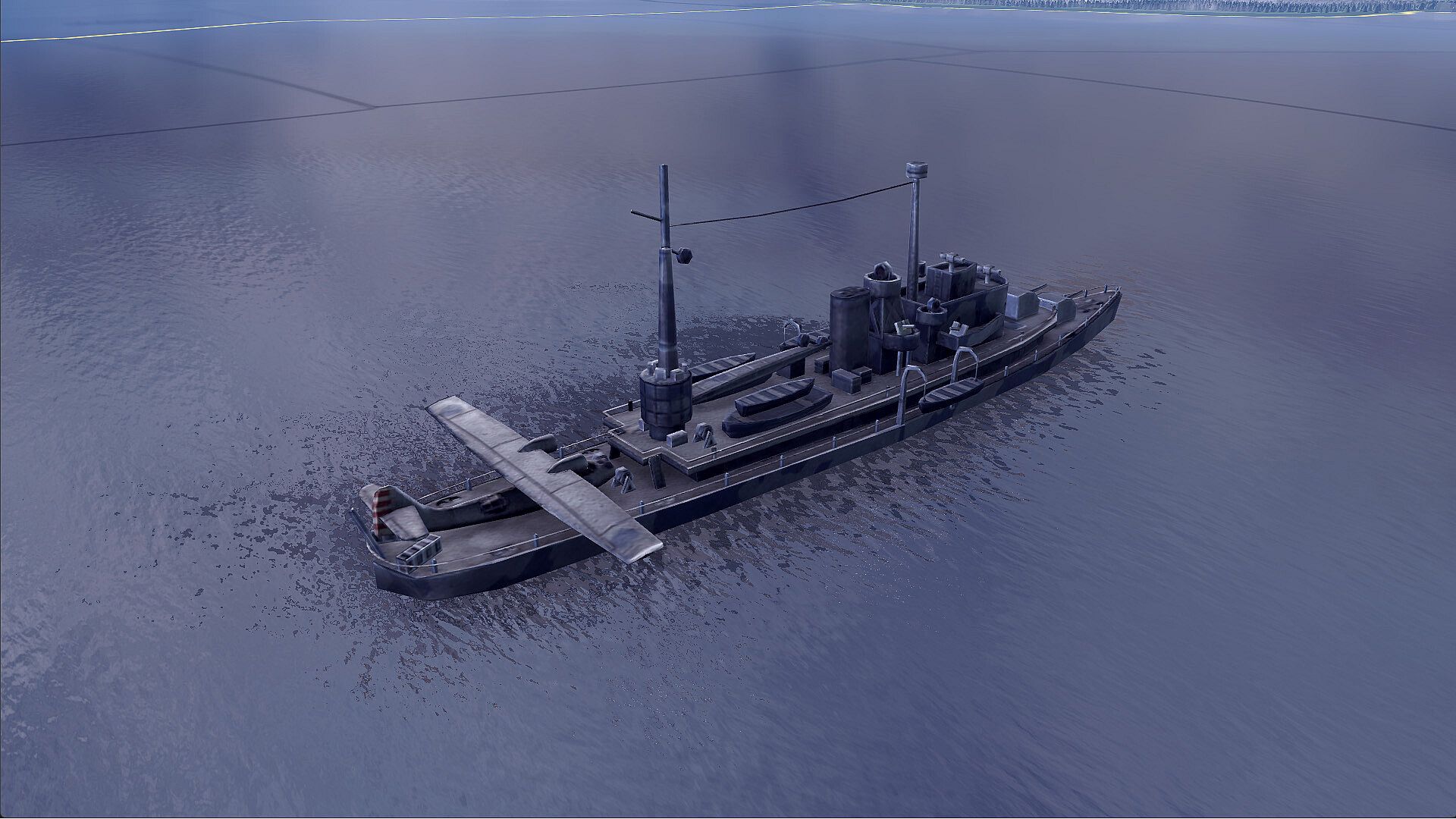
The core loop involves directing a chosen nation through historical or alternate timelines. Players allocate factories to build units, research technologies, and adjust political priorities via national focus trees. Naval operations receive particular attention, with mechanics for carrier strikes, convoy protection, and seaplane deployment that influence fleet effectiveness in open ocean engagements.
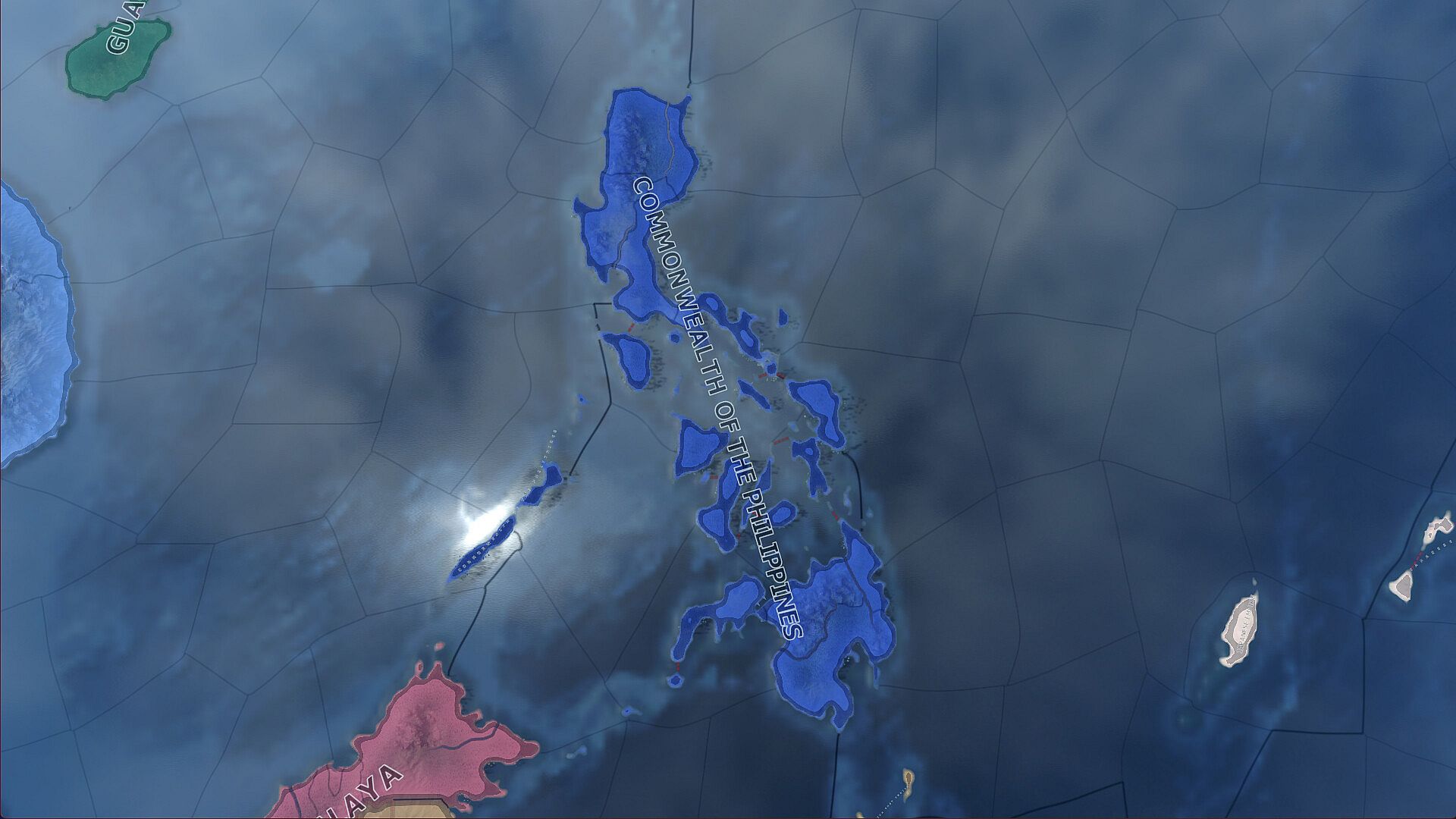
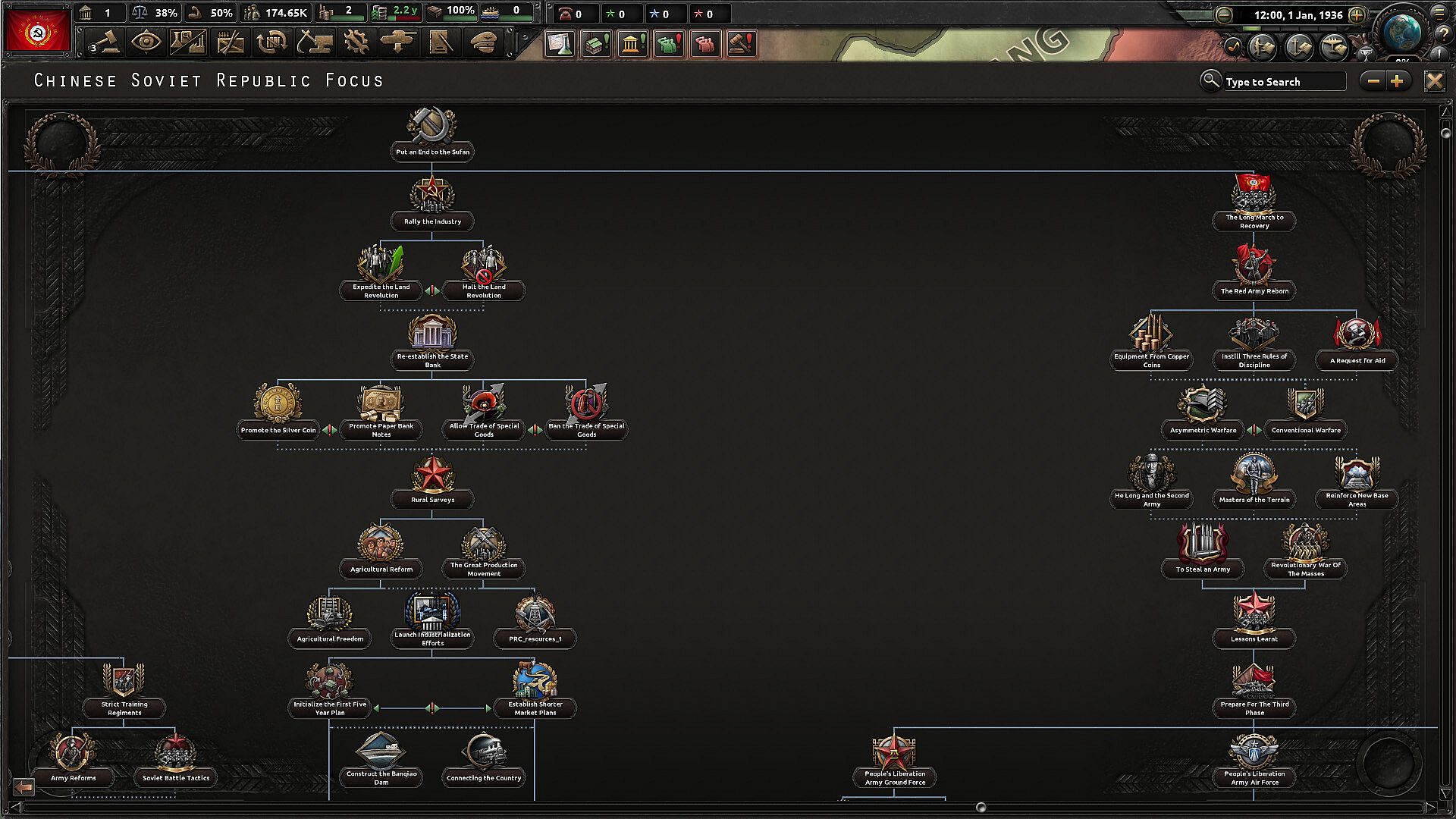
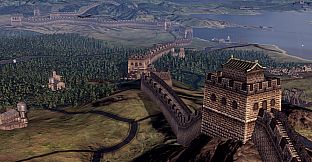
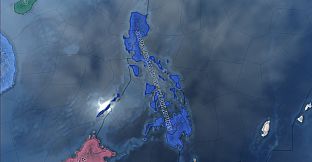
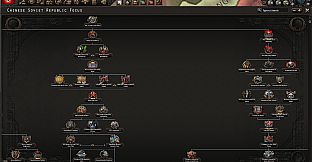
Expansion Pass 2 adds focus trees for Japan, allowing paths that emphasize Pacific dominance or internal political shifts. Communist China receives tools to consolidate power and counter external threats, while Nationalist China gains options to unify warlord territories and resist foreign incursions. The Philippines tree supports defensive strategies that leverage local resources and flexible alliances. New military doctrines let commanders tailor army, navy, and air force structures to specific theater needs, replacing older standardized systems with more adaptable options.
Faction management expands through revised rules that define alliance objectives and member contributions. Naval combat updates improve carrier interactions and introduce special projects for advanced vessels. These systems integrate with the base game's emphasis on logistics, terrain effects, and long-term planning across multiple fronts.
Game Modes
Standard play occurs in single-player campaigns that run from 1936 onward, with adjustable difficulty and historical accuracy settings. Players can pursue victory through conquest, ideological spread, or survival against superior forces. Multiplayer sessions support cooperative or competitive matches where multiple users control different nations in the same persistent world.
Scenarios tied to the Pacific focus on island-hopping operations and resource denial. Alternate history branches open when focus tree choices diverge from recorded events, leading to new coalitions or prolonged conflicts. No dedicated competitive ladders or seasonal modes exist; progression relies on campaign length and player-defined goals.
Content Additions
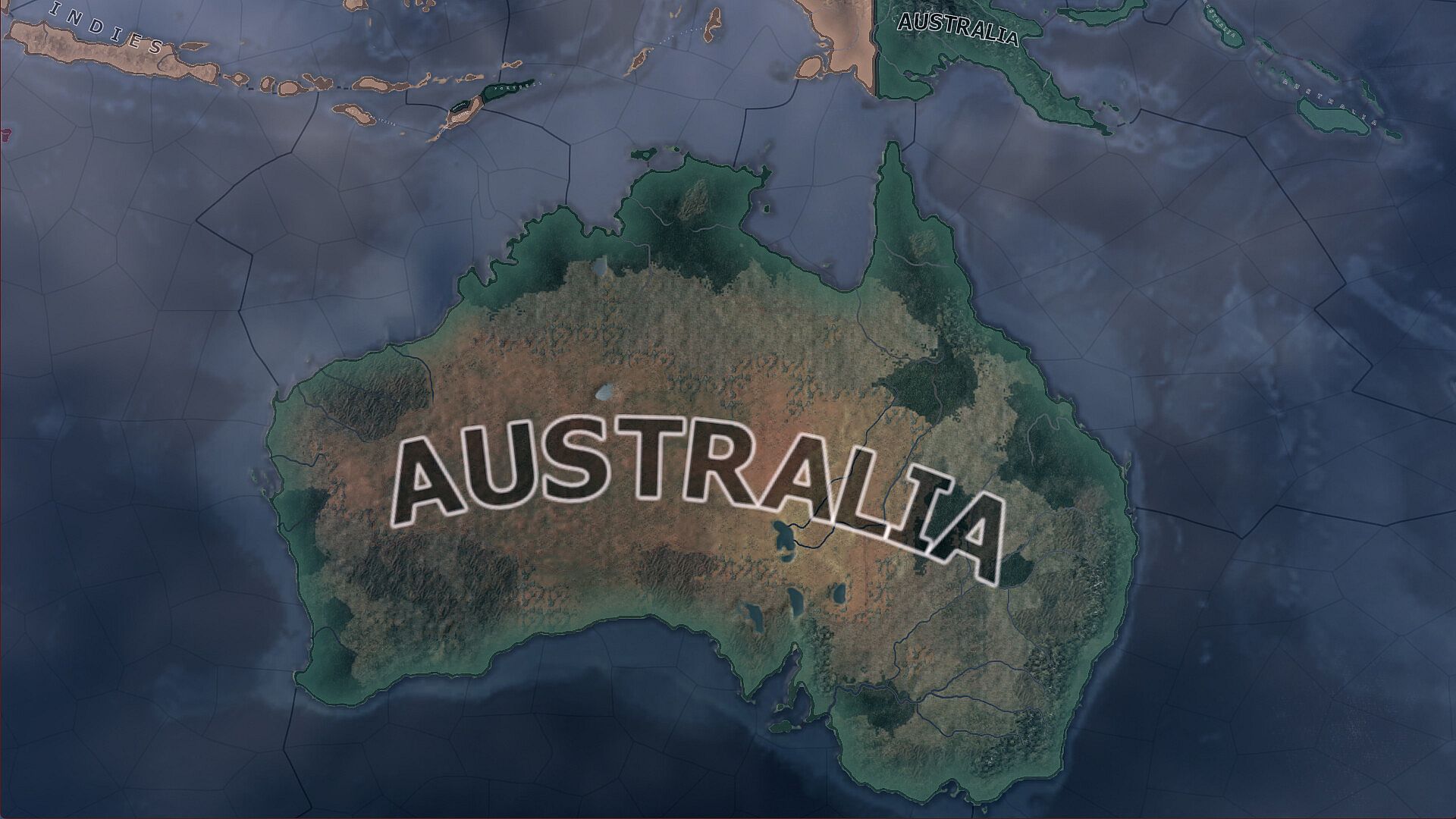
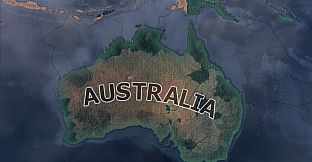
The pass bundles several releases. An instant bonus unlocks unit art for Japanese, Australian, and American seaplane tenders. The main expansion introduces the focus trees and doctrine changes mentioned earlier. Later cosmetic and theater packs add vessel artwork and organizational tools such as headquarters and captain roles, along with content for Australia, Siam, and Indonesia. A separate focus pack provides alternate paths for Czechoslovakia centered on resistance or internal upheaval.
These elements layer onto the existing simulation without altering core rules for other regions. Naval emphasis appears consistently across the included items, reflecting the theater's geographic demands.
Is It Worth Playing?
Expansion Pass 2 suits players who enjoy detailed grand strategy with an emphasis on the Pacific campaign and alternate history branching. The new focus trees and doctrine rework provide fresh decision trees for Japan, China, and the Philippines that integrate with naval and faction mechanics already present in the base game. Ongoing support through 2026 releases ensures additional content arrives after the initial expansion.
Those seeking quick matches or action-oriented combat will find the pace slower and more management-heavy. The simulation rewards long-term planning and experimentation with political paths over direct tactical control. Availability on PC allows access to community modifications that further extend campaign variety.